Best Baby Strollers of 2026: Budget to Luxury Picks That Last
The best 2026 stroller for your family balances safety certification, age-appropriate recline, terrain match, and honest budget — not brand prestige alone.
In this article
A Stroller Is a Safety Device First, a Lifestyle Object Second
Roughly 17,000 children under five are treated in U.S. emergency departments every year for stroller and carrier-related injuries, according to a long-running study published by the American Academy of Pediatrics in Academic Pediatrics. Most of those injuries are falls from a stroller that tipped, folded, or wasn't reclined properly for a sleeping infant — which means the wheels under your baby are doing far more than getting you to the park.
You're not just shopping for a pretty pushchair. You're buying a piece of paediatric safety equipment that will log thousands of miles, hold a sleeping newborn, survive airport gate checks, and (if you choose well) outlast a second baby.
What you'll understand by the end of this guide:
1. Why Newborn Stroller Safety Comes Before Everything Else
Babies under six months must lie flat or near-flat in a stroller — full stop. Their airways, spinal curvature, and head control aren't ready for the semi-upright "infant" seats most strollers ship with. The American Academy of Pediatrics and the Royal College of Paediatrics and Child Health both flag prolonged upright sitting in young infants as a contributor to positional asphyxia, particularly when a baby falls asleep with a slumped chin.
That's why a true newborn-ready stroller offers one of three things: a bassinet attachment, a pramette (a seat that converts to a flat carrycot), or a deep-recline seat that lies fully horizontal.
Infants younger than 4 months should not be in semi-reclined or upright positions for extended periods, as this can compromise airway patency in young infants with limited head and neck control.
— American Academy of Pediatrics, 2022 Safe Sleep Technical Report
Red flags in any newborn stroller setup
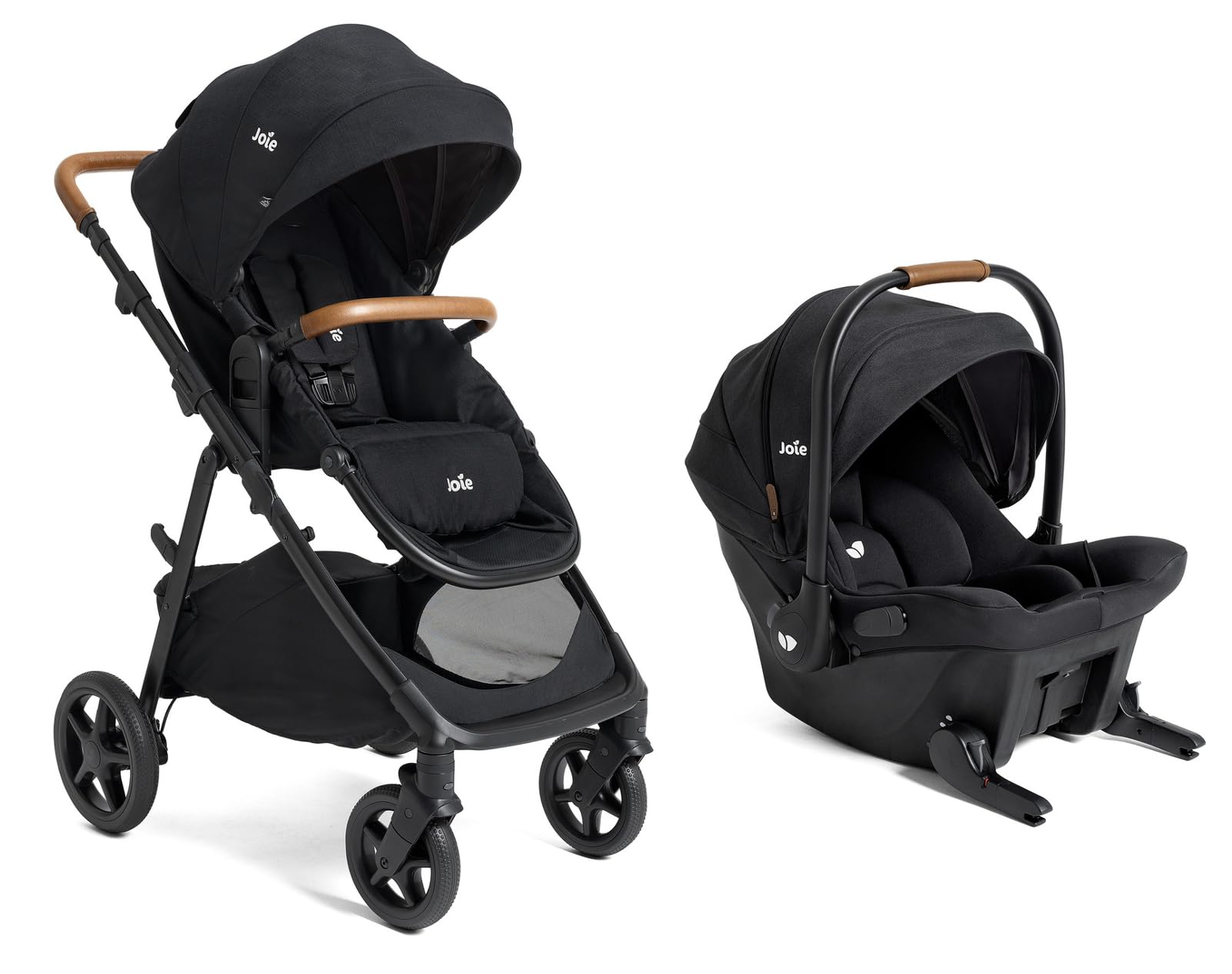
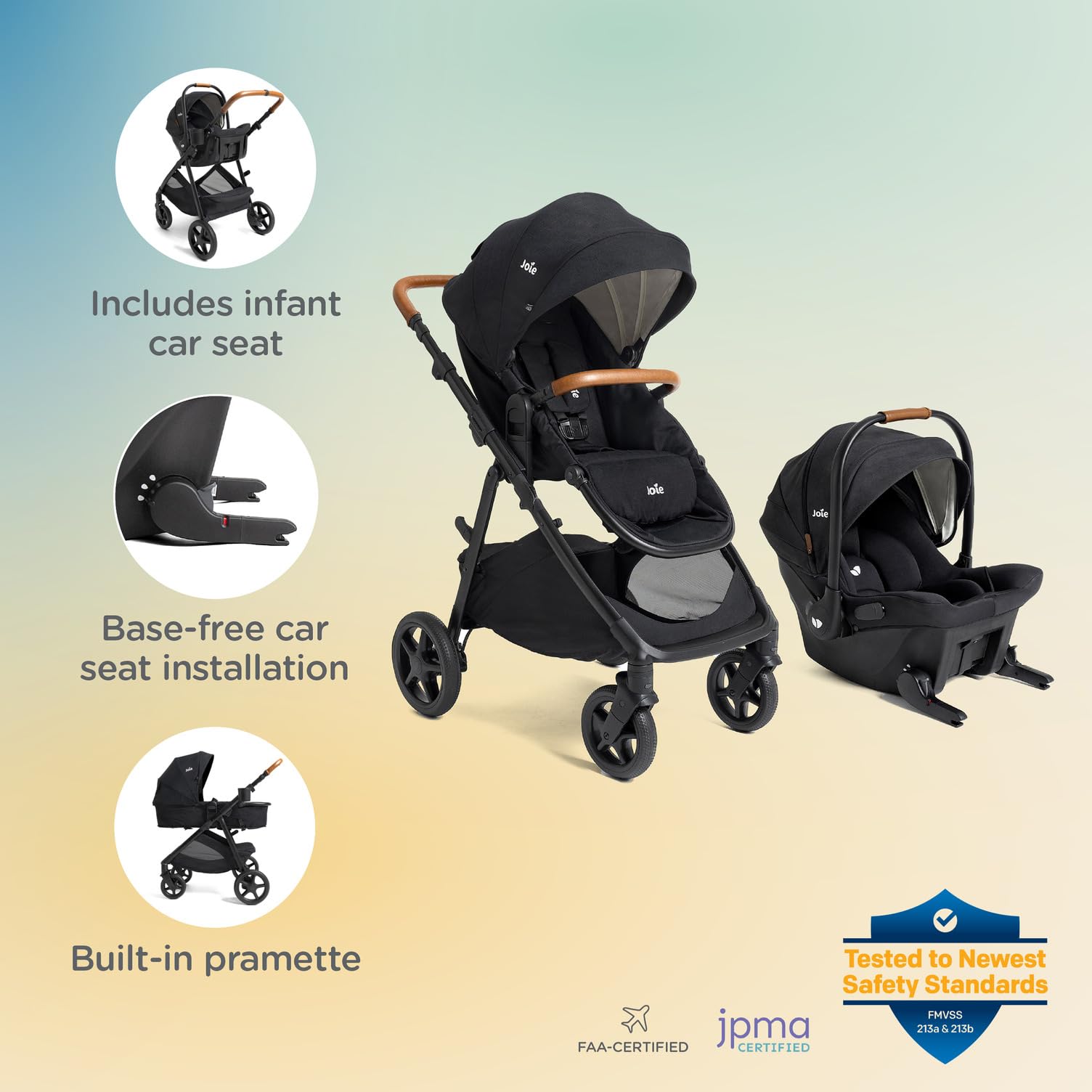
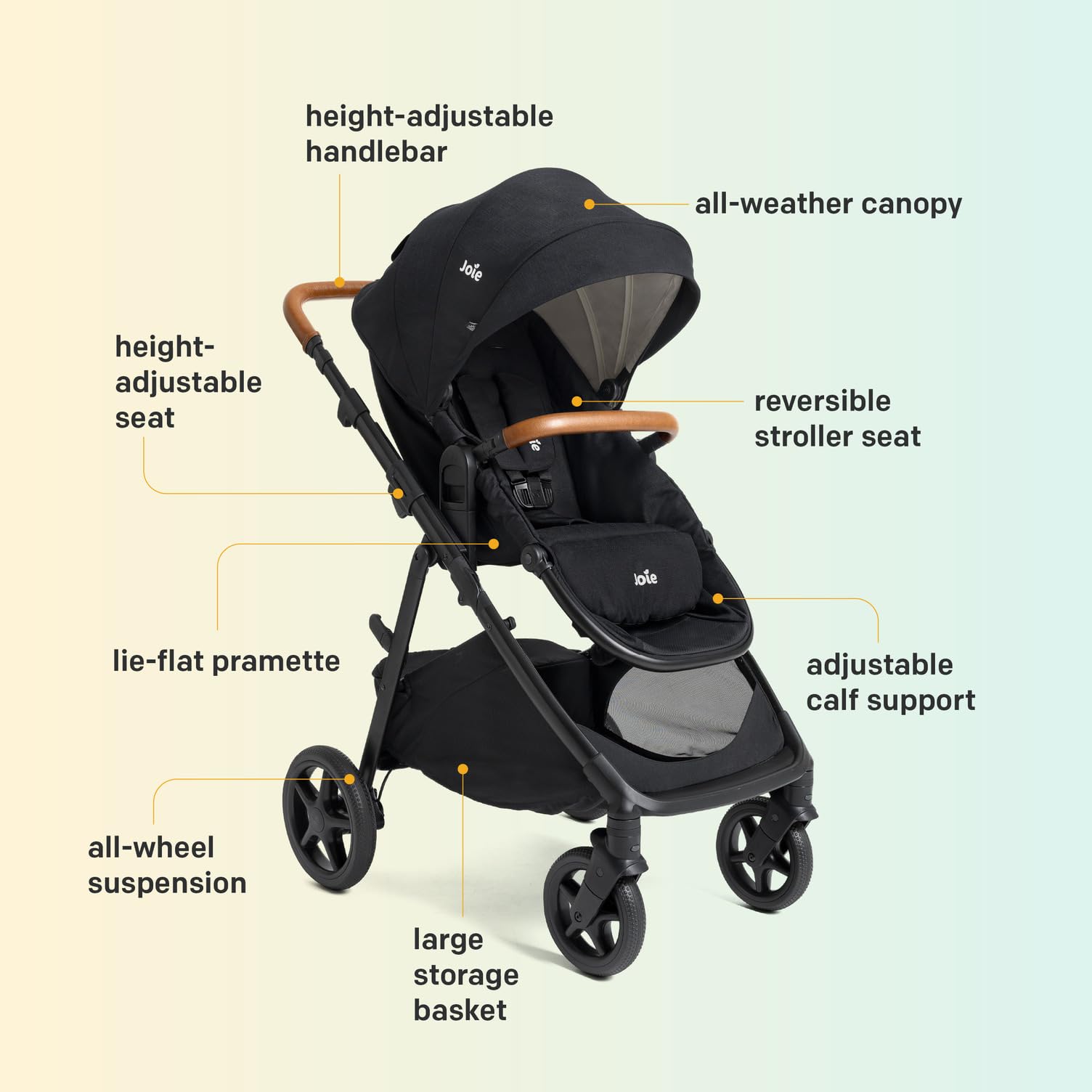
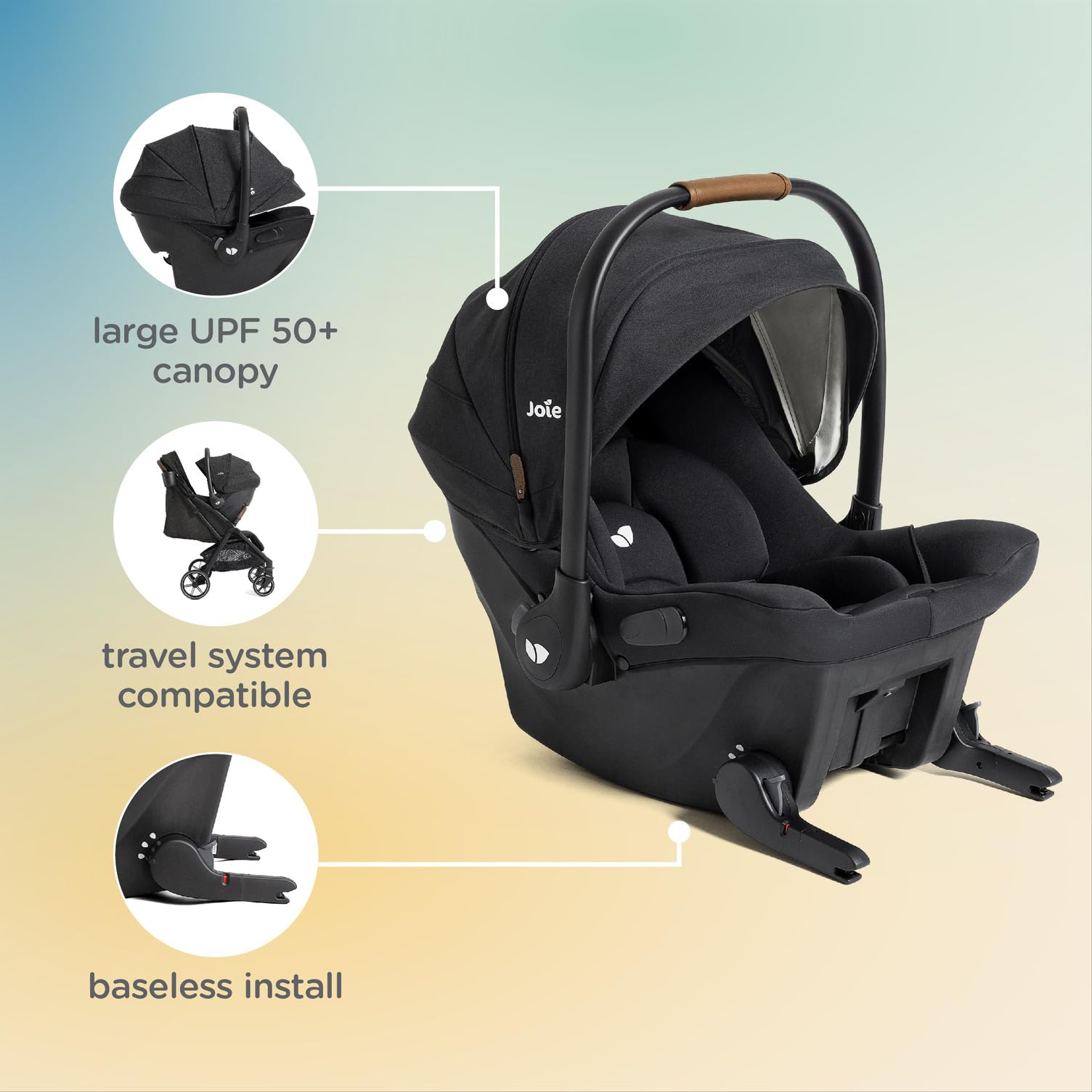
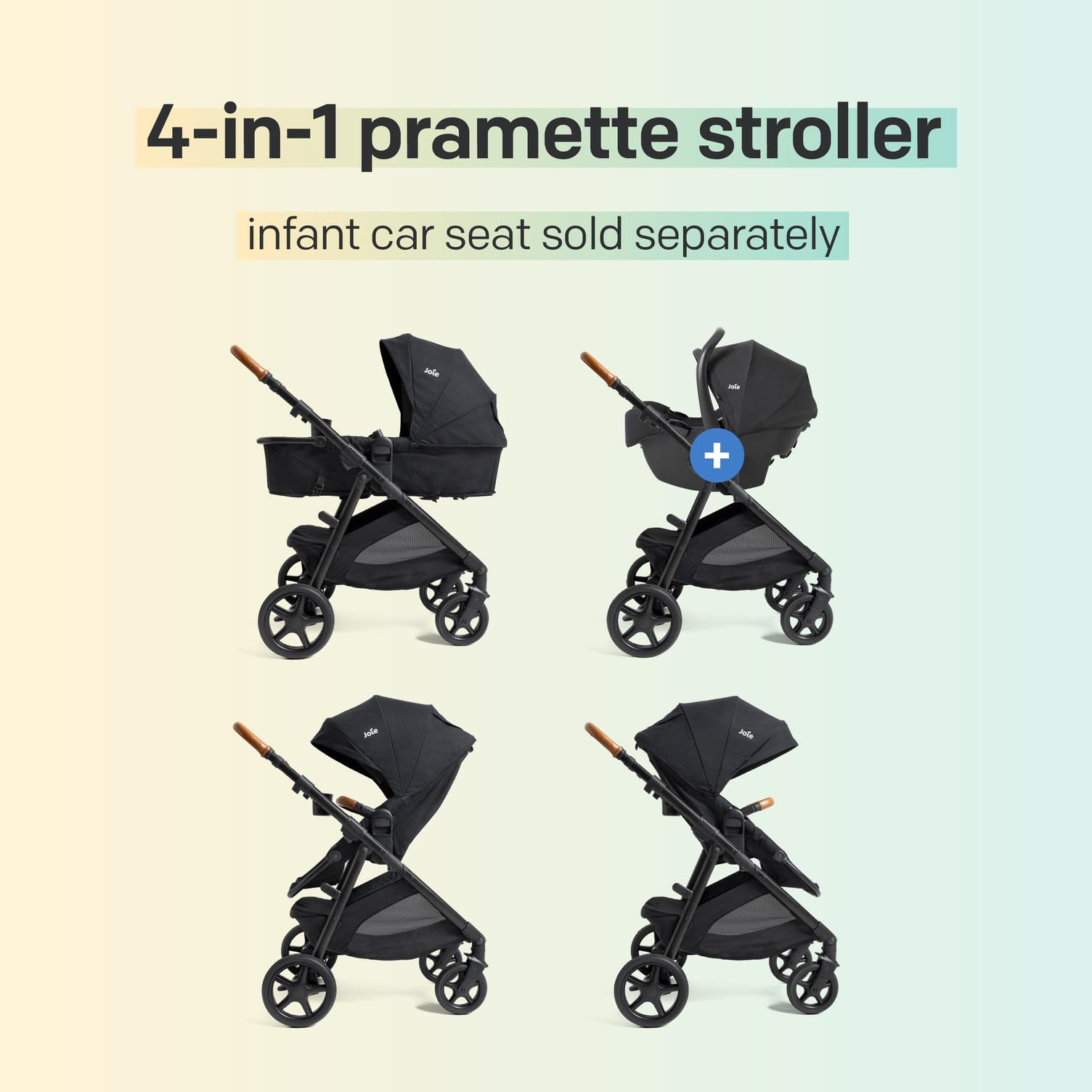
Joie Ginger and Mint Latch Travel System – 4-in-1 Travel System with Base-Free Infant Car Seat & Stroller, Built-in Latch for Easy Install and an Included All-Terrain Stroller (Shale Dark)
- Highlights: Includes stroller and infant car seat, No base needed, Lie-flat pramette.
- 4-in-1 Convertible Design: The Joie Ginger height-adjustable pramette to stroller easily pairs with the Mint L
- Base-free Infant Car Seat Included: Comes with a lightweight and secure infant car seat, designed to attach ea
The Joie Latch travel system is a strong example of newborn-conscious design: the Ginger seat converts to a lie-flat pramette, and the Mint Latch car seat installs base-free with built-in LATCH connectors — useful for Uber rides and grandparent handoffs.
If you want a deeper breakdown of which newborn features actually matter — from harness geometry to canopy UPF rating — see why infant-specific stroller features matter before you click "buy."
2. Travel Systems: The Smartest Move for First-Time Parents
A travel system bundles an infant car seat with a compatible stroller frame, and it's almost always cheaper than buying the pieces separately. For the first 9–12 months, you'll click the car seat onto the stroller dozens of times a week — at school drop-off, at the pharmacy, during the "sleeping baby, please don't wake up" shuffle from car to house.
The 2026 travel-system market has matured significantly. Where this category used to mean "cheap stroller + okay car seat," brands like Graco, Joie, and Evenflo now ship genuinely good combos under $600.

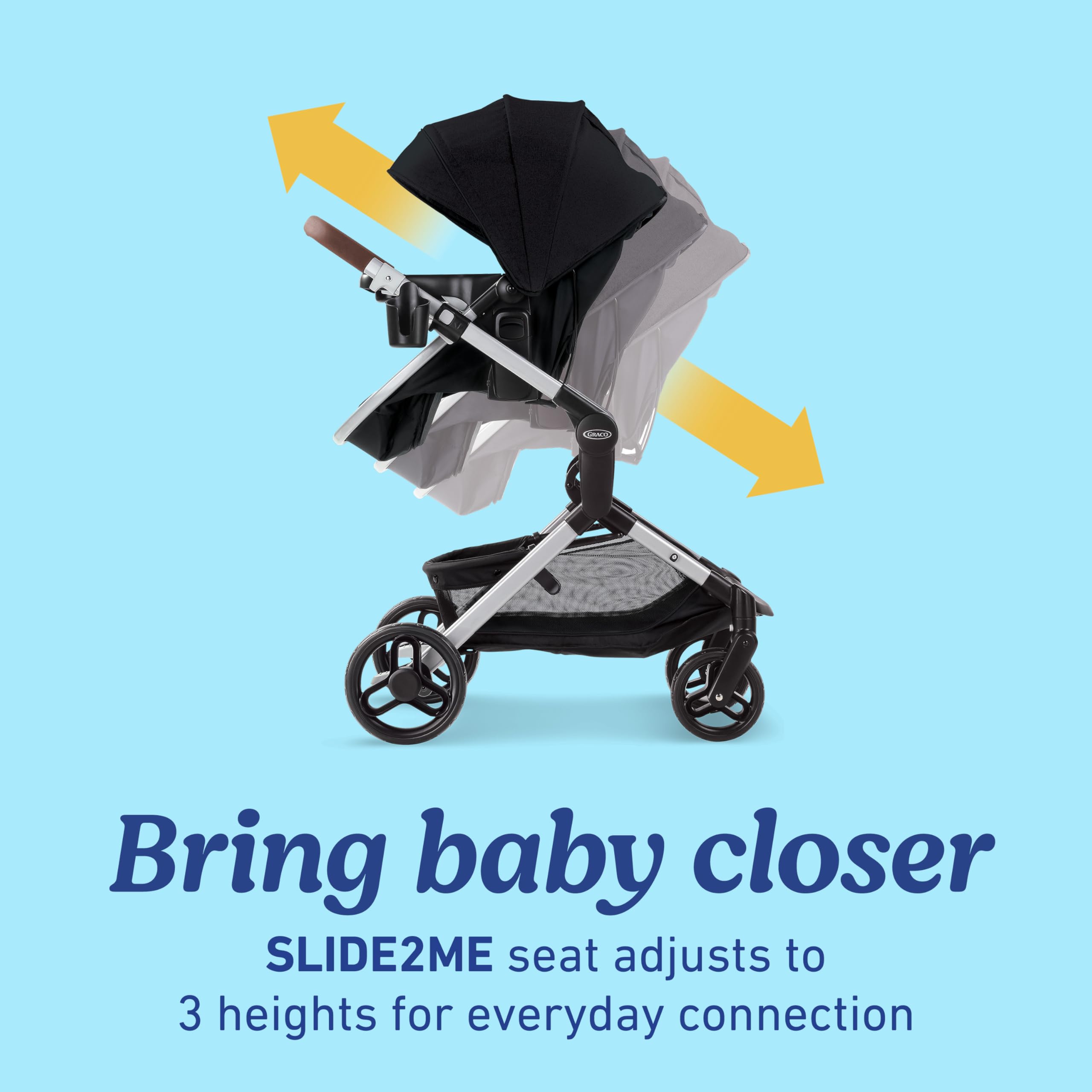
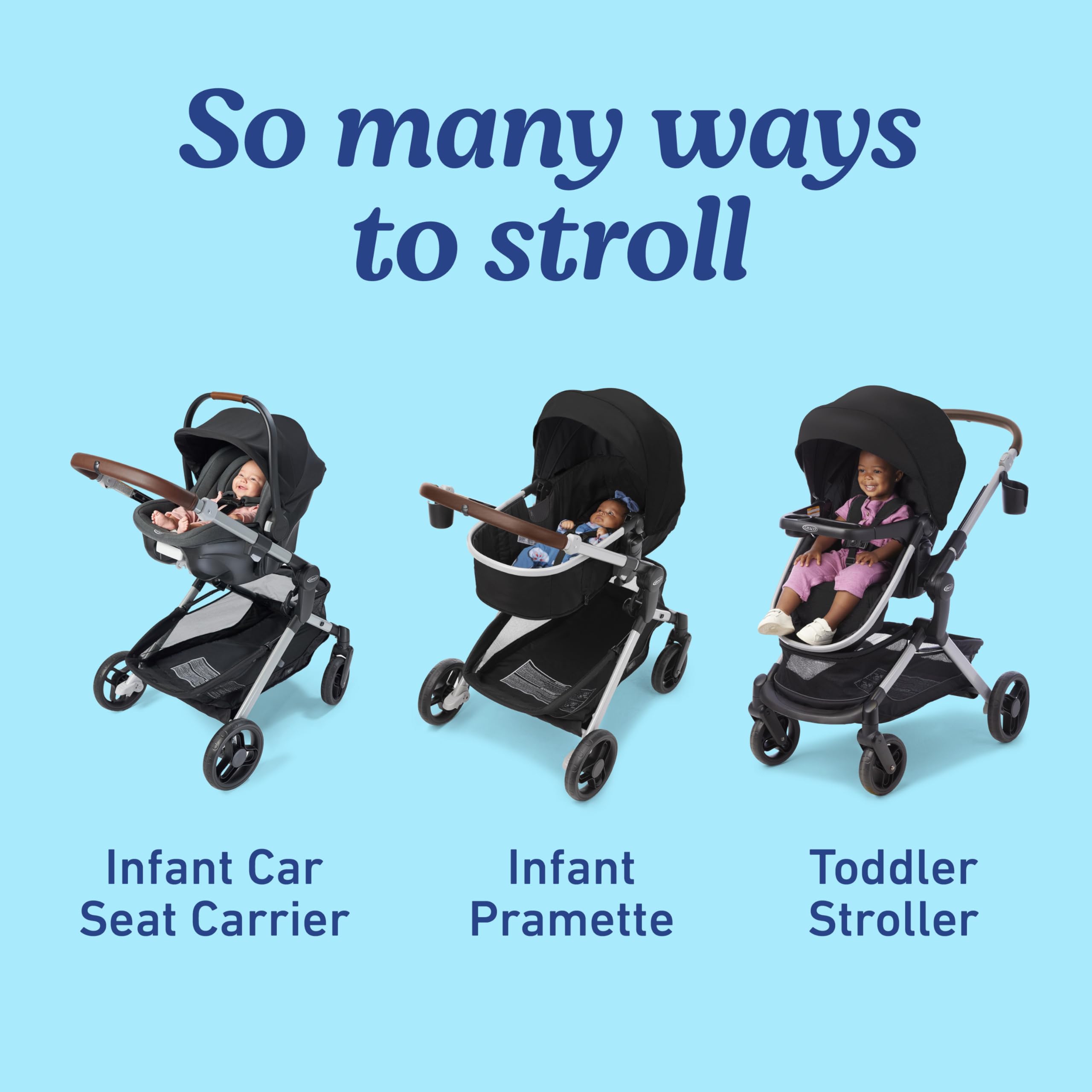
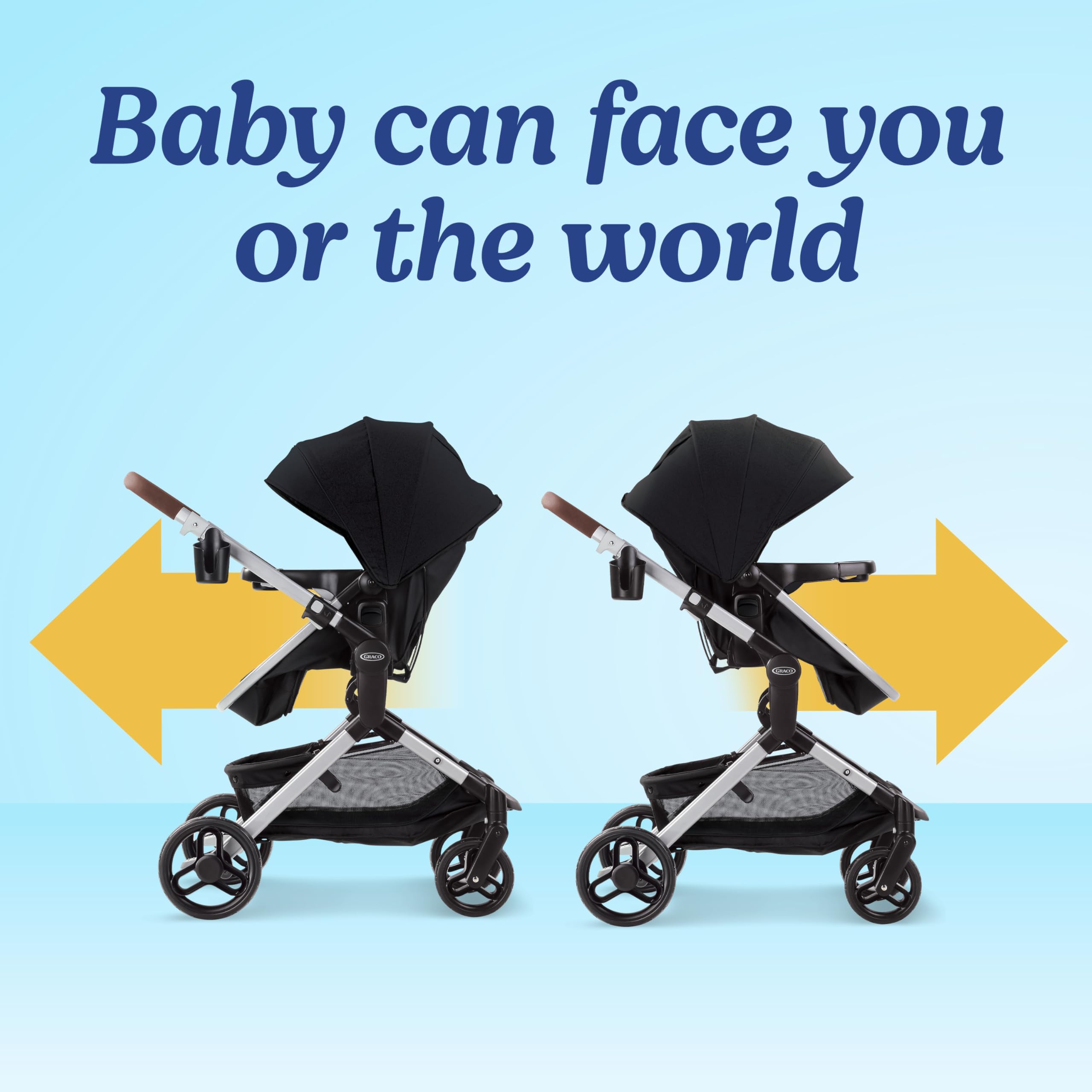
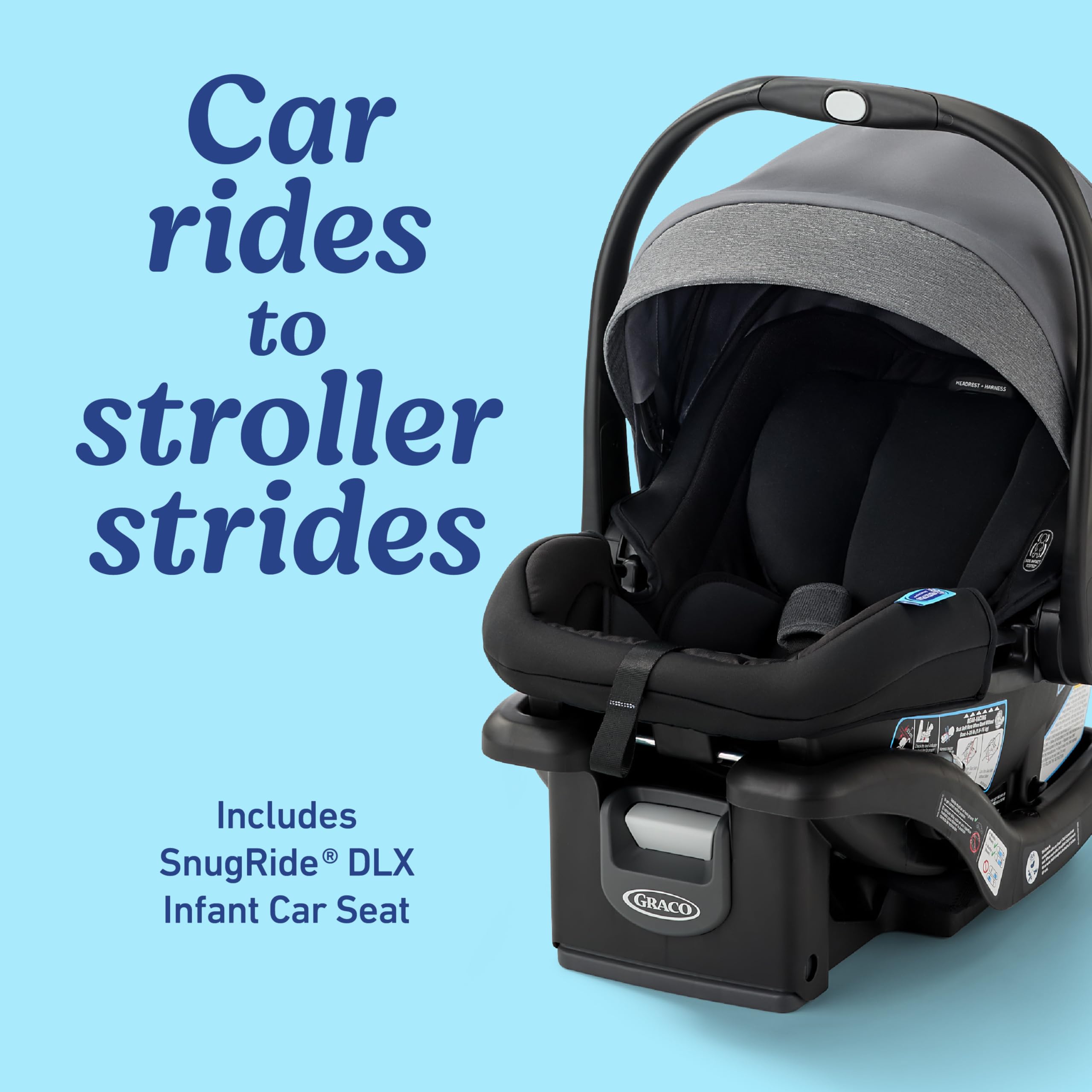
Graco Modes Nest Travel System, 3-in1 Modular Carseat Stroller Combo, Adjustable Slide2Me Infant Car Seat Carrier to Toddler Stroller, Includes the SnugRide DLX Infant Car Seat, Sullivan
- Versatile 3-in-1 Stroller: Transforms from an Infant Car Seat Carrier to Infant Pramette and then to Toddler S
- Inclusive Travel System: Comes with the Graco SnugRide 35 Lite Elite Infant Car Seat for infants from 4-35 lb
- Slide2Me Adjustable Seat: Modify the height for closer face-to-face interaction
The Graco Modes Nest stands out for its Slide2Me adjustable seat height, which lets you raise baby closer to your eye level — a small detail that newborn parents who've hunched over a low stroller for six months deeply appreciate. The SnugRide 35 Lite Elite seat handles infants from 4–35 pounds.
When a travel system makes sense
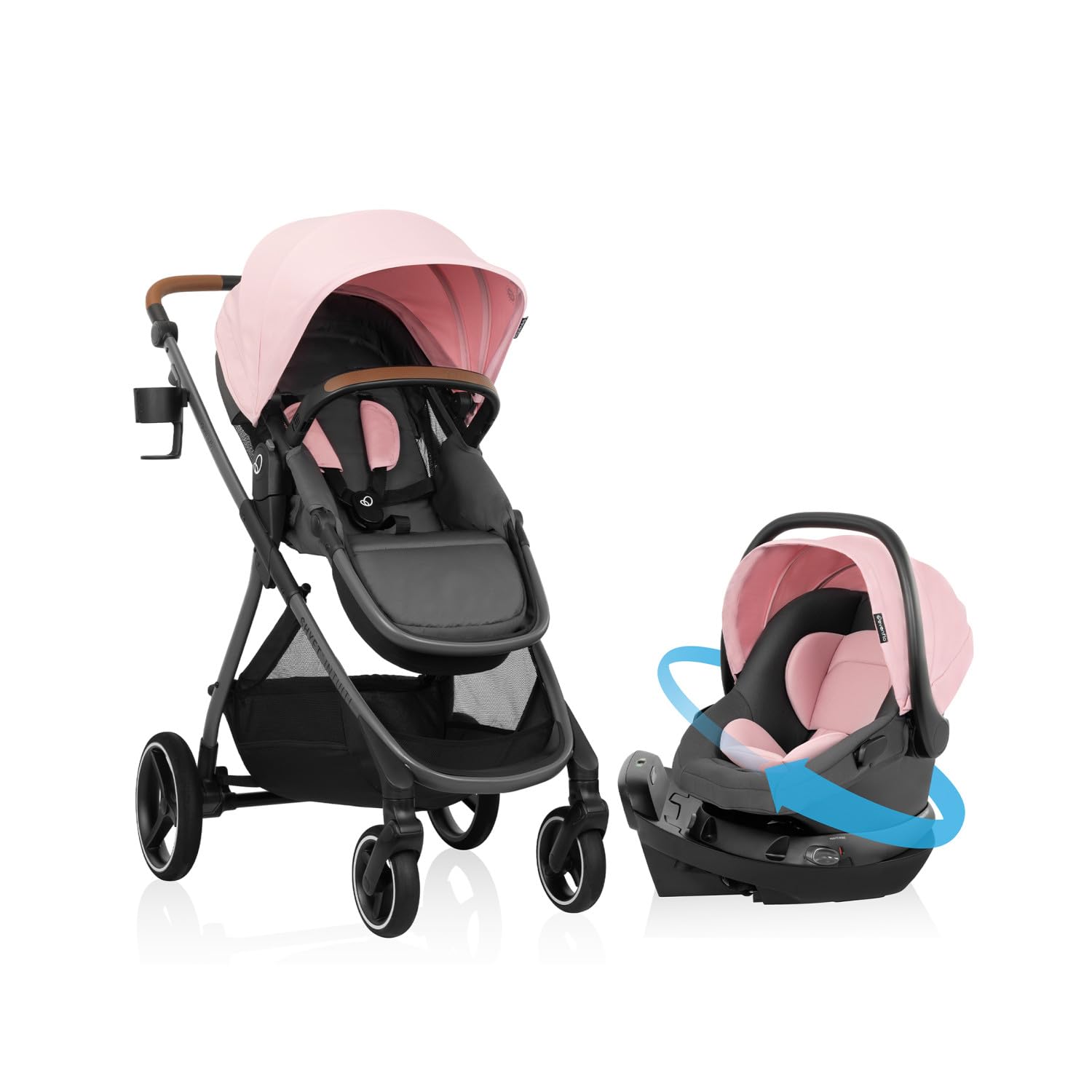


Evenflo Shyft Intuiti Travel System with Revolve180 LiteMax™ NXT Rotating Rear-Facing Lightweight Preemie and Infant Car Seat 3-30 lbs. (Amaranth Pink)
- 25% Cotton
- HAVE IT ALL: This exceptional travel system includes a luxury, lightweight fully featured stroller that offers
- MAKE SMOOTH MANEUVERS: Features a stroller engineered with all-wheel suspension and high-traction rubber tires
The Evenflo Shyft Intuiti pairs a luxury-feel stroller with the Revolve180 LiteMax NXT — a rotating, rear-facing car seat rated from 3 pounds, making it one of the few options safe for preemies. All-wheel suspension and high-traction rubber tires put it closer to the UPPAbaby ride quality than its $440 price suggests.
3. Convertible & Modular Strollers: When Your Family Grows
If you're planning two or three children within five years, a convertible stroller is the single best financial decision in this category. A modular frame that converts from single to double — and sometimes to a wagon — eliminates the need to buy a separate double stroller later (typically $400–$700) when baby #2 arrives.
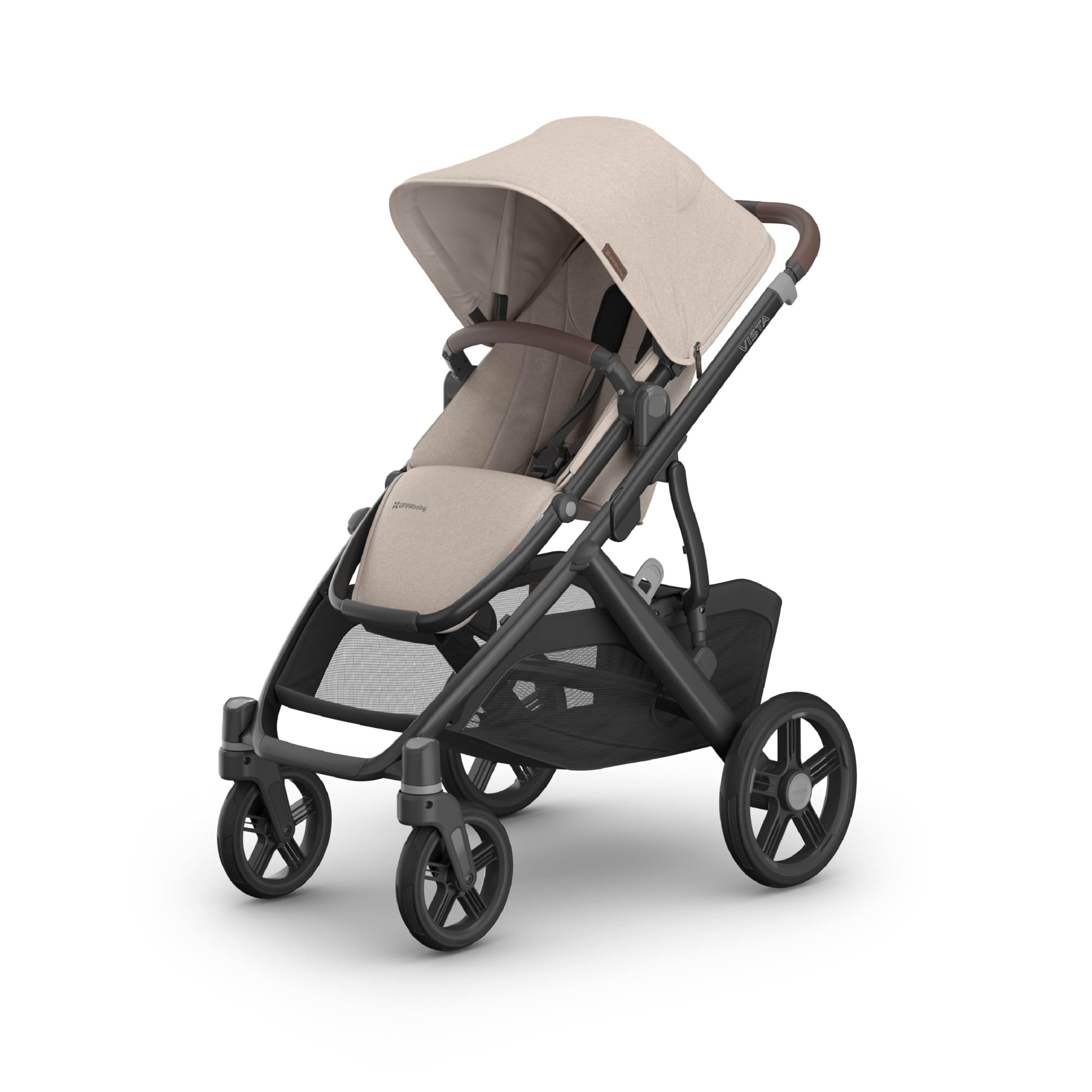
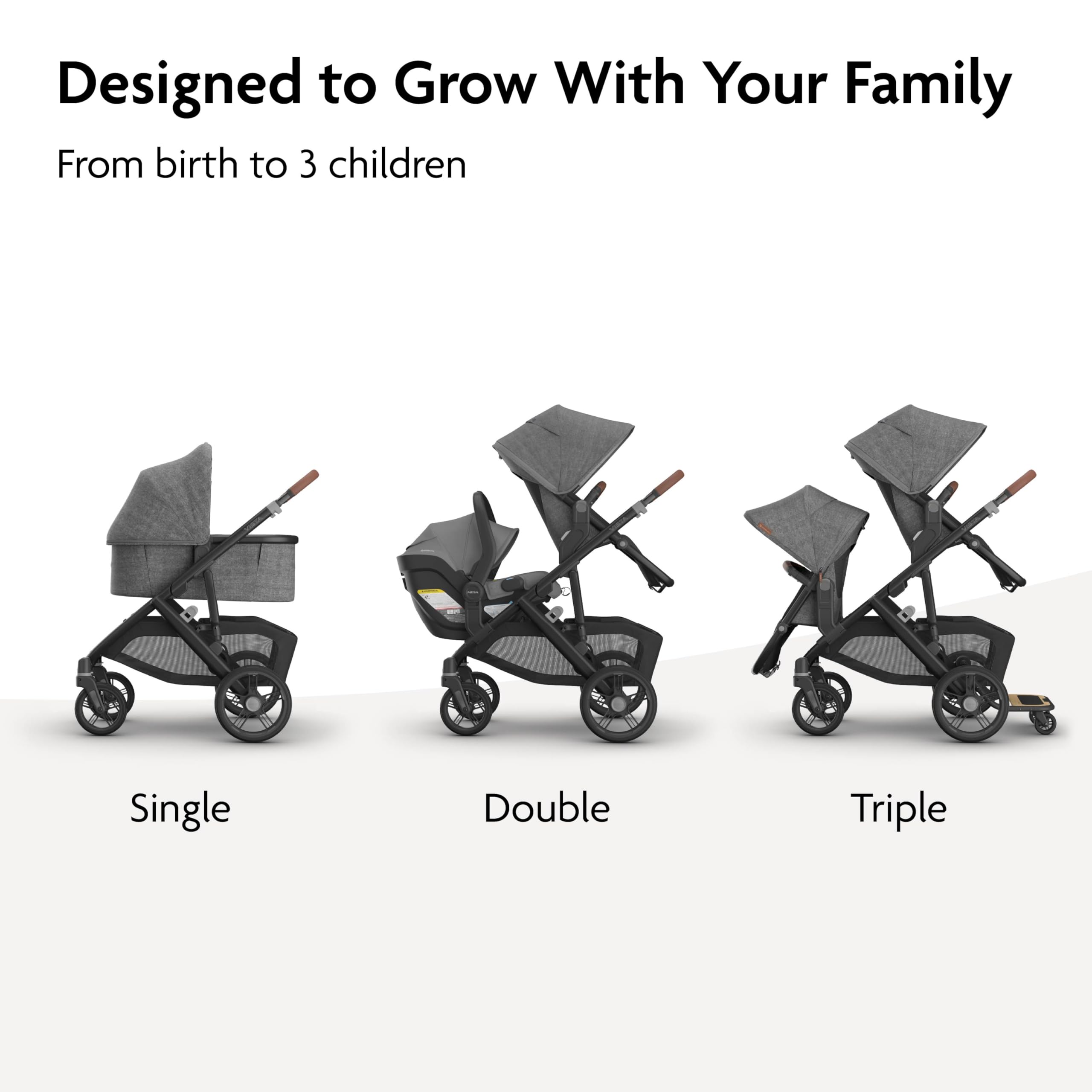
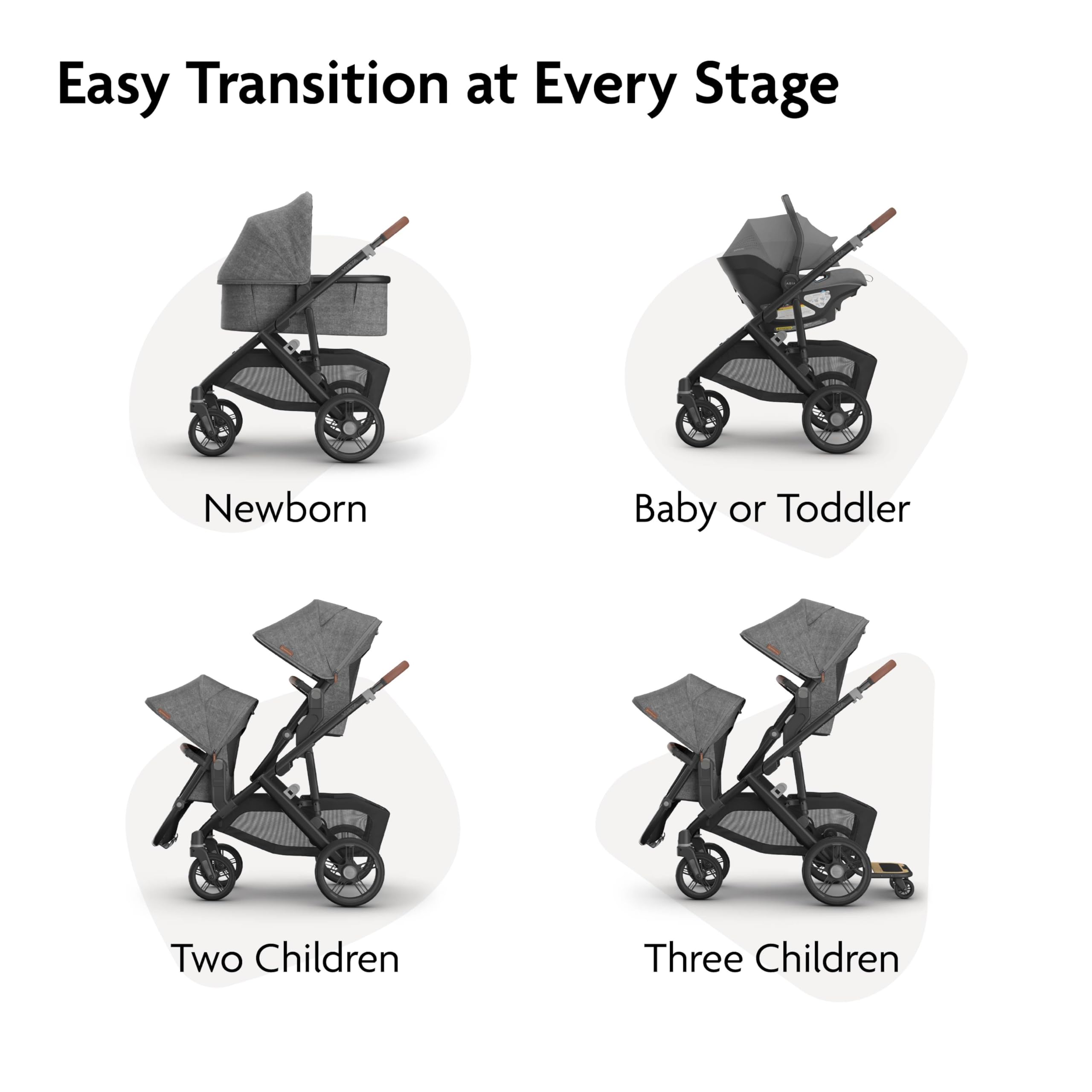
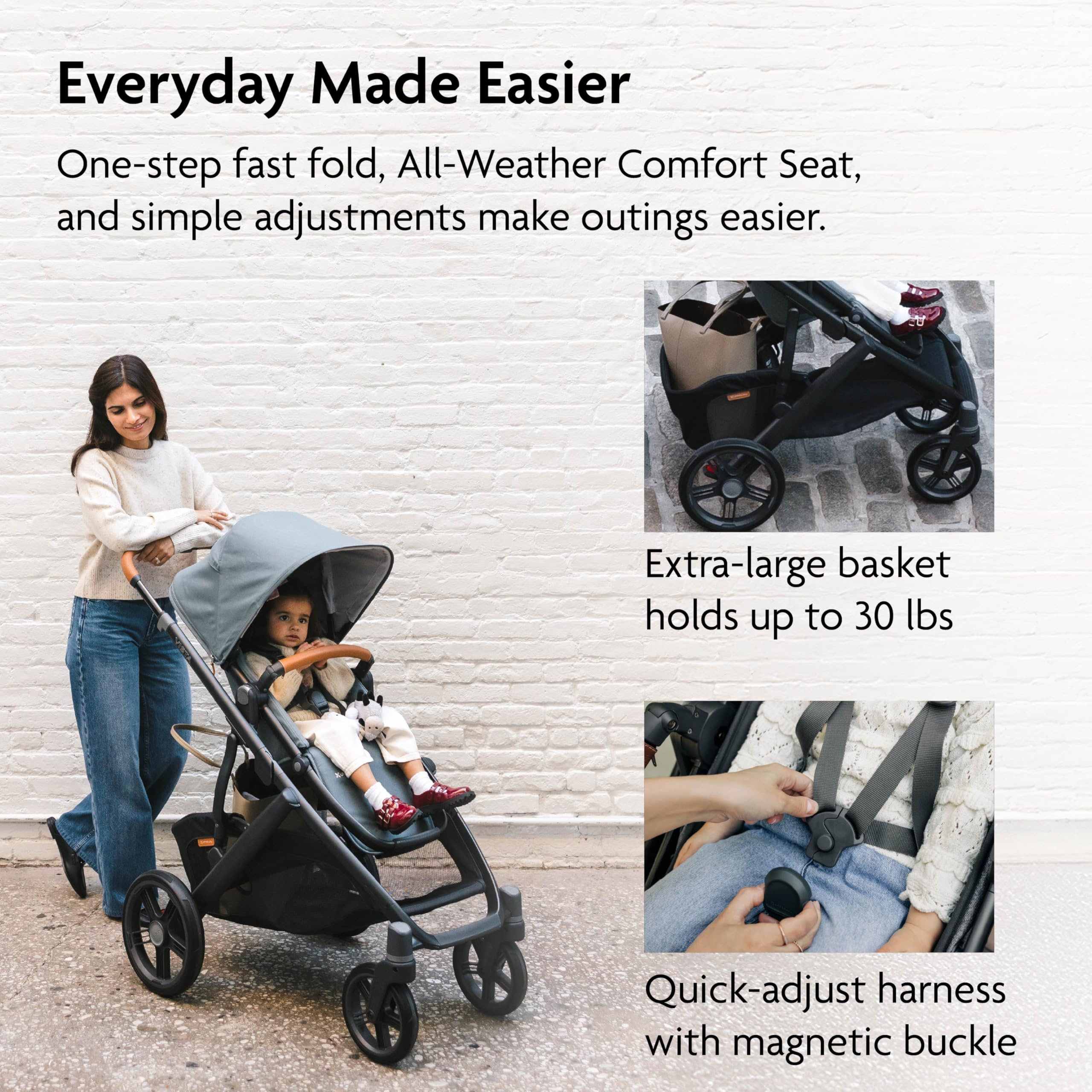
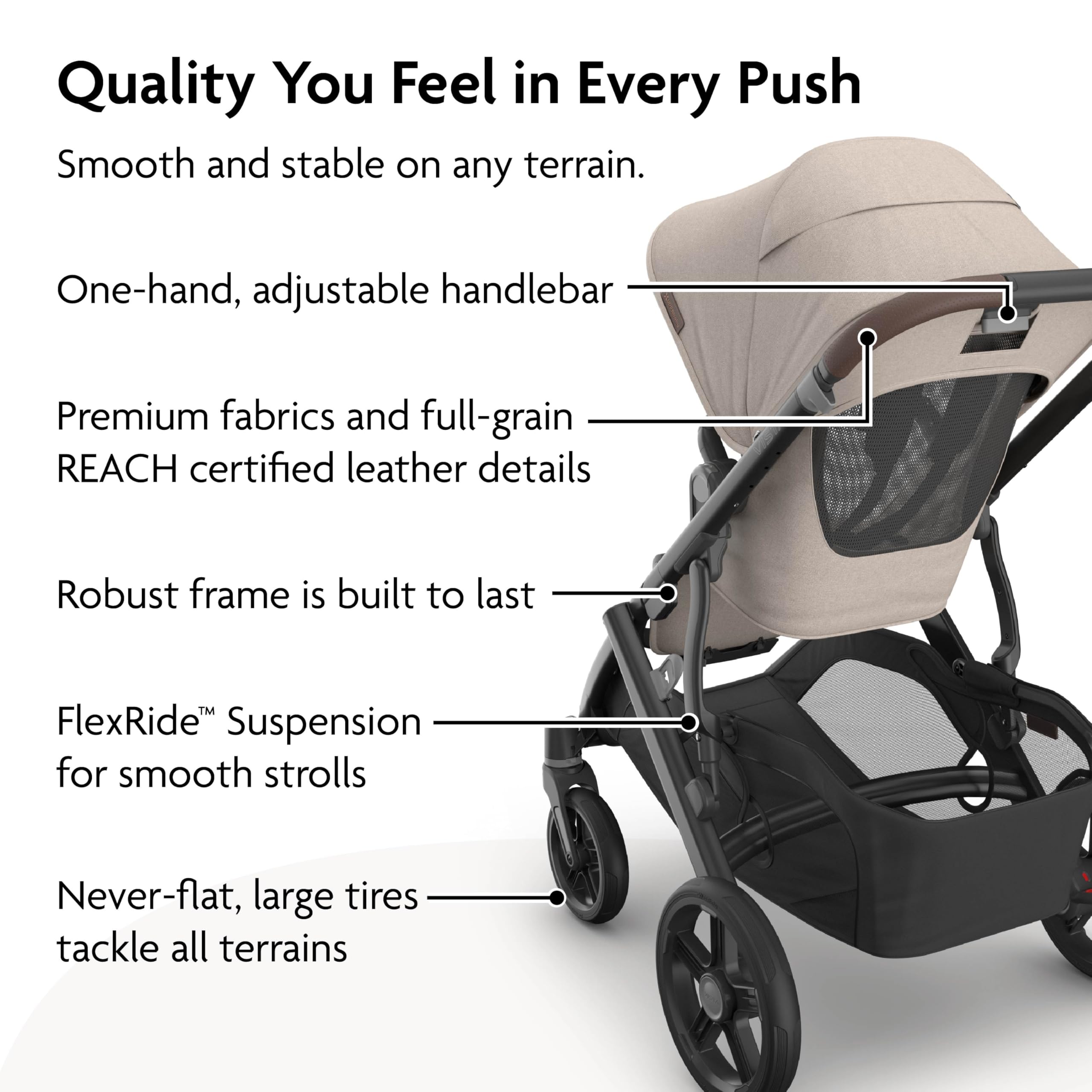
UPPAbaby Vista V3 Convertible Single-to-Double Stroller for Baby & Toddler, 30+ Configurations, Car Seat Compatible, All-Wheel Suspension, XL Basket – Ada (Sandstone Mélange/Carbon Frame)
- DESIGNED TO FIT EVERY FAMILY: An upgrade to the trusted Vista V2, the Vista V3 stroller offers 30+ configurati
- INCLUDED TODDLER SEAT: This full-size, multi-position seat easily switches between parent-facing and forward-f
- MAGNETIC HARNESS SYSTEM: A quick-to-secure magnetic buckle with an easy-adjust, no-rethread harness makes fitt
The UPPAbaby Vista V3 is the benchmark here, with 30+ configurations supporting up to three children: a toddler in the main seat, a younger sibling on a rumble seat or piggyback board, and an infant in the bassinet. The 2026 update adds a magnetic harness buckle (genuinely faster than traditional clips when your toddler is mid-wriggle).

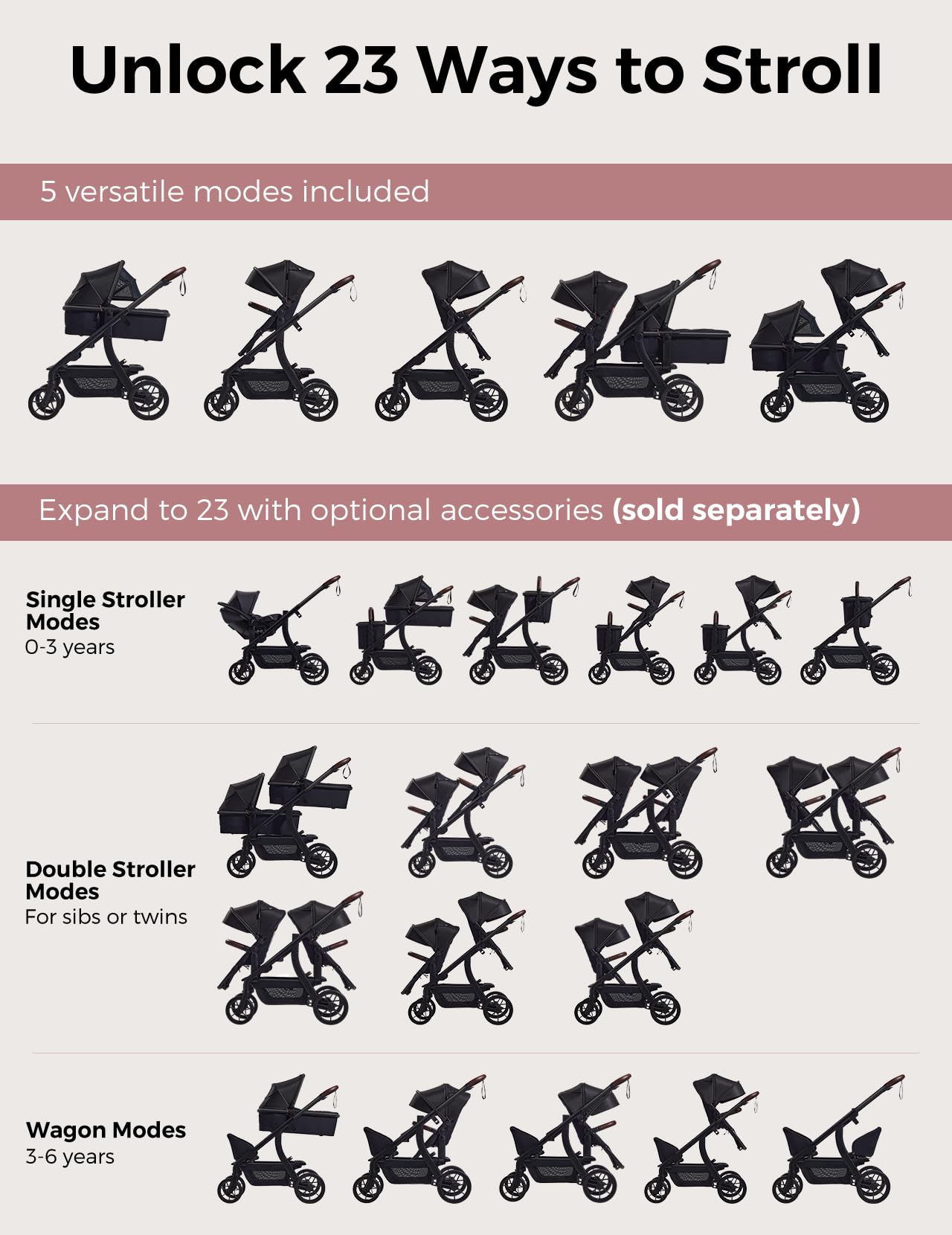
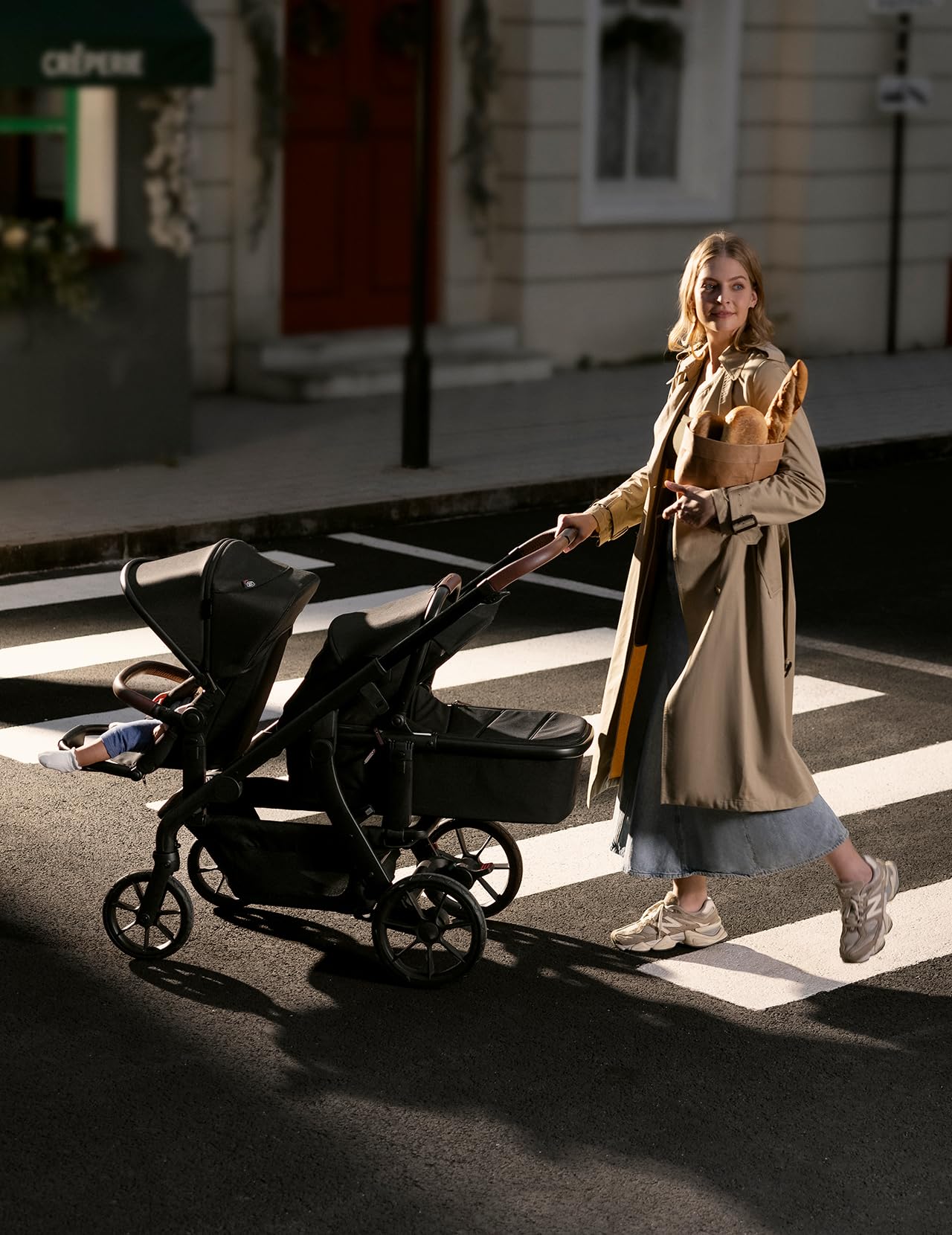
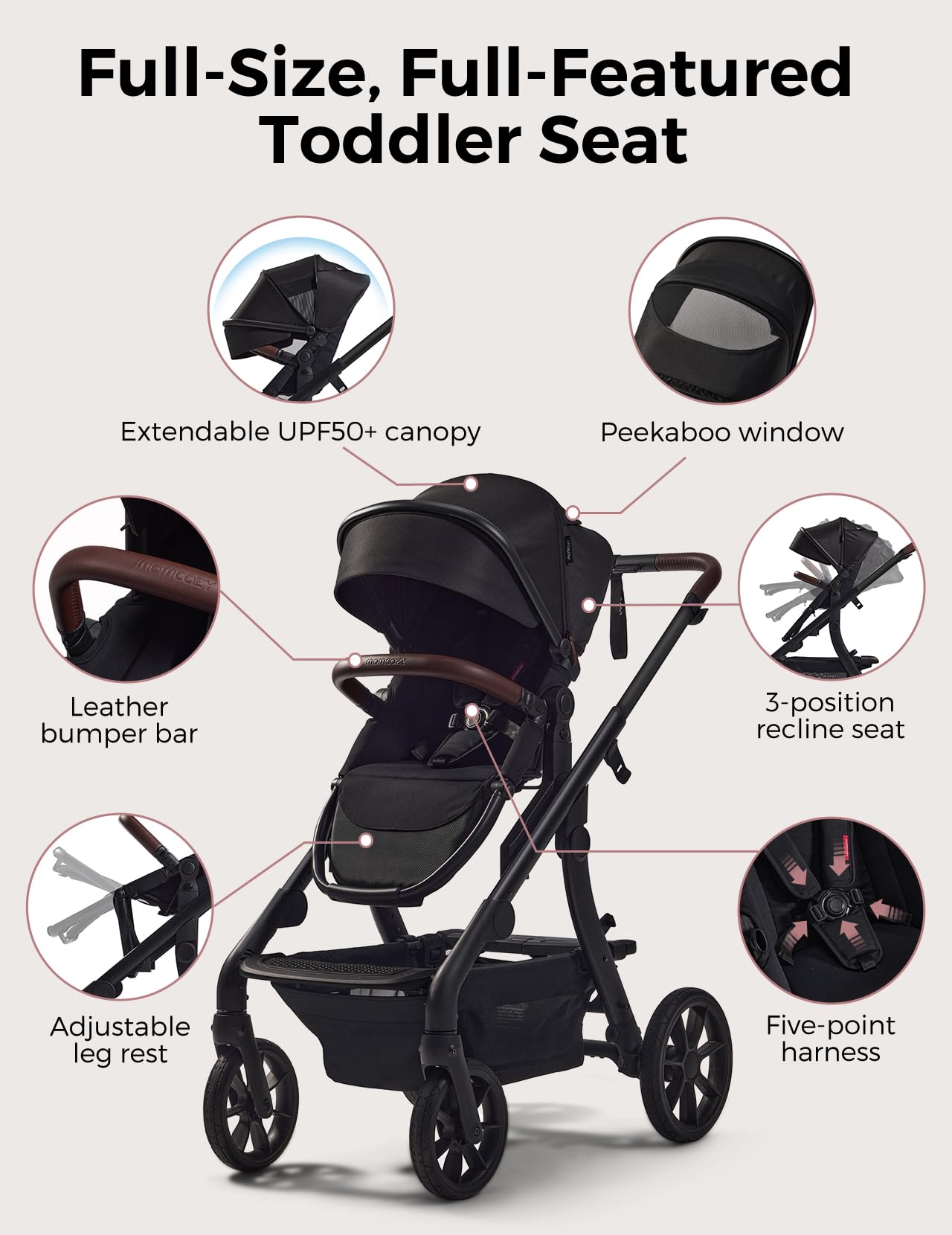
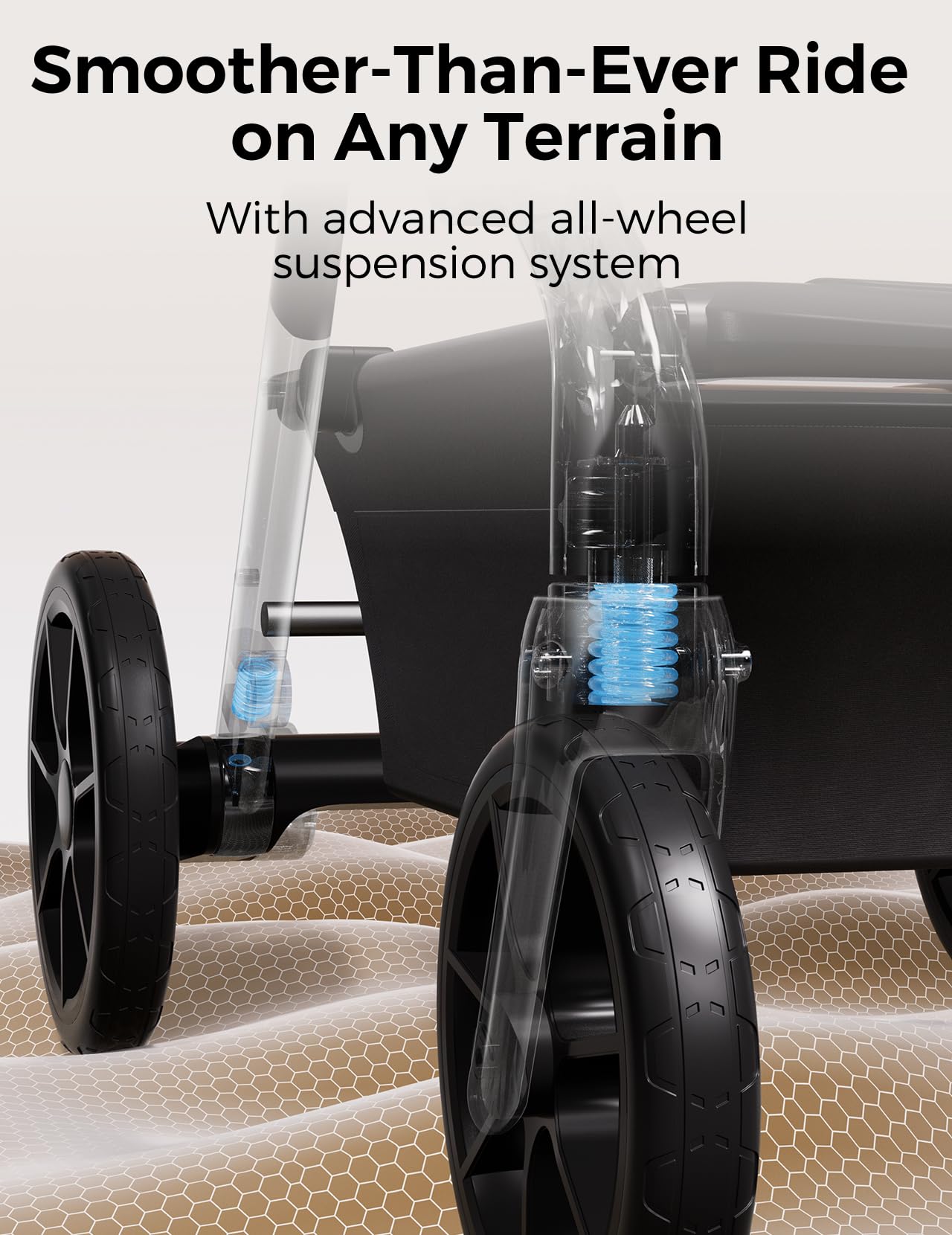
Momcozy ChangeGo Baby Stroller, Convertible Single-to-Double-to-Wagon Stroller with 23 Configurations, Carry-cot and Seat Included, Large PU Wheels, All-Wheel Suspension & Extendable UPF50+ Canopy
- Unlock 23 Configurations: This versatile baby stroller converts easily from a single stroller to a double stro
- Smooth and Comfy Strolling: No worries about waking baby on bumpy surfaces or over curbs thanks to the large 1
- Full-Size, Full-Featured Toddler Seat: Multi-position adjustable recline and leg rest allow your little one to
The Momcozy ChangeGo offers a similar promise at $300 less, with 23 configurations including a wagon mode — appealing for families who do farmer's markets, festivals, or beach days. It's heavier than the Vista and the fold is bulkier, but the value is real.
Convertibles vs. buying two strollers later
| Approach | Upfront Cost | 3-Year Total | Storage Burden | |---|---|---|---| | Single now, double later | $400 | $900–$1,200 | Two full strollers | | Convertible from day one | $700–$1,000 | $700–$1,000 | One frame, swap seats |
4. Luxury Strollers: What You Actually Get for $900+
The premium stroller market sells two things: ride quality and longevity. A $900 UPPAbaby Cruz V3 won't get your child to school any faster than a $200 Graco — but the suspension, wheel bearings, fabric durability, and resale value are in a different league.
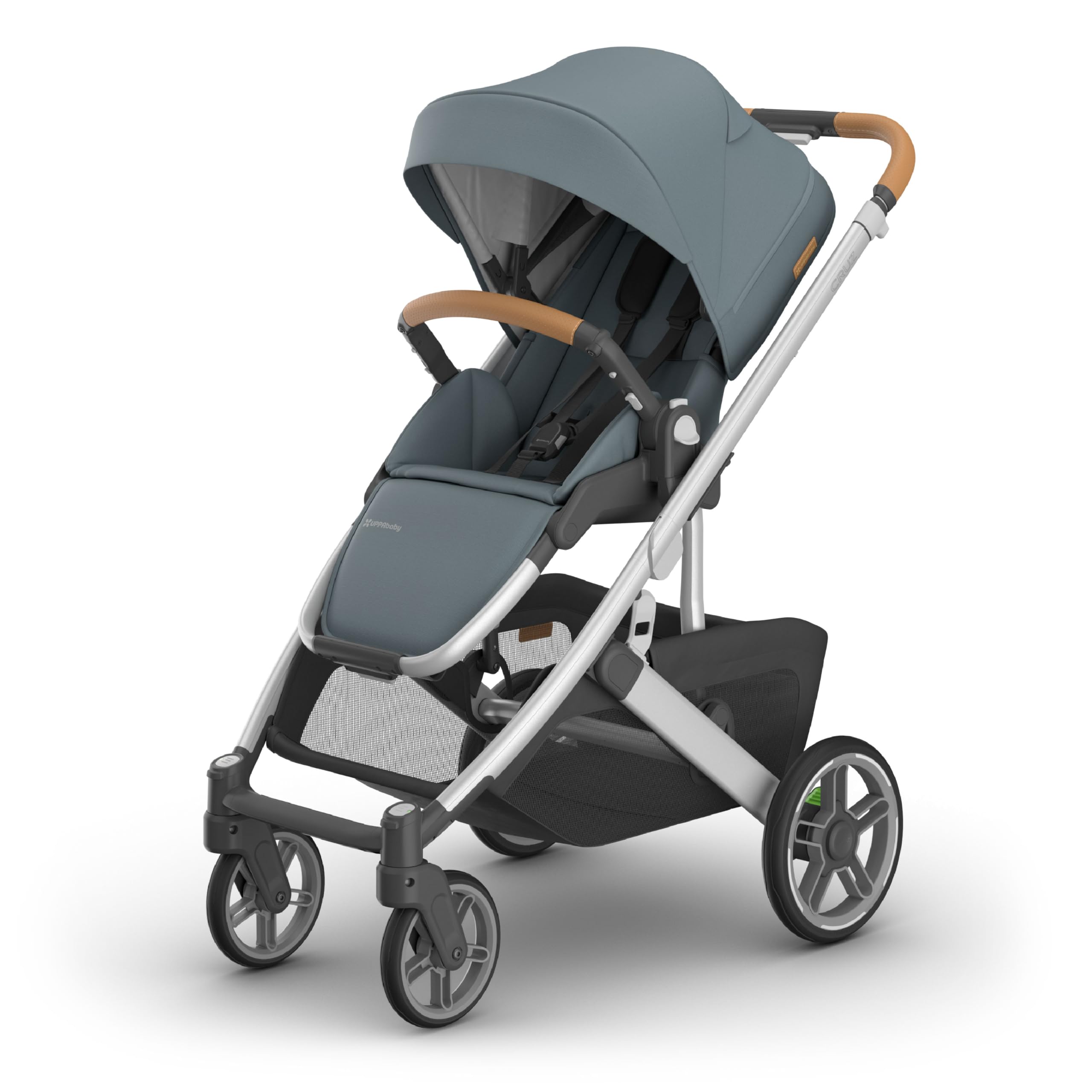
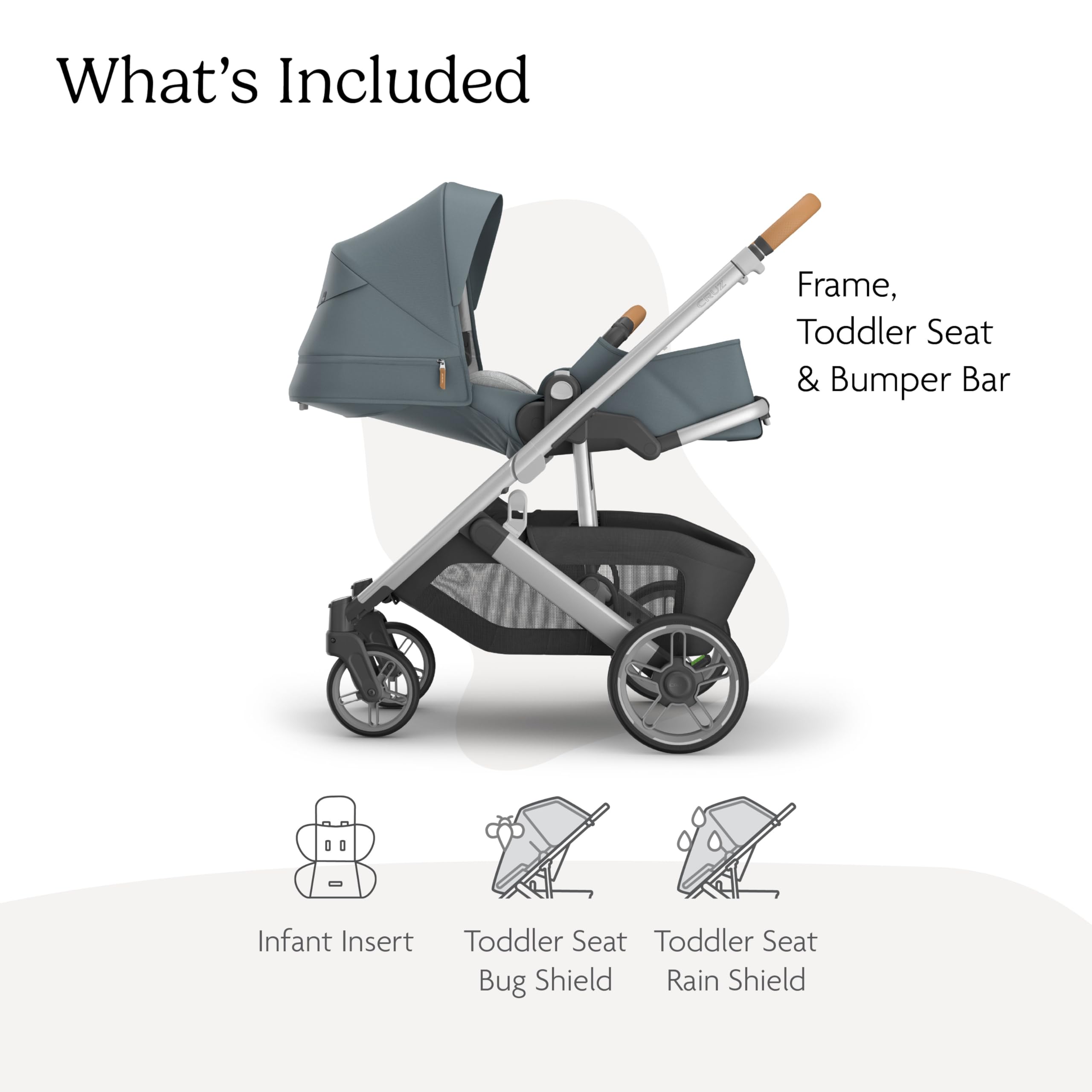
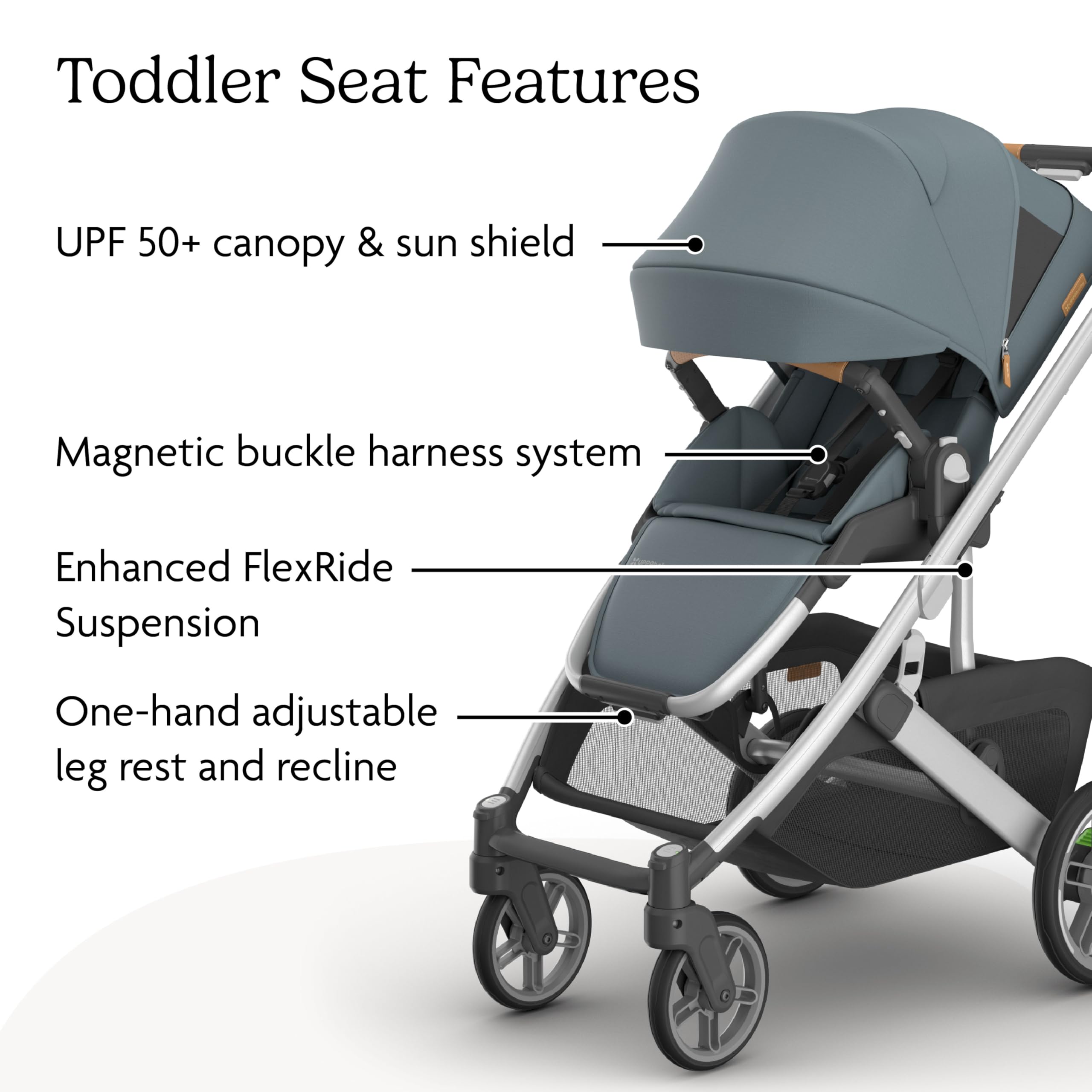
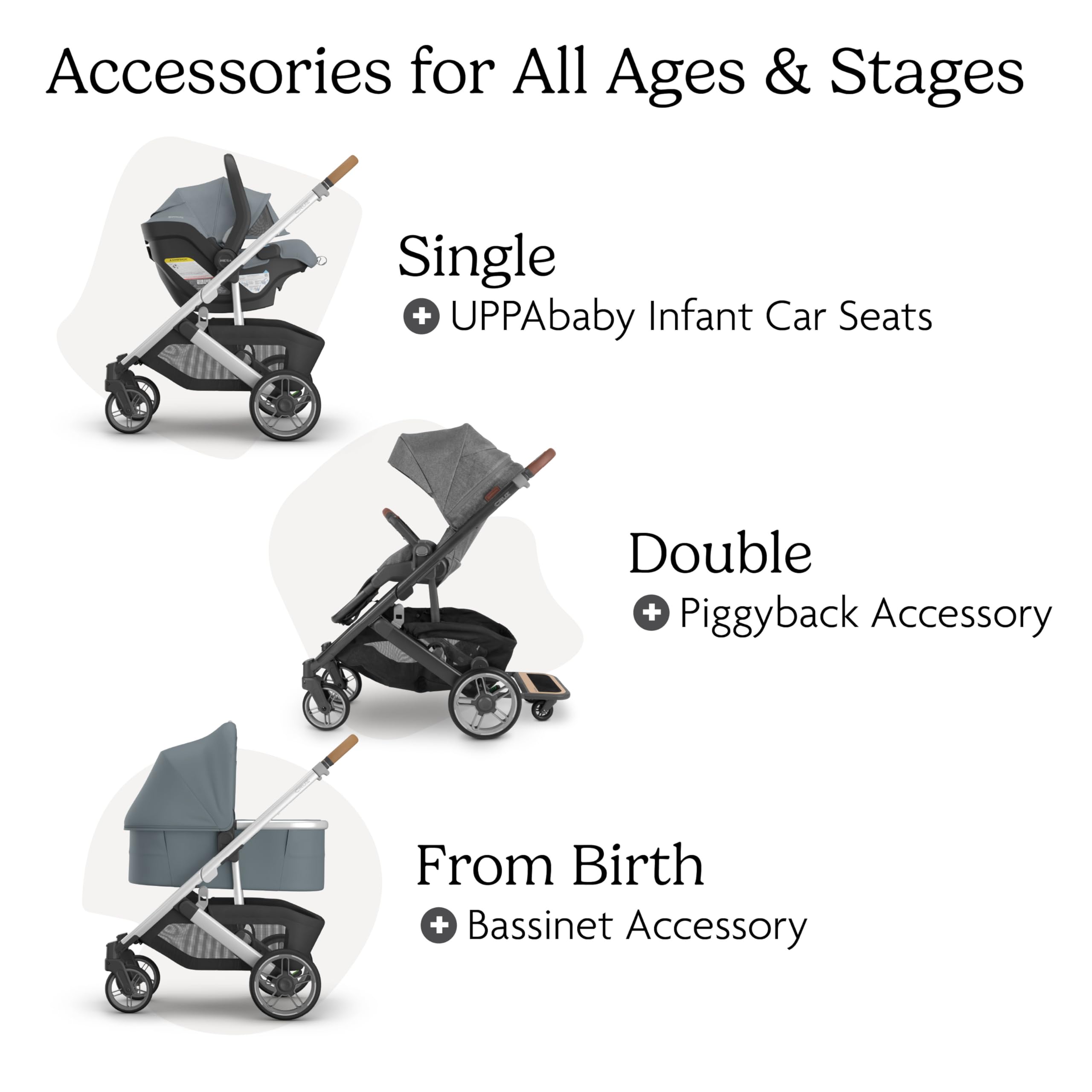
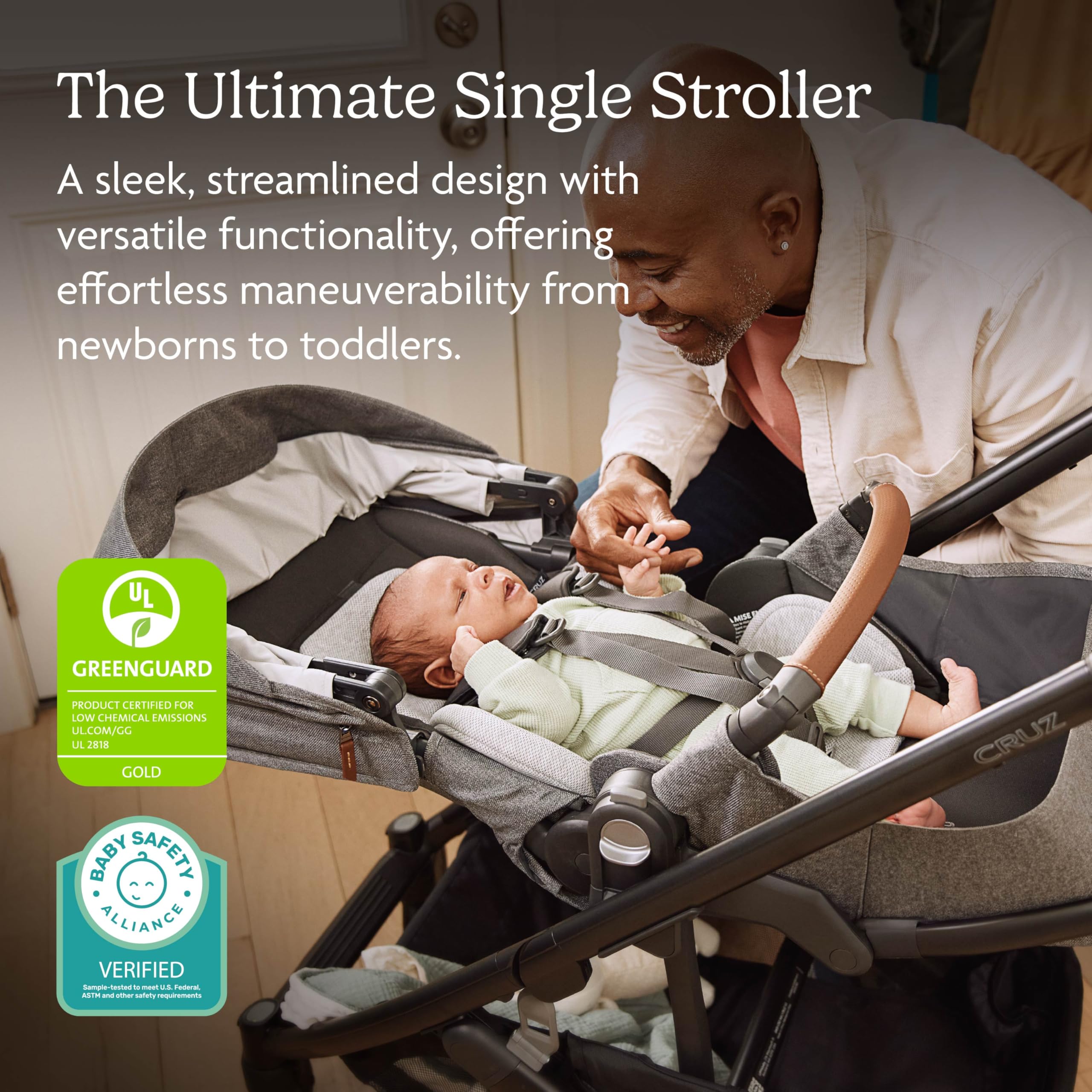
UPPAbaby Cruz V3 Stroller - from Birth + Car Seat Compatible - Full-Size, Reversible Seat - Infant Insert, Bug and Rain Shields Included - Callum (Stone Blue/Silver Frame/Sand Leather)
- FROM BIRTH TO TODDLER: The sleek, streamlined design offers effortless maneuverability with a full-size, lay-f
- CARRIAGE MODE: The integrated foot barrier for carriage mode can be used with baby from birth.
- SIMPLE FOLD: The Cruz offers a one-step, ultra-compact fold with footrest and bumper bar seamlessly tucking in
The Cruz V3 is UPPAbaby's full-size single (no double conversion, unlike the Vista). For families certain they're one-and-done, or who want a sleeker, slightly lighter ride, it hits a sweet spot. The integrated foot barrier creates a carriage mode usable from birth without buying a separate bassinet.
What luxury actually buys
Stroller-related injuries decreased significantly in models with improved braking systems, locking folds, and 5-point harnesses, which are now standard in higher-tier products.
— *Academic Pediatrics*, 2020 review on stroller and carrier injuries
5. Budget Strollers Done Right: What to Cut, What to Keep
A good budget stroller isn't a worse stroller — it's a stroller that prioritises the right things and skips the rest. Under $300, you can absolutely get a safe, well-built ride if you know which corners are acceptable to cut.
Acceptable trade-offs under $300
Non-negotiables at any price
✗ JPMA or ASTM F833 certification — never skip ✗ 5-point harness with no-rethread height adjustment ✗ Locking front swivel wheels ✗ Parking brake that engages both rear wheels ✗ Recline to at least 150° for naps
The [Graco Modes Nest Travel System](#) at $479 isn't technically "budget," but it includes a $200 car seat — making the stroller-only equivalent closer to $280. That's the kind of math budget shoppers should run.
When you're sorting genuinely safe budget picks from cheap knockoffs, the same logic that applies to other gear holds here: what "kid-proof" actually means is about engineering tolerances and certifications, not marketing language.
6. Matching the Stroller to Your Actual Life
The single biggest mistake parents make is buying for a fantasy lifestyle instead of their real one. The hiking-trail jogger gathers dust if you live in a 4th-floor walkup. The luxury full-size doesn't fit in a Mini Cooper boot. The umbrella stroller you bought "for travel" can't handle the cracked sidewalks outside your actual home.
Five questions that should drive your choice
1. Where will you walk 80% of the time? Mall and smooth pavement → small wheels are fine. City streets, gravel, dirt → 10"+ rubber wheels and real suspension. 2. How will you store it? Apartment hallway → compact one-hand fold. House garage → less critical. 3. How will you transport it? Sedan boot → measure first. SUV → most full-size strollers fit. Public transit → look at folded weight (under 20 lbs ideal). 4. How many kids, how close in age? One and done → single full-size. Two within 3 years → convertible. 5. What's your climate? Hot sun → UPF 50+ canopy, mesh ventilation. Rain → included or compatible rain shield.
For families building a connected nursery setup around the stroller, pairing it with the right WiFi vs. no-WiFi baby monitor decision often comes up in the same shopping cart — and the answers depend on similar lifestyle factors.
Comparison Table: 2026 Stroller Picks by Category
| Stroller Type | Best For | Key Strengths | Trade-offs | Recommended Product | Price Range |
|---|---|---|---|---|---|
| Budget travel system | First-time parents, drivers | Bundled car seat, Slide2Me height, 3-in-1 conversion | Heavier frame, basic suspension | Graco Modes Nest Travel System | $450–$500 |
| Mid-range travel system | Families wanting luxury feel under $450 | Rotating car seat, all-wheel suspension, preemie-rated | Newer brand in stroller space | Evenflo Shyft Intuiti | $420–$460 |
| Base-free travel system | Multi-car families, rideshare users | No base needed, lie-flat pramette, all-terrain wheels | Smaller storage basket | Joie Latch Travel System | $560–$620 |
| Convertible (value) | Growing families on a budget | 23 configurations, wagon mode, large PU wheels | Heavier, bulkier fold | Momcozy ChangeGo | $650–$720 |
| Luxury single | One-and-done families | Premium suspension, lay-flat carriage mode, resale value | No double conversion | UPPAbaby Cruz V3 | $880–$920 |
| Luxury convertible | Multi-child families, long-term investment | 30+ configurations, magnetic harness, 3-child capacity | Highest price point | UPPAbaby Vista V3 | $970–$1,050 |
Expert Insights
Frequently Asked Questions
The Stroller That Earns Its Place
The right stroller doesn't announce itself with logos — it disappears into your routine. You stop noticing the fold because it's effortless. You stop checking the recline because you trust it. You stop dreading the curb cuts because the suspension absorbs them. That's the goal: a tool that gets out of your way so you can pay attention to the small person riding in it.
Whether you land on a $440 Evenflo Shyft Intuiti or a $1,000 UPPAbaby Vista V3, the best stroller of 2026 is the one matched honestly to your family, your home, and your sidewalks.
Save this guide for your next purchase, share it with an expecting friend, and subscribe to Tiny Minds World for more clinically grounded parenting gear breakdowns.
Sources & References
- American Academy of Pediatrics. "Safe Sleep and Your Baby: How Parents Can Reduce the Risk of SIDS." 2022. https://www.aap.org/safe-sleep
- Mehan, R., et al. "Stroller- and Carrier-Related Injuries Among Children Less Than 5 Years of Age." Academic Pediatrics, 2017. https://www.academicpedsjnl.net
- U.S. Consumer Product Safety Commission. "ASTM F833 Standard Consumer Safety Performance Specification for Carriages and Strollers." 2023. https://www.cpsc.gov
- Juvenile Products Manufacturers Association (JPMA). "Certified Stroller Standards." 2024. https://www.jpma.org
- Royal College of Paediatrics and Child Health. "Position Statement on Infant Sleep and Equipment Safety." 2023. https://www.rcpch.ac.uk
- American Academy of Pediatrics. "Car Safety Seats: Information for Families." Updated 2024. https://www.healthychildren.org
- Hoffman, B. D., et al. "Child Passenger Safety: Technical Report." Pediatrics, AAP, 2018. https://publications.aap.org/pediatrics
Frequently Asked Questions
When can my baby use a regular stroller seat instead of a bassinet or car seat?
Are travel systems worth it, or should I buy the car seat and stroller separately?
How long do strollers actually last?
Do I really need an all-terrain stroller?
Is it safe to buy a used stroller?
Can a newborn sleep in the stroller during walks?
What's the difference between a pramette and a bassinet?
Was this helpful?
Thanks — your feedback helps us pick what to write next.