Educate Yourself First — So You Can Lead With Confidence
Talking to your children about Pride is most effective when conversations are honest, age-appropriate, and ongoing — not a single "big talk" but a series of small, warm exchanges rooted in your family's values.

In this article
Imagine your seven-year-old spots a rainbow flag on a shop window and asks, "What does that mean, Mum?" You have about four seconds before the moment passes. According to GLSEN's 2023 National School Climate Survey, children who feel their families are open to LGBTQ+ topics report significantly higher wellbeing and lower rates of depression — yet many parents still feel underprepared for exactly that four-second window.
This guide gives you the tools to fill it confidently. By the end, you'll understand:
1. Educate Yourself First — So You Can Lead With Confidence
The single most useful thing you can do before talking to your child is spend an hour learning the basics yourself. Children are quick to sense hesitation, and hesitation can accidentally signal that a topic is shameful or off-limits — the opposite of what you intend.
What to brush up on
- Core terminology. Words like gender identity, sexual orientation, non-binary, and cisgender have specific meanings. The Human Rights Campaign's "Glossary of Terms" (updated 2024) is a free, plain-language starting point. - The history of Pride. Pride Month (June in most countries) traces back to the Stonewall Uprising of June 1969 in New York City, when LGBTQ+ patrons resisted a police raid. That act of resistance sparked the modern LGBTQ+ rights movement. - Current context. Laws and social attitudes vary widely by country and region. Knowing what's relevant in your own community helps you tailor conversations accurately.
Once you feel grounded, you'll find that questions from your children feel like opportunities rather than ambushes.
2. Build a Home Where Every Question Is Welcome
Children only ask questions in spaces where they feel safe asking them. Before any specific Pride conversation, lay the foundation of open communication.
Practical ways to signal openness
- Use casual, matter-of-fact language about diverse families in everyday life ("Some children have two dads, some have a mum and a dad, some have a grandparent raising them — families come in lots of shapes"). - When your child brings up something they've heard at school, resist the urge to redirect. Pause, breathe, and say: "That's a great question — tell me more about what you heard." - Acknowledge your own uncertainty out loud: "I'm not sure about that one, but let's find out together." This models intellectual honesty and removes pressure from both of you.
A picture book left on the coffee table can do quiet work before a single word is spoken. 
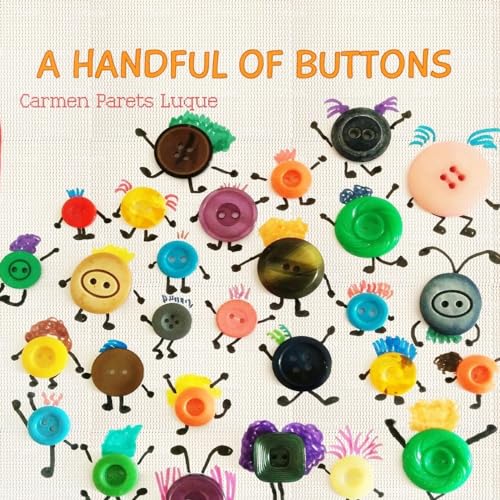
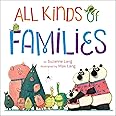
A handful of buttons: Picture book about family diversity (Diversity & Inclusion Series)
3. Match the Conversation to Your Child's Age and Stage
There is no single "Pride talk." What a four-year-old needs to hear is genuinely different from what a twelve-year-old is ready to explore.
Age-banded guide
Ages 2–5 (pre-school) Keep it simple and concrete. "Pride is a celebration where people show the world they're proud of who they are and who they love." Rainbow colours, community, and kindness are all the concepts you need. Books with diverse characters normalise difference without requiring explanation.
Ages 6–9 (early primary) Children this age think in fairness terms. You can introduce the idea that not everyone has always been treated fairly, and that Pride grew out of people asking to be treated equally. Answer their specific questions directly and briefly; don't over-explain.
Ages 10–12 (upper primary / pre-teen) Now you can discuss history, identity, and social justice with real depth. Talk about the Stonewall Uprising, key figures like Marsha P. Johnson, and what LGBTQ+ people have faced and continue to face. Invite their opinion — they're forming values actively at this stage.
Teens (13+) Shift from explaining to listening. Many teenagers are working out their own identity. Your job is less about providing information and more about being a non-judgmental presence. Ask open questions, share your values, and make clear that your love is unconditional.
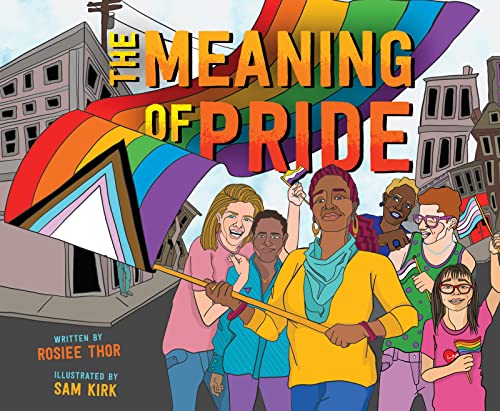
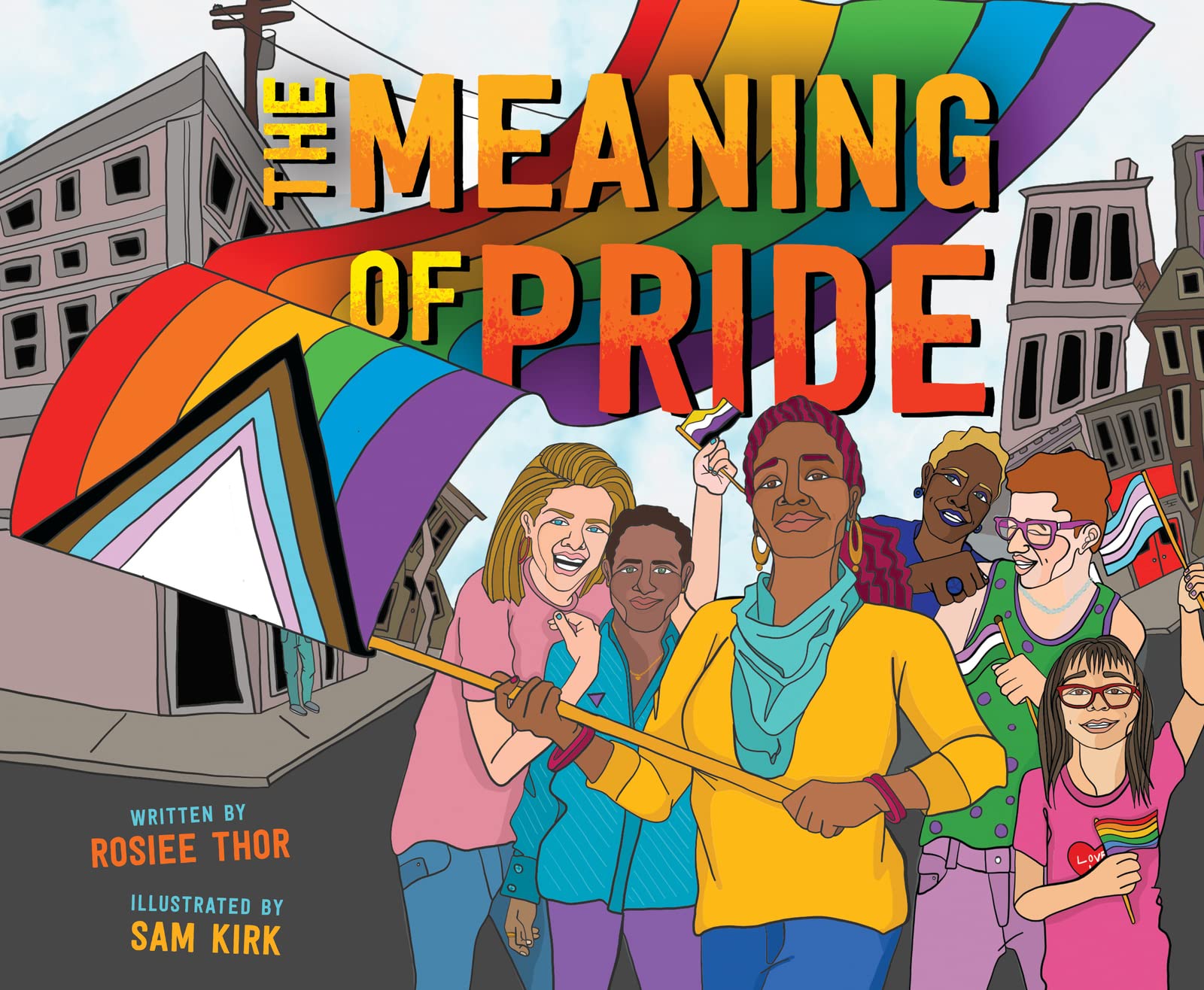
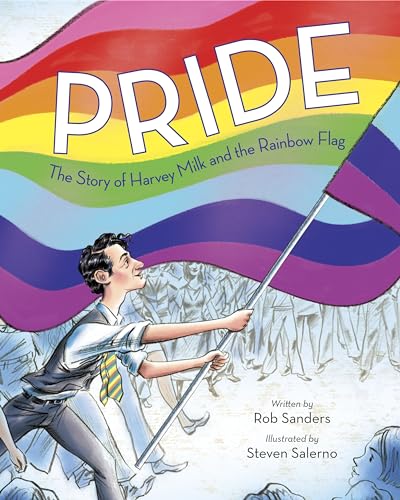
The Meaning of Pride: A Vibrant Picture Book for Children (Ages 4-7) about LGBTQ+ Culture and Celebration
- Children's Books
- Growing Up & Facts of Life
- Family Life
4. Use Books, Media, and Events as Natural Conversation-Starters
You rarely need to sit your child down for a formal talk. The best conversations about Pride happen organically — sparked by a book at bedtime, a float at a parade, or a character in a film.
Books that do the heavy lifting
Children's literature has expanded enormously in the past decade. A well-chosen picture book introduces concepts gently, at a child's pace, with illustrations that carry emotional weight words alone can't.
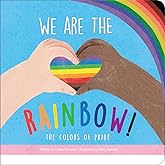
- For toddlers and pre-schoolers, Love Is Love uses simple language to show that families built on love come in many forms. - We Are the Rainbow! walks young readers through the actual colours of the Pride flag and what each represents — a concrete, visual way in for curious children. - Rainbow Boy and the Pride Parade follows a child experiencing a Pride parade for the first time, making it ideal reading before or after attending an event.
Attending Pride events
If a local Pride event is accessible and feels right for your family, going together can make abstract ideas vivid and joyful. Children see real people — teachers, neighbours, families — celebrating, which powerfully counters any sense that LGBTQ+ identity is unusual or "other." Preview the event beforehand so you can set expectations and answer questions on the spot.
5. Emphasise Values, Not Just Facts
Pride is not only a history lesson. It is an opportunity to connect the conversation to values your family already holds: courage, fairness, kindness, and standing up for others.
Connecting Pride to universal values
- Courage: Talk about what it takes to be yourself when the world pressures you to be someone else. This resonates with children who've ever felt left out. - Fairness: "Everyone deserves to be treated with respect, no matter who they love or how they identify" is a sentence most children under ten will immediately agree with — start there. - Community: Pride began as a protest and evolved into a celebration of belonging. Community, chosen and biological, is a value most families share.
When Pride is framed around values rather than controversy, it becomes an extension of conversations you're probably already having about kindness and fairness at school.
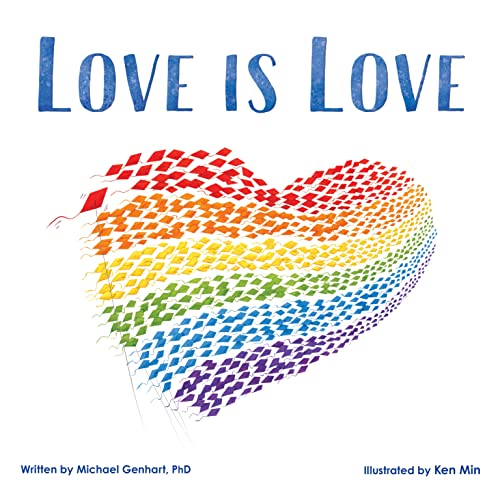
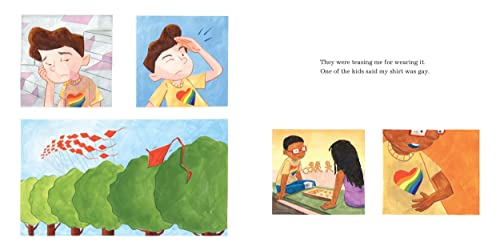
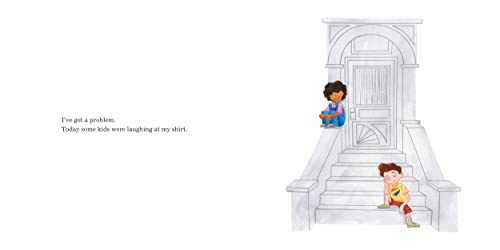
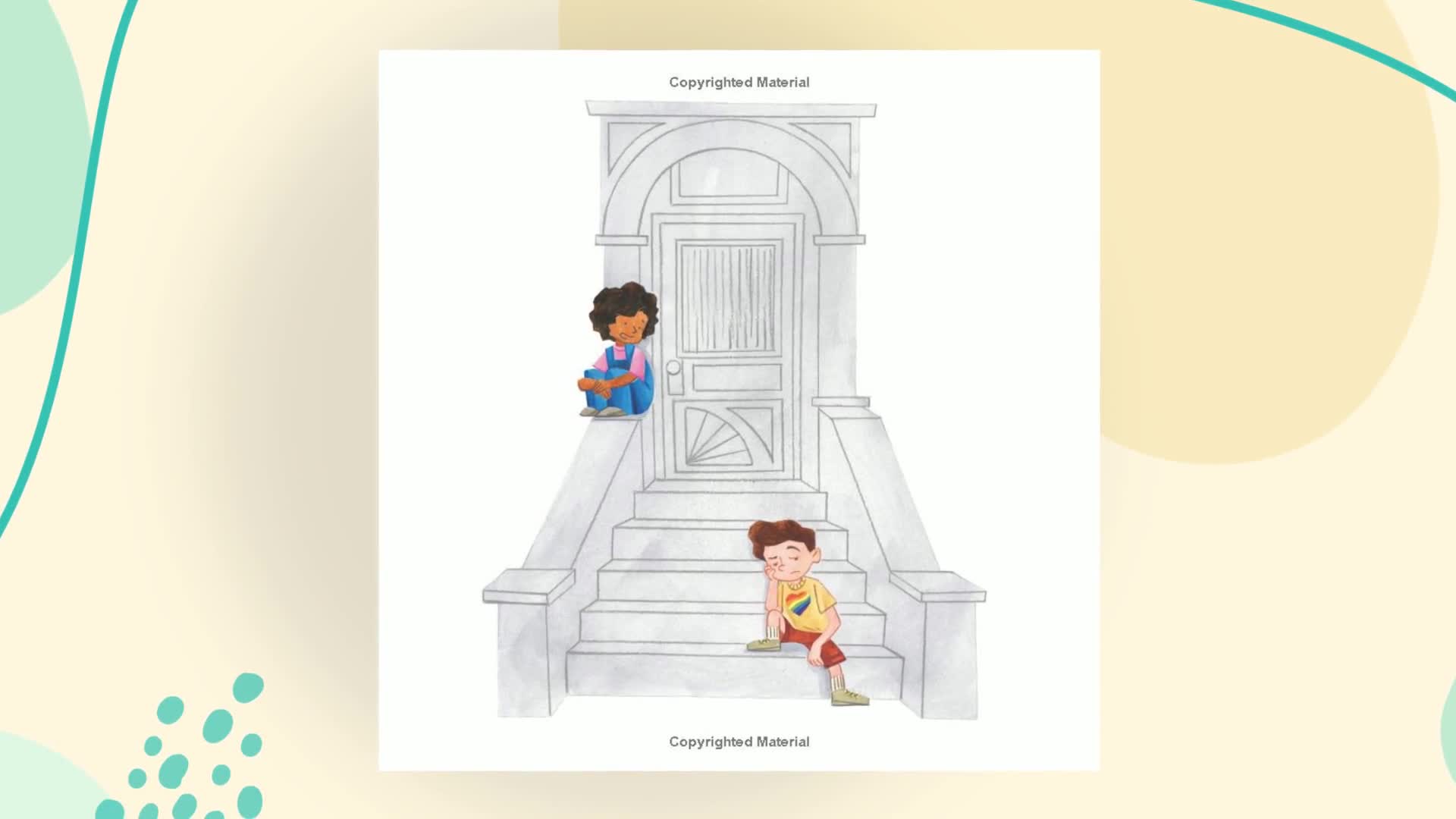
Love Is Love: An Important LGBTQ Pride Book for Kids About Gay Parents and Diverse Families (Gifts for Queer Families)
- Children's Books
- Growing Up & Facts of Life
- Friendship, Social Skills & School Life
6. Foster Ongoing Dialogue — This Is a Marathon, Not a Sprint
A single conversation, however good, is not enough. Children's understanding deepens as they grow, and the world they're navigating changes too.
Keeping the conversation alive
- Check in seasonally. Pride Month in June is a natural prompt, but so are news events, school discussions, or a friend mentioning something they heard. - Correct misinformation gently. If your child repeats something inaccurate or unkind they've heard, don't shame them. Ask where they heard it, then offer accurate information: "That's not quite right — here's what I know." - Model inclusive language in daily life. Use "partner" when you don't know someone's relationship structure. Avoid gendered assumptions ("When you grow up and have a husband or wife…" → "When you grow up and have a partner, if you want one…"). - Revisit books as they get older. A book like We Are the Rainbow! that a five-year-old enjoyed for the colours can spark a richer conversation with an eight-year-old about what those colours represent historically.
7. Support Your Child If They Share Something Personal
Sometimes a conversation about Pride becomes something more personal — your child may disclose feelings about their own identity, or ask questions that suggest they're working something out internally.
How to respond
If your child is struggling, a referral to a paediatrician or child psychologist with experience in LGBTQ+ youth issues is always appropriate.
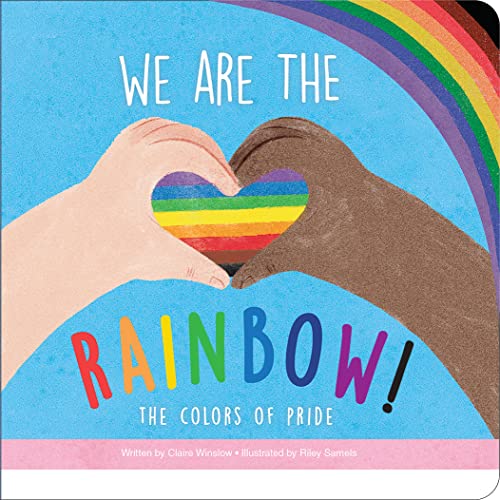
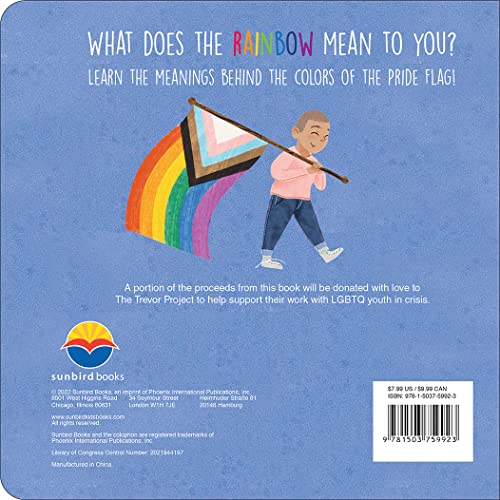
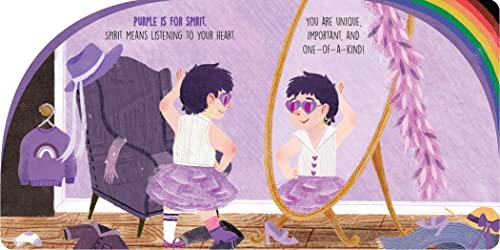
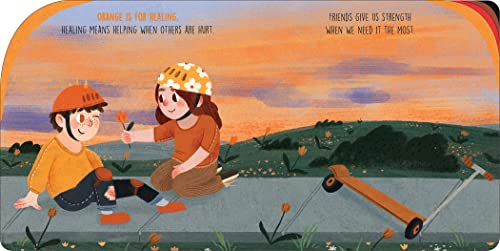
We Are the Rainbow! – The Colors of Pride - Learn the Meanings Behind the Colors of the LGBTQ+ Pride Flag
- Children's Books
- Growing Up & Facts of Life
- Family Life
Comparing Age-Appropriate Pride Resources at a Glance
| Age Group | Best Approach | Key Concepts to Introduce | Conversation Starter | Recommended Book | Price Range |
|---|---|---|---|---|---|
| 2–5 years | Picture books, simple language | Love, family diversity, colours | "What do you see in this picture?" | Love Is Love | $11 |
| 4–7 years | Bright visuals, flag meanings | Pride flag, celebration, identity | "Which colour is your favourite? Let's find out what it means." | The Meaning of Pride | $11 |
| 4–8 years | Story-led, family shapes | Different families, belonging | "Does this family look like any family you know?" | A Handful of Buttons | $13 |
| 5–9 years | Parade narrative, lived experience | Community, joy, self-expression | "What would you carry in a parade?" | Rainbow Boy and the Pride Parade | — |
| 5–10 years | Colour symbolism, history intro | Flag history, LGBTQ+ community | "Every colour stands for something — want to learn them?" | We Are the Rainbow! | — |
Expert Insights
The truth is, you don't need to be an expert to have these conversations well. You need to be present, honest, and willing to say "I don't know — let's find out together." That willingness is, in itself, a lesson in the values Pride was built on: courage, openness, and the belief that every person deserves to be seen.
The families who get this right aren't the ones with all the answers. They're the ones whose children know they can always ask.
If this guide was useful, save it for June — or for the next time a rainbow flag catches your child's eye on an ordinary Tuesday.
Sources & References
- GLSEN. "National School Climate Survey 2023." GLSEN, 2023. https://www.glsen.org/research/school-climate-survey
- American Academy of Pediatrics (AAP). "LGBTQ+ Youth: What Pediatricians Need to Know." Pediatrics, 2018, reaffirmed 2023. https://www.aap.org
- Ryan, C. "Supportive Families, Healthy Children: Helping Families with Lesbian, Gay, Bisexual & Transgender Children." Family Acceptance Project, San Francisco State University, 2009. https://familyproject.sfsu.edu
- Human Rights Campaign. "Glossary of Terms." HRC, updated 2024. https://www.hrc.org/resources/glossary-of-terms
- PFLAG. "Guide to Being a Straight Ally." PFLAG, 2023. https://pflag.org
- Stonewall UK. "LGBT+ Facts and Figures." Stonewall, 2024. https://www.stonewall.org.uk
- Ginsburg, K.R., and Jablow, M.M. "Building Resilience in Children and Teens." American Academy of Pediatrics, 4th ed., 2020.
Frequently Asked Questions
What age should I start talking to my child about Pride?
What if my own views on LGBTQ+ topics are complicated or still forming?
How do I handle it if my child hears something negative about LGBTQ+ people at school?
What if my child asks whether they could be gay or transgender?
Are Pride events appropriate for young children?
How do I talk about Pride if it conflicts with our religious or cultural beliefs?
What books are best for starting the Pride conversation with young children?
Was this helpful?
Thanks — your feedback helps us pick what to write next.