Know Your Numbers: Toddler Sodium Limits Explained
Toddlers aged 1–3 need no more than 1,500 mg of sodium per day — yet most exceed this limit daily through processed snacks, bread, and restaurant meals.
In this article
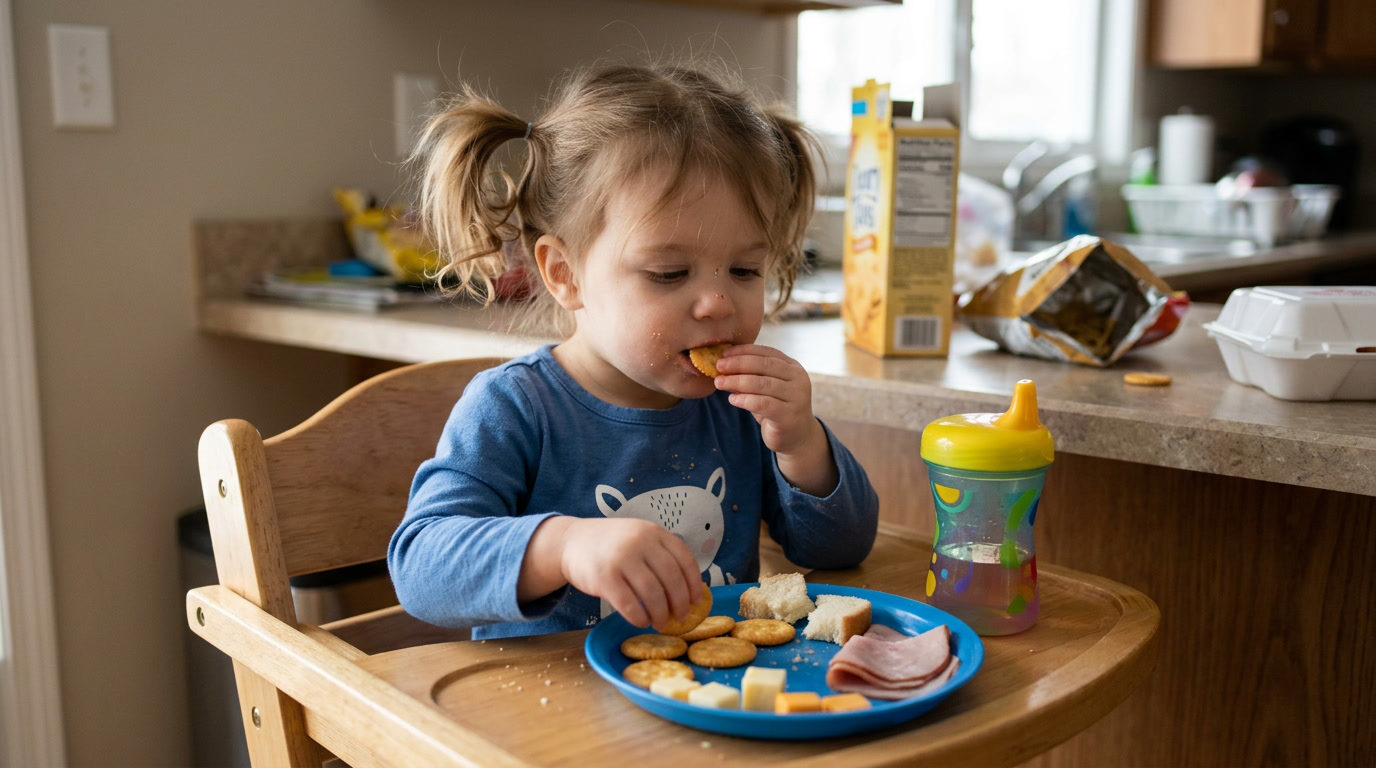
You hand your toddler a slice of cheese on crackers, a small cup of tomato soup, and a handful of pretzels — a perfectly normal lunch. What you might not realise: that meal alone can deliver close to 900 mg of sodium, more than half of a toddler's entire daily limit before dinner has even been considered. According to the American Academy of Pediatrics (AAP), children aged 1–3 should consume no more than 1,500 mg of sodium per day, yet research published in Circulation found that the average American toddler consumes closer to 1,800–2,000 mg daily.
The problem isn't the salt you add at the table — it's the sodium hiding inside foods that look perfectly innocent.
In this guide, you'll understand:
1. Know Your Numbers: Toddler Sodium Limits Explained
The single most useful thing you can do right now is memorise one number: 1,500 mg of sodium per day for children aged 1–3. That guidance comes from the AAP and aligns with the Dietary Guidelines for Americans 2020–2025. For context, one teaspoon of table salt contains about 2,300 mg — already over the limit in a single measure.
Why does it matter at this age?
High sodium intake in toddlerhood doesn't just cause problems now — it calibrates your child's palate and cardiovascular system for the future. A 2020 review in JAMA Pediatrics found that elevated sodium intake in early childhood is independently associated with higher blood pressure in later childhood and adolescence. The kidneys of a toddler are also less efficient than adult kidneys at excreting excess sodium, meaning the burden on their system is proportionally higher.
Reducing sodium intake in children is one of the most impactful long-term strategies for preventing cardiovascular disease — and the window to shape taste preferences opens early.
— American Heart Association (2021)
The hidden sources parents miss most
2. Become a Label Detective: Reading Nutrition Facts with Confidence
Reading a nutrition label is a skill, and like any skill, it gets faster with practice. The key figure to look for is sodium in milligrams per serving — not the percentage daily value, which is calculated for adults, not toddlers.
A simple three-step label check
1. Find "Sodium" on the Nutrition Facts panel — it's listed in milligrams (mg) 2. Divide your toddler's daily limit (1,500 mg) across 3 meals and 2 snacks — that gives you a rough budget of 250–350 mg per eating occasion 3. Compare brands side by side — sodium content for the same product can vary by 30–50% between brands
Foods with 5% Daily Value (DV) or less for sodium are considered low-sodium. Foods at 20% DV or more are high — and remember, that DV is for adults (2,300 mg), so a food at 15% DV is already delivering roughly 345 mg, a significant chunk of your toddler's budget.
When you're cooking with condiments and sauces, consider lower-sodium alternatives. For Asian-inspired toddler meals — rice porridge, noodle soups, stir-fried vegetables — a product like Sempio Kids Low Sodium Soy Sauce delivers savoury umami flavour with 50% less sodium than standard soy sauce, made specifically for young palates.
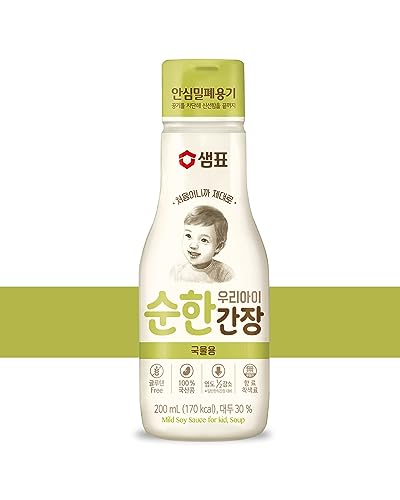
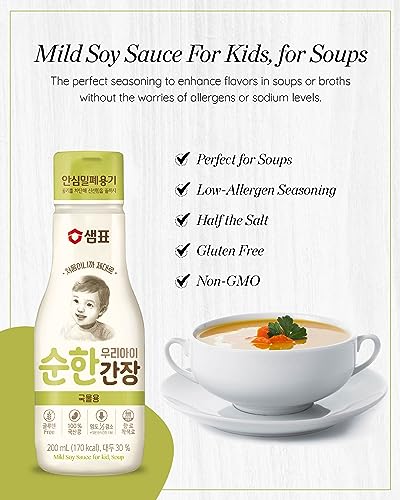
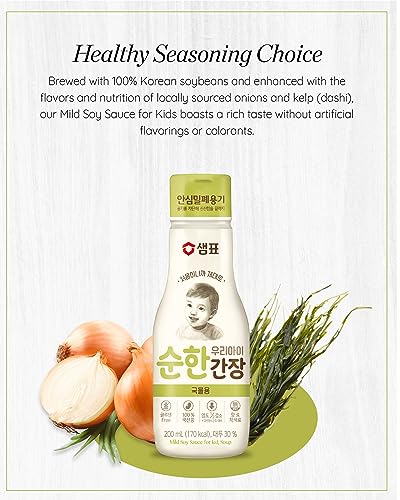
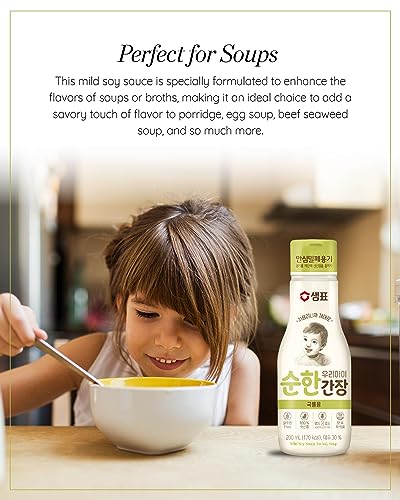
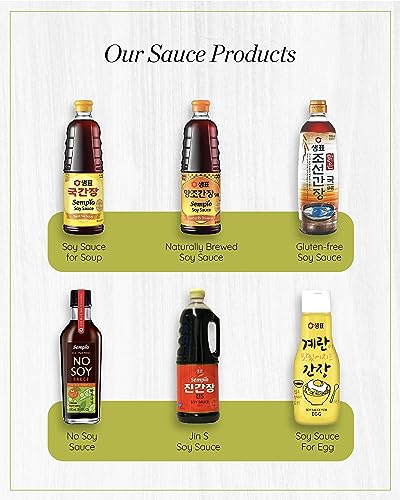
Sempio Kids Soy Sauce Low Sodium for Soup – Mild Baby & Toddler Seasoning, 50% Less Salt, Onion & Kelp Infused - Gluten Free, Non-GMO, Vegan - Crafted in Korea (6.7 fl oz/200 mL)
- LOW SODIUM SOY SAUCE FOR KIDS - Specially formulated mild soy sauce with 50% less salt than regular soy sauce,
- GLUTEN FREE & ALLERGEN FRIENDLY - Certified gluten-free soy sauce made without artificial flavors, colors, or
- NATURAL UMAMI FLAVOR FROM ONION & KELP - Enhanced with Korean onion extract and concentrated kelp (dashi) for
3. Cook at Home More Often — and Season Smarter
Home cooking is the single most powerful lever you have over your toddler's sodium intake. When you cook from scratch, you control every milligram. The challenge most parents face isn't motivation — it's flavour. Food seasoned without salt can taste flat, and toddlers are notoriously opinionated eaters.
The good news: salt is not the only path to flavour.
Salt-free seasoning strategies that actually work
Herbs, spices, citrus zest, garlic, and onion all amplify flavour without a single milligram of sodium. For parents who want the convenience of a pre-mixed blend, salt-free seasoning mixes are a genuinely useful kitchen shortcut.


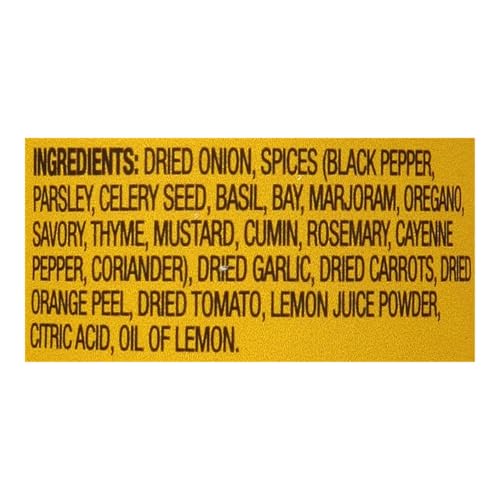


Dash Salt-Free Seasoning Blend, Original, 2.5 Ounce
- Mrs. Dash is now Dash
- All-purpose seasoning shaker combines 14 different spices mixed together for a flavor that you can try with al
- This salt-free seasoning mix brings instant flavor to meats, vegetables, sauces and more
The Dash Salt-Free Original Seasoning Blend combines 14 spices and works well on roasted vegetables, scrambled eggs, and chicken — all common toddler foods. For more variety, the Flavor Mate No Salt Seasoning Variety Pack gives you five distinct flavour profiles (original, lemon pepper, garlic herb, southwest chipotle, and table blend) so you can rotate flavours and keep meals interesting without reaching for the salt.
4. Rethink Snacks: The Sodium Hiding in Plain Sight
Snacks are responsible for a surprisingly large proportion of toddler sodium — partly because they happen frequently (2–3 times per day) and partly because the most convenient options are often the saltiest.
High-sodium snacks to limit
Lower-sodium snack swaps
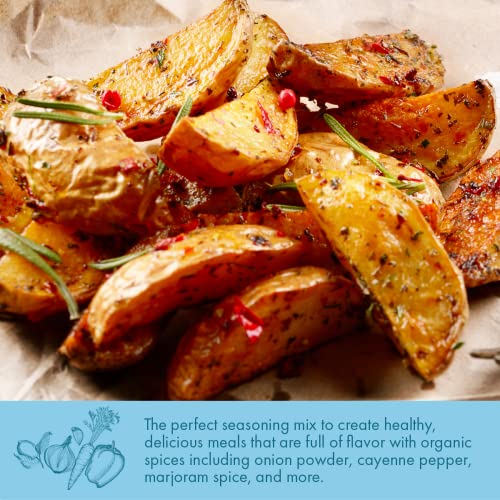
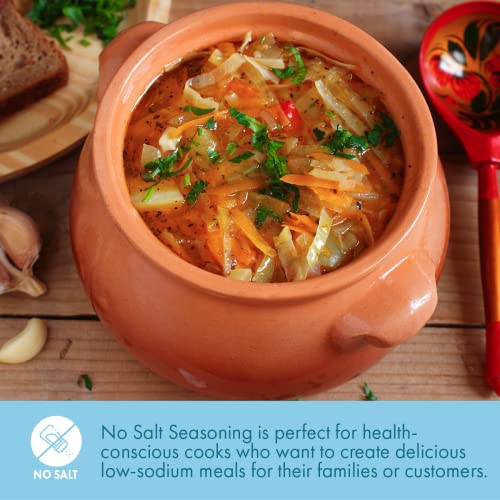
For cooking and seasoning snack components at home, a large-format option like the HqO Organic No Salt All-Purpose Seasoning gives you a full pound of USDA-certified organic, sodium-free seasoning — economical for families who cook regularly and want to flavour roasted chickpeas, popcorn, or vegetable dips without adding sodium.
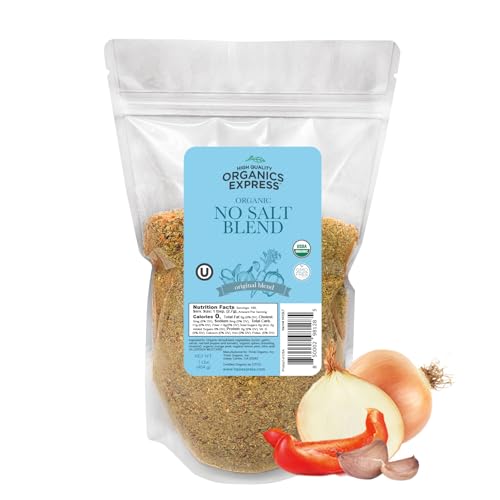
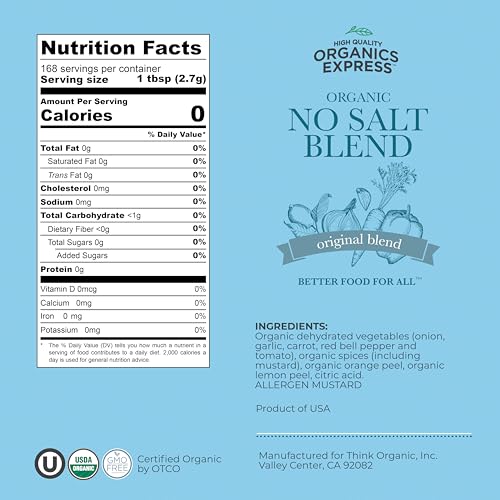
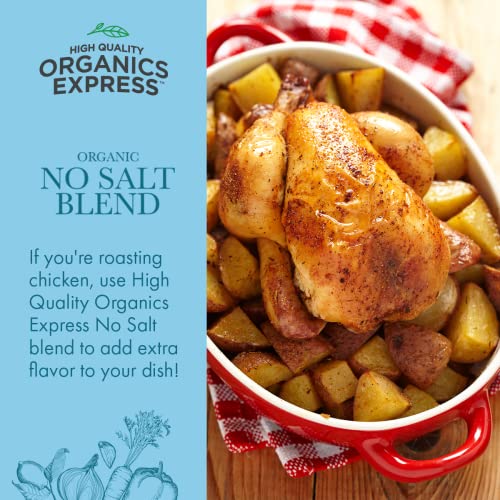
No Salt All Purpose Organic Seasoning, 100% Sodium Free, No MSG, For Vegetables, Chicken, Fish, Salads, Eggs, Rice, Pasta - Non GMO, Kosher, Great Value 1 Lb
- All Purpose Organic No Salt Seasoning: The perfect sodium-free seasoning to create healthy, delicious meals th
- Salt-Free Sensation: Elevate your dishes with natural, sodium-free flavor! Our NO MSG, low-sodium seasoning sa
- 100% Organic Excellence: USDA Certified Organic all-purpose seasoning. Crafted with love from GMO-free organic
5. Navigate Dairy and Protein Sources Wisely
Dairy and protein foods are nutritional pillars for toddlers — calcium, iron, zinc, and complete amino acids all live here. But this food group also delivers a disproportionate share of sodium, particularly through processed versions.
Dairy: the sodium spectrum
| Dairy food | Approximate sodium per serving | |---|---| | Plain whole-milk yogurt (½ cup) | 55–80 mg | | Plain cow's milk (½ cup) | 55 mg | | Cheddar cheese (1 oz / 28g) | 170–200 mg | | Processed cheese slice | 250–400 mg | | Cottage cheese (¼ cup) | 200–230 mg |
Plain milk and plain yogurt are your lowest-sodium dairy options. Cheese is nutritious but dense in sodium — use it as a flavour accent rather than a main component. A small amount of grated cheese on pasta adds calcium and flavour; a full processed cheese slice on a sandwich adds significantly more sodium for less nutritional benefit.
Protein: fresh beats processed every time
If you do use seasoned salt for family cooking, Lawry's 25% Less Sodium Seasoned Salt delivers the familiar savoury blend with a meaningful sodium reduction — a useful bridge product while your family transitions toward lower-sodium cooking overall.
6. Dining Out and Ready-Made Meals: Practical Damage Control
Restaurant meals and takeaway food are typically two to three times higher in sodium than equivalent home-cooked meals, according to data from the CDC. For a toddler sharing from the family order, a single restaurant meal can exceed their entire daily sodium budget.
Before you go
At the restaurant
When eating out, the biggest sodium wins come from sauce control and choosing preparation methods — not from avoiding entire food groups.
— Centers for Disease Control and Prevention, Sodium Reduction Initiative (2023)
Ready-made and convenience foods at home
When you do reach for convenience foods, the Dash Everything But The Salt Seasoning Blend is a useful pantry addition — sprinkle it on scrambled eggs, toast, or steamed vegetables to add flavour without the sodium hit of a standard seasoning.
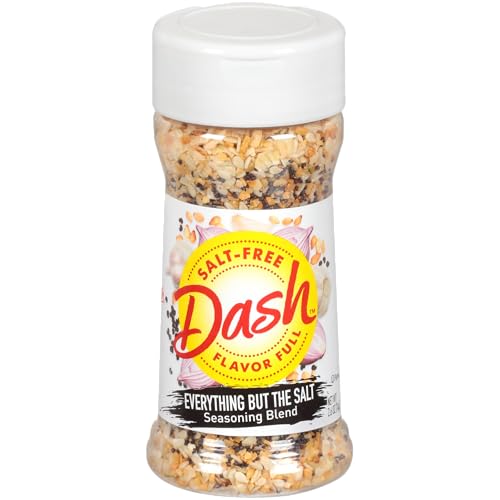
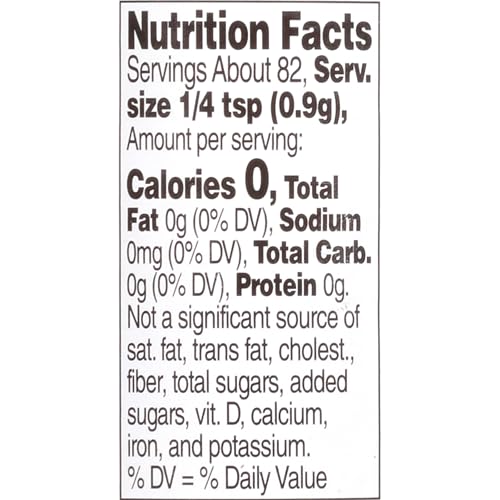
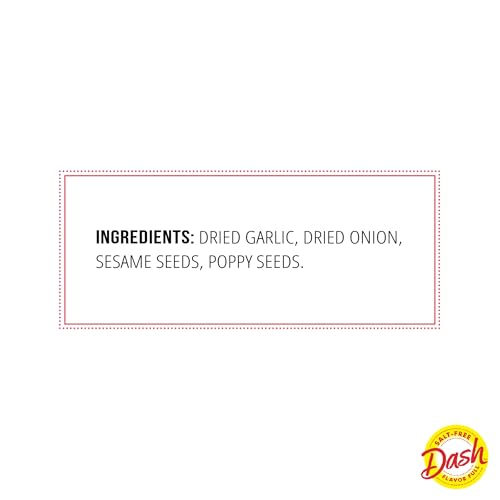
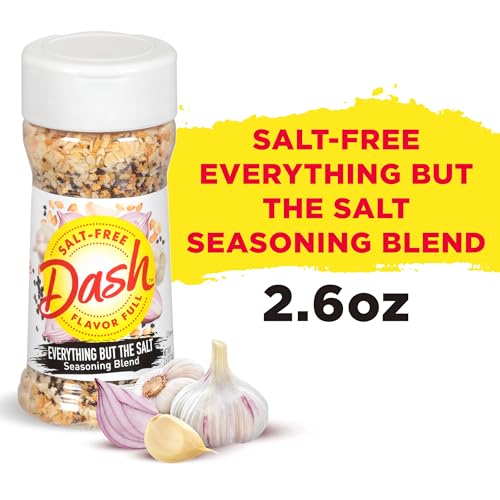
Dash Salt-Free Seasoning Blend, Everything But The Salt Seasoning Blend, 2.6 Ounce
- All the flavor of an everything bagel with none of the salt
- A delicious hint of crunchy texture in every bite
- Onion, garlic, sesame and poppyseed flavors add flavor to eggs, buttered toast, steamed vegetables and more
7. Build Long-Term Habits: Involving Your Toddler in Food Choices
Reducing sodium isn't a one-week project — it's a gradual recalibration of your family's food culture. Research consistently shows that children who are involved in food preparation from an early age are more likely to accept a wider variety of foods and develop healthier eating patterns overall.
Age-appropriate involvement for 1–3 year olds
Gradual sodium reduction works
Your toddler's palate adapts. Studies published in Appetite journal show that children's preference for saltiness decreases meaningfully when dietary sodium is reduced consistently over 8–12 weeks. You don't need to go cold turkey — reduce sodium gradually across a month and most toddlers won't notice the difference.
Sodium Seasoning Options at a Glance
| Seasoning Type | Best Use | Sodium Content | Key Benefit | Main Drawback | Recommended Product | Price Range |
|---|---|---|---|---|---|---|
| Low-sodium soy sauce (kids) | Soups, porridge, Asian dishes | ~50% less than standard | Toddler-specific formulation, umami flavour | Limited to savoury/Asian cooking | Sempio Kids Low Sodium Soy Sauce | ~$12 |
| Salt-free all-purpose blend | Meats, vegetables, eggs | 0 mg sodium | Versatile, 14-spice mix | No salt flavour at all — adjust recipes | Dash Salt-Free Original Blend | ~$3 |
| Salt-free everything blend | Eggs, toast, dips, vegetables | 0 mg sodium | Familiar bagel-style flavour, crunchy texture | Flavour profile suits some dishes more than others | Dash Everything But The Salt | ~$3 |
| Organic no-salt seasoning | Bulk cooking, meal prep | 0 mg sodium | USDA organic, 21 ingredients, great value | Larger quantity — suits regular home cooks | HqO Organic No Salt Seasoning | ~$13 |
| Reduced-sodium seasoned salt | Transitional family cooking | 25% less than standard | Familiar flavour, easy swap | Still contains sodium — not zero | Lawry's 25% Less Sodium Salt | ~$3 |
| No-salt variety pack | Rotating flavours, preventing boredom | 0 mg sodium | 5 flavour profiles, kosher, no MSG | Higher upfront cost | Flavor Mate No Salt Variety Pack | ~$18 |
Expert Insights
Conclusion
Managing your toddler's sodium intake can feel like one more thing on an already long parenting list — but the changes that matter most are genuinely small. Swap one processed snack for a fresh one. Add a salt-free spice blend to your shopping basket. Rinse those canned beans. Read one label this week. None of these actions require a kitchen overhaul or a perfect diet, but together, consistently, they shape a palate and a cardiovascular system that will serve your child for decades.
The most powerful thing about the toddler years isn't the challenge — it's the opportunity. The flavours your child learns to love right now are the ones they'll return to for life.
Save this guide, share it with your co-parent or caregiver, and revisit it the next time you're standing in the snack aisle wondering which crackers to grab.
Sources & References
- American Academy of Pediatrics. "Sodium Intake in Children and Adolescents." AAP Policy Statement. 2023. https://www.aap.org
- U.S. Department of Agriculture & U.S. Department of Health and Human Services. "Dietary Guidelines for Americans, 2020–2025." 9th Edition. 2020. https://www.dietaryguidelines.gov
- Quader ZS, Zhao L, Gillespie C, et al. "Sodium Intake Among Persons Aged ≥2 Years — United States, 2013–2014." MMWR Morbidity and Mortality Weekly Report. CDC. 2017. https://www.cdc.gov
- American Heart Association. "Sodium and Kids." 2021. https://www.heart.org
- Graudal NA, Hubeck-Graudal T, Jurgens G. "Effects of low sodium diet versus high sodium diet on blood pressure, renin, aldosterone, catecholamines, cholesterol, and triglyceride." Cochrane Database of Systematic Reviews. 2020.
- Mennella JA, Bobowski NK. "The sweetness and bitterness of childhood: Insights from basic research on taste preferences." Physiology & Behavior. 2015.
- Centers for Disease Control and Prevention. "Sodium Reduction." CDC Nutrition. 2023. https://www.cdc.gov/nutrition/sodium
- Center for Science in the Public Interest. "Kids' Meals: Still Salty After All These Years." 2023. https://www.cspinet.org
- Nicklas TA, et al. "Eating patterns, dietary quality and obesity." Journal of the American College of Nutrition. 2019.
- Dötsch-Klerk M, et al. "Reducing salt in food: setting targets and measuring progress." European Journal of Clinical Nutrition. 2015.
Frequently Asked Questions
How much sodium should a 1–3 year old have per day?
What are the signs that my toddler is eating too much sodium?
Is it safe to use salt substitutes for toddlers?
Are there low-sodium options for toddlers who eat a lot of dairy?
My toddler refuses food that isn't salty — what can I do?
Are restaurant kids' meals too high in sodium for toddlers?
Which everyday foods are the biggest sodium sources for toddlers?
Was this helpful?
Thanks — your feedback helps us pick what to write next.