Physical Milestones: What Your Preschooler's Body Is Learning to Do
Between ages 3 and 5, children make some of the most dramatic developmental leaps of their lives — in language, motor control, emotional regulation, and social thinking — and knowing what to expect helps you support (not rush) every step.

In this article
Picture this: your 3-year-old announces, completely unprompted, that the dog is "feeling sad because nobody played with him today." Six months ago, that same child could barely string three words together. That moment of empathy — small, offhand, extraordinary — is exactly what the preschool years look like from the inside.
According to the Centers for Disease Control and Prevention (CDC), the period from ages 3 to 5 represents one of the fastest windows of brain development in the entire human lifespan, with neural connections forming at a rate that will never be matched again. What happens in these years shapes language, learning, relationships, and emotional health for decades.
In this guide, you'll understand:
1. Physical Milestones: What Your Preschooler's Body Is Learning to Do
Your preschooler's body is becoming a precision instrument — and the changes between 3 and 5 are striking enough that you'll notice them in real time.
Gross Motor Development
At age 3, most children can hop on one foot briefly, ride a tricycle, climb playground equipment with confidence, and kick a ball forward with reasonable aim. By age 4, expect running with more speed and control, jumping over small objects, and catching a large ball with both arms. By age 5, the CDC's developmental milestone checklist notes that most children can skip, do a somersault, swing independently, and catch a smaller ball with their hands (not just their arms).
Fine Motor Development
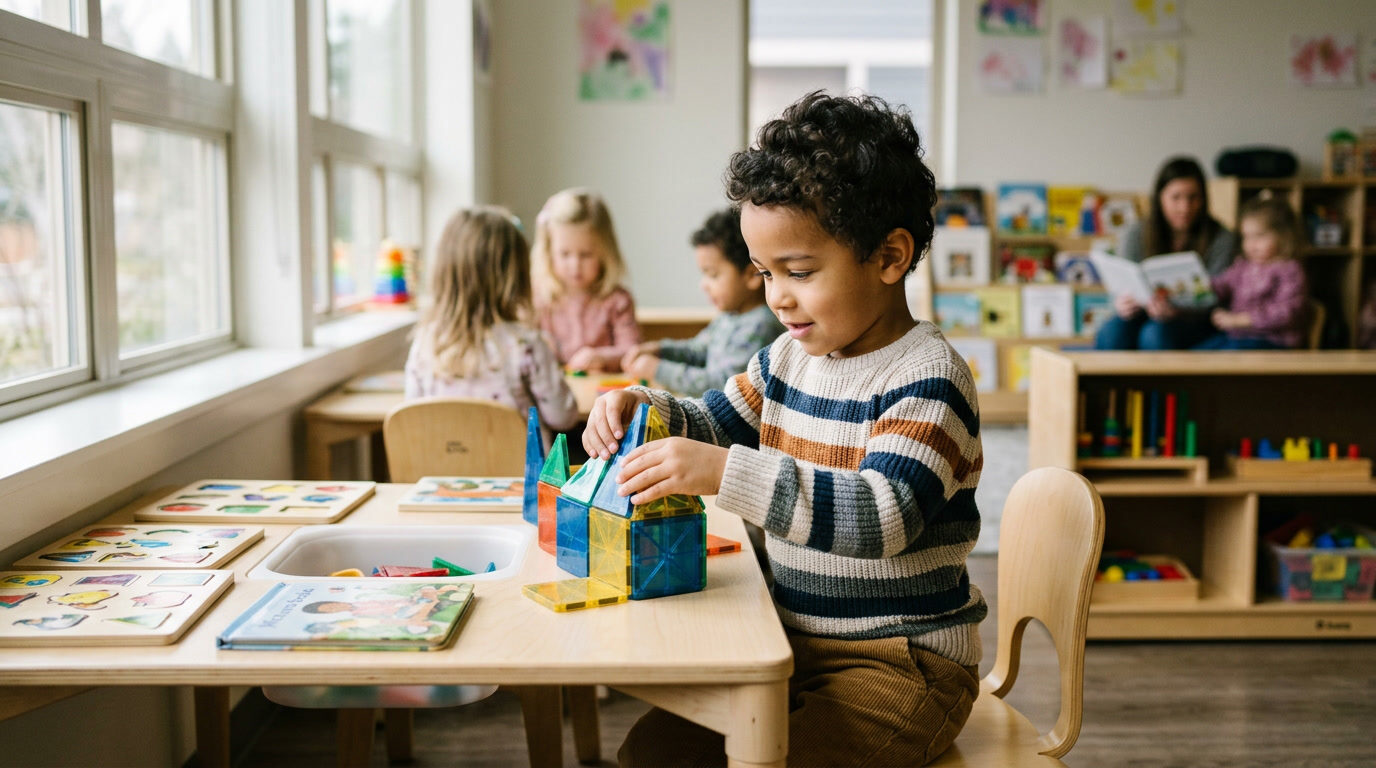
Fine motor skills — the small, precise movements of hands and fingers — are equally busy. A 3-year-old typically draws a circle and uses a fork independently. A 4-year-old can copy a cross or square shape and begin using child-safe scissors. By 5, most children can draw a recognisable person with at least 6 body parts and write some letters of their own name.
Red Flags to Watch




Developmental Milestones of Young Children (Redleaf Quick Guides)
- Parenting & Relationships
- Early Childhood
- Image Unavailable Image not available forColor:
2. Language & Communication: The Word Explosion Continues
Between 3 and 5, your child's language ability shifts from functional communication to genuine storytelling — and the pace is breathtaking.
What to Expect, Year by Year
At age 3, the American Speech-Language-Hearing Association (ASHA) notes that most children use 3–4 word sentences, ask "why" constantly (brace yourself), and are understood by strangers about 75% of the time. By age 4, sentences grow to 4–6 words, children can retell a simple story, and they begin using past tense (even if imperfectly — "I goed to the park"). By age 5, most children speak in full, grammatically complex sentences, tell detailed stories with a beginning, middle, and end, and know their full name, address, and age.
Language development in the preschool years is not just about vocabulary — it's about learning to use language as a tool for thinking, for regulating emotions, and for building relationships.
— American Speech-Language-Hearing Association (2023)
Bilingual Preschoolers
If your child is growing up with two languages, they may mix them (called "code-switching") — this is completely normal and does not indicate confusion or delay. Research published by the National Institutes of Health confirms that bilingual children meet language milestones on the same timeline as monolingual peers when both languages are considered together.
Red Flags to Watch

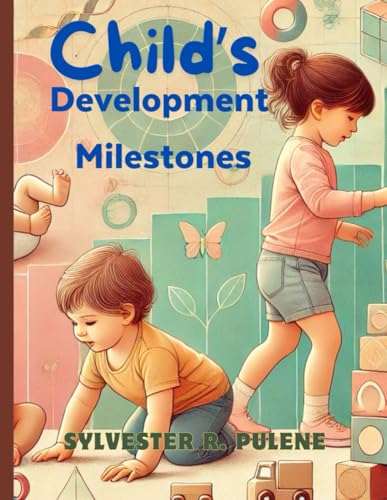
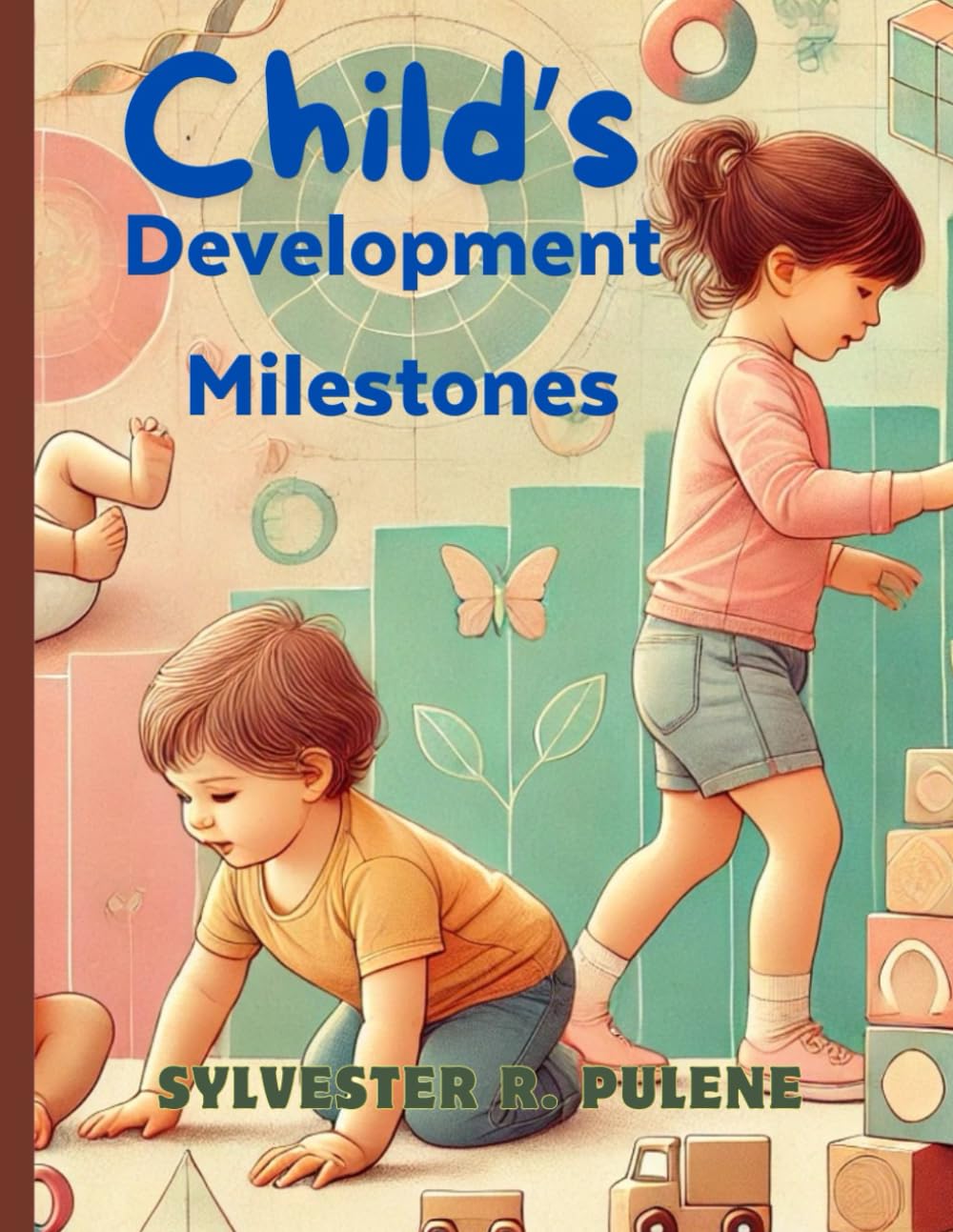
CHILD'S DEVELOPMENT MILESTONES: Growing Up: A Guide to Toddler and Preschool Development Milestones
- Parenting & Relationships
- Image Unavailable Image not available forColor:
- Detailed Chapters on each stage of development, focusing on physical milestones, language acquisition, emotion
3. Cognitive Development: How Preschoolers Think (and Why It Looks So Magical)
Preschool-age thinking is genuinely fascinating — and understanding it will save you a lot of frustration when your 4-year-old insists the moon is following the car.
Piaget's Preoperational Stage
Developmental psychologist Jean Piaget identified ages 2–7 as the "preoperational stage" — a period when children think symbolically (a banana becomes a phone) but not yet logically. This explains why a 4-year-old insists their cup has "less juice" after you pour it into a taller glass. They're not being difficult; their brain genuinely perceives it that way.
What Cognitive Milestones Look Like
By age 3: sorts objects by shape and colour, completes simple puzzles (3–4 pieces), understands "same" and "different." By age 4: counts to 10, understands the concept of time (yesterday, today, tomorrow), draws with intention. By age 5: counts to 20+, understands basic cause and effect, can focus on a task for 10–15 minutes.
Memory and Attention
Working memory and attention span grow substantially across these two years. The CDC notes that by age 5, most children can follow 3-step instructions and hold a simple rule in mind (like "no running inside") — though they'll still need reminders. That's not defiance; it's neurology.
4. Social & Emotional Development: Big Feelings, Small People
Emotional development in the preschool years is arguably the most important — and the most misunderstood — domain of all.
What's Normal (Even When It Doesn't Feel Like It)
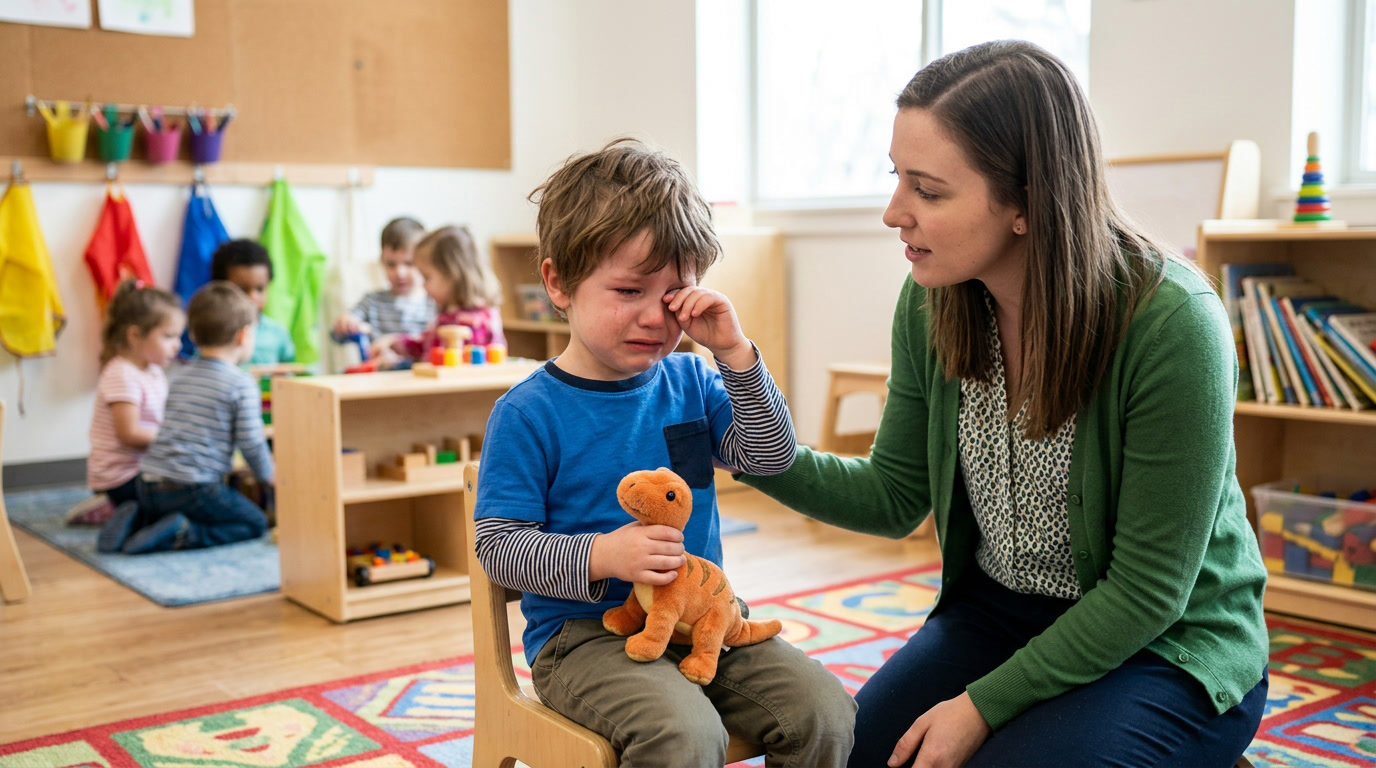
Tantrums at age 3 are still completely typical. The prefrontal cortex — the brain region responsible for impulse control and emotional regulation — won't be fully developed until the mid-20s. At age 3, it's barely online. By age 4, most children begin to show more self-control, use words for feelings more consistently, and recover from upsets faster. By age 5, they can often name multiple emotions, show genuine empathy, and begin to negotiate rather than melt down.
Friendships and Social Play
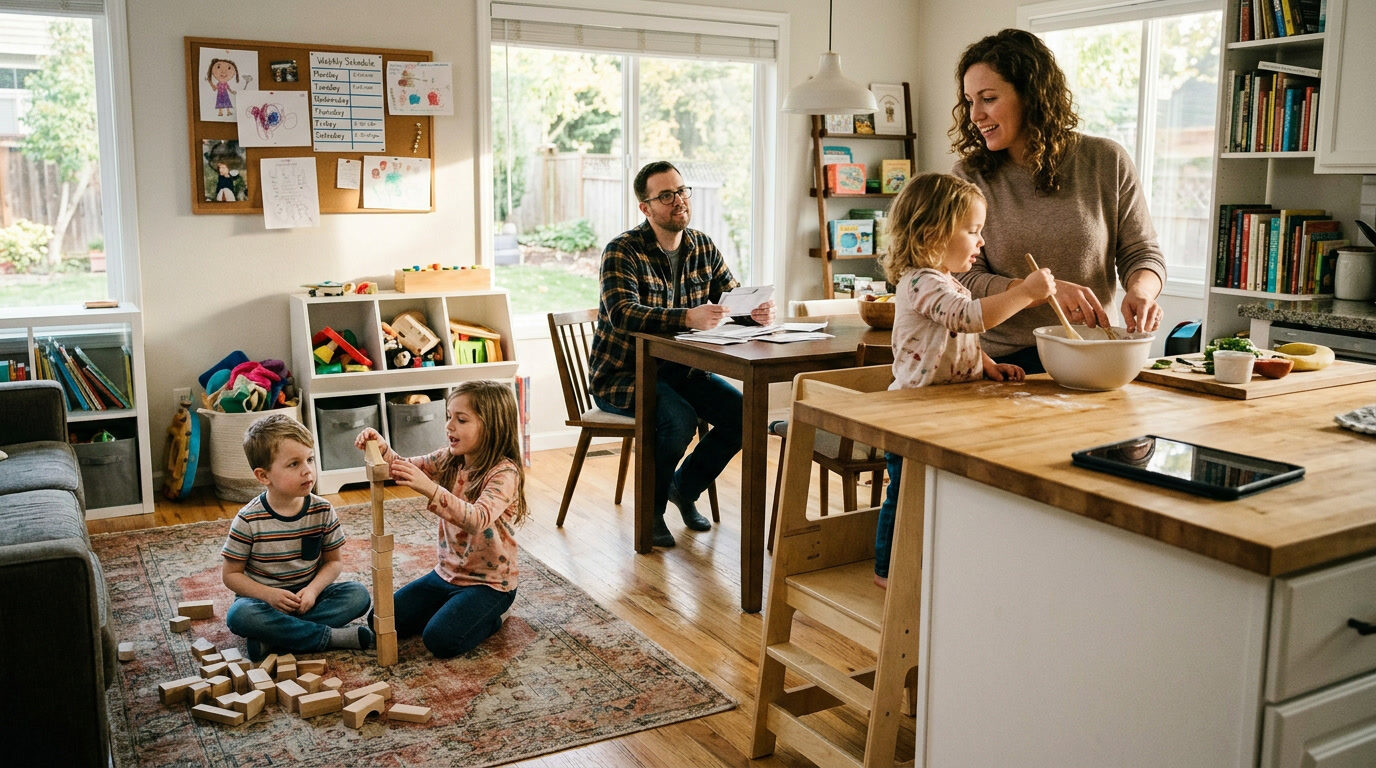
Around age 3, children move from parallel play (playing alongside peers) to associative and then cooperative play — where they actually collaborate toward a shared goal. This is a major milestone. By age 4–5, most children have a concept of a "best friend" and show real distress when friendships are disrupted.
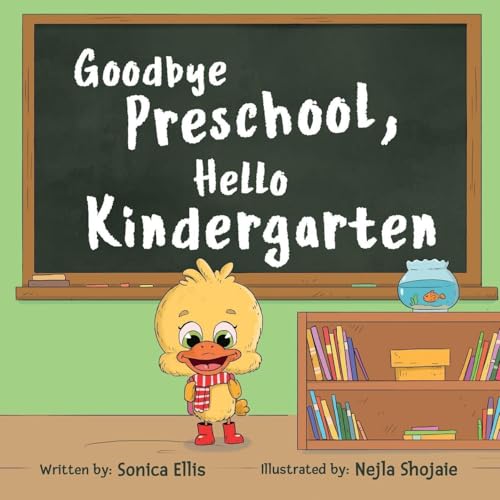
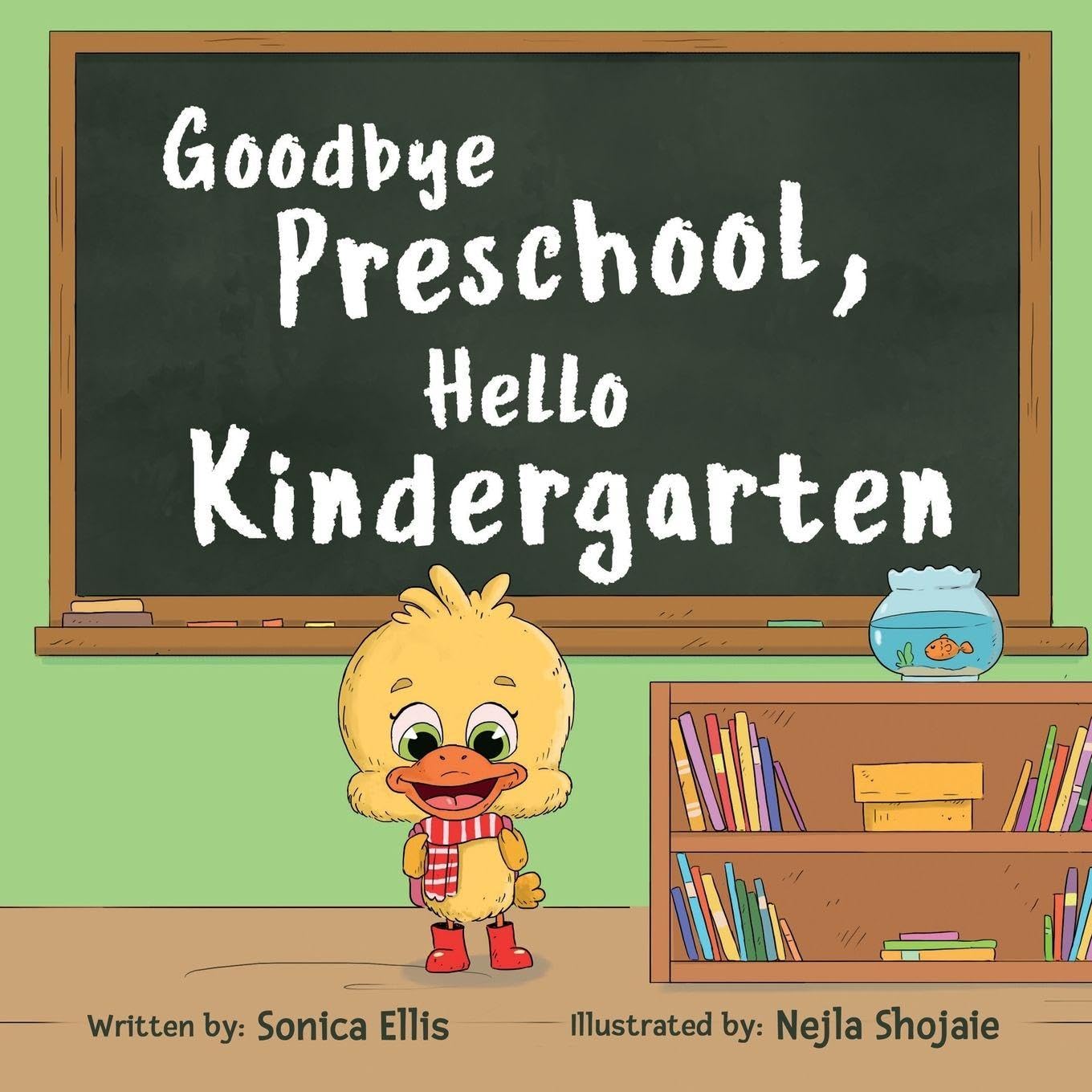
Goodbye Preschool, Hello Kindergarten (Milestone Moments)
- Children's Books
- Growing Up & Facts of Life
- Friendship, Social Skills & School Life
5. School Readiness: What It Actually Means at Age 5
School readiness is one of the most anxiously Googled topics among parents of preschoolers — and one of the most misunderstood.
It's Not About Reading
The National Association for the Education of Young Children (NAEYC) is clear: school readiness is not about whether a child can read or write their name. It's about whether a child can function in a group setting, manage their emotions well enough to learn, and engage with curiosity.
The Real Readiness Checklist
By the time most children enter kindergarten (around age 5), the skills that matter most include:
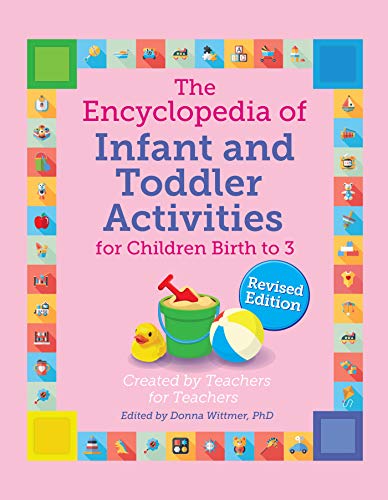
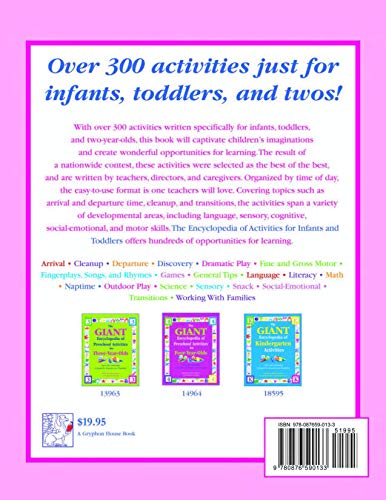
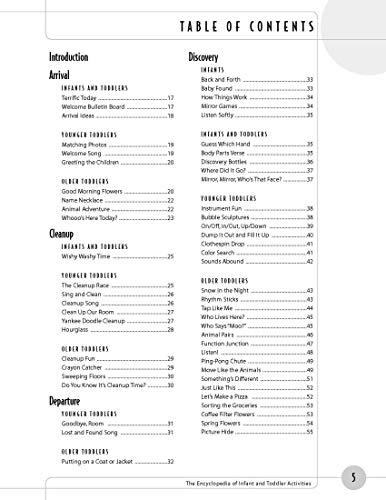
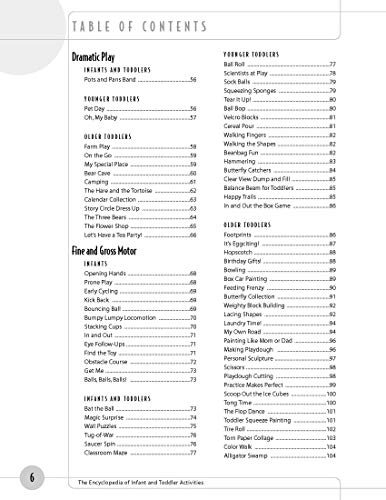
The Encyclopedia of Infant and Toddler Activities: For Children Birth to 3 (Giant Encyclopedia) Rev. Edition
- Education & Teaching
- Schools & Teaching
- Education Theory
6. When to Seek Help: Developmental Red Flags vs. Normal Variation
Every child develops on their own timeline — but some delays benefit enormously from early intervention, and knowing the difference matters.
The Spectrum of Normal
There is genuine, wide variation in when children hit milestones. Some children speak in full sentences at 2.5; others are quieter until 3.5 and then catch up rapidly. Context matters: bilingual children, children with older siblings, and children with limited screen time all show different patterns that are still entirely typical.
When to Talk to Your Paediatrician
The AAP recommends developmental screening at the 3-year and 4-year well-child visits using standardised tools. Beyond those visits, contact your paediatrician if your child:

Educator's Guide to Understanding Child Development, The
- Education & Teaching
- Schools & Teaching
- Early Childhood Education
7. Developmental Milestones by Age: A Side-by-Side Comparison
| Age / Domain | Language | Motor Skills | Social-Emotional | Cognitive | Recommended Resource |
|---|---|---|---|---|---|
| Age 3 | 3–4 word sentences; 75% understood by strangers | Hops on one foot; draws a circle | Parallel → associative play; tantrums still common | Sorts by colour/shape; simple puzzles | Developmental Milestones Quick Guide |
| Age 4 | 4–6 word sentences; retells simple stories | Catches large ball; uses scissors | Cooperative play begins; concept of "best friend" | Counts to 10; understands yesterday/today/tomorrow | Child's Development Milestones Guide |
| Age 5 | Full complex sentences; knows name, address, age | Skips, somersaults; catches smaller ball | Negotiates and compromises; genuine empathy | Counts to 20+; 10–15 min attention span | Goodbye Preschool, Hello Kindergarten |
| School Readiness | Uses words for needs; engages in dialogue | Holds pencil correctly; uses scissors | Separates from caregiver; takes turns in groups | Follows 3-step instructions; recognises own name | Educator's Guide to Child Development |
Expert Insights
The preschool years are exhausting, exhilarating, and gone faster than any parent is ever ready for. One day your child is demanding you watch them jump off the same step forty-seven times; the next, they're telling you a story with a plot twist. Both of those moments are development happening in real time — and you are the most important part of the environment making it possible.
You don't have to be a perfect parent to raise a thriving preschooler. You have to be a present one. As the research consistently shows, it's the quality of your everyday interactions — the conversations at dinner, the books at bedtime, the calm voice during a meltdown — that matter most.
Save this guide, share it with your co-parent or caregiver, and come back to it as your child grows. You've got this.
Sources & References
- Centers for Disease Control and Prevention (CDC). "Developmental Milestones." 2023. https://www.cdc.gov/ncbddd/actearly/milestones/index.html
- American Academy of Pediatrics (AAP). "Media and Young Minds." Pediatrics, 2016. https://publications.aap.org/pediatrics/article/138/5/e20162591/60503
- American Speech-Language-Hearing Association (ASHA). "Preschool Language Disorders." 2023. https://www.asha.org/public/speech/disorders/preschool-language-disorders/
- National Association for the Education of Young Children (NAEYC). "School Readiness." 2009. https://www.naeyc.org/resources/position-statements/school-readiness
- National Institute for Early Education Research (NIEER). "The State of Preschool Yearbook." 2023. https://nieer.org/state-preschool-yearbooks
- Harvard Center on the Developing Child. "Executive Function and Self-Regulation." 2023. https://developingchild.harvard.edu/science/key-concepts/executive-function/
- Golinkoff, R.M. & Hirsh-Pasek, K. "Becoming Brilliant: What Science Tells Us About Raising Successful Children." American Psychological Association, 2016.
- National Institutes of Health (NIH). "Bilingual Language Development." National Institute on Deafness and Other Communication Disorders, 2022. https://www.nidcd.nih.gov/health/bilingualism-and-second-language-acquisition
- Robert Wood Johnson Foundation. "How Children's Social Competence in Kindergarten Predicts Long-Term Outcomes." 2015. https://www.rwjf.org
- Piaget, J. "The Psychology of the Child." Basic Books, 1969.
Frequently Asked Questions
Is it normal for my 3-year-old to still have tantrums?
My 4-year-old isn't interested in letters or numbers. Should I be worried?
How much screen time is appropriate for a preschooler?
What's the difference between a speech delay and a language delay?
Should my preschooler be in a structured programme or is home-based play enough?
My child regressed to baby talk after starting preschool. Is that normal?
How do I know if my preschooler needs occupational therapy?
Was this helpful?
Thanks — your feedback helps us pick what to write next.