The Hidden Cost of "Going It Alone": Why Latino Dads Are Especially Vulnerable to Isolation
Latino fathers who build intentional community with other dads raise more emotionally secure children, experience lower parental burnout, and break generational cycles of emotional distance — and the research backs this up.
In this article
Nearly 1 in 4 fathers in the United States reports feeling isolated in his parenting role, according to the American Psychological Association — and among Latino dads, cultural expectations of stoic self-sufficiency can make that isolation even sharper. Yet the evidence is unambiguous: when fathers are emotionally engaged and socially supported, their children thrive. Research from the National Responsible Fatherhood Clearinghouse shows that children with involved fathers are 43% more likely to earn mostly A's in school, and significantly less likely to experience anxiety or depression.
This article follows three real-world archetypes — Carlos, Miguel, and José — to explore why community isn't a luxury for Latino dads; it's a developmental tool for the whole family. Here's what you'll understand by the end:
1. The Hidden Cost of "Going It Alone": Why Latino Dads Are Especially Vulnerable to Isolation
The emotional isolation many fathers feel isn't weakness — it's a structural gap. For Latino men specifically, the traditional machismo framework equates vulnerability with failure, leaving fathers without permission to say I'm overwhelmed or I don't know what I'm doing. Carlos, a 37-year-old software engineer and father of two in Miami, describes the feeling precisely: when his first child was born, he was flooded with fear and insecurity — and had nowhere to take it.
This isn't anecdote; it's epidemiology. A 2021 study published in Cultural Diversity and Ethnic Minority Psychology found that Latino fathers reported significantly higher rates of unaddressed parenting stress compared to non-Latino white fathers, partly because seeking help conflicted with cultural identity norms. Paternal depression — which affects roughly 10% of new fathers overall, per the CDC — is underdiagnosed in Latino communities because the symptoms (irritability, withdrawal, overworking) are easy to misread as "normal dad behavior."
What Isolation Actually Looks Like in Practice
- Dismissing your own emotional needs as irrelevant to parenting - Feeling competitive rather than collegial with other dads - Relying entirely on a partner for emotional processing - Modeling emotional suppression for your children, who learn by watching
If any of this sounds familiar, the most practical thing you can do today is search for a local or virtual fathers' group through the National Fatherhood Initiative (fatherhood.org) — many have Spanish-language options.


Latino Fathers: What Shapes and Sustains Their Parenting (Latina/o Sociology, 21)
- Politics & Social Sciences
- Social Sciences
- Cultural & Ethnic Studies
2. Carlos's Story: Finding Emotional Language Through a Fathers' Group
Carlos's turning point came when he stumbled into a local dads' meetup — not a therapy group, just a circle of fathers talking honestly about the chaos of early parenthood. What he found wasn't advice so much as permission: permission to feel scared, to admit he didn't have all the answers, to be a work in progress.
This kind of peer validation has measurable effects. A 2019 meta-analysis in Pediatrics found that structured father-support programs improved paternal mental health scores, increased time spent in active caregiving, and enhanced the quality of father-child attachment — all within six to twelve months of participation.
How Emotional Support from Community Translates to Your Child's Development
For fathers navigating the emotional terrain of early parenthood, ¡Vas a Ser un Gran Papá! offers expert-backed guidance written specifically for new Latino dads — covering everything from the delivery room to the first sleepless months.
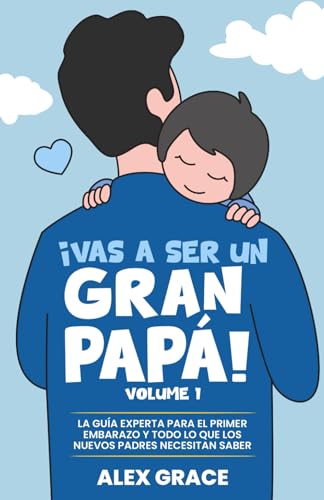
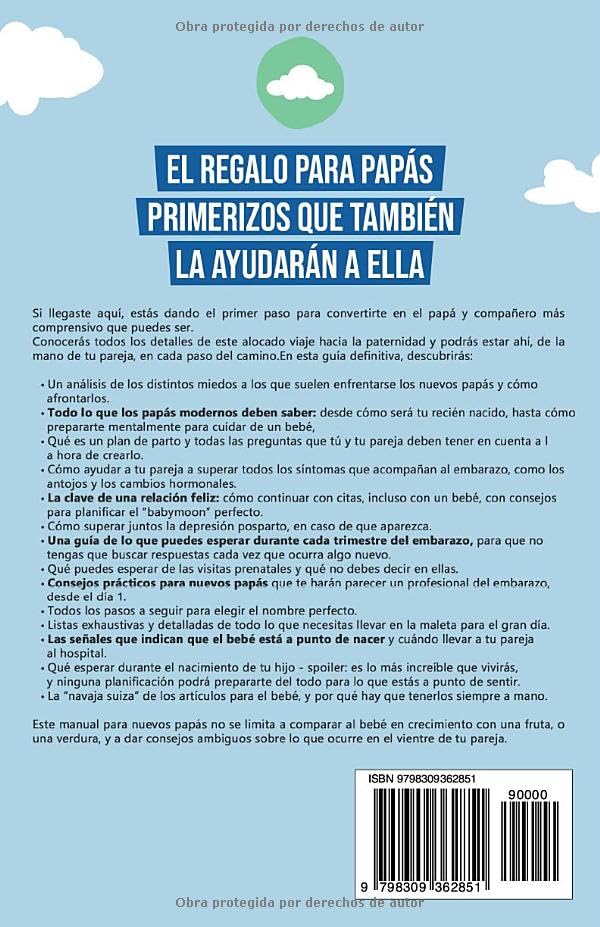
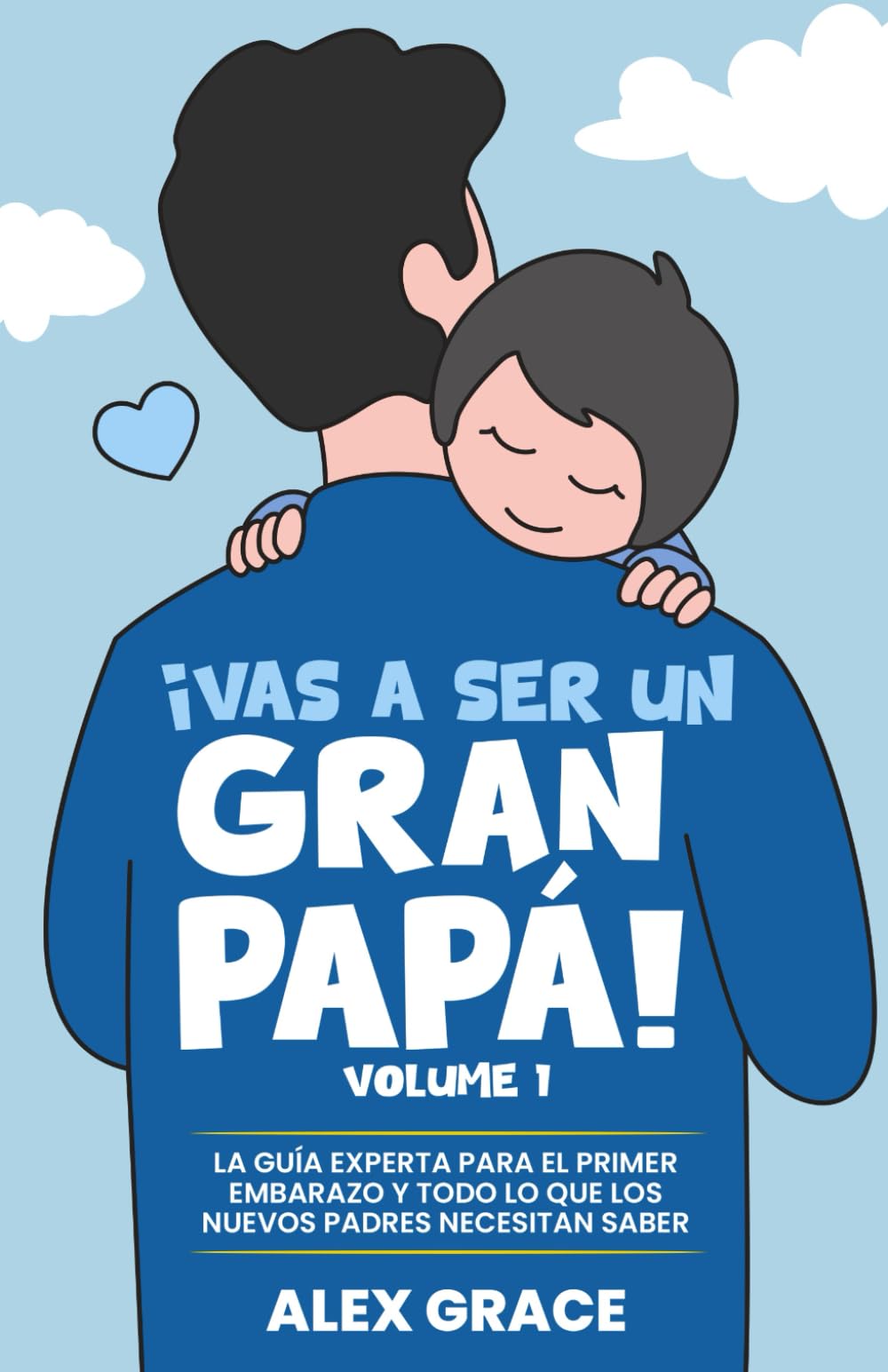

¡Vas a Ser un Gran Papá!: La Guía Experta para el Primer Embarazo y Todo lo que los Nuevos Padres Necesitan Saber (You Will Rock As a Dad!) (Spanish Edition)
- Health, Fitness & Dieting
- Exercise & Fitness
- Image Unavailable Image not available forColor:
3. Miguel's Story: Building "Padres Unidos" — The Village That Raises the Whole Family
Miguel, a 45-year-old restaurant owner and father of three teenagers in San Antonio, didn't just find community — he built it. His group, Padres Unidos (United Parents), meets monthly to cover the full spectrum of fatherhood: discipline, financial literacy, college planning, mental health, and yes, how to get dinner on the table when both parents are working late.
The "it takes a village" principle isn't just cultural wisdom — it's developmental science. Urie Bronfenbrenner's ecological systems theory, foundational to modern child development research, identifies community networks as a core protective layer around every child. When that layer is strong, children are buffered from stressors ranging from poverty to parental conflict.
What a Well-Built Father's Community Actually Does
- Normalises struggle so fathers don't catastrophise normal developmental phases - Distributes knowledge — one dad's hard-won insight about navigating a school IEP saves five others months of confusion - Holds fathers accountable to their own stated values around presence and engagement - Models healthy masculinity for the children who grow up watching these men interact
For fathers ready to formalise their community efforts, Fatherhood by Papa B offers a practical, game-changing framework for building intentional father identity at any stage.
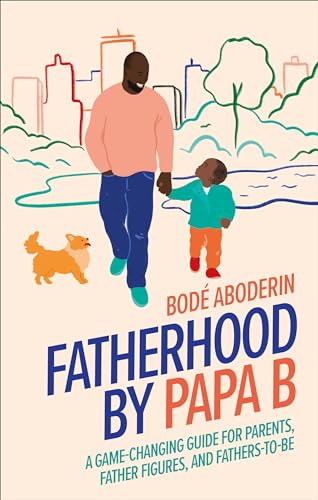
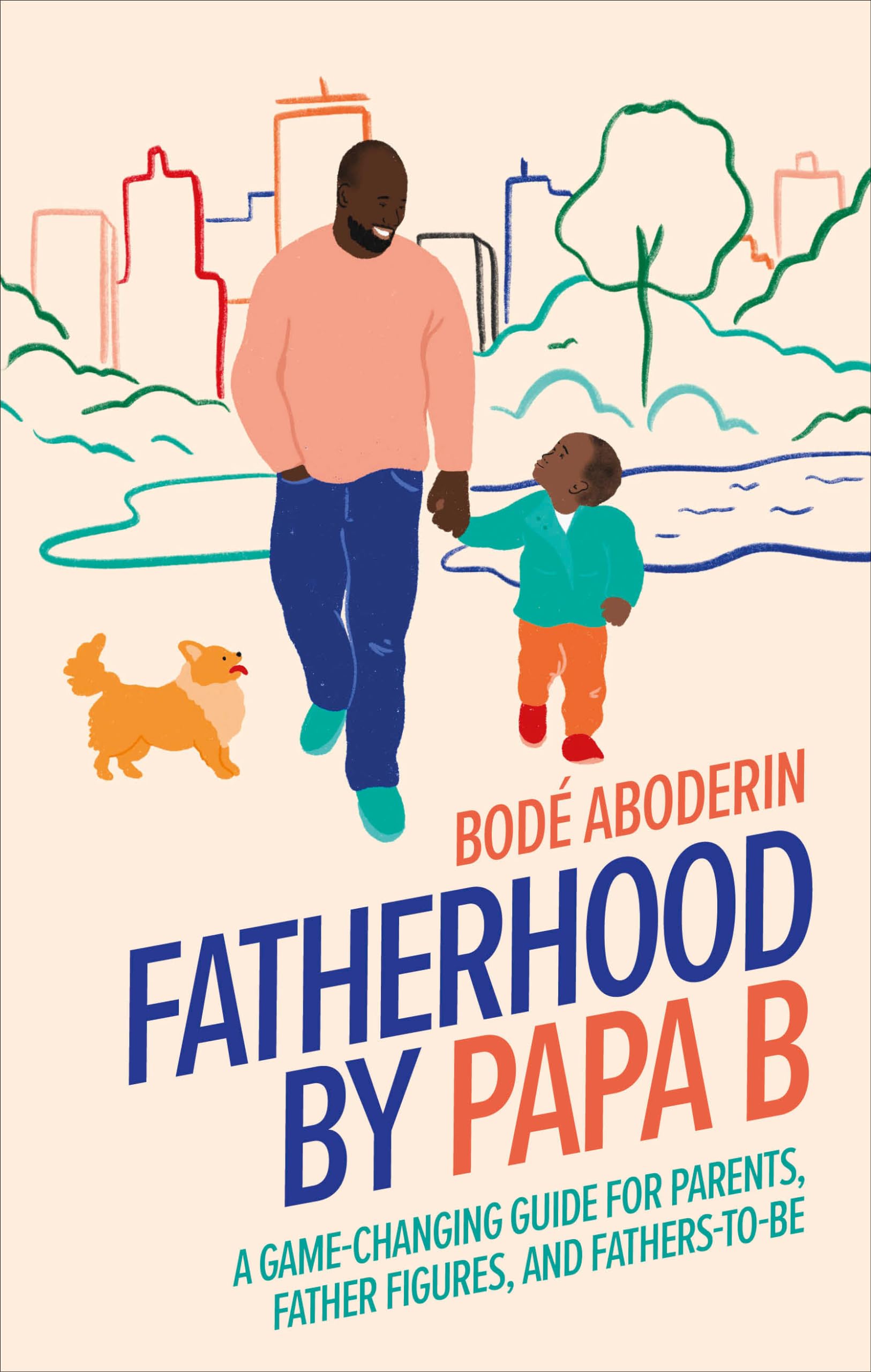
Fatherhood by Papa B: A Game-changing Guide for Parents, Father Figures and Fathers-to-be
- Parenting & Relationships
- Family Relationships
- Fatherhood
4. José's Story: Navigating Bicultural Identity — When Community Becomes a Cultural Bridge
José, a 33-year-old educator and writer in Los Angeles, faces a layered challenge: he is Latino, his wife is African American, and together they are raising a biracial daughter who deserves to feel fully seen in both of her heritages. The community José found — a multicultural fathers' group — became the space where he could examine his own cultural assumptions without judgment.
This matters developmentally. Research from the American Academy of Pediatrics' 2019 policy statement on Promoting Optimal Development: Screening for Behavioral and Emotional Problems confirms that children raised with strong, positive ethnic identity have significantly better mental health outcomes, higher self-esteem, and greater resilience to discrimination-related stress.
Bicultural Parenting by Age Band
Toddlers (2–4): Use bilingual books and music. Dual-language exposure at this stage builds cognitive flexibility and strengthens cultural pride simultaneously.
School age (5–12): Have explicit, age-appropriate conversations about both cultural histories — including hard truths. Children who understand their heritage are better equipped to handle identity challenges from peers.
Tweens and teens (11–17): Create space for your child to define their own cultural identity rather than inheriting yours wholesale. José's group taught him that the goal isn't cultural transmission; it's cultural invitation.

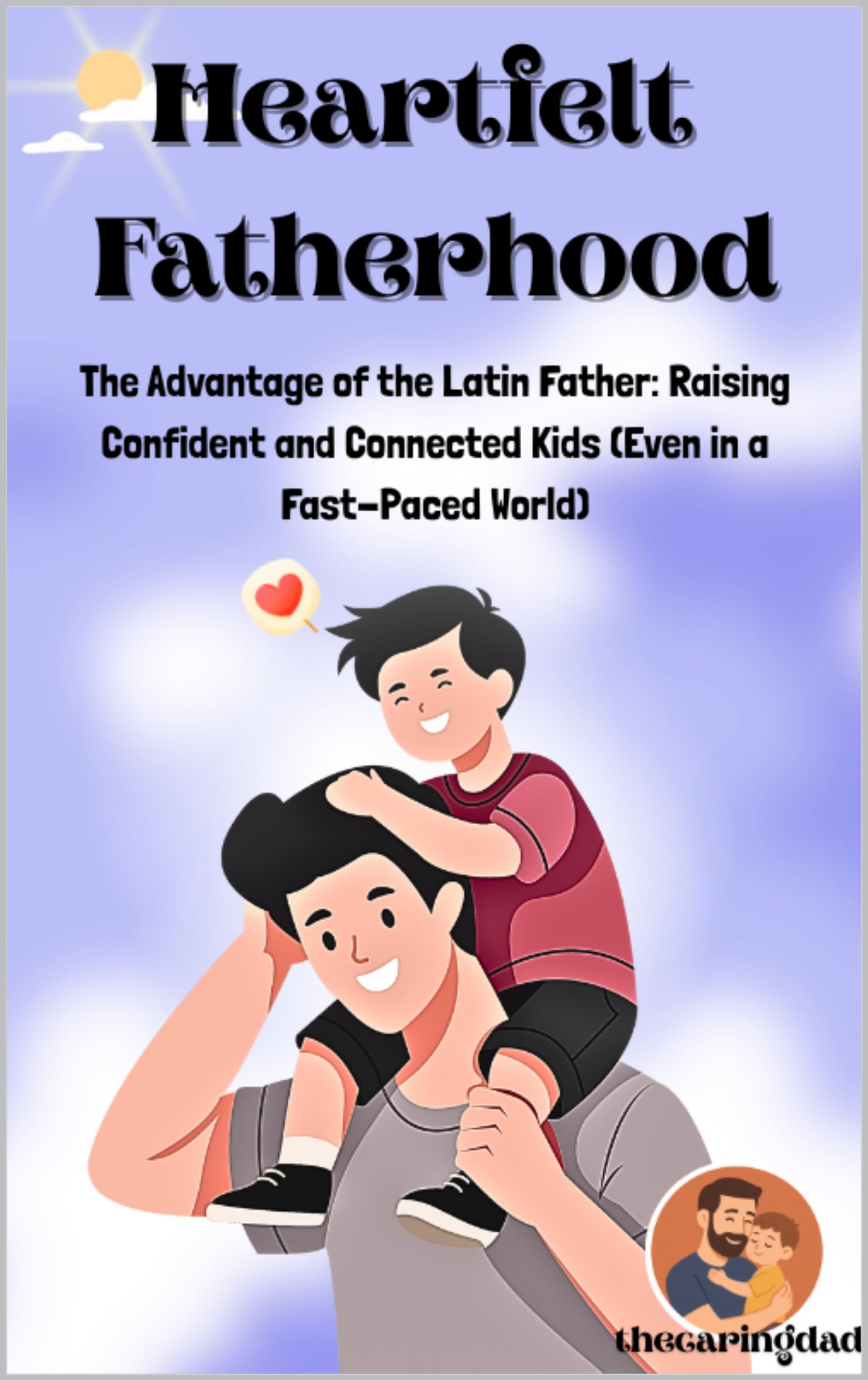

Heartfelt Fatherhood: The Advantage of the Latin Father
- Kindle Store
- Kindle eBooks
- Parenting & Relationships
Parenting with Pride Latino Style is an especially practical read for fathers working to pass on cultural values while equipping children to thrive in a diverse, modern world.
5. The Science of Involved Fatherhood: What the Research Actually Says
Engaged fatherhood isn't a feel-good ideal — it's one of the most evidence-supported levers in child development. Here is what the data shows across the developmental arc:
Father involvement is associated with better social, emotional, and cognitive outcomes for children across all socioeconomic backgrounds.
— National Responsible Fatherhood Clearinghouse (2022)
By the Numbers



Parenting with Pride Latino Style: How to Help Your Child Cherish Your Cultural Values and Succeed in Today's World
- Relationships
- Conflict Management
- Image Unavailable Image not available forColor:
6. How to Find or Build Your Own Father's Community — A Practical Roadmap
You don't have to wait for the perfect group to find you. Here is a step-by-step approach that works whether you're a new dad or fifteen years in.
Step 1: Start with What Already Exists
- National Fatherhood Initiative (fatherhood.org): searchable database of local programs, many bilingual - YMCA Family Programs: most branches run structured fatherhood programs - Local schools and Head Start centres: often host parent groups that welcome dad-specific breakouts - Faith communities: many Latino churches and parishes run grupos de padres with built-in cultural resonanceStep 2: If Nothing Fits, Build It
Miguel's Padres Unidos started with four dads and a taco truck. The structure that works: 1. A fixed time (monthly is sustainable; weekly burns people out) 2. A loose but real agenda — one topic per meeting, contributed by rotation 3. A WhatsApp or group text for between-meeting support 4. An explicit norm: what's said in the group stays in the groupStep 3: Bring the Kids In
The most powerful thing a fathers' group can do is make the children visible. Quarterly family events — a cookout, a park day, a cultural celebration — let children see their fathers as part of a community of men who take fatherhood seriously.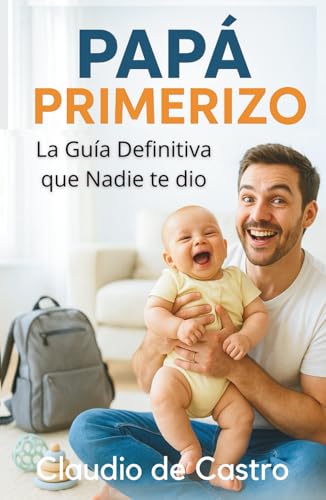
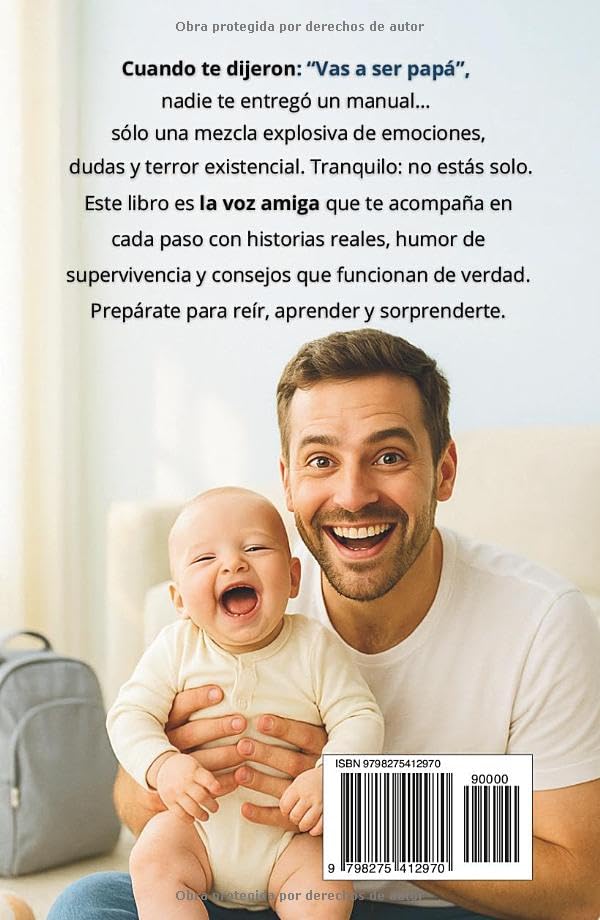
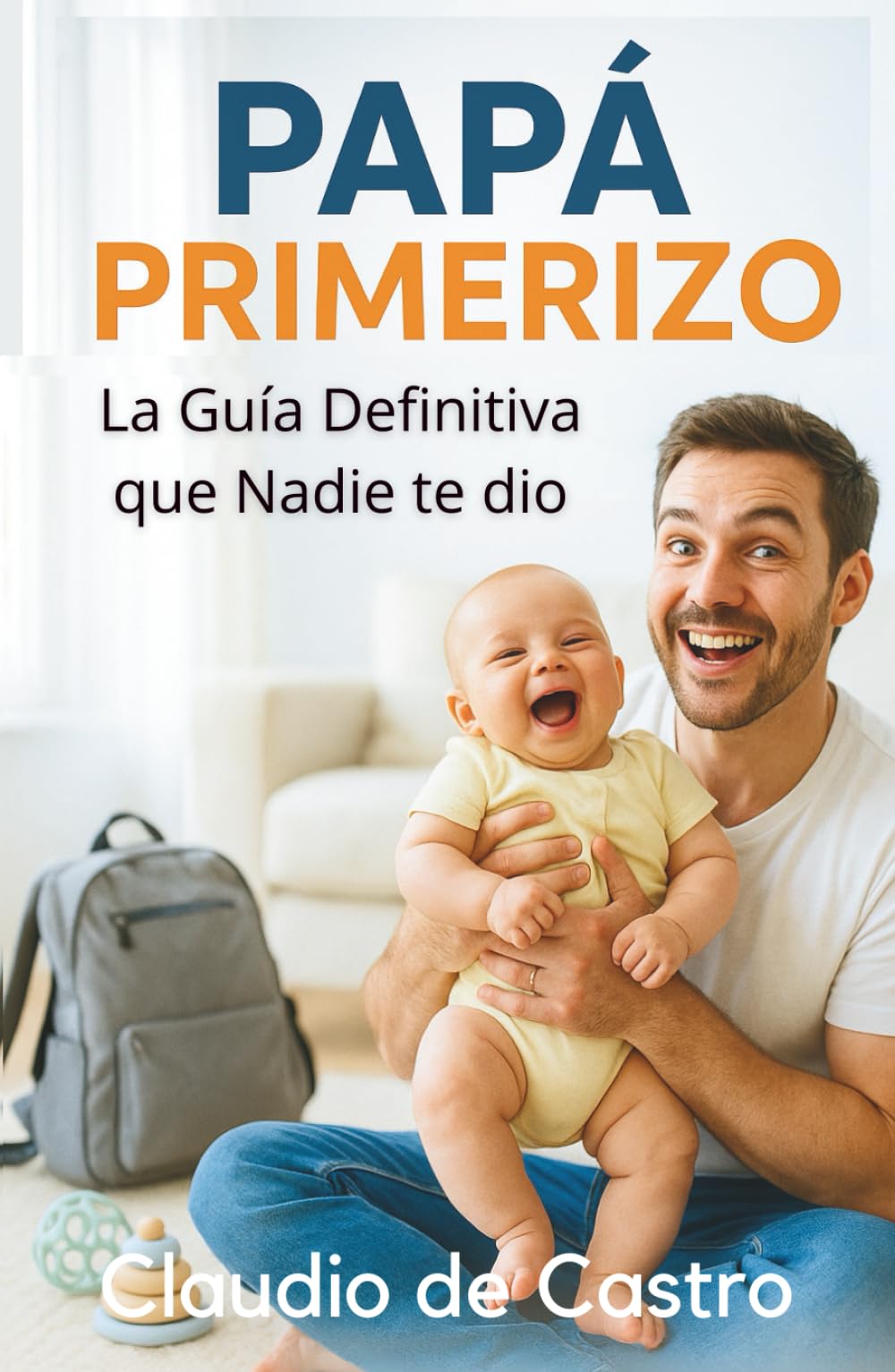
Papá Primerizo. La Guía Definitiva que Nadie te Dio. Este es el libro que toda mamá quiere regalarle a su pareja: Consejos reales, trucos infalibles y ... siempre soñaste ser / New Dad Survival Guide
- Parenting & Relationships
- Family Relationships
- Fatherhood
For Spanish-speaking fathers just starting out, Papá Primerizo is the comprehensive, no-nonsense guide that covers real parenting challenges from day one — written in the voice of a friend who's already been through it.
7. Comparison: Types of Father Support Communities — Which Is Right for You?
| Community Type | Best For | Primary Benefits | Main Drawbacks | Recommended Resource |
|---|---|---|---|---|
| Local in-person fathers' group | Dads wanting face-to-face connection | Deep trust, accountability, cultural fit | Requires scheduling, may not exist nearby | Fatherhood by Papa B |
| Multicultural/interfaith group | Bicultural or interracial families | Diverse perspectives, identity exploration | May lack cultural specificity | Heartfelt Fatherhood |
| Online/virtual community | Dads with limited time or rural location | Flexible, large network, 24/7 access | Less personal, easier to disengage | Latino Fathers (Latina/o Sociology) |
| Faith-based fathers' group | Dads with strong religious identity | Shared values, built-in trust network | May not address secular parenting challenges | Parenting with Pride Latino Style |
| Structured parenting programme | New fathers or those in crisis | Evidence-based curriculum, professional support | Time-intensive, may feel clinical | ¡Vas a Ser un Gran Papá! |
| Informal peer network (DIY) | Dads who want flexibility and ownership | Low barrier, highly customisable | Requires initiative, can lose momentum | Papá Primerizo |
Expert Insights
Carlos found his voice in a circle of dads who were willing to be honest. Miguel built a village from scratch because he knew his teenagers needed to see men doing that work together. José found a space where the full complexity of his family's identity was welcomed rather than flattened. Three different men, three different cities, one shared truth: fatherhood was never meant to be a solo act.
The most quotable thing any of them might say is this: the strongest thing a father can do is ask for help — and then show his kids what that looks like.
If this article resonated, save it, share it with a dad in your life who might need it, or subscribe to tinymindsworld.com for more evidence-based parenting guidance. The village starts with one conversation.
Sources & References
- National Responsible Fatherhood Clearinghouse. "The Importance of Fathers in the Healthy Development of Children." 2022. fatherhood.gov
- American Psychological Association. "Paternal Mental Health and Parenting Stress." 2021. apa.org
- Centers for Disease Control and Prevention. "Paternal Postpartum Depression." 2023. cdc.gov
- Bronfenbrenner, U. "The Ecology of Human Development." Harvard University Press, 1979.
- Sarkadi, A., Kristiansson, R., Oberklaid, F., & Bremberg, S. "Fathers' involvement and children's developmental outcomes: a systematic review of longitudinal studies." Acta Paediatrica, 97(2), 153–158. 2008.
- NICHD Early Child Care Research Network. "Fathers' and Mothers' Parenting Behavior and Beliefs as Predictors of Children's Social Adjustment in the Transition to School." Journal of Family Psychology, 2004.
- American Academy of Pediatrics. "Promoting Optimal Development: Screening for Behavioral and Emotional Problems." Pediatrics, 2019. publications.aap.org
- Substance Abuse and Mental Health Services Administration (SAMHSA). "National Survey on Drug Use and Health." 2020. samhsa.gov
- Fatherhood Institute (UK). "The Fatherhood Report." 2020. fatherhoodinstitute.org
- National Fatherhood Initiative. Programme Finder and Resources. fatherhood.org
- Zayas, L.H. "Latinas Attempting Suicide: When Cultures, Families, and Daughters Collide." Oxford University Press, 2011. (Background on Latino family dynamics and cultural stress)
- Cultural Diversity and Ethnic Minority Psychology. "Parenting stress and social support among Latino fathers." 2021. apa.org/pubs/journals/cdp
Frequently Asked Questions
Why is community particularly important for Latino fathers compared to other groups?
How do I find a fathers' group near me?
What if my partner is sceptical about me joining a fathers' group?
How can I raise my child to be proud of their Latino heritage without making them feel different or excluded at school?
Is paternal depression real, and how do I know if I have it?
At what age should I start worrying about my child's cultural identity development?
Can a fathers' group really make a difference to my child's outcomes, or is this just about adult socialising?
Was this helpful?
Thanks — your feedback helps us pick what to write next.