
The Rise of the Stay-at-Home Dad: What Every Family Should Know
Stay-at-home dads are one of the fastest growing caregiver groups in the developed world, and children raised with an involved, present father show measurable gains in emotional and cognitive development at every age.

In this article
There are roughly 2.2 million stay-at-home dads in the United States today, according to Pew Research Center data. A generation ago that number was barely on the radar. What changed? A mix of economics (two income households becoming the norm, then flipping when one parent's salary barely covers childcare), shifting attitudes toward gender and caregiving, and a pandemic that forced millions of families to rethink who does what at home. The result is a generation of dads who are showing up, full time, as the primary parent. And the research is clear that this is good news for kids.
In this guide you'll understand:
1. The Numbers Behind the Shift: Why Stay-at-Home Dads Are Rising
The cultural moment for stay-at-home dads has been building for decades. In 1989, just 10% of stay-at-home parents in the US were fathers. By 2023, Pew Research Center put that figure closer to 20%, with further growth in the UK, Australia, and Canada tracked by their respective national statistics offices.
Three forces are driving this:
Economics. In many cities, the cost of full time childcare for two or more children now exceeds the take-home pay of the lower-earning parent. When that parent is the father, staying home becomes a straightforward financial decision rather than a countercultural one.
Remote and flexible work. The post-pandemic labour market normalised flexible arrangements. Many mothers stepped into remote roles that came with higher pay or more predictability, making it easier for fathers to step back without the family losing financial ground.
Evolving attitudes. Surveys from Gallup and Pew consistently show that younger adults, particularly millennials and Gen Z, attach far less importance to the idea that breadwinning is inherently masculine. Men in their 30s today grew up watching fathers who were more involved than their grandfathers, and they want more of that for their own children.
This matters because it reframes the conversation. Stay-at-home dads are not making a statement. They are making a practical choice, and the more families understand that, the less explaining anyone has to do.
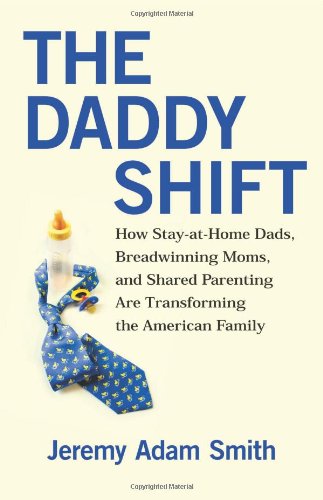
The Daddy Shift: How Stay-at-Home Dads, Breadwinning Moms, and Shared Parenting Are Transforming the American Family
- Parenting & Relationships
- Family Relationships
- Fatherhood
2. What the Research Says About Kids at Every Age
Children benefit from engaged, primary caregiver fathers, and the evidence is consistent from birth through adolescence.
Newborns and infants (birth to 12 months)
Infants form attachment bonds based on consistent, responsive caregiving, not on the sex of the caregiver. Research published in the journal Developmental Psychology has shown that fathers who serve as the primary caregiver develop the same sensitive, attuned caregiving behaviours as mothers in the same role. Skin-to-skin contact, responsive feeding support, and consistent soothing all build secure attachment regardless of which parent delivers them.
Toddlers and preschoolers (ages 1 to 5)
Toddlers with highly involved dads show stronger problem solving skills and better frustration tolerance, according to research from the Fathers and Children's Lives study at the University of Oxford. Fathers often play in ways that are slightly more physically challenging and unpredictable than mothers, and that turns out to be developmentally valuable. It teaches kids to manage mild stress and read social cues.
School age children (ages 6 to 12)
This is where the benefits of a present, available primary parent become most visible. Children with engaged fathers score higher on academic measures, report higher self esteem, and are better at managing peer conflict. A 2021 meta-analysis in the Journal of Family Psychology, covering over 50,000 children, found that paternal involvement was a significant predictor of reduced anxiety and depression in middle childhood.
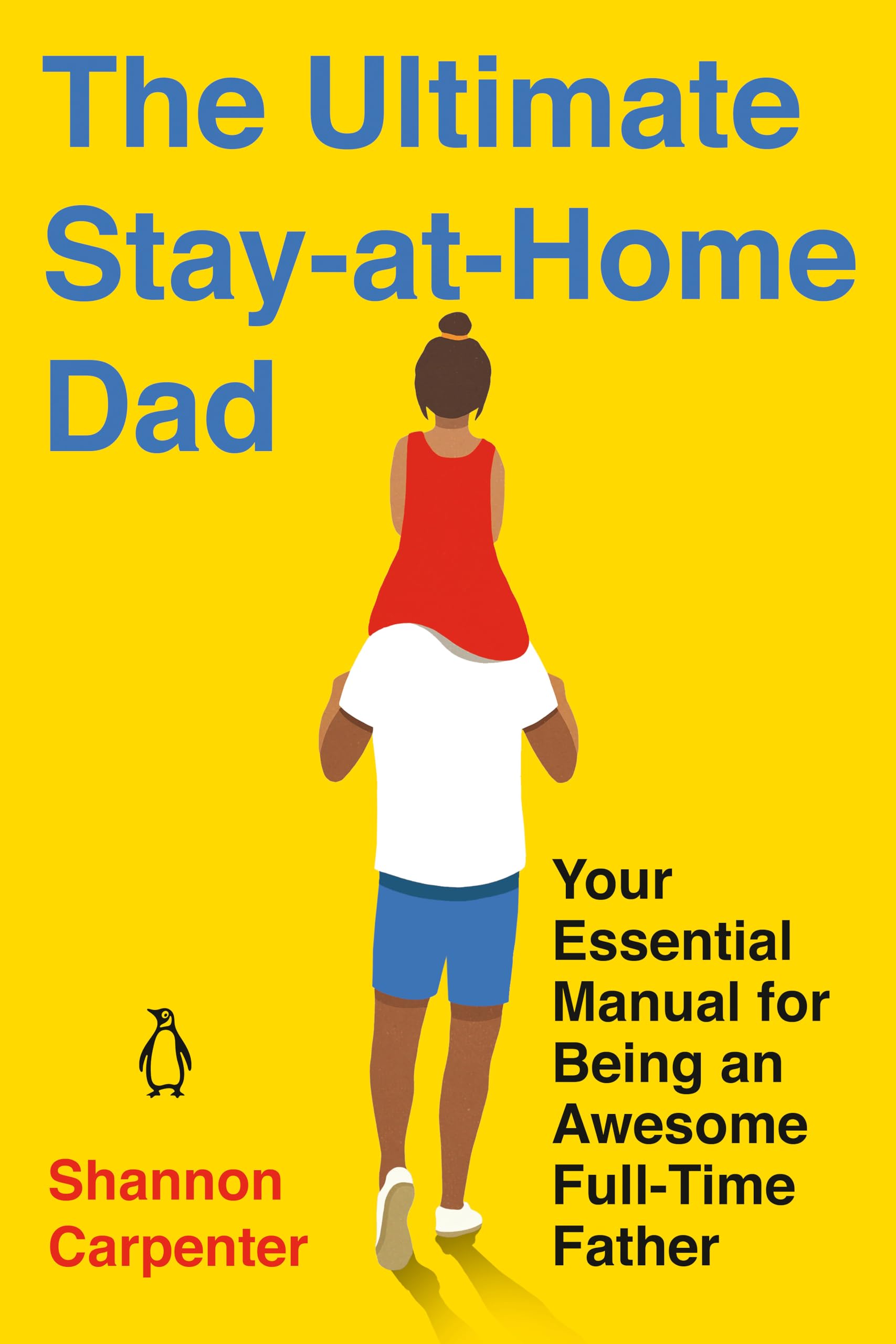
The Ultimate Stay-at-Home Dad: Your Essential Manual for Being an Awesome Full-Time Father
- Parenting & Relationships
- Family Relationships
- Fatherhood
Teenagers (ages 13 to 17)
Teenagers often appear to need their parents less, but the data says otherwise. Adolescents whose fathers are present and engaged are less likely to engage in risky behaviour, have better mental health outcomes, and report higher life satisfaction. The key is availability, not structured activity. Being the parent who is home when the teenager gets back from school, the one who notices a bad day, matters enormously. You don't have to do anything dramatic. You just have to be there.
3. The Real Challenges (and How to Actually Handle Them)
Staying home is rewarding. It is also genuinely hard in ways that are worth naming honestly.
Social isolation
Most playgroups, parent-and-toddler classes, and community caregiving spaces were built around mothers. Many stay-at-home dads describe feeling like an outsider in spaces where the default assumption is that the parent present is a mum. This is improving, but slowly.
What helps: seek out mixed parent groups rather than gendered ones, look for activity-based connections (swim class, library story time, football in the park) where the social interaction is incidental rather than forced, and connect online with communities like r/StayAtHomeDad or the At-Home Dad Network, which runs an annual conference in the US.
Identity and the question of purpose
Many men report a period of genuine disorientation in the first months of staying home. If your sense of self was tied to your career, losing that external structure can feel destabilising even when the decision to stay home was entirely willing. This is normal. It typically eases around the six month mark as routines solidify and the role itself becomes the identity.
If it does not ease, that matters. Parental depression affects fathers as well as mothers, and it is underdiagnosed in dads. The Edinburgh Postnatal Depression Scale is validated for fathers as well as mothers. Talk to your GP if the fog is not lifting. Reading about the real weight of modern parental stress can also help you recognise what is a normal adjustment and what deserves clinical attention.
The partnership under pressure
When one partner is working full time and the other is home full time, the division of everything, money, social time, rest, decision making, can become a source of friction. Research from the Council on Contemporary Families shows that relationship satisfaction drops in the transition to any new parenting arrangement, not just this one.
The practical fix is regular structured check-ins, not venting sessions but actual logistics reviews: who needs what this week, what is working, what is not. Many families find a short weekly conversation, maybe 20 minutes on a Sunday evening, prevents the accumulation of small resentments that lead to big arguments.
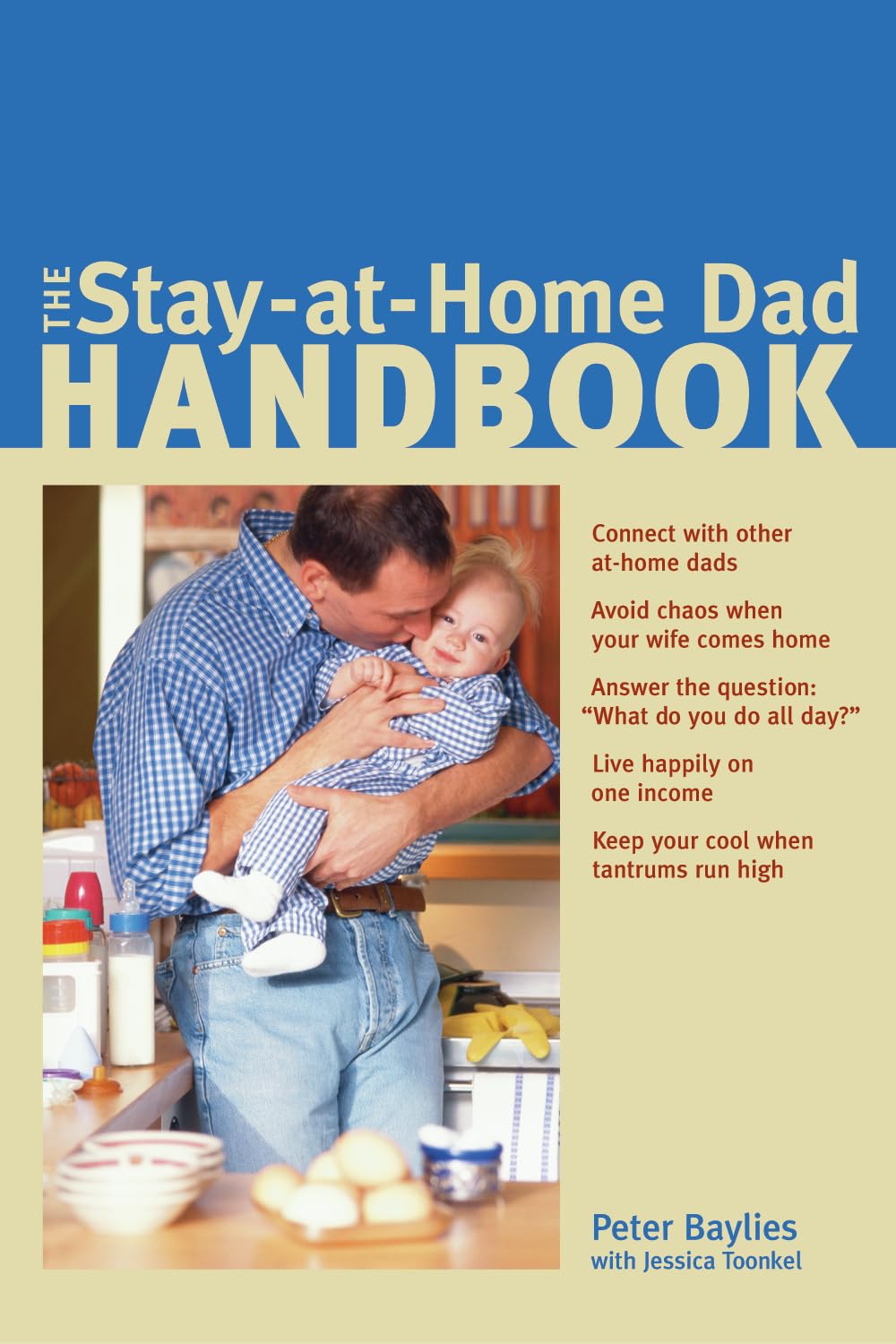
The Stay-at-Home Dad Handbook
- Parenting & Relationships
- Family Relationships
- Fatherhood
4. Building Your Daily Routine Across the Ages
A sustainable stay-at-home parent routine looks different depending on the age of your children, but the architecture is similar: anchor points, buffer time, and protected rest.
The routine framework that works at any age
The single biggest mistake new stay-at-home dads make is treating every hour as an opportunity to enrich the child. Children need boredom. You need rest. Building empty space into the day is not laziness. It is structural.
Staying on top of the household logistics alongside childcare is one of the practical arts of staying home. If you are also managing meals, appointments, and supplies, having efficient systems matters. Many stay-at-home dads find that time-saving meal prep tools reduce the daily cognitive load significantly, which leaves more energy for the actual parenting.
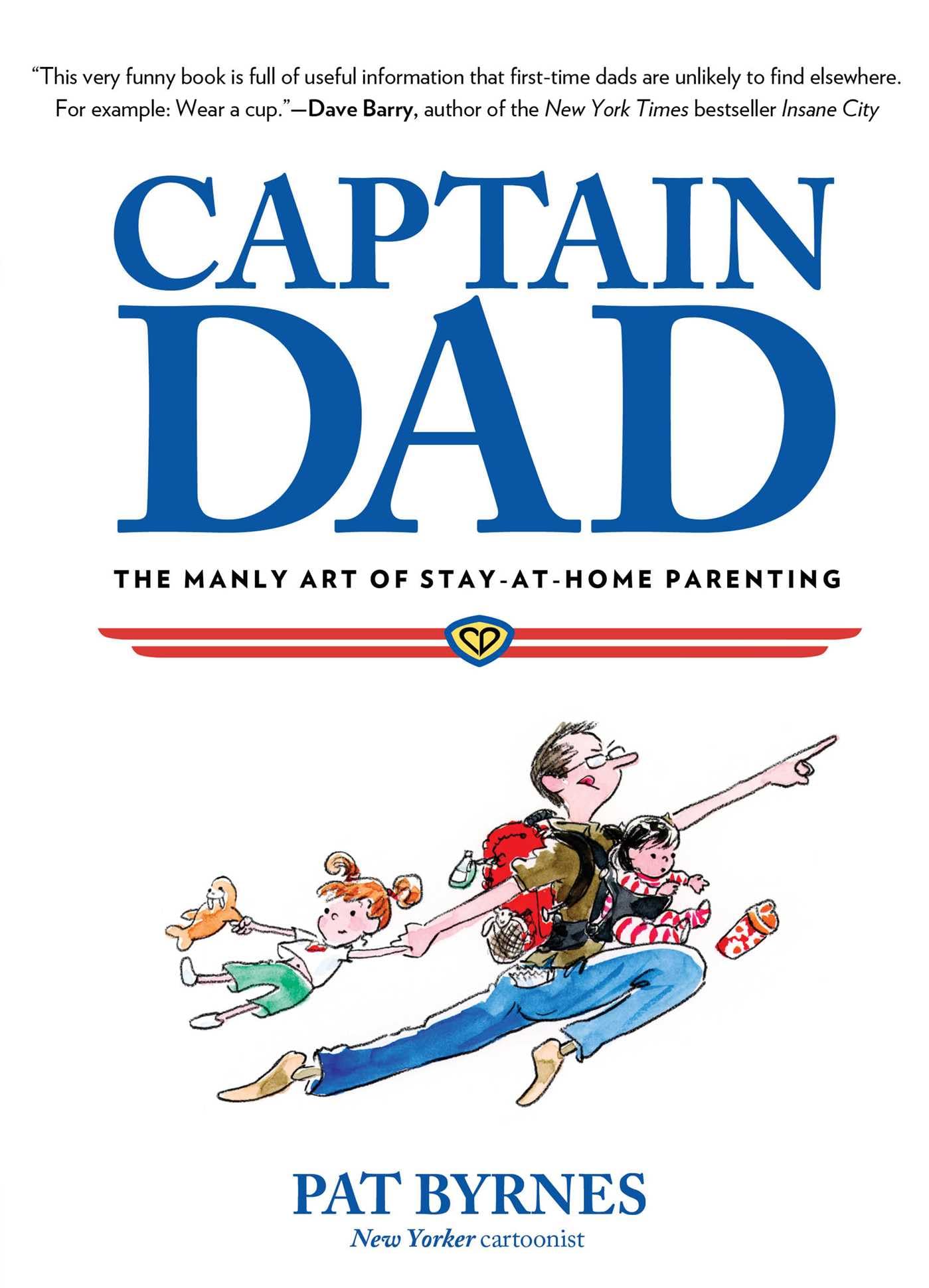
Captain Dad: The Manly Art of Stay-at-Home Parenting
- Kindle Store
- Kindle eBooks
- Humor & Entertainment
5. Having the Conversations That Come Up
With your children
Children ask direct questions. "Why doesn't Daddy go to work like other dads?" has a simple, honest answer: "Because taking care of you is my most important job right now." You do not need to over-explain the economics or the social context. Children under 8 need clarity, not nuance.
Older children and teenagers may have more complex feelings, particularly if they absorb messages from peers about gender and work. The best response is the same one that works for most parenting conversations: curiosity before defence. Ask what they think before you explain what you think.
The Quick and Dirty Survival Guide for the Stay-at-Home Dad
- Kindle Store
- Kindle eBooks
- Parenting & Relationships
With your wider family
Some grandparents and extended family members will have opinions. Some will be supportive; others will express concern in ways that sting. The most effective approach is not to win the argument but to demonstrate. Over time, what they see (a thriving child, a functioning household, a father who knows his child's teacher by name) matters more than any conversation.
With yourself
The performance pressure of modern parenting affects stay-at-home dads acutely. There is an unspoken sense that because you are home, every moment should be optimised. It should not. The research on what children actually need is reassuring: warmth, consistency, and a parent who is genuinely present some of the time, not performing presence all of the time. You might recognise this tension in why modern parenthood feels like a performance, a piece that resonates with many primary caregiver dads.
6. Resources Worth Having on Your Shelf


Stay At Home Dad
- Creativity
- Image Unavailable Image not available forColor:
- ASIN : B0DXC35X61
Good books matter because parenting in any non-traditional arrangement can feel isolating, and it helps to read voices that reflect your experience back at you.
| Resource | Best For | Format | Tone | Recommended Product | Price Range |
|---|---|---|---|---|---|
| Comprehensive practical manual | New stay-at-home dads, all ages | Print book | Warm, detailed | The Ultimate Stay-at-Home Dad | ~$16 |
| Quick daily reference | Dads in the first 6 months | Print book | Structured, friendly | The Stay-at-Home Dad Handbook | ~$17 |
| Social and cultural context | Dads wanting the bigger picture | Print book | Research-informed | The Daddy Shift | Not listed |
| Humour to stay sane | Any stage, especially toddler years | Kindle eBook | Light, funny | Captain Dad | Not listed |
| Fast survival reference | First year, overwhelmed dads | Kindle eBook | Punchy, practical | The Quick and Dirty Survival Guide | Not listed |
Choosing to stay home and raise your children is one of the most demanding and most rewarding things a person can do. If you are a dad doing it, you are not making a statement about gender politics. You are simply showing up for your family in the way that makes most sense for everyone in it. The evidence says your children will carry that with them. The single most important thing you can do today is stop waiting to feel ready and start trusting that the competence comes from the doing. Save this article, share it with your partner, and if it resonated, subscribe to tinymindsworld.com for more research-grounded parenting content written by clinicians who have sat across the desk from thousands of families just like yours.
Sources & References
- Pew Research Center. "Stay-at-home moms and dads account for about one-in-five U.S. parents." 2023. pewresearch.org
- Lamb, Michael E. (Ed.). "The Role of the Father in Child Development." 5th edition. Wiley, 2010.
- Pruett, Kyle D. "Fatherneed: Why Father Care Is as Essential as Mother Care for Your Child." Free Press, 2000.
- Pleck, Joseph H. "Paternal Involvement: Revised Conceptualization and Theoretical Linkages with Child Outcomes." In The Role of the Father in Child Development, 2010.
- Sarkadi, A., Kristiansson, R., Oberklaid, F., & Bremberg, S. "Fathers' involvement and children's developmental outcomes: a systematic review of longitudinal studies." Acta Paediatrica, 2008.
- Smith, Jeremy Adam. "The Daddy Shift: How Stay-at-Home Dads, Breadwinning Moms, and Shared Parenting Are Transforming the American Family." Beacon Press, 2009.
- Coltrane, S. et al. "Fathers and the Flexibility Stigma." Journal of Social Issues, 2013.
- Ramchandani, P. et al. "Paternal depression in the postnatal period and child development: a prospective population study." The Lancet, 2005.
- Flouri, E. "Fathering and Child Outcomes." Wiley, 2005.
- University of Oxford. "Fathers and Children's Lives Study." Centre for Research on Families and Relationships.
Frequently Asked Questions
Is it normal for a stay-at-home dad to feel lost in the first few months?
Do children develop differently with a stay-at-home dad versus a stay-at-home mum?
How do we handle finances when one parent is staying home?
What do I say to people who ask why I don't work?
How do stay-at-home dads maintain their relationship with their partner?
At what age is a stay-at-home arrangement most beneficial for children?
Can being a stay-at-home dad affect my long term career prospects?
Was this helpful?
Thanks — your feedback helps us pick what to write next.