The Real Weight of Modern Maternal Stress
Marijuana use among mothers is rising, but the evidence on safety — especially around children — is mixed, and evidence-based stress tools remain the gold standard.
In this article
It's 9 p.m. The kids are finally asleep. You're still running on adrenaline from a day that somehow fit 36 hours of demands into 24. Sound familiar? You're not alone — and the numbers back that up. According to the CDC's 2023 Maternal and Infant Health data, reported cannabis use among pregnant and postpartum women has climbed from roughly 3% in 2009 to over 7% by 2021, with rates among mothers of young children tracking a similar upward curve. Social media has amplified the conversation, turning the "mommy wine o'clock" trope into a "mommy weed o'clock" one.
This article isn't here to shame anyone. It's here to give you the clearest, most honest picture possible so you can make informed decisions for yourself and your family.
By the end, you'll understand:
1. The Real Weight of Modern Maternal Stress
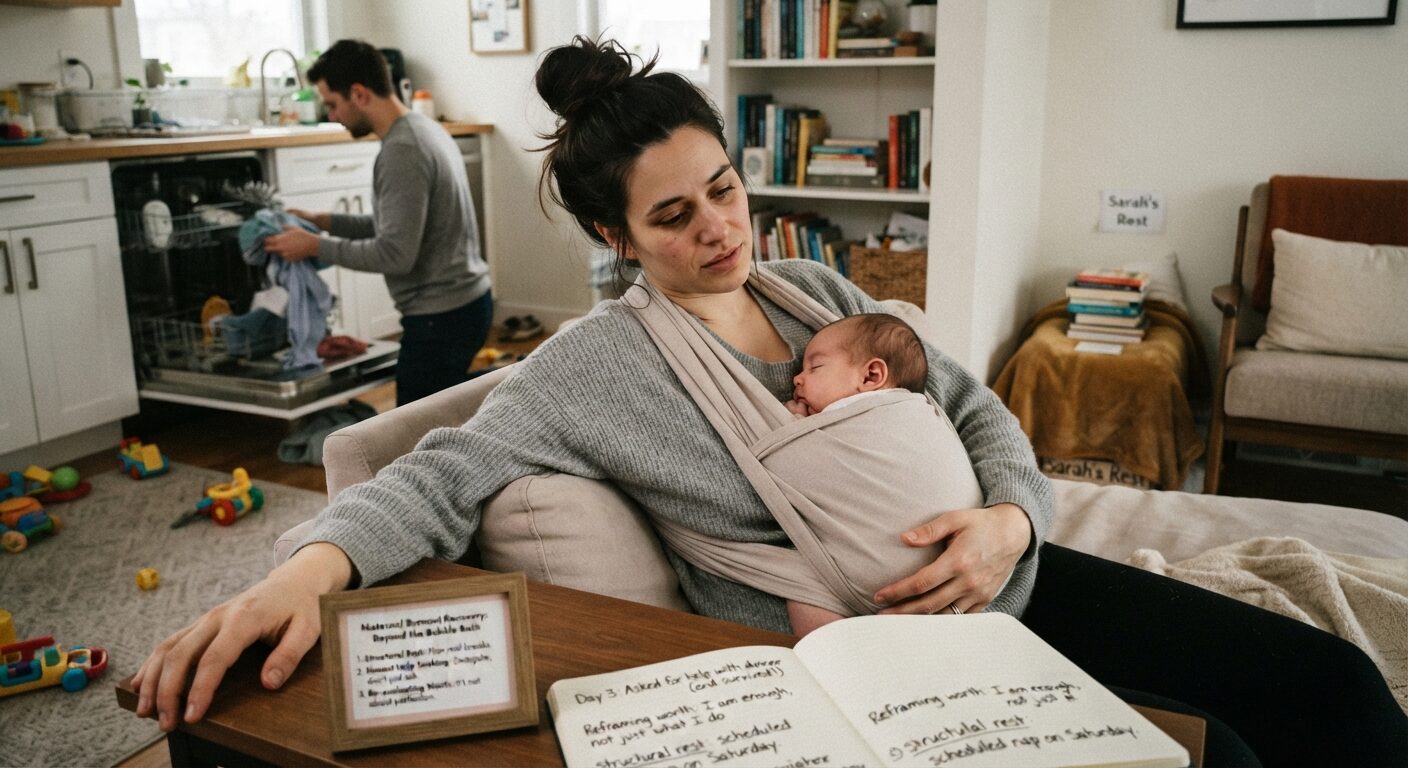
Maternal stress is not a personal failing — it is a documented public health issue. The American Psychological Association's 2023 Stress in America survey found that parents of children under 18 report significantly higher stress levels than non-parents, with mothers consistently scoring higher than fathers on measures of chronic stress, role overload, and emotional exhaustion.
The drivers are structural, not individual: the "second shift" of unpaid domestic labour, wage gaps, the cognitive load of scheduling and anticipating family needs, and the 24/7 performance pressure amplified by social media. Pandemic-era disruptions compressed years of workforce inequality into months, and many families haven't recovered.
Why this matters clinically
Chronic stress elevates cortisol, disrupts sleep architecture, suppresses immune function, and — crucially — impairs the warm, responsive parenting that children's developing brains depend on. This isn't about being a "good" or "bad" mother; it's about a physiological system under sustained overload.
2. Why Mothers Are Turning to Cannabis: The Honest Picture
The appeal of cannabis is understandable and worth taking seriously rather than dismissing. Three forces are converging: broader legalisation, a cultural shift away from pharmaceutical solutions, and the very real inadequacy of existing mental-health support for mothers.
Legalisation and normalisation
As of 2025, recreational cannabis is legal in 24 U.S. states, and medical use is permitted in many more. Dispensaries market directly to women, with product lines framed around "balance," "calm," and "sleep." This normalisation lowers the psychological barrier to use.
The "natural remedy" perception
Cannabis contains two primary active compounds: THC (tetrahydrocannabinol), which produces the psychoactive "high" and has anxiolytic effects at low doses, and CBD (cannabidiol), which is non-intoxicating and has a more modest but better-tolerated evidence base for anxiety. The body's endocannabinoid system does play a role in mood regulation — that part is real biology.
What the research actually shows
Short-term, low-dose cannabis use in adults without children in the immediate environment shows some evidence of acute stress and anxiety reduction. A 2020 study in the Journal of Affective Disorders (Turna et al.) found that self-reported anxiety decreased in adult cannabis users in the short term — but tolerance built quickly and cessation often triggered rebound anxiety.
Cannabis use for anxiety is a double-edged sword: short-term relief can mask underlying issues while increasing long-term vulnerability to anxiety disorders.
— Turna et al., Journal of Affective Disorders (2020)
3. The Risks You Need to Know — Especially as a Parent
This is the section the dispensary brochure won't give you. The risks of cannabis use for mothers fall into three categories: risks to the user, risks to children in the home, and legal/social risks.
Risks to the mother
- Dependence: Approximately 9% of people who use cannabis develop cannabis use disorder, rising to 17% among those who start in adolescence (NIDA, 2020). Daily use for stress management is a known risk factor. - Worsening anxiety: High-THC products — which dominate the modern legal market — can trigger or worsen anxiety and paranoia, particularly in people with a family history of anxiety or mood disorders. - Impaired cognitive function: Regular use is associated with short-term memory impairment and slowed processing speed — not ideal when you're managing school schedules, medication doses, and emotional crises.
Risks to children in the home
This is where the paediatric evidence is unambiguous. The AAP's 2015 policy statement (reaffirmed 2023) states that no amount of cannabis is safe for children, and that secondhand smoke exposure carries real respiratory and neurodevelopmental risks.
Beyond smoke: edibles in the home are a significant accidental ingestion risk. U.S. poison control data shows paediatric cannabis exposures rose by over 1,375% between 2017 and 2021 (Ghosh et al., Pediatrics, 2023). Children who ingest THC can experience respiratory depression, seizures, and require hospitalisation.
Impaired caregiving capacity
Any substance that alters judgment, reaction time, or emotional regulation carries risk when you are the responsible adult for a child. This is not a moral statement — it is the same reason we advise against driving after two glasses of wine.
4. CBD vs. THC: What the Science Actually Distinguishes
Not all cannabis products are the same, and the CBD/THC distinction matters enormously for both safety and efficacy.
THC: the high-risk compound in a parenting context
THC is psychoactive, impairs short-term memory and motor function, accumulates in breast milk (AAP advises against any use while breastfeeding), and is the compound responsible for accidental paediatric poisonings. High-potency THC products (>20% THC, now common in legal markets) carry greater risks than the lower-potency products studied in older research.
CBD: a more nuanced picture
CBD does not produce intoxication. The FDA has approved one CBD-based medication (Epidiolex) for specific seizure disorders, which demonstrates that the compound has real pharmacological activity. Small trials suggest CBD may reduce anxiety in adults — a 2019 study in The Permanente Journal (Shannon et al.) found 79% of adult patients reported decreased anxiety scores after one month of CBD use.
However: most over-the-counter CBD products are poorly regulated, dosing is inconsistent, and there are no long-term safety studies in breastfeeding mothers or studies on effects of secondhand CBD exposure in children.
5. Evidence-Based Stress Relief That Actually Works
The good news: the evidence base for non-cannabis stress management in mothers is robust, practical, and increasingly accessible. These aren't platitudes — they're interventions with clinical trial data behind them.
Mindfulness-Based Stress Reduction (MBSR)
A meta-analysis in JAMA Internal Medicine (Goyal et al., 2014) found moderate evidence that mindfulness meditation programmes reduce anxiety, depression, and stress. Eight-week MBSR programmes are now available online for under $50, and even 10-minute daily practice shows measurable cortisol reduction.
Physical movement
The WHO recommends 150 minutes of moderate aerobic activity per week for adults. Even 20-minute walks have been shown to reduce cortisol and improve mood within the same day (Mikkelsen et al., Primary Care Companion for CNS Disorders, 2017).
Structured self-care rituals
This is where the evidence intersects with practical daily habit-building. Sensory self-care — warm baths, aromatherapy, tactile comfort — activates the parasympathetic nervous system. It's not indulgent; it's neurobiological.
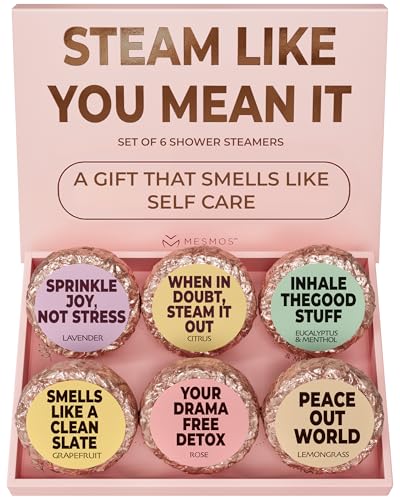
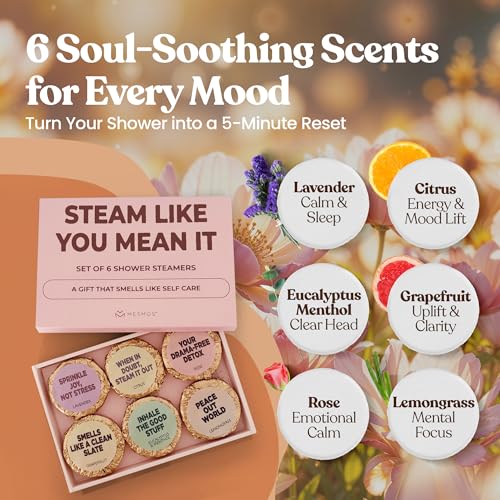
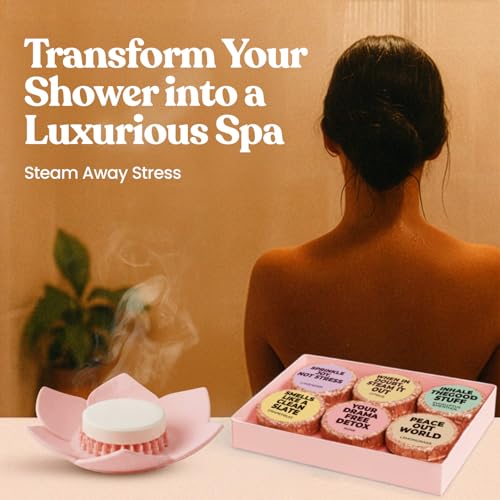
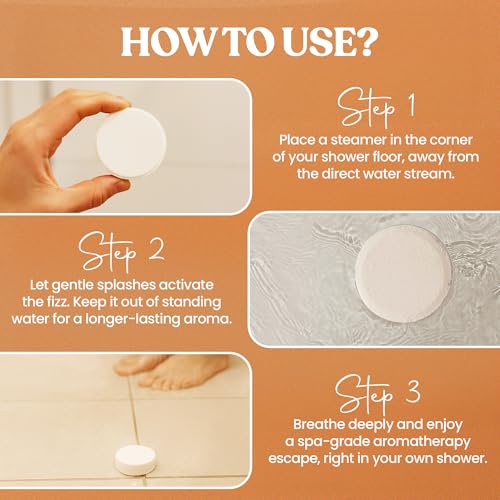
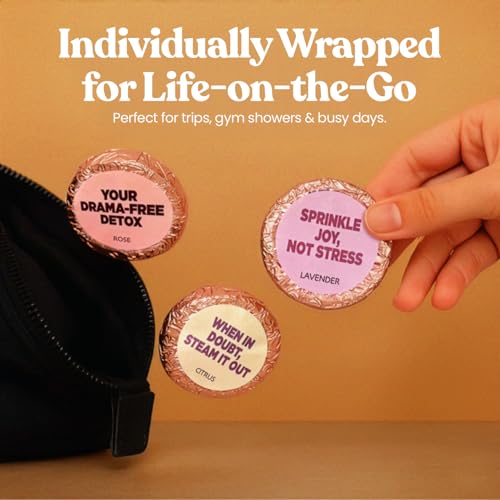
MESMOS 6 Assorted Shower Steamers Aromatherapy, Self Care Gifts for Women, Stress Relief Relaxation Spa Gifts, Spa Day Essentials Accessories, Self Care Set, Aromatherapy Shower Steamer for Women
- Relaxation Gifts for Women – Whether you're gifting your bestie, sister, or coworker, these zen-inspired showe
- Self Care Gifts that Soothe – This set of 6 shower bombs aromatherapy blends turns everyday routines into mind
- Perfect as Relaxing Gifts for Women – This 6 pack pampering gift for women features 6 unique shower steamers:
A shower steamer with eucalyptus or lavender isn't a cure for burnout, but it is a 10-minute daily signal to your nervous system that the threat has passed. Paired with a phone-free window, it's a legitimate stress-reduction micro-habit.
Therapy and peer support
Cognitive Behavioural Therapy (CBT) has the strongest evidence base for anxiety and stress of any psychological intervention. Many therapists now offer telehealth appointments during nap time or after bedtime. Postpartum Support International (postpartum.net) offers free peer support and a provider directory.
6. Building a Sustainable Self-Care Practice (Without the Risks)
Sustainable stress management isn't a single product or habit — it's a layered system. Think of it as a hierarchy: foundations first, enhancements second.
The foundations
The enhancements: building your toolkit
Once foundations are in place, sensory and ritual-based tools can meaningfully amplify recovery. A thoughtfully curated self-care kit — the kind that signals "this time is for you" — can serve as a powerful behavioural anchor.
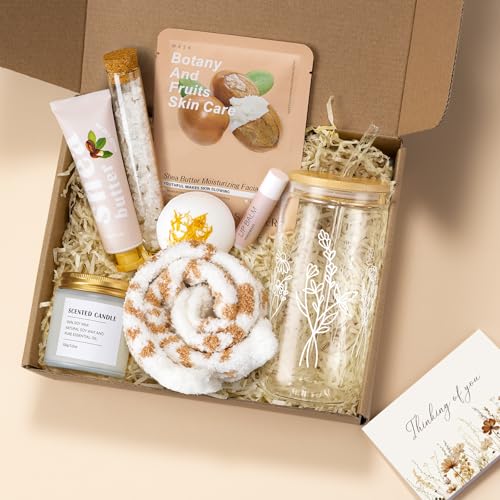
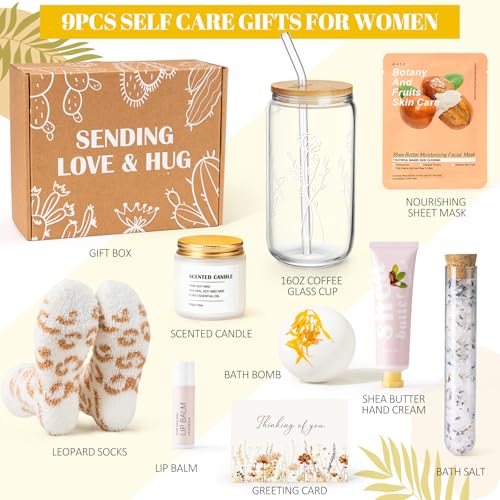
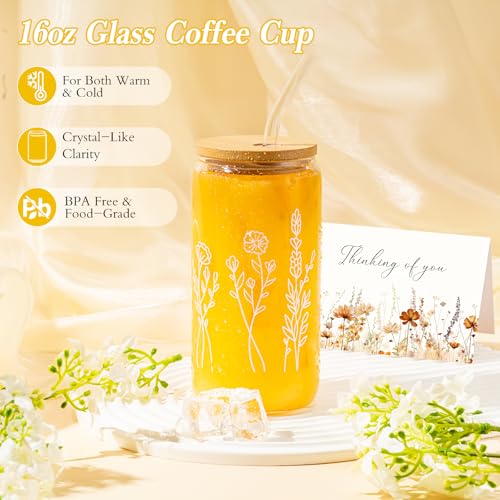
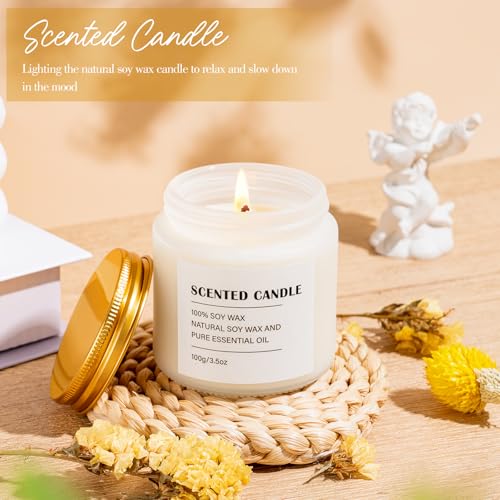
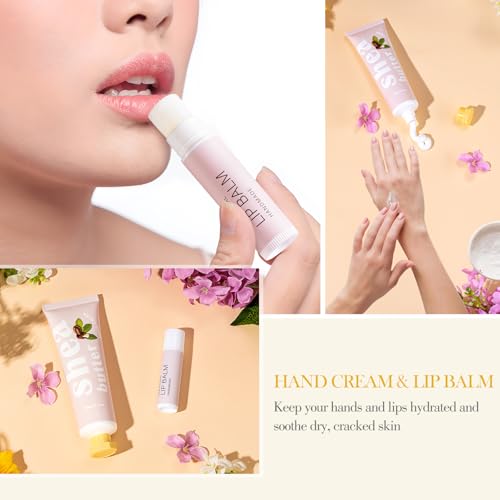
Self Care Gifts for Women Get Well Soon Gifts Care Package, Thinking of You Gift for Women Relaxing Spa Feel Better Gift, Mental Health Stress Relief Box Mothers Day Ideas for Mom Her Sister Friends
- Get Well Gifts for Women: Searching for a exquisite gifts as thank you, get well soon or thinking of you gifts
- Self Care Gifts for Women: This care package for women is the ultimate way to convey love and care, contains e
- 16oz Coffee Glass Cup: The 16oz glass bottles is 2.76" W x 6" and comes with a sturdy silicone ring to help pr



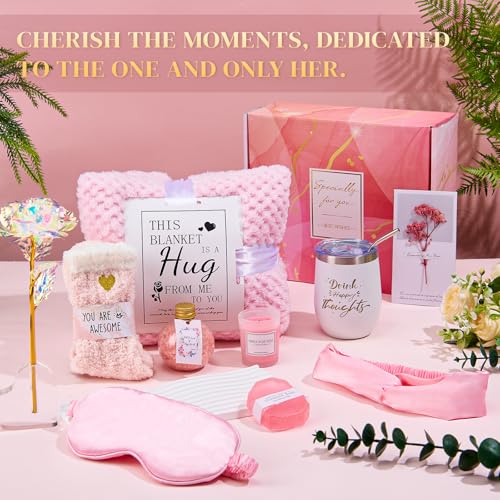
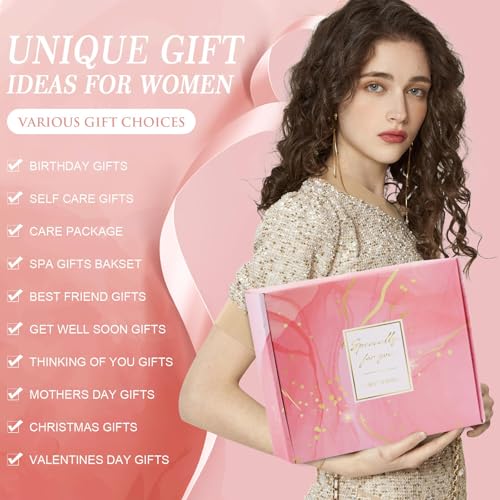
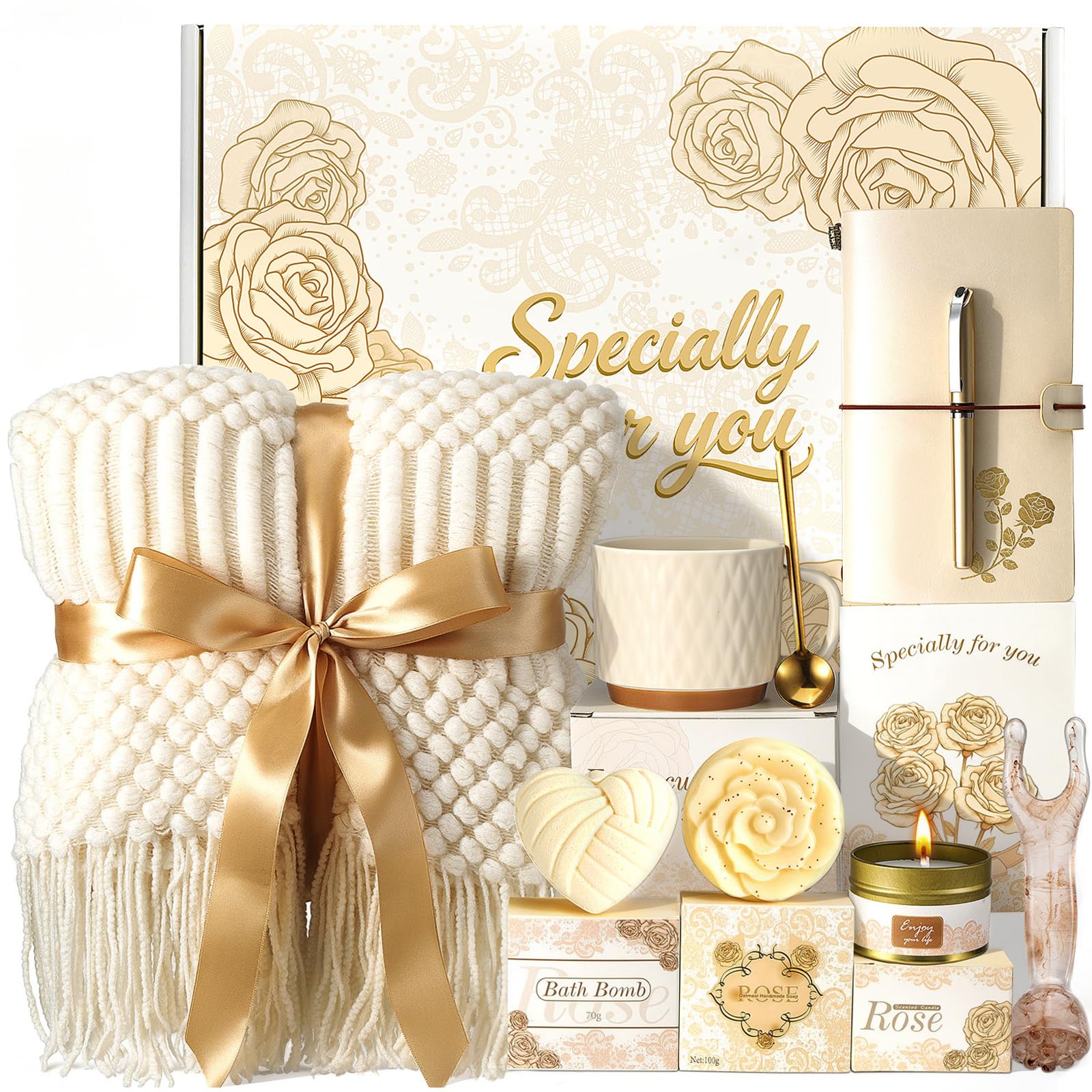
Mothers Day Birthday Gifts for Women Self Care Gift Get Well Soon Gifts, Rose Relaxing SPA Gift Basket Care Package, Luxury Flannel Blanket Mother's Day Gift for Mom Her Wife Grandma Daughter Pink
- UNIQUE GIFTS FOR WOMEN: Here's a set of women's holiday gifts (or birthday gifts) that will impress her at fir
- 11PCS LUXURY SELF CARE GIFTS FOR WOMEN: Perfect as Mothers Day Gifts for Mom Mother in law, Gifts for Women, R
- LUXURY PLUSH FLANNEL BLANKET: The blanket in our gifts for women is made of luxurious flannel, soft, cozy & fl
Whether it's a spa gift basket you treat yourself to, or one a friend sends when you're running on empty, the ritual of intentional self-care is clinically meaningful — not just commercially appealing.
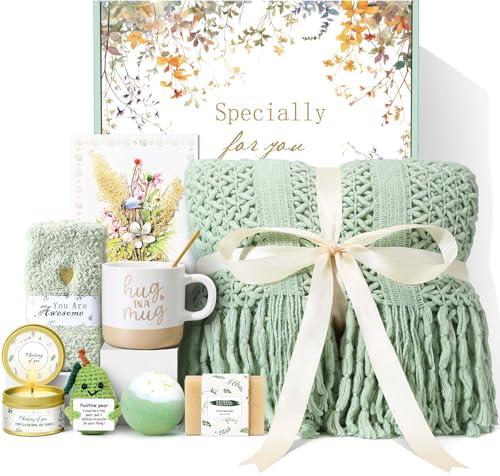
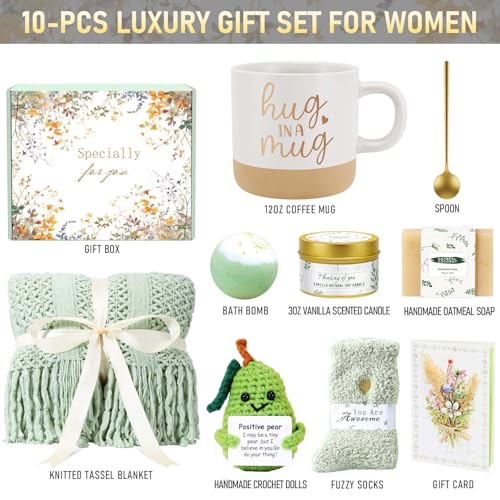
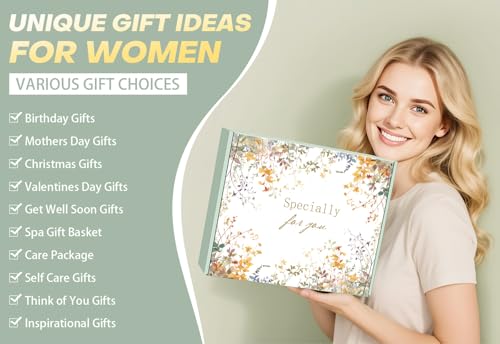
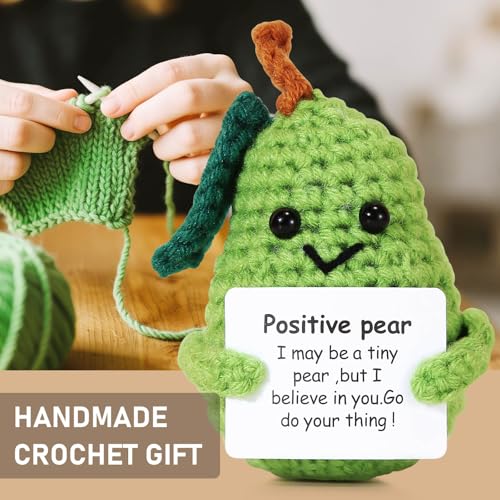
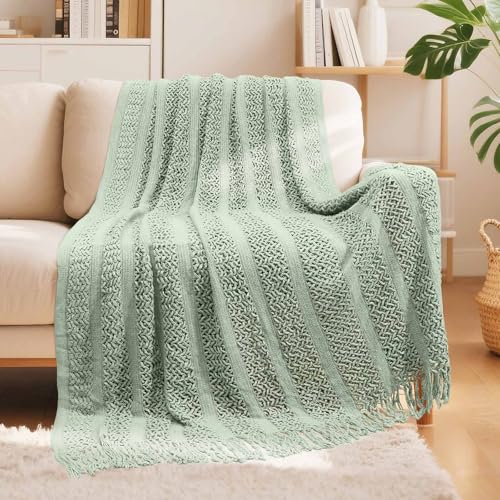
Mothers Day Gifts for Mom Wife Grandma Friends Sister, Birthday Gifts for Women Self Care Spa Gift Baskets for Women, Get Well Soon Gift Baskets Thinking of You Relaxation Stress Relief Care Package
- MOTHERS DAY GIFTS FOR MOM: Make her feel loved with a thoughtful Mothers Day surprise designed to bring comfor
- SELF CARE GIFTS FOR WOMEN & SPA GIFT BASKET: Treat her to a relaxing self care spa gift basket for women desig
- BIRTHDAY GIFTS FOR WOMEN: Looking for meaningful birthday gifts for women that truly make her feel special? Th

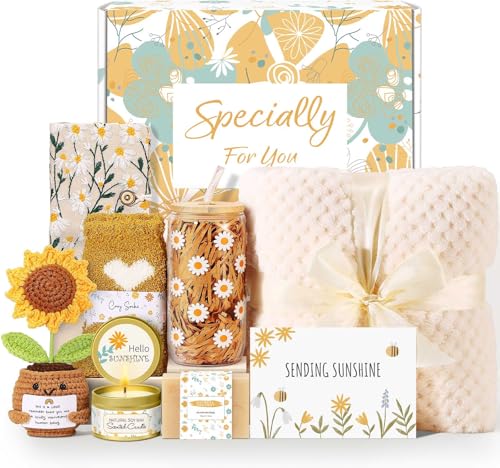
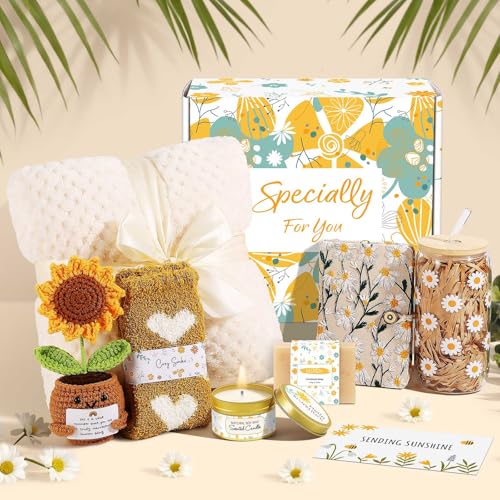
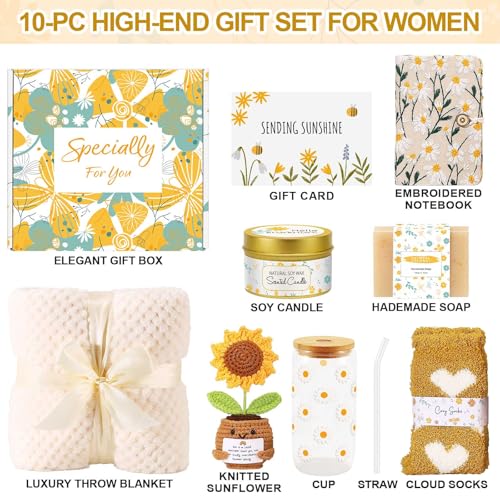
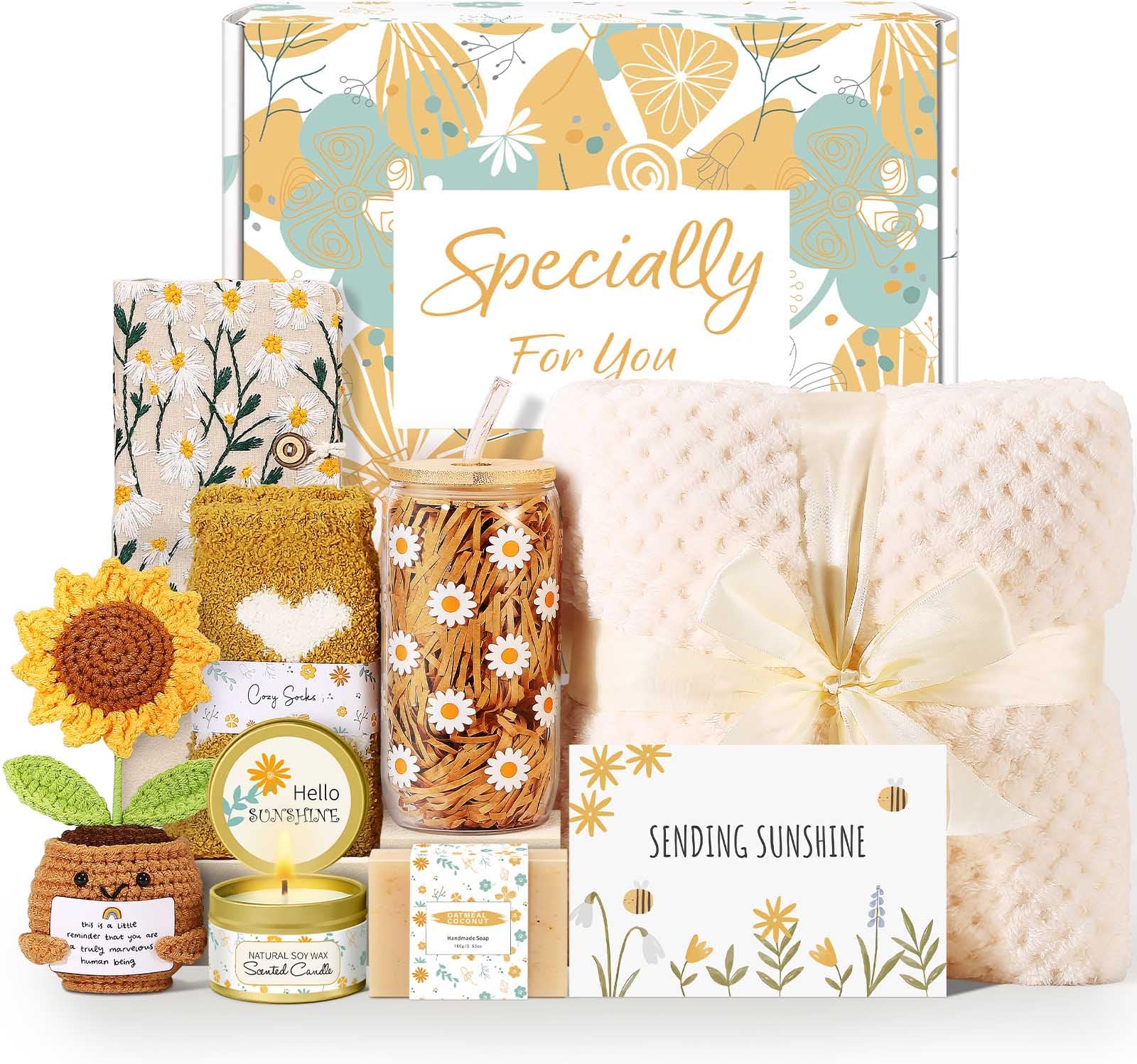
Self Care Gifts for Women Gift Baskets,Sending Sunshine Thinking of You Care Package Spa Gift Sets, Mothers Day Birthday Gifts for Women Mom Sister Wife Grandma Best Friends Her - Ivory
- UNIQUE BIRTHDAY GIFTS FOR WOMEN: When words aren't enough, let a thoughtfully designed gift do the talking! Th
- SENDING SUNSHINE GIFT BASKETS FOR WOMEN: A thoughtfully curated healing gift box that speaks love and strength
- THOUGHTFUL SELF CARE GIFTS FOR WOMEN: The Wasocol Self Care Kit Care Package Relaxing Spa Gifts for Women is p
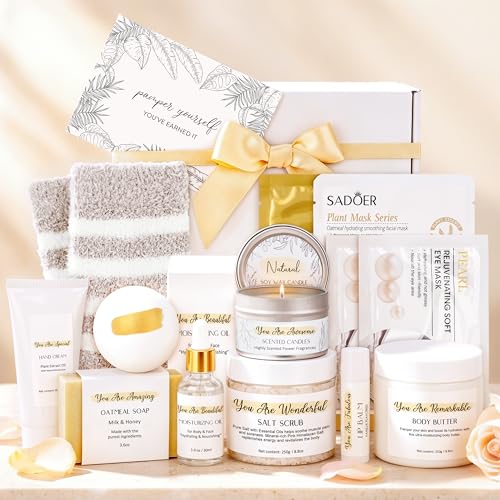
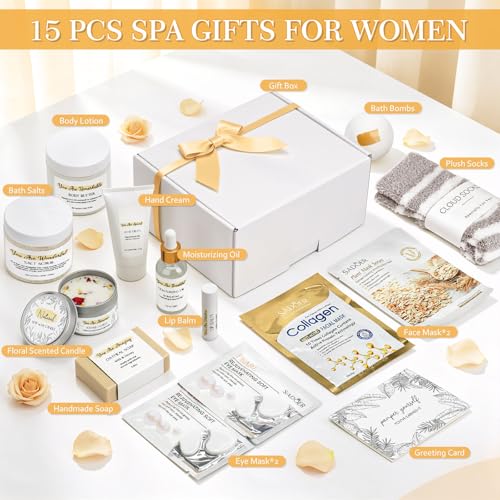
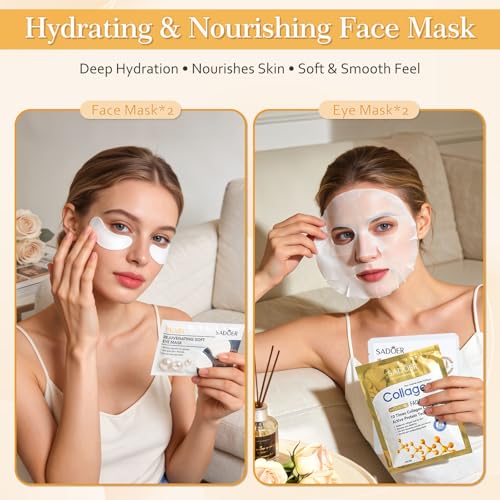
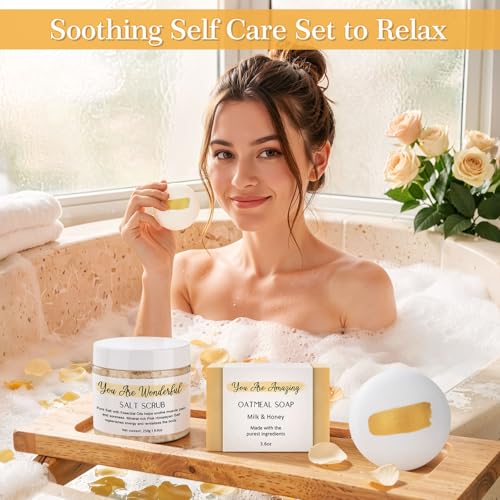
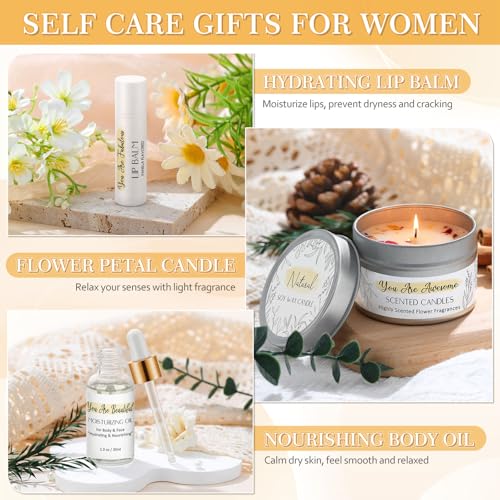
Self Care Gifts for Women Relaxation Spa Gift for Women Luxury Relaxing Spa Kit Ideas Pamper Beauty Care Package Gift Set for Her for Birthday Stress Relief Comfort Bath Gift Basket for Woman Mom
- Self Care Gifts Box for Women: This self care gift is tailor-made for women, perfectly blending care for the b
- Get Well Soon Gift Baskets for Women: Our spa gift baskets are designed to turn her “stress” into “happiness.”
- Spa Set for Women Gift: After a busy day at work, she finally has a cozy night all to herself. She lights a sc
7. Talking to Your Doctor: How to Have the Honest Conversation
Many mothers don't disclose cannabis use to their doctors for fear of judgment, CPS involvement, or stigma. This silence is dangerous — it prevents accurate medical advice and appropriate support.
What your doctor actually needs to know
Your GP, OB, or paediatrician is not there to judge your choices. They need to know about cannabis use (including CBD) because: - It interacts with common medications - It affects breastfeeding safety assessments - It changes the clinical picture for anxiety and mood disorders - It informs safe prescribing if you need additional support
How to start the conversation
Simply say: "I've been using cannabis occasionally to manage stress. I want to be transparent so we can talk about whether that's safe for me and my kids, and whether there are better options."
Stress Relief Options for Mothers: A Practical Comparison
| Approach | Best For | Evidence Level | Key Risks | Recommended Product | Price Range |
|---|---|---|---|---|---|
| THC cannabis | Adults only, no children present | Moderate (short-term anxiety relief) | Dependence, impaired caregiving, child exposure risk | — | Varies |
| CBD products | Adults, not breastfeeding | Low–moderate (inconsistent dosing) | Drug interactions, unregulated market | MESMOS Shower Steamers | $14–20 |
| Mindfulness / MBSR | All mothers | High (meta-analysis level) | Time commitment | GiftPeak Self Care Box | Free–$50 |
| Sensory self-care rituals | All mothers, especially postpartum | Moderate (parasympathetic activation) | None significant | Beferr Rose Spa Gift Basket | $19–43 |
| CBT / therapy | Moderate–severe stress, anxiety | Very high | Cost, access barriers | Kalokey Spa Gift Basket | $0–200/session |
| Physical exercise | All mothers | Very high | Injury if overdone | Wasocol Care Package | Free |
Expert Insights
You Deserve Support That Actually Works
Modern motherhood is genuinely hard — not because today's mothers are weaker, but because the structural demands are greater and the support systems haven't kept pace. The impulse to reach for something that offers immediate relief makes complete human sense.
What you deserve, though, is relief that doesn't introduce new risks into your family's life — and the honest truth is that the evidence for cannabis as a parenting-context stress tool is far weaker than the marketing suggests, while the risks to children in the home are far more concrete than most dispensary conversations acknowledge.
The most radical act of self-care is getting the support that actually addresses the root cause. Save this article, share it with a friend who's navigating the same questions, and book that doctor's appointment this week. You're worth the honest conversation.
Sources & References
- Centers for Disease Control and Prevention. "Maternal and Infant Health: Substance Use During Pregnancy." 2023. https://www.cdc.gov/reproductivehealth/maternalinfanthealth/substance-abuse/substance-abuse-during-pregnancy.htm
- American Psychological Association. "Stress in America 2023." 2023. https://www.apa.org/news/press/releases/stress/2023/
- American Academy of Pediatrics (AAP). "Marijuana Use During Pregnancy and Breastfeeding: Implications for Neonatal and Childhood Outcomes." Pediatrics, 2018 (reaffirmed 2023). https://doi.org/10.1542/peds.2018-1889
- National Institute on Drug Abuse (NIDA). "Cannabis (Marijuana) Research Report." 2020. https://nida.nih.gov/publications/research-reports/marijuana/
- Turna, J., et al. "Associations between cannabis use and anxiety: An updated systematic review." Journal of Affective Disorders, 2020. https://doi.org/10.1016/j.jad.2020.01.006
- Ghosh, T.S., et al. "Pediatric Cannabis Exposures Reported to U.S. Poison Control Centers." Pediatrics, 2023. https://doi.org/10.1542/peds.2022-060057
- Shannon, S., et al. "Cannabidiol in Anxiety and Sleep: A Large Case Series." The Permanente Journal, 2019. https://doi.org/10.7812/TPP/18-041
- Goyal, M., et al. "Meditation Programs for Psychological Stress and Well-being." JAMA Internal Medicine, 2014. https://doi.org/10.1001/jamainternmed.2013.13018
- Mikkelsen, K., et al. "Exercise and Mental Health." Maturitas, 2017. https://doi.org/10.1016/j.maturitas.2016.12.014
- Postpartum Support International. "Find Help." https://www.postpartum.net/get-help/
- American College of Obstetricians and Gynecologists (ACOG). "Marijuana Use During Pregnancy and Lactation." Committee Opinion 722, 2017 (reaffirmed 2021). https://www.acog.org/clinical/clinical-guidance/committee-opinion/articles/2017/10/marijuana-use-during-pregnancy-and-lactation
Frequently Asked Questions
Is it safe to use marijuana while breastfeeding?
What's the difference between CBD and THC for stress?
Can my child be affected by my cannabis use if I only use it after they're asleep?
Will I get reported to CPS if I tell my doctor I use cannabis?
What are the best evidence-based alternatives to cannabis for maternal stress?
How do I know if my stress has crossed into clinical anxiety or depression?
Are self-care products actually helpful or just marketing?
Was this helpful?
Thanks — your feedback helps us pick what to write next.