The "Universal Child" Myth — Why One Size Fits Nobody
Most parenting advice fails because it treats children as interchangeable, ignores developmental stage and cultural context, and confuses compelling anecdotes with reliable evidence — but you can learn to filter the noise.
In this article
You're three weeks postpartum, running on four hours of sleep, and your phone is already full of contradictory advice: "Never let a newborn cry." "Sleep training is essential." "Co-sleep." "Never co-sleep." A 2023 survey by the American Psychological Association found that 68% of parents report feeling overwhelmed by conflicting parenting information — and that information overload is directly linked to higher parental stress scores. The advice avalanche doesn't slow down as your child grows; it just changes flavour.
This article cuts through that noise. By the end, you'll understand:
1. The "Universal Child" Myth — Why One Size Fits Nobody
The single biggest flaw in mainstream parenting advice is the assumption that children are basically interchangeable. They are not. Every child arrives with a distinct temperament — researchers describe this as a biologically-rooted pattern of emotional reactivity and self-regulation — and that temperament interacts with family dynamics, cultural context, and environment to produce a completely unique human being.
The landmark New York Longitudinal Study, begun by psychiatrists Alexander Thomas and Stella Chess in the 1950s and still cited by the American Academy of Pediatrics (AAP), identified nine dimensions of temperament and showed that parenting strategies need to achieve "goodness of fit" with a child's individual profile. A highly sensitive child needs a fundamentally different approach to transitions and discipline than an easy-going, adaptable sibling raised in the same home.
What this means in practice
- A sleep strategy that works brilliantly for a low-sensitivity baby may be genuinely distressing for a highly reactive one. - A discipline approach that motivates one child can shame or shut down another. - "What worked for my kids" is the most common — and least transferable — advice you will receive.

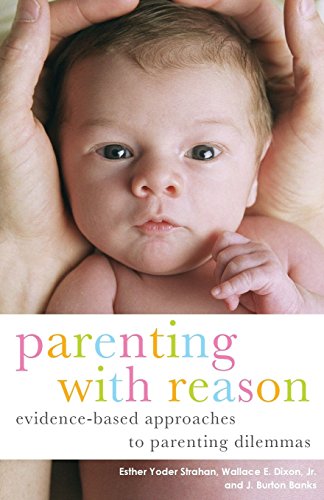
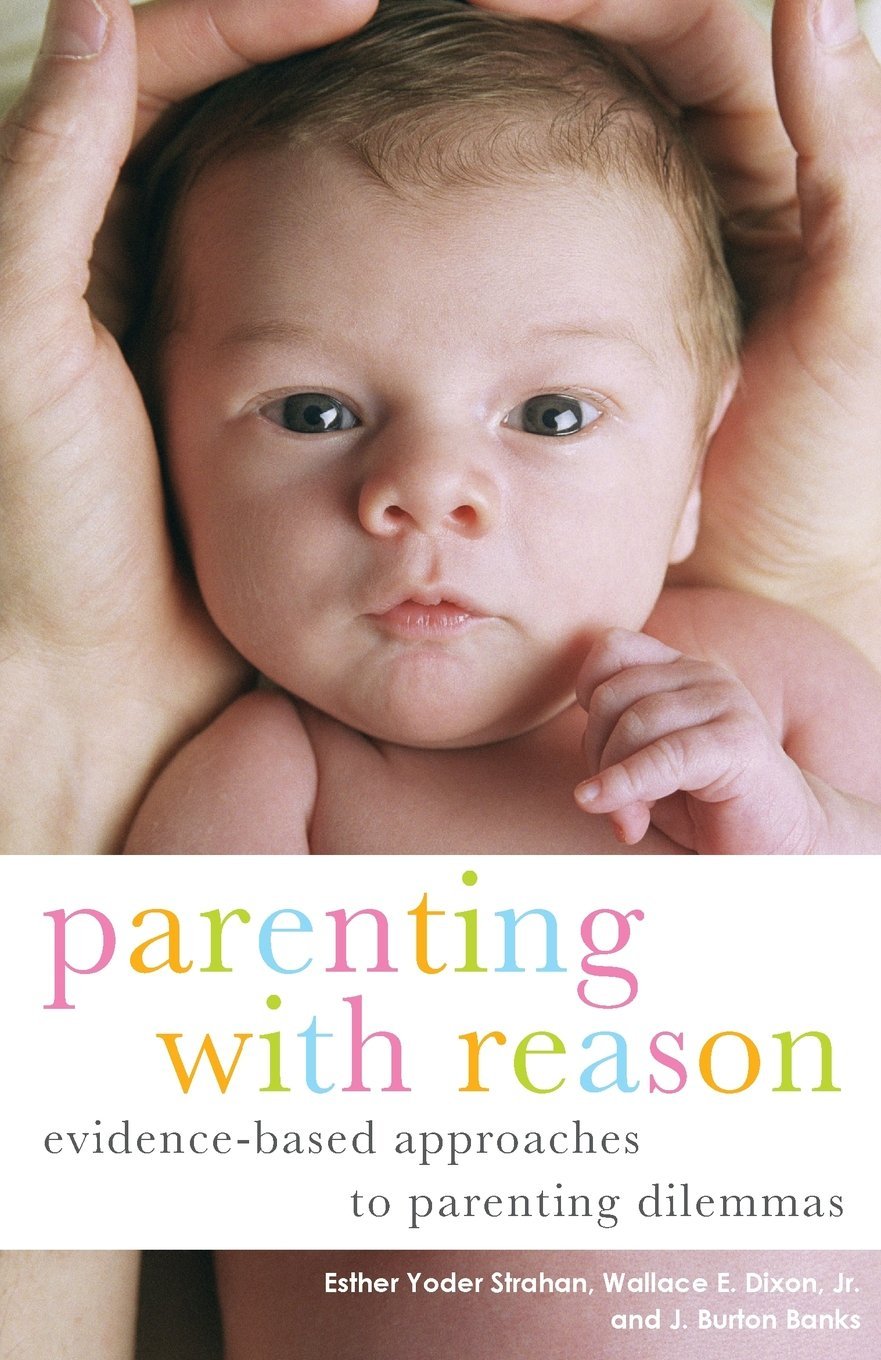

Parenting with Reason: Evidence-Based Approaches to Parenting Dilemmas (Parent and Child)
- Medical Books
- Psychology
- Image Unavailable Image not available forColor:
2. Developmental Stage Changes Everything — An Age-Banded Guide
Parenting advice that ignores developmental stage is like prescribing the same medication dose to a 5 kg newborn and a 50 kg ten-year-old. What supports mental health and emotional growth looks radically different across childhood.
Newborns & Infants (0–12 months): Safety and Attunement
At this stage, your primary job is not stimulation or achievement — it is sensitive responsiveness. The World Health Organization (WHO) recommends that caregivers respond consistently to infant cues as the single most important early mental health intervention. Secure attachment, built through thousands of small moments of attunement, is the neurological foundation for emotional regulation across the entire lifespan.
Toddlers (1–3 years): Big Emotions, Small Vocabulary
Toddler tantrums are not manipulation; they are a predictable consequence of a brain whose emotional accelerator (the amygdala) is far more developed than its brake (the prefrontal cortex). The AAP recommends emotion-coaching — naming feelings, staying calm, and setting kind-but-firm limits — over punitive approaches at this stage.
School Age (4–12 years): Competence and Connection
Children in middle childhood are building a sense of competence. Psychologist Erik Erikson called this the "industry vs. inferiority" stage. Advice that focuses exclusively on academic achievement at the expense of play, friendship, and autonomy can undermine the very confidence it aims to build.
Adolescents (13–17 years): Identity, Autonomy, and Risk
Teen mental health has worsened measurably. The CDC's 2023 Youth Risk Behavior Survey found that 42% of U.S. high school students reported persistent feelings of sadness or hopelessness in the previous year. Parenting advice that leans on control and compliance at this stage often backfires; research consistently shows that authoritative parenting (warm + structured, not punitive) produces better mental health outcomes in adolescents than authoritarian or permissive styles.
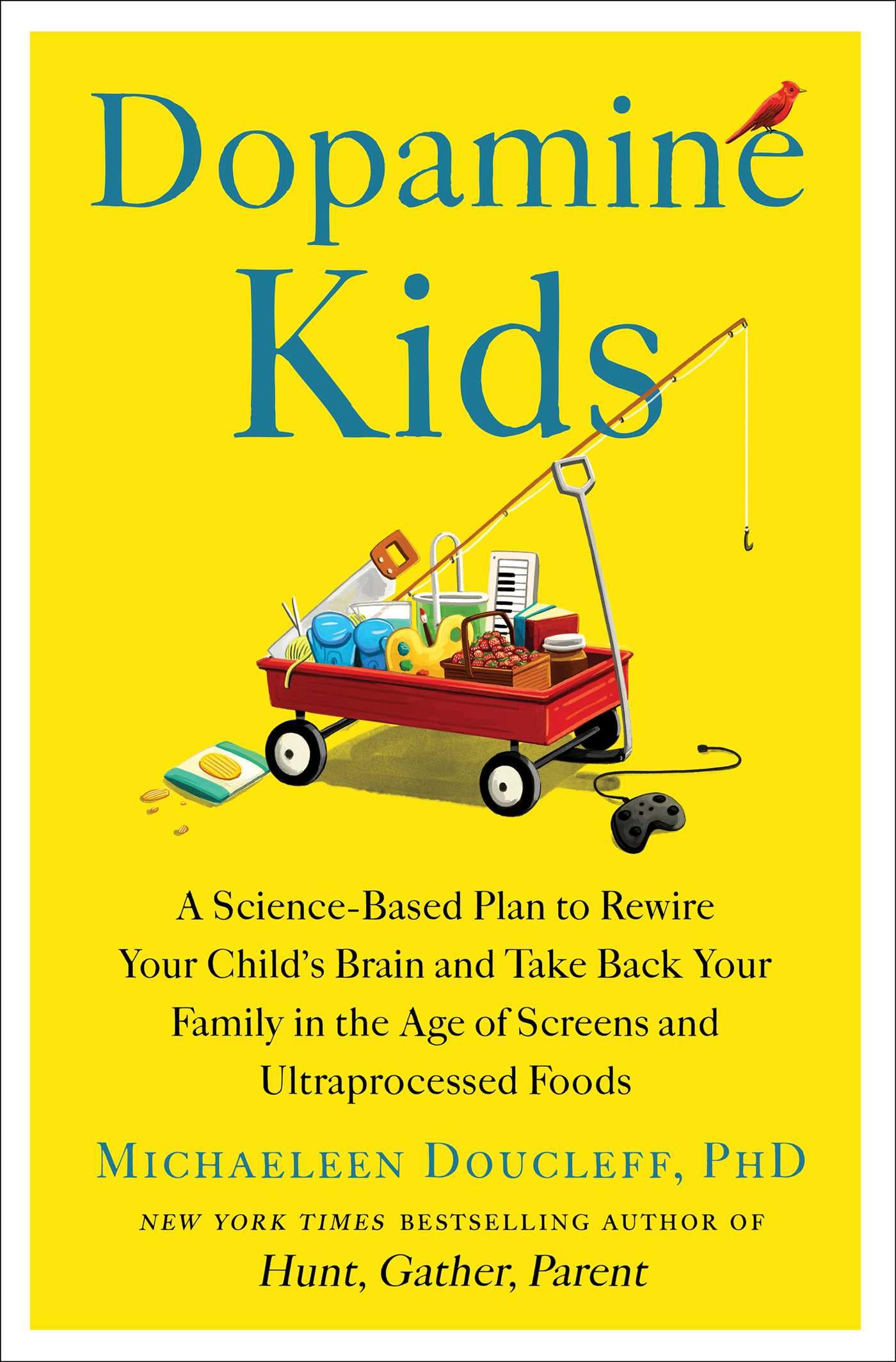


Hunt, Gather, Parent: What Ancient Cultures Can Teach Us About the Lost Art of Raising Happy, Helpful Little Humans
- Politics & Social Sciences
- Social Sciences
- Children's Studies
3. The Cultural Blind Spot in Western Parenting Advice
The vast majority of parenting research — and the advice derived from it — comes from Western, Educated, Industrialised, Rich, and Democratic (WEIRD) populations. Psychologist Joseph Henrich at Harvard has documented extensively that WEIRD samples represent roughly 12% of the world's population but account for over 80% of psychology research participants.
This matters practically. The strong Western emphasis on raising independent children — sleeping alone, self-soothing, early autonomy — is not a universal developmental ideal. In many East Asian, Latin American, and African cultural contexts, interdependence, family cohesion, and communal child-rearing are the explicit goals, and children raised within those frameworks show excellent developmental outcomes by their own cultural metrics.
Socioeconomic context matters equally. Recommendations that assume access to private therapy, enrichment classes, organic food, or flexible working hours are not just unhelpful for many families — they actively generate guilt and shame in parents who are already doing an extraordinary job under real constraints.

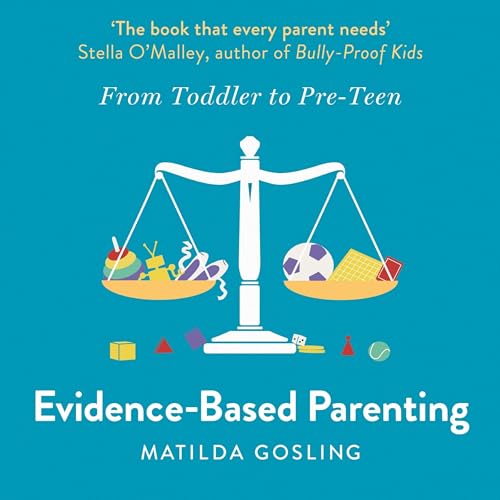


Evidence-Based Parenting
- Parenting & Relationships
- Select 1 audiobook a month from our entire collection of titles.
- Yours as long as you’re a member.
4. The Science Problem — What Research Can and Cannot Tell You
Parenting science is genuinely useful — but it is also genuinely limited, and popular media routinely overstates what studies actually prove.
Correlation is not causation
This is the most common error in parenting journalism. Children who read more do tend to perform better academically — but that correlation reflects a cluster of factors (parental education, household stability, the child's own curiosity) not a simple input-output relationship. Forcing a reluctant reader to log thirty minutes a night is unlikely to replicate those outcomes.
The replication problem
A significant proportion of psychology findings published before 2015 have failed to replicate in larger, pre-registered studies. The "Mozart effect" (playing classical music to babies raises IQ) is one of the most famous examples — it was based on a single small study of college students, never replicated in infants, and has been thoroughly debunked.
Science evolves — and that's a feature, not a bug
Screen time recommendations, safe sleep guidelines, and advice on introducing allergens have all shifted meaningfully in the past decade as evidence improved. The AAP updated its allergen introduction guidance in 2017 specifically because earlier "avoid peanuts" advice was causing harm. Staying current matters.
Parents should seek out information from organisations that review the full body of evidence rather than a single headline study.
— American Academy of Pediatrics, HealthyChildren.org


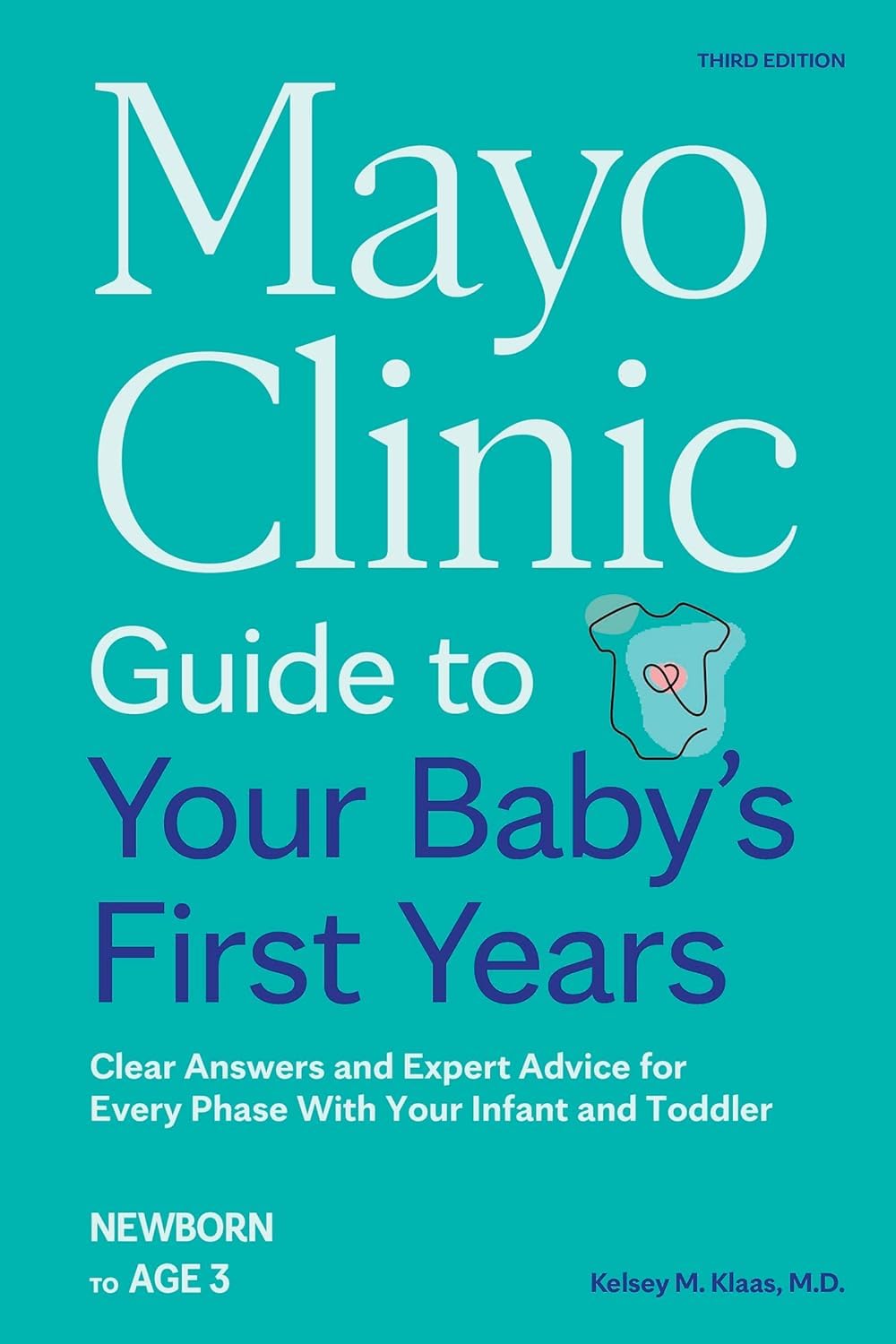

Cribsheet: A Data-Driven Guide to Better, More Relaxed Parenting, from Birth to Preschool (The ParentData Series)
- Business & Money
- Management & Leadership
- Decision-Making & Problem Solving
5. The Anecdote Trap — When Personal Stories Mislead
Personal stories are powerful, memorable, and almost useless as generalizable evidence. The parent who potty-trained their child in a weekend, the father whose screen-time ban transformed his daughter's grades, the influencer whose gentle sleep method produced a twelve-hour sleeper at eight weeks — these stories feel like blueprints. They are not.
Anecdotal evidence has two specific problems. First, it suffers from survivorship bias: you hear the success stories, not the dozens of families for whom the same approach failed quietly. Second, it cannot account for the variables that actually drove the outcome — the child's readiness, the family's consistency, the concurrent changes in routine.
This doesn't mean personal experience is worthless. It means it should inform your hypotheses about your child, not replace evidence-based guidance.
The same applies to well-meaning family advice. Grandparents' experience is real and often valuable — but it was formed in a different era, with different children, under different circumstances. "We did it this way and you turned out fine" is not evidence of causation; it is evidence of survival.

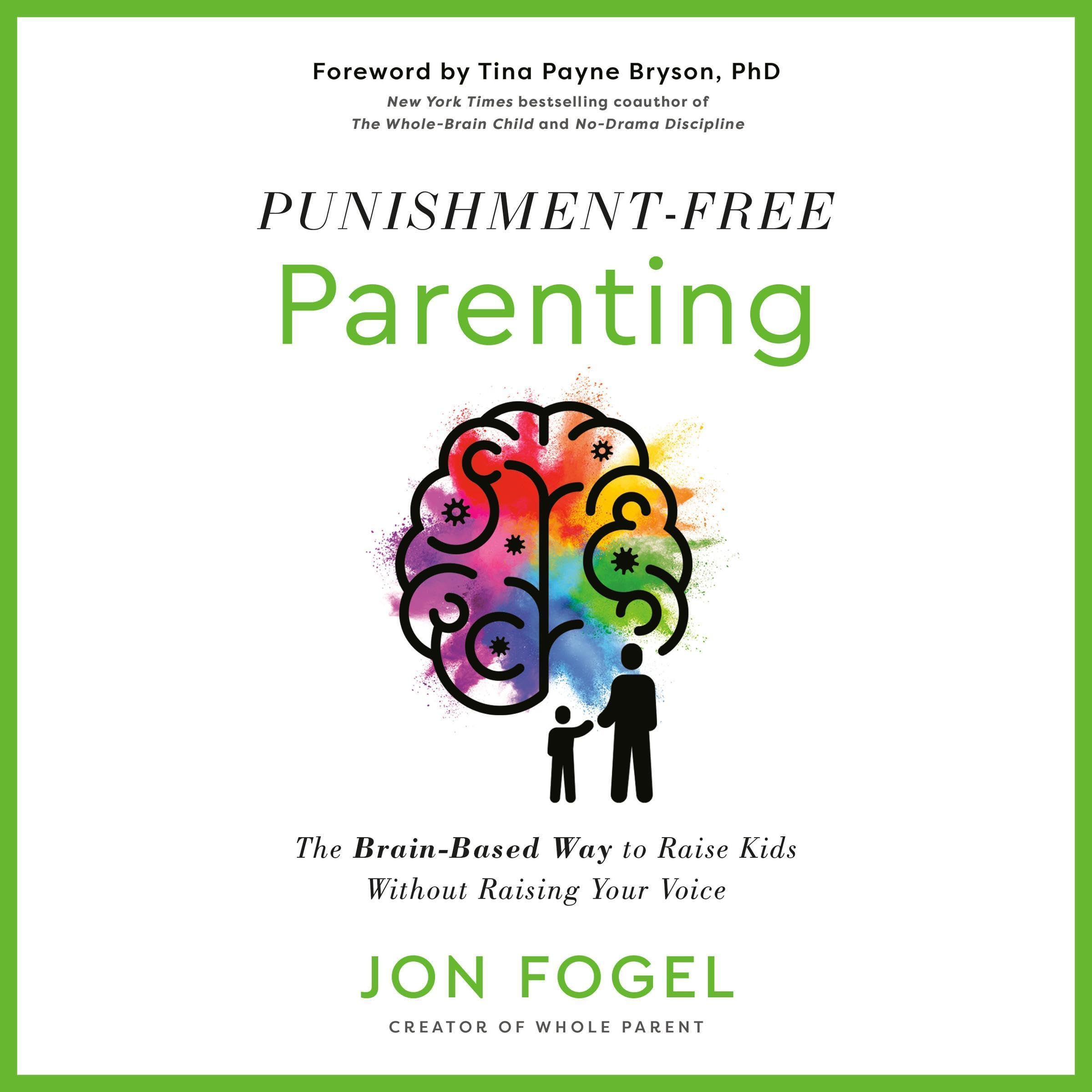

Punishment-Free Parenting: The Brain-Based Way to Raise Kids Without Raising Your Voice
- Audible Books & Originals
- Health & Wellness
- Psychology & Mental Health
6. Building Your Personal Evidence Filter — A Practical Framework
You don't need a research degree to evaluate parenting advice. You need a repeatable set of questions.
The four-question filter
1. Who says so? Is the source a named expert, a peer-reviewed study, or a major health organisation — or is it an anonymous blog, a product company, or an influencer with a book to sell? 2. Is it based on correlation or causation? Does the evidence show that approach X causes outcome Y, or just that they tend to appear together? 3. Does it fit my child? Does this advice account for your child's age, temperament, cultural context, and specific circumstances? 4. What does my gut say? Clinical psychologists increasingly recognise parental intuition as a valid data point — you know your child better than any researcher does.
When to seek professional support
Some situations go beyond what any article or book can address. Seek professional guidance when:
Your child's paediatrician is the right first call for mental health concerns at any age. In the UK, your GP can refer to CAMHS (Child and Adolescent Mental Health Services). In the US, the AAP's FindaPediatricSpecialist tool is a reliable starting point.

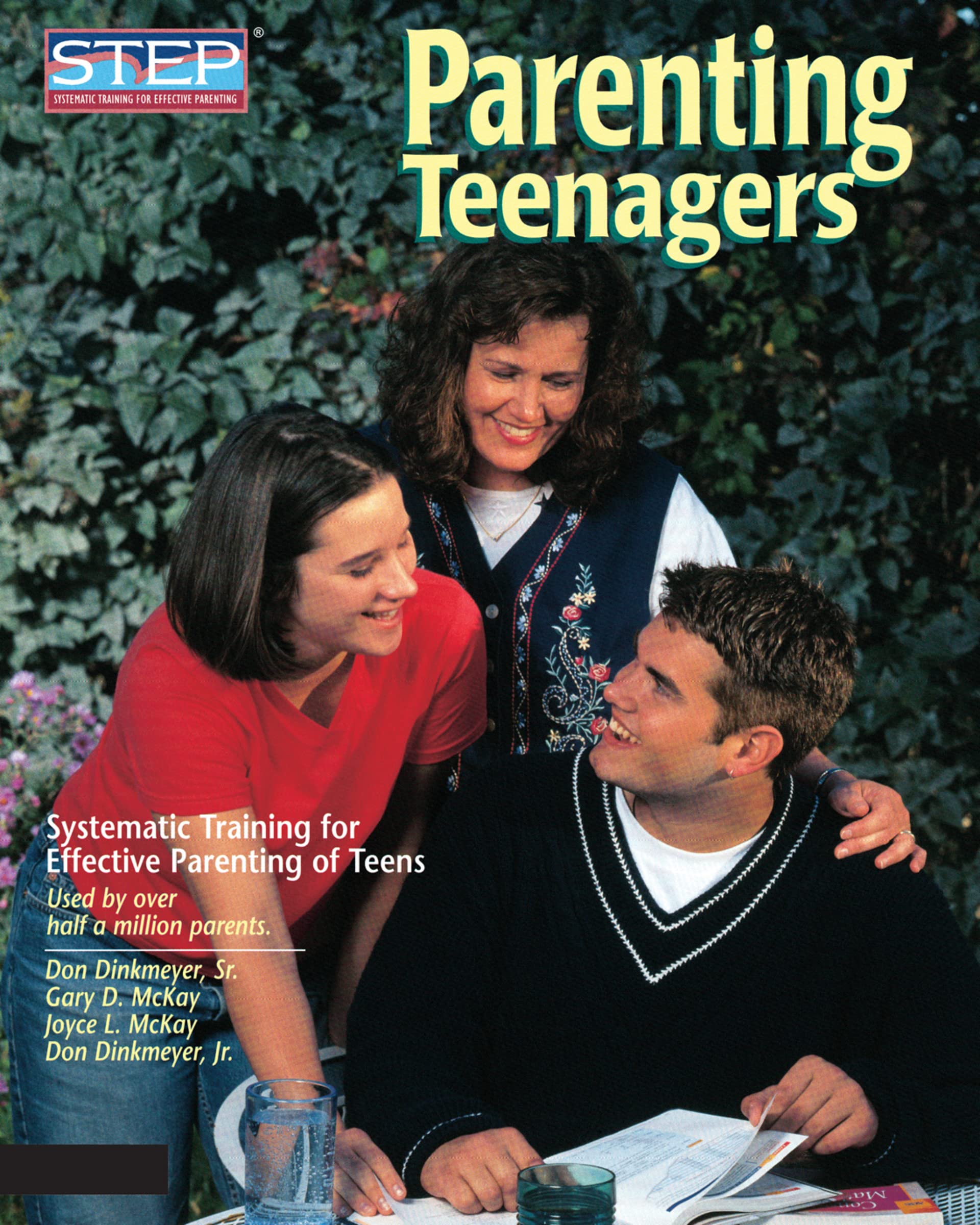


The Parent's Handbook: Systematic Training for Effective Parenting
- Health, Fitness & Dieting
- Psychology & Counseling
- Counseling
7. What Good Parenting Actually Looks Like Across the Evidence
After decades of research across developmental psychology, attachment theory, and neuroscience, the evidence converges on a surprisingly consistent set of principles — none of which require expensive programmes or perfect execution.
| Parenting Approach | Best Age Range | Core Strength | Main Limitation | Recommended Resource | Approx. Cost |
|---|---|---|---|---|---|
| Attachment/Responsive Parenting | 0–3 years | Builds secure attachment and emotional regulation foundation | Can be misread as "never set limits" | Evidence-Based Parenting (Audiobook) | Free with membership |
| Authoritative Parenting (warm + structured) | 3–17 years | Strongest evidence base for long-term mental health outcomes | Requires consistent effort across years | The Parent's Handbook | ~$17 |
| Emotion Coaching | 2–12 years | Builds emotional literacy and reduces behaviour problems | Takes practice; feels unnatural at first | Punishment-Free Parenting | Free (audio) |
| Cross-Cultural / Anthropological Models | All ages | Challenges WEIRD assumptions; broadens toolkit | Less RCT evidence; requires cultural translation | Hunt, Gather, Parent | ~$28 |
| Data-Driven / Evidence-Filtering Approach | All ages (parent skill) | Teaches parents to evaluate advice critically | Requires time investment | Cribsheet | ~$10 |
| Systematic Behavioural Parenting | 3–12 years | Practical, step-by-step; strong evidence for behaviour challenges | Can feel mechanical without relational warmth | Parenting with Reason | ~$16 |
Expert Insights
Conclusion
Parenting is the only job where the job description rewrites itself every few years, the performance reviews are decades away, and the experts publicly disagree in front of you. The noise is real — and it is exhausting. But underneath the contradictory headlines and viral Instagram threads, the science is actually more reassuring than it sounds: children are resilient, relationships are reparable, and the qualities that matter most — warmth, consistency, and genuine attention to who your child actually is — are available to every parent regardless of budget or background.
You don't need to get it right every time. You need to get it right enough, and to come back when you don't. That, more than any single method or book, is what the evidence says your child needs from you.
If this article helped you think more clearly about the advice you're receiving, save it, share it with a co-parent, or subscribe for more evidence-based guides written for real families.
Sources & References
- American Psychological Association. "Stress in America: Parenting in the Pandemic Era." 2023. apa.org/news/press/releases/stress
- American Academy of Pediatrics. "Temperament and Your Child's Personality." HealthyChildren.org. 2023. healthychildren.org
- Thomas, A. & Chess, S. "Temperament and Development." Brunner/Mazel, 1977. (New York Longitudinal Study)
- World Health Organization. "Nurturing Care for Early Childhood Development." WHO, 2018. who.int/publications/i/item/9789241514064
- Centers for Disease Control and Prevention. "Depression Among Women: Postpartum Depression." CDC, 2023. cdc.gov/reproductivehealth/depression
- Centers for Disease Control and Prevention. "Youth Risk Behavior Survey Data Summary & Trends Report 2011–2021." CDC, 2023. cdc.gov/healthyyouth/data/yrbs
- American Academy of Pediatrics. "The Power of Play: A Pediatric Role in Enhancing Development in Young Children." Pediatrics, 2018. doi.org/10.1542/peds.2018-2058
- Henrich, J., Heine, S.J., & Norenzayan, A. "The weirdest people in the world." Behavioral and Brain Sciences, 33(2–3), 61–83. 2010.
- American Academy of Pediatrics. "AAP Updates Guidance on Peanut Introduction to Prevent Allergy." 2017. aap.org
- Center on the Developing Child, Harvard University. "Serve and Return Interaction." 2023. developingchild.harvard.edu
- Baumrind, D. "Effects of Authoritative Parental Control on Child Behavior." Child Development, 37(4), 887–907. 1966.
- Winnicott, D.W. "The Ordinary Devoted Mother and Her Baby." 1949; "Playing and Reality." Tavistock Publications, 1971.
- National Institute for Health and Care Excellence (NICE). "Social and emotional wellbeing in primary education." NICE Guideline PH12. 2008, updated 2023. nice.org.uk
Frequently Asked Questions
Why does parenting advice change so often?
How do I know if my child needs professional mental health support?
Is gentle parenting backed by science?
Should I follow my parents' advice about raising my kids?
At what age should I worry about my teenager's mental health?
Does socioeconomic stress affect how parenting advice applies to my family?
What's the single most evidence-supported thing I can do for my child's mental health?
Was this helpful?
Thanks — your feedback helps us pick what to write next.