What Imaginative Play Actually Is — and Why It Matters More Than You Think
Imaginative play is one of the most powerful — and most underestimated — tools for building the problem-solving, emotional, and creative skills children need at every stage of life.
In this article
Picture this: your four-year-old has upended the sofa cushions, draped a blanket over two chairs, and declared the living room a "hospital for injured dinosaurs." To you, it looks like chaos. To a developmental neuroscientist, it looks like a child rehearsing triage, negotiation, narrative structure, and cause-and-effect reasoning — all at once.
According to the American Academy of Pediatrics (AAP), play is so fundamental to healthy child development that it is recognised as a right of every child, and a growing body of research links rich imaginative play specifically to stronger executive function — the cluster of mental skills that includes planning, flexible thinking, and impulse control.
In this guide you'll understand:
1. What Imaginative Play Actually Is — and Why It Matters More Than You Think
Imaginative play — also called pretend play, symbolic play, or make-believe — is any activity in which a child uses one thing to represent another, takes on a role that isn't their own, or acts out a scenario that exists only in their mind. A wooden spoon becomes a microphone. A cardboard box becomes a rocket. A row of stuffed animals becomes a classroom.
What makes this remarkable isn't the props. It's the mental work happening underneath.
The Executive Function Connection
When your child decides that the teddy bear is "sick" and needs "medicine," they are simultaneously holding a fictional frame in mind, suppressing the knowledge that the bear is not real, generating a narrative, and solving problems within that narrative. These are the same cognitive operations that underpin reading comprehension, mathematical reasoning, and social negotiation.
Play is not a break from learning. It is the primary vehicle for learning in the early years.
— American Academy of Pediatrics, Clinical Report on Play (2018)
Research published in the journal Early Childhood Education Journal found that children who engaged in more frequent pretend play showed significantly higher scores on measures of cognitive flexibility — the ability to switch between different rules or perspectives — compared with peers who had less imaginative play experience.
What counts as imaginative play: - Role-playing (doctor, chef, superhero, parent) - Small-world play (figurines, animals, vehicles in a scene) - Construction narratives (building a city, then populating it with stories) - Collaborative storytelling and invented games with rules
What doesn't count: - Passive screen consumption - Structured, adult-directed activities with a single correct outcome - Repetitive sensorimotor play without a symbolic layer (though that has its own value)

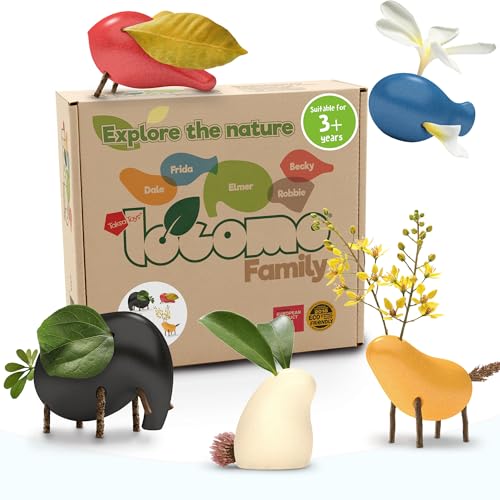


Taksa Toys Locomo Family 1 Open-Ended Waldorf Educational Outdoor Play Figures, Wooden Animal Montessori Toys for Kids 3 4 5 6 7+ for Childs Learning & Creativity Year Old, Gifts (Set of 5)
- 𝐑𝐄𝐀𝐃𝐘 𝐅𝐎𝐑 𝐀 𝐓𝐇𝐑𝐈𝐋𝐋𝐈𝐍𝐆 𝐎𝐔𝐓𝐃𝐎𝐎𝐑 𝐀𝐃𝐕𝐄𝐍𝐓𝐔𝐑𝐄 𝐖𝐈𝐓𝐇 𝐍𝐀𝐓𝐔𝐑𝐄?: The box contains five wooden animals. Please note that n
- 𝐋𝐎𝐎𝐊𝐈𝐍𝐆 𝐓𝐎 𝐁𝐎𝐎𝐒𝐓 𝐘𝐎𝐔𝐑 𝐂𝐇𝐈𝐋𝐃'𝐒 𝐅𝐈𝐍𝐄 𝐌𝐎𝐓𝐎𝐑 𝐒𝐊𝐈𝐋𝐋𝐒 𝐀𝐍𝐃 𝐔𝐍𝐋𝐄𝐀𝐒𝐇 𝐓𝐇𝐄𝐈𝐑 𝐈𝐌𝐀𝐆𝐈𝐍𝐀𝐓𝐈𝐎𝐍?: Our Waldorf wood animal figure
- 𝐃𝐄𝐒𝐈𝐑𝐄 𝐀𝐍 𝐈𝐍𝐓𝐄𝐑𝐀𝐂𝐓𝐈𝐕𝐄 𝐋𝐄𝐀𝐑𝐍𝐈𝐍𝐆 𝐉𝐎𝐔𝐑𝐍𝐄𝐘 𝐅𝐎𝐑 𝐘𝐎𝐔𝐑 𝐂𝐇𝐈𝐋𝐃?: More than just toys, our Waldorf Montessori Animal Fig
2. Age-by-Age Guide: How Imaginative Play Evolves from Birth to Teen
Imaginative play doesn't begin at three. It begins in the first weeks of life, and it never really stops — it just changes costume.
Newborn to 12 Months: The Roots of Pretend
Babies engage in what developmental psychologists call "proto-play" — the back-and-forth of face-to-face interaction, peek-a-boo, and imitation. When your baby copies your raised eyebrow or opens their mouth when you do, they are practising the turn-taking and perspective-taking that will later fuel full imaginative play.
What you can do today: Make eye contact, narrate your actions ("Now I'm putting on your sock — where did your foot go?"), and respond to your baby's vocalisations as if they are meaningful. They are.
12 to 36 Months: First Symbols
Around 18 months, most toddlers begin to use objects symbolically — a banana held to the ear becomes a phone. By 24 months, they start assigning roles to toys and dolls. This is a significant cognitive leap: the child now understands that one thing can stand for another, which is the same mental operation that underpins reading and mathematics.
3 to 6 Years: Peak Pretend
This is the golden age of imaginative play. Children this age can sustain elaborate scenarios across multiple sessions, negotiate roles with peers, and hold complex fictional worlds in mind. The AAP notes this period is also when the executive-function benefits of play are most measurable.

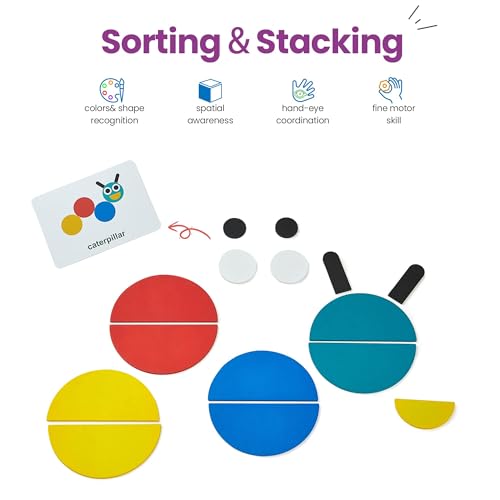
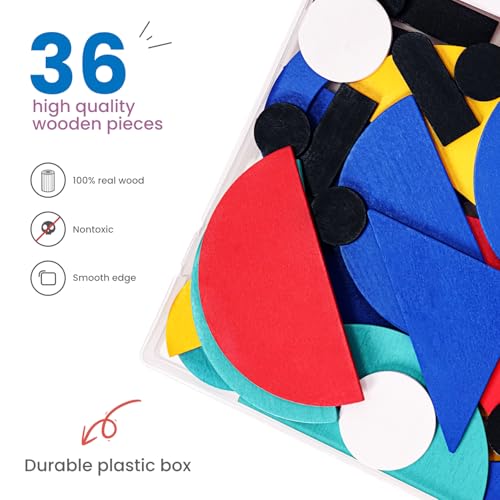
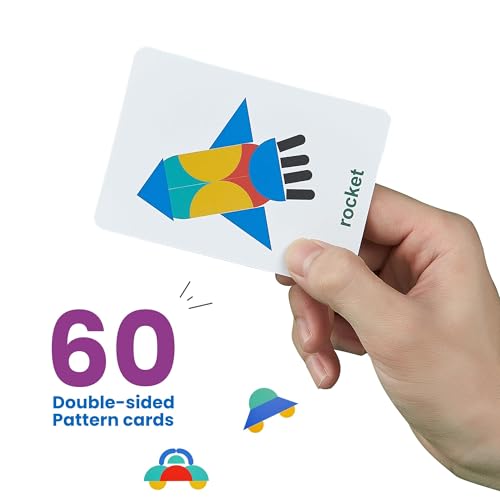
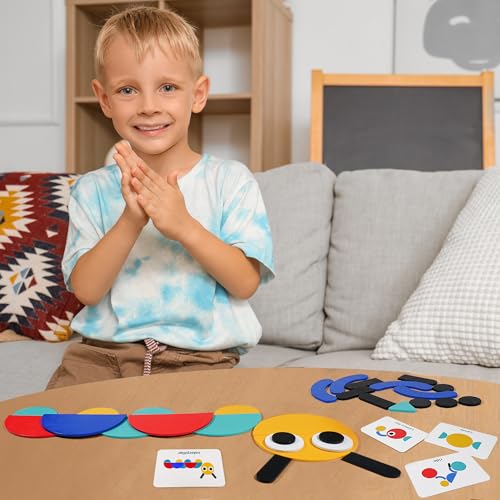
LiKee Open Ended Wooden Shape Puzzles (36 Blocks&60 Cards) for Toddlers 3+ Years Old, Montessori Development Toys Preschool Education Activity Travel Toy Board Games for Kids 4-8 Yrs
- Contains 36 wooden shape pieces, 60 pattern cards and 2 iron tins for storing the pieces
- kids can try to build what is shown on the cards or create their own designs
- Great for developing spatial awareness, color & shape recognition, hand-eye coordination, and problem-solving
6 to 12 Years: Rule-Based and Collaborative
As children enter middle childhood, imaginative play shifts toward games with invented rules, collaborative world-building (think elaborate LEGO cities or Minecraft worlds with social hierarchies), and fan-fiction-style narrative extensions of books or films. The imaginative impulse is still there — it just wears a more structured outfit.
Tweens and Teens (11–17): Imagination Doesn't Retire
Adolescents who engage in creative, imaginative activities — tabletop role-playing games, collaborative writing, drama, design projects — show stronger divergent thinking and greater tolerance for ambiguity, both hallmarks of effective problem-solvers. Don't dismiss these as "just games."
3. The Neuroscience Behind Play and Problem-Solving
Imaginative play builds problem-solving skills through at least three distinct neurological pathways, and understanding them helps you make smarter choices about your child's play environment.
Pathway 1: The Default Mode Network
Neuroscientists at Harvard have identified the brain's "default mode network" (DMN) as active during both imaginative play and creative problem-solving. When children daydream, tell stories, or engage in pretend play, they are exercising the same neural circuits they'll later use for hypothetical reasoning — "What would happen if…?" — which is the foundation of scientific and mathematical thinking.
Pathway 2: Working Memory and Cognitive Flexibility
Holding a fictional scenario in mind while responding to new information (your playmate just declared the dragon is friendly now) requires working memory and cognitive flexibility. A 2020 review in Frontiers in Psychology found that children with richer pretend-play histories showed stronger working memory performance in early school years.
Pathway 3: Emotional Regulation Through Narrative
When children act out scary or confusing scenarios in play — the monster is defeated, the sick toy gets better — they are practising emotional regulation. They are learning that problems have arcs, that difficult feelings are survivable, and that they have agency. This is not trivial: emotional regulation is one of the strongest predictors of academic and social success.
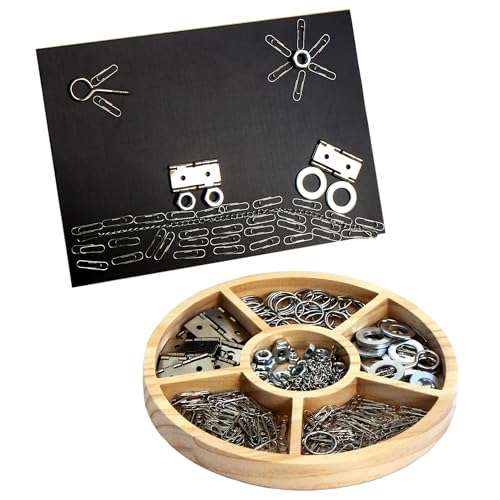
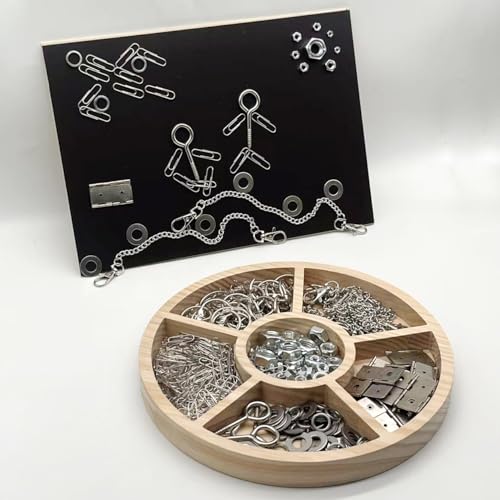
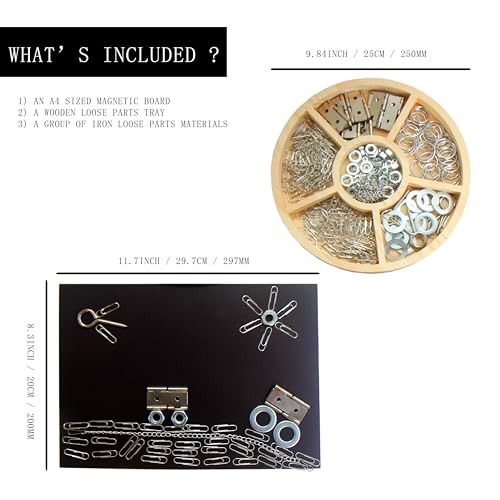
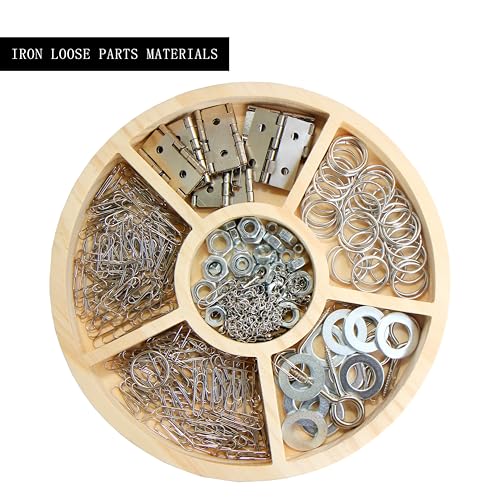
Metal Loose Parts Learning Kit with Magnetic Board and Tray Set, STEAM Activities for Kids Ages 3+, Montessori & Reggio-Inspired Kindergarten Preschool Classroom Materials
- EDUCATIONAL VALUE: Metal loose parts kit designed for STEAM learning activities, perfect for developing fine m
- COMPLETE SET: Includes a black magnetic board and organizing tray for easy storage and interactive play during
- MONTESSORI INSPIRED: Based on proven Montessori and Reggio teaching methods to encourage hands-on exploration
4. Choosing Toys That Genuinely Support Imaginative Play
Not all toys are equal. The research consistently shows that open-ended toys — those with no single correct outcome — generate more imaginative play, more language, and more problem-solving behaviour than single-function electronic toys.
What Makes a Toy "Open-Ended"?
An open-ended toy can be used in at least ten different ways. A set of wooden blocks can be a tower, a road, a fence, a bridge, a pretend phone, or a spaceship. A single-function toy that plays one song when you press one button cannot.
The best toy is 90% child and 10% toy.
— Stuart Brown, MD, founder of the National Institute for Play (2009)
The Loose Parts Principle
Architect Simon Nicholson's "Theory of Loose Parts" (1971) proposed that environments with moveable, adaptable elements generate more creativity than fixed, finished environments. This principle is now embedded in Montessori and Reggio Emilia pedagogy worldwide, and the evidence supporting it has only grown.
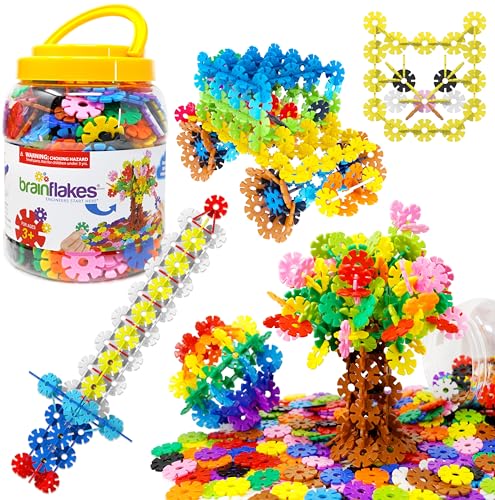


Brain Flakes 500 Piece Set, Ages 3+, Interlocking Plastic Disc Toy for Creative Building, Educational STEM Learning, Construction Block Play for Kids, Teens, Adults, Boys, and Girls
- The Signature Yellow Cap Storage Jar - Contains 500+ pcs in 12 colors; Includes an idea booklet with instructi
- For Ages 3 to 99 - BRAIN FLAKES discs click together easily for children ages 3+; Aids in the development of f
- Why BRAIN FLAKES - A great STEM toy for developing spatial intelligence and thinking; Construct large structur
5. The Parent's Role: When to Join, When to Step Back
One of the most common mistakes well-meaning parents make is over-directing imaginative play. Research from the University of Colorado found that children with more unstructured, child-directed free time showed stronger self-regulatory skills — precisely because they had to generate their own goals, solve their own conflicts, and manage their own boredom.
When to Step Back
- When your child is absorbed and the play is safe - When a conflict between children is minor — let them negotiate - When the scenario seems "wrong" (the baby doll is being fed mud soup — that's fine) - When you feel the urge to make it "educational" — resist it; it already is
When to Join In
- When your child explicitly invites you - When play has stalled and a gentle prompt ("I wonder what happens next…") could restart it - When a younger child lacks a play partner - When you want to model language, narrative, or emotional vocabulary
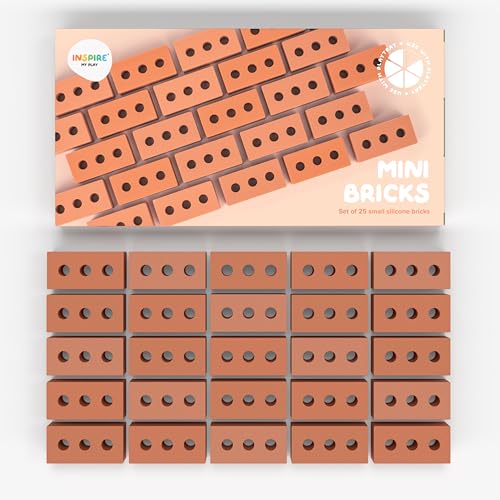
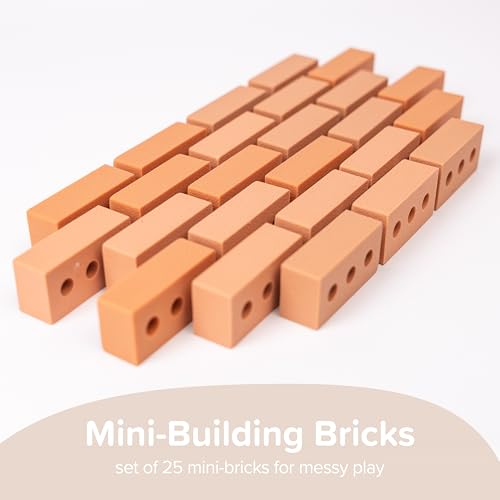

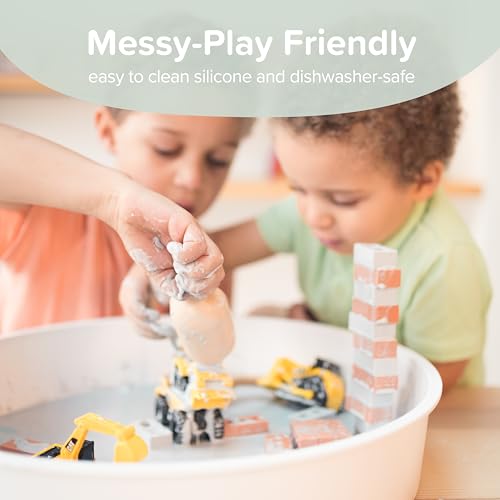
Inspire My Play 25 Mini Silicone Building Bricks for Construction Play Bin - Creativity Sensory Bin Filler
- Perfectly Sized for Little Hands - Specifically for children's play, these realistic mini bricks are designed
- Ideal for Messy Play, Open-Ended Play or as a Small-World Construction Toy - These bricks are great for imagin
- Construction Sensory Kit Bricks - Each set includes 25 mini bricks each sized 1.7" long x 0.8" wide x 0.75" hi
The "Yes, And" Principle
Borrowed from improv comedy, "Yes, And" means accepting whatever your child introduces into the play scenario and building on it, rather than correcting or redirecting. "Yes, the dinosaur can be the doctor, AND she needs a very special stethoscope — what could we use?" This keeps the imaginative flow alive and models the flexible thinking you want to cultivate.
6. Age-Specific Play Environments: Setting the Stage at Home
The physical environment shapes the quality of imaginative play as much as the toys in it. Here's how to think about it across age bands.
Birth to 2: Sensory-Rich Simplicity
Soft textures, high-contrast patterns, and responsive caregivers are the environment. Avoid overstimulation. The best "toy" is your face.
Ages 2 to 5: The "Yes Space"
Create a dedicated area — even a corner — where your child has permission to make a mess, build freely, and leave constructions up overnight. A low shelf with rotating open-ended materials (blocks, fabric, figures, loose parts) is more valuable than a room full of complex toys.
Ages 5 to 12: Construction and Collaboration Zones
Older children benefit from larger building surfaces, more complex materials, and space to work with peers. A dedicated table for ongoing projects — a LEGO city, a model landscape, a STEAM building challenge — signals that their creative work is valued.


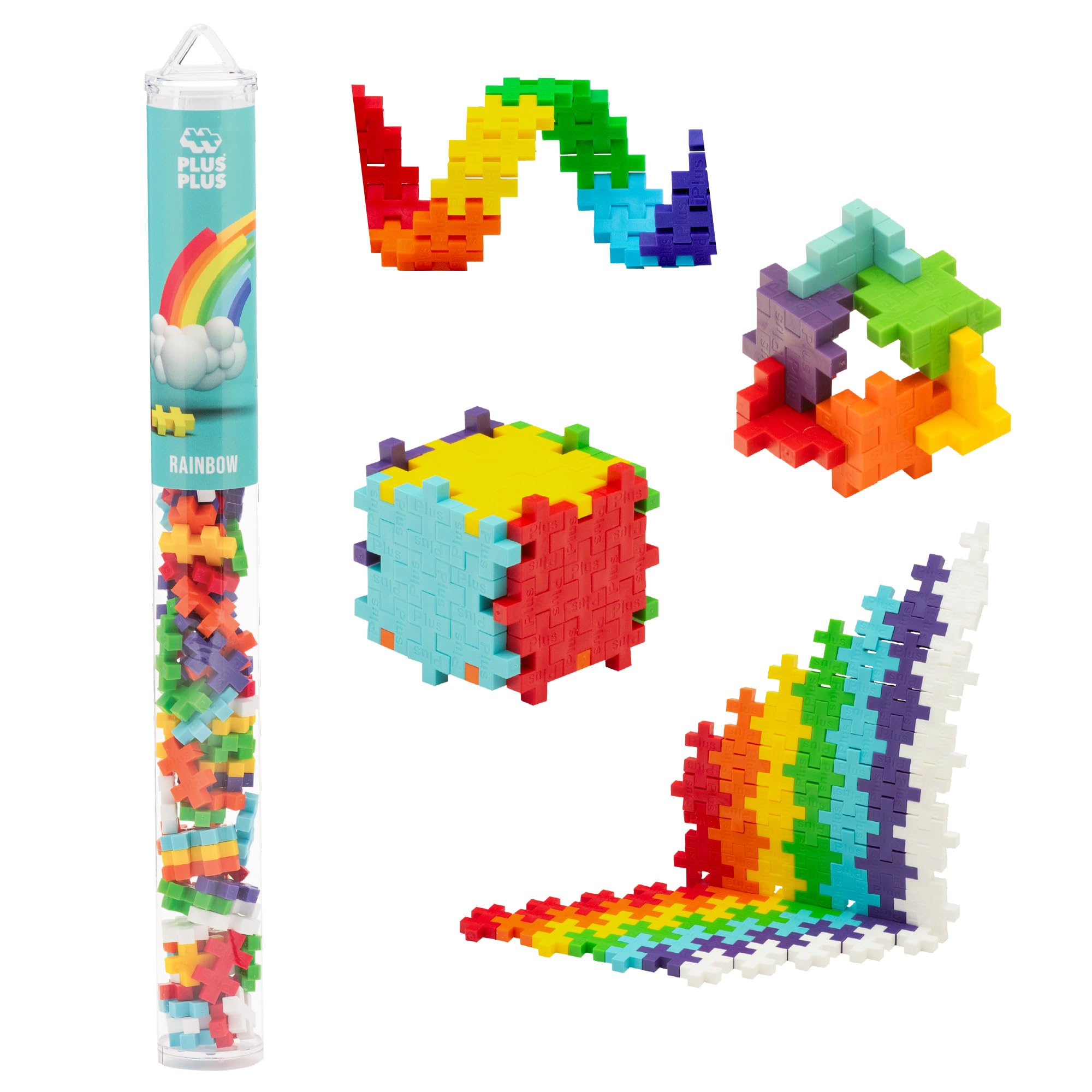

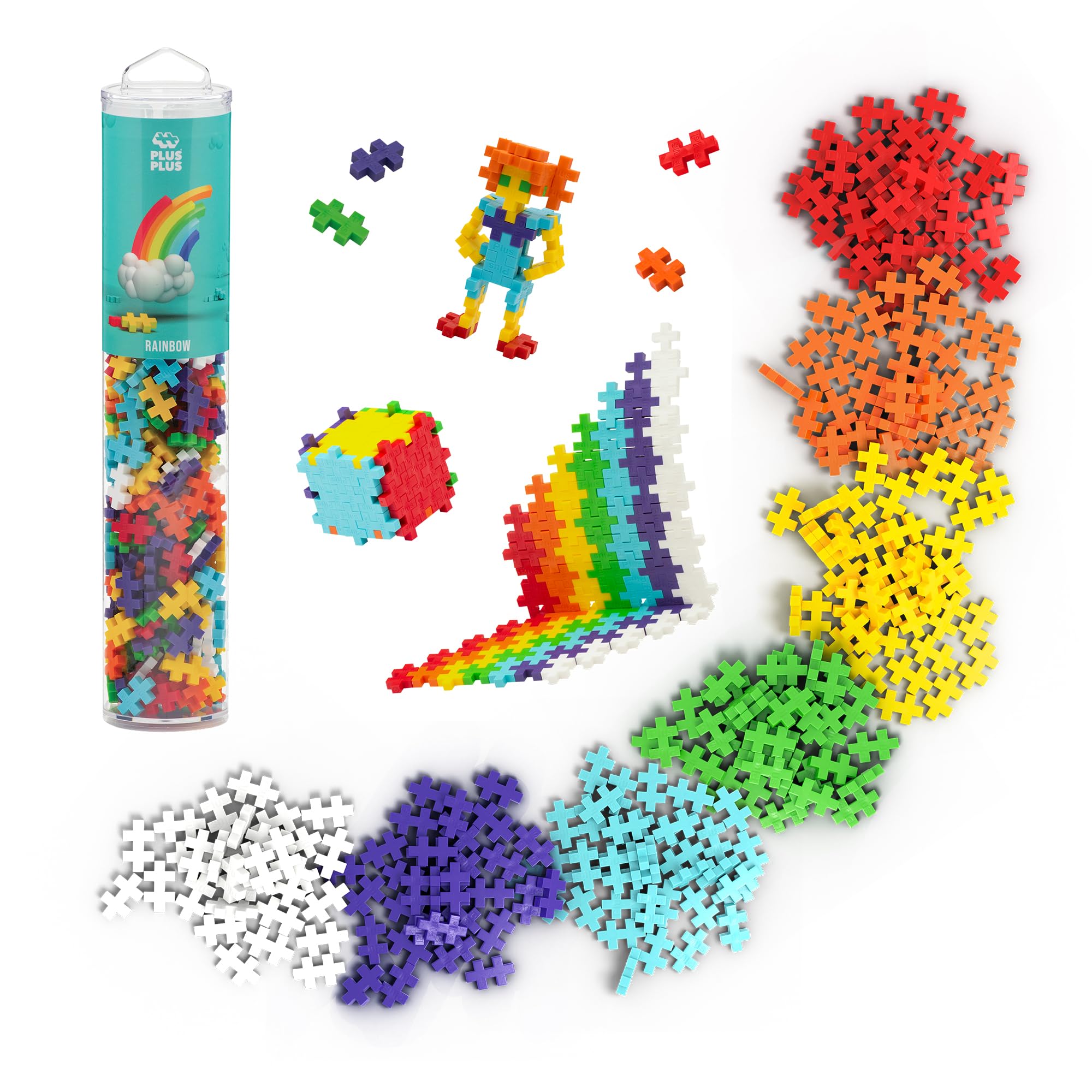
KADU Rainbow 250 Piece Set - STEM/STEAM Building + Construction Toy, for Open + Imaginative Play Ages 5+
- 250 Pieces - Ages 5+ - Each piece measures 0.78 x 0.78 x 0.16 inches
- Jump right in with the easy to learn one piece building toy Kadu! The Rainbow set come with our 6 classic rain
- One Simple Shape - There may only be one shape but, in the words of a seven-year-old, you “can build anything,
Ages 12 and Up: Creative Autonomy
Teens need ownership of their creative space. This might be a sketchbook, a gaming setup used for collaborative world-building, a drama club, or a maker-space project. The key is that they direct it.
7. Comparison: Open-Ended Play Materials by Age and Skill
| Play Material | Best Age Range | Primary Cognitive Benefit | Imaginative Depth | Recommended Product | Price Range |
|---|---|---|---|---|---|
| Wooden shape puzzles | 3–8 yrs | Spatial reasoning, pattern recognition | Medium — guided by cards but open to invention | LiKee Wooden Shape Puzzles | $12–15 |
| Waldorf wooden animal figures | 3–7 yrs | Narrative play, nature connection, fine motor | High — entirely child-directed storytelling | Taksa Toys Locomo Animals | $25–30 |
| Metal loose parts + magnetic board | 3–10 yrs | STEAM thinking, creative composition | Very high — no rules, endless configurations | SZREGGIO Loose Parts Kit | $35–45 |
| Interlocking disc construction | 3–99 yrs | 3D spatial intelligence, engineering thinking | High — open-ended building with narrative potential | Brain Flakes 500 Piece Set | $18–22 |
| Mini silicone building bricks | 2–8 yrs | Sensory exploration, small-world construction | High — ideal for scene-building and role-play | Inspire My Play Mini Bricks | $18–22 |
| Interconnectable flat disc set | 5–12 yrs | Engineering, colour/pattern, iterative design | High — one shape, infinite structures | KADU Rainbow 250 Set | $14–18 |
8. Expert Insights on Imaginative Play and Child Development
Here's the truth that every paediatrician learns over time: the parents who worry most about their children's future success are often the ones most tempted to fill every hour with structured, measurable activity. But the research keeps pointing in the same direction — the child building a dinosaur hospital out of sofa cushions is doing some of the most important cognitive work of their life.
Imaginative play is not a break from becoming. It is becoming.
Save this guide, share it with a caregiver who needs the reminder, or simply go put a cardboard box on the kitchen floor and see what happens next.
Sources & References
- American Academy of Pediatrics. "The Power of Play: A Pediatric Role in Enhancing Development in Young Children." Pediatrics, 2018. https://doi.org/10.1542/peds.2018-2058
- Diamond, Adele. "Executive Functions." Annual Review of Psychology, 2013. https://doi.org/10.1146/annurev-psych-113011-143750
- Brown, Stuart. Play: How It Shapes the Brain, Opens the Imagination, and Invigorates the Soul. Avery/Penguin, 2009.
- Lillard, Angeline S., et al. "The Impact of Pretend Play on Children's Development: A Review of the Evidence." Psychological Bulletin, 2013. https://doi.org/10.1037/a0029321
- Nicholson, Simon. "How Not to Cheat Children: The Theory of Loose Parts." Landscape Architecture, 1971.
- Yogman, Michael, et al. "The Power of Play." AAP Clinical Report, Pediatrics, 2018.
- Shonkoff, Jack P., & Phillips, Deborah A. (Eds.). From Neurons to Neighborhoods: The Science of Early Childhood Development. National Academies Press, 2000.
- Thibodeau, Rachel B., et al. "The Role of Pretend Play in Children's Cognitive Development." Early Childhood Education Journal, 2016. https://doi.org/10.1007/s10643-015-0722-5
- Barker, Jane E., et al. "Less-Structured Time in Children's Daily Lives Predicts Self-Directed Executive Functioning." Frontiers in Psychology, 2014. https://doi.org/10.3389/fpsyg.2014.00593
Frequently Asked Questions
At what age does imaginative play begin?
How much imaginative play does my child need each day?
My child always wants me to play with them. Should I always say yes?
Are video games and digital play a form of imaginative play?
What if my child doesn't seem interested in imaginative play?
Do open-ended toys like loose parts and wooden blocks really make a difference?
How do I support imaginative play for multiple children of different ages?
Was this helpful?
Thanks — your feedback helps us pick what to write next.