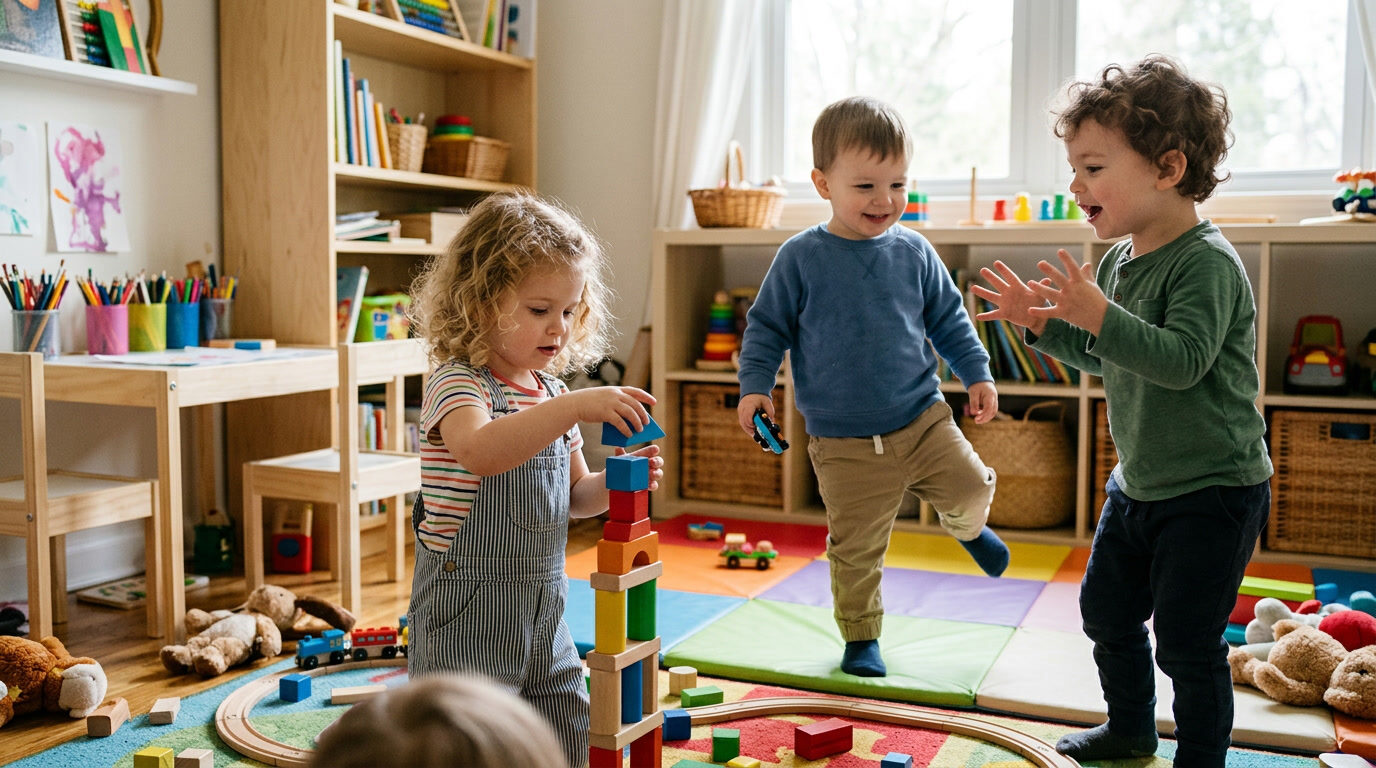
Your Toddler Shows Genuine Curiosity About the Toilet
Most toddlers show clear, observable signs of potty training readiness between 18 and 36 months — and starting before your child is ready almost always makes the process longer, not shorter.
In this article
Picture this: you're on your third diaper change before 9 a.m., your toddler has just announced "I go potty!" while already mid-accident, and you're wondering whether you missed the window — or started too soon. You're not alone. According to the American Academy of Pediatrics (AAP), the average age of toilet training completion in the United States has shifted to around 36 months, up from roughly 18 months in the 1950s, largely because modern research shows child-led readiness produces faster, less stressful results than calendar-based training. The good news? Your toddler's body and behaviour will tell you exactly when the time is right — if you know what to look for.
By the end of this guide, you'll understand:
1. Your Toddler Shows Genuine Curiosity About the Toilet
The single most reliable early sign is unprompted interest — your child follows you to the bathroom, points at the toilet, asks what flushing does, or tries to pull down their own pants in imitation.
This isn't just cute behaviour. It reflects an important cognitive leap: your toddler is beginning to connect bodily sensation with a social action they observe adults performing. Developmental psychologists call this "observational learning," and it is one of the foundational mechanisms through which toddlers acquire self-care skills.
What curiosity looks like in practice
- Follows caregivers or older siblings into the bathroom unprompted - Points to the toilet, asks questions ("What's that for?"), or requests to flush - Role-plays toilet use with dolls or stuffed animals - Asks why they wear a nappy when grown-ups don't
How to nurture it without pushing
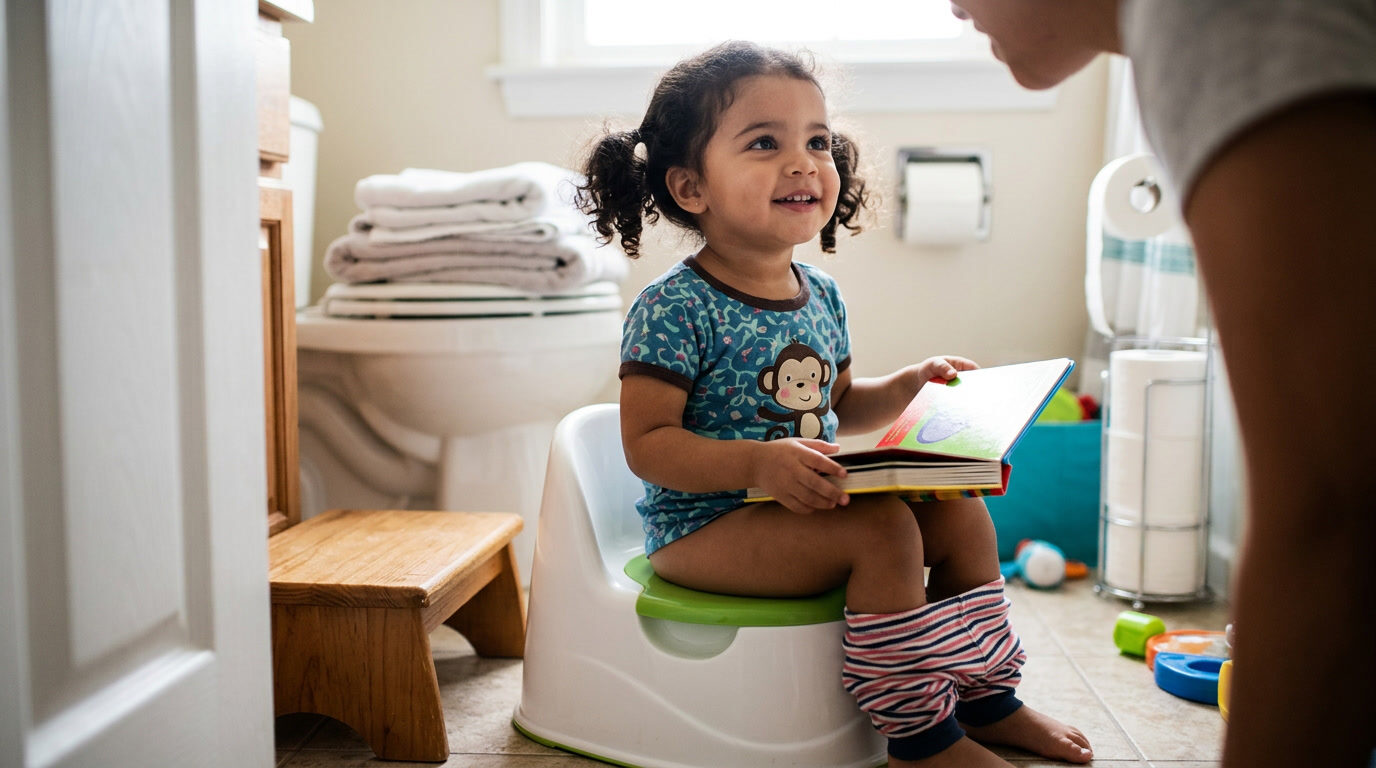
Read a simple potty-themed picture book together — titles featuring familiar characters work especially well because toddlers map new concepts onto characters they already trust. Let your child watch (with your comfort level in mind) and narrate matter-of-factly: "Grown-ups use the toilet instead of a nappy." Introduce a child-sized seat so the toilet stops feeling intimidating.


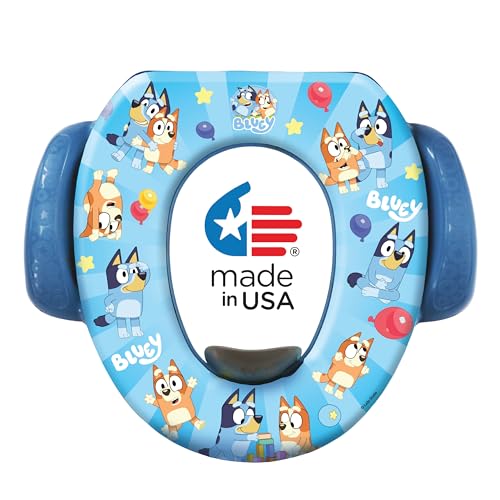
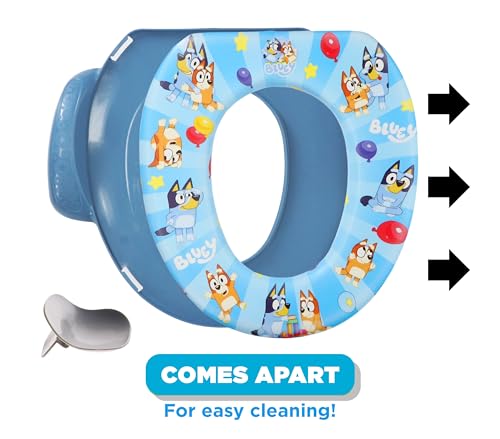
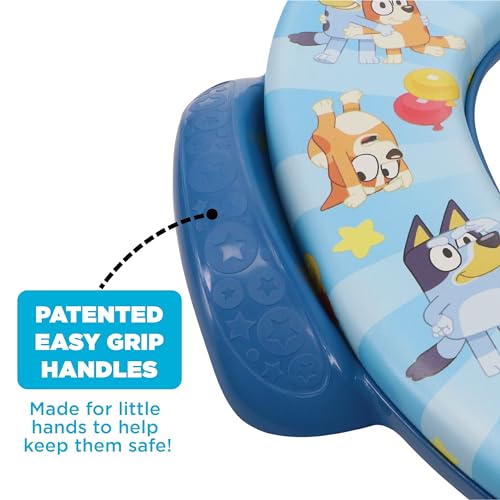
Bluey Soft Potty Seat - Potty Training Toilet Seat, Soft Cushion, Baby Potty Training, Safe, Easy to Clean
- MADE IN THE USA: Durably constructed potty seat is made in the USA and built to last
- EASY GRIP HANDLES: Patented easy grip handles help build confidence and security
- FITS MOST TOILETS: Securely fits on most regular and elongated toilets
2. Staying Dry for Two or More Hours at a Stretch
Daytime bladder control — the ability to hold urine for roughly two hours — is the clearest physiological marker of readiness. Before this develops, asking a toddler to "hold it" is genuinely beyond their physical capability, not a matter of motivation or effort.
The detrusor muscle of the bladder matures gradually through the toddler years. Most children achieve two-hour dryness windows somewhere between 22 and 30 months, though the range is wide. You can check easily: note the time of a fresh nappy, then check again. If it's still dry at the two-hour mark, your child's bladder is building the capacity training requires.
Signs of developing bladder control
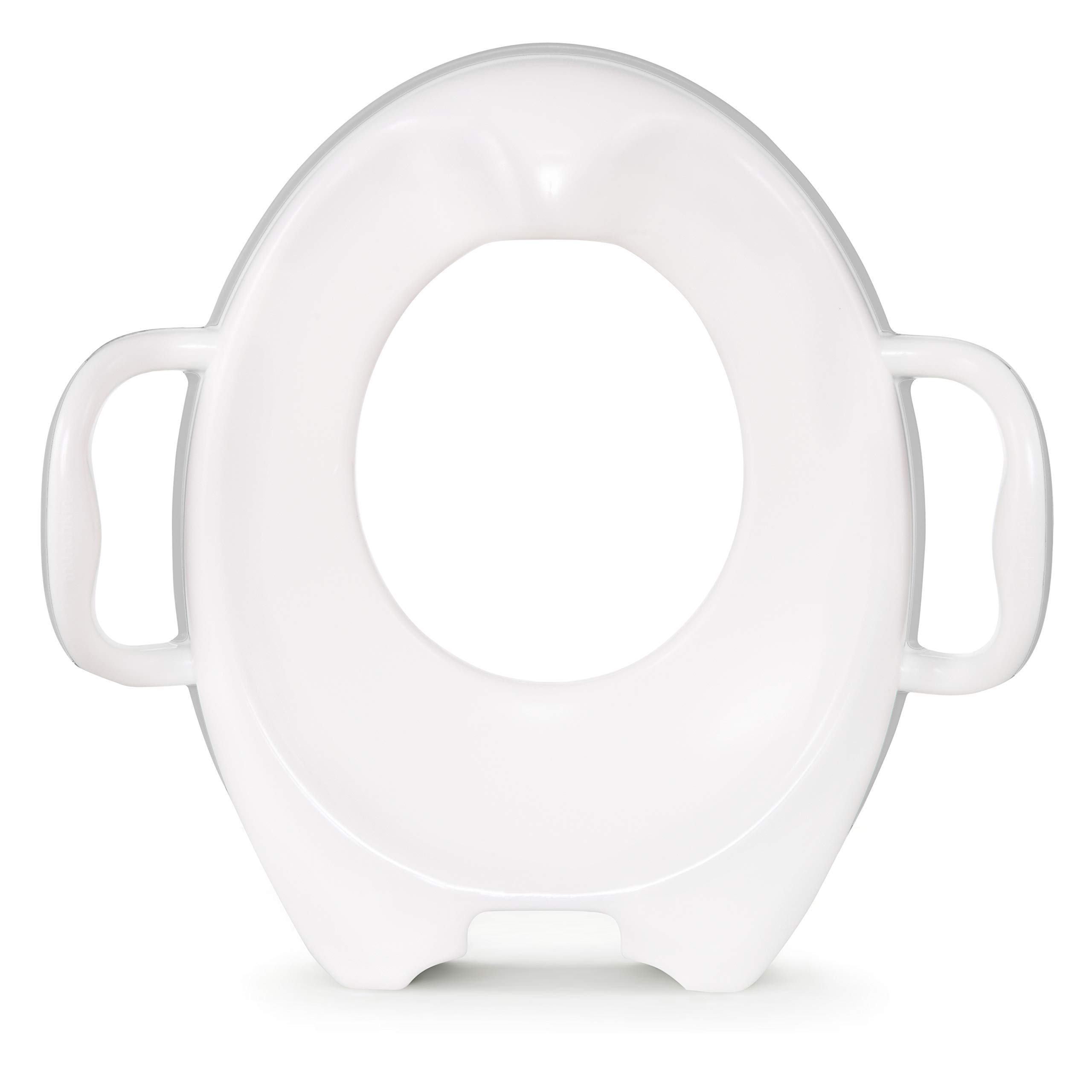

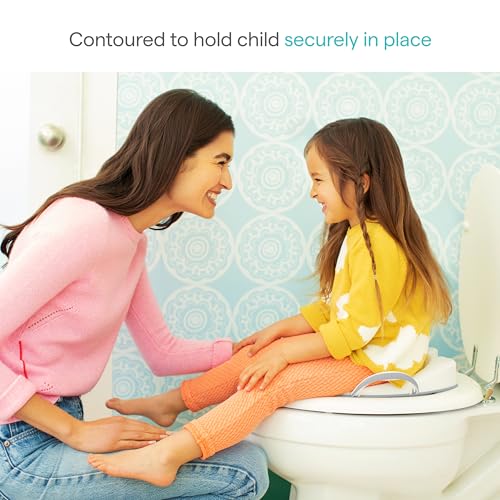
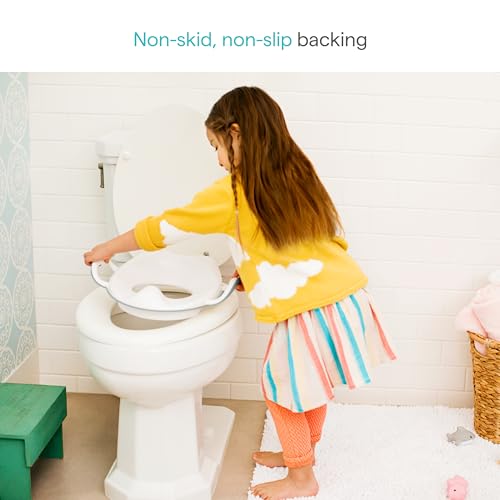
Munchkin® Sturdy™ Potty Training Seat, Grey
- Portable toddler potty seat perfect for potty training boys and girls
- Contoured to hold child securely in place. The easy-to clean potty seat fits most standard toilets
- Non-skid edge ensures that seat doesn't move.Care & Cleaning: Spot or Wipe Clean
3. Physical Readiness: Motor Skills to Pull Clothing Up and Down
Potty training isn't just about the bladder — it's a coordination task. Your toddler needs to walk to the bathroom, manage their own clothing, sit down safely, and stand back up, all within a narrow time window once the urge strikes.
Most children develop the necessary gross and fine motor skills — walking steadily, squatting, and manipulating waistbands — between 18 and 24 months. But "can do it with help" and "can do it fast enough to avoid an accident" are different thresholds.
Motor skills checklist
A well-designed potty seat with handles gives toddlers something to grip, reducing the balance anxiety that can make children reluctant to sit long enough for anything to happen.

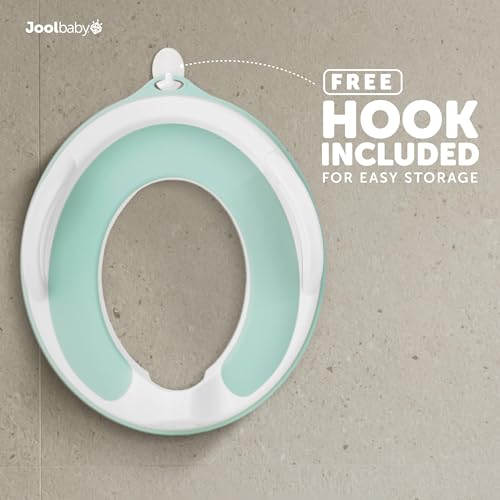
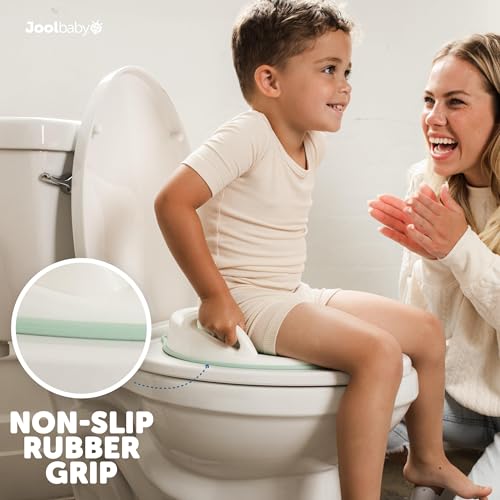
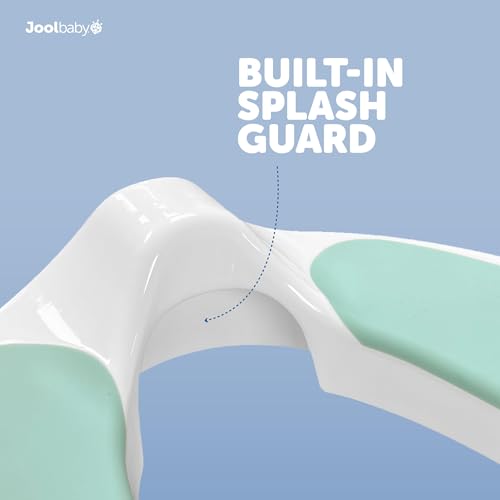
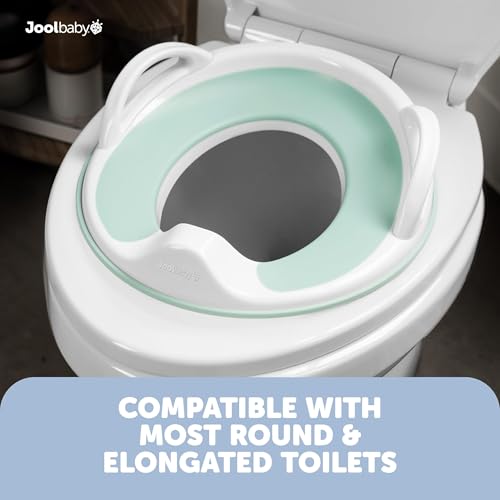
Jool Baby Potty Training Seat for Boys and Girls With Handles, Fits Round & Oval Toilets, Non-Slip with Splash Guard, Includes Free Storage Hook (Aqua)
- OUR POTTY SEAT WITH HANDLES helps your child transition to the big toilet easily. The built-in handles give ki
- SPLASH GUARD keeps messes contained.
- FITS MOST TOILETS: compatible with most round & elongated toilet seats.
4. Awareness of Bodily Sensations — and Telling You About Them
One of the most important — and most often overlooked — readiness signs is your toddler's ability to recognise and communicate what their body is doing before it happens, not just after.
Early in toddlerhood, most children notice a wet or soiled nappy only after the fact. Readiness involves a shift: they begin to sense the urge, pause, and either tell you or show visible signs of awareness (crossing legs, grabbing the nappy area, going quiet).
Toilet training is ready to begin when the child — not the parent — is ready. The child needs to be able to recognise the urge to use the toilet and have the physical and cognitive ability to act on it.
— American Academy of Pediatrics, HealthyChildren.org (2023)
What body-awareness looks like
- Announces "wet" or "poo" immediately after it happens — this is the first stage - Announces it while it's happening — a more advanced stage - Pauses play, grabs nappy area, or squats — indicating they feel the urge beforehand - Uses their own words consistently for urination and bowel movements
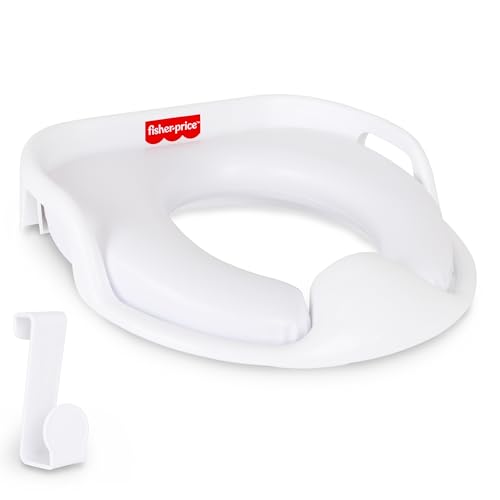
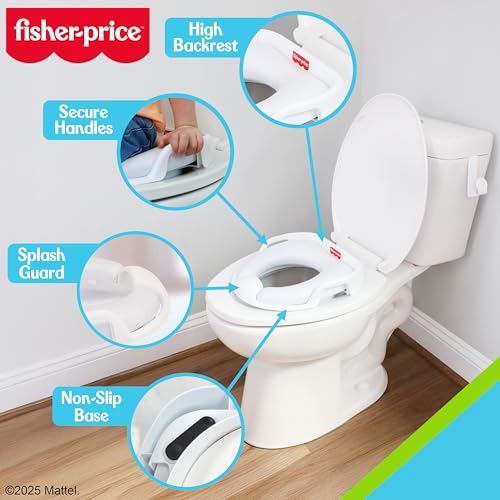
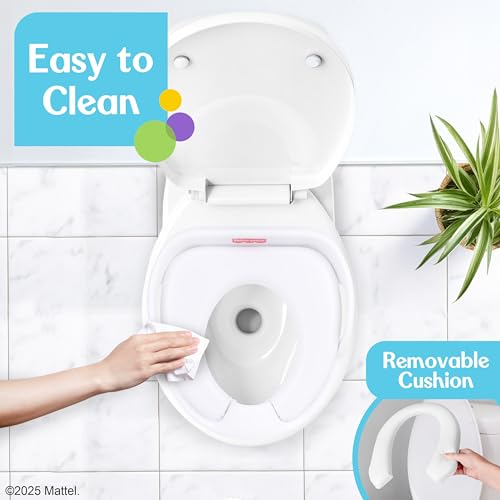
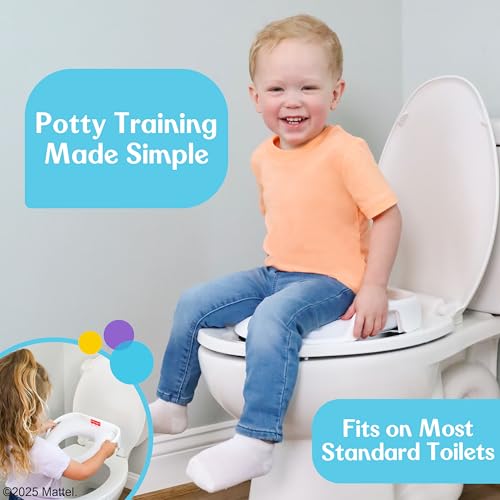
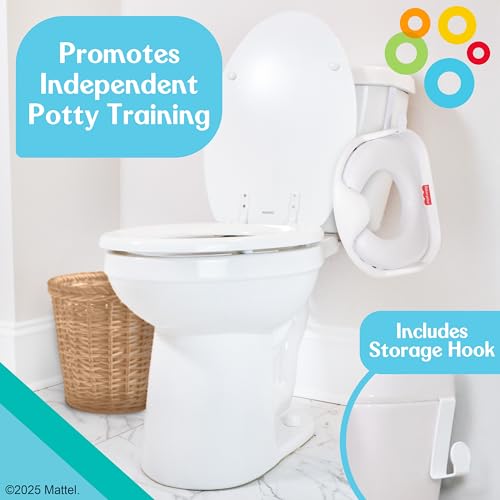
Fisher-Price™ Ready & Steady Potty Seat – Deluxe Soft Padded Potty Ring with Handles, Splash Guard, and Storage Hook for Toddlers Potty Training, White
- Soft, padded seat with high backrest and armrests provides maximum comfort and support to help your toddler fe
- Built-in handles and non-slip grips ensure stability, boosting your child’s confidence during potty training.
- Contoured splash guard and removable cushion minimize messes and make cleaning quick and easy for parents.
5. Emotional Readiness: Willingness and a Desire for Independence
Even when all four physical signs are present, training stalls if your toddler isn't emotionally on board. Emotional readiness means your child wants to do this — not because you've asked, but because they're drawn toward the independence and "big kid" identity that comes with it.
This is also the sign most sensitive to timing. Toddlers going through other major transitions — a new sibling, a house move, starting nursery — often regress or resist, even if they were previously progressing well. The AAP recommends pausing training during periods of significant family stress or change.
Signs of emotional readiness
Children who show resistance to toilet training should not be forced. Coercive toilet training practices are associated with dysfunctional voiding and stool withholding.
— NICE Clinical Knowledge Summary: Constipation in Children (2023)

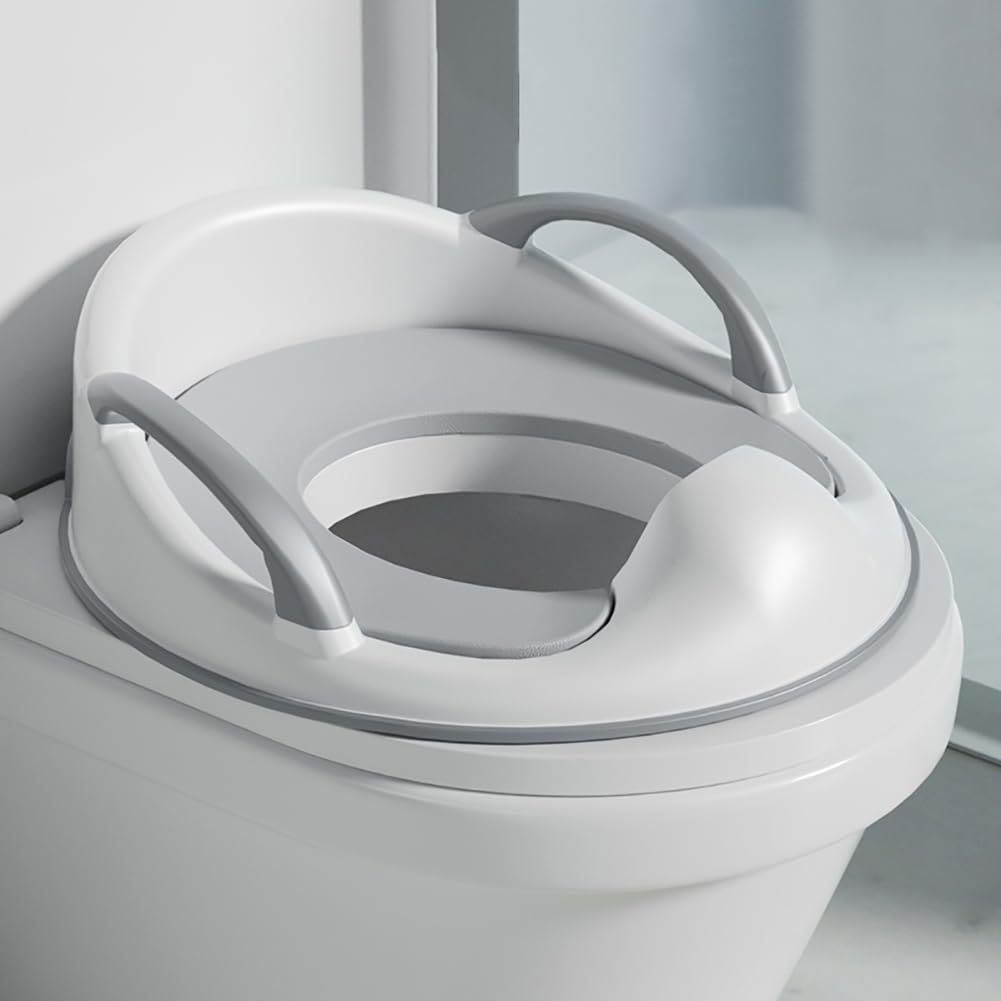

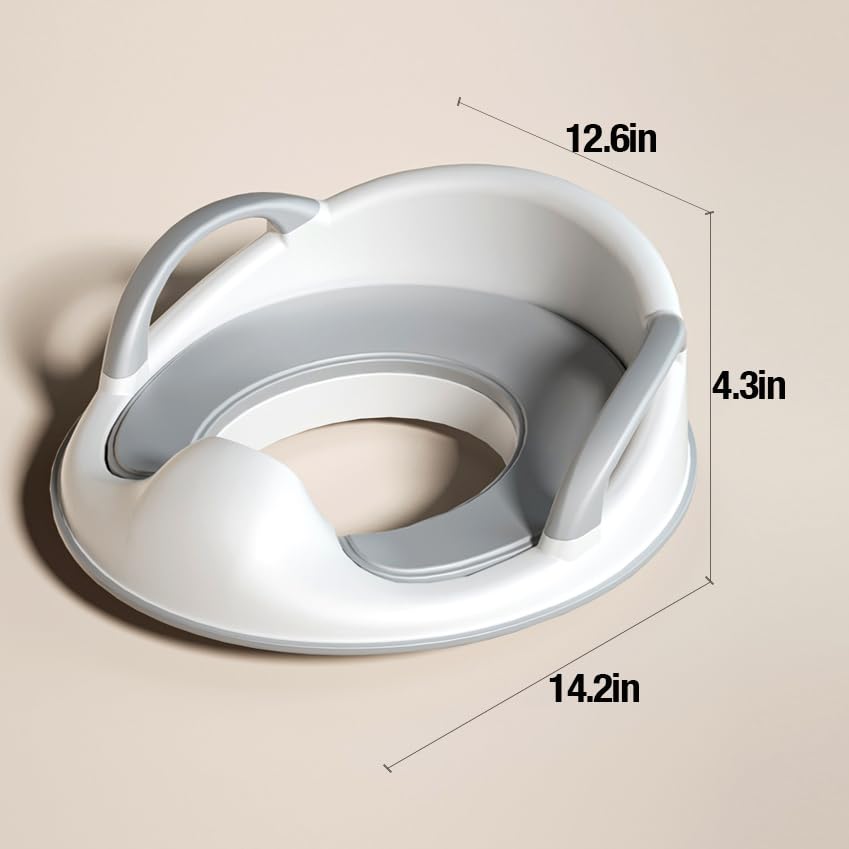
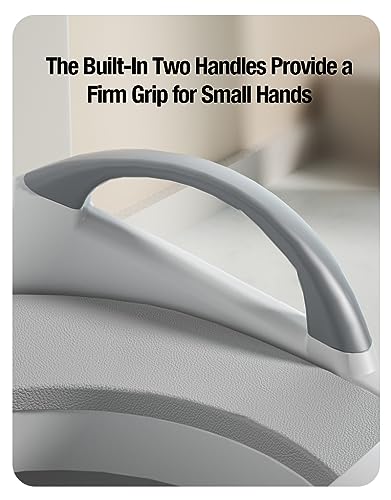
PandaEar Baby Toddler Potty Training Toilet Seat for Boys and Girls with Handles| Child Kids Potty Seat Toilet Seat Attachment| Safe Urine Guard Non-Slip Rubber Rim| Fits Round & Oval Toilets
- [ 100% SAFE ]-Like you, we're committed to baby safety and have made it our number one priority. PandaEar's to
- [ 100% DURABLE ]- Our potty training seat is made of high-quality extra durable plastics; we only use environm
- [ 100% EASY TO USE ]- PandaEar's toilet seat for kids is easy for your little kid to use and it‘s easy to inst
Potty Training Seat Comparison: Which Option Fits Your Toddler's Stage?
| Seat Type | Best Readiness Stage | Key Benefit | Main Drawback | Recommended Product | Price Range |
|---|---|---|---|---|---|
| Basic insert seat | Signs 1–3 present | Lightweight, easy intro to the toilet | No handles for grip | Munchkin Sturdy Potty Seat | $9–10 |
| Insert seat with handles | Signs 3–5 present | Grip + splash guard builds confidence | Slightly bulkier to store | Jool Baby Potty Seat (Aqua) | $24–25 |
| Padded insert with backrest | Sensory-sensitive toddlers | Soft, secure, high comfort | Cushion requires more cleaning | Fisher-Price Ready & Steady Seat | $14–15 |
| Character/licensed seat | Emotionally hesitant toddlers | Familiar character reduces anxiety | Character appeal fades quickly | Bluey Soft Potty Seat | $12–13 |
| Lightweight travel insert | Active training phase | Portable, fits any toilet away from home | Minimal padding | PandaEar Potty Seat | $19–20 |
| Neutral design with handles | Long-term daily use | Durable, gender-neutral, easy storage | Less novelty appeal | Jool Baby Potty Seat (Gray) | $24–25 |
Expert Insights on Potty Training Readiness
You've Got This
Potty training is one of those milestones that feels enormous in the middle of it and, looking back, remarkably brief. The parents who report the smoothest experiences almost universally say the same thing: they waited for their child to show the signs, then followed their child's lead.
Your toddler will get there. Their brain and body are working toward this every day, even when it doesn't look like it. Your job isn't to make it happen — it's to notice when they're ready and make the environment as supportive and low-pressure as possible.
The most important thing you can give your toddler during potty training isn't the perfect seat or the ideal schedule — it's the quiet confidence that you believe they can do it.
Save this guide for when the signs start appearing, share it with your co-parent or caregiver, and come back to the FAQ when the inevitable bumps arrive. You've already done the hardest part: you're paying attention.
Sources & References
- American Academy of Pediatrics. "Toilet Training." HealthyChildren.org, 2023. https://www.healthychildren.org/English/ages-stages/toddler/toilet-training/Pages/default.aspx
- American Academy of Pediatrics. "Toilet Training Guidelines: Parents — The Role of the Parents in Toilet Training." Pediatrics, 1999 (reaffirmed 2016). https://doi.org/10.1542/peds.103.6.1362
- National Institute for Health and Care Excellence (NICE). "Constipation in Children: Clinical Knowledge Summary." NICE, 2023. https://cks.nice.org.uk/topics/constipation-in-children/
- Royal College of Paediatrics and Child Health (RCPCH). "Child Development: Toilet Training." RCPCH, 2022. https://www.rcpch.ac.uk/
- Schum, T.R., et al. "Sequential Acquisition of Toilet-Training Skills: A Descriptive Study of Gender and Age Differences in Normal Children." Pediatrics, 2002. https://doi.org/10.1542/peds.109.3.e48
- World Health Organization. "Child Growth and Development." WHO, 2023. https://www.who.int/health-topics/child-growth
Frequently Asked Questions
What is the average age to start potty training?
What if my toddler shows interest but then refuses to sit on the potty?
Should I use a standalone potty or a toilet insert seat?
How do I handle potty training regression?
Is nighttime dryness part of the same process as daytime training?
My toddler is 3 and still shows no interest. Should I be worried?
Do boys really train later than girls?
Was this helpful?
Thanks — your feedback helps us pick what to write next.