Best Convertible Car Seats 2026: Newborn to Toddler Rankings
The best convertible and booster car seats in 2026 grow with your child from birth through the booster years, saving you hundreds of dollars and multiple stressful transitions while meeting the latest safety standards.
In this article
Here's a number that tends to land hard in my clinic: according to the National Highway Traffic Safety Administration (NHTSA), families typically spend between $800 and $1,200 on car seats from birth through age 10, cycling through four to six separate seats. And the most common reason parents switch too early? Frustration. The current seat doesn't fit the car, doesn't adjust easily, or just feels like it was made for a different child.
The good news is the 2026 market has genuinely good answers to all of that. Convertible and combination seats have matured into thoughtful, long lasting pieces of kit that can carry one child from 4 pounds as a newborn all the way to 120 pounds as a big kid.
In this guide you'll understand:
1. Convertible, Combination, or All-in-One: Which Seat Type Actually Fits Your Life?
The single most confusing thing about shopping for a car seat is the terminology, so let's sort it out before anything else.
True convertible seats start rear facing (typically from around 4 to 5 pounds for newborns) and convert to a forward facing harness when your child is ready. Most cover roughly 5 to 65 pounds across both modes. They are ideal if you are starting from birth and want one seat through the preschool years.
Combination seats (sometimes called harness boosters) skip the rear facing stage entirely. They begin forward facing with a 5-point harness and then convert to a belt positioning booster, usually covering 22 to 100 or more pounds. If you already have an infant seat and are looking for what comes next, a combination seat is often the most cost effective answer.
All-in-one (4-in-1) seats are the widest spanning option. They cover rear facing, forward facing harness, high back booster, and backless booster modes, with some seats reaching up to 120 pounds in the final stage. The trade-off is that these seats tend to be slightly bulkier and heavier than a dedicated infant seat.
Which type is right for your toddler right now?
If your child is between 1 and 3, they are almost certainly still in the rear facing harness mode, and the goal is to keep them there as long as the seat's weight and height limits allow. The AAP dropped its previous "at least age 2" guidance and now simply says: keep your child rear facing until they reach the top weight or height limit of their seat. That is when you move them forward, not before.
2. What the 2026 Safety Standards Actually Changed
Not all safety labelling is equal, and 2026 brought meaningful updates worth understanding.
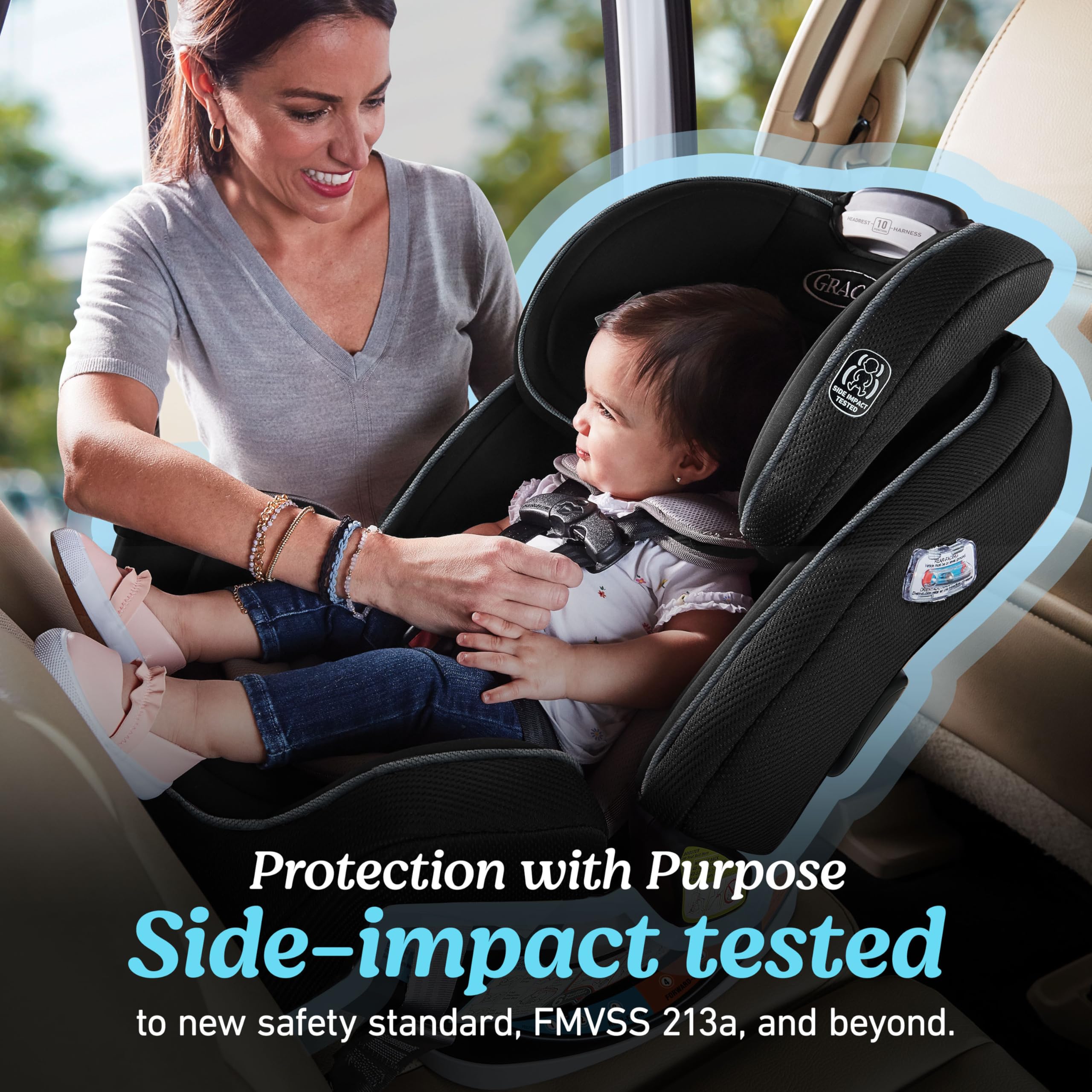
The headline change is the updated Federal Motor Vehicle Safety Standard (FMVSS) 213, which now mandates more rigorous side impact testing across all car seat categories. Previously, side impact tests were voluntary for manufacturers. Now they are required. What this means practically: seats certified in 2025 or 2026 have been put through crash simulations that mirror real world accidents far more accurately than older standards.
Several seats in our rankings explicitly carry this certification, including the Joie Saffron SI and the Joie Rue infant seat, both certified to the newest side impact standards.
Beyond crash testing, look for:
3. Our Top Picks Ranked: The Best Long-Lasting Seats of 2026
These are the seats I would (and do) recommend to parents in clinic. They are ranked by overall value, longevity, and how forgiving they are to install and adjust in daily use.
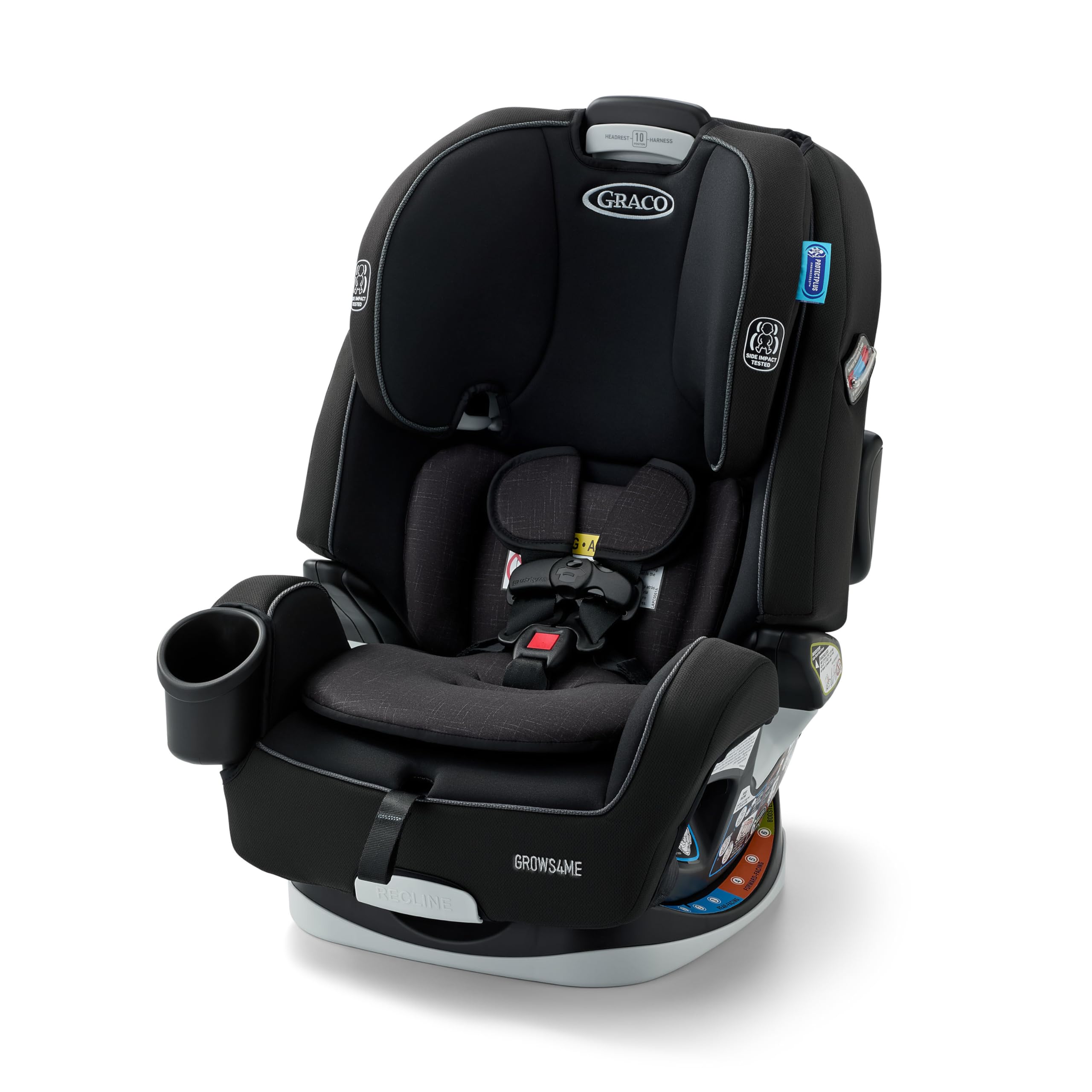
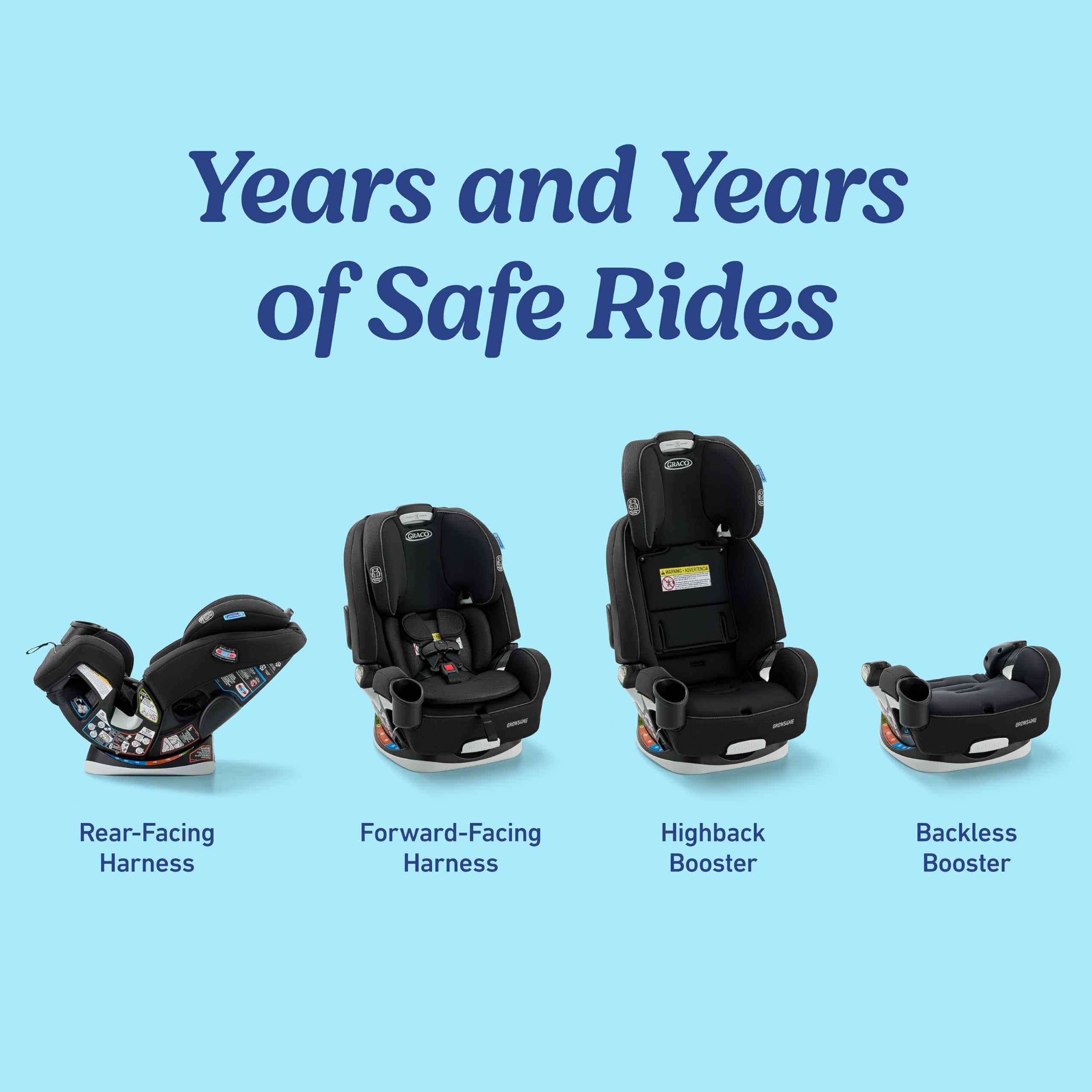
Graco Grows4Me 4-in-1 Convertible Car Seat, 10 Years of Use - Infant Car Seat to Toddler, 4 Stages of Use - Rear Facing, Forward Facing, High Back Booster, Backless Booster Seat, West Point Design
- 4-in-1 seat gives you 10 years of use--it seamlessly transforms from rear-facing harness (5-40 lb), to forward
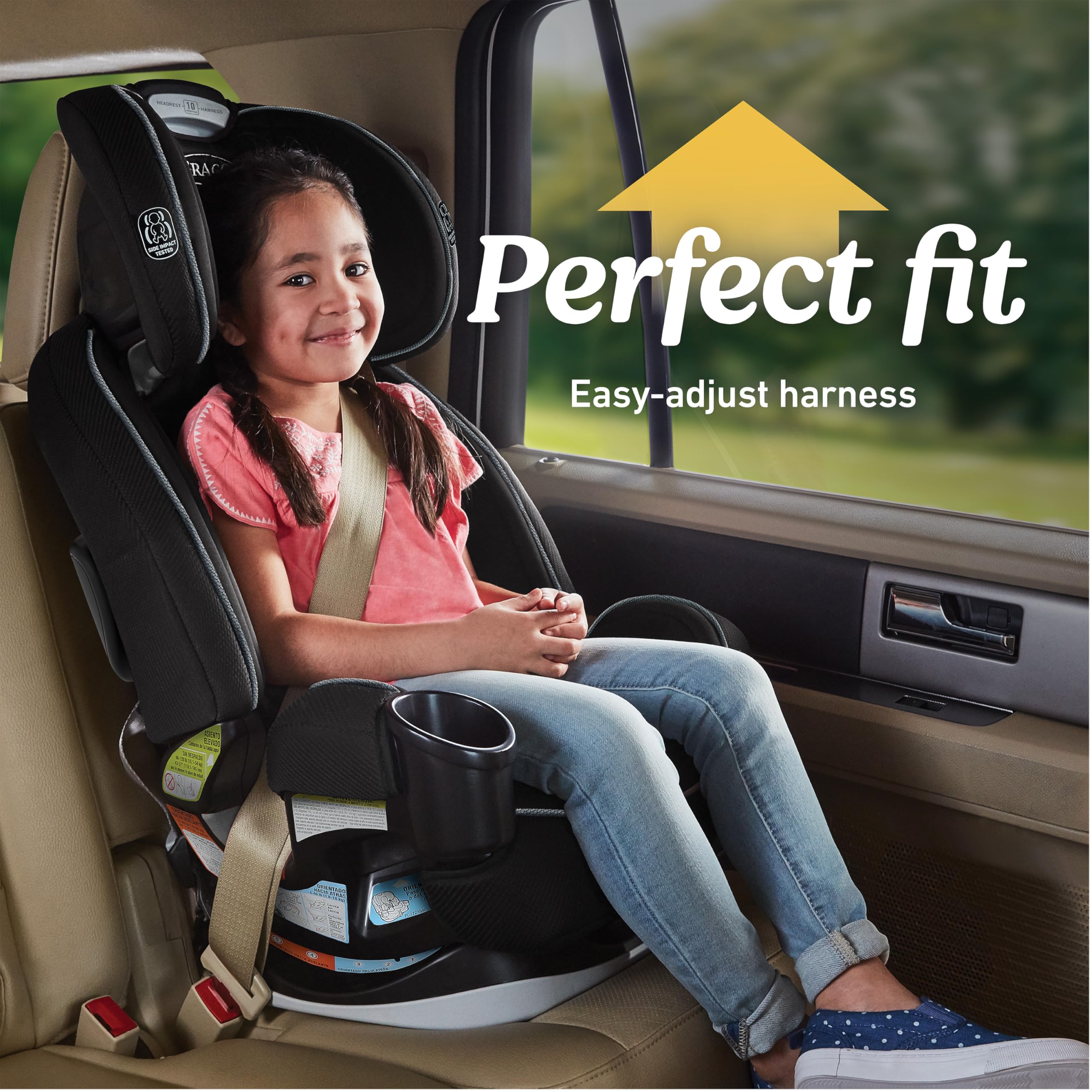
- Simply Safe Adjust Harness System adjusts the height of your harness and headrest, in one motion, to ensure th
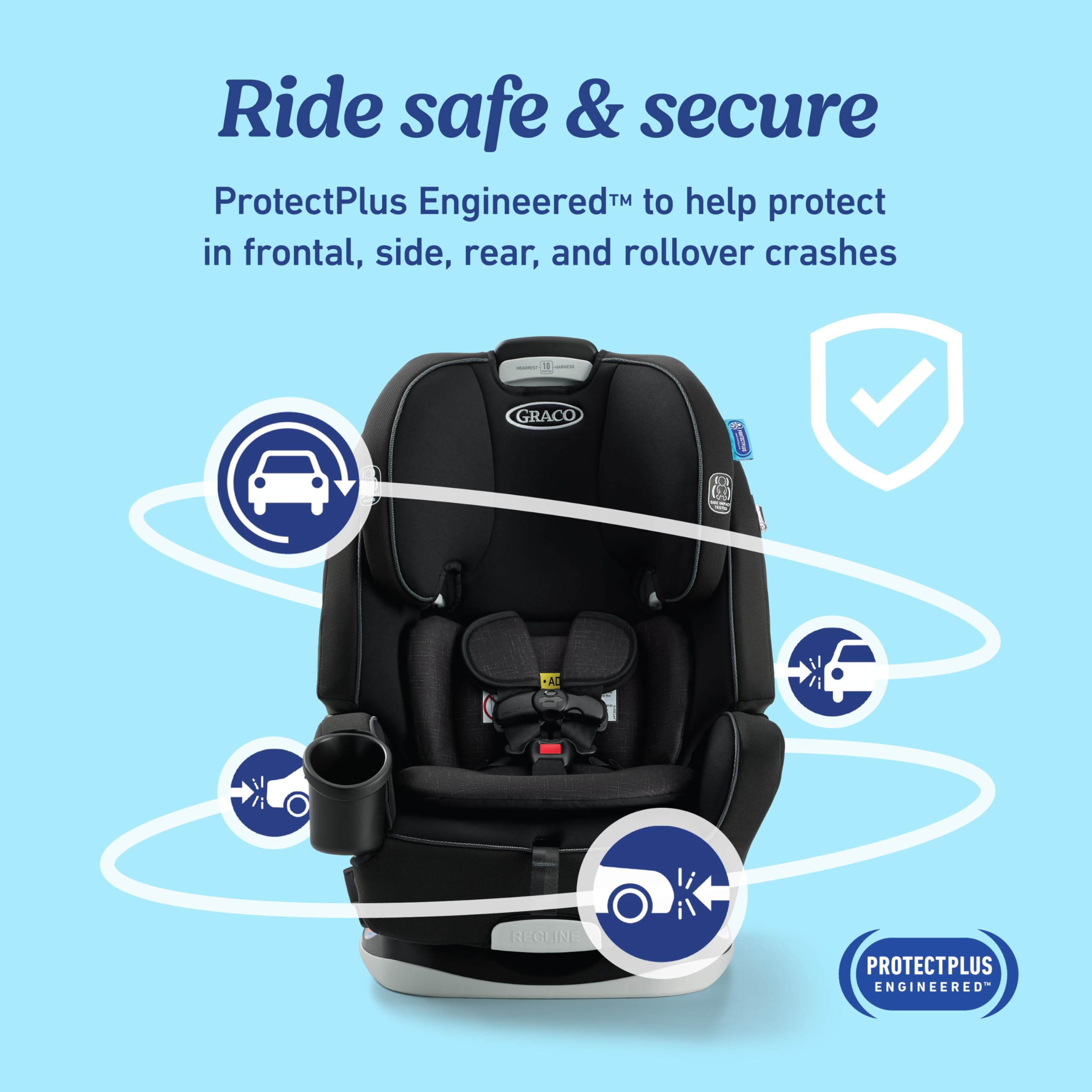
- Graco ProtectPlus Engineered: a combination of the most rigorous crash tests that helps to protect your child
The Graco Grows4Me is the seat I point most parents toward first. A 4.9 star rating from over 5,400 reviewers is not an accident. It covers four full stages: rear facing harness (5 to 40 lb), forward facing harness (26.5 to 65 lb), high back booster (40 to 100 lb), and backless booster (40 to 120 lb). That last mode means one seat can theoretically stay in your car until your child no longer needs a booster at all, typically around age 10 to 12. Graco's ProtectPlus engineering subjects it to frontal, side, rear, and rollover crash testing, which goes beyond the federal minimums. The Simply Safe Adjust system moves the headrest and harness together in a single motion, which sounds minor until you have a wriggling three year old at 7am and you need to get it right quickly.
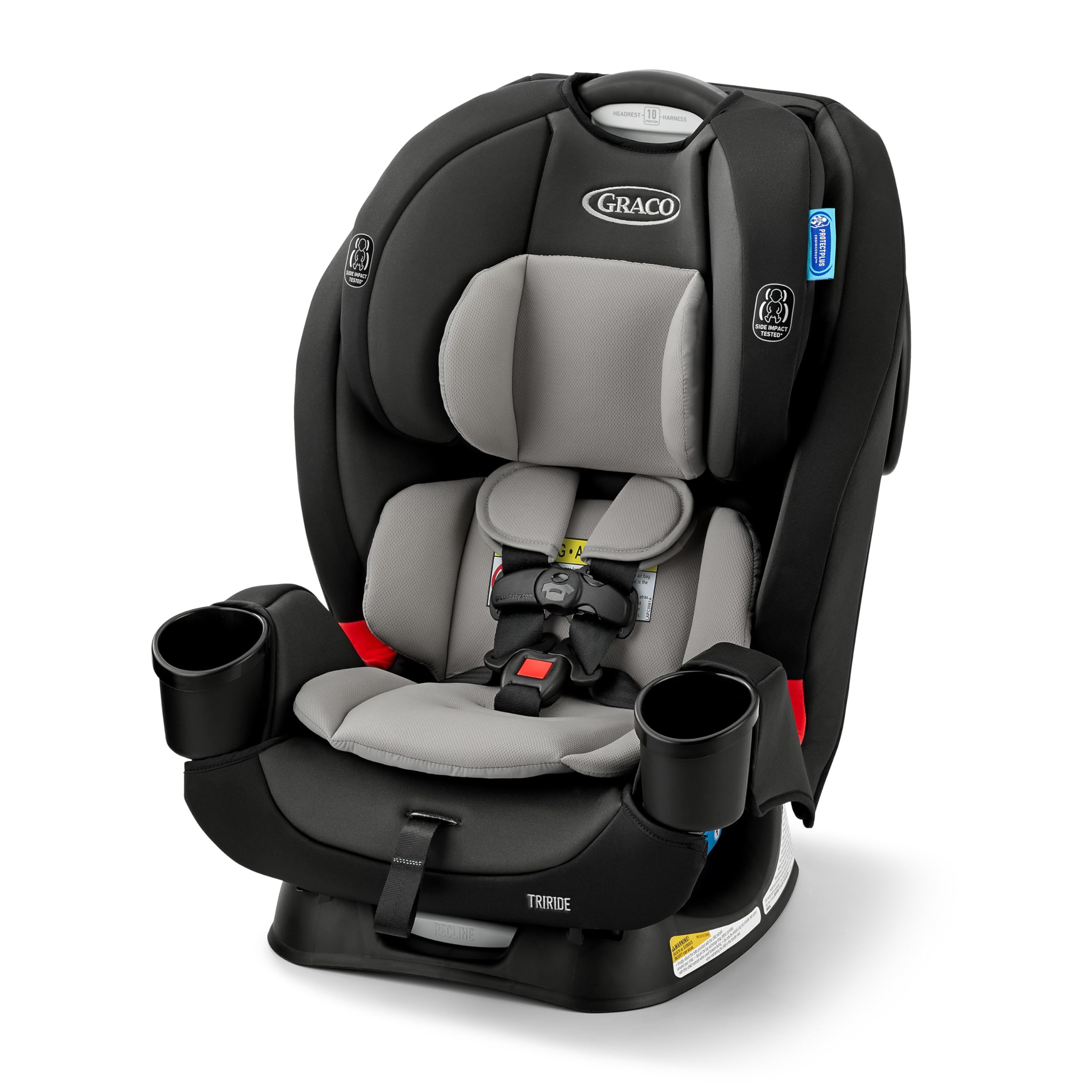
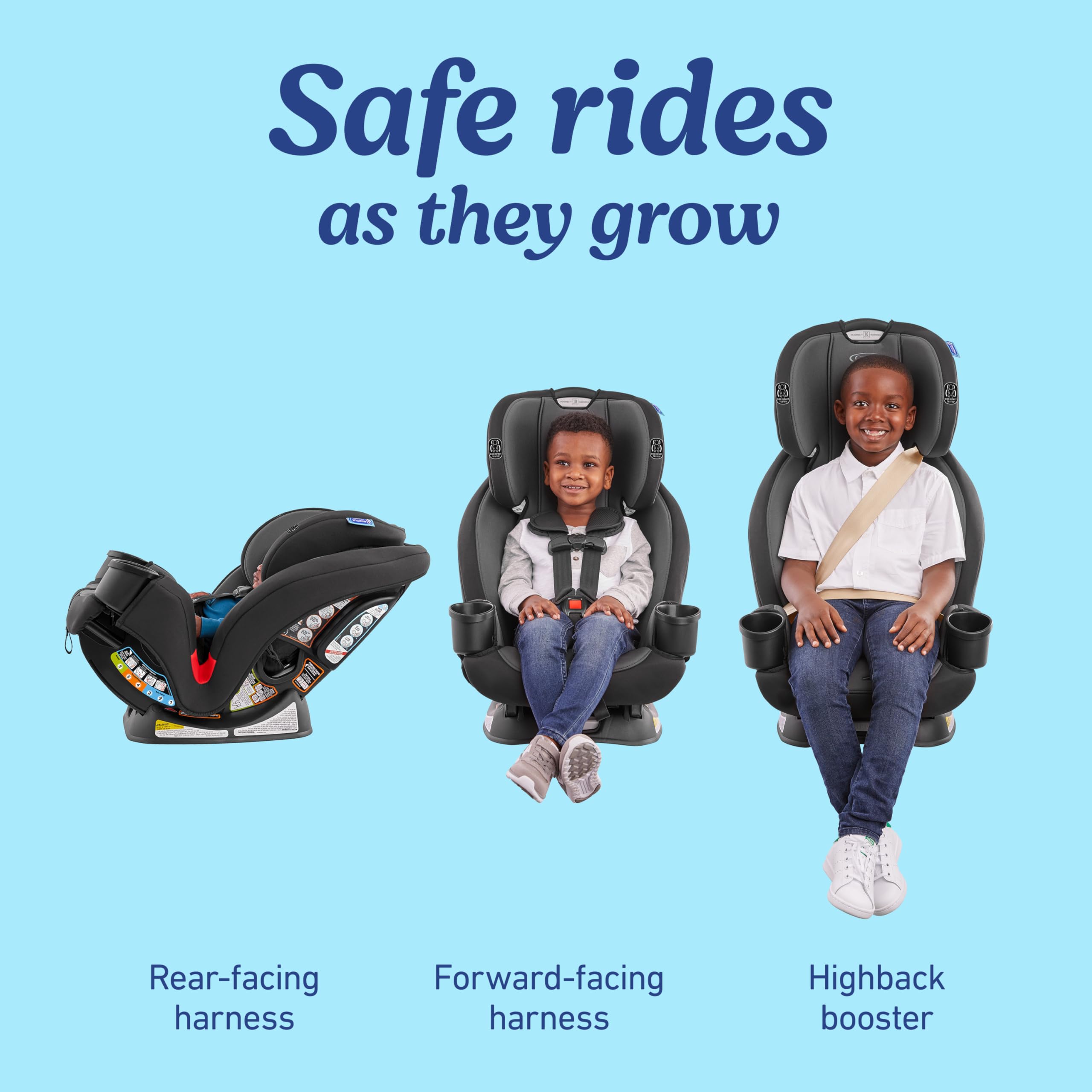
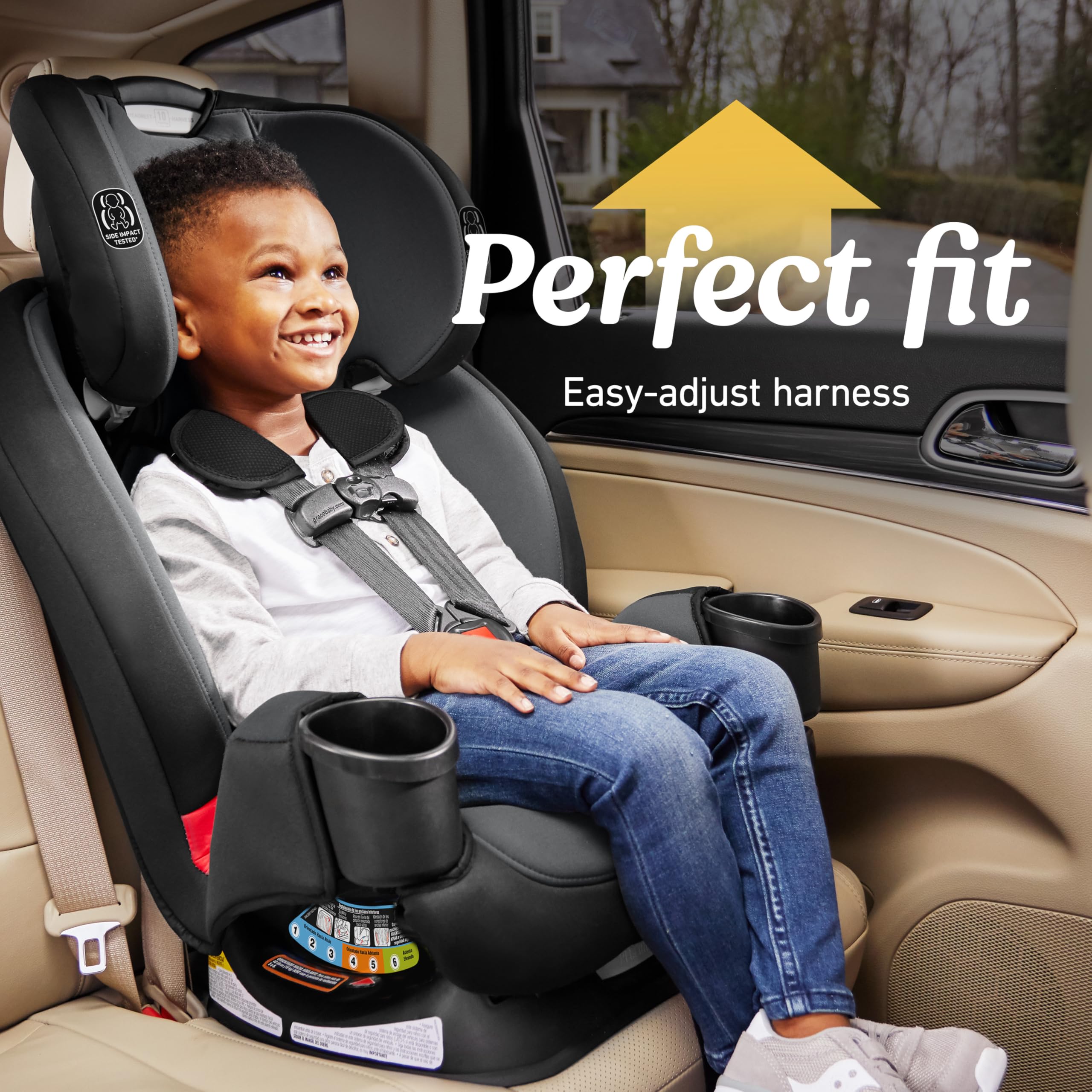
Graco® TriRide 3-in-1 Convertible Car Seat - Highback Booster, Forward & Rear Facing Modes, Suitable from Newborn to Preschooler, Perfect for Long Journeys in Redmond Color
- 3-in-1 car seat grows with your child from rear-facing harness (5-40 lb) to forward-facing harness (26.5-65 lb
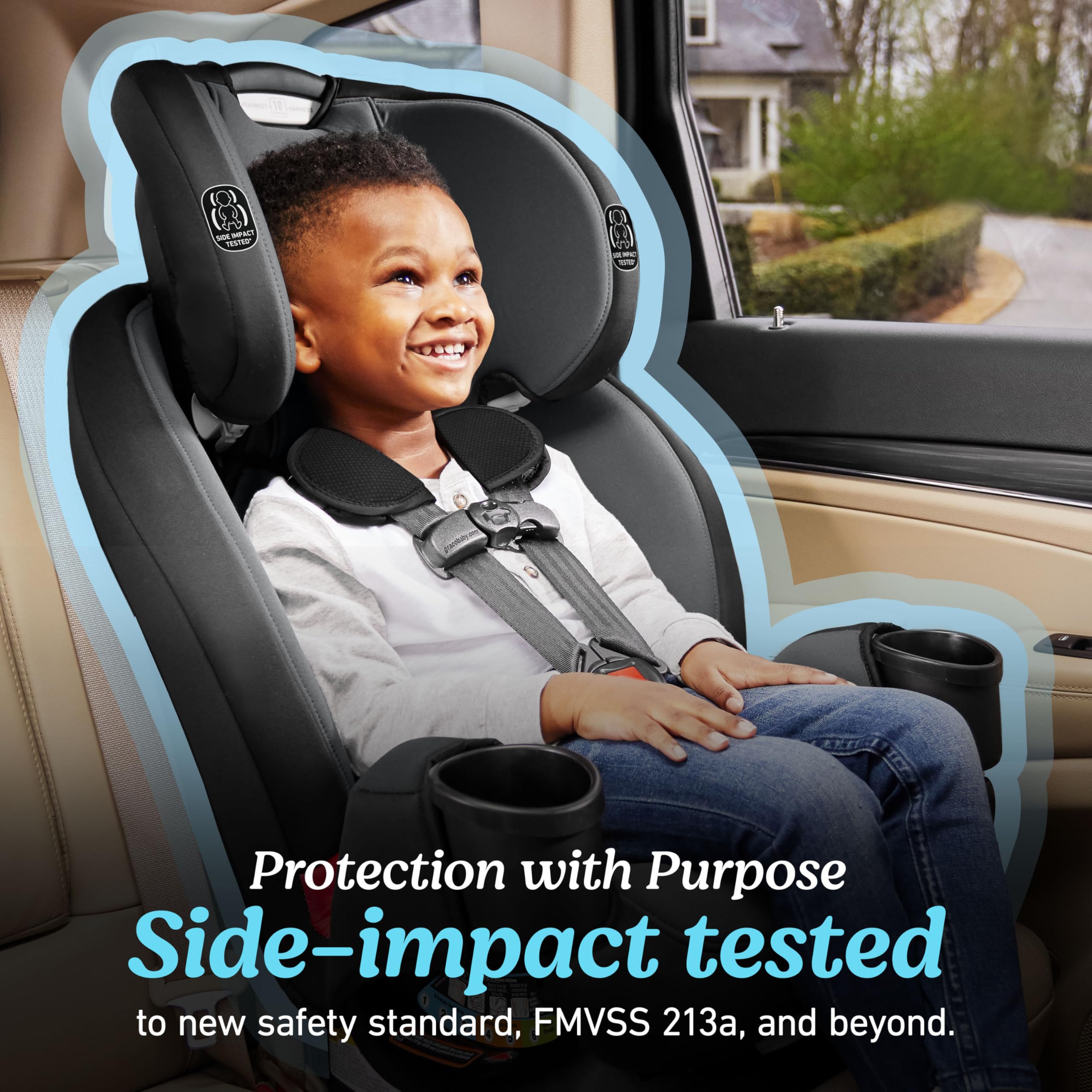
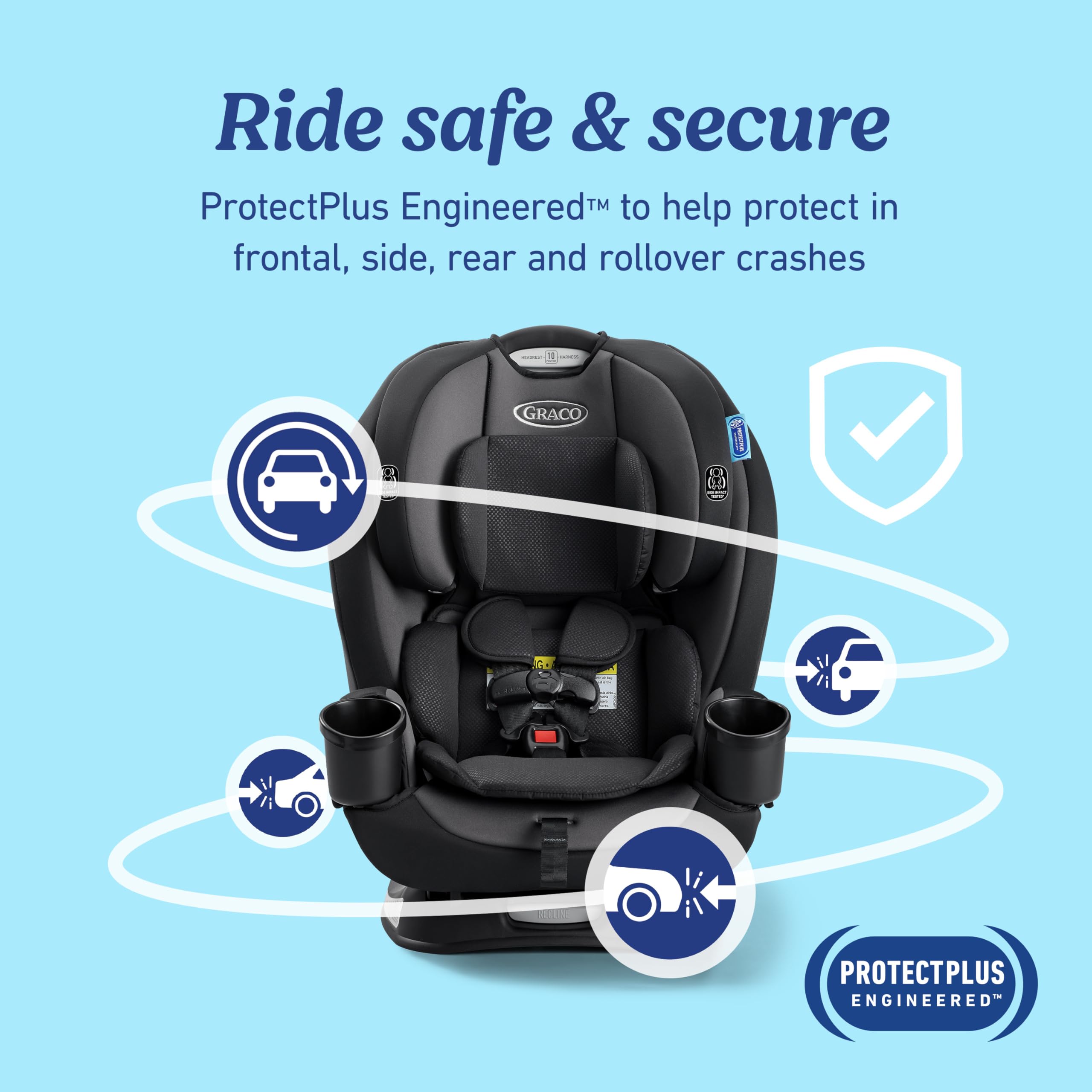
- Graco ProtectPlus Engineered to the newest testing standards for side impact and beyond—because the safety of
- No-Rethread Simply Safe Adjust Harness System allows the headrest and harness to adjust together in one motion
The Graco TriRide 3-in-1 covers three stages (rear facing to 40 lb, forward facing to 65 lb, high back booster to 100 lb) and brings the same ProtectPlus engineering at a slightly lower entry price. With over 8,000 reviews at 4.7 stars it is one of the most widely used seats on the market. The no-rethread harness is a genuine quality-of-life upgrade for toddler parents.


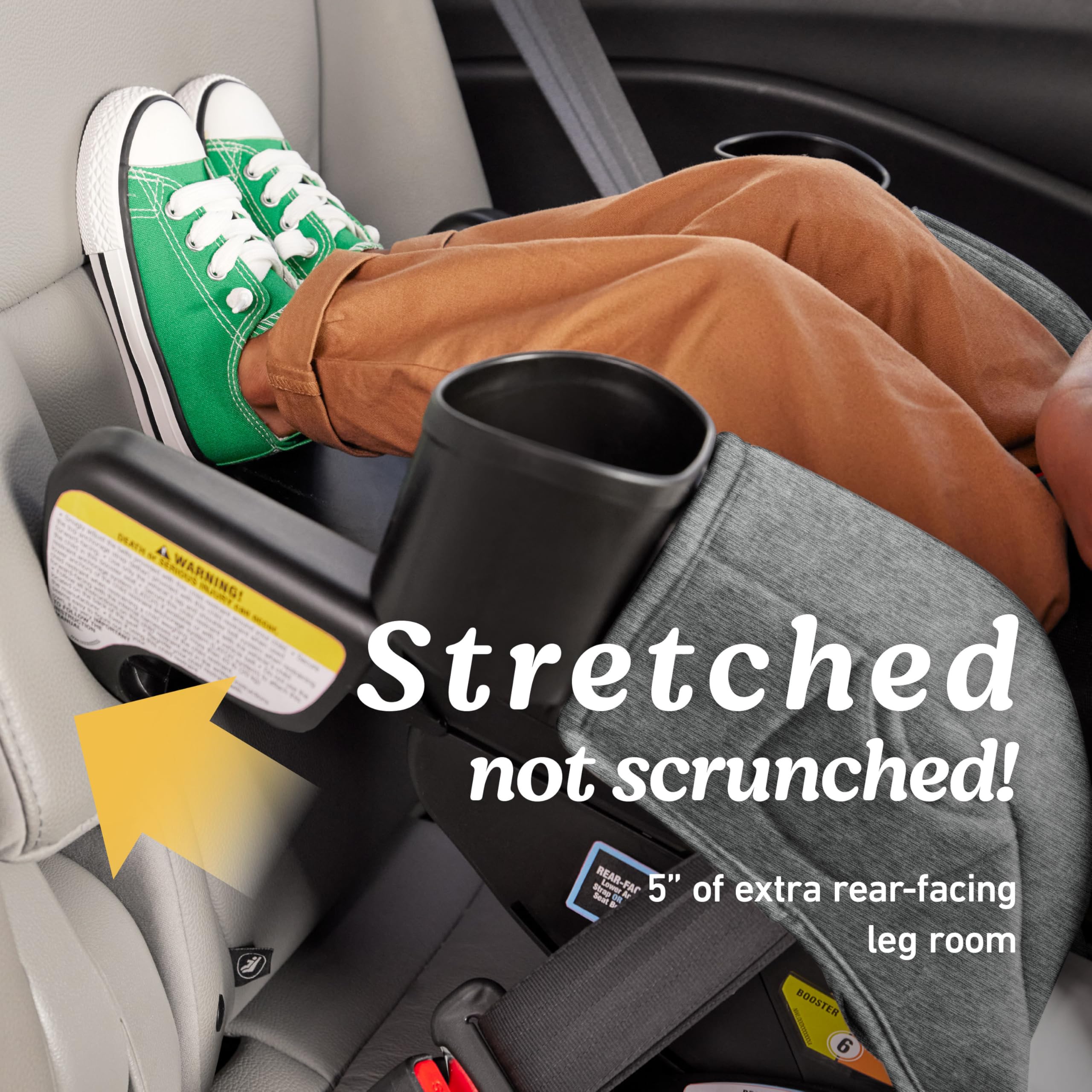

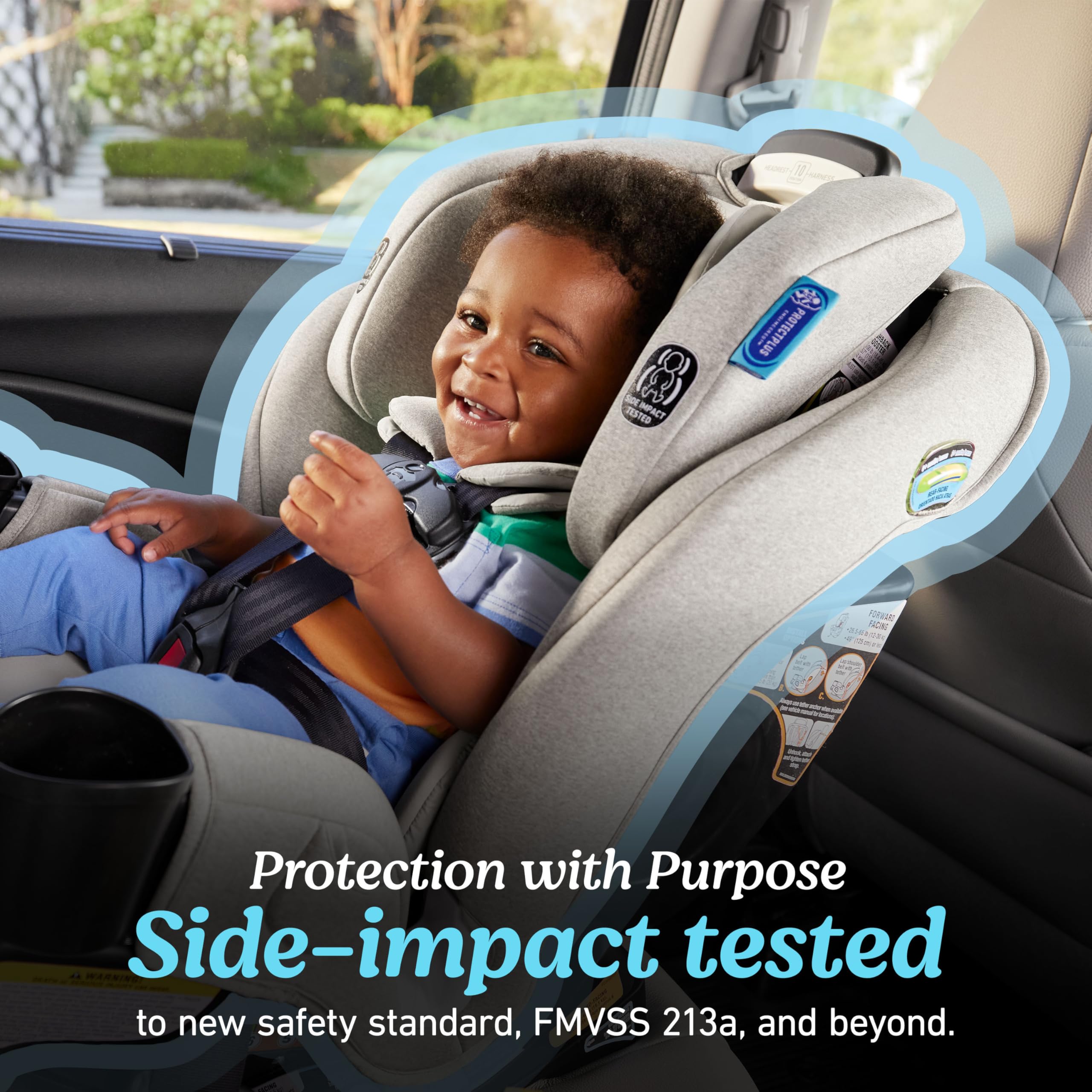
Graco Extend2Fit 3-in-1 Convertible Car Seat, 3 Modes – Rear Facing, Forward Facing Baby Car Seat and Highback Booster Seat, Adjustable Extension Panel for Extra Legroom, Talia
- 3-in-1 car seat grows with your child from rear-facing harness (4-50 lb) to forward-facing harness (26.5-65 lb
- Extend2Fit 4-position adjustable extension panel provides up to 5" additional legroom, allowing your child to
- Up to 50 lb rear-facing, allowing your child to safely ride rear-facing longer
For families who want to maximise rear facing time, the Graco Extend2Fit 3-in-1 is the standout. Its four position adjustable extension panel adds up to 5 inches of legroom, which is the real barrier to keeping most toddlers rear facing. Legroom, not weight, is usually what forces the transition. This seat takes that problem off the table. It rear faces to 50 pounds, which will accommodate most children well past their third birthday.
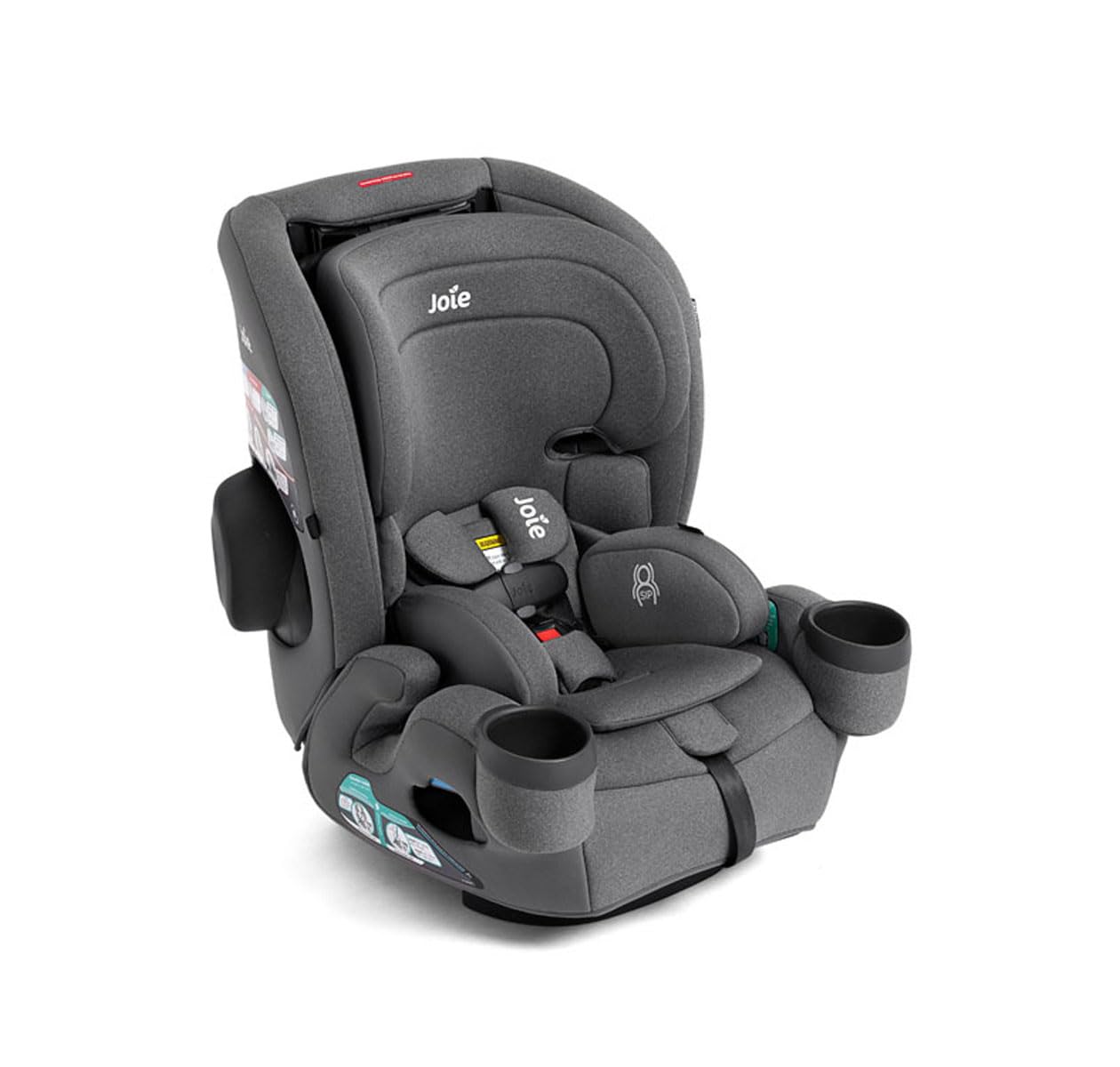
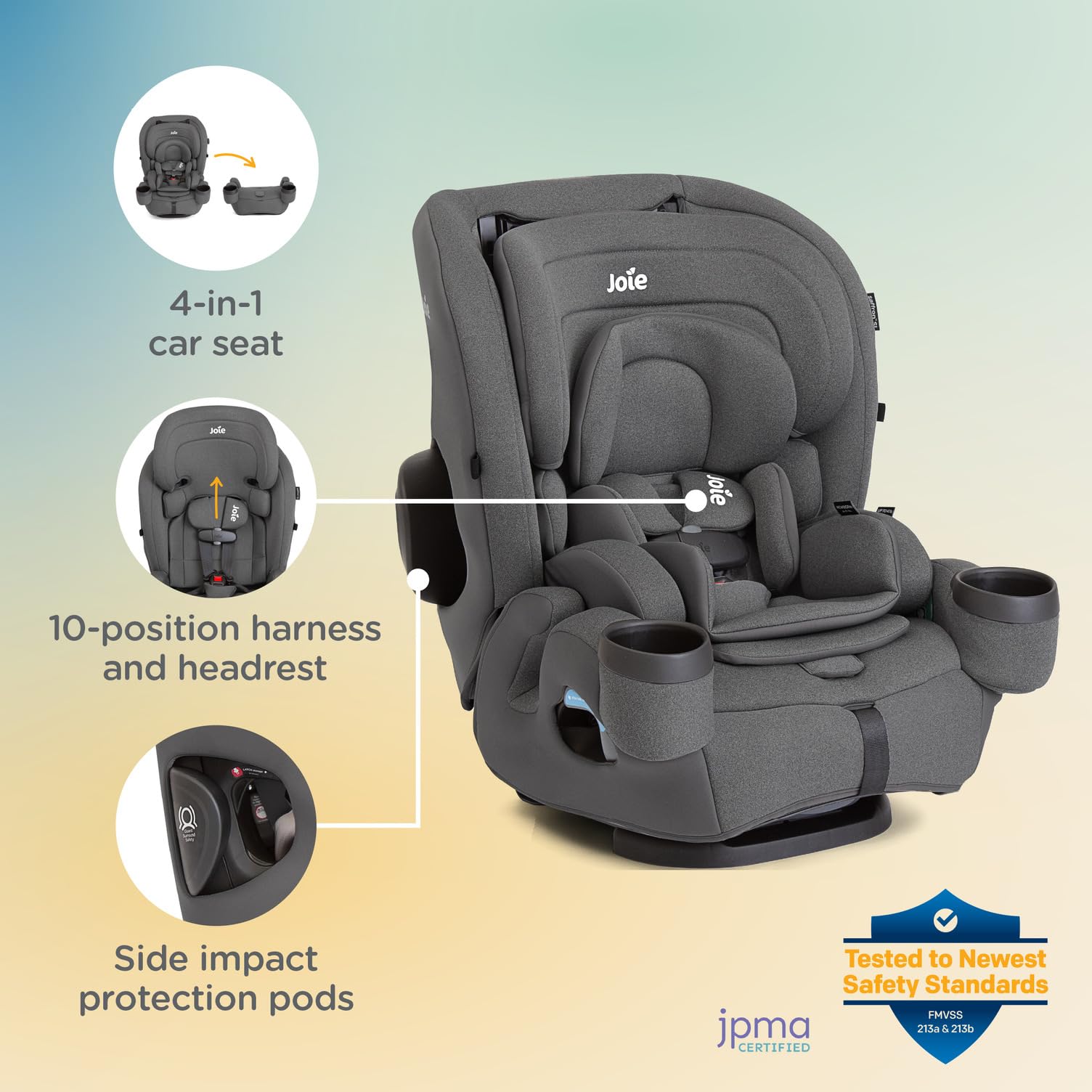
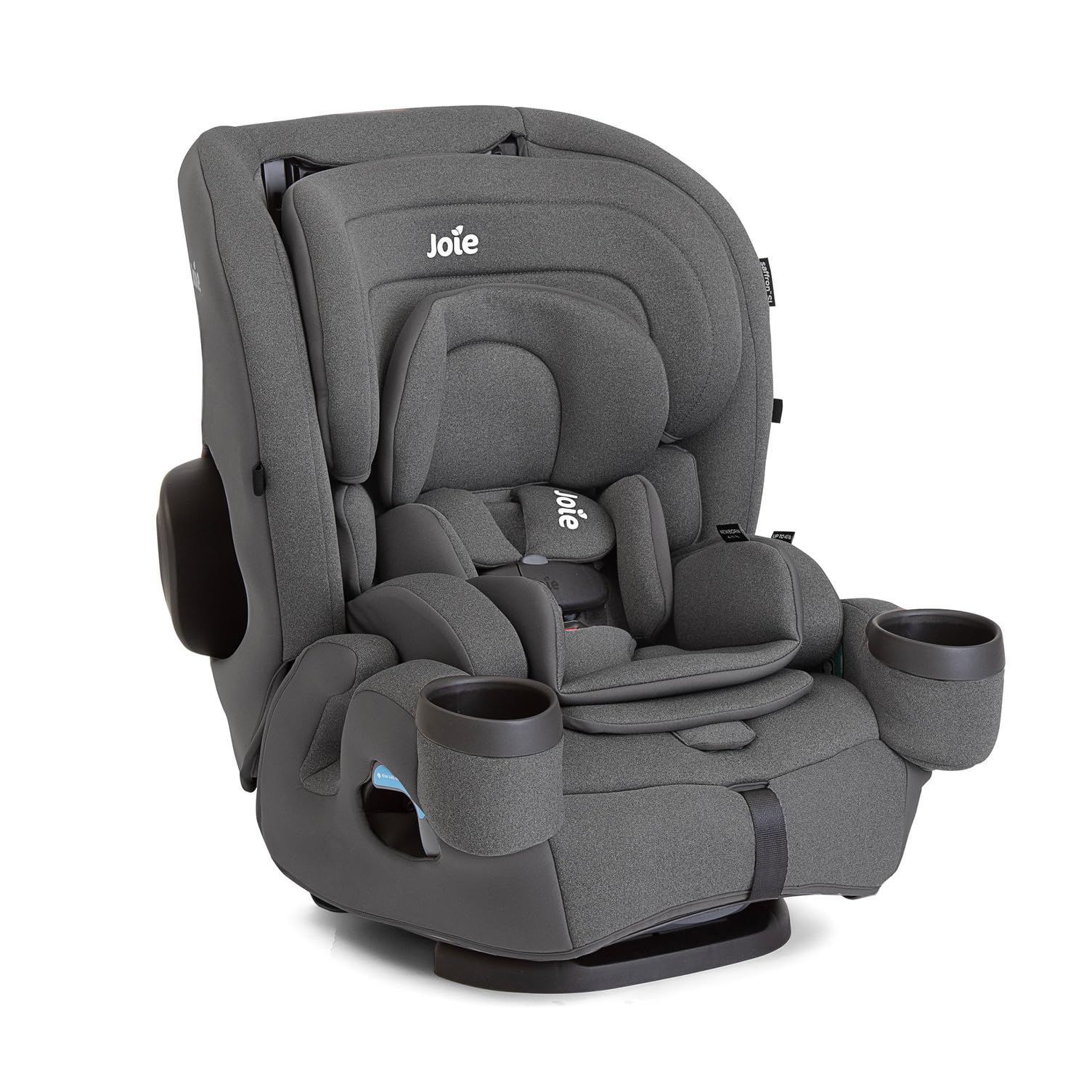
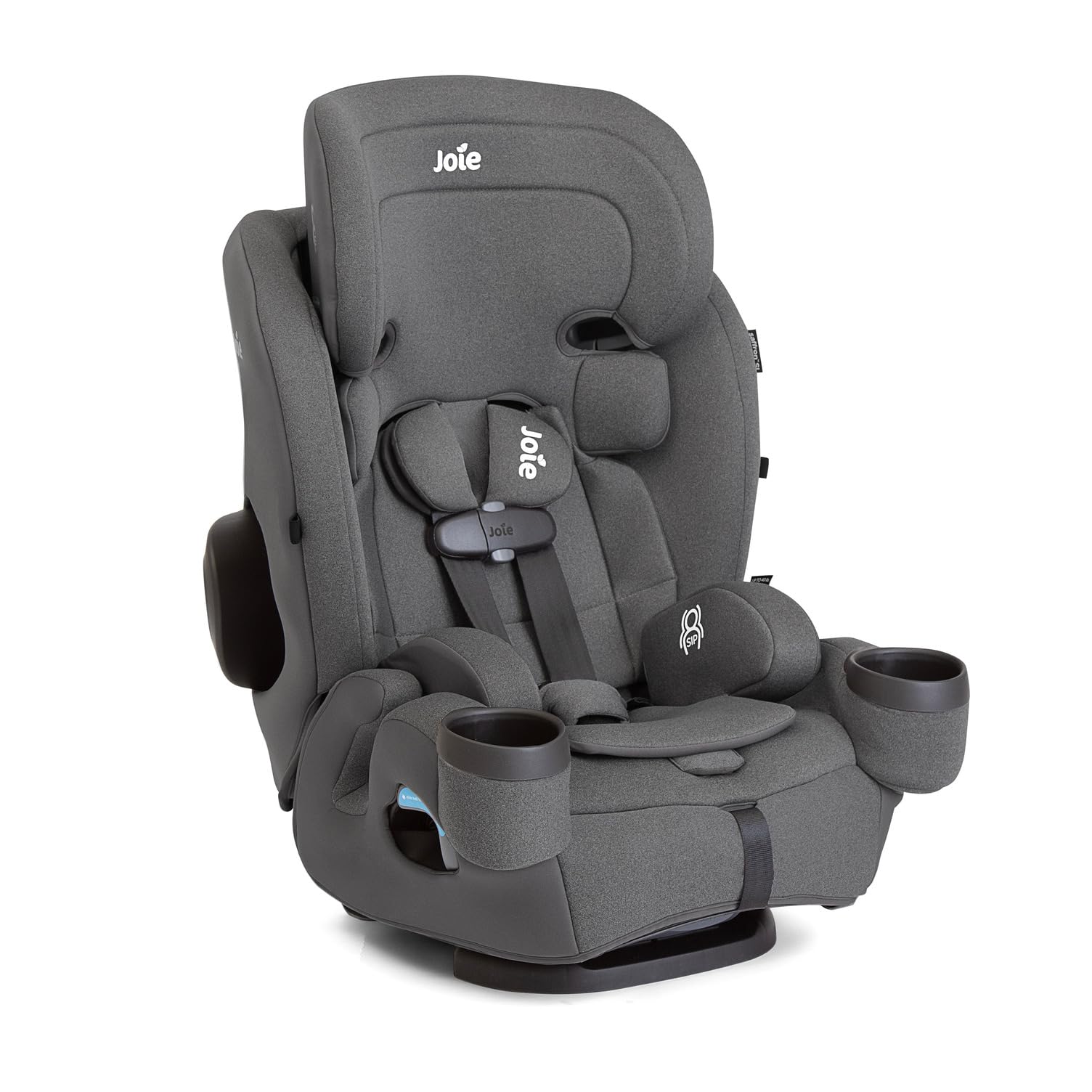
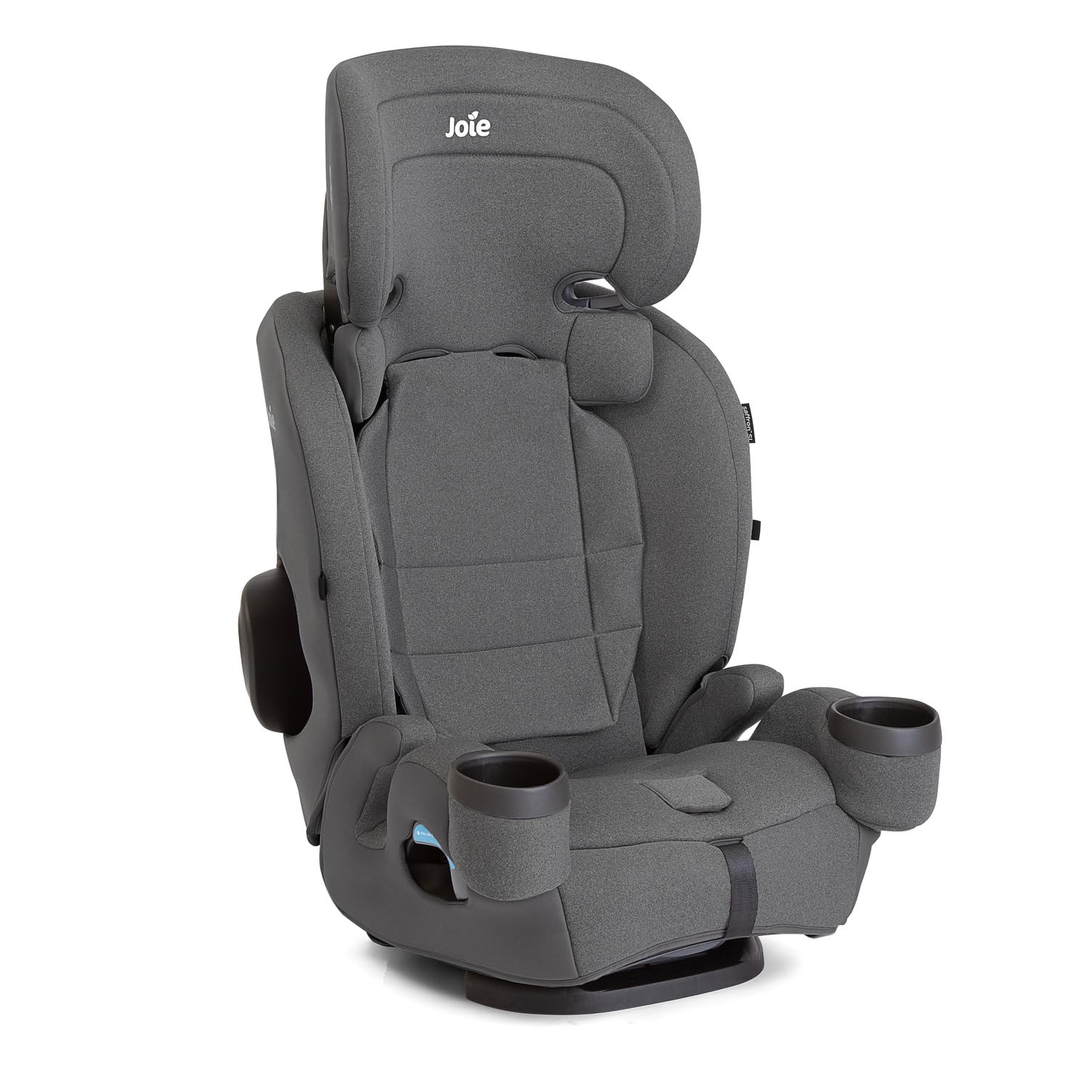
Joie Saffron SI 4-in-1 Car Seat – Car Seat for Infants to Toddlers to Big Kids - 4 Modes, 10-Position No-Rethread Headrest & Harness (Thunder)
- 4-in-1 Car Seat for Long-Term Use: The joie saffron SI 4-in-1 Car Seat grows with your child, transitioning fr
- Tested to the newest safety standards: Certified with the newest side impact protection standards to absorb an
- 10-Position No-Rethread Headrest & Harness: With the GrowTogether no-rethread headrest and harness you can adj
The Joie Saffron SI 4-in-1 is the seat I recommend when parents ask for something certified to the absolute newest standards. It covers the same four stage journey (4 to 40 lb rear facing, 30 to 65 lb forward facing, 40 to 100 lb high back booster, 40 to 120 lb backless booster) and the 10-position no-rethread GrowTogether headrest and harness adjust with one hand. For parents juggling a baby on one hip while clicking in a toddler, that matters.
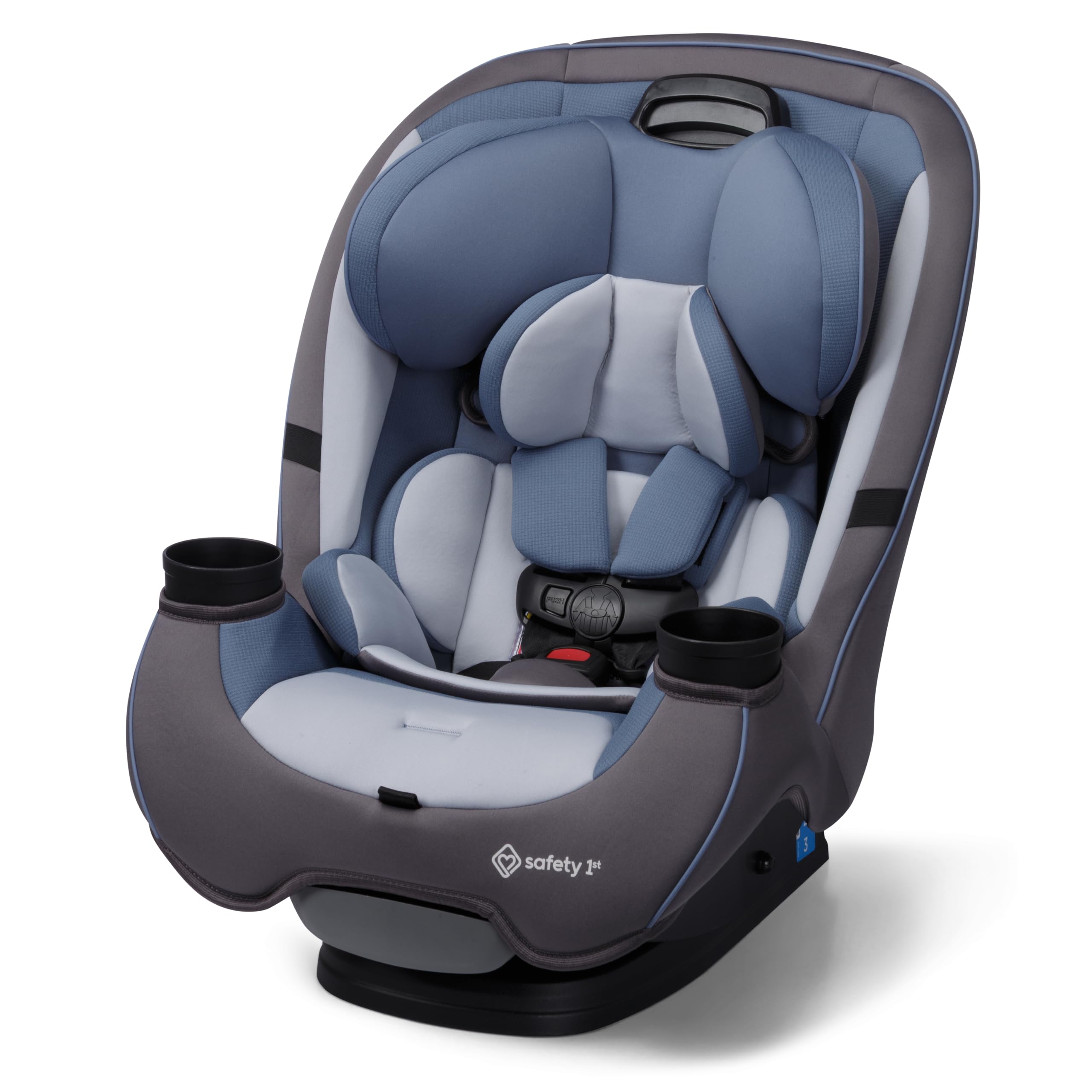
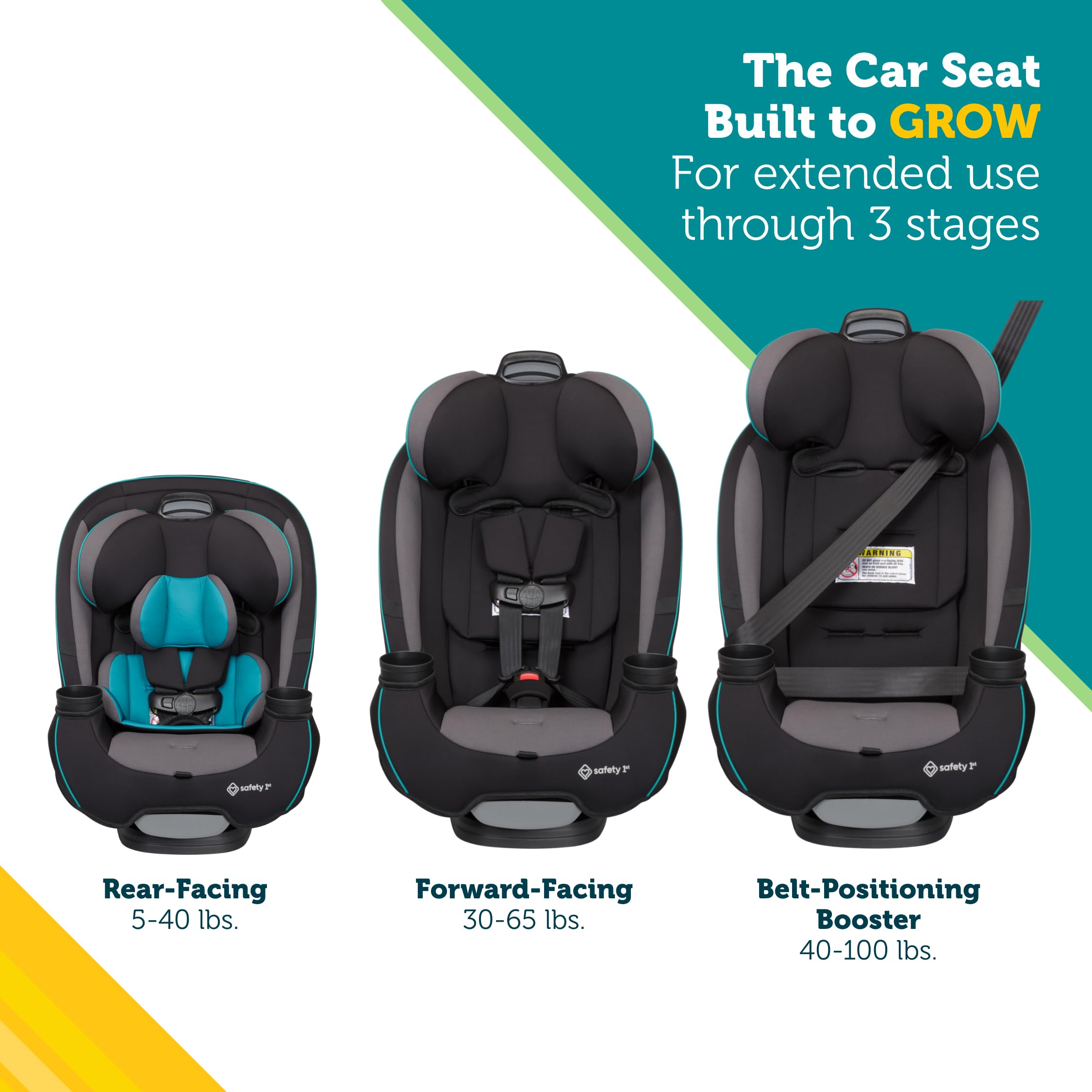
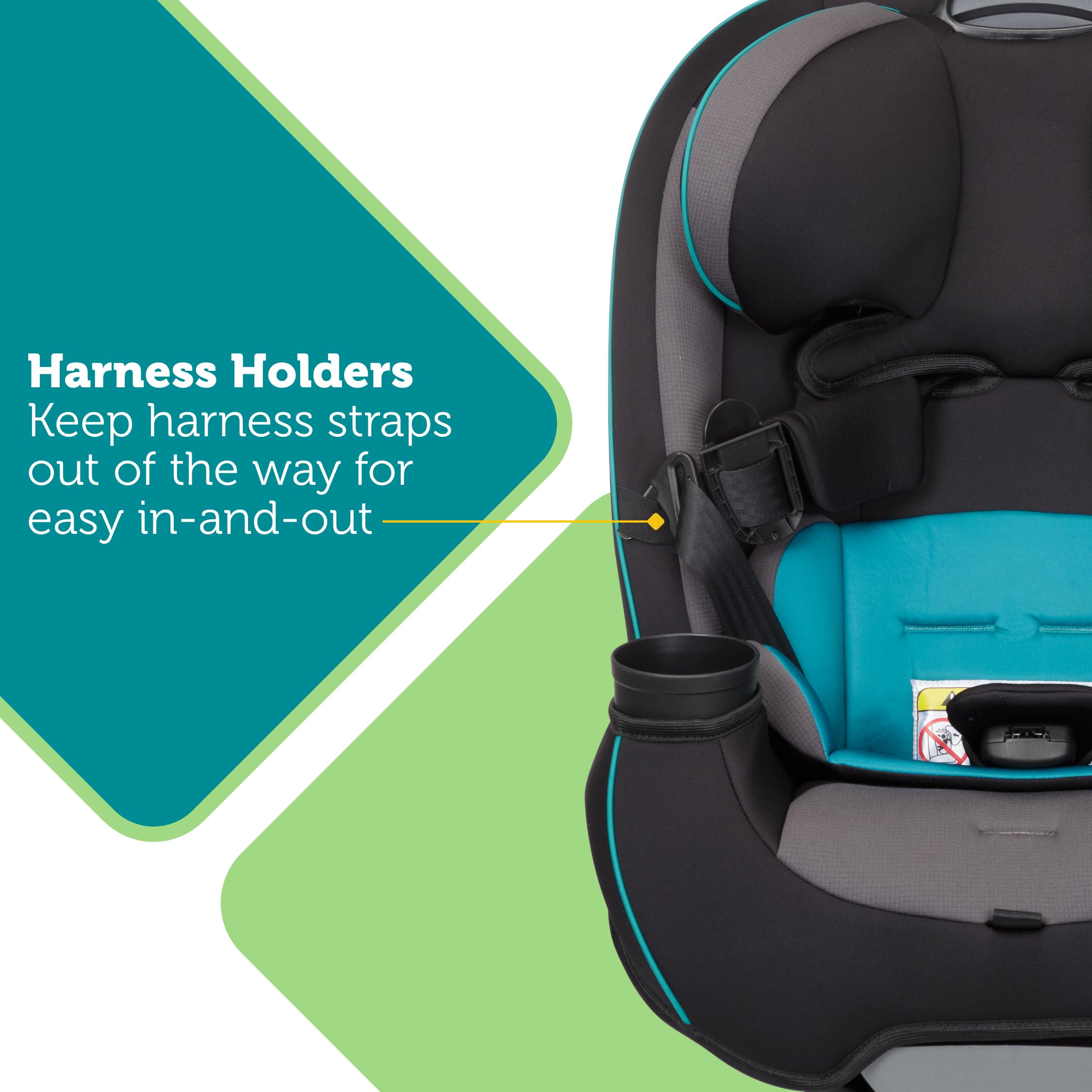
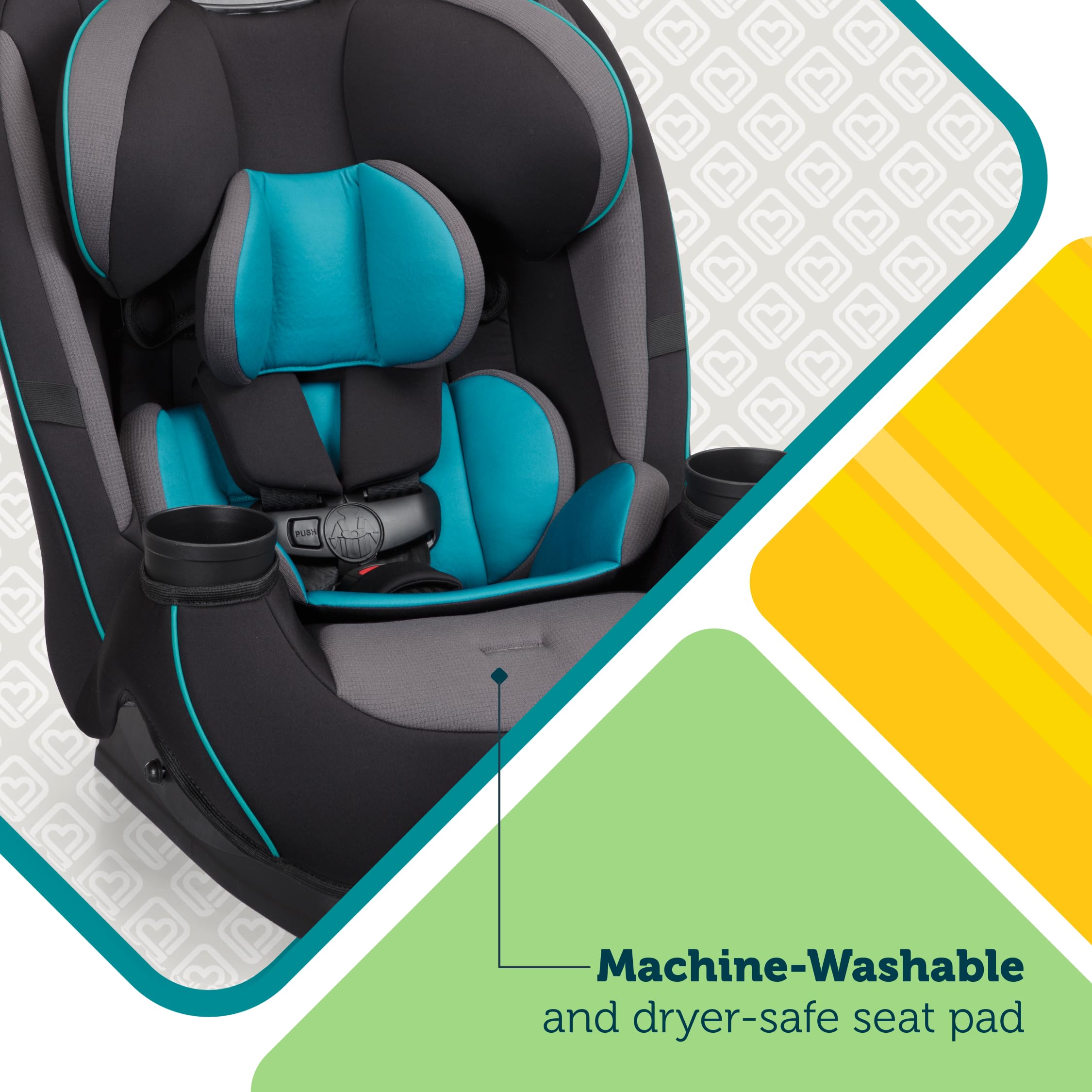
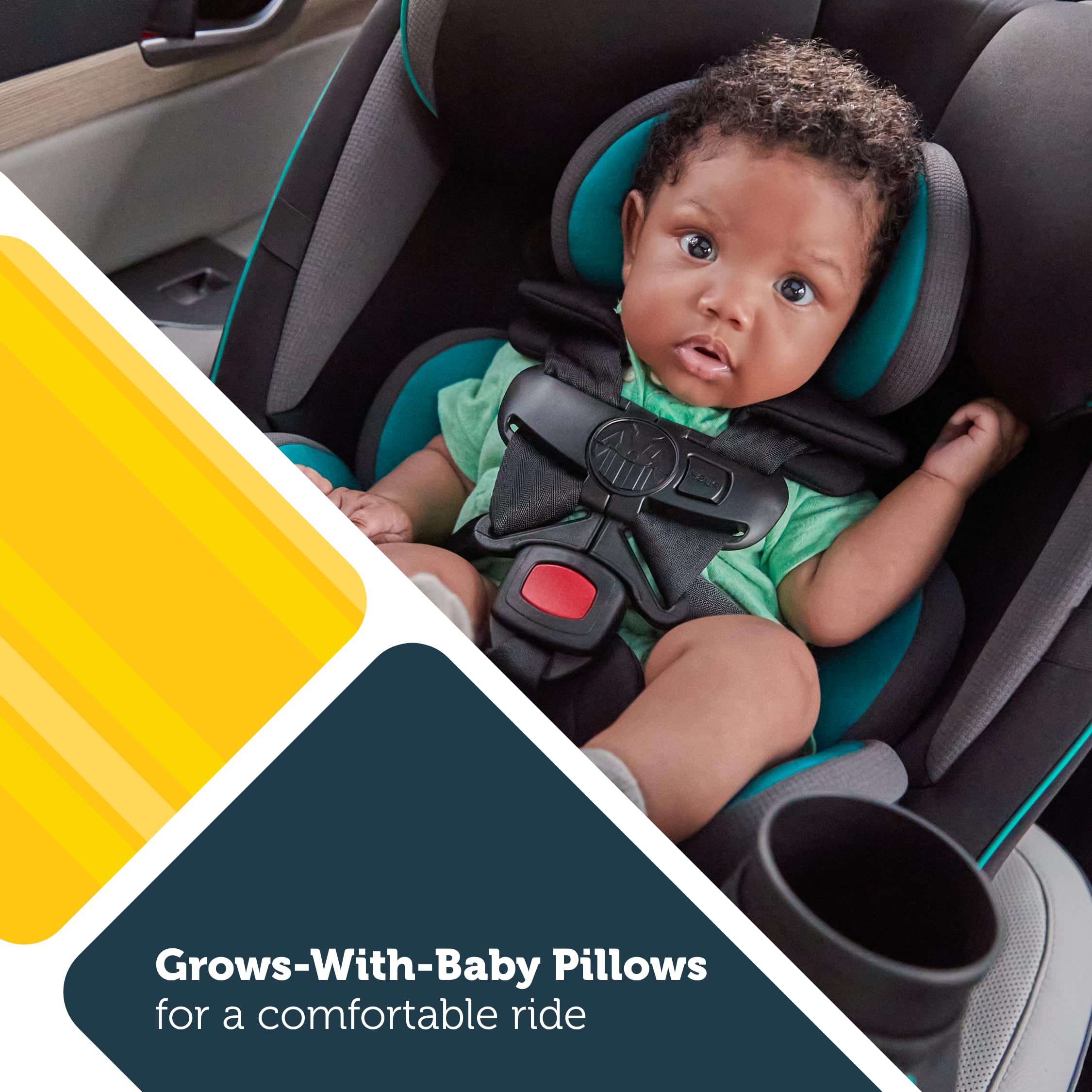
Safety 1st Grow and Go All-in-One Slim Convertible Car Seat, Rear Facing, 5-40 lbs, Forward Facing (30–65 lbs), High Back Booster Seat 40-100 pounds, Alaskan Blue
- GROW WITH ME CAR SEAT The Safety 1st Grow and Go All-in-One Convertible Car Seat is a car seat for extended us
- GETTING A GOOD FIT IS QUICK AND EASY The Grow and Go All-in-One Convertible Car Seat with QuickFit harness sim
- SIMPLE TO CLEAN The washer-and-dryer-safe seat pad features snaps that make it easy to remove from the convert
The Safety 1st Grow and Go All-in-One deserves its own paragraph because it is the most affordable all-in-one on this list at $159.99, and it does not cut obvious corners. The QuickFit harness makes daily adjustments simple, the seat pad is washer and dryer safe (a bigger deal than it sounds after a long car journey), and the cupholders are dishwasher safe. For families who want a solid, no-fuss seat at an accessible price, this is the one.
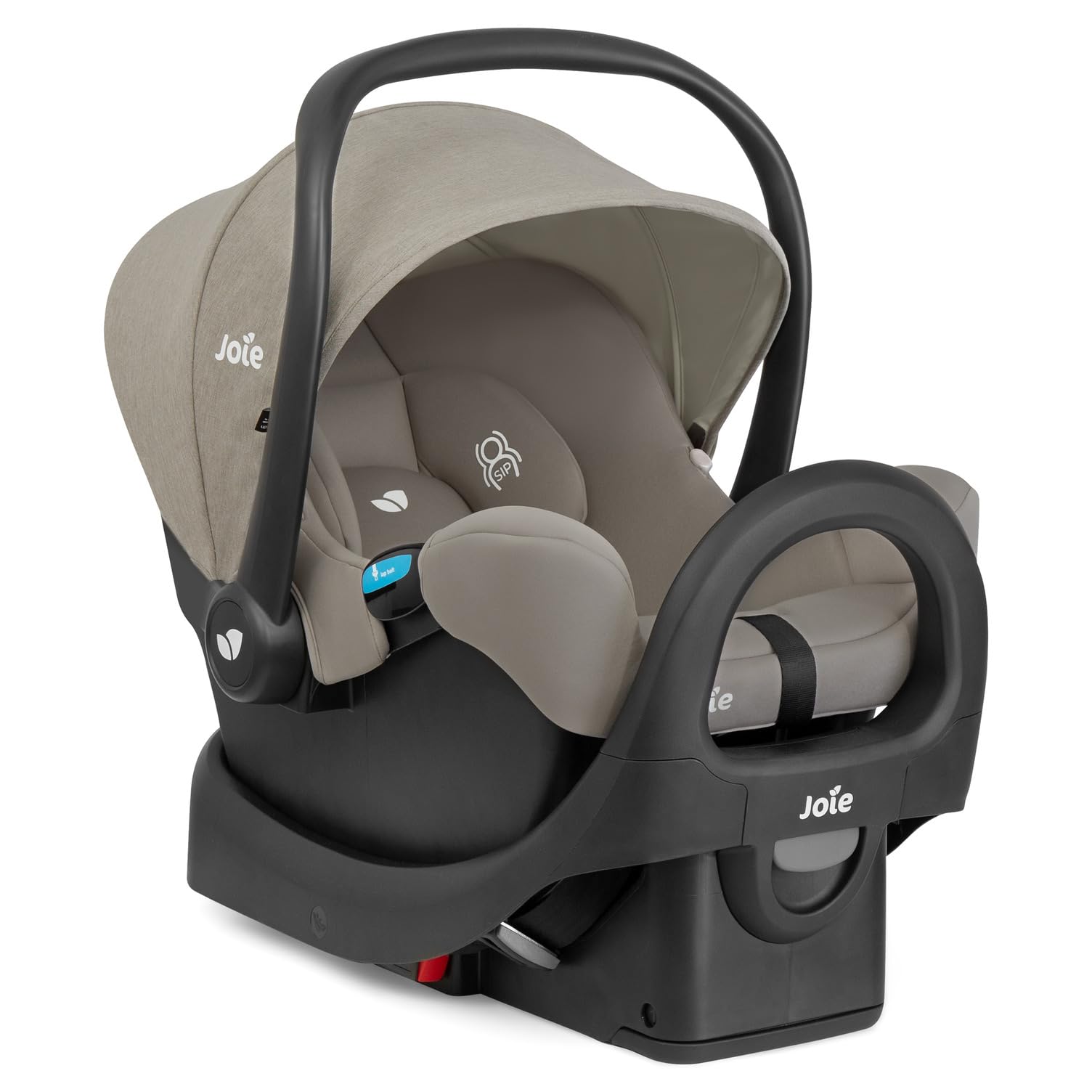

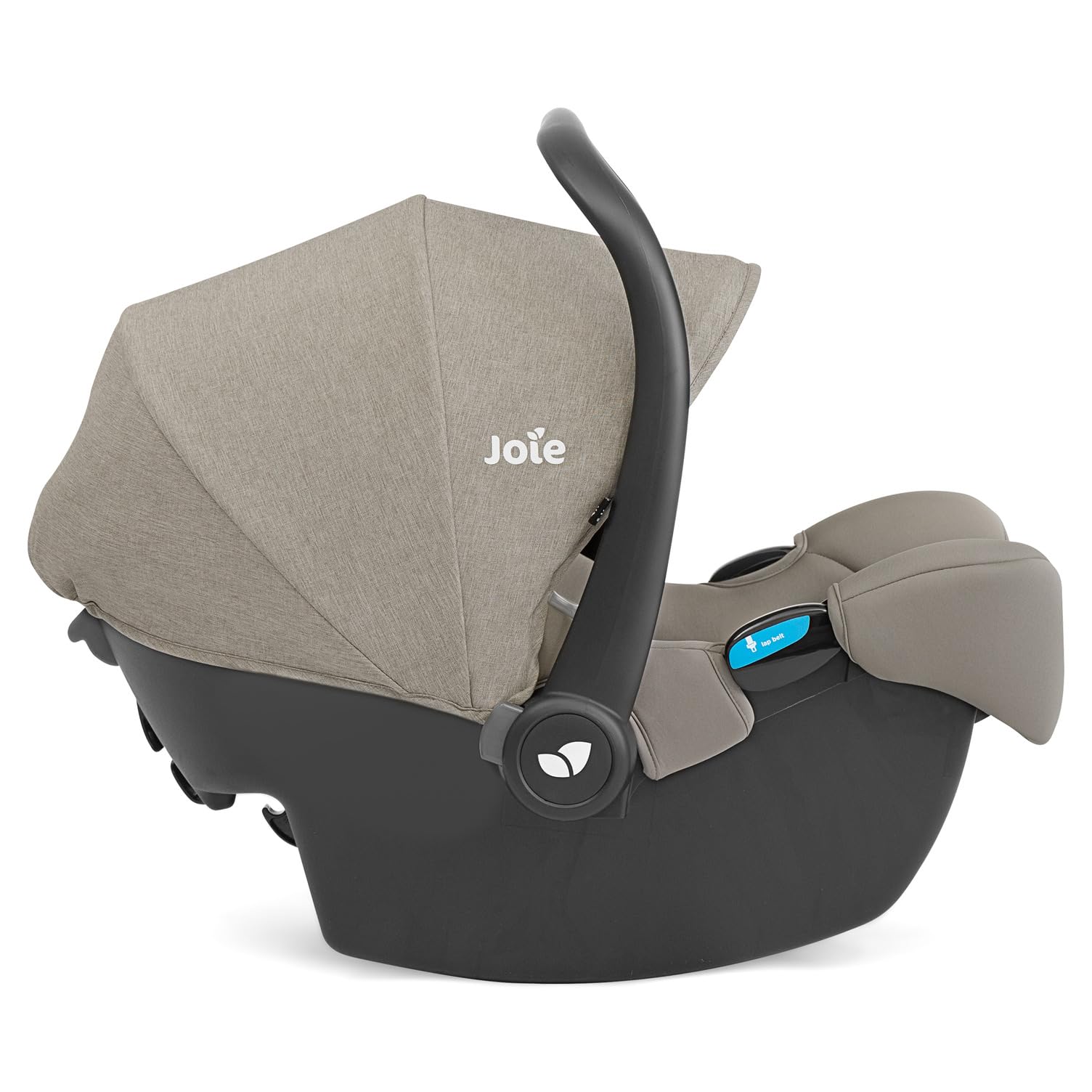
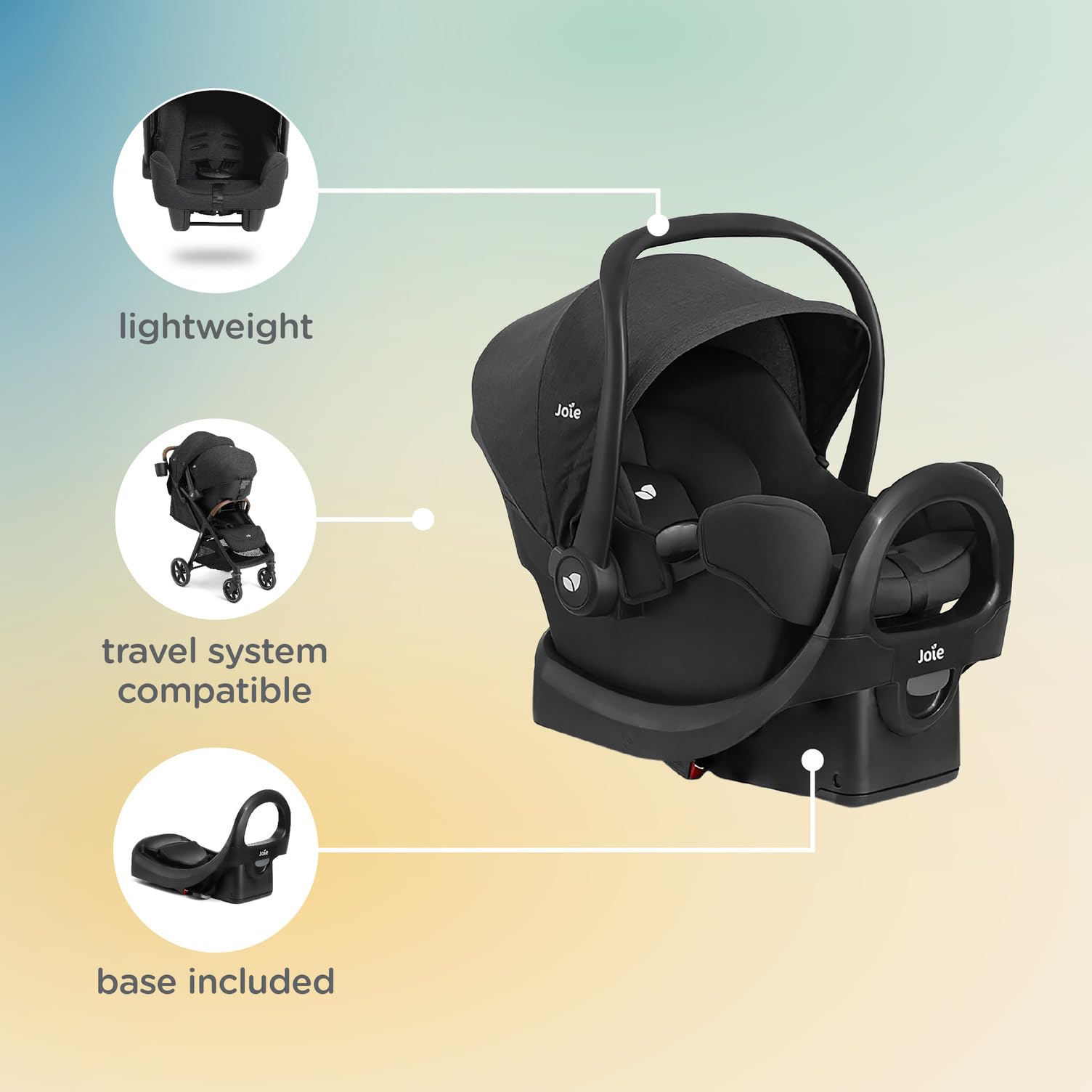
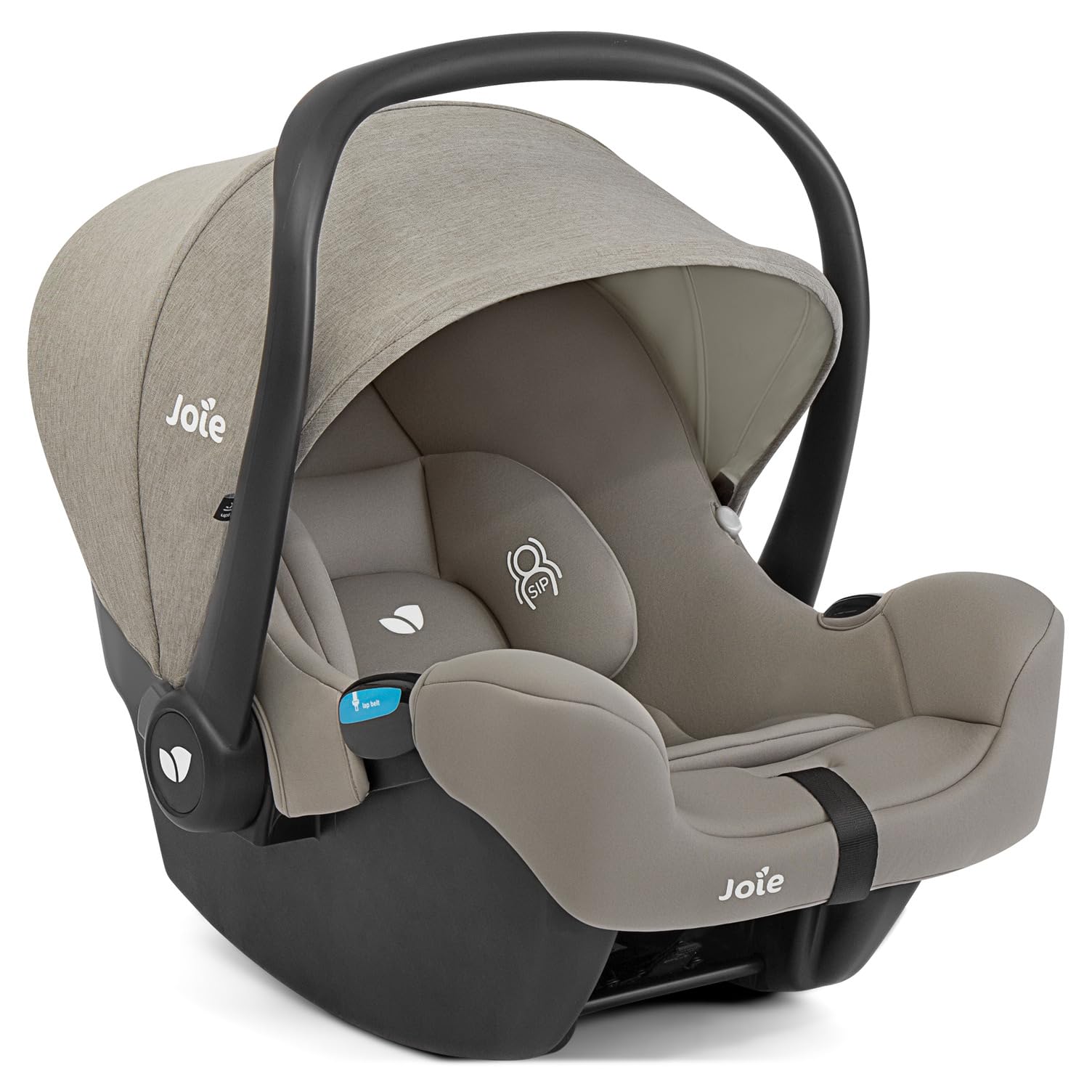
Joie Rue Lightweight Infant Car Seat & Anti-Rebound Base –Side-Impact Protection, 5-Point Harness, and UPF 50+ Canopy for Newborns and Infants (Dove)
- Tested to the newest safety standards: Certified with the newest side impact protection standards to absorb an
- Anti-Rebound Base Included: Comes with a lightweight and secure base that can be installed with push-button lo
- 4-Position Recline: The included base reclines to 4 positions so finding the perfect fit for your is car easy.
A note on the Joie Rue infant seat: this is not a convertible seat. I have included it here because if you are starting from birth, pairing a dedicated infant carrier (birth to around 4 to 13 kg) with a good convertible from the list above is often a smarter plan than putting a newborn into a large all-in-one seat. The Joie Rue's anti-rebound base and side impact certification make it a strong starting point before you transition to a longer lasting seat around 6 to 12 months.
4. Fitting Multiple Seats Across Your Back Seat
Three car seats across a standard back seat is genuinely possible in 2026, but it takes deliberate seat selection.
The key number is 19 inches. Most standard vehicles have a back seat width of around 57 to 60 inches. Three 19-inch seats fit with a few inches to spare. The Safety 1st Grow and Go measures around 17 to 18 inches at its narrowest, making it one of the most compatible options for multi-child families.
If you are also navigating stroller choices alongside a growing family, comparing pushchair designs that work alongside car seats can help you think through the full travel system before committing to either piece of kit.
5. Installation Done Right: The Steps Most Parents Skip
NHTSA's finding that 46% of car seats are misused is not a reflection of parental carelessness. It reflects the fact that installation instructions are genuinely complicated, and that the tolerances involved are tight.
The most common errors I see:
Every seat in our rankings comes with a built-in level indicator for recline angle. Use it. This is not optional, and it is not a detail. An incorrectly reclined rear facing seat can allow a young infant's head to fall forward, compromising the airway.
6. The Real Cost of Buying Once vs. Buying Often
The maths here is straightforward, and it almost always favours the long lasting seat.
A typical stage-by-stage approach looks like this: infant carrier ($150 to $300), convertible seat ($150 to $250), combination booster ($100 to $200), backless booster ($30 to $80). Total: $430 to $830, and that assumes you only buy one of each and never need to replace for damage or expiry.
A single 4-in-1 seat like the Graco Grows4Me at $229.99 covers all four of those stages. Even accounting for the infant carrier (which you may want for portability), you are looking at $400 to $500 total. For families with two or three children, the savings compound significantly.
Car seat expiry dates are real: most seats expire 6 to 10 years from manufacture date. Check the sticker on the seat base. A seat purchased in 2026 for a newborn will legally cover them to school age and well into the booster years before it expires.
7. When to Move Between Modes: A Practical Timeline
Parents ask me this question more than almost any other, so here is the clearest answer I can give:
Rear facing to forward facing: Move when your child exceeds the rear facing weight OR height limit of their specific seat. Not at age 2. Not when their knees touch the seat back. When the numbers on the sticker say so.
Forward facing harness to booster: Move when your child exceeds the forward facing harness weight or height limit. Most seats allow this until 65 pounds. Many four year olds have not hit this yet.
High back booster to backless booster: When your child consistently sits with their back flat against the seat back and the vehicle lap belt fits across the upper thighs (not the stomach), not the lap. This is usually not before age 8 and sometimes not until 10 or 11.
Booster to seat belt only: When the vehicle's own seat belt fits correctly across the chest and lap without a booster. The AAP recommends keeping children in a booster until this fit is achieved, regardless of age.
| Seat Type | Stages Covered | Weight Range | Best For | Recommended Product | Price |
|---|---|---|---|---|---|
| 4-in-1 convertible | Rear facing → backless booster | 5–120 lb | Families wanting one seat from birth | Graco Grows4Me | $229.99 |
| 4-in-1 with newest side impact cert | Rear facing → backless booster | 4–120 lb | Parents prioritising newest safety standards | Joie Saffron SI | $249.99 |
| 3-in-1 extended rear facing | Rear facing → high back booster | 4–100 lb | Maximising rear facing time | Graco Extend2Fit | $269.99 |
| 3-in-1 standard | Rear facing → high back booster | 5–100 lb | Budget conscious families, multi-seat households | Graco TriRide | $199.99 |
| All-in-one slim | Rear facing → booster | 5–100 lb | Tight back seats, three across | Safety 1st Grow and Go | $159.99 |
| Infant carrier (paired) | Newborn only | 4–35 lb | Starting point before convertible | Joie Rue | $169.99 |
Expert Insights: What Safety Professionals Say
Choosing a car seat is one of those decisions that sounds complicated but simplifies quickly once you understand what you are actually comparing. The seat you choose does not need to be the most expensive one on the market. It needs to fit your child right now, fit your car, be installed correctly, and have room to grow with your child for the next several years.
The parents I worry about are not the ones deliberating between two good seats. They are the ones who buy a great seat and never get the installation checked, or who move their toddler forward facing because they assumed it was time. The technical side of this is learnable in an afternoon. Once you know it, you know it for every seat you ever buy.
Save this guide, share it with the other people who drive your child around, and when you have five minutes, book that free CPST check. Your child's safety on the road is one of the few things that is entirely within your control.
Sources & References
- National Highway Traffic Safety Administration (NHTSA). "Car Seat and Booster Seat Use." 2024. https://www.nhtsa.gov/equipment/car-seats-and-booster-seats
- American Academy of Pediatrics (AAP). "Car Seats: Information for Families." 2023. https://www.healthychildren.org/English/safety-prevention/on-the-go/Pages/Car-Safety-Seats-Information-for-Families.aspx
- National Highway Traffic Safety Administration. "FMVSS 213 Final Rule: Side Impact Testing Requirements." 2024. https://www.nhtsa.gov/laws-regulations/fmvss
- American Academy of Pediatrics, Council on Injury, Violence, and Poison Prevention. "Child Passenger Safety." Pediatrics. 2018 (reaffirmed 2023). https://publications.aap.org/pediatrics/article/142/5/e20182460/
- National Highway Traffic Safety Administration. "Parents Central: Rear-Facing Car Seats." 2024. https://www.nhtsa.gov/parents-and-caregivers/rear-facing-car-seats
Frequently Asked Questions
At what weight should my toddler move from rear facing to forward facing?
Is a 4-in-1 seat worth the extra cost over a 3-in-1?
How do I know if my car seat is installed correctly?
Can I keep a car seat after a minor fender-bender?
What does 'no-rethread harness' mean and why does it matter?
How long does a car seat last before it expires?
Is the Graco Grows4Me suitable from birth?
Was this helpful?
Thanks — your feedback helps us pick what to write next.