How to Cultivate Curiosity and Adventure in Your Child (Ages 0–12)
Curiosity is not a personality trait your child either has or lacks; it is a skill you can actively nurture through everyday choices, the right environment, and age-matched challenges.

In this article
According to a 2022 report from the American Academy of Pediatrics, unstructured, curiosity-driven play is essential for healthy cognitive, social, and emotional development, yet children today spend on average 50 percent less time in free outdoor play than their parents did at the same age. That gap matters. When children are not given room to wonder, question, and test the world around them, they miss formative experiences that build the neural architecture for lifelong learning.
This guide is for parents of children from birth through to age twelve, covering every major developmental window. By the time you finish reading, you will understand:
1. Why Curiosity Is Your Child's Most Valuable Learning Tool
Curiosity is not a charming extra; it is the engine of development. When a child encounters something unexpected, the brain releases dopamine, the same chemical behind motivation and reward. That neurochemical loop is what drives a toddler to empty every drawer in the kitchen, and a nine-year-old to obsessively research volcanoes. The impulse is the same; only the subject matter changes.
Research published by the Association for Psychological Science found that infants who were shown surprising events (a ball appearing to pass through a solid wall) explored objects for significantly longer and performed better on subsequent learning tasks than those who saw expected events. In short, surprise and novelty are not distractions from learning; they are the ignition.
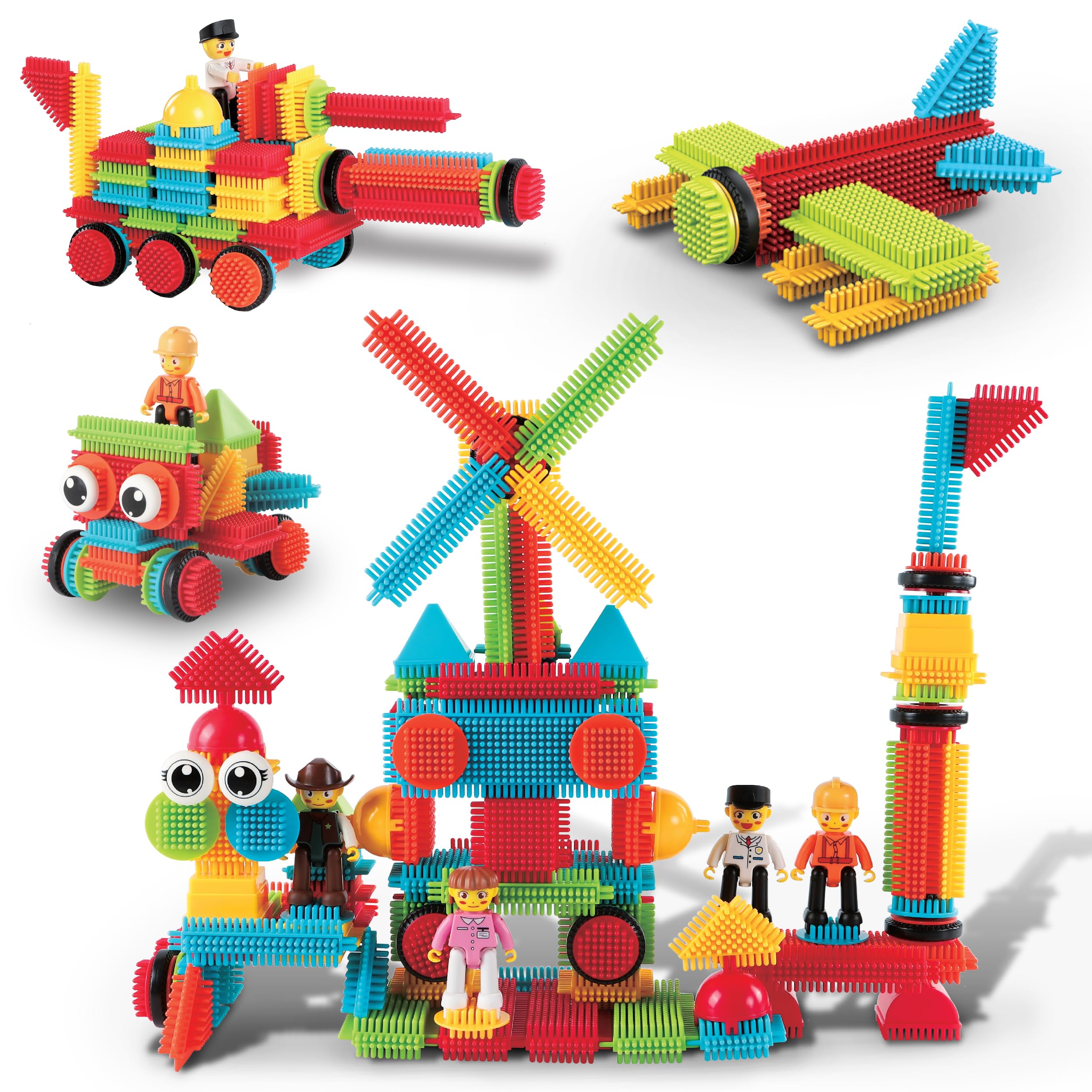
Understanding how creative play physically builds the toddler brain helps explain why free exploration in early childhood is not optional enrichment but foundational wiring.
What this means for you today: Pay attention to what surprises your child this week. Name it out loud: "Oh, that's unexpected! I wonder why that happened?" You are modelling the single most powerful learning habit there is.
2. Age-Banded Adventure: What Curiosity Looks Like at Every Stage
Not all exploration is equal, and the wrong challenge at the wrong age frustrates rather than inspires. Here is how to meet your child where they are.
Newborns to 12 months: Sensory is everything
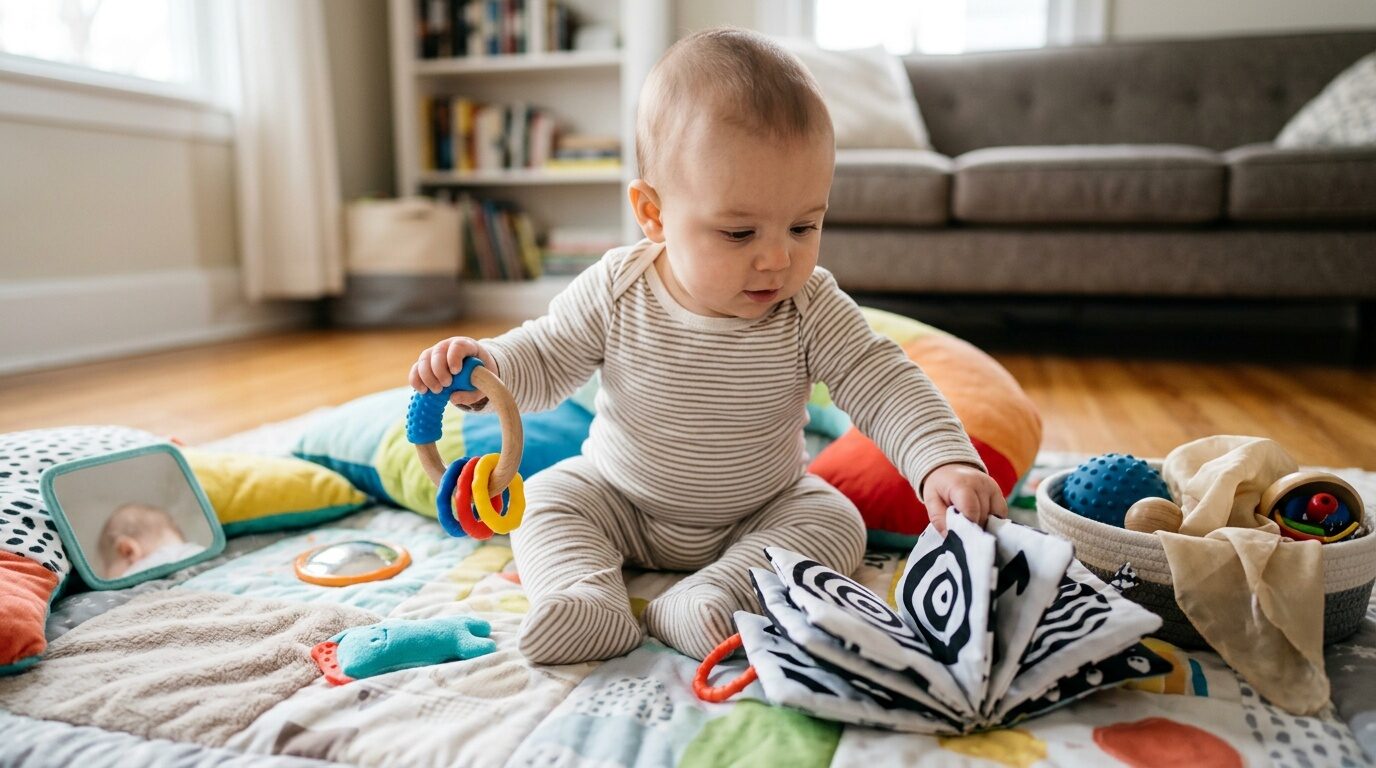
Babies are born scientists. High-contrast patterns, new textures, varied sounds, and gentle movement are all "adventures" to an infant. Research from the WHO's early child development programme confirms that responsive caregiving, where a parent follows the baby's gaze and narrates what they see, lays the groundwork for later curiosity. Tummy time on grass, a rustling leaf held within reach, or a new voice singing a song are all legitimate first explorations.
Toddlers (1–3 years): Risky play in a safe frame
Toddlers need to climb, pour, dig, and test cause-and-effect relentlessly. The AAP recommends "active, physically challenging play" as a daily staple. Your job is to create a frame that is safe enough that serious injury is unlikely, but not so controlled that there is nothing to discover. A sandpit, a low climbing frame, or a kitchen drawer full of safe utensils all qualify.
Early childhood (4–7 years): Questions deserve real answers
Children at this stage ask an average of 73 questions per day, according to research from the University of Michigan. Resist the urge to give quick, closed answers. "What do you think?" followed by "Let's find out together" is the most curiosity-sustaining response you have. This is also the ideal age to introduce simple science experiments, nature journals, and explorer kits.


Adventure Kidz - Outdoor Exploration Kit, Children’s Toy Binoculars with Case, Flashlight, Compass, Fox Whistle, Magnifying Glass, Backpack. Great Gift Set for STEM, Pretend Play
- 🦆ADVENTURE KIDZ KIT! Fun Gift Set - that supports STEM Learning and encourages scientific exploration and a lo
- 🐞BINOCULARS - 5x30 magnification glass optical lenses for viewing nature up close with flexible rubber eye pie
- 🦉FLASHLIGHT - with bright LED lights. Simple hand cranked function recharges in-built batteries so no addition
Middle childhood (8–12 years): Projects, mastery, and mild danger
Older children need challenges that feel genuinely consequential. Building something that could fail, navigating a trail without GPS, or running a small baking business are adventures in the truest sense. Autonomy is the key ingredient: let them plan, execute, and debrief their own experiences.
3. The Outdoor Classroom: Nature as the Original Adventure Ground
Children who spend regular time outdoors show measurable gains in attention, emotional regulation, and creativity. A landmark review published in the International Journal of Environmental Research and Public Health (2019) found that even a ten-minute unstructured nature experience reduced cortisol levels and improved focus in primary school children.
The outdoors is also irreplaceable as a sensory environment. No app replicates the proprioceptive challenge of scrambling over rocks, the auditory richness of a forest, or the satisfaction of catching an insect and examining it up close.
Equipping young explorers
You do not need to spend a fortune. A magnifying glass and a notepad are enough to turn a garden into a laboratory. That said, a well-chosen explorer kit can channel outdoor curiosity into structured discovery, especially for children aged three to ten.


GINMIC Kids Explorer Kit & Bug Catching Kit, 16 Pcs Outdoor Exploration Safari Kit for Kids Camping with Binoculars, Adventure, Hunting, Hiking, Educational Toy Gift for 3-12 Years Old Boys Girls
- 【Great Kids Camping Set】- GINMIC Kids Explorer & Bug Catching Kit Includes Binoculars, Costume Vest, Hat with
- 【Perfect Gift for Kids】- Breathable explorer hat and vest are made from durable fabric to protect from the ele
- 【Explorer & Discover with Your Kids】- Outdoor exploration kit is a great playing set for parents to enhance th


National Geographic Bug Catcher Kit for Kids - Kids Bug Habitat with Magnified Viewer, Bug Catcher, Tweezers & Learning Guide, Insect Habitat, Outdoor Toys, Kids Bug Catching Kit, Bug Box
- CATCH BUGS & OBSERVE THEM UP CLOSE - With this bug catcher and habitat kit, kids can capture bugs and insects,
- MAKE THE PERFECT BUG HABITAT - The bug habitat provides a 360° view and includes a removable base, easy-open l
- 2 BUILT-IN MAGNIFYING GLASSES - The magnified viewers are designed to offer up-close observation of the bugs y
4. Healthy Risk-Taking: How to Let Your Child Fail Safely
The word "risk" tends to alarm parents, but developmental scientists make a critical distinction between hazard (genuine danger, like traffic) and risk (a challenge where the child might fail or get a minor bump). Managed risk is not a flaw in childhood; it is a prerequisite for resilience.
Dr. Sandseter's research identifies six categories of risky play that children are instinctively drawn to: great heights, high speed, dangerous tools, dangerous elements (like water or fire), rough-and-tumble play, and playing away from adult supervision. Each of these, introduced gradually and age-appropriately, builds the neural and emotional toolkit for managing real-world challenges.
A practical risk ladder
- Age 2–3: Climbing a small tree with supervision; pouring water independently - Age 4–6: Using child-safe scissors and a hammer with a foam head; short bike rides on uneven ground - Age 7–9: Building a campfire with an adult present; navigating a familiar park alone - Age 10–12: Planning and leading a family hike; cooking a meal with a gas hob (supervised)
5. Storytelling, Books, and Imaginative Play as Adventure Fuel
Adventure does not require leaving the house. Stories are portals, and the research on reading aloud to children is among the most robust in developmental science. A 2019 AAP policy statement affirmed that reading aloud from birth builds vocabulary, narrative comprehension, and crucially, the capacity for imaginative thinking that underlies all creative problem-solving.
When you read a story and then ask, "What do you think happens next?" or "What would you have done?", you are inviting your child into a low-stakes adventure of the mind. This kind of hypothetical thinking is the same cognitive muscle required for scientific reasoning, empathy, and entrepreneurship.
Storytelling beyond books
- Make up oral stories together on long drives, taking turns to add one sentence - Act out scenarios with open-ended props (a stick can be a wand, a sword, or a telescope) - Encourage your child to write or draw their own adventure comics
Understanding what STEM learning really means for young children makes it clear that imaginative play and structured learning are not opposites; they are partners in cognitive growth.
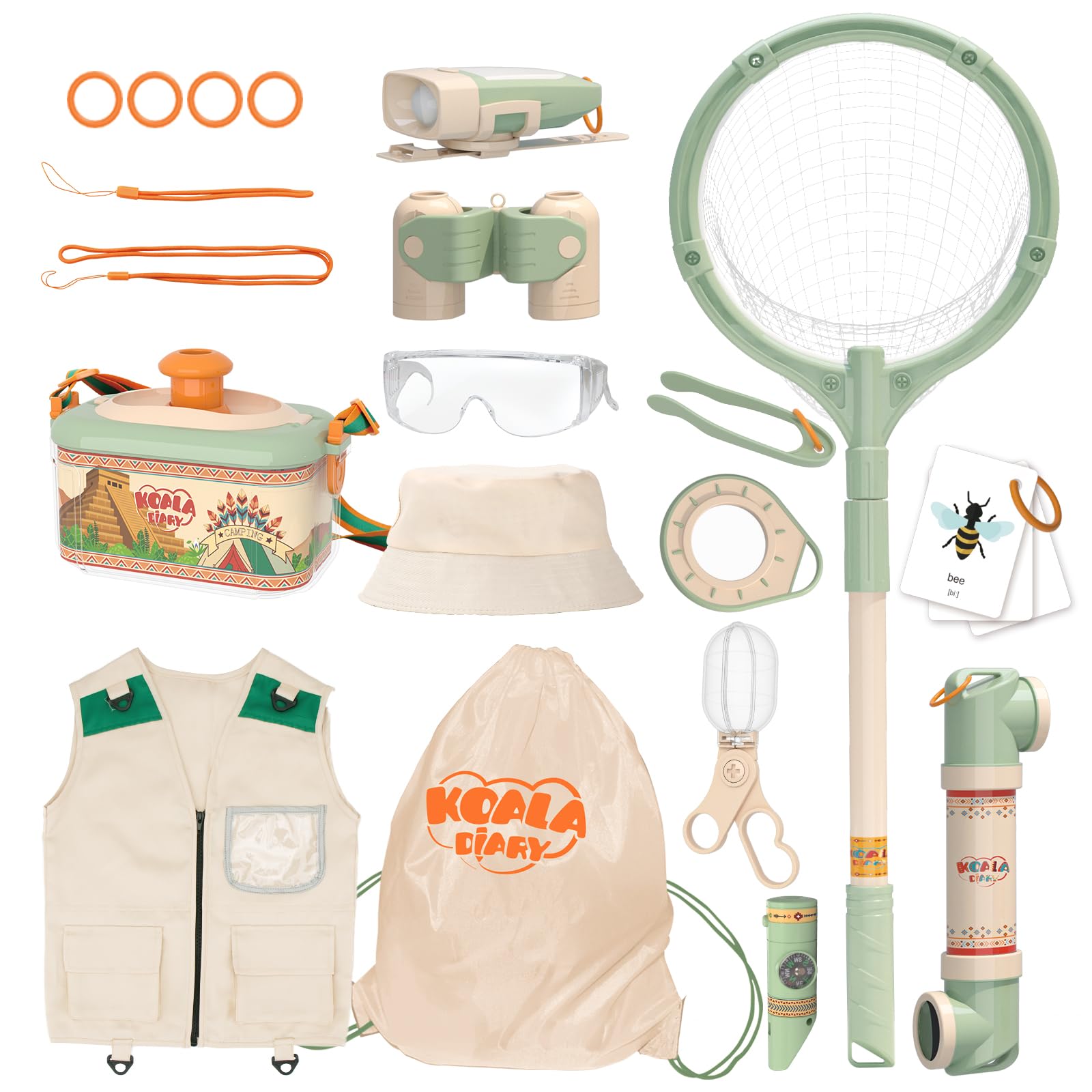
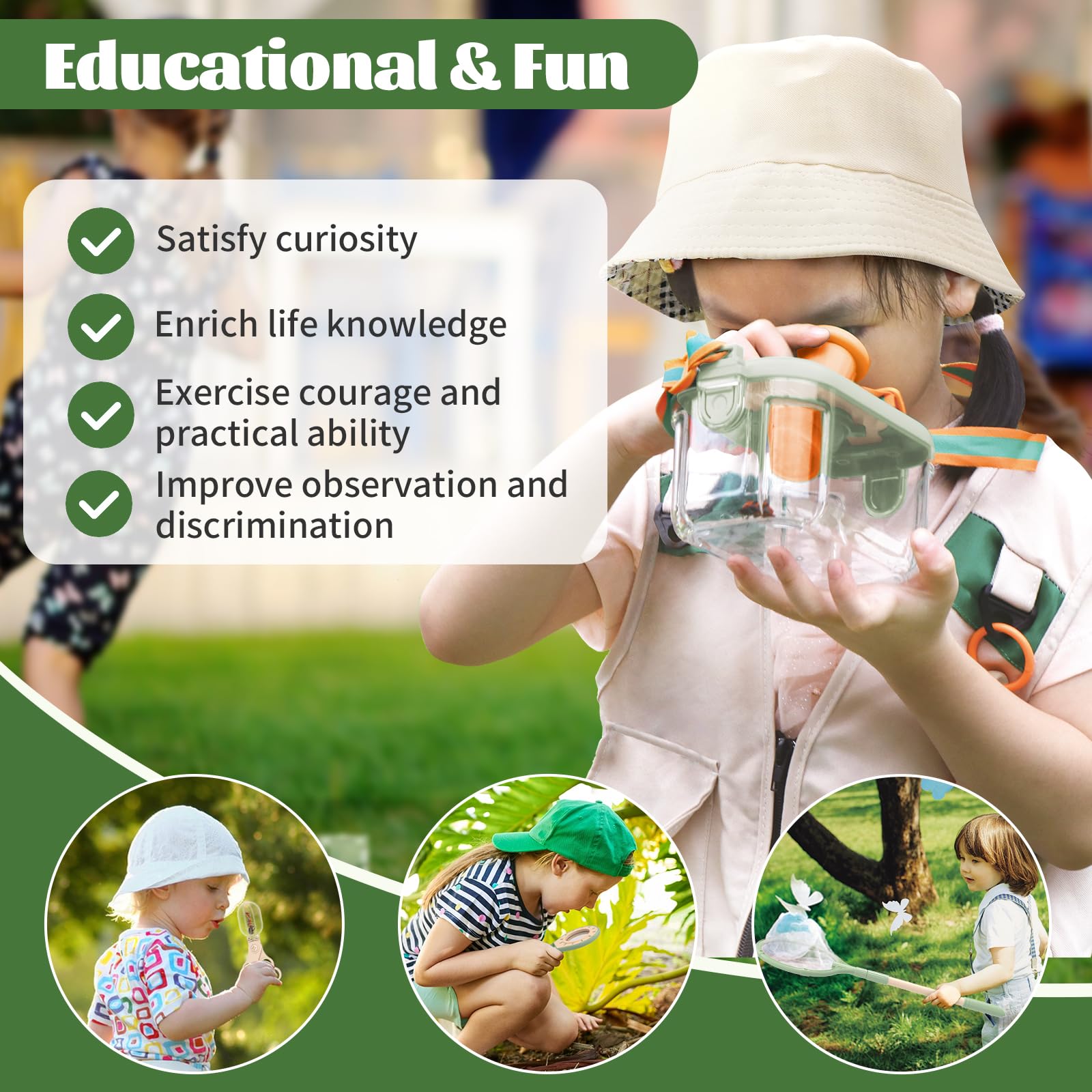
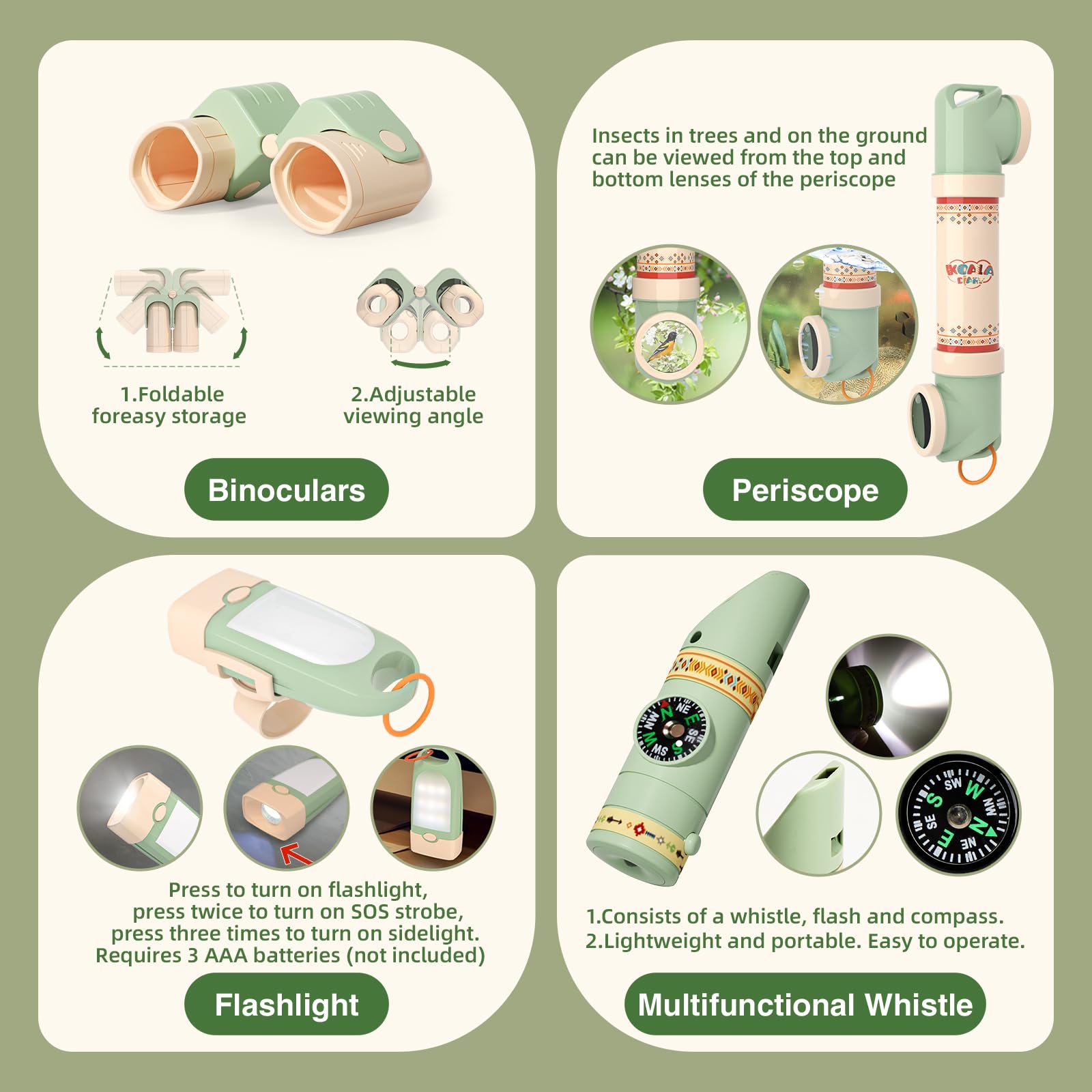
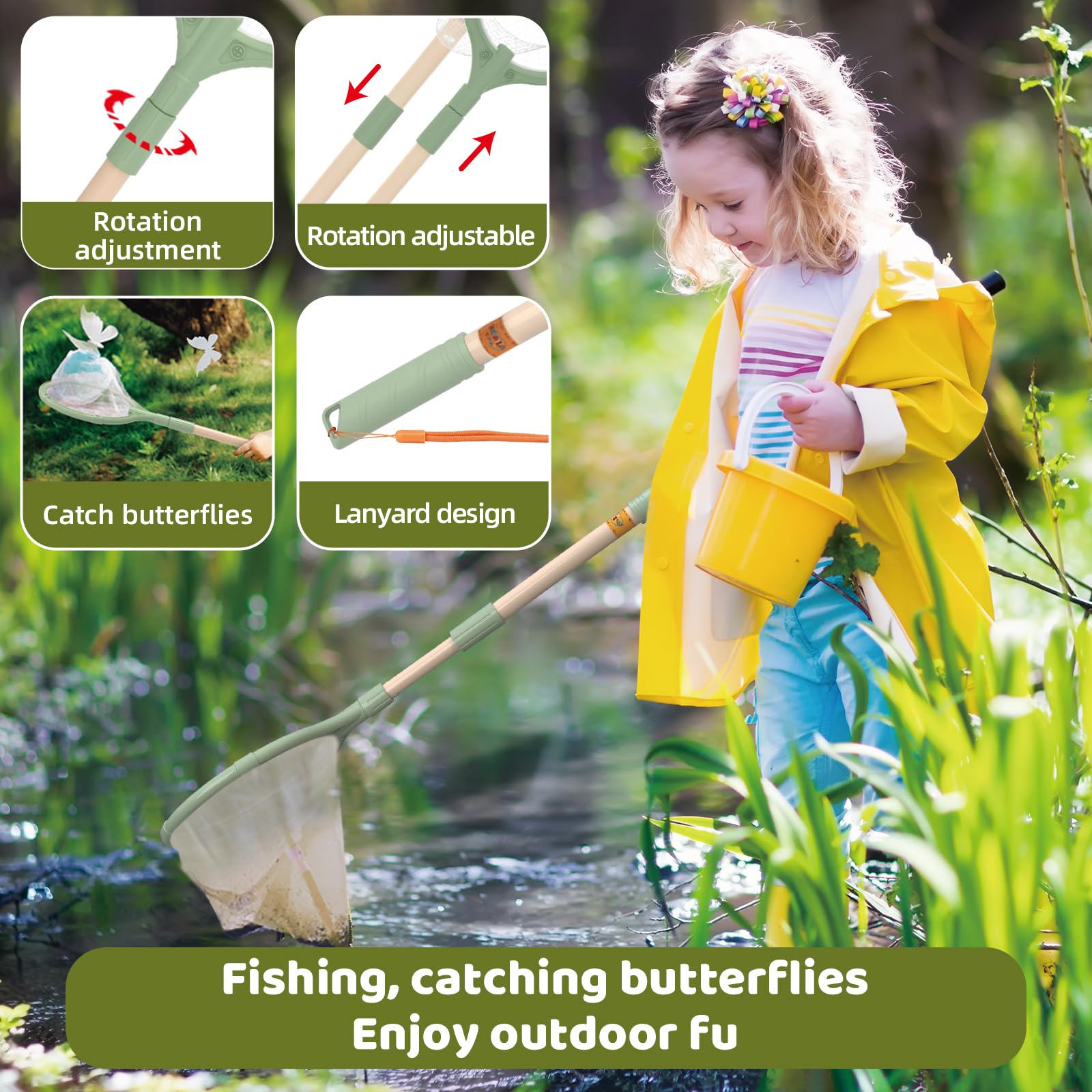
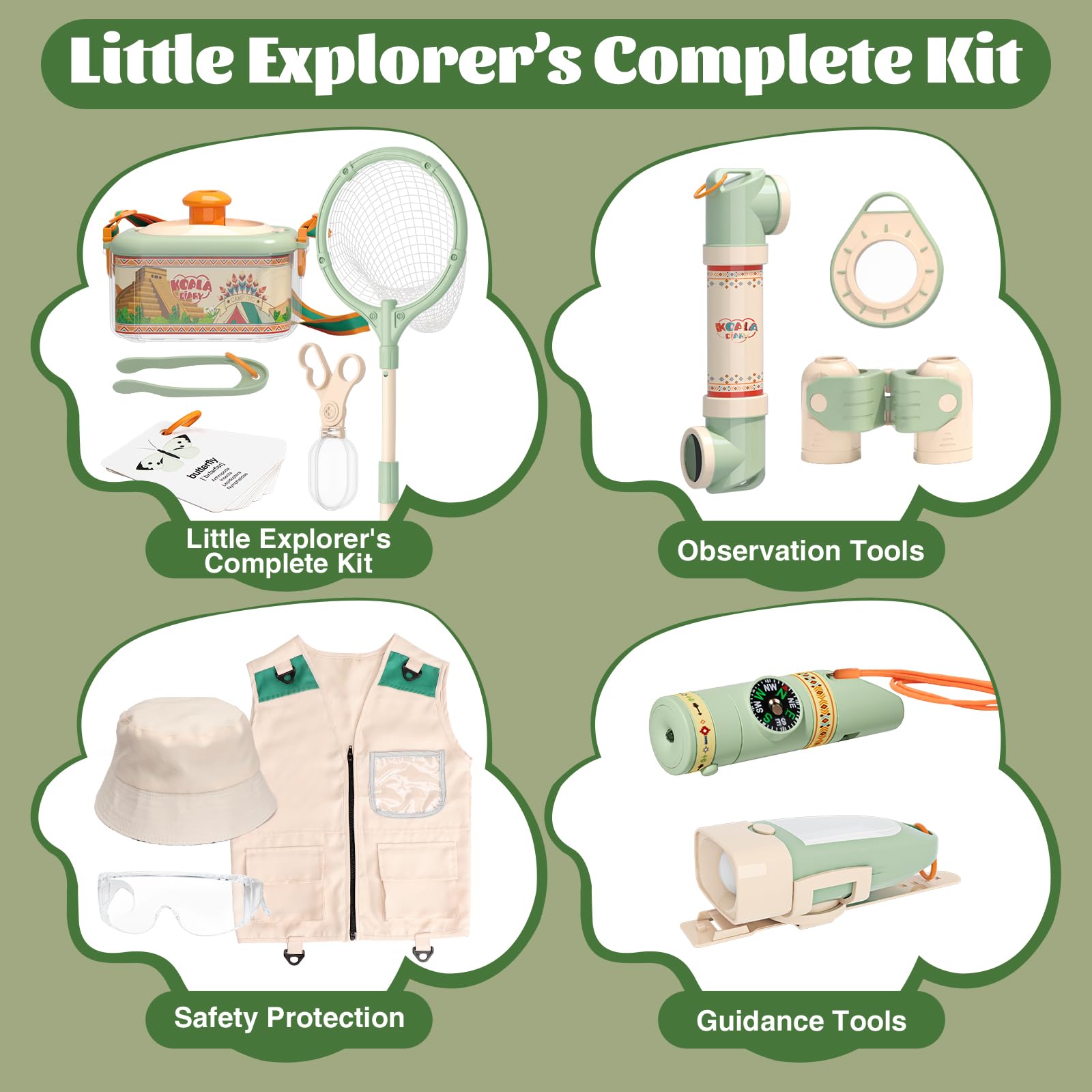
Kids Adventurer's Nature Explorer Set,Featuring Butterfly Net, Bug Catcher, Binoculars, Explorer Vest & Hat, Magnifying Glass and LED Flashlight. Perfect Educational Outdoor Gift for Ages 3+
- 🌳【Complete Nature Explorer Kit】This all-inclusive outdoor adventure set features an explorer vest, hat, retrac
- 🔍【Discover Nature's Wonders】Our kit encourages hands-on learning with tools to observe insects through the mag
- 🦋【Child-Safe Exploration】Designed with premium, lightweight materials that meet US safety standards. The hygie
6. Creating an Adventure-Ready Home Environment
Your home is your child's first laboratory. Small environmental changes can dramatically increase how much curiosity-driven behaviour you see, without requiring dramatic interventions.
What an adventure-ready home looks like
The link between a rich physical environment and cognitive development is well-established. Research published in the journal Early Childhood Education Journal found that children in homes with varied, accessible materials scored higher on measures of creative thinking and curiosity than children in homes with fewer materials but more screen access.

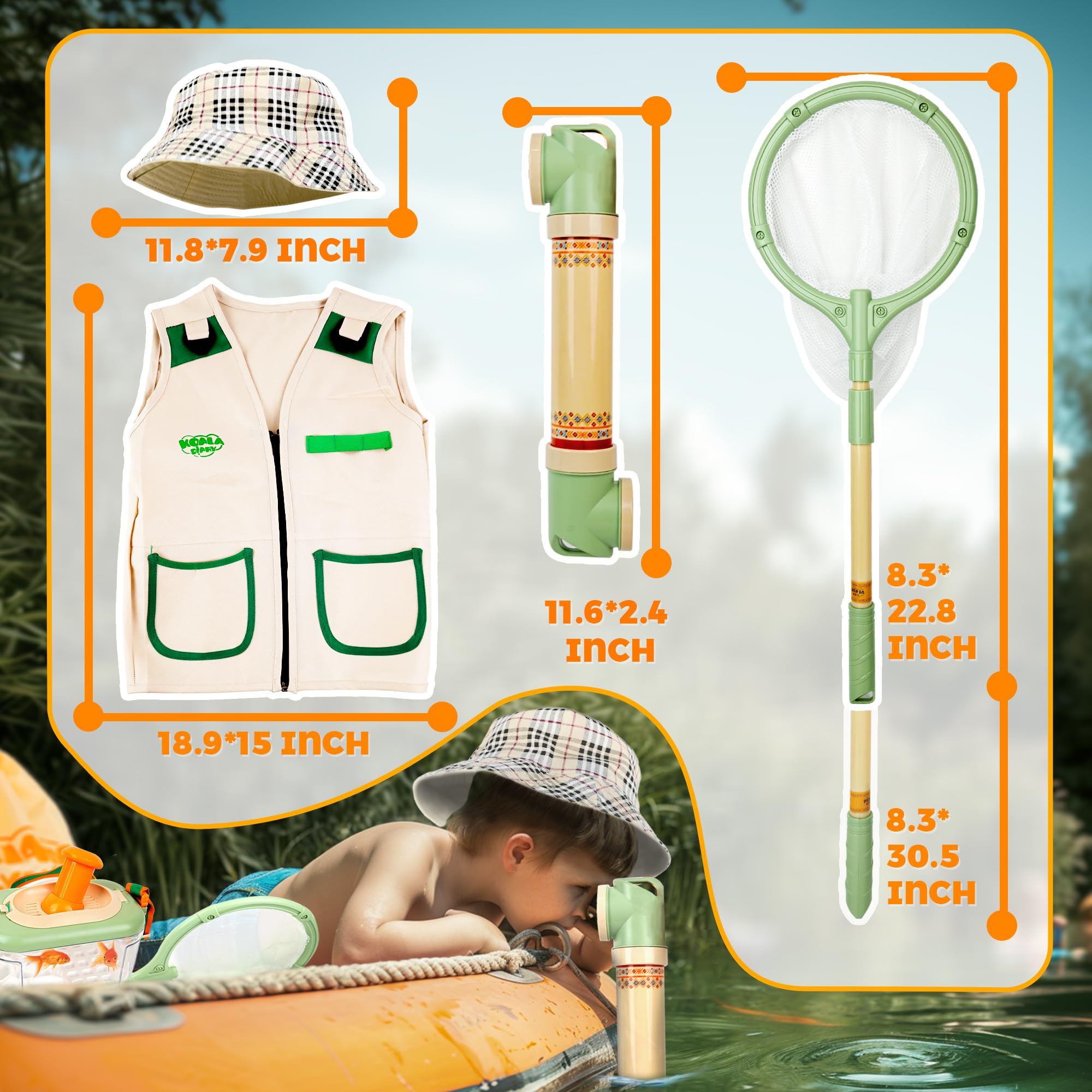
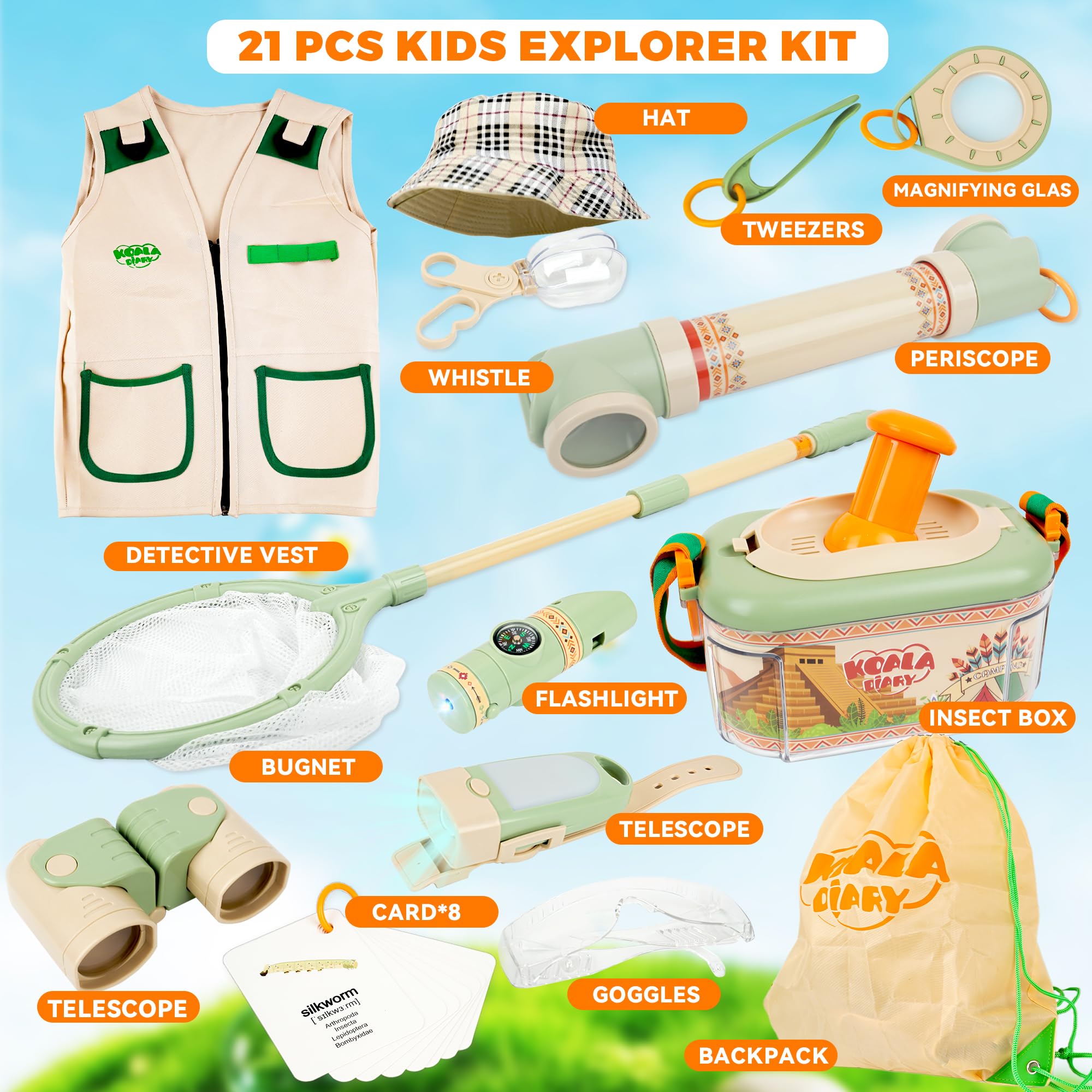
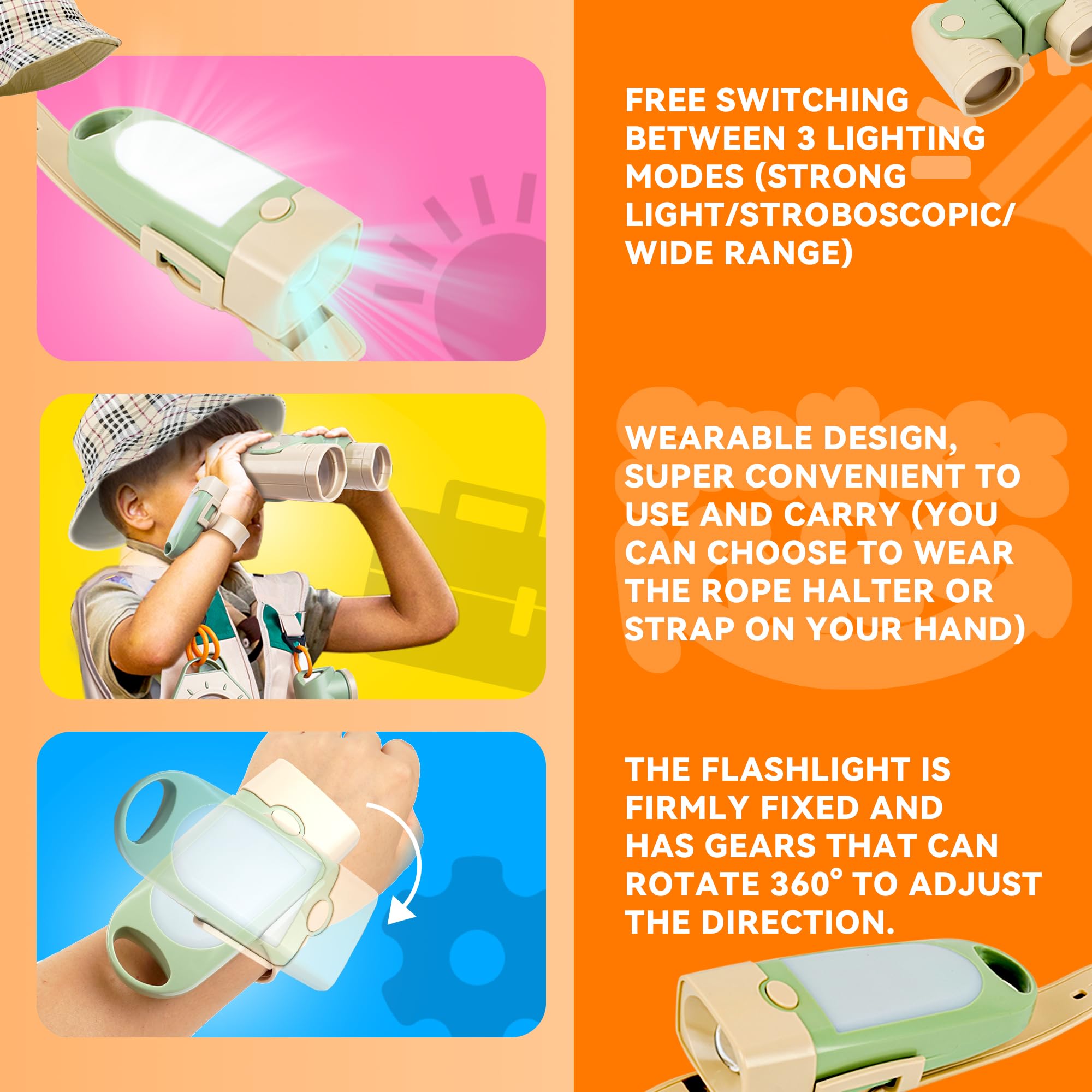
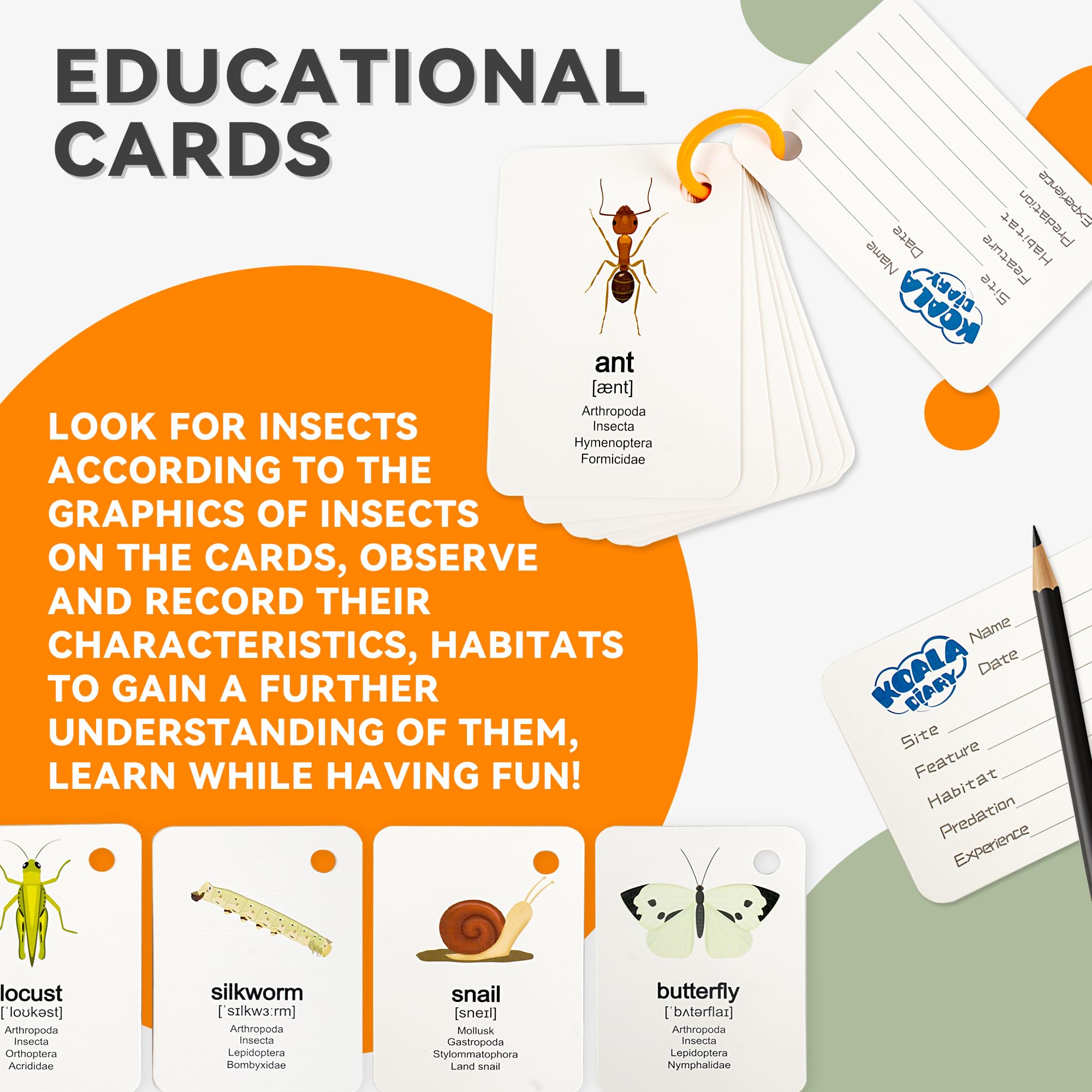
SMILESSKIDDO Kids Explorer Kit, 27 Pcs Outdoor Explorer Kit & Bug Catching Kits - Kid Nature Kits Outdoor Camping Adventure Toys for Kids 3+ Years Old
- Complete kids adventure kit - This toddler explorer kit will fulfill kids' needs for outdoor exploration, the
- Portable & practical - Without heavy and useless accessories, this kids camping gear makes child's outdoor jou
- Educational Value: The outdoor explorer kit for kids 3-5 is not just a toy set, but educational tool, kids can
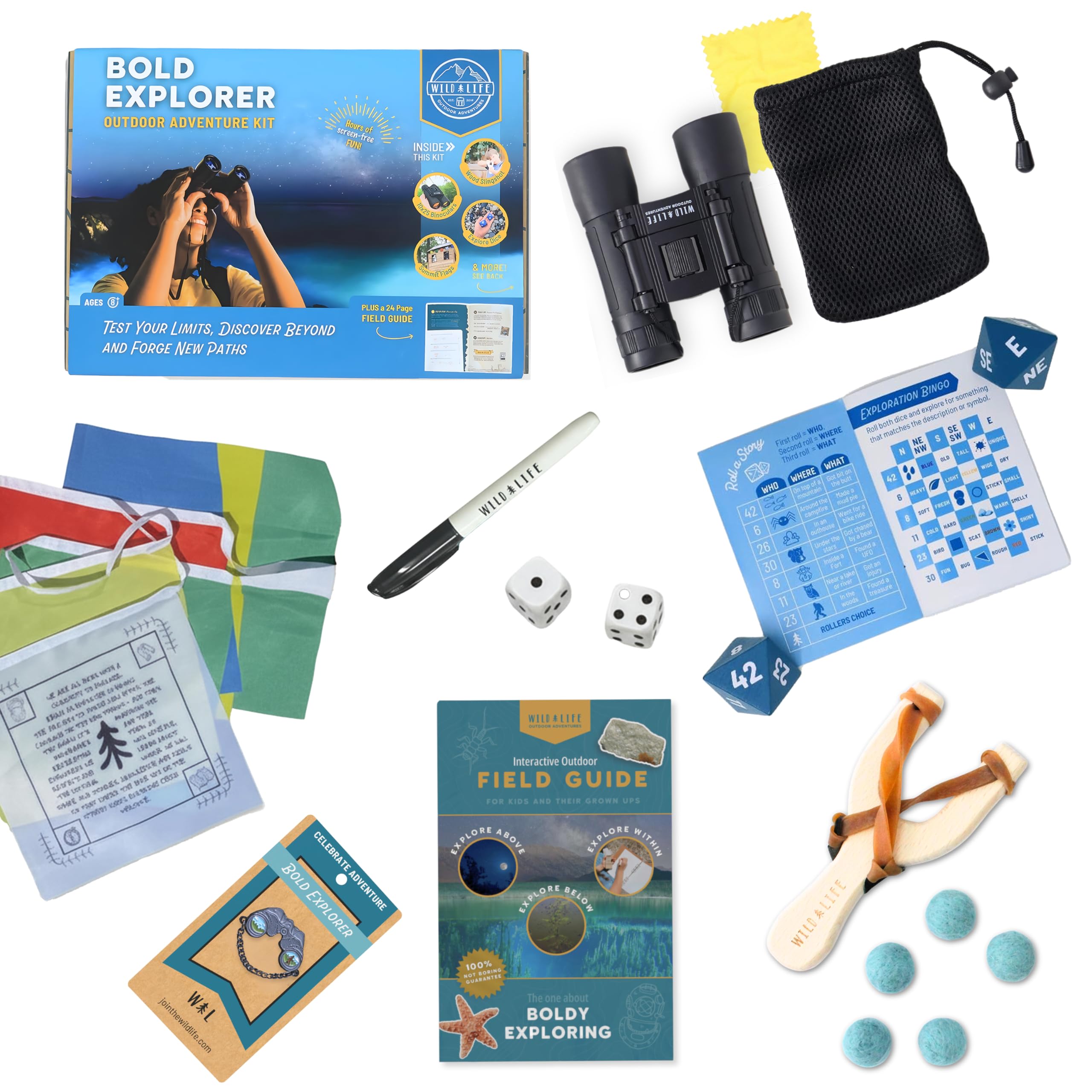
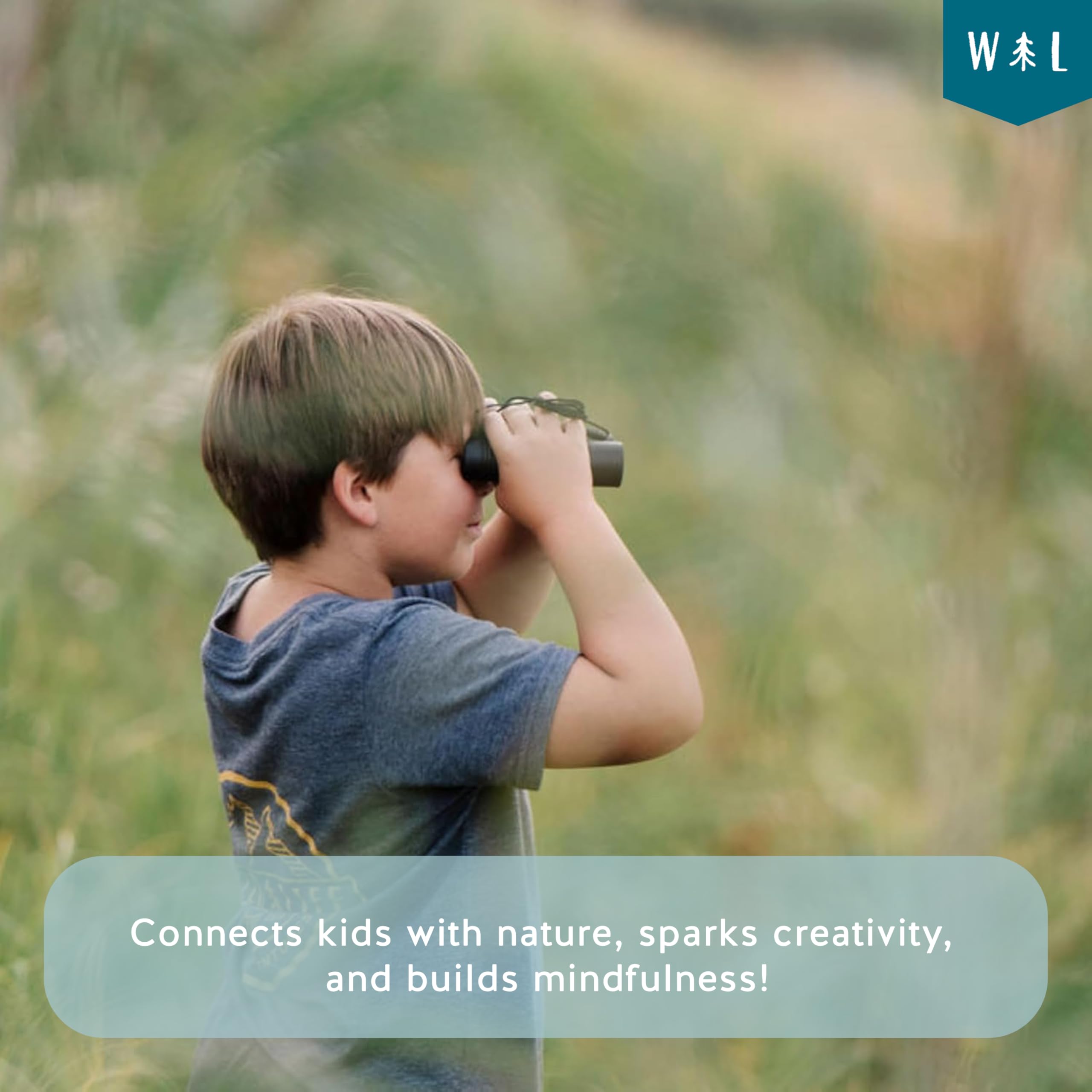
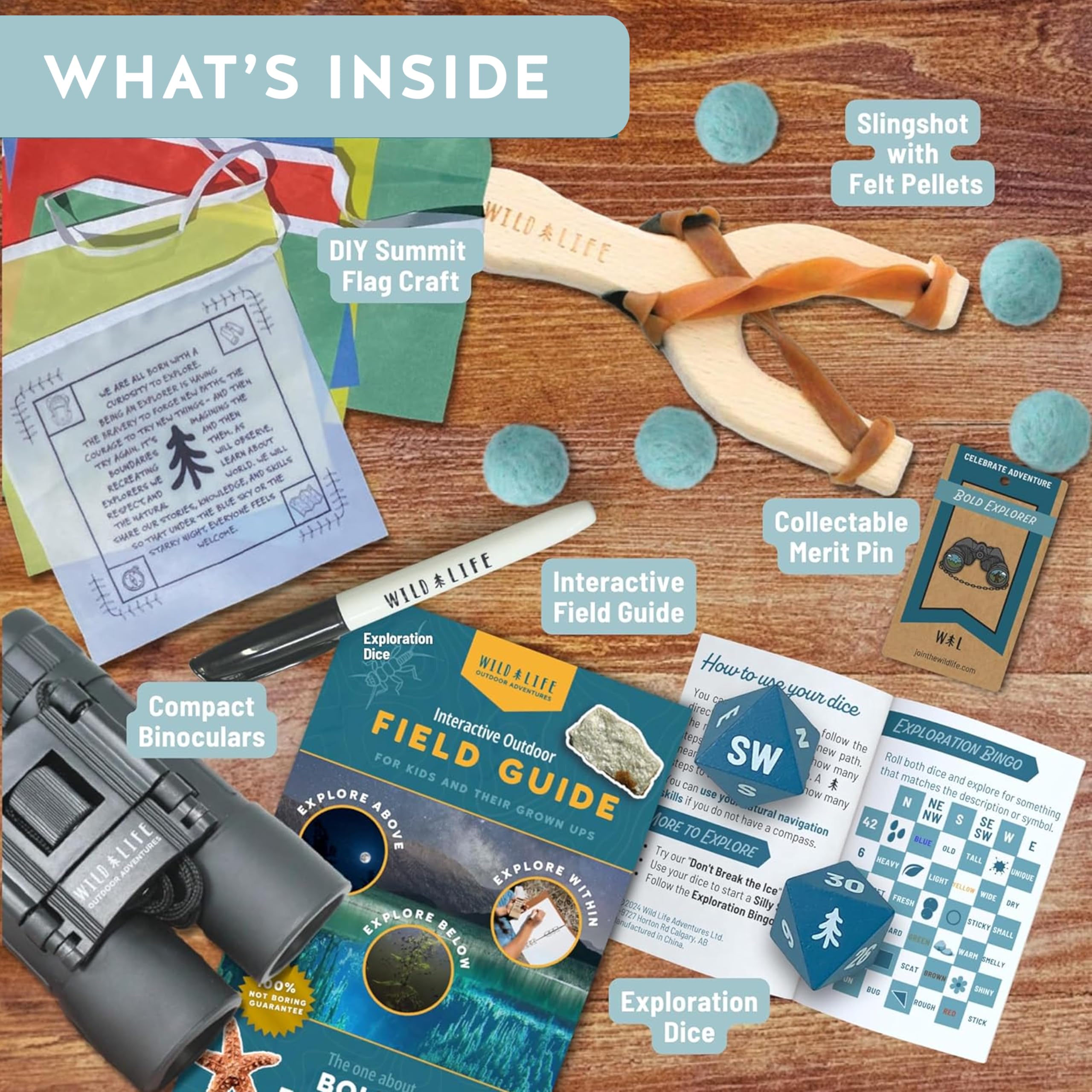
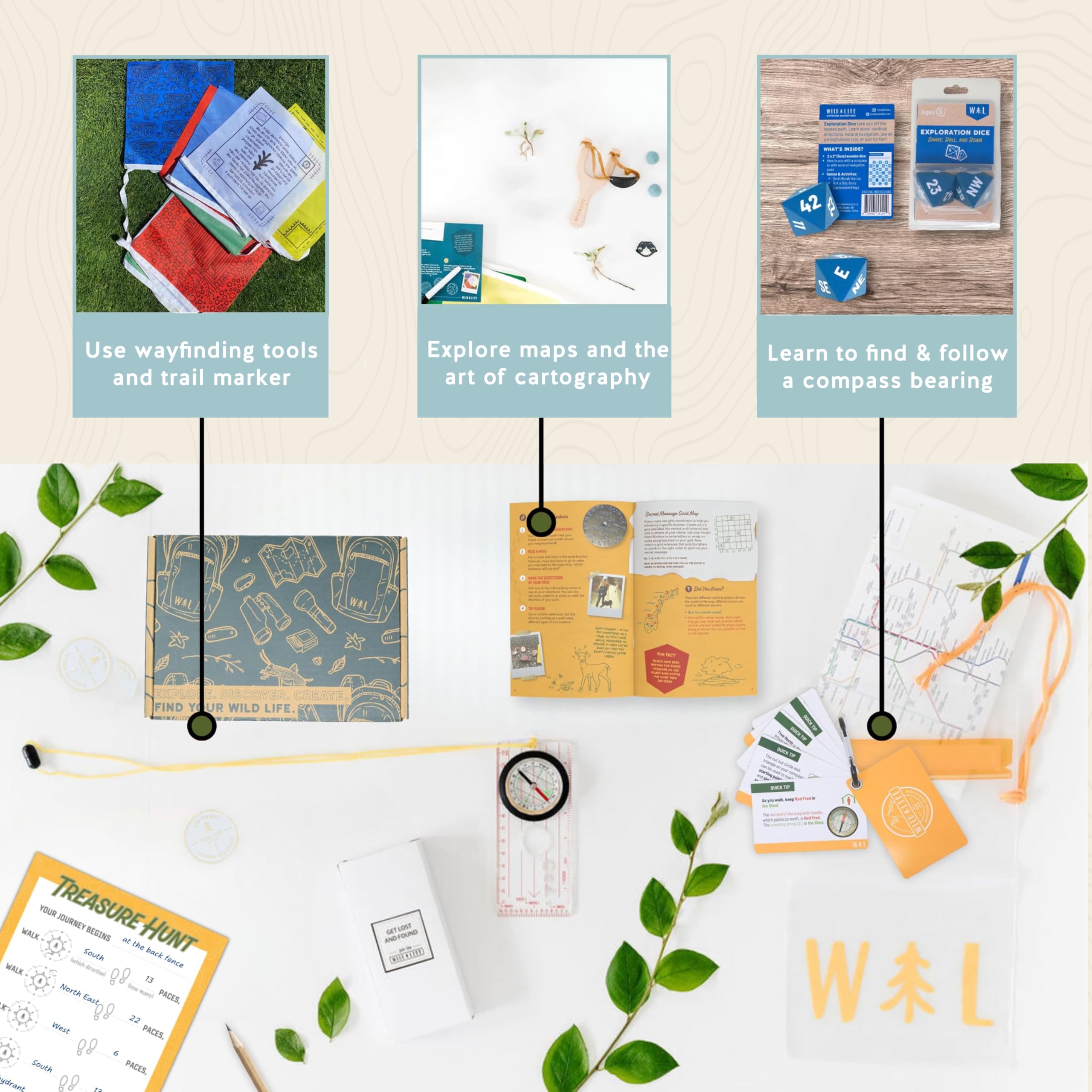

Bold Explorer Outdoor Adventure Kit – Quality Exploration Gear & Activities – Ideal for Kids' Nature Fun & Creativity
- 🤲🏽 Hands-On Exploration Kit – Discover both the sky and the ground with this interactive adventure kit, perfec
- ⏳ Over 10 Hours of Outdoor Fun – Includes a comprehensive 20+ page activity guide filled with nature crafts, g
- Kit includes quality gear like a birchwood slingshot and pair of 10 x 25mm binoculars (metal, not plastic!), p
Working memory, the capacity to hold and manipulate information, is also strengthened through exploratory play. You can read more about how working memory drives early learning and why it matters for everything from reading to maths.
7. Modelling the Curious Life: Your Behaviour Is the Curriculum
Children do not do what you say; they do what you do. If your child sees you approaching an unfamiliar situation with dread and avoidance, that is the template they will internalise. If they see you saying, "I've never tried this before, but let's give it a go," they file that response away as the default.
Small modelling habits with big pay-offs
- Say "I don't know, let's look it up" instead of changing the subject - Try something new in front of your child each month: a new recipe, a craft, a sport - Talk about your own learning: "I've been reading about how bees navigate; it's fascinating" - When you fail at something, narrate your response: "That didn't work. What else could I try?"
Connecting modelled curiosity to STEM concepts for young learners is easier than it sounds; everyday cooking, gardening, and building projects all count.
Age-Stage Explorer Kit Comparison
| Age Stage | Best Focus | Key Features to Look For | Main Benefit | Recommended Product | Price Range |
|---|---|---|---|---|---|
| 3–5 years | Sensory discovery | Simple tools, large grip, adult supervision required | Builds tactile and visual curiosity | KOALA DIARY Nature Explorer Set | $18–20 |
| 3–8 years | Bug & insect study | Magnified habitat, safe catching tools, learning guide | Hands-on science observation | National Geographic Bug Catcher Kit | $19–20 |
| 3–10 years | Full safari experience | Binoculars, vest, hat, bug catcher, 16-piece set | Role play + real exploration | GINMIC Kids Explorer Kit | $20–22 |
| 4–10 years | Comprehensive outdoor kit | 27 pieces including backpack, periscope, cards | Independent expeditions | SMILESSKIDDO Explorer Kit | $35–37 |
| 5–12 years | STEM nature walks | Binoculars, compass, flashlight, backpack | Links exploration to science skills | Adventure Kidz Exploration Kit | $17–19 |
| 6–12 years | Guided outdoor adventure | Metal binoculars, slingshot, 20-page activity guide | Extended project-based play | Bold Explorer Outdoor Adventure Kit | $39–40 |
Expert Insights
Adventure is not a destination. It is the posture your child takes toward the unknown, the willingness to ask "what if?", to try anyway, to fail and try again. That posture is built in ten thousand small moments: the question you didn't dismiss, the stick you handed them instead of the tablet, the time you said "I don't know, let's find out together" instead of looking it up yourself and reporting back.
The children who grow up with that posture do not just become scientists or explorers. They become people who face uncertainty with interest rather than fear, and that, more than any specific skill, is what the world ahead of them will need.
Save this article, share it with your co-parent or caregiver, and try just one new curiosity habit this week. Small beginnings are where all adventures start.
Sources & References
- American Academy of Pediatrics. "The Importance of Play in Promoting Healthy Child Development." Pediatrics, 2022. https://publications.aap.org
- American Academy of Pediatrics. "Literacy Promotion: An Essential Component of Primary Care Pediatric Practice." Policy Statement, 2019. https://publications.aap.org
- Stahl, A. E., & Feigenson, L. "Observing the unexpected enhances infants' learning and exploration." Science, 348(6230), 91–94. 2015. Association for Psychological Science.
- Sandseter, E. B. H. "Characteristics of risky play." Journal of Adventure Education and Outdoor Learning, 9(1), 3–21. 2009. Queen Maud University College.
- Gray, P. "Free to Learn: Why Unleashing the Instinct to Play Will Make Our Children Happier, More Self-Reliant, and Better Students for Life." Basic Books. 2013.
- Kuo, F. E., & Taylor, A. F. "A potential natural treatment for attention-deficit/hyperactivity disorder." American Journal of Public Health, 94(9), 1580–1586. 2004. University of Illinois.
- Cheng, J. C., & Monroe, M. C. "Connection to nature: Children's affective attitudes toward nature environments." Environment and Behavior, 44(1), 31–49. 2012.
- World Health Organization. "Guidelines on Physical Activity, Sedentary Behaviour and Sleep for Children Under 5 Years of Age." WHO, 2019. https://www.who.int
- Malaguzzi, L. "History, Ideas, and Basic Philosophy." In C. Edwards, L. Gandini, & G. Forman (Eds.), The Hundred Languages of Children. 1998.
- Suttie, J. "How Nature Can Make You Kinder, Happier, and More Creative." Greater Good Magazine, University of California Berkeley. 2016.
Frequently Asked Questions
At what age should I let my child explore outside unsupervised?
My child seems fearful of new experiences. How do I help without forcing them?
How much outdoor time does a child actually need each day?
What if we live in a city with limited outdoor space?
How do I balance safety with letting my child take risks?
My child prefers screens to outdoor play. How do I change that?
Can indoor activities build the same sense of adventure as outdoor ones?
Was this helpful?
Thanks — your feedback helps us pick what to write next.