Immunisations: Closing the Immunity Gap Before School
Keeping your 3–5 year old safe and healthy means layering smart supervision, age-appropriate immunisations, injury prevention at home and school, and clear communication with your child's care team.
In this article
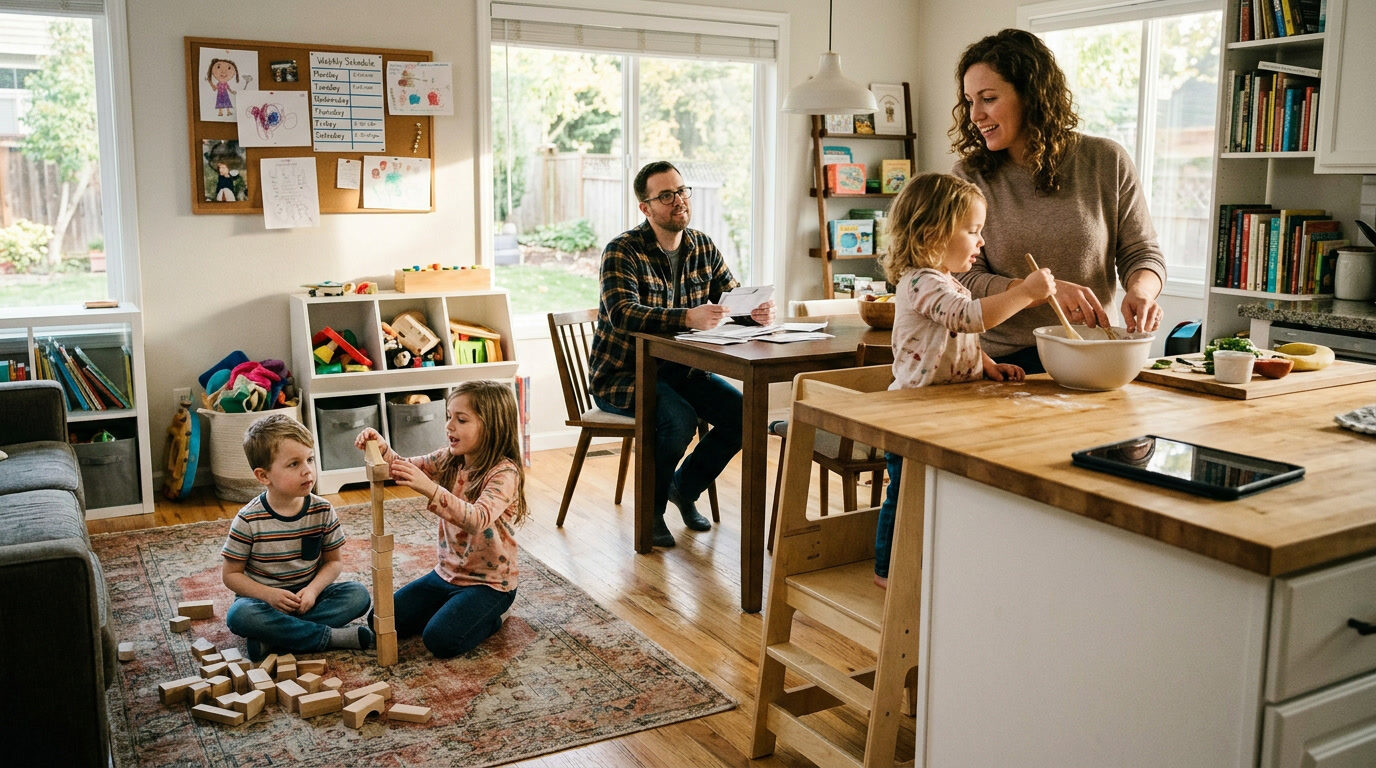
Picture this: your four-year-old has just discovered she can climb the bookshelf. In the same afternoon, she's sneezed on three friends, refused lunch, and asked why the cleaning spray "smells funny." Welcome to preschool — the stage where curiosity and risk collide at full speed.
According to the Centers for Disease Control and Prevention (CDC), unintentional injuries account for more deaths among children aged 1–4 than the next nine leading causes combined. That statistic isn't meant to frighten you — it's meant to focus you. The good news is that the vast majority of these injuries are preventable, and the health habits you build between ages 3 and 5 lay the foundation for everything that follows.
In this guide you'll understand:
1. Immunisations: Closing the Immunity Gap Before School
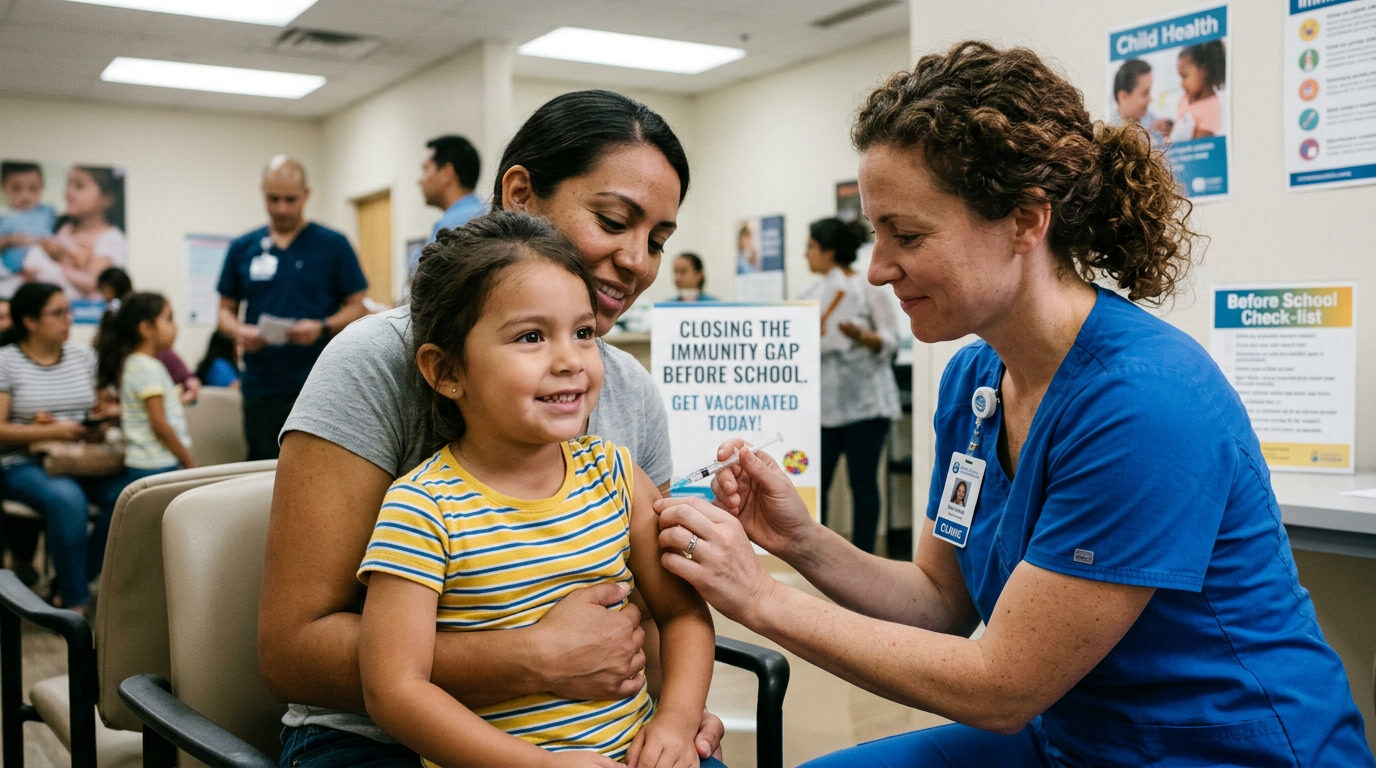
Your preschooler's vaccine schedule is one of the most impactful health decisions you'll make this year. The American Academy of Pediatrics (AAP) recommends that children aged 4–6 receive booster doses of several core vaccines before starting kindergarten, because immunity from earlier doses can wane — and school settings dramatically increase exposure risk.
What's Due at the 4–6 Year Well-Visit
The standard boosters recommended at this visit include:
- DTaP (diphtheria, tetanus, pertussis) — fifth dose - IPV (inactivated polio vaccine) — fourth dose - MMR (measles, mumps, rubella) — second dose - Varicella — second dose - Influenza — annually, every autumn
The CDC's 2024 childhood immunisation schedule also recommends that any missed doses from earlier years be caught up at this visit. Ask your paediatrician to review your child's immunisation record and flag any gaps.
Vaccines are one of the most successful and cost-effective public health interventions ever developed.
— World Health Organization (2023)
2. Injury Prevention: The Room-by-Room Preschool Safety Audit
Preschoolers are faster, stronger, and more adventurous than toddlers — but their judgment hasn't caught up with their bodies yet. The CDC reports that falls are the leading cause of non-fatal injury in children under 5, followed by being struck by an object and poisoning.
Kitchen and Living Areas
- Secure heavy furniture (bookshelves, dressers, TV units) to the wall with anti-tip straps - Store all cleaning products and medicines in locked or child-resistant cabinets — above counter height isn't enough for a determined 4-year-old - Keep pot handles turned inward on the stove - Install stair gates at the top of stairs if your preschooler still has clumsy mornings
Outdoors and Play Spaces
Falls from playground equipment send approximately 200,000 children to US emergency departments each year, according to the CDC. At home:
- Check that outdoor play equipment sits over impact-absorbing surfaces (wood chips, rubber mulch, or sand — not concrete) - Supervise water play constantly; drowning can occur in as little as 2 inches of water - Ensure garden gates self-latch and pool fences meet the four-sided isolation standard recommended by the AAP

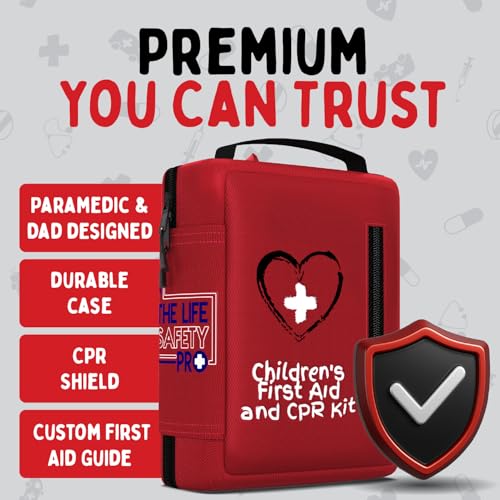
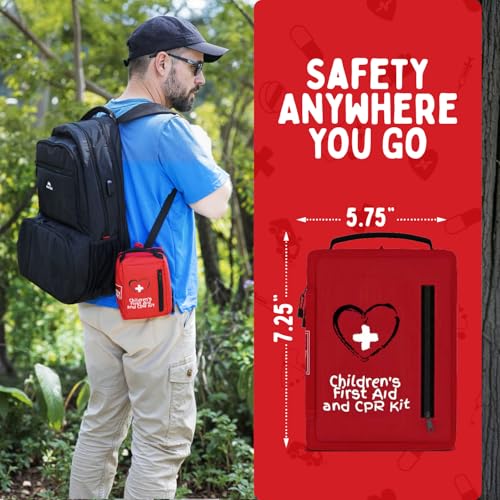
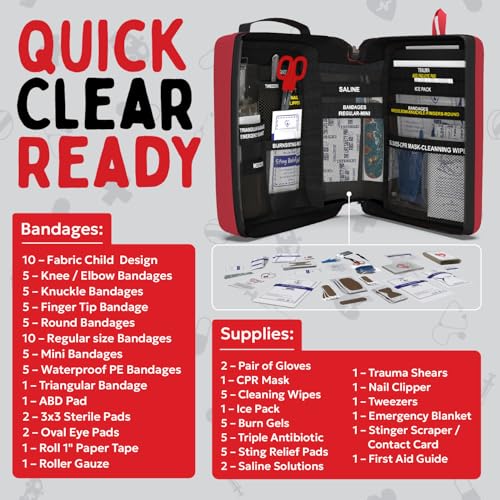
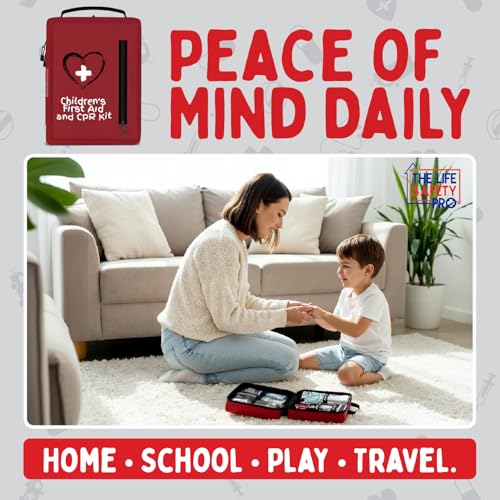
Portable First Aid Kit for Kids with CPR Shield - Ideal for Home, Car, School, Camping, and as a Travel First aid kit. Latex-Free Bandages – Children First Aid Guide by The Life Safety Pro
- First aid kit for kids designed specifically for your children. It contains essential items to handle your chi
- Compact and easy to Use - Specifically designed for your children with well-labeled and organized pockets to f
- Convenient and portable - Lightweight design makes this the perfect travel first aid kit for your kid adventur
3. First Aid Readiness: What to Keep on Hand
Even the most safety-conscious home will see scraped knees, splinters, and the occasional burn from a curious finger touching a hot mug. Being prepared means you stay calm — and your child takes their cue from you.
Building Your Preschool First Aid Kit
A well-stocked kit for a family with a preschooler should include:

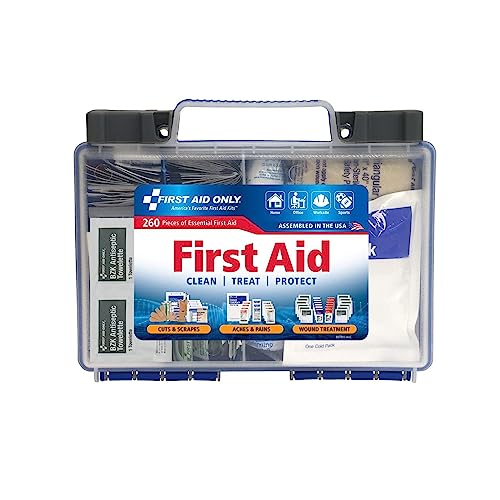


First Aid Only 91248 OSHA-Compliant First Aid Kit, All-Purpose 50-Person Emergency First Aid Kit for Business, Worksite, Home, and Car, 260 Pieces
- OSHA-Compliant Emergency Kit: Includes supplies including bandages, gauze, butterfly closures, burn cream pack
- Convenient Packaging: An ideal office first aid kit, home first aid kit, or car first aid kit, this set of saf
- Easy Access: This convenient and versatile work, home and car emergency kit features a clear cover and individ
For the home, a larger wall-mountable kit like the TLIEAO 400-Piece First Aid Kit keeps supplies organised and visible. For the car, backpack, or school bag, the compact Care Science 110-Piece Kit slips in without bulk. If you want to cover multiple locations — home, car, grandparents' house — the DecorRack 1000-Piece 24-Pack gives you pre-filled individual boxes to distribute everywhere at once, while the DecorRack 500-Piece 12-Pack suits smaller families.
4. Sleep: Why 10–13 Hours Is Non-Negotiable
Preschoolers who consistently get enough sleep have better immune function, fewer behavioural problems, and lower injury rates — because a tired 4-year-old takes more physical risks and reacts more slowly. The AAP and the American Academy of Sleep Medicine (AASM) jointly recommend 10–13 hours of total sleep (including naps) per 24-hour period for children aged 3–5.
Common Sleep Disruptors at This Age
- Nightmares and night terrors peak between ages 3 and 6. Night terrors (where your child screams but isn't truly awake) are unsettling to watch but not harmful — don't try to wake them; gently guide them back to lying down - Stalling at bedtime is developmentally normal but can erode sleep totals fast. A consistent 20–30 minute wind-down routine (bath, story, lights out) signals the brain that sleep is coming - Screen use within an hour of bedtime suppresses melatonin. The AAP recommends keeping screens out of children's bedrooms entirely
5. Nutrition and Physical Activity: Fuelling the Preschool Body
Preschoolers need 60 minutes or more of moderate-to-vigorous physical activity every day, according to the WHO's 2019 Global Guidelines on Physical Activity, Sedentary Behaviour and Sleep. Structured play, outdoor time, and even dancing in the kitchen all count.
Nutrition Basics for Ages 3–5
The USDA's MyPlate guidance for preschoolers emphasises variety over perfection:
- Fruits and vegetables should fill half the plate at each meal - Whole grains (oats, wholemeal bread, brown rice) provide sustained energy for active play - Protein (eggs, legumes, lean meat, fish twice a week) supports muscle and brain development - Dairy or calcium-rich alternatives — two to three servings daily for bone development - Limit added sugars, heavily processed snacks, and sugary drinks; the AAP recommends no more than 4 oz (120 ml) of 100% juice per day for this age group
6. Body Safety and Emotional Wellbeing: Teaching Protective Instincts
Body safety education at ages 3–5 is one of the most powerful protective factors against abuse — and it's far simpler than parents fear. The National Society for the Prevention of Cruelty to Children (NSPCC) reports that children who have received age-appropriate body safety education are significantly more likely to disclose abuse early.
The PANTS Rule (NSPCC)
The NSPCC's PANTS framework gives preschoolers a memorable, non-frightening foundation:
- Privates are private - Always remember your body belongs to you - No means no - Talk about secrets that upset you - Speak up, someone will listen
Practise this in everyday moments — bath time, getting dressed — not as a serious sit-down talk.
Emotional Safety
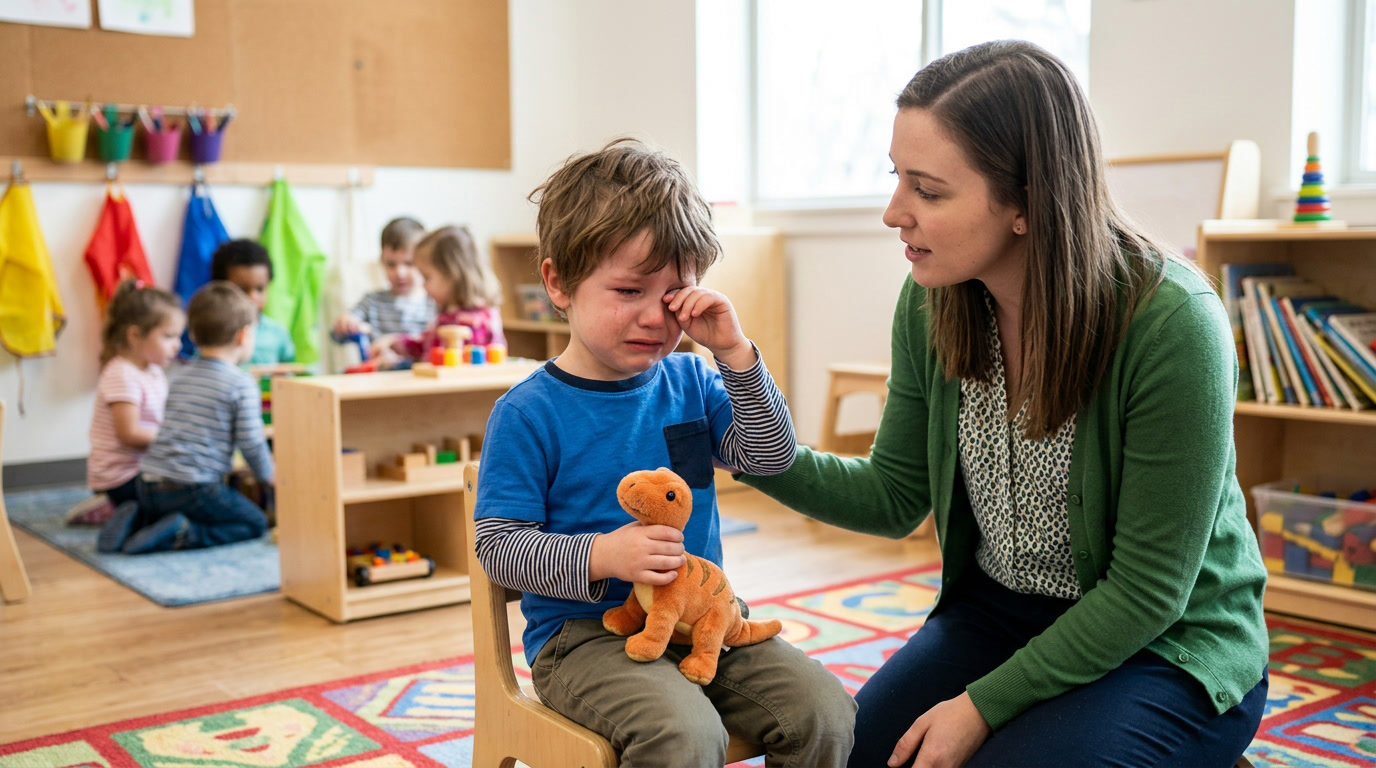
Preschoolers also need to feel emotionally safe to thrive physically. Children who feel secure are more likely to tell a trusted adult when something feels wrong. Build that trust by:
7. When to Call the Doctor: Red Flags vs. Normal Preschool Bugs
Preschoolers average six to eight respiratory illnesses per year — that's normal, especially in the first year of group childcare, as the immune system builds its library of pathogens. The challenge is knowing which symptoms need same-day attention and which just need rest and fluids.
Go to the Emergency Department Now If Your Child Has:
- Difficulty breathing, noisy breathing at rest, or ribs visibly pulling in with each breath - A febrile seizure (call 999/911 immediately) - Altered consciousness, extreme limpness, or inconsolable screaming - A rash that doesn't fade when pressed (glass test for meningococcal disease) - Suspected poisoning — call Poison Control first (1-800-222-1222 US; 111 UK)
Call Your Paediatrician the Same Day For:
- Fever above 39°C (102.2°F) lasting more than 48 hours - Ear pain with fever - Sore throat with swollen glands and no runny nose (may be strep) - Eye discharge with redness (possible conjunctivitis requiring treatment before school return) - Any injury involving the head with vomiting, confusion, or unequal pupils
First Aid Kit Comparison: Which Kit Fits Your Family's Needs?
| Kit Type | Best For | Coverage | Key Contents | Recommended Product | Price Range |
|---|---|---|---|---|---|
| Portable kids' kit | On-the-go, school bag, car | 1–2 children | CPR shield, kid-friendly bandages, first aid guide | The Life Safety Pro Kids' Kit | ~$45 |
| 110-piece compact kit | Travel, day trips, small households | 1–4 people | Bandages, antiseptics, pain relief, first aid guide | Care Science 110-Piece Kit | ~$10 |
| 260-piece OSHA kit | Home base, larger families | Up to 50 people | Gauze, burn cream, gloves, scissors, tweezers | First Aid Only 260-Piece Kit | ~$21 |
| 400-piece wall-mount kit | Kitchen wall, family home | 4–8 people | Dual-layer storage, cold pack, burn gel, gloves | TLIEAO 400-Piece Kit | ~$33 |
| 500-piece 12-pack | Multi-location coverage (car, school, grandparents) | Small–medium family | Pre-filled individual boxes, bandages, pads | DecorRack 500-Piece 12-Pack | ~$30 |
| 1000-piece 24-pack | Large families, childcare settings, field trips | Childcare group | 24 individual kits, comprehensive wound care | DecorRack 1000-Piece 24-Pack | ~$60 |
Expert Insights
The preschool years move fast. One season your child is wobbly on a balance bike; the next they're negotiating bedtime like a tiny barrister. Amid all that growth, your calm preparation — the vaccines booked, the cabinet locked, the conversation about body safety woven into bath time — is the invisible scaffolding that keeps them safe enough to be wonderfully, gloriously curious.
The most quotable truth in all of paediatric safety research is this: the single best protection you can give a preschooler is a present, informed adult who knows what to do. That's you. Save this guide, share it with your co-parent or childcare provider, and revisit it every six months as your child grows into each new stage of daring.
Sources & References
- Centers for Disease Control and Prevention (CDC). "Leading Causes of Death — Children Ages 1–4." 2023. https://www.cdc.gov/injury/wisqars/index.html
- American Academy of Pediatrics (AAP). "Recommended Immunization Schedule for Children and Adolescents." 2024. https://www.aap.org/immunizationschedules
- World Health Organization (WHO). "Vaccines and Immunization." 2023. https://www.who.int/health-topics/vaccines-and-immunization
- American Academy of Sleep Medicine (AASM) / AAP. "Recommended Amount of Sleep for Pediatric Populations." Journal of Clinical Sleep Medicine, 2016.
- WHO. "Guidelines on Physical Activity, Sedentary Behaviour and Sleep for Children Under 5 Years of Age." 2019. https://www.who.int/publications/i/item/9789241550536
- USDA. "MyPlate for Preschoolers." 2020. https://www.myplate.gov/life-stages/preschoolers
- NSPCC. "PANTS: Underwear Rule." 2022. https://www.nspcc.org.uk/keeping-children-safe/support-for-parents/pants-underwear-rule/
- CDC. "Playground Safety." 2023. https://www.cdc.gov/safechild/playground/index.html
- Nationwide Children's Hospital, Center for Injury Research and Policy. "Playground Injuries." https://www.nationwidechildrens.org/research/areas-of-research/center-for-injury-research-and-policy
- American Academy of Pediatrics. "Drowning Prevention." HealthyChildren.org. 2023. https://www.healthychildren.org/English/safety-prevention/at-play/Pages/Drowning-Prevention.aspx
Frequently Asked Questions
How many illnesses per year is normal for a preschooler?
Does my 4-year-old still need a nap?
Which vaccines does my child need before starting school?
How do I childproof for a preschooler — isn't that just for babies?
When should I call 911 vs. Poison Control if my child swallows something?
What should I do if my preschooler has a night terror?
How do I talk to my preschooler about body safety without scaring them?
Was this helpful?
Thanks — your feedback helps us pick what to write next.