
Milk First: How Much Breast Milk or Formula Your Baby Needs (3–12 Months)
From 3 to 12 months, your baby's nutrition story moves from exclusive milk feeds to a rich mix of breast milk or formula plus a growing variety of solid foods — and getting the timing and approach right sets the foundation for lifelong healthy eating.
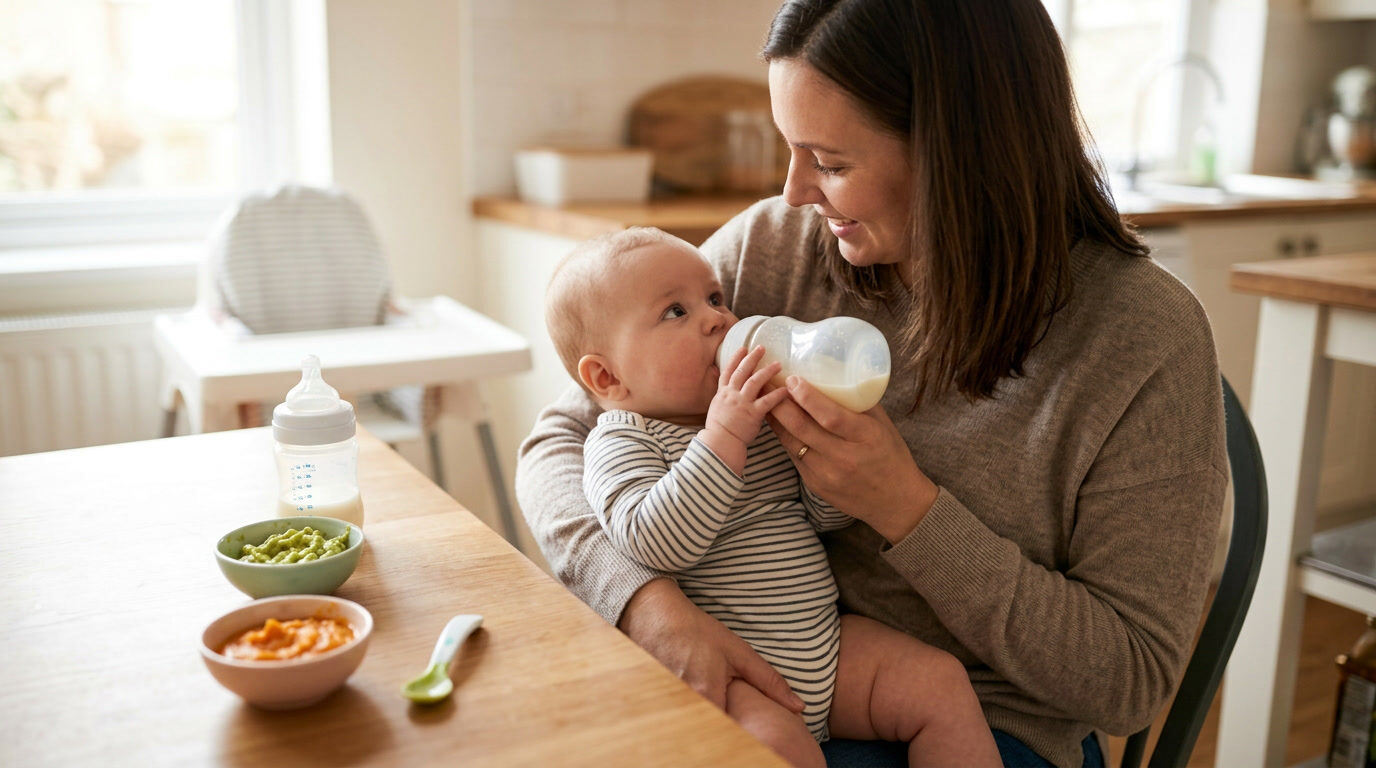
In this article
Here's the truth most new parents discover around the 4-month mark: feeding a baby sounds simple until you're actually doing it. According to the World Health Organization, only about 44% of infants aged 0–6 months are exclusively breastfed globally — meaning the majority of families are already navigating a mix of feeding methods, questions, and second-guessing before solids even enter the picture. Add in the transition to purees, finger foods, allergen introductions, and the mystery of "how much is enough?" and it's easy to feel overwhelmed.
This guide cuts through the noise with evidence-based answers for every stage of infant feeding from 3 to 12 months.
By the end, you'll understand:
1. Milk First: How Much Breast Milk or Formula Your Baby Needs (3–12 Months)
Breast milk or infant formula is your baby's primary nutrition source for the entire first year — solid foods are a complement, not a replacement, until at least 12 months. This single fact is the most important anchor in infant feeding.
The American Academy of Pediatrics (AAP) recommends exclusive breastfeeding for around 6 months, followed by continued breastfeeding alongside complementary foods for at least the first year and beyond, as long as it is mutually desired. For formula-fed babies, the guidance is similar in volume.
How Much Is Enough?
General volume guidelines from the AAP and CDC:
- 3–4 months: 4–6 oz per feed, roughly every 3–4 hours (24–32 oz/day formula) - 5–6 months: 6–8 oz per feed, 4–5 times per day - 7–9 months: As solids increase, milk volume stays around 24–32 oz/day - 10–12 months: 16–24 oz/day as solid food intake grows
For breastfed babies, volume is harder to measure — but a baby who is gaining weight well, producing 6+ wet nappies per day, and seems content after feeds is almost certainly getting enough.
If you're bottle feeding, paced feeding is the gold standard. It mimics the natural rhythm of breastfeeding, prevents overfeeding, and reduces gas. A bottle with a breast-like nipple and anti-colic venting makes a real difference here.


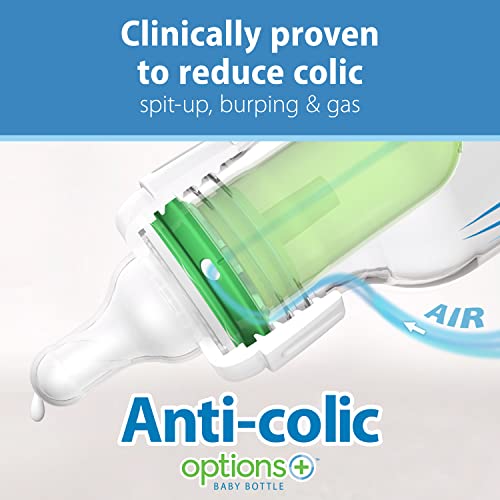


Dr. Brown's Anti-Colic Baby Feeding Set with Slow Flow Nipples, Travel Caps, Silicone Pacifier - Pink
- ANTI-COLIC BABY BOTTLE FEEDING SET. Anti-Colic internal vent system is clinically proven to reduce colic. Decr
- CONSISTENT FLOW RATE. Vacuum-free feeding is closest to breastfeeding and Dr. Brown’s silicone nipples provide
- PRESERVES NUTRIENTS. The anti-colic vent system is proven to help preserve bottle milk nutrients and aids in d
2. Starting Solids: Timing, Readiness Cues, and What to Offer First
Start solids around 6 months — not before 4 months, and not by defaulting to "they seem hungry" without checking readiness signs. The AAP, WHO, and NICE all align on this window, with individual variation allowed between 4 and 6 months only when a paediatrician agrees the baby is developmentally ready.
Readiness Signs (All Three Must Be Present)
Starting too early (before 4 months) is associated with increased risk of obesity, digestive problems, and allergic disease. The gut and nervous system simply aren't ready.
What to Offer First
There's no single "right" first food. Iron-fortified single-grain cereals, pureed vegetables, fruits, and mashed legumes are all appropriate. What matters more than order is variety and iron content (more on that in the next section).
Complementary foods should be introduced around 6 months of age, while continuing breastfeeding. A variety of adequate, safe and properly fed complementary foods should meet the nutritional requirements of the growing infant.
— World Health Organization (2023)
3. Iron, Zinc, and the Nutrients That Actually Matter Most
Iron deficiency is the most common nutritional deficiency in infants worldwide, affecting an estimated 40% of children under 5 globally according to the WHO. Around 6 months, babies born at full term begin to deplete their stored iron — which is exactly why starting iron-rich complementary foods at this point is so important.
Top Priority Nutrients in the 6–12 Month Window
- Iron: Meat, poultry, fish, iron-fortified cereals, lentils, tofu. Pair with vitamin C-rich foods to boost absorption. - Zinc: Meat, beans, cheese, fortified cereals — supports immune function and growth. - Omega-3 fatty acids (DHA): Oily fish (2x/week), fortified formula — critical for brain development. - Vitamin D: The AAP recommends 400 IU/day for all breastfed infants from birth; formula-fed babies typically meet needs through formula if consuming ≥32 oz/day. - Choline: Eggs, meat — supports brain and nervous system development.
4. Allergen Introduction: Earlier Is Safer Than You Think
Deliberately introducing the nine major allergens early — around 6 months, and definitely before 12 months — significantly reduces the risk of developing food allergies. This is one of the most important evidence shifts in paediatric nutrition in the last decade.
The landmark LEAP trial (Learning Early About Peanut Allergy, King's College London, 2015) showed that early introduction of peanut protein reduced peanut allergy by up to 81% in high-risk infants. Subsequent research has extended this principle to egg, tree nuts, fish, wheat, and sesame.
For most infants, we now recommend introducing allergenic foods early and often — waiting does not protect against allergy and may actually increase risk.
— National Institute of Allergy and Infectious Diseases (NIAID), 2017 Addendum Guidelines
How to Introduce Allergens Safely
1. Start when your baby is well — not during illness or teething flares 2. Introduce one allergen at a time, waiting 1–2 days before the next new allergen 3. Offer in the morning so you can monitor for 2 hours after 4. Start with a small amount (tip of a spoon) and increase gradually 5. If your baby has severe eczema or an existing food allergy, consult your paediatrician before starting — they may refer to an allergist first
5. Bottle Feeding Done Right: Choosing and Using Bottles for 3–12 Months
Whether you're exclusively formula feeding, combination feeding, or returning to work and pumping, the bottle you choose and how you use it matters more than most parents realise.
What to Look for in an Infant Bottle

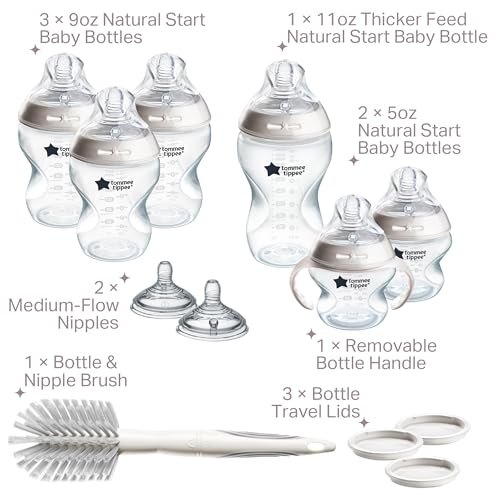
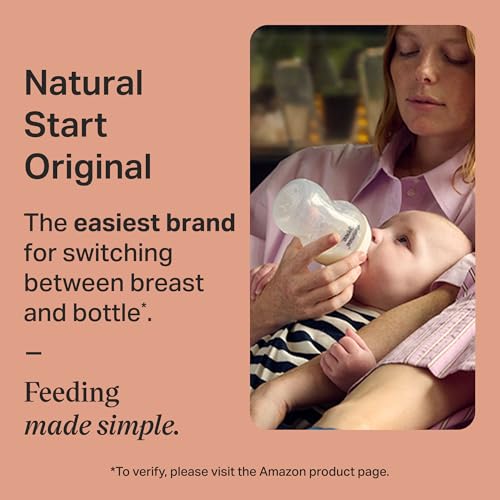
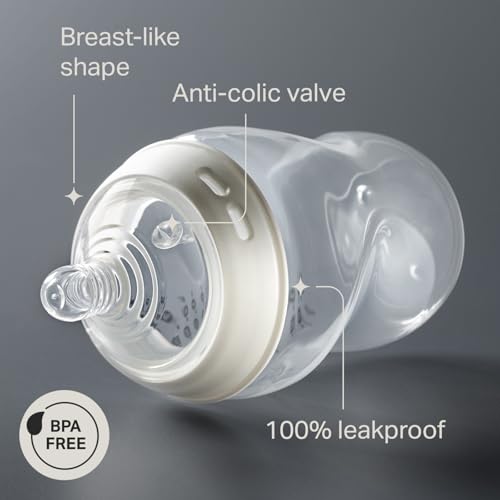
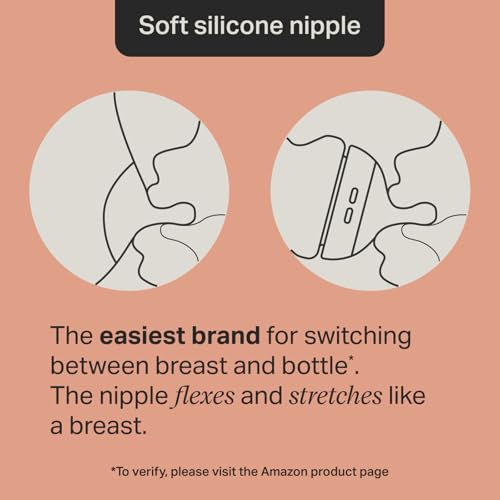
Tommee Tippee Natural Start 12 Piece BPA Free Bottle Set, Includes 2 x 5 oz, 3 x 9 oz, 1 x 11 oz Bottles, Newborn 0+ Months, Slow, Medium & Thicker Flow Breast-Like Nipples, Cleaning Brush, Clear
- What's Included: 2 x 5oz Natural Start Bottles, 3 x 9oz Natural Start Bottles, 1 x 11 oz Natural Start Bottle,
- Designed For Seamless Transition Between Bottle and Breast: Natural Start bottles have silicone nipples that a
- 100% Leakproof Bottle to Avoid Messes: When the screw ring, nipple and cap are all secured, your baby bottle i
For babies with significant gas or colic symptoms, a clinically validated internal vent system can make a meaningful difference.
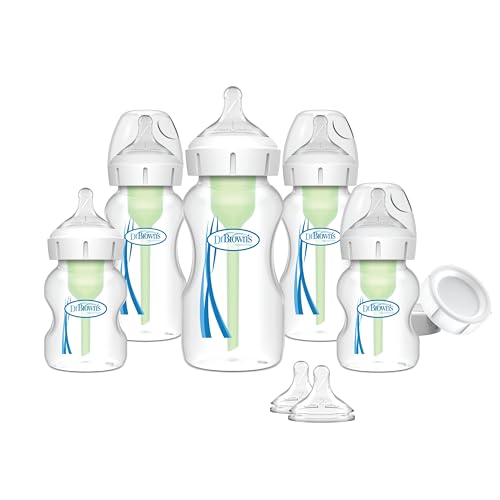
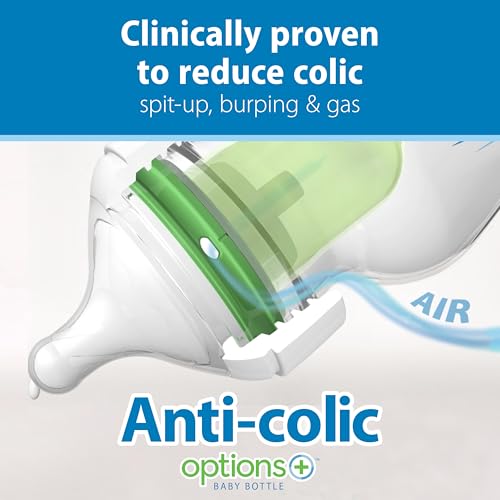

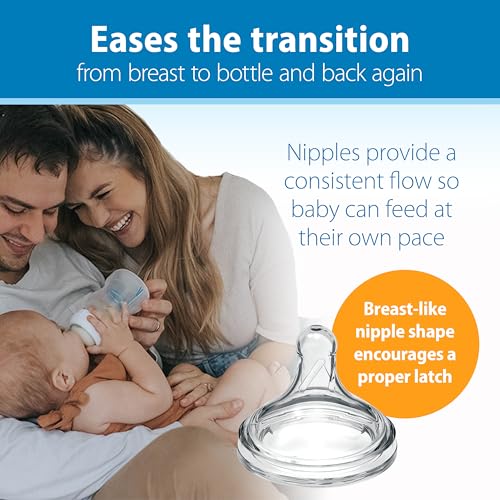
Dr. Brown's Anti-Colic Options+ Wide-Neck Baby Bottle Feeding Set, 5 oz/9 oz, with Bottle Travel Caps (Packaging May Vary)
- ANTI-COLIC BABY BOTTLE. Anti-Colic internal vent system is clinically proven to reduce colic. Decreases spit-u
- CONSISTENT FLOW RATE. Vacuum-free feeding is closest to breastfeeding and Dr. Brown’s silicone nipples provide
- PRESERVES NUTRIENTS. The anti-colic vent system is proven to help preserve bottle milk nutrients and aids in d
As your baby approaches 9–12 months, you'll want to start transitioning toward a sippy cup or open cup. The AAP recommends introducing an open cup as early as 6 months and moving away from bottles entirely by 18 months to protect dental health and speech development.
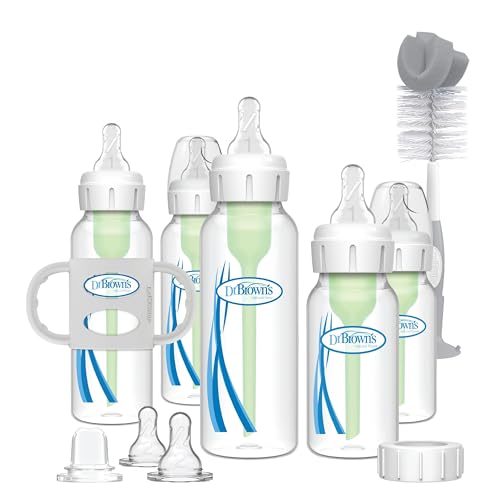


Dr. Brown's Anti-Colic Options + Narrow Bottle to Sippy Gift Set with Soft Silicone Sippy Spout, Removable Silicone Handles, Travel Cap and Bottle Brush (Packaging/Brush Color May Vary)
- ANTI-COLIC BABY BOTTLE. Anti-Colic internal vent system is clinically proven to reduce colic. Decreases spit-u
- CONSISTENT FLOW RATE. Vacuum-free feeding is closest to breastfeeding and Dr. Brown’s silicone nipples provide
- PRESERVES NUTRIENTS. The anti-colic vent system is proven to help preserve bottle milk nutrients and aids in d
6. Baby-Led Weaning vs. Purees vs. Combination Feeding: What the Evidence Says
There's no single "right" approach to introducing solids — the evidence supports purees, baby-led weaning (BLW), and a combination of both, as long as the foods offered are nutritionally appropriate and safe.
| Approach | Best Starting Age | Key Benefits | Main Challenges | Recommended Product | Price Range |
|---|---|---|---|---|---|
| Traditional purees | 4–6 months (with readiness) | Easy to control texture/volume; lower choking risk | May delay self-feeding skills; more prep work | MAM Easy Start Anti-Colic Set | $36 |
| Baby-led weaning (BLW) | 6 months (sitting unaided) | Promotes self-regulation; family meal inclusion | Messier; harder to track iron intake | Dr. Brown's Anti-Colic Feeding Set | $25 |
| Combination approach | 6 months | Flexibility; balances control and autonomy | Requires more planning | Tommee Tippee Anti-Colic Set | $25 |
| Responsive spoon feeding | 4–6 months | Follows baby's hunger cues; builds trust | Requires patience and reading cues | Tommee Tippee Natural Start Set | $25 |
| Finger foods alongside purees | 7–9 months | Builds texture tolerance; oral motor development | Gagging is common (and normal) | Dr. Brown's Wide-Neck Bottle Set | $30 |
A 2019 Cochrane review found no significant difference in growth outcomes between BLW and traditional spoon-feeding, but noted that BLW babies may have slightly better appetite self-regulation. The most important variable isn't the method — it's the quality and variety of foods offered.
7. Feeding Red Flags: When to Call Your Paediatrician
Most feeding quirks in infancy are normal variations — but some signs genuinely warrant a call or visit.
Contact Your Paediatrician If:
Expert Insights
The first year of feeding is genuinely one of the most demanding — and rewarding — things you'll do as a parent. You'll question yourself, you'll have messy meals, you'll worry about whether they're eating enough. That's not a sign you're doing it wrong; it's a sign you're paying attention. What the evidence keeps coming back to is this: responsive, varied, and relaxed feeding — more than any single method or product — is what sets children up for a healthy relationship with food.
The best thing you can do today is trust your baby's cues, prioritise iron and allergen introduction, and ask for help when something feels off.
If this guide helped you, save it for the weeks ahead — the questions change as your baby grows, and it's worth revisiting at 6 months and again at 9. Share it with your co-parent, your mum group, or anyone else navigating this beautiful, chaotic first year.
Sources & References
- World Health Organization. "Infant and Young Child Feeding." Fact Sheet. 2023. https://www.who.int/news-room/fact-sheets/detail/infant-and-young-child-feeding
- American Academy of Pediatrics. "Starting Solid Foods." HealthyChildren.org. 2023. https://www.healthychildren.org/English/ages-stages/baby/feeding-nutrition/Pages/Starting-Solid-Foods.aspx
- American Academy of Pediatrics. "Breastfeeding and the Use of Human Milk." Pediatrics. 2022. https://publications.aap.org/pediatrics/article/150/1/e2022057988/188347
- Du Toit G, et al. "Randomized Trial of Peanut Consumption in Infants at Risk for Peanut Allergy (LEAP Trial)." New England Journal of Medicine. 2015. https://www.nejm.org/doi/full/10.1056/NEJMoa1414850
- National Institute of Allergy and Infectious Diseases. "Addendum Guidelines for the Prevention of Peanut Allergy in the United States." 2017. https://www.niaid.nih.gov/diseases-conditions/guidelines-clinicians-and-patients-food-allergy
- Centers for Disease Control and Prevention. "Infant and Toddler Nutrition." CDC.gov. 2023. https://www.cdc.gov/nutrition/infantandtoddlernutrition/index.html
- NICE (National Institute for Health and Care Excellence). "Maternal and Child Nutrition." Public Health Guideline PH11. 2014 (updated 2023). https://www.nice.org.uk/guidance/ph11
- Fangupo LJ, et al. "A Baby-Led Approach to Eating Solids and Risk of Choking." Pediatrics. 2016. https://publications.aap.org/pediatrics/article/138/4/e20160772/52495
- Cameron SL, et al. "How Feasible Is Baby-Led Weaning as an Approach to Infant Feeding?" Nutrients. 2012.
- American Academy of Pediatrics. "Fruit Juice in Infants, Children, and Adolescents: Current Recommendations." Pediatrics. 2017. https://publications.aap.org/pediatrics/article/139/6/e20170967/38147
Frequently Asked Questions
When can I start giving my baby water?
My baby gags every time I offer solids. Is this normal?
Can I use the same bottle for breastfed and formula-fed feeds?
How do I know if my baby has a milk protein allergy vs. normal fussiness?
Is it safe to make my own baby food at home?
When should my baby move from slow-flow to medium-flow nipples?
My baby is 11 months and still not interested in solids. Should I be worried?
Was this helpful?
Thanks — your feedback helps us pick what to write next.