Screen Time by Age: What the Evidence Actually Says
Raising kids in the digital age means balancing screen time, online safety, emotional connection, and real-world skills — and there are clear, evidence-based strategies for every stage from newborn to tween.

In this article
Your toddler knows how to swipe before they can tie their shoes. Your eight-year-old has already encountered content online that you didn't see until you were a teenager. According to Common Sense Media's 2023 Census, children aged 8–12 now average nearly five hours of screen time per day — not counting schoolwork. That number has more than doubled since 2015.
This isn't a reason to panic. It is a reason to have a plan.
In this guide you'll understand:
1. Screen Time by Age: What the Evidence Actually Says
The single most important thing you can do is match your household rules to your child's developmental stage, not to what the neighbour's family does.
The AAP's current guidelines are clear: - Under 18 months: Video-chatting with family only (it's interactive, not passive) - 18–24 months: High-quality programming only, watched with a parent - 2–5 years: Maximum one hour per day of co-viewed, high-quality content - 6 years and older: Consistent, agreed limits — with sleep, physical activity, and homework protected
The quality of the content and whether a parent is co-viewing matters as much as the quantity of time.
— American Academy of Pediatrics, Media and Children Communication Toolkit (2023)
Why Co-Viewing Is the Game-Changer
Passive screen exposure teaches very little. When you sit beside your three-year-old and talk about what's happening on screen — "Why do you think the dog is sad?" — you transform a cartoon into a language and empathy lesson. That's the difference between screen time that harms and screen time that helps.
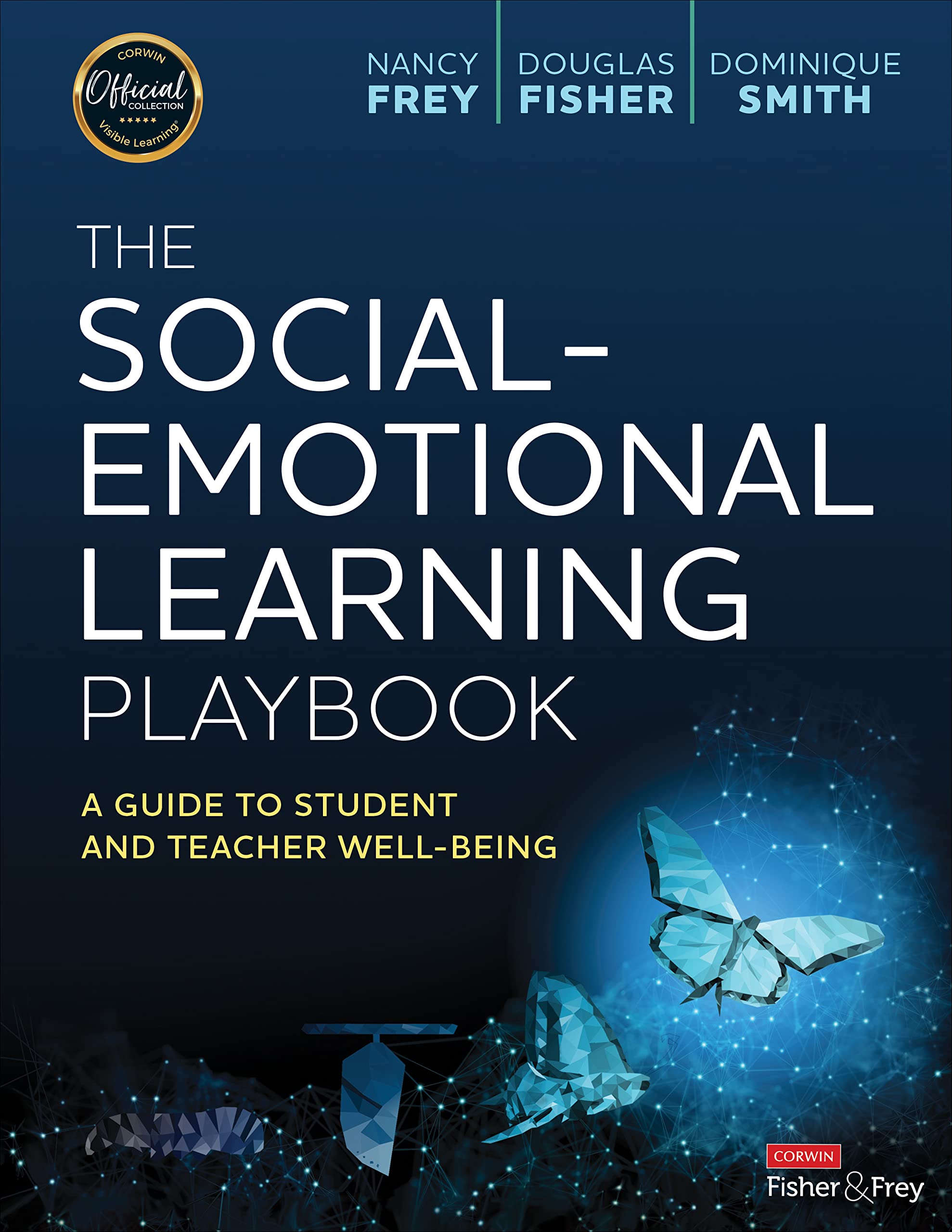
For a deeper dive into the research and practical frameworks, Parenting in the Digital Age is a solid Kindle read you can finish in a weekend.





A Practical Guide to Parenting in the Digital Age: How to Nurture Safe, Balanced, and Connected Children and Teens
- Parenting & Relationships
- Image Unavailable Image not available forColor:
- Publisher : CreateSpace Independent Publishing Platform
2. Building Digital Literacy: Start Earlier Than You Think
Digital literacy isn't about teaching your child to use a device — they'll figure that out on their own. It's about teaching them to think about what they see, share, and believe online.
You can start this at age three.
Ages 3–6: Foundations of "Real vs. Pretend"
Young children cannot reliably distinguish between an advertisement and a show, or between a real person and a character. Your job at this stage is to narrate: "That's an ad — they want us to buy something." Simple, repeated, effective.
Ages 7–10: Source Checking and Privacy Basics
By second grade, children are searching independently. Teach them to ask three questions before believing anything online: 1. Who made this? 2. Why did they make it? 3. Can I find it somewhere else?
Also introduce the concept of personal information — full name, school name, home address, and photos are private, always.
Digital Parenting by the Ages breaks this progression down beautifully, with age-specific chapters that make it easy to find exactly what applies to your child right now.
3. Online Safety: Protecting Your Child Without Destroying Trust
Online safety is not just a software problem. Parental controls are useful — but a child who feels they can talk to you is safer than one behind the best filter money can buy.
The Three Layers of Protection
Layer 1 — Technical: Use router-level controls (many modern routers include family settings), device-level screen time limits, and age-appropriate safe-search settings. These are your baseline, not your strategy.
Layer 2 — Relational: Keep devices in shared family spaces during childhood. Have a consistent "phones charge in the kitchen overnight" rule. This isn't punishment — frame it as a family norm from day one.
Layer 3 — Conversational: Talk about what your child sees online the same way you talk about what happens at school. "Anything weird or confusing today?" normalises the conversation before a crisis happens.
For families wanting a comprehensive technical and relational safety framework, Cyber-Smart Parenting is one of the most practical guides available, covering everything from privacy settings to what to do if your child is targeted.




Growing Up in Public: Coming of Age in a Digital World
- Computers & Technology
- Internet & Social Media
- Social Media
4. Tweens, Teens, and Social Media: The High-Stakes Years
Social media use before age 13 is against the terms of service of most major platforms — and yet 40% of children aged 8–12 use social media anyway, according to Common Sense Media (2023). By the time your child is 13, the landscape changes fast.
Adolescents who spend more than three hours per day on social media face double the risk of poor mental health outcomes including depression and anxiety.
— U.S. Surgeon General's Advisory on Social Media and Youth Mental Health (2023)
What Actually Helps Teens
The goal isn't to ban social media — for most families that's neither realistic nor the most effective approach. The goal is to build the internal skills that make your teen resilient online.
Navigating the Digital Age for Teens is specifically written for parents of adolescents and covers social media, gaming, and relationship dynamics in a tone that won't make your teen roll their eyes if they find it on your nightstand.




NAVIGATING THE DIGITAL AGE: A PARENT'S GUIDE TO RAISING TEENS IN THE WORLD OF SOCIAL MEDIA: Strategies for Building Strong Relationship and Promoting Safe Technology Usage
- Kindle Store
- Kindle eBooks
- Parenting & Relationships
5. Keeping Connection at the Centre: Family Rituals in a Distracted World
Technology doesn't erode family connection — distraction does. The good news is that intentional family rituals are one of the most well-researched protective factors in child development.
A 2020 study from Brigham Young University found that family dinners — even just three per week — were associated with lower rates of substance use, better academic outcomes, and stronger emotional wellbeing in children aged 6–17.
Rituals That Work at Every Age
- The daily "Rose and Thorn" at dinner: one good thing, one hard thing. Takes three minutes. Builds emotional vocabulary in young children and keeps teens talking. - Weekly one-on-one time with each child — even 20 minutes of undivided attention is enough to maintain secure attachment. - A family read-aloud, even with older children. Research from the American Academy of Pediatrics confirms that reading aloud strengthens language, empathy, and parent-child bonding well beyond the toddler years.
6. Parenting Yourself: Managing Your Own Digital Habits
Here's the part most parenting guides skip: your children are watching you on your phone, and they're learning from it.
A 2022 survey by the American Psychological Association found that 44% of teens said their parents were "often" or "almost always" distracted by their own devices during conversations. That number is uncomfortable — and fixable.
Small Shifts With Big Impact
Children whose parents model healthy tech habits show better self-regulation around devices by middle school. You are the most powerful digital-literacy lesson your child will ever receive.
Parenting in the Digital Age includes a chapter specifically on parental device use that is worth reading before you tackle any rules with your kids.
Comparison Table: Digital Parenting Approaches by Child's Age
| Approach | Best Age Range | Primary Benefit | Main Challenge | Recommended Resource | Price Range |
|---|---|---|---|---|---|
| Co-viewing with narration | 18 months–5 years | Turns passive screen time into active learning | Requires parent presence and patience | Parenting in the Digital Age | Kindle |
| Family Media Plan (AAP) | 2–12 years | Personalised, age-appropriate limits | Needs buy-in from all caregivers | A Practical Guide to Parenting in the Digital Age | $14.50 |
| Age-banded digital literacy curriculum | 3–12 years | Builds critical thinking progressively | Takes consistent reinforcement | Digital Parenting by the Ages | Kindle |
| Open social-media dialogue | 10–17 years | Builds trust and resilience | Requires parents to stay informed on platforms | Navigating the Digital Age for Teens | Kindle |
| Technical + relational safety layering | 6–17 years | Comprehensive protection without over-restriction | Balancing privacy and oversight | Cyber-Smart Parenting | Kindle |
| Public identity coaching | 12–17 years | Prepares teens for digital footprint consequences | Teens may resist parental input | Growing Up in Public | $11.88 |
Expert Insights
Conclusion
Raising children in the digital age is genuinely harder than it was a generation ago — and also full of remarkable opportunities. The parents who navigate it best aren't the ones with the strictest rules or the most sophisticated parental controls. They're the ones who stay curious, stay connected, and keep showing up in the small moments that build trust over years.
Technology will keep changing. Your child's need for a warm, present, reliably responsive parent will not. That's the part no algorithm can replace — and the part you already have.
The most future-proof thing you can give your child isn't digital skills. It's the confidence that you're someone worth talking to.
If this guide was useful, save it, share it with a parent friend who needs it, and check back — we update our resources as the research evolves.
Sources & References
- American Academy of Pediatrics. "Media and Children Communication Toolkit." 2023. healthychildren.org/English/family-life/Media/Pages/How-to-Make-a-Family-Media-Use-Plan.aspx
- Common Sense Media. "The Common Sense Census: Media Use by Tweens and Teens." 2023. commonsensemedia.org/research/the-common-sense-census-media-use-by-tweens-and-teens-2023
- U.S. Surgeon General. "Advisory on Social Media and Youth Mental Health." 2023. hhs.gov/surgeongeneral/priorities/youth-mental-health/social-media/index.html
- American Psychological Association. "Stress in America: Money, Inflation, and the Economy." 2022 (device distraction data). apa.org/news/press/releases/stress
- Carskadon, M.A. "Sleep's Role in the Developing Brain." Brown University Sleep Research Laboratory. Published findings referenced in Pediatrics, 2011–2022.
- Siegel, D.J. & Bryson, T.P. "The Whole-Brain Child." Delacorte Press, 2011.
- Jensen, M. et al. "Screen Time and Child Development: A Systematic Review." Computers & Education, 2022.
- Brigham Young University. "Family Dinner and Adolescent Wellbeing." Journal of Adolescent Health, 2020.
- Radesky, J. "Digital Media and Developing Minds." University of Michigan Medical School. Pediatrics, 2016–2023.
Frequently Asked Questions
What is the AAP's current recommended screen time for toddlers?
At what age should my child get a smartphone?
How do I talk to my teen about social media without them shutting down?
Are parental controls enough to keep my child safe online?
How do I manage my own phone use as a parent?
What are the signs that my child's screen time has become a problem?
Is educational screen time different from entertainment screen time?
Was this helpful?
Thanks — your feedback helps us pick what to write next.