What Is Social and Emotional Learning — and Why Does It Start at Home?
Social and Emotional Learning (SEL) gives children the tools to understand their feelings, build healthy relationships, and make thoughtful decisions — and the evidence shows it shapes everything from academic success to lifelong mental health.
In this article
Think about the last time your child had a meltdown in the supermarket, froze up before a birthday party, or came home from school saying "nobody likes me." Those moments aren't just hard parenting days — they're windows into a child's developing emotional world. According to the Collaborative for Academic, Social, and Emotional Learning (CASEL), students who participate in evidence-based SEL programmes show an 11-percentile-point gain in academic achievement compared to peers who don't. That's not a small effect. That's the kind of difference that follows a child for life.
This guide will help you understand:
1. What Is Social and Emotional Learning — and Why Does It Start at Home?
SEL is the process through which children learn to recognise and manage their emotions, feel empathy for others, build positive relationships, and make responsible choices. It isn't a single programme or a school subject — it's a set of lifelong skills that begin developing the moment your baby first locks eyes with you.
CASEL, the leading research body in this field, defines SEL around five core competencies:
- Self-Awareness — recognising your own emotions, strengths, and values - Self-Management — regulating emotions, controlling impulses, and setting goals - Social Awareness — understanding others' perspectives and appreciating diversity - Relationship Skills — communicating clearly, resolving conflict, and cooperating - Responsible Decision-Making — making ethical, thoughtful choices
What makes SEL so powerful is that it is transactional — it happens in the back-and-forth of everyday life. Every time you name your child's feelings ("You look really frustrated right now"), you are doing SEL. Every time you model taking a deep breath before reacting, you are doing SEL.
For educators and parents who want a deeper framework, Teaching with the HEART in Mind is an accessible, research-grounded guide that translates SEL theory into practical everyday interactions.



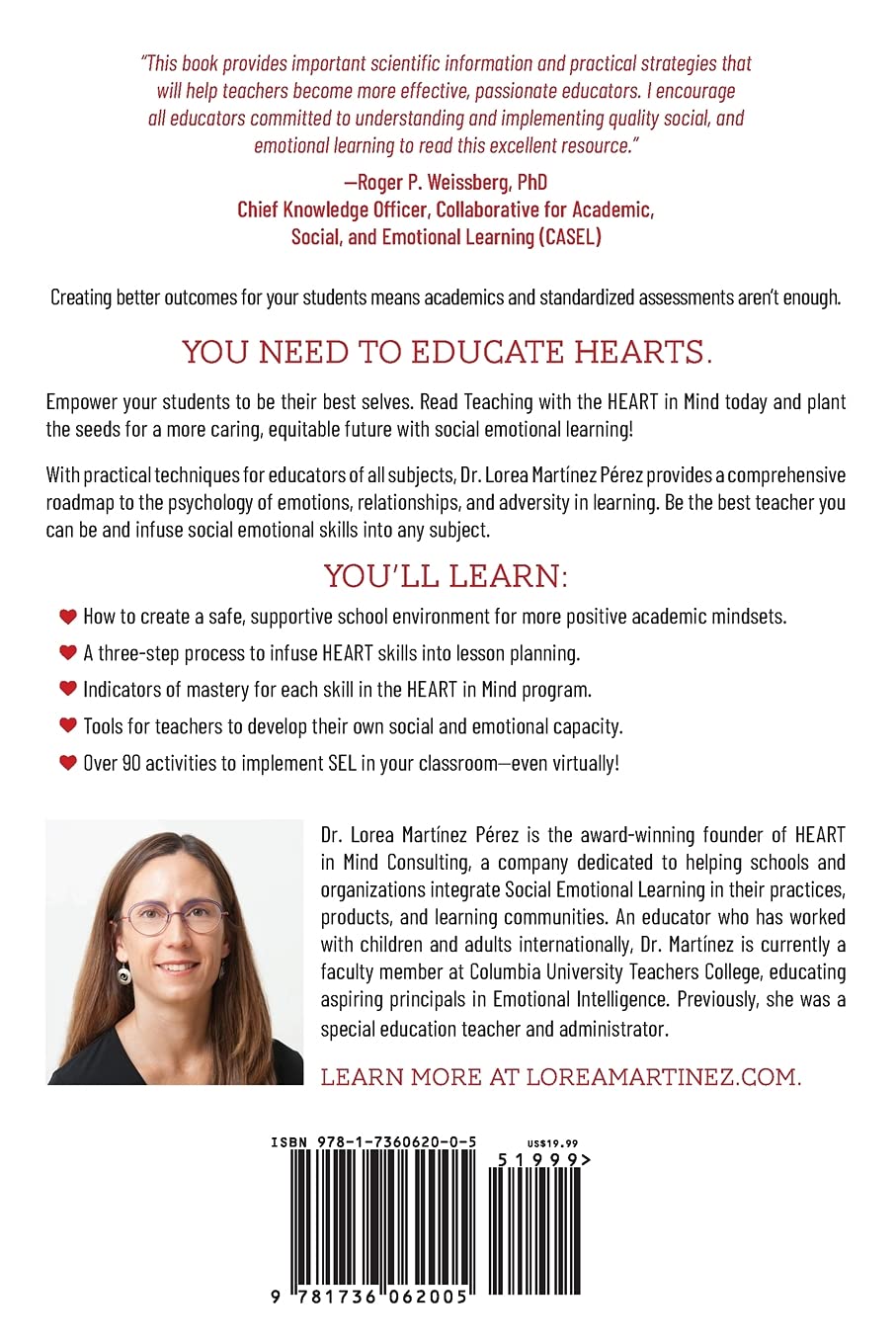
Teaching with the HEART in Mind: A Complete Educator's Guide to Social Emotional Learning
- Education & Teaching
- Schools & Teaching
- Education Theory
2. The Brain Science Behind SEL: Why Emotions and Learning Are Inseparable
You cannot separate how a child feels from how a child learns. Neuroscience has made this crystal clear.
The prefrontal cortex — the part of the brain responsible for planning, impulse control, and empathy — is not fully developed until the mid-twenties. In the meantime, children rely heavily on the amygdala, the brain's threat-detection centre. When a child feels unsafe, unseen, or overwhelmed, the amygdala essentially hijacks the brain, making learning impossible.
Learning is a social process. The brain is a social organ. It needs connection, safety, and emotional resonance to do its best work.
— Mary Helen Immordino-Yang, Professor of Education, Psychology and Neuroscience, University of Southern California (2016)
This is why a warm, predictable home environment isn't just "nice parenting" — it is neurologically necessary for development. When children feel emotionally safe, the prefrontal cortex can do its job: reasoning, empathising, and learning.
What This Means in Practice
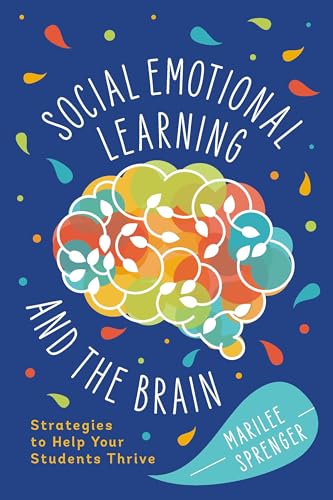
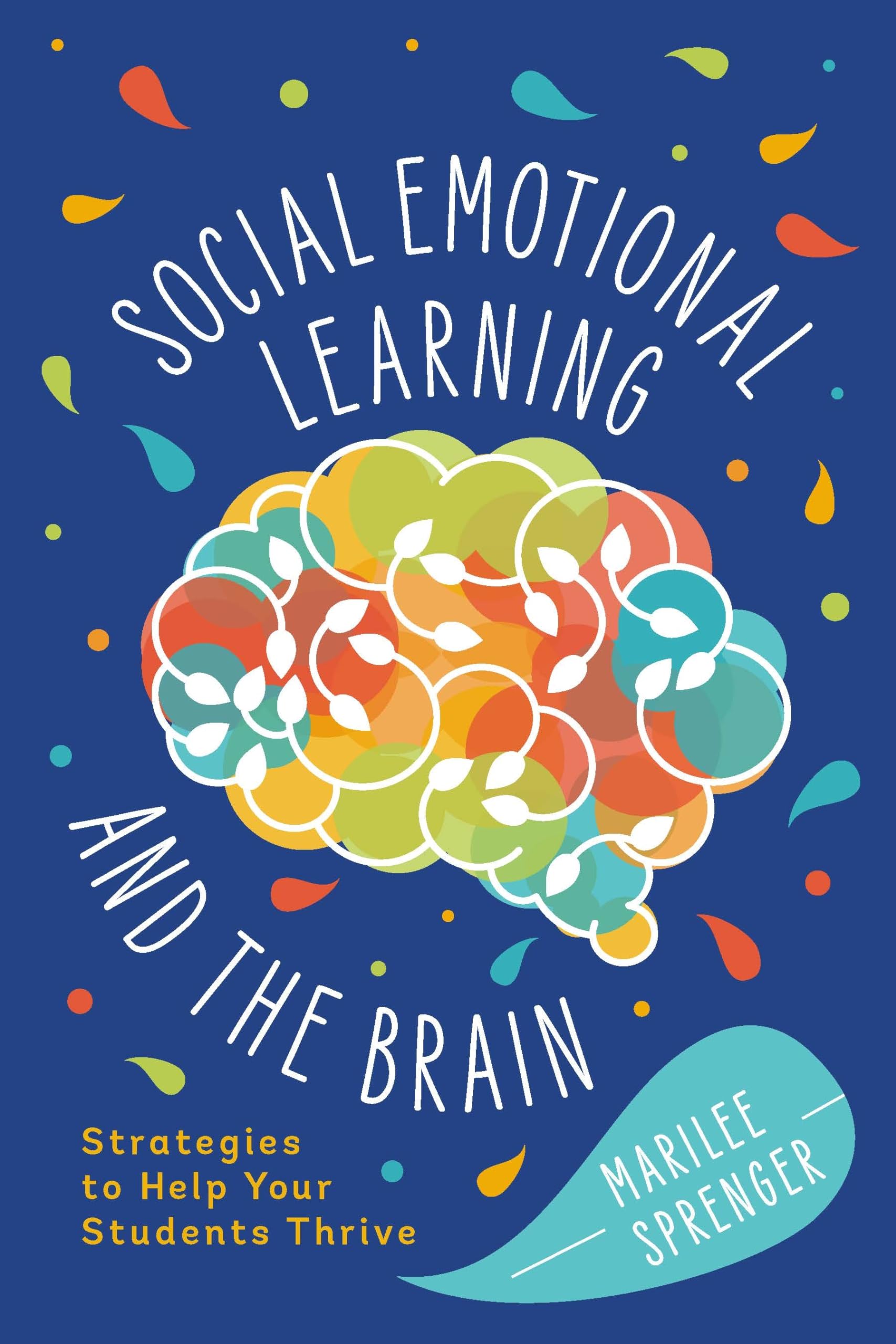
Social-Emotional Learning and the Brain: Strategies to Help Your Students Thrive
- Education & Teaching
- Schools & Teaching
- Education Theory
For a thorough exploration of how brain development intersects with SEL practice, Social-Emotional Learning and the Brain is one of the most evidence-rich resources available for parents and educators alike.
3. Age-by-Age SEL: From Newborns to Teenagers
SEL looks different at every developmental stage. Here's what to focus on — and what to watch for — across childhood.
Newborns to Age 2: The Foundation of Trust
Babies learn emotional safety through serve-and-return interactions. When your infant coos and you coo back, when they cry and you respond, you are building the neural architecture of secure attachment — the bedrock of all future social and emotional competence.
Ages 3–5: Naming Feelings and Learning Rules
Preschoolers are emotional volcanoes. Their feelings are enormous and their self-regulation is minimal — because their prefrontal cortex is barely online. This is the age to build a feelings vocabulary and introduce basic impulse-control strategies.
Ages 6–9: Empathy and Friendship Skills
School-age children begin navigating complex peer relationships. Empathy — the ability to understand someone else's perspective — becomes a central developmental task.
Ages 10–12: Identity and Group Belonging
Pre-adolescents are beginning to ask "Who am I?" Peer opinion becomes enormously important. This is a critical window to reinforce values and responsible decision-making before peer pressure intensifies.
Ages 13–17: Autonomy, Stress, and Emotional Complexity
Teenagers experience emotions with an intensity that is neurologically real — not theatrical. The adolescent brain is highly reward-sensitive and still developing impulse control. SEL at this stage focuses on stress management, identity, and ethical decision-making.
4. Building SEL at Home: Practical Strategies for Every Family
You don't need a curriculum, a special room, or extra hours in the day. The most powerful SEL happens in ordinary moments — the car ride home from school, the bedtime conversation, the way you handle your own frustration in front of your child.
Emotion Coaching: The Core Skill
Psychologist John Gottman's research identified emotion coaching as one of the most impactful parenting behaviours for long-term emotional health. Emotion coaching involves four steps:
1. Notice your child's emotion — even low-intensity ones 2. Name it without judgment ("You seem disappointed") 3. Validate it ("It makes sense you'd feel that way") 4. Problem-solve together once they're calm
Building a Feelings-Rich Home Environment
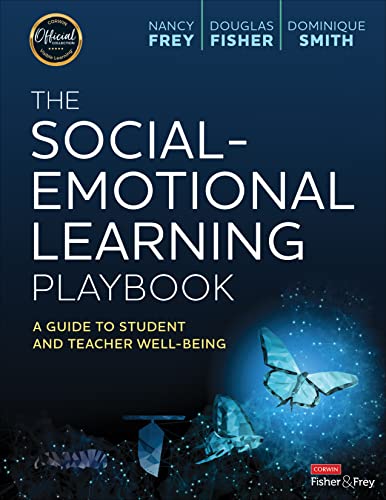
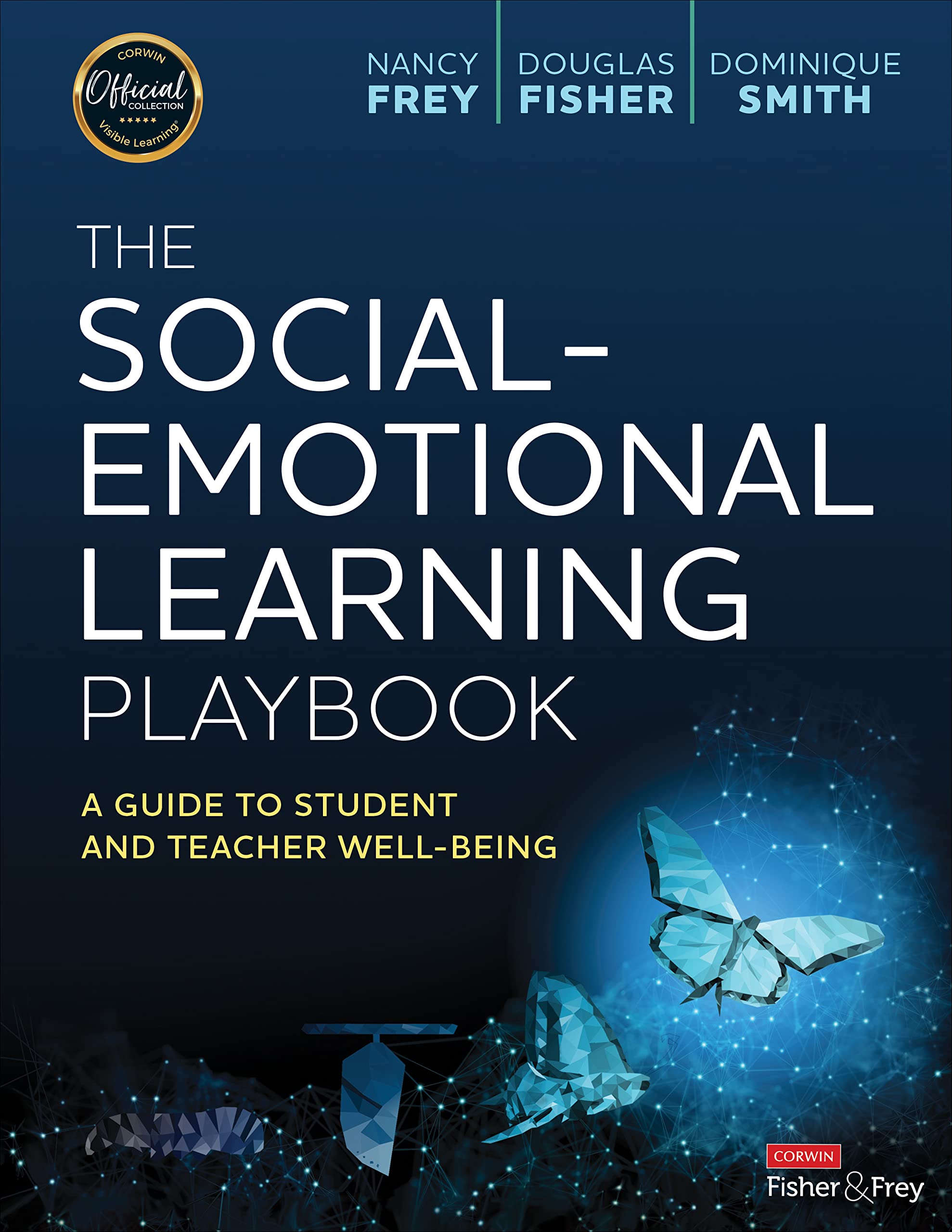
The Social-Emotional Learning Playbook: A Guide to Student and Teacher Well-Being
- Education & Teaching
- Schools & Teaching
- Education Theory
The Social-Emotional Learning Playbook is an excellent resource for parents who want structured, research-backed activities they can use at home alongside what schools are teaching.
5. Partnering with Schools: How to Reinforce SEL Across Two Worlds
Research consistently shows that SEL programmes are most effective when home and school are aligned. When a child hears the same language and values at school and at home, the learning consolidates faster and more deeply.
The most effective SEL programmes involve families as partners, not just recipients of information.
— CASEL, "Effective Social and Emotional Learning Programs: Preschool and Elementary School Edition," (2013)
Questions to Ask Your Child's School
What Research Shows About School-Based SEL
A landmark meta-analysis by Durlak et al. (2011), published in Child Development, analysed 213 school-based SEL programmes involving 270,000 students. Findings included:
For educators and parents who want to understand the cultural dimensions of SEL — including how race, language, and family background shape emotional expression — Teaching with a Social, Emotional, and Cultural Lens is an important and often-overlooked resource.
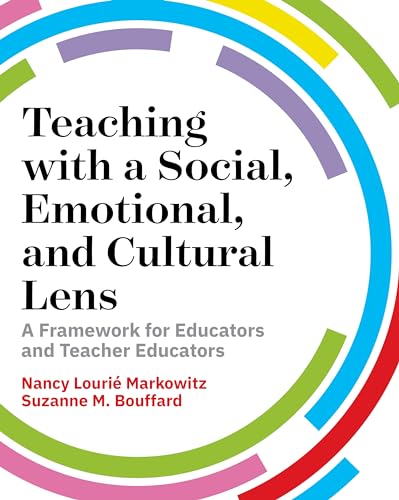


Teaching with a Social, Emotional, and Cultural Lens: A Framework for Educators and Teacher Educators
- Education & Teaching
- Schools & Teaching
- Instruction Methods
6. The Long Game: SEL, Resilience, and What the Evidence Shows
The case for investing in SEL isn't just about happier childhoods — it's about measurably better adult outcomes.
The landmark study by Jones, Greenberg, and Crowley (2015) in the American Journal of Public Health followed 753 children from kindergarten for 20 years. Children rated higher in social competence at age 5 were:
Resilience: The Skill That Holds Everything Together
Resilience isn't the absence of difficulty — it's the capacity to adapt and recover. It is built, not born. The key ingredients, according to the AAP's framework on resilience, include:
- At least one stable, caring relationship with an adult - A sense of self-efficacy and perceived control - Strong emotion-regulation skills - A sense of meaning or purpose
All four of these are cultivated through consistent, intentional SEL — at home and at school.
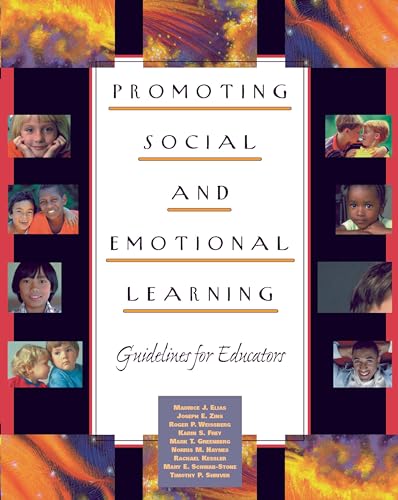
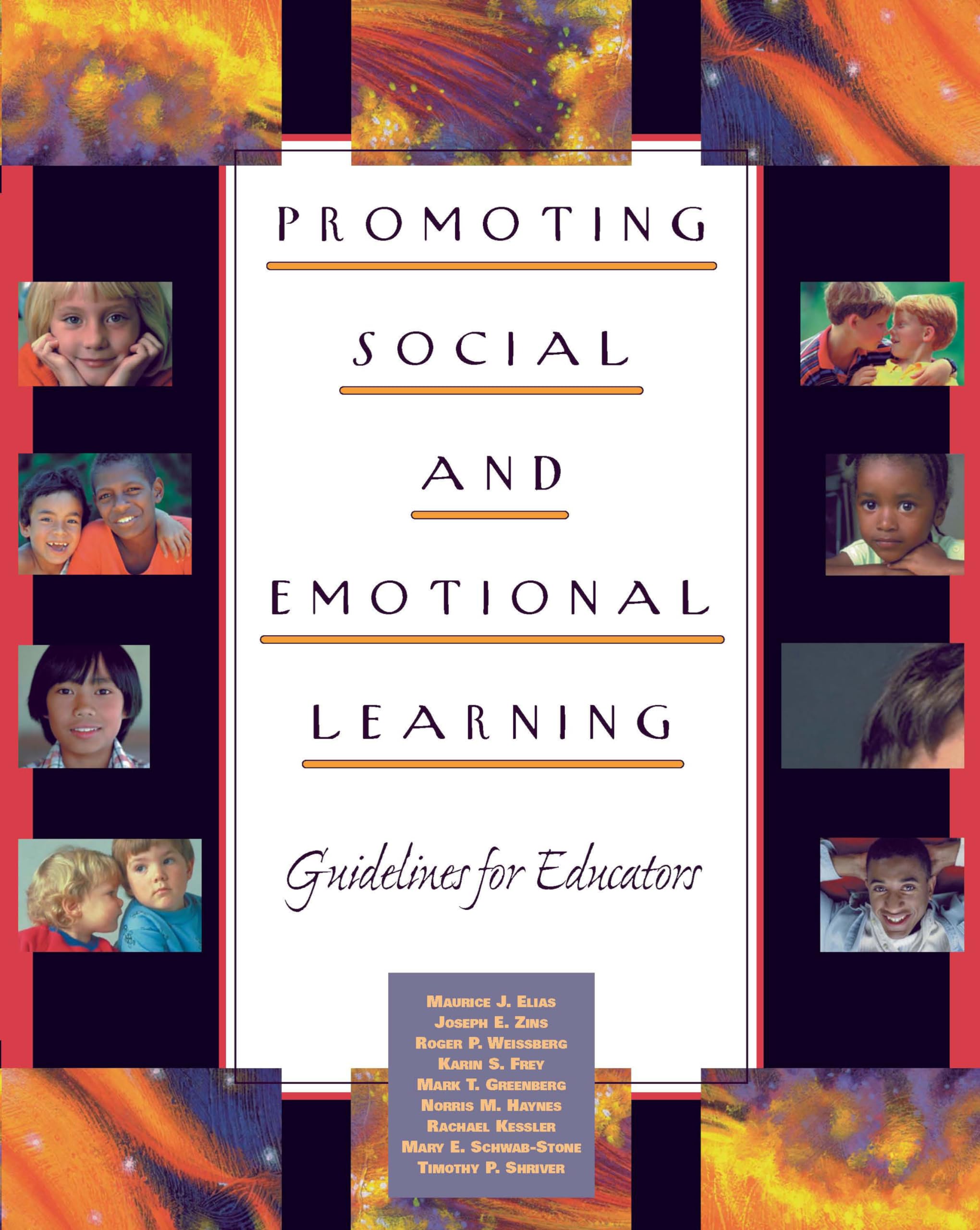
Promoting Social and Emotional Learning: Guidelines for Educators
- Education & Teaching
- Schools & Teaching
- Education Theory
Promoting Social and Emotional Learning: Guidelines for Educators remains one of the most cited foundational texts in this field and is worth reading if you want to understand the evidence base in depth.
7. Comparison: SEL Approaches by Age Stage
| Age Stage | Core SEL Focus | Key Strategies | Signs of Progress | Recommended Resource |
|---|---|---|---|---|
| 0–2 (Infants & Toddlers) | Secure attachment, trust | Responsive caregiving, serve-and-return, narrating emotions | Calms with caregiver, shows social smile, seeks comfort | Teaching with the HEART in Mind |
| 3–5 (Preschool) | Feelings vocabulary, impulse control | Emotion coaching, role play, picture books | Names 5+ emotions, begins to wait turns, less physical aggression | SEL and the Brain |
| 6–9 (Early School Age) | Empathy, friendship skills | Debrief social situations, cooperative play, perspective-taking | Shows concern for others, resolves minor conflicts, makes/keeps friends | The SEL Playbook |
| 10–12 (Pre-Adolescent) | Identity, values, peer pressure | Values conversations, ethical dilemmas, community involvement | Articulates personal values, stands up to peer pressure, shows fairness | Teaching with a Social, Emotional, and Cultural Lens |
| 13–17 (Adolescent) | Autonomy, stress management, decision-making | Active listening, stress-relief strategies, mentorship | Seeks help when struggling, makes thoughtful choices, shows empathy under pressure | Promoting Social and Emotional Learning |
Expert Insights
For educators looking to build their own SEL capacity alongside their students, Social Emotional Well-Being for Educators addresses the often-overlooked truth that teachers and caregivers need these tools too.
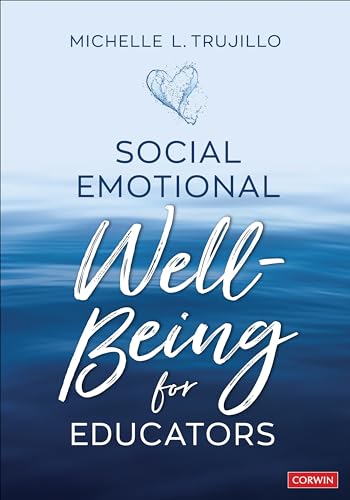
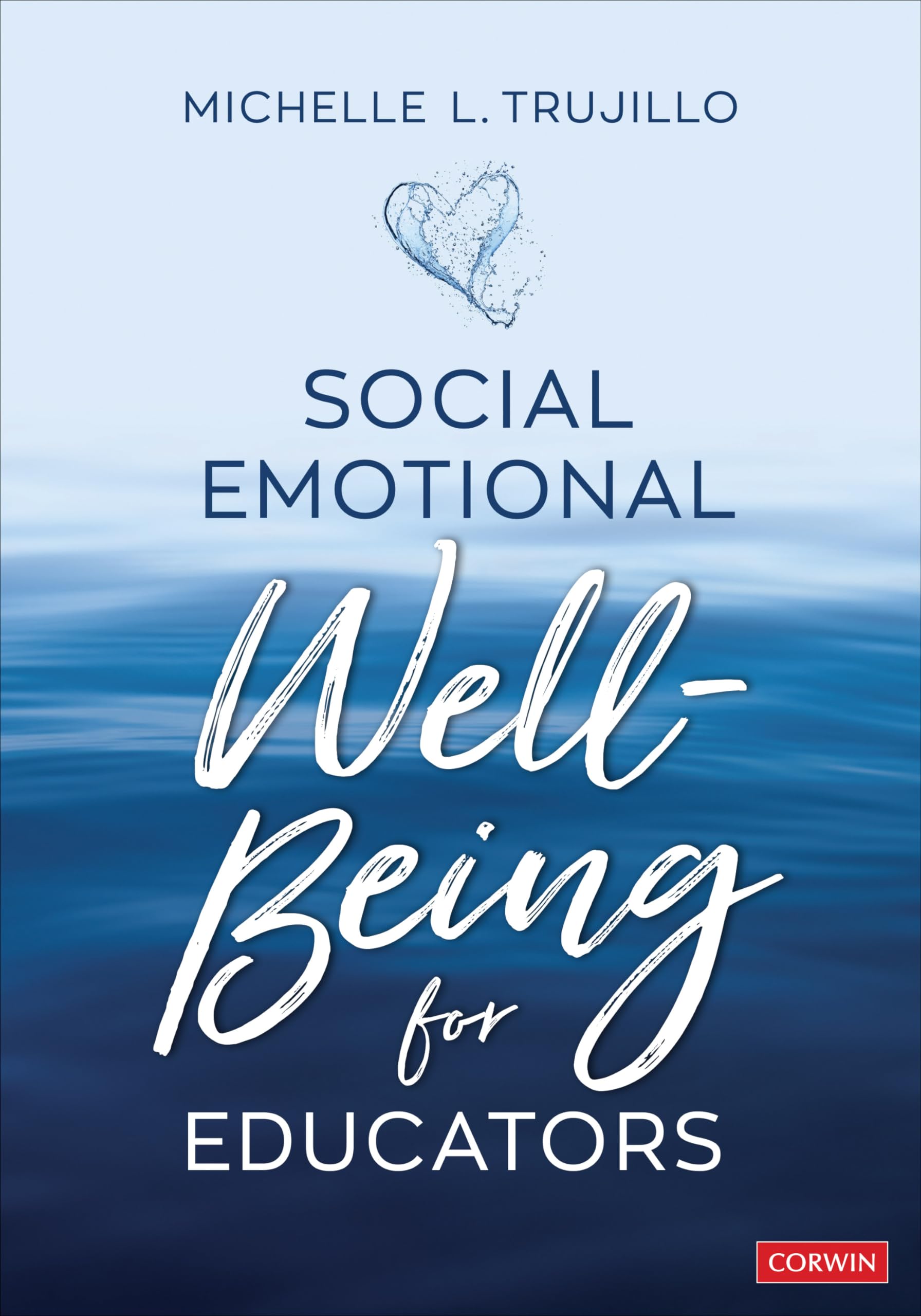

Social Emotional Well-Being for Educators
- Education & Teaching
- Schools & Teaching
- Education Theory
Frequently Asked Questions
Conclusion
Every time you sit with your child in a hard moment — instead of rushing past it — you are doing something quietly profound. You are teaching them that emotions are survivable, that relationships are worth repairing, and that they are not alone in navigating the complexity of being human. That is the heart of SEL. The research is compelling, but the real argument for it is simpler: children who feel understood grow into adults who understand others. That's the kind of world all of us are trying to build — one family at a time.
If this guide was helpful, save it, share it with another parent, or pass it to your child's teacher. The more adults who speak this language, the more fluent our children become.
Sources & References
- CASEL (Collaborative for Academic, Social, and Emotional Learning). "What Is SEL?" casel.org. Accessed 2024. https://casel.org/fundamentals-of-sel/
- Durlak, J.A., Weissberg, R.P., Dymnicki, A.B., Taylor, R.D., & Schellinger, K.B. "The Impact of Enhancing Students' Social and Emotional Learning: A Meta-Analysis of School-Based Universal Interventions." Child Development, 82(1), 405–432. 2011.
- Jones, D.E., Greenberg, M., & Crowley, M. "Early Social-Emotional Functioning and Public Health: The Relationship Between Kindergarten Social Competence and Future Wellness." American Journal of Public Health, 105(11), 2283–2290. 2015.
- Immordino-Yang, M.H. Emotions, Learning, and the Brain: Exploring the Educational Implications of Affective Neuroscience. W.W. Norton & Company. 2016.
- Gottman, J.M., & DeClaire, J. Raising an Emotionally Intelligent Child. Simon & Schuster. 1997.
- American Academy of Pediatrics (AAP). "Resilience." HealthyChildren.org. https://www.healthychildren.org/English/healthy-living/emotional-wellness/Building-Resilience/Pages/Resilience.aspx
- American Academy of Pediatrics (AAP). "Incorporating Recognition and Management of Perinatal Depression Into Pediatric Practice." Pediatrics, 143(1). 2019. (Mental health screening recommendations.)
- CASEL. "Effective Social and Emotional Learning Programs: Preschool and Elementary School Edition." 2013. https://casel.org
Frequently Asked Questions
What age should SEL start?
Is SEL just for children with emotional or behavioural difficulties?
How do I know if my child's school is doing SEL well?
Can SEL help with anxiety and depression in children?
What if I didn't have SEL modelled for me growing up — can I still teach it to my child?
How is SEL different from just "being kind"?
Does SEL work for children with ADHD or autism spectrum conditions?
Was this helpful?
Thanks — your feedback helps us pick what to write next.