Talking to Kids About Pride: 13 Tips That Actually Help
Talking to your children about Pride and LGBTQ+ identity is not a single conversation but an ongoing, age tuned dialogue rooted in honesty, empathy, and your family's values.

In this article
Nearly one in five Gen Z adults in the United States identifies as LGBTQ+, according to a 2023 Gallup survey. That means the odds are high that your child already knows someone who is, or will grow up to be, part of that community. Yet many parents tell me the same thing in clinic: "I want to get this right but I don't know where to start." This guide gives you a practical framework to start, and keep going.
By the end of this article you'll understand:
1. Educate Yourself Before You Open the Conversation
You don't need a PhD in LGBTQ+ history, but you do need a basic map of the territory before your child asks a question you can't answer. Spend an hour or two reading from reliable sources (PFLAG, GLAAD, the Trevor Project) so you're not learning and reacting at the same time.
Key areas worth brushing up on: - The history of Pride and the Stonewall Uprising of 1969 - Current terminology, including why language keeps evolving - The difference between sexual orientation and gender identity - Local legal protections and what they mean in your child's daily life
Reliable organisations publish plain language guides specifically for parents. PFLAG National, founded in 1972, has decades of resources aimed at families navigating exactly these conversations. Reading even a short guide before the talk builds your confidence visibly, and children pick up on that confidence.


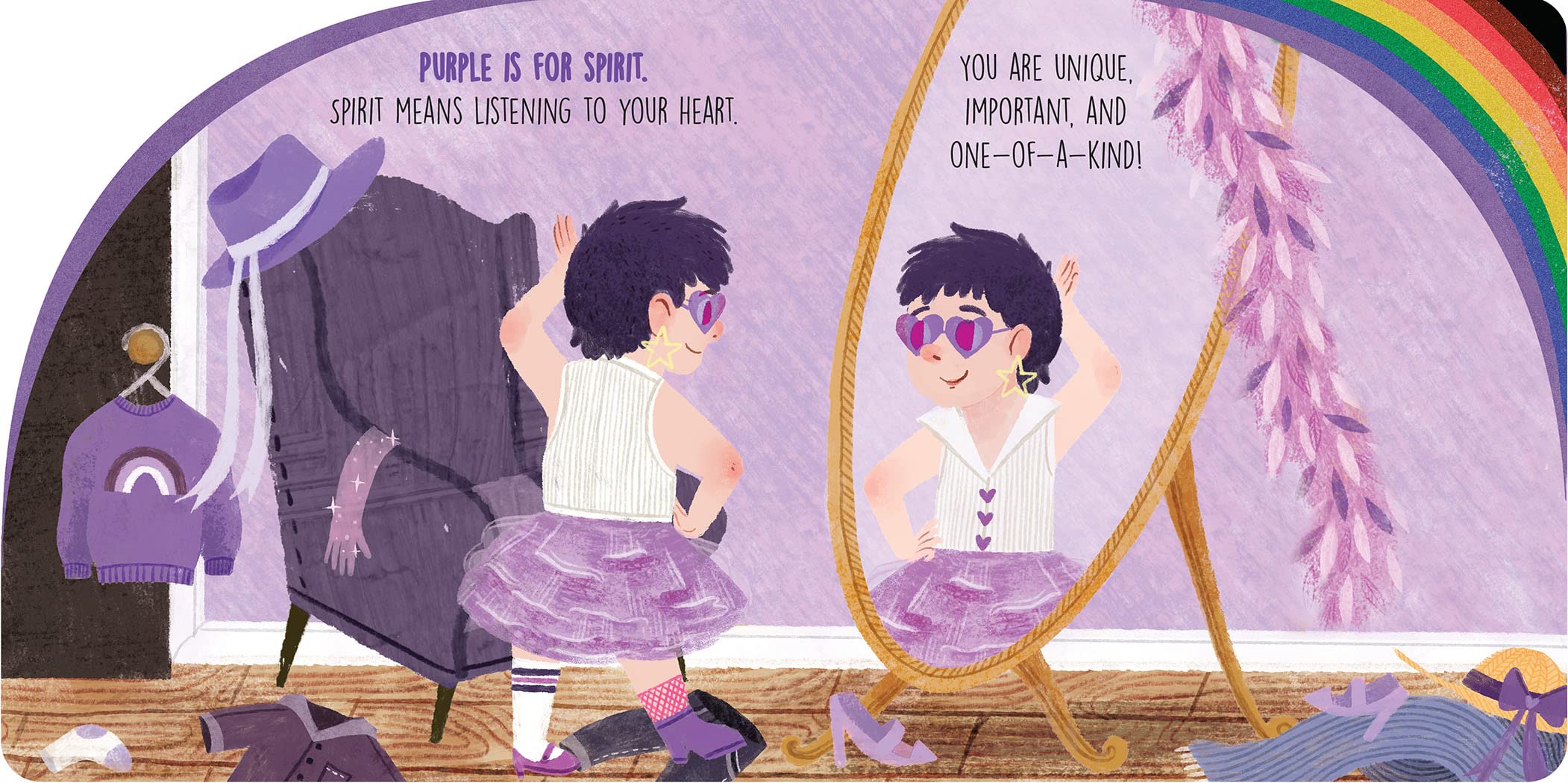
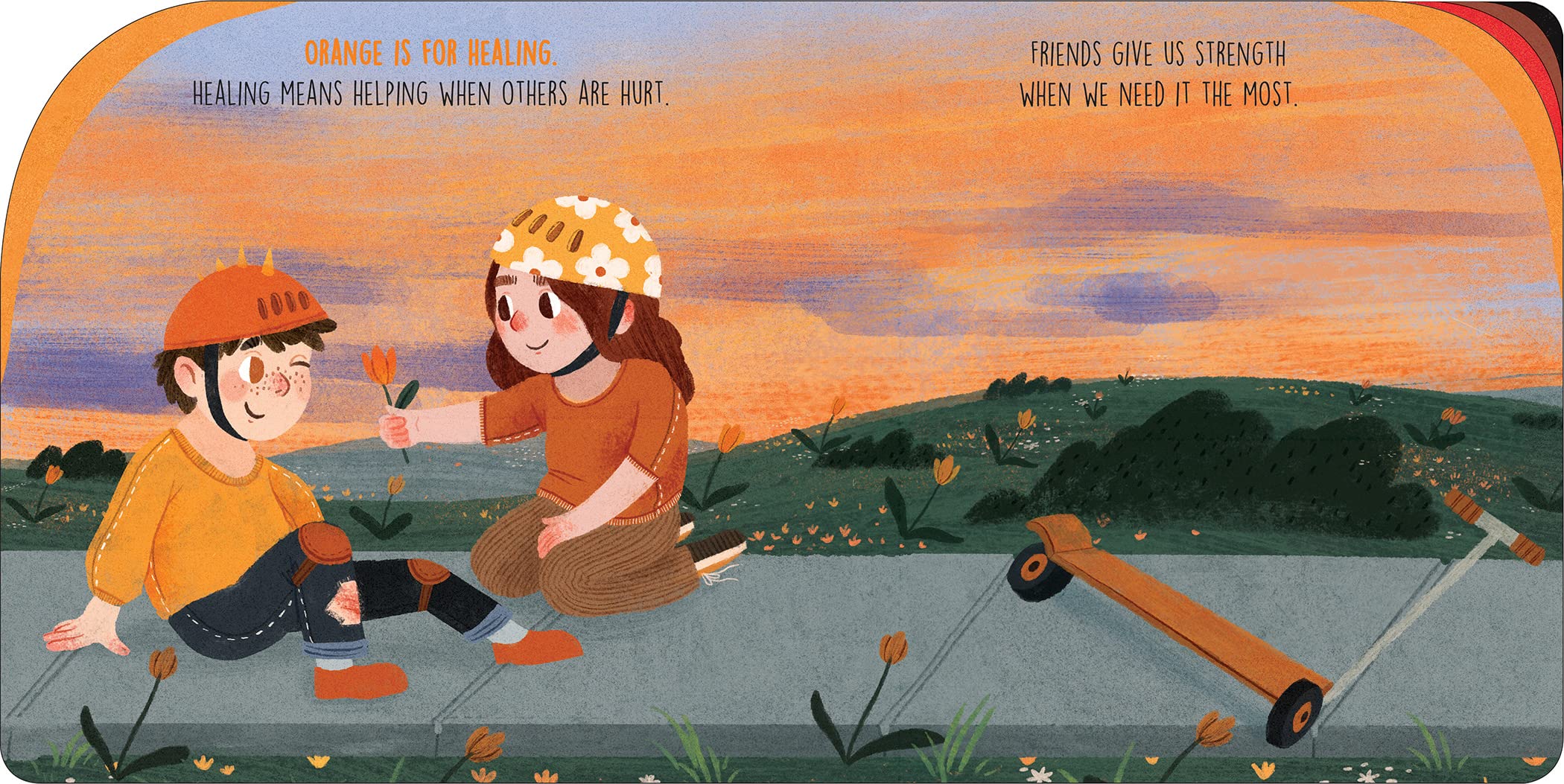
We Are the Rainbow! – The Colors of Pride - Learn the Meanings Behind the Colors of the LGBTQ+ Pride Flag
- Children's Books
- Growing Up & Facts of Life
- Family Life
2. Create an Environment Where All Questions Are Welcome
Children will not ask the questions they most need to ask if they sense any topic is off limits. Your goal is to make it clear, early and often, that curiosity is safe in your home.
This is less about a single sit-down speech and more about dozens of small signals: how you react when Pride comes up on the news, whether you correct a family member who uses a slur, how you talk about families that look different from yours. Children read the room constantly.
What this sounds like in practice
For younger children (ages 3 to 6): "Did you notice those people with the rainbow flags? They were celebrating. Want to know what they were celebrating?"
For older children (ages 7 to 12): "I noticed you've been asking some questions about what Pride means. I'd love to talk about it properly if you're up for it."
The approach you use here connects directly to the broader skill of active listening with your children, which research consistently links to stronger parent-child trust over time.
3. Match Your Language to Your Child's Age and Stage
Using the right level of language is one of the most practical things you can do. Too abstract and you lose a young child; too simple and you'll lose a twelve year old.
| Age Stage | Developmental Focus | Suggested Framing | Recommended Book | Price Range |
|---|---|---|---|---|
| Ages 2 to 4 | Families look different | "Families come in all kinds. What makes them a family is love." | A Handful of Buttons | $13 |
| Ages 4 to 7 | Feelings and fairness | "Pride is a celebration for people who love who they love and are proud of who they are." | The Meaning of Pride | $11 |
| Ages 5 to 8 | Colours and symbols | "The rainbow flag means everyone is welcome, no matter what." | We Are the Rainbow | — |
| Ages 5 to 9 | Story and representation | "Some children have two mums, or two dads. Love is love." | Love Is Love | $11 |
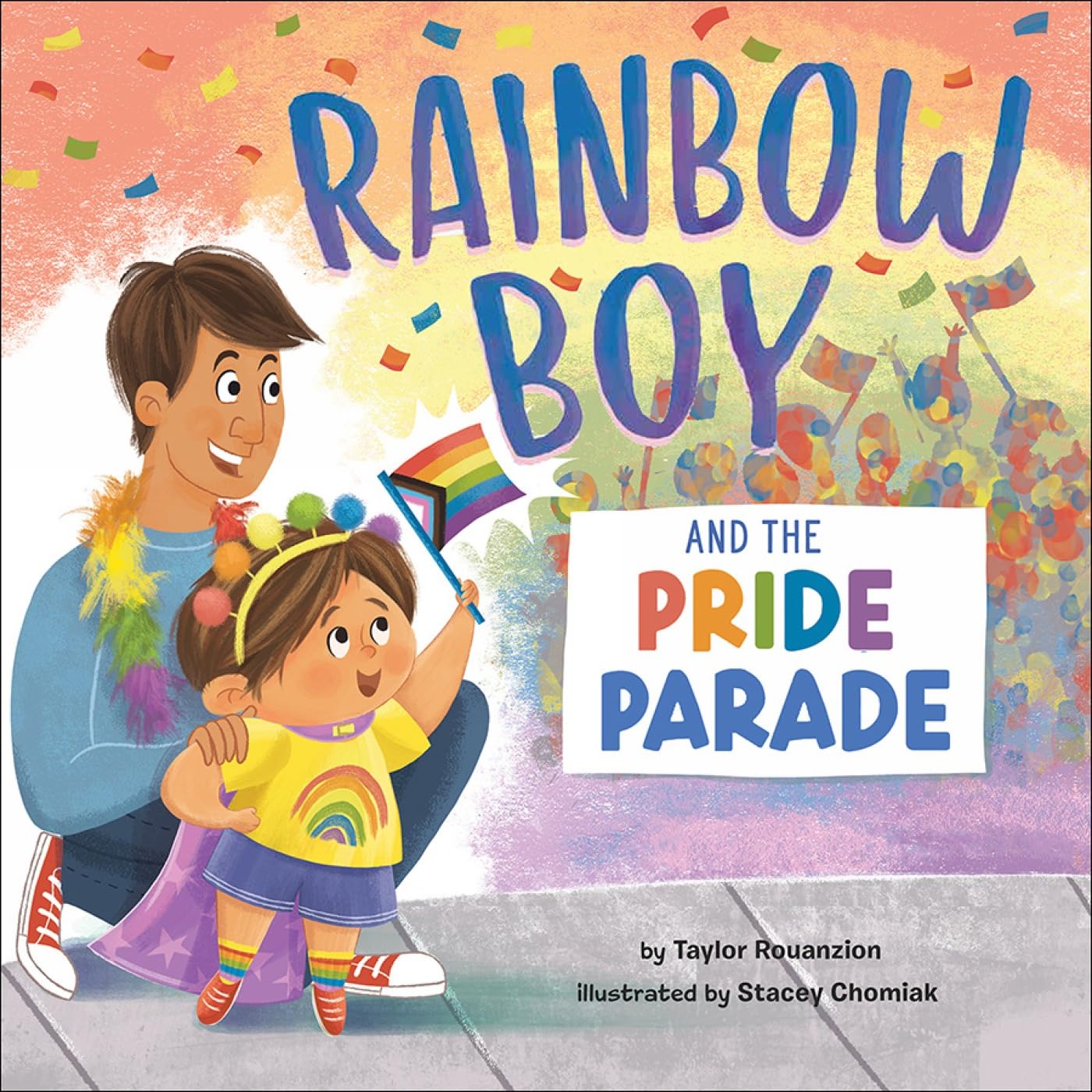
| Ages 6 to 10 | Parades and community | "Pride parades are like a big community party for LGBTQ+ people and their supporters." | Rainbow Boy and the Pride Parade | — |
| Ages 10 to 14 | History and rights | Introduce Stonewall, activists, and the ongoing fight for equal rights | Any of the above plus discussion | — |
4. Share the History of Pride With Honesty and Age Appropriate Depth
Pride did not begin as a party. It began as a protest. Understanding that history, at whatever depth suits your child's age, is what turns a fun parade into a meaningful lesson about courage and civil rights.
The Stonewall Uprising (ages 8 and up)
In June 1969, police raided the Stonewall Inn, a bar in New York City frequented by gay, lesbian, and transgender patrons. The community fought back. Those few nights sparked a movement that produced the first Pride march one year later and eventually led to legal rights LGBTQ+ people now hold across many countries.Key milestones to introduce gradually
- 1969: Stonewall Uprising, New York City - 1970: First Pride march, New York and Los Angeles - 2003: US Supreme Court ruling in Lawrence v. Texas decriminalised same sex relationships nationwide - 2015: Obergefell v. Hodges guaranteed same sex marriage across all 50 US statesFor younger children, a book like The Meaning of Pride introduces the celebration without requiring a history lesson. Save the full story for when they ask "but why did people need to fight for this?"
5. Emphasise Values, Not Just Facts
Pride is a good vehicle for teaching values your family probably already holds: fairness, courage, honesty, and standing up for others. When you anchor the conversation in values rather than identity politics, it lands more broadly and sticks more deeply.
Try framing it this way: "One reason we talk about Pride is because some people weren't always allowed to be honest about who they loved. That seems unfair, right? Pride is partly about making sure everyone can be themselves without being treated badly for it."
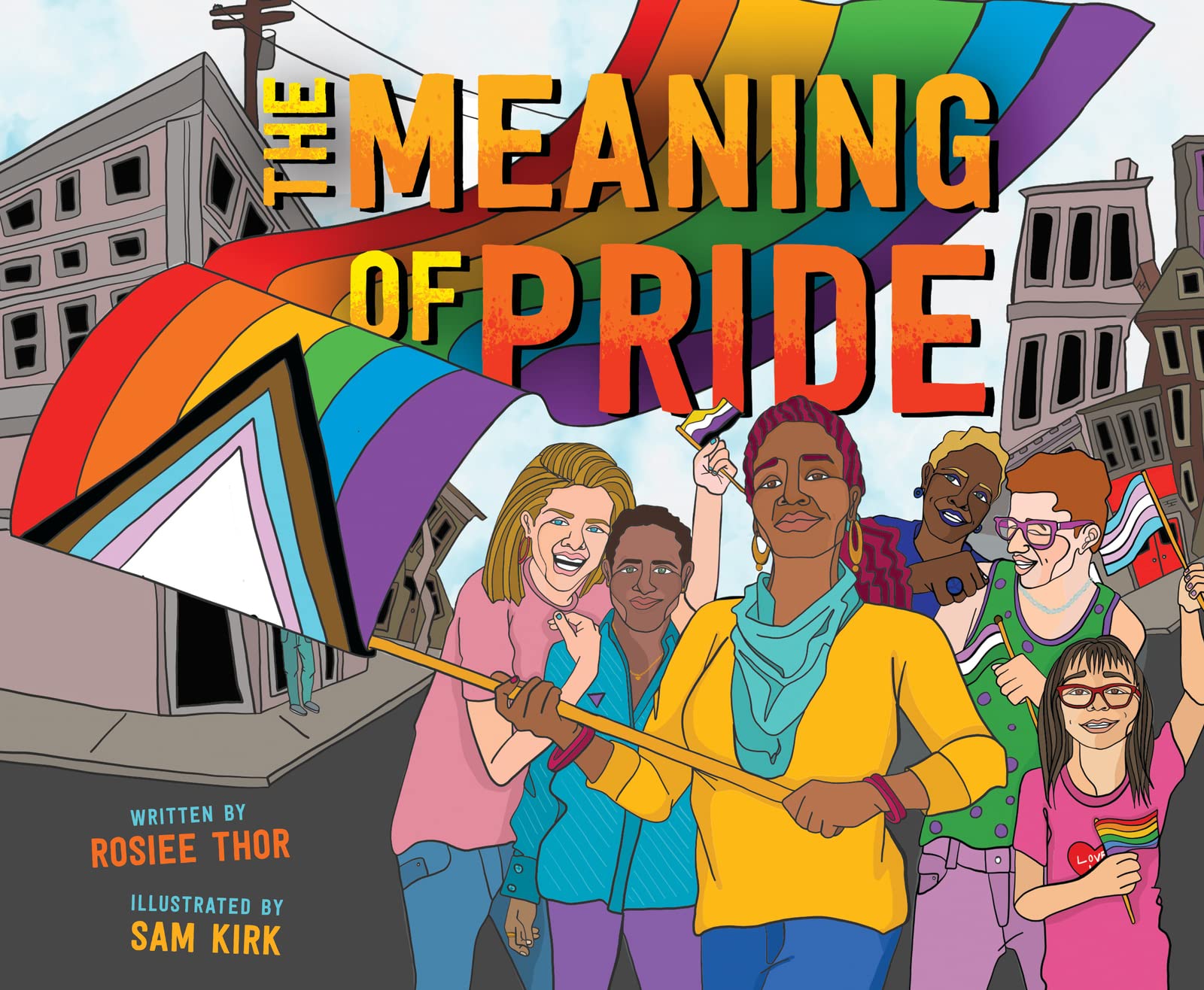
The Meaning of Pride: A Vibrant Picture Book for Children (Ages 4-7) about LGBTQ+ Culture and Celebration
- Children's Books
- Growing Up & Facts of Life
- Family Life
6. Answer Questions Honestly — Including "I Don't Know"
Children ask questions that stump adults. That is perfectly fine. Pretending to know an answer you don't, or deflecting, teaches your child that certain questions are dangerous. Saying "I genuinely don't know, let's find out" is one of the most powerful things a parent can say.
Questions you might hear
- "Why do some people not like gay people?" An honest answer: "Some people were taught to be afraid of things that are different. It's something a lot of adults are still working through." - "Is being gay a choice?" An honest answer: "No, most evidence suggests people don't choose who they're attracted to, any more than you chose which hand you write with." - "Could I be gay?" An honest answer: "I don't know yet, and neither do you. What I do know is that whoever you turn out to be, I love you exactly the same."7. Use Books, Stories, and Media Intentionally
Representation is not a buzzword; it is a developmental tool. When children see their own family structure or a friend's family structure reflected positively in books and media, it normalises diversity in a way that lectures cannot.

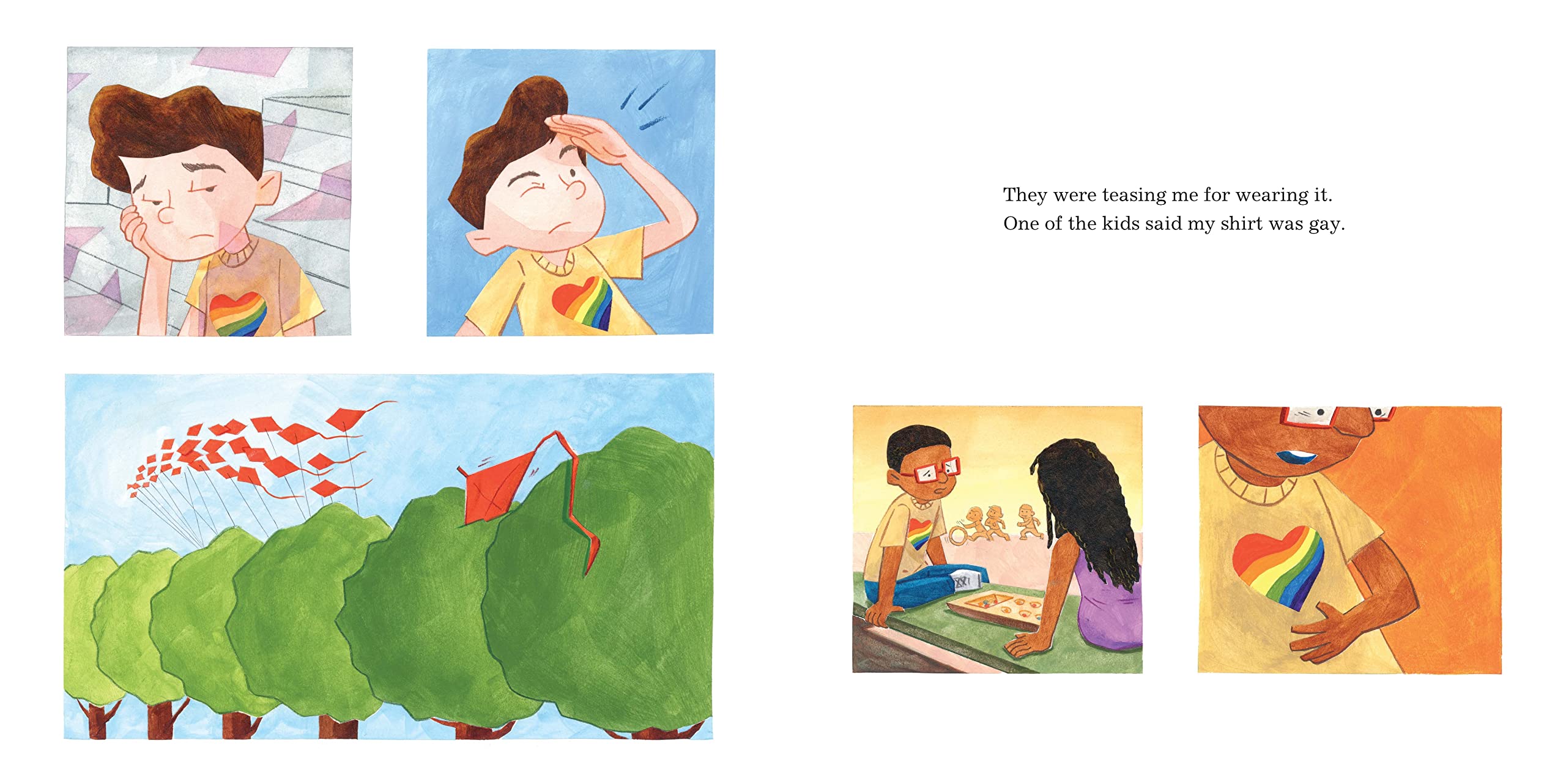
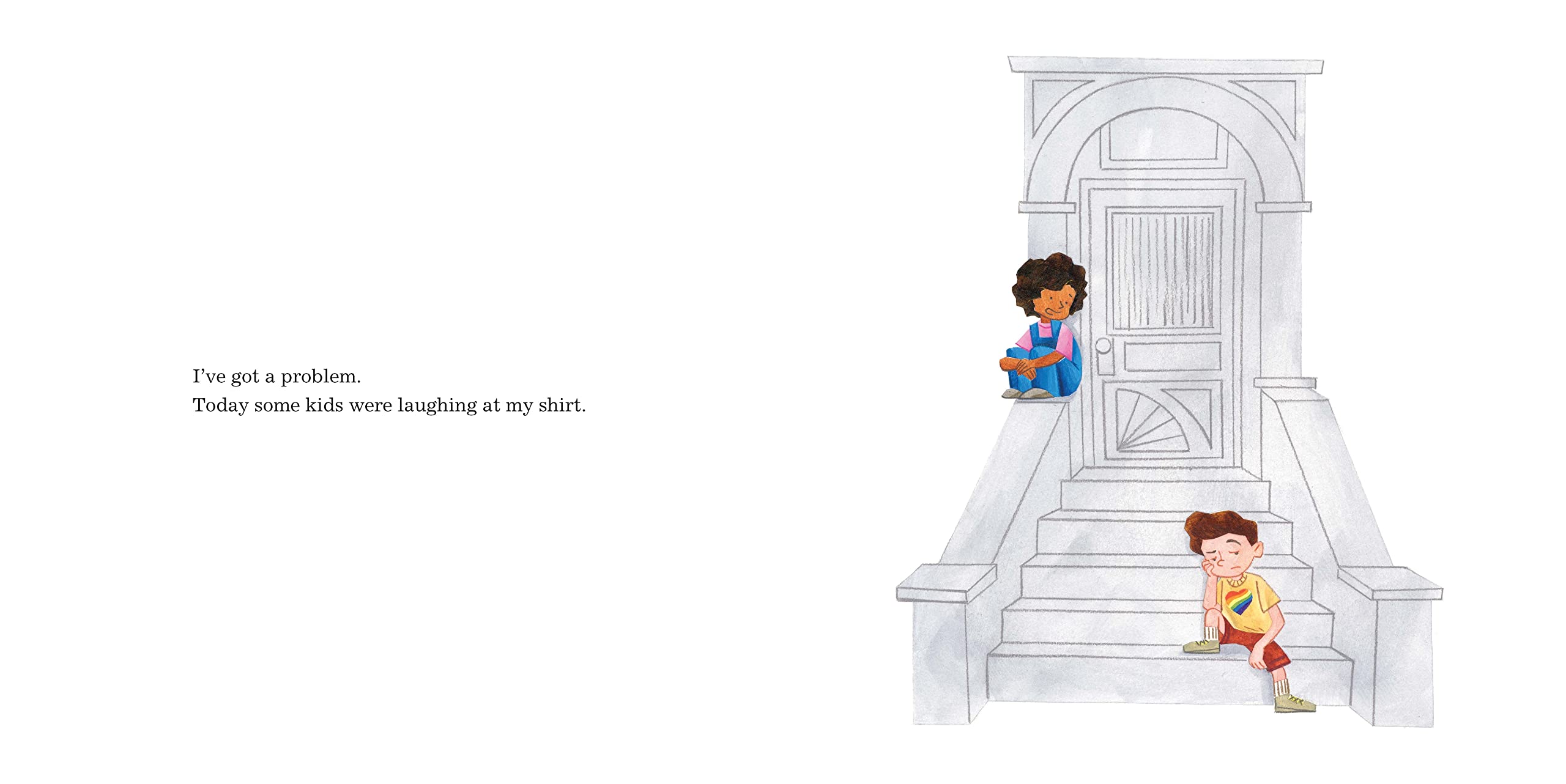
Love Is Love: An Important LGBTQ Pride Book for Kids About Gay Parents and Diverse Families (Gifts for Queer Families)
- Children's Books
- Growing Up & Facts of Life
- Friendship, Social Skills & School Life
A few approaches that work well: - Read together (ages 2 to 8). Picture books like A Handful of Buttons or Rainbow Boy and the Pride Parade open natural conversations because the story does the explaining for you. - Watch and discuss (ages 6 and up). After a film or TV show features an LGBTQ+ character, ask what they thought of that character, not as a test, but as a genuine conversation starter. - Look up real people together (ages 10 and up). LGBTQ+ figures in science, sport, literature, and politics give older children concrete role models. Figures like Tim Cook, Laverne Cox, or Alan Turing (his story is a powerful lesson in both genius and injustice) connect history to the present.
A handful of buttons: Picture book about family diversity (DIFFERENT: Diversity & Inclusion Series)
- Children's Books
- Growing Up & Facts of Life
- Family Life
8. Foster Empathy Through Everyday Moments
The biggest conversations often start in the smallest moments: a comment overheard at school, a joke on TV, a slur used on the playground. These are opportunities, not crises.
When your child hears something unkind and brings it to you, resist the urge to immediately lecture. Start with: "How did that make you feel?" Then: "What do you think was wrong about what that person said?" You're building the habit of moral reasoning, not just correcting a fact.
This connects to the daily routines that shape character over time. Just as family routines build invisible structure around behaviour and safety, small consistent conversations about fairness build a child's ethical framework long before they face any real test of it.
9. Attend Pride Events as a Family If It Feels Right
There is a difference between understanding something conceptually and experiencing it. A Pride event, depending on your local community, can be a genuinely joyful, family friendly celebration. Many cities run specific family zones with activities designed for young children.
If attending feels like the right step for your family:
If attending is not practical or comfortable for your family right now, that is fine too. You can mark Pride Month in smaller ways: reading a Pride focused book together, watching a relevant documentary, or simply talking about why June is Pride Month and what it means.
Expert Insights
The most important thing I want you to take from this is not a script. It's a posture: stay curious, stay warm, and keep the door open. Your child does not need you to have every answer. They need to know that you won't shut down when the questions get real.
A parent who says, "I don't know everything about this, but I want to figure it out with you," is already doing the most important thing. That kind of openness builds the trust that carries families through far harder conversations than this one.
Save this article, share it with a co-parent or a friend who's asking the same questions, and revisit it as your child grows. The conversation changes; the values underneath it don't.
Sources & References
- Gallup. "LGBT Identification in U.S. Ticks Up to 7.6%." 2023. https://news.gallup.com/poll/470708/lgbt-identification-ticks-up.aspx
- The Trevor Project. "2023 National Survey on LGBTQ+ Youth Mental Health." 2023. https://www.thetrevorproject.org/survey-2023/
- PFLAG National. "Guide to Being a Trans Ally" and family resources. 2024. https://pflag.org/resource/guide-to-being-a-trans-ally/
- American Academy of Pediatrics. "Ensuring Comprehensive Care and Support for Transgender and Gender-Diverse Children and Adolescents." Pediatrics, 2018.
- Ehrensaft, Diane. "The Gender Creative Child." The Experiment Publishing, 2016.
- GLAAD. "Accelerating Acceptance 2023: A Survey of American Acceptance and Attitudes Toward LGBTQ People." 2023. https://glaad.org/accelerating-acceptance-2023/
Frequently Asked Questions
At what age should I start talking to my child about Pride? What age should I start talking about Pride?
What if my religious or cultural values make this topic complicated?
My child said something homophobic at school. What do I do?
What if my child tells me they might be gay or transgender?
How do I talk about Pride without it feeling like a political argument?
Are there good books to help start this conversation?
Was this helpful?
Thanks — your feedback helps us pick what to write next.