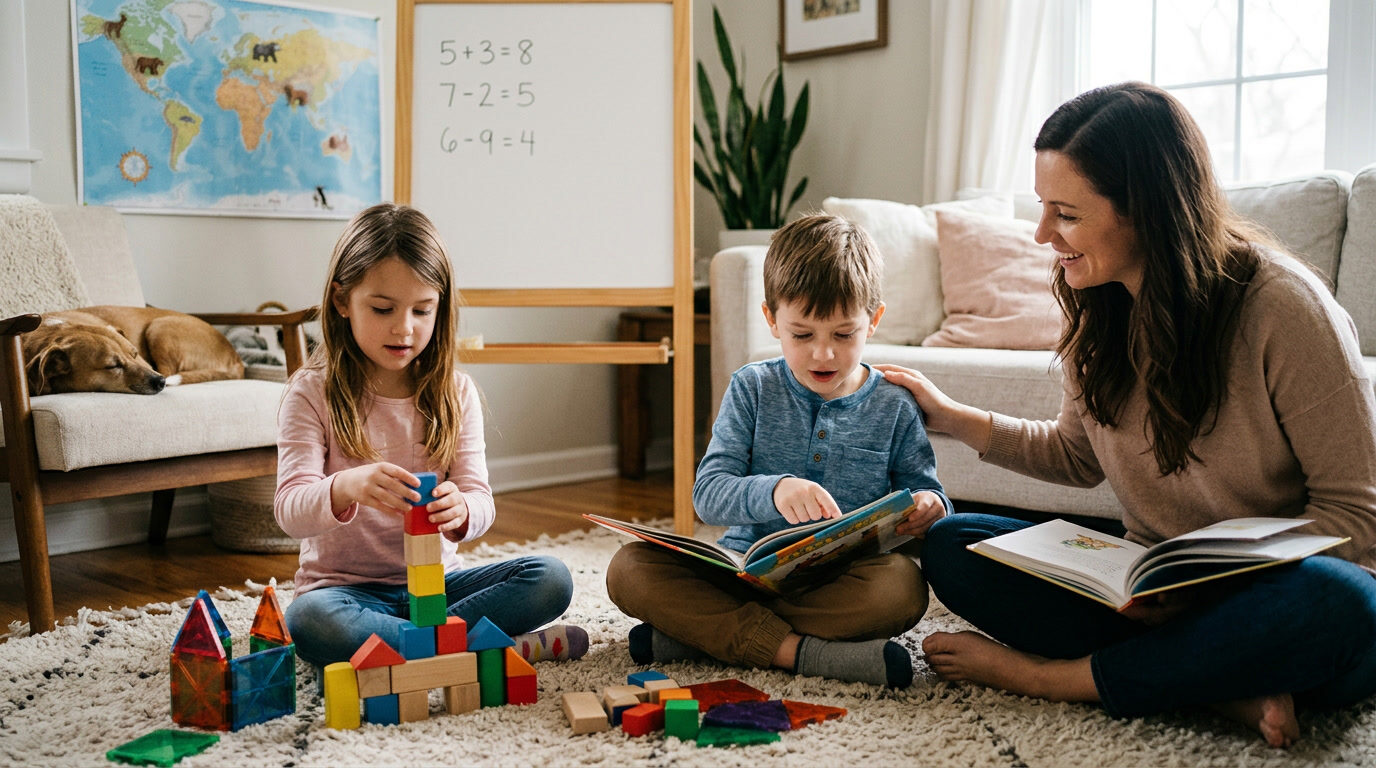
The Disrupted Foundation: Why This Cohort Is Different
Pandemic-era children aged 5–8 face real but surmountable gaps in social skills, literacy, and emotional regulation — and parents who understand the specific challenges can take targeted action right now.
In this article
Imagine dropping your six-year-old off at school and getting a call that afternoon: "She doesn't seem to know how to take turns in a group." You're not alone, and you haven't failed. A 2023 report from the National Center for Education Statistics (NCES) found that roughly two-thirds of public school teachers reported students entering their classrooms with notable social-emotional or academic delays compared with pre-pandemic cohorts. These are the children who were one, two, or three years old when the world locked down — and they are now sitting in Year 1 or Grade 2 classrooms, navigating a social environment they barely had a chance to rehearse.
This guide is written specifically for parents of 5–8-year-olds. By the time you finish reading, you will understand:
1. The Disrupted Foundation: Why This Cohort Is Different
The children entering primary school today are not simply "behind" — they started from a different baseline altogether. Early childhood, roughly ages 0–5, is the single most critical window for brain architecture, language acquisition, and social learning, according to the Harvard Center on the Developing Child. Lockdowns, reduced childcare access, and the absence of playgroups fell squarely inside that window for children born between 2017 and 2021.
Research published in JAMA Pediatrics (2022) found measurable reductions in gross motor, fine motor, and communication scores in infants and toddlers assessed during the pandemic compared with pre-pandemic norms. These aren't permanent deficits — the brain remains highly plastic throughout the early school years — but they do mean your child may need a slightly longer runway.
What "disrupted foundation" looks like in practice
- Shorter attention spans during whole-class instruction - Difficulty following multi-step verbal directions - Slower phonological awareness (the building block of reading) - Less experience with unstructured peer play and negotiation
2. Social Skills Gaps: What Teachers Are Seeing and What You Can Do
Social delays are the number-one concern flagged by primary school teachers working with this cohort. Children who spent their toddler years in small family bubbles simply didn't get the repetitions — thousands of small interactions — that teach turn-taking, reading facial expressions, managing frustration, and joining a group already in play.
Signs your 5–8-year-old may need extra social support
What actually helps
Social-Emotional Learning (SEL) programs, now embedded in most primary schools following frameworks from the Collaborative for Academic, Social, and Emotional Learning (CASEL), are showing real results. A 2023 meta-analysis in Child Development covering 213 SEL studies found an 11-percentile-point gain in academic achievement alongside improved social behaviour.
At home, structured play dates (one child, a clear activity, a defined end time) are more effective than open-ended group settings for children who feel overwhelmed. Role-play scenarios at the dinner table — "What would you do if someone took your crayon?" — are surprisingly powerful.
3. Academic Gaps in Literacy and Numeracy: Closing the Distance
Academic gaps are real, but they are not fixed. The American Academy of Pediatrics (AAP) emphasised in its 2022 policy statement on learning recovery that early, targeted intervention — not remediation — is the most effective approach. The distinction matters: intervention meets children where they are and builds forward; remediation often re-teaches in the same way that didn't work the first time.
Reading: the most critical gap to close by age 8
The "reading cliff" at age 8 is well-documented. Children who are not reading independently by the end of Grade 3 are four times less likely to graduate high school on time, according to a longitudinal study by the Annie E. Casey Foundation. Pandemic-era children are entering school with weaker phonological awareness (the ability to hear and manipulate sounds in words), which is the foundational skill for decoding.
What works at home: - Read aloud together daily, even after your child can read independently - Play rhyming and word games in the car or at meals - Use decodable readers that match your child's current phonics level (ask the teacher which scheme the school uses)
Numeracy: building number sense through play
Gaps in early maths are often less visible than reading gaps but equally important. Counting objects, playing board games with dice, and cooking together (measuring, halving, doubling) all build number sense in ways screens alone cannot replicate.
Keeping your child organised as homework and reading logs become part of the routine is easier with the right tools. The School Datebooks Elementary Student Planner 2026–2027 is designed specifically for this age group, with full-colour pages, fun facts, and spelling reference lists that make planning feel like part of the adventure rather than a chore.

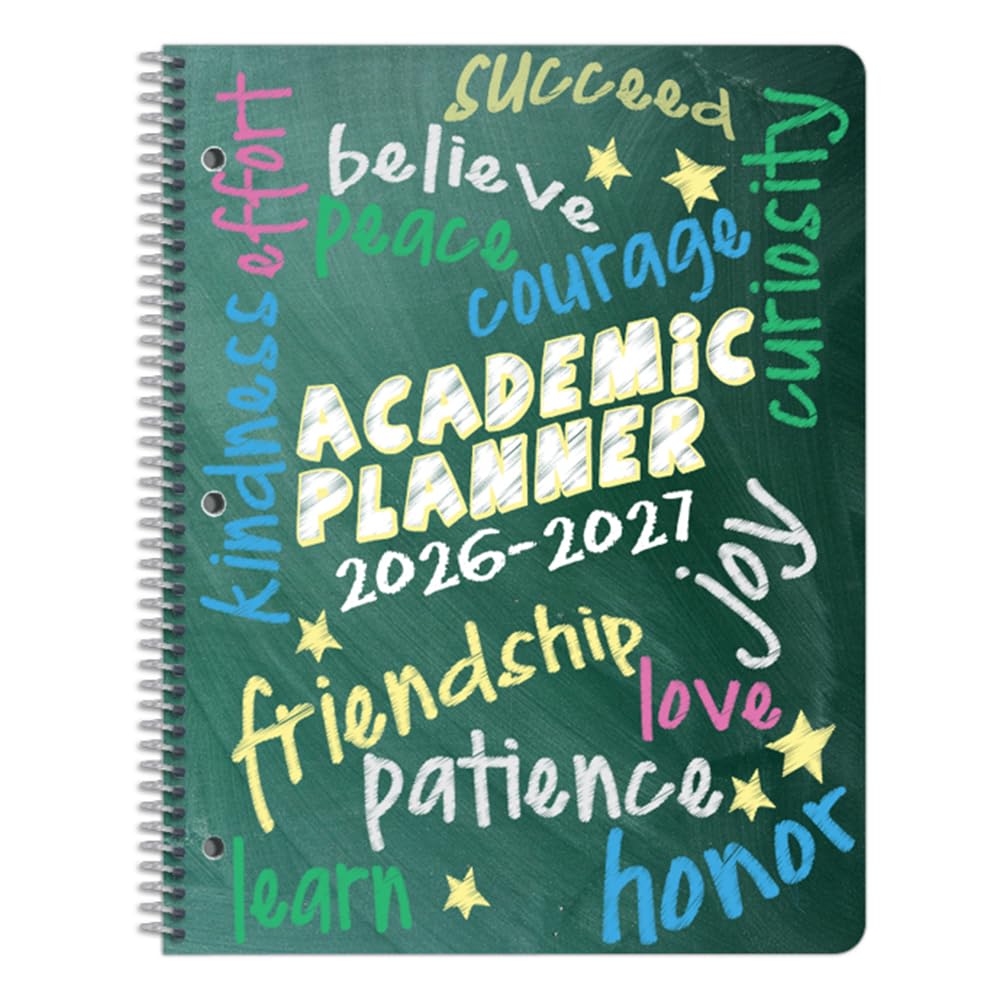
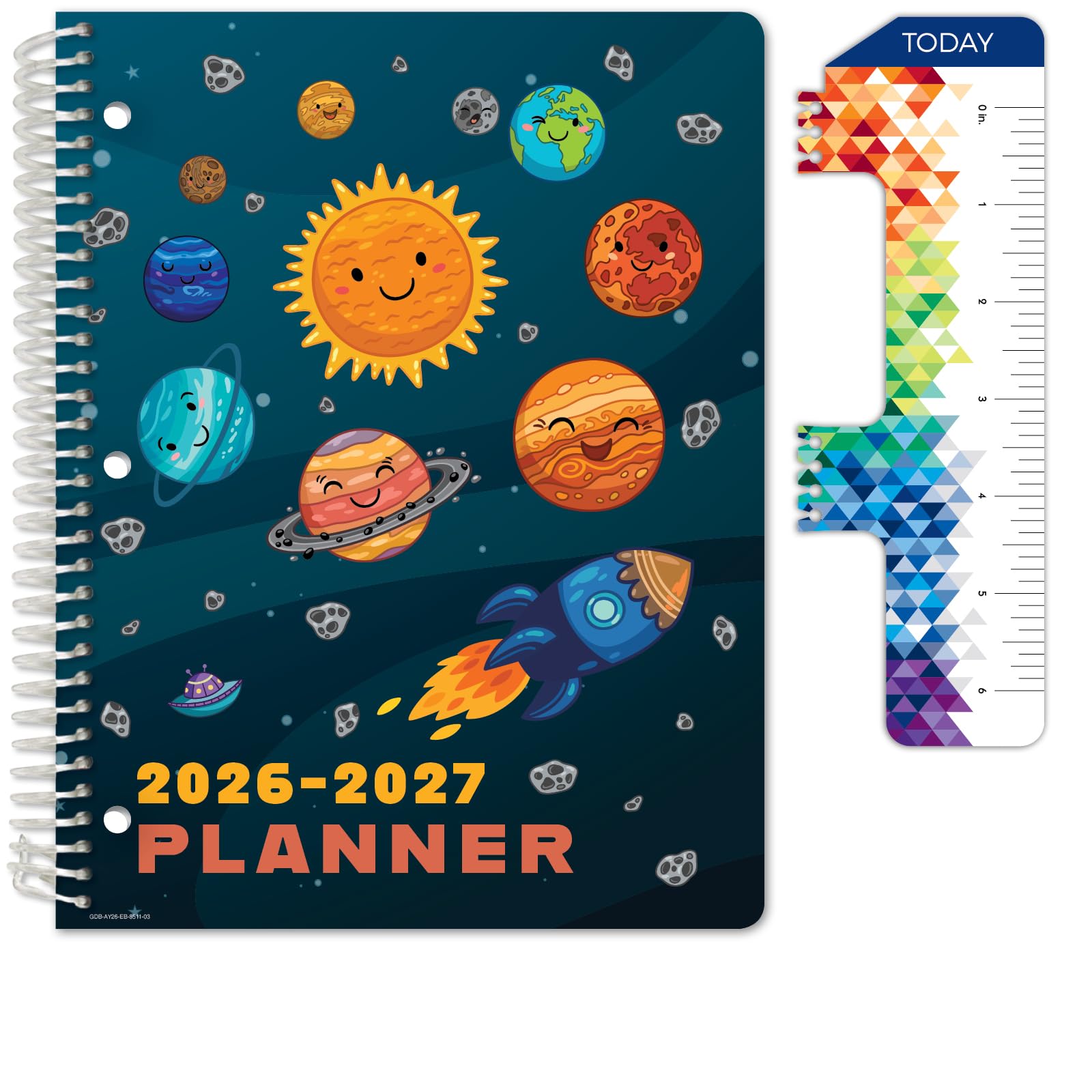
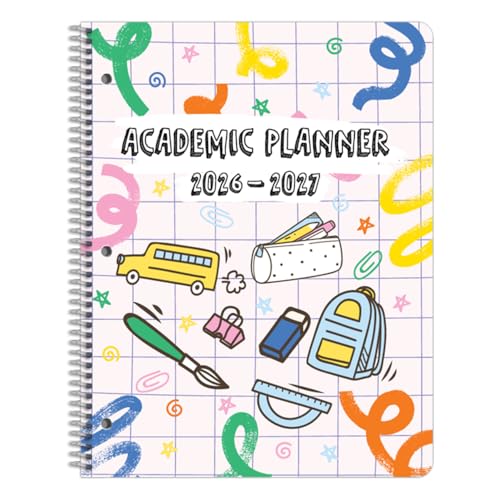
Dated Elementary Student Planner 2026-2027 Academic School Year, Large (8.5" by 11") Matrix Style Datebook with Create Cover
- TEACHES PLANNING AND TIME MANAGEMENT – Helps elementary students build good habits early by tracking homework,
- DESIGNED TO KEEP KIDS ENGAGED – Includes 128 full-color pages filled with fun facts and activities to make pla
- BUILDS STRONG STUDY HABITS – Includes spelling lists, reference pages, and study skills to support classroom l
4. Emotional and Mental Health: The Hidden Curriculum
One in five children aged 3–17 in the United States has a diagnosed mental, emotional, developmental, or behavioural disorder, according to the CDC's Children's Mental Health Report. The pandemic accelerated anxiety and behavioural challenges across all age groups, and 5–8-year-olds are no exception.
Red flags that warrant a conversation with your GP or paediatrician
What schools are doing — and what to ask for
Most primary schools now have access to a school counsellor or pastoral lead. Don't wait for the school to come to you. Request a brief meeting at the start of the year to introduce yourself and flag any concerns. Schools operating under trauma-informed practice frameworks (widely adopted post-pandemic following SAMHSA guidance) are better equipped to support these children — ask your school directly whether staff have received trauma-informed training.
5. The Parent-School Partnership: Your Most Powerful Tool
Research consistently shows that parental involvement is one of the strongest predictors of school success — more predictive than family income or school resources, according to a landmark review by Professor Joyce Epstein at Johns Hopkins University's Center on School, Family, and Community Partnerships.
For pandemic-era students, this partnership is even more critical because teachers are managing wider developmental ranges within a single classroom than ever before.
How to build a productive relationship with your child's teacher
- Introduce yourself in the first two weeks — a brief, friendly email is enough - Share relevant context ("She had very limited nursery experience due to lockdowns") - Ask for the teacher's preferred communication channel and frequency - Attend parent evenings with specific questions, not just open-ended check-ins
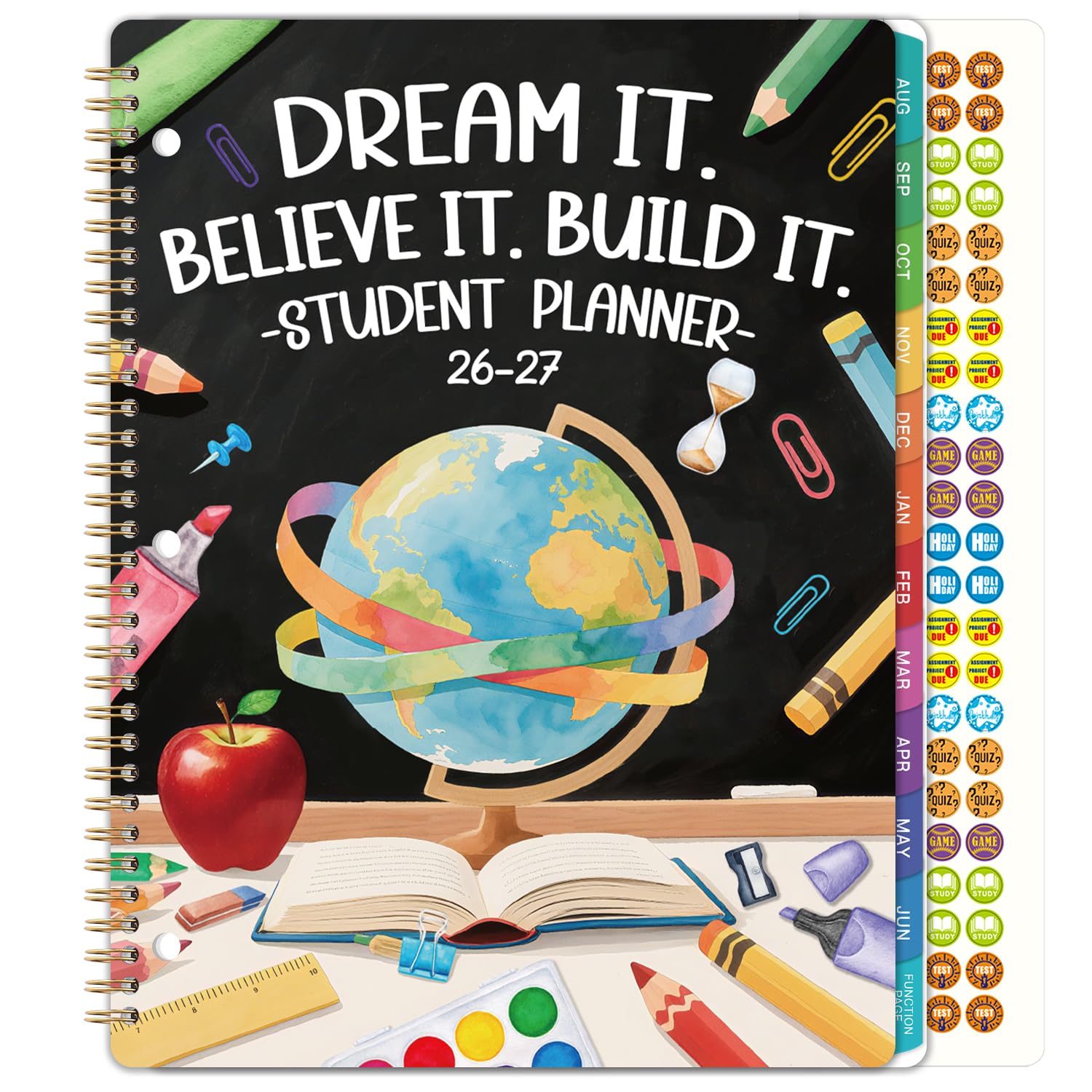
Staying organised yourself helps you show up as an informed partner. The Taja Academic Planner 2026–2027 is a practical, affordable way to track school events, parent meetings, and your child's milestones in one place.
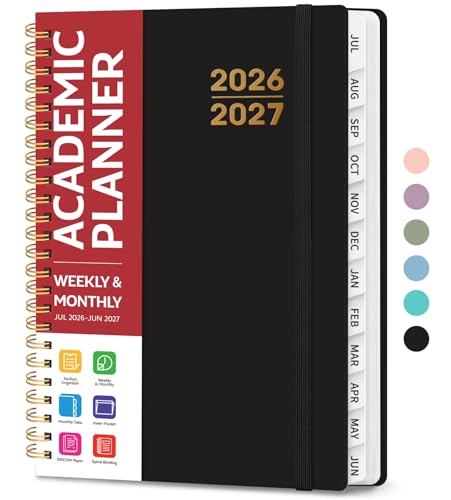
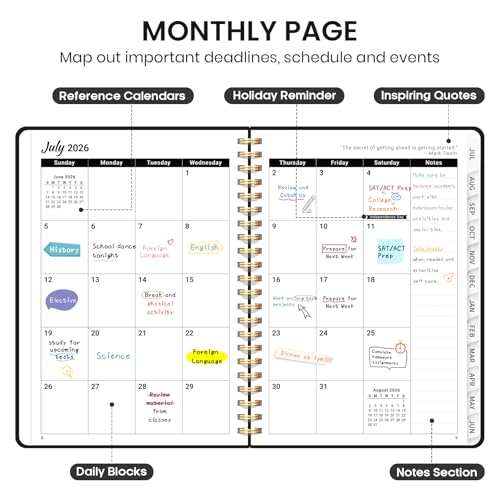
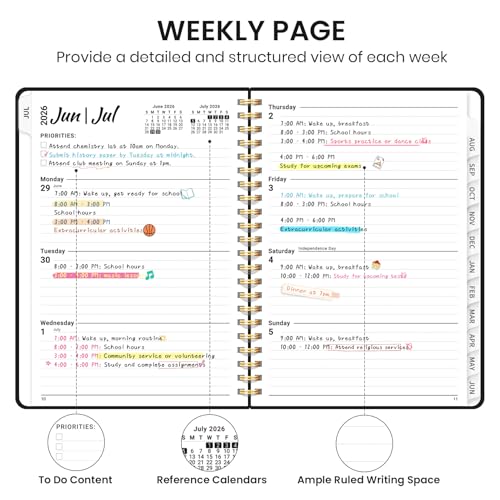
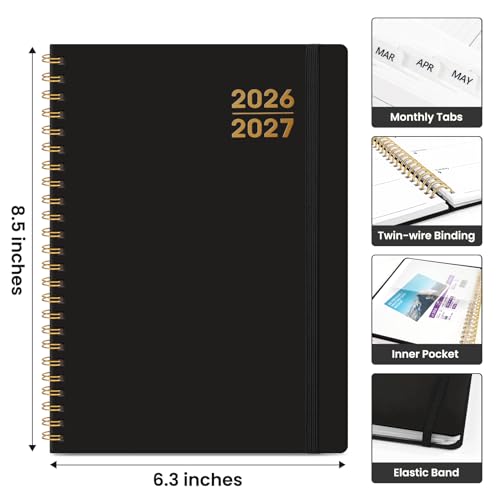
Planner 2026-2027 for Women & Men, Academic Monthly and Weekly Calendar Planner, Jul 2026 - Jun 2027, A5 (6.3" x 8.5"), Teacher Student Planning Book with Tabs, Ideal for Office School Supplies - Black
- Study Organize with Ease:The Taja academic planner 2026–2027 is an essential tool for planning and staying org
- Comprehensive Planning:Planner 2026-2027 covers the school year from July 2026 to June 2027, offering 12 month
- Thoughtful Design:The academic planner 2026–2027 features an elastic band closure, monthly tabs for quick navi
6. Building Routine and Resilience: The Long Game
Routine is not about rigidity — it is about predictability, and predictability is what pandemic-era children's nervous systems are craving. The AAP specifically recommends consistent daily schedules as a protective factor for children's mental health in the post-pandemic period.
The four pillars of a school-day routine that works
1. Consistent wake and sleep times — 9–11 hours of sleep per night for ages 5–12 (AAP guideline) 2. A calm morning sequence — same order every day reduces decision fatigue and meltdowns 3. After-school decompression time — 30–45 minutes of unstructured play before homework 4. A predictable evening wind-down — dinner, reading, bath, bed, in that order when possible
Teaching your child to manage their own responsibilities
One of the most lasting gifts you can give a 6–8-year-old is the early experience of managing their own tasks. A simple homework tracker or student planner — sized and designed for their age — builds executive function skills that will serve them throughout school.
The Love2Learn All-in-One Academic Planner 2025–2026 offers a two-part layout that separates what's due tomorrow from longer-term goals — a distinction that even many adults struggle to make. For older children in the 7–8 range beginning to manage independent homework, the Work-Smart Academic Planner provides a structured framework for building those habits.
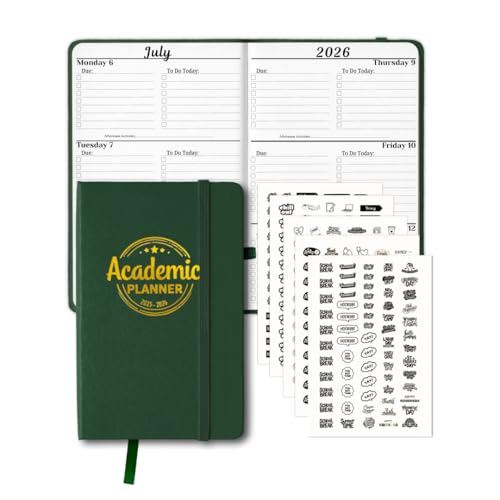
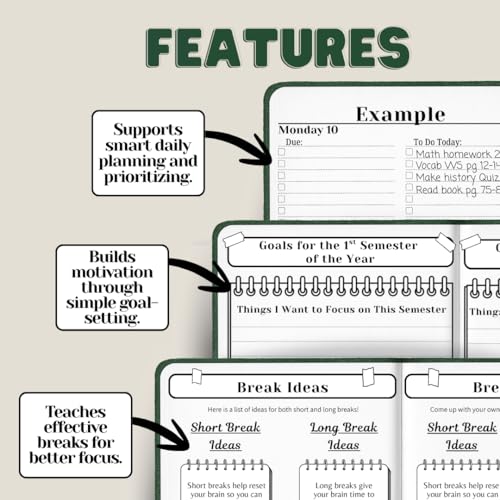
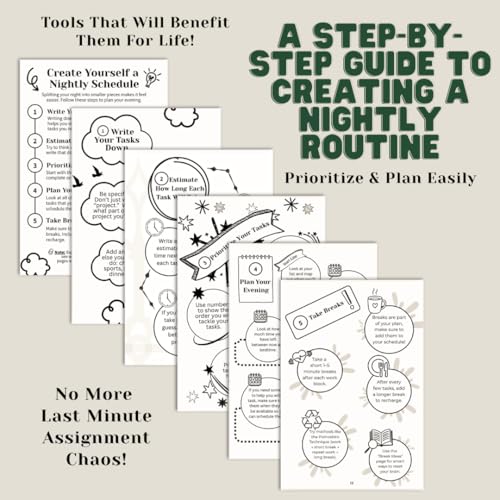
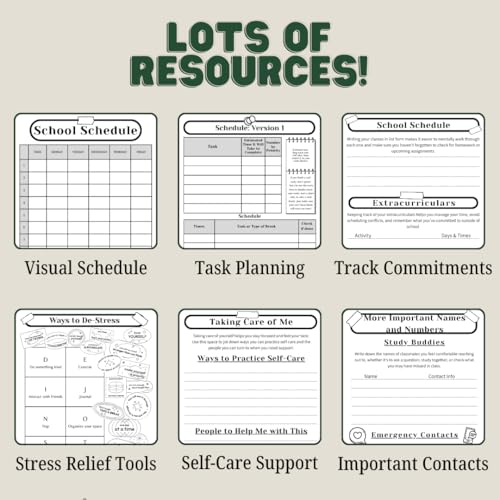
All-in-One Academic Planner 2025–2026: The Ultimate Organizer for Student Success
- SMART TWO-PART LAYOUT: Features a distinct Resource Section to set goals, track schedules, and log support con
- PLAN AND PRIORITIZE: Distinguish between what is due tomorrow and what needs long-term planning.
- BUILDS EFFECTIVE ROUTINES: The clear design reduces visual overwhelm, helping students build a consistent nigh
7. Technology, Screen Time, and the Attention Economy
Pandemic-era children experienced a sharp increase in screen time — often unavoidable when screens became the primary window to the outside world. The WHO recommends no more than one hour of sedentary screen time per day for children aged 5–17, with an emphasis on interactive, co-viewed content over passive consumption.
The concern for school-age children isn't screens per se — it's the displacement of activities that build the skills now showing as gaps: conversation, physical play, creative exploration, and sustained reading.
A realistic screen-time framework for 5–8-year-olds
Planner Comparison: Matching the Right Organisational Tool to Your Child's Stage
| Planner Type | Best For | Key Features | Main Drawbacks | Recommended Product | Price Range |
|---|---|---|---|---|---|
| Elementary student planner | Ages 5–8, just starting homework routines | Fun facts, colour pages, spelling lists, simple layout | Not suitable for complex scheduling | School Datebooks Elementary Planner 2026–2027 | $14.99 |
| All-in-one academic organiser | Ages 7–10, building independent study habits | Two-part layout, goal-setting, nightly routine support | Fewer visual/fun elements for younger children | Love2Learn All-in-One Academic Planner | $24.99 |
| Middle/high matrix planner | Ages 10+, heavier homework loads | onTRAC system, parent-teacher comment sections, goal pages | Too complex for early school-age children | School Datebooks Middle/High Planner 2026–2027 | $14.99 |
| Compact adult/teacher planner | Parents and teachers tracking school events | Monthly + weekly views, elastic closure, portable A5 size | Not designed for children to use independently | Taja Academic Planner 2026–2027 | $8.99 |
| Large student planner with stickers | Ages 8–12, motivated by visual rewards | Motivational quotes, colourful tabs, stickers, goal tracking | August start may miss July school events | Artfan Globe Student Planner 2026–2027 | $12.99 |
| Work-smart habit planner | Ages 8+ building structured study skills | Habit-based framework, assignment tracking, prioritisation | Less visual engagement for younger readers | Work-Smart Academic Planner | $13.99 |
Expert Insights
Your child didn't choose to start life during a global pandemic, and neither did you. But here you are — reading the research, asking the right questions, and showing up. That matters enormously. The children who will thrive through this period are not the ones with the fewest challenges; they're the ones with parents who stayed curious, stayed connected to the school, and refused to let a difficult start define the whole story. Save this guide, share it with your child's teacher, and come back to it at the start of each new school year. The challenges shift — but so does your child's capacity to meet them.
The most important thing you can give a pandemic-era child isn't a catch-up programme — it's a parent who believes the gap can close.
Sources & References
- National Center for Education Statistics (NCES). "Teacher Survey on Students' Social-Emotional and Academic Needs." 2023. https://nces.ed.gov
- Deoni, S.C.L., et al. "Impact of the COVID-19 Pandemic on Early Child Cognitive Development." JAMA Pediatrics. 2022. https://jamanetwork.com
- Harvard Center on the Developing Child. "Brain Architecture." Harvard University. https://developingchild.harvard.edu
- Annie E. Casey Foundation. "Double Jeopardy: How Third-Grade Reading Skills and Poverty Influence High School Graduation." 2012. https://www.aecf.org
- CASEL (Collaborative for Academic, Social, and Emotional Learning). "What Is SEL?" https://casel.org
- Durlak, J.A., et al. "The Impact of Enhancing Students' Social and Emotional Learning." Child Development, 2023 meta-analysis update.
- American Academy of Pediatrics (AAP). "COVID-19 Pandemic: Supporting Children's Mental Health." Policy Statement, 2022. https://publications.aap.org
- CDC. "Children's Mental Health Report." Centers for Disease Control and Prevention. https://www.cdc.gov/childrensmentalhealth
- SAMHSA. "Trauma-Informed Approach and Trauma-Specific Interventions." Substance Abuse and Mental Health Services Administration. https://www.samhsa.gov
- Epstein, J.L. "School, Family, and Community Partnerships." Johns Hopkins University Center on School, Family, and Community Partnerships. https://nnps.jhucsos.com
- World Health Organization (WHO). "Guidelines on Physical Activity, Sedentary Behaviour and Sleep for Children Under 5 Years of Age." Extended guidance for school-age, 2019. https://www.who.int
- Center on the Developing Child, Harvard University. "Executive Function and Self-Regulation." https://developingchild.harvard.edu
- NWEA. "2023 MAP Growth Norms Study: COVID Recovery Trends." https://www.nwea.org
- National Education Association. "Research Spotlight on Homework." https://www.nea.org
- Brackett, M. Permission to Feel. Celadon Books, 2019.
Frequently Asked Questions
Is my child permanently behind because of the pandemic?
How do I know if my child needs professional help versus just more time?
What's the single most effective thing I can do at home for my child's literacy?
My child's teacher says they are "fine" but I'm still worried. What should I do?
How much homework is appropriate for a 5–8-year-old?
Should I use a planner or organiser with my 6-year-old?
What is Social-Emotional Learning (SEL) and should I ask the school about it?
Was this helpful?
Thanks — your feedback helps us pick what to write next.