Third-Trimester Behaviour: Your Baby Is Already Communicating
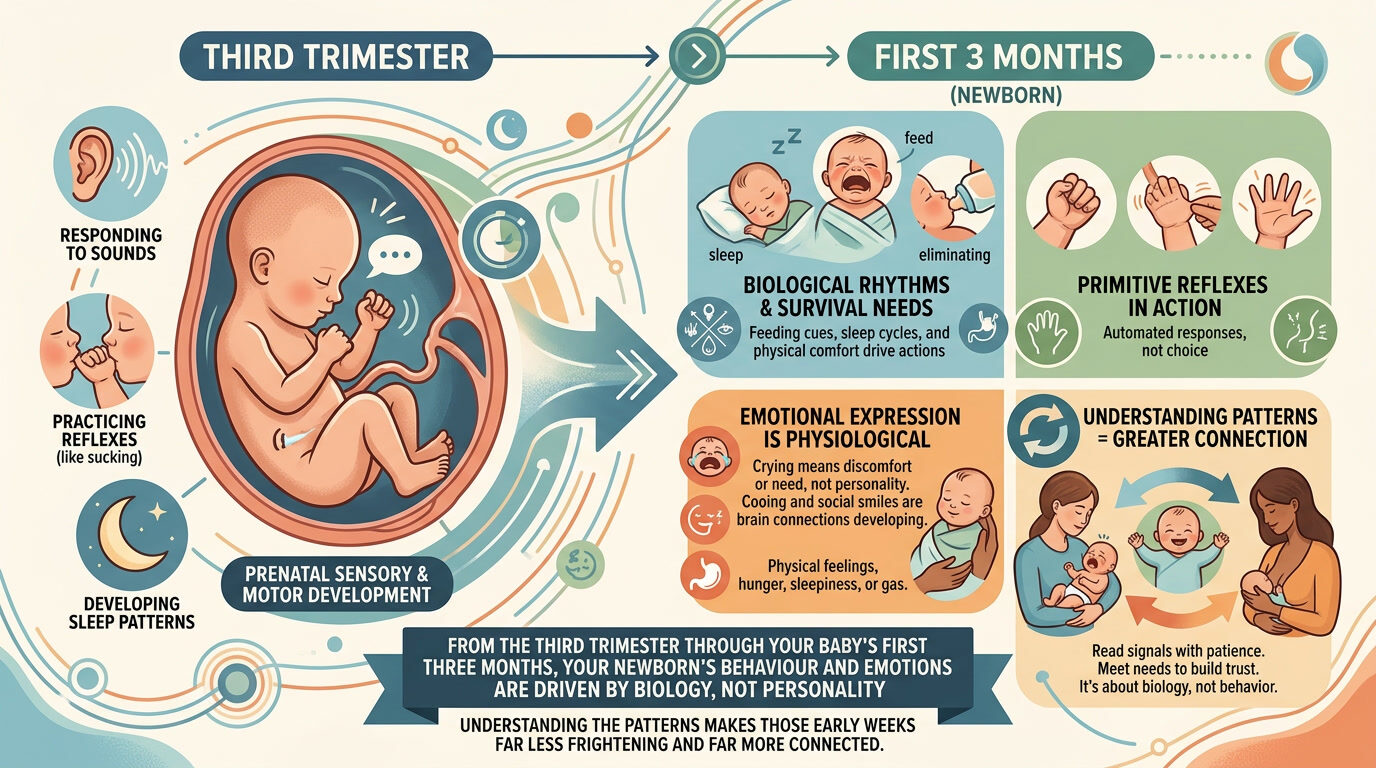
From the third trimester through your baby's first three months, your newborn's behaviour and emotions are driven by biology, not personality — understanding the patterns makes those early weeks far less frightening and far more connected.
In this article
Imagine being handed the world's most complex piece of technology with no manual, no error codes, and a battery that drains every 90 minutes. That's roughly what the first three months of parenthood feel like. According to the World Health Organization, approximately 140 million babies are born each year — and almost every one of their parents spends those early weeks wondering, "Is this normal?"
The good news: most of what looks alarming is completely typical. The better news: your baby has been practising emotional communication since before birth, and you are already wired to respond.
In this guide you'll understand:
1. Third-Trimester Behaviour: Your Baby Is Already Communicating
Long before the birth certificate is signed, your baby is practising the building blocks of emotional life. From around 28 weeks, the foetal brain produces distinct sleep–wake cycles, and by 32–34 weeks most babies show consistent patterns of movement, startle responses, and even facial expressions that researchers have linked to later emotional temperament.
A landmark 2013 study published in PLOS ONE by researchers at Durham and Lancaster Universities used 4D ultrasound to show that foetuses as young as 32 weeks display "laughter-face" expressions, suggesting emotional muscle memory begins well before birth.
What Normal Third-Trimester Movement Looks Like
- 10 kicks in 2 hours is the commonly used benchmark recommended by the American College of Obstetricians and Gynecologists (ACOG) for kick counting after 28 weeks. - Movement tends to peak in the evening when your blood sugar is steady and you're resting. - Hiccups (rhythmic, repetitive jolts) are a sign of diaphragm maturation — entirely normal. - A sudden decrease in movement — not just a quiet spell — is worth a same-day call to your midwife or OB.




Understanding Newborn Behavior and Early Relationships: The Newborn Behavioral Observations (NBO) System Handbook
- Medical Books
- Internal Medicine
- Pediatrics
2. The Six Behavioural States: Learning Your Newborn's Language
Every newborn cycles through six distinct behavioural states, first described by developmental paediatrician T. Berry Brazelton, MD, whose Neonatal Behavioral Assessment Scale (NBAS) became the gold standard for newborn evaluation. Understanding these states is the single fastest way to feel less helpless in those first weeks.
The Six States at a Glance
| Behavioural State | What You'll See | What Baby Needs | Recommended Resource | Approx. Duration (newborn) |
|---|---|---|---|---|
| Deep Sleep | Still, eyes closed, no movement | Undisturbed rest | NBO System Handbook | 20–40 min cycles |
| Light/Active Sleep | Fluttering eyelids, small twitches, brief sounds | Don't rush to pick up — wait | Month-by-Month Baby Book | Variable |
| Drowsy | Heavy lids, slow blinking, mild fussing | Gentle stimulation or feed | Mayo Clinic Baby Guide | Transitional |
| Quiet Alert | Wide eyes, still body, focused gaze | Talk, sing, make eye contact | Your Baby Is Speaking to You | 2–3 min (newborn) |
| Active Alert | Fussing, increased movement, sensitive to stimuli | Reduce stimulation, check hunger/discomfort | The Wonder Weeks | Escalating |
| Crying | Full cry, red face, arched back | Immediate comfort response | The Montessori Baby | Until need is met |
3. Crying as Communication: Decoding What Your Baby Is Telling You
Crying is your newborn's only fully developed communication tool, and it is designed by evolution to be impossible to ignore. The average newborn cries 2–3 hours per day in the first six weeks, according to data reviewed by the American Academy of Pediatrics (AAP). That number peaks around weeks 6–8 and then — reliably — begins to drop.
Crying is not manipulation. In the first months of life, it is the primary language of need.
— American Academy of Pediatrics, *Caring for Your Baby and Young Child*, 7th Edition (2019)
Common Cry Patterns and Their Meaning
- Hunger cry: Rhythmic, repetitive, builds gradually. Often accompanied by rooting and hand-to-mouth movements. - Pain cry: Sudden, high-pitched, followed by a breath-holding pause then another burst. - Overstimulation cry: Whiny, escalating, often after a busy outing or lots of visitors. - Tired cry: Fussy, intermittent, often with eye-rubbing and gaze aversion.


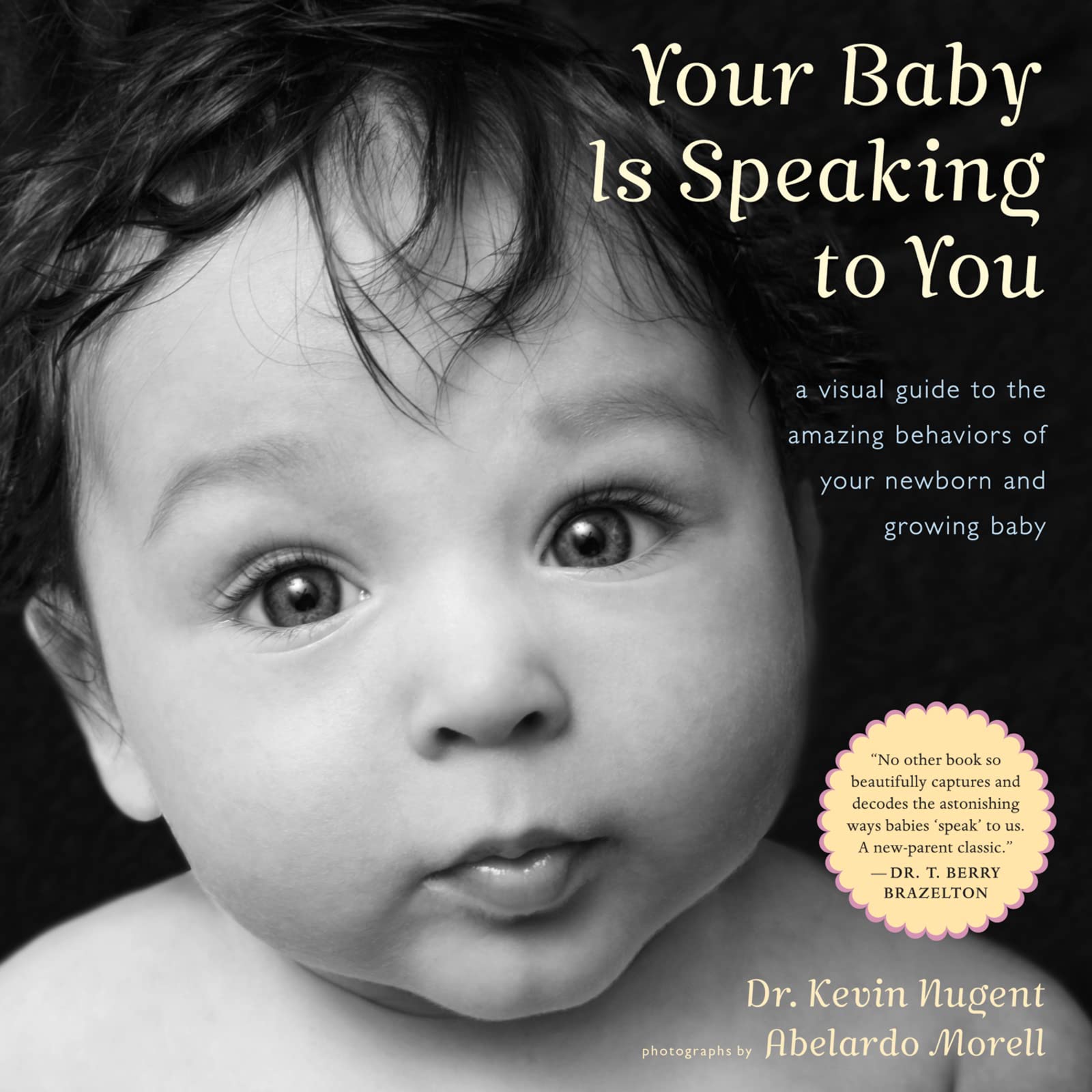
Your Baby Is Speaking to You: A Visual Guide to the Amazing Behaviors of Your Newborn and Growing Baby
- Medical Books
- Internal Medicine
- Pediatrics
4. Developmental Leaps: Why Your "Good" Baby Suddenly Isn't
Around weeks 4–5, many parents report their previously settled newborn becoming clingy, feeding constantly, and sleeping poorly. This is not a regression — it is a leap. The Wonder Weeks framework, developed by Dutch researchers Frans Plooij, PhD, and Hetty van de Rijt, PhD, identifies the first major neurological leap at approximately 5 weeks (adjusted from due date).
During a leap, your baby's brain is reorganising at a cellular level. Sensory processing becomes temporarily overwhelming, which drives the "three Cs": Clinginess, Crankiness, and Crying.
Surviving the First Leap (Weeks 4–5)



The Wonder Weeks: A Stress-Free Guide to Your Baby's Behavior
- Parenting & Relationships
- Early Childhood
- Image Unavailable Image not available forColor:
5. Co-Regulation: How Your Emotions Shape Your Baby's Brain
Here is the piece of science that changes everything: your baby cannot self-regulate their emotions in the first months of life. Their prefrontal cortex — the brain's calm-down centre — is structurally immature. They borrow your nervous system to regulate theirs. This process is called co-regulation, and it is one of the most replicated findings in developmental neuroscience.
Sensitive, responsive caregiving in the first year is the single strongest predictor of secure attachment and long-term emotional health.
— Centre on the Developing Child, Harvard University (2016)
The Harvard Center on the Developing Child describes this as "serve and return" interaction — your baby sends a signal (a cry, a gaze, a sound), you respond, and that back-and-forth exchange literally builds neural connections.
What Co-Regulation Looks Like in Practice
- Slow your own breathing before picking up a distressed baby — your heart rate variability is contagious. - Narrate your actions in a calm voice: "I've got you, I'm here, let's figure this out together." - Skin-to-skin contact (kangaroo care) reduces cortisol in newborns and is endorsed by both the WHO and UNICEF for term and preterm infants.


The Montessori Baby: A Parent's Guide to Nurturing Your Baby with Love, Respect, and Understanding (The Parents' Guide to Montessori, 2)
- Parenting & Relationships
- Early Childhood
- Image Unavailable Image not available forColor:
6. Postpartum Emotions and the Parent–Baby Bond
Approximately 1 in 5 mothers and 1 in 10 fathers experience postpartum depression or anxiety, according to the Royal College of Psychiatrists. This is not weakness — it is a neurobiological event driven by hormonal shifts, sleep deprivation, and the seismic identity change of becoming a parent.
What matters here is the intersection: your emotional state directly affects your baby's behavioural development. Untreated postpartum depression is associated with disrupted attachment, increased infant cortisol, and delayed language development (Murray & Cooper, Postpartum Depression and Child Development, 1997).
Signs That Warrant Professional Support


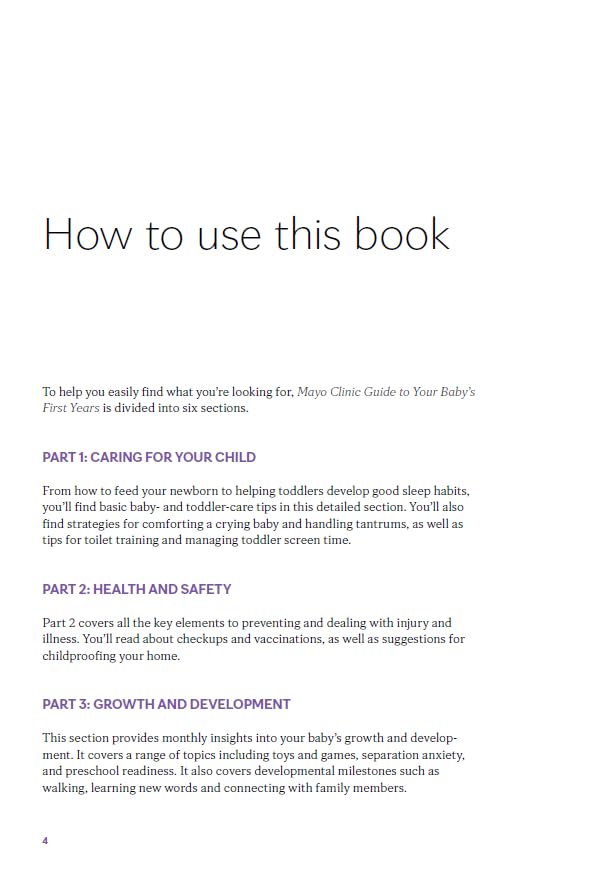
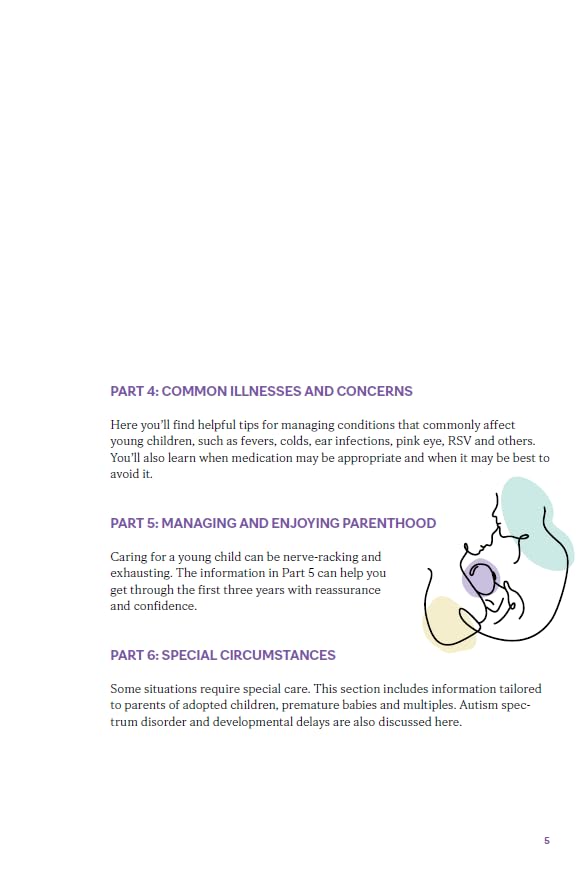
Mayo Clinic Guide to Your Baby's First Years, 3rd Edition: Clear Answers and Expert Advice for Every Phase With Your Infant and Toddler (Mayo Clinic Parenting Guides)
- Parenting & Relationships
- Family Relationships
- Parent & Adult Child
7. Red Flags vs. Normal Variation: When to Call Your Paediatrician
Most newborn behaviour that worries parents is normal variation. But some patterns genuinely need clinical attention. Knowing the difference saves you from both unnecessary panic and delayed intervention.

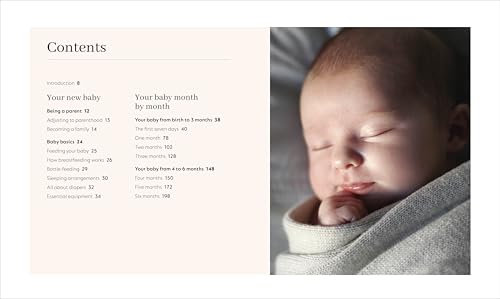

The Month-by-Month Baby Book: In-depth, Monthly Advice on Your Baby's Growth, Care, and Development in the First Year
- Health, Fitness & Dieting
- Psychology & Counseling
- Child Psychology
By 1 Month — Contact Your Doctor If:
By 2–3 Months — Contact Your Doctor If:
Expert Insights
These first three months are not a test you can fail. They are a conversation you are learning to have — one cry, one gaze, one quiet alert moment at a time. Every time you respond to your baby's signal, even imperfectly, you are building the neural architecture that will underpin their emotional life for decades.
The most important thing you can give your newborn is not a perfect environment — it is a present, responsive you.
If this guide helped, save it for the hard evenings, share it with your co-parent, and bookmark the red-flag section for your next well-baby visit. You've got this.
Sources & References
- American Academy of Pediatrics. Caring for Your Baby and Young Child: Birth to Age 5, 7th Edition. 2019. aap.org
- American College of Obstetricians and Gynecologists. "Decreased Fetal Movement." ACOG FAQ, 2020. acog.org
- Centre on the Developing Child, Harvard University. "Serve and Return Interaction." 2016. developingchild.harvard.edu
- Reissland, N., Francis, B., & Mason, J. "Can Healthy Fetuses Show Facial Expressions of 'Pain' or 'Distress'?" PLOS ONE, 2013. doi.org/10.1371/journal.pone.0065530
- Royal College of Psychiatrists. "Postnatal Depression." 2021. rcpsych.ac.uk
- World Health Organization & UNICEF. "Kangaroo Mother Care: A Practical Guide." WHO, 2003. who.int
- Murray, L., & Cooper, P.J. (Eds.). Postpartum Depression and Child Development. Guilford Press, 1997.
- Plooij, F.X., & van de Rijt, H. The Wonder Weeks: A Stress-Free Guide to Your Baby's Behavior. Kiddy World Publishing, 2019.
- Brazelton, T.B., & Nugent, J.K. Neonatal Behavioral Assessment Scale, 4th Edition. Mac Keith Press, 2011.
- Wolke, D., et al. "Systematic Review and Meta-Analysis: Fussing and Crying Durations and Prevalence of Colic in Infants." Journal of Pediatrics, 2017. BMJ Open meta-analysis referenced: doi.org/10.1136/bmjopen-2017-015418
Frequently Asked Questions
Is it normal for my newborn to smile before 6 weeks?
Why does my baby cry more in the evening?
Can my newborn feel my stress?
When should my baby start making eye contact?
Is the Wonder Weeks app scientifically accurate?
How do I know if my baby has colic?
Do I need to worry about spoiling my newborn by responding too quickly?
Was this helpful?
Thanks — your feedback helps us pick what to write next.