
Postnatal Depression: A Mom's Journey and How to Heal
Postnatal depression is a treatable medical condition, not a character flaw, and most mothers recover fully with the right combination of professional support, practical strategies, and a strong support network.
In this article
The weeks after a baby arrives are supposed to feel like a beginning. For roughly 1 in 5 women in the UK (according to the Royal College of Psychiatrists) and around 1 in 8 in the US (according to the CDC), they feel more like falling. Postnatal depression, often called PND or PPD, is one of the most common complications of childbirth, and one of the least talked about in honest terms.
This guide is written for you whether your baby is six weeks old or six years old, because PND can surface at any point in the first year and its ripple effects reach children of every age. Here is what you will understand by the end of it:
1. What Postnatal Depression Actually Feels Like
Postnatal depression does not always look like crying in a darkened room. Sometimes it looks like a mother who seems perfectly functional from the outside while feeling hollow on the inside. The range of symptoms is wider than most people expect, and that gap between expectation and reality is precisely why so many women wait months before asking for help.
The classic signs are well documented: persistent low mood, loss of pleasure in things you used to enjoy, exhaustion that sleep does not fix, changes in appetite, difficulty concentrating, and feelings of worthlessness or excessive guilt. But there are some experiences that mothers describe that rarely make the pamphlets.
The symptoms nobody warns you about
Many women with PND report anger and irritability as their most prominent symptom, not sadness. Others describe a strange emotional numbness, going through the motions of feeding and settling a baby without feeling any of the warmth they expected. Some experience intrusive thoughts: unwanted mental images of something bad happening to the baby. These thoughts are distressing precisely because they are ego-dystonic (they feel completely at odds with who you are), and they are a recognised feature of PND, not a sign you are dangerous.
The Edinburgh Postnatal Depression Scale (EPDS) is the validated screening tool used by midwives and GPs. If you score 10 or above, or if any of the above symptoms have lasted more than two weeks, please make an appointment today.
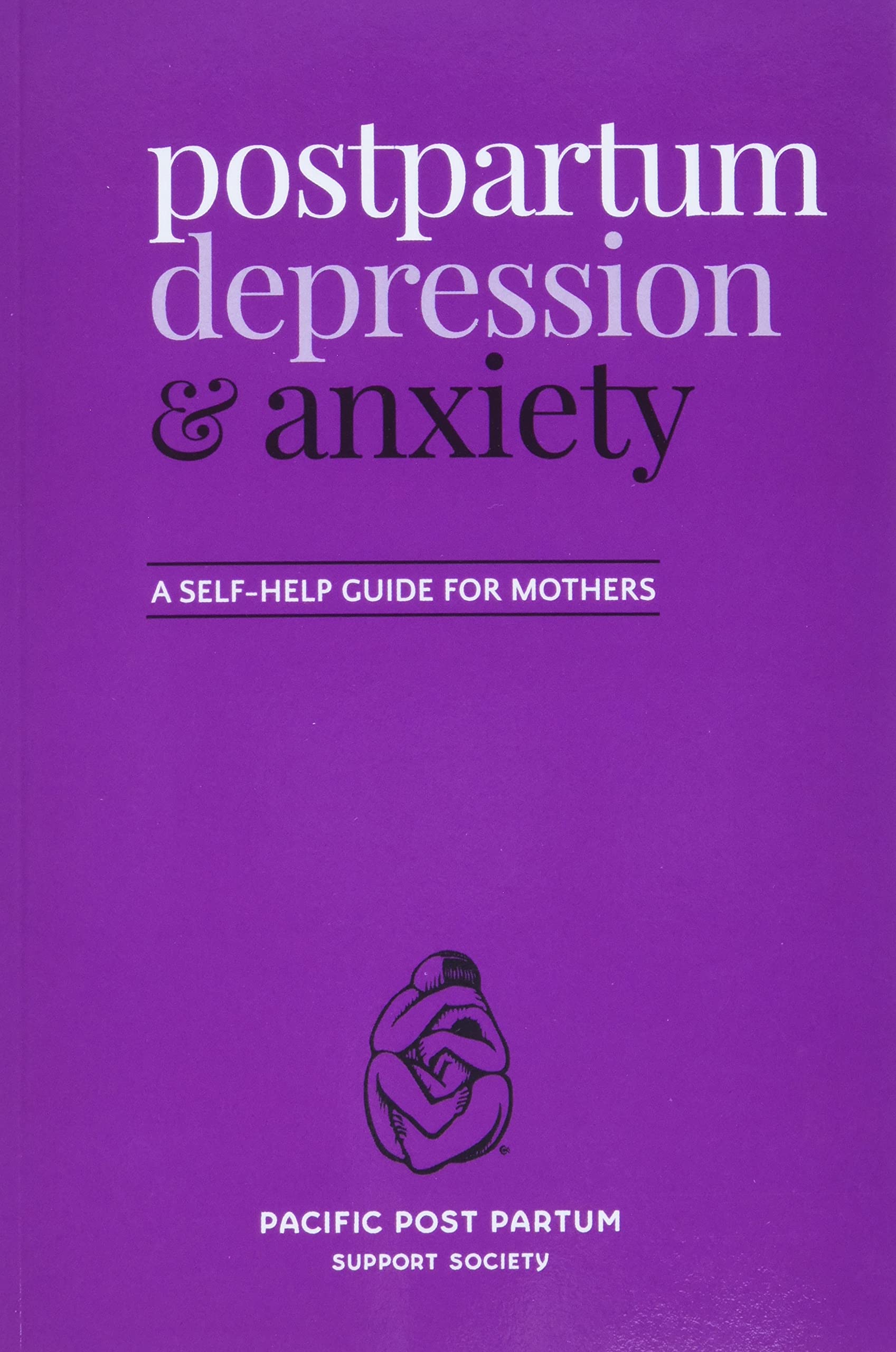


Postpartum depression and anxiety: A self-help guide for mothers
- Health, Fitness & Dieting
- Mental Health
- Image Unavailable Image not available forColor:
2. Understanding the Difference: Baby Blues, PND, and Postpartum Psychosis
Not every difficult feeling after birth is postnatal depression, and knowing the difference matters because the response is different for each.
The baby blues affect up to 80% of new mothers in the first week, according to the American College of Obstetricians and Gynecologists. They typically peak around day 3 or 4, when milk comes in and hormones plunge, and they resolve on their own within two weeks. You feel tearful and overwhelmed, but you still feel like yourself underneath it.
Postnatal depression is different in duration and intensity. It does not resolve by itself within two weeks. It interferes with daily functioning. It may begin within days of birth or emerge gradually over the first year.
Postpartum psychosis is rare (affecting roughly 1 in 1,000 births) but a genuine psychiatric emergency. It involves confusion, hallucinations, rapid mood swings, and behaviour that is out of character. If you or someone close to you is experiencing these symptoms, call emergency services or go to the nearest emergency department immediately.
| Condition | Onset | Duration | Key Features | Needs Professional Tx | Recommended Resource |
|---|---|---|---|---|---|
| Baby blues | Days 3–5 | Under 2 weeks | Tearfulness, mood swings, manageable | No (monitor) | The Fourth Trimester |
| Postnatal depression | First year | Weeks to months | Low mood, numbness, guilt, anxiety | Yes | Postpartum Depression Self-Help Guide |
| Postpartum anxiety | First year | Weeks to months | Racing thoughts, panic, hypervigilance | Yes | Rattled |
| Postpartum OCD | First year | Variable | Intrusive thoughts, compulsive checking | Yes | Good Moms Have Scary Thoughts |
| Postpartum psychosis | First 2 weeks | Days (emergency) | Hallucinations, confusion, mania | Emergency care | Beyond Birth and Postpartum Depression |
3. Getting Help: What to Do and What to Expect
The single most important step is telling someone in a clinical setting. That means your GP, midwife, health visitor, or obstetrician. Most women tell a friend or partner first, which is valuable, but a clinician is the person who can actually open the door to treatment.
What happens at that first appointment
Your GP or midwife will likely use the EPDS or a similar screening tool to get a baseline score. They will ask about your sleep, your support network, whether you are having any thoughts of self harm, and how long symptoms have been present. Be as honest as you can. This is not an exam; there is no wrong answer that leads somewhere bad.
From there, treatment is tailored. Mild to moderate PND is typically treated with talking therapy, most commonly cognitive behaviour therapy (CBT) or interpersonal therapy (IPT). Both have strong evidence for PND from multiple randomised trials. Moderate to severe PND may also involve antidepressant medication, most commonly sertraline or fluoxetine, both of which are considered compatible with breastfeeding according to the NHS and Lactmed.
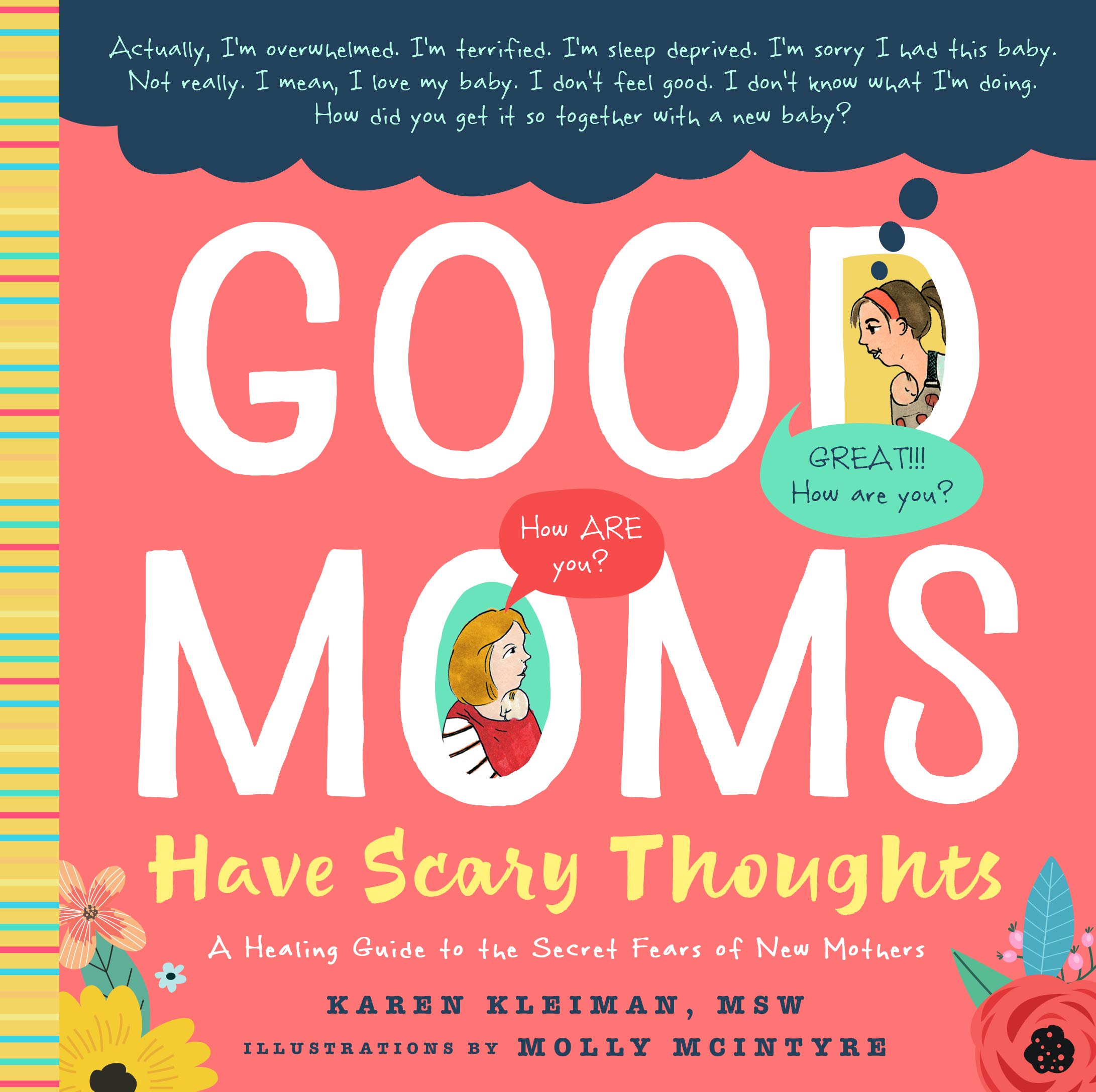
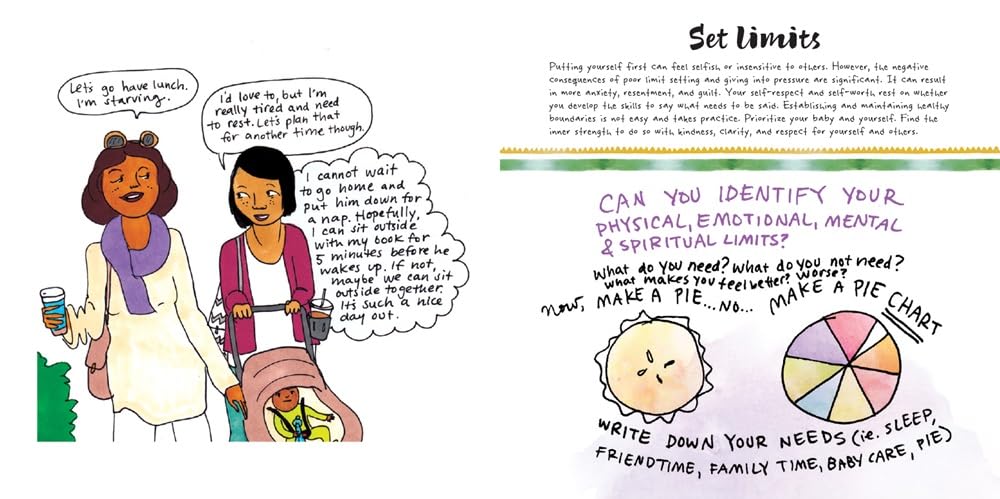
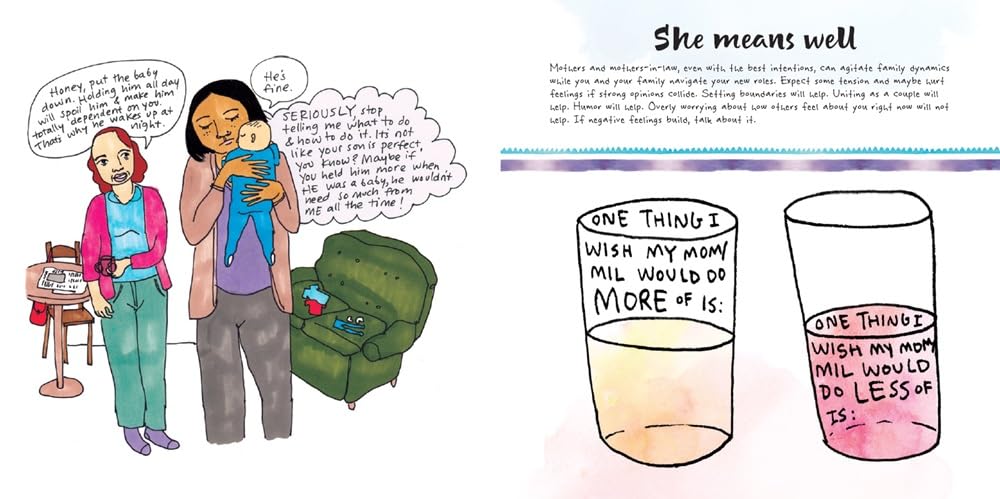

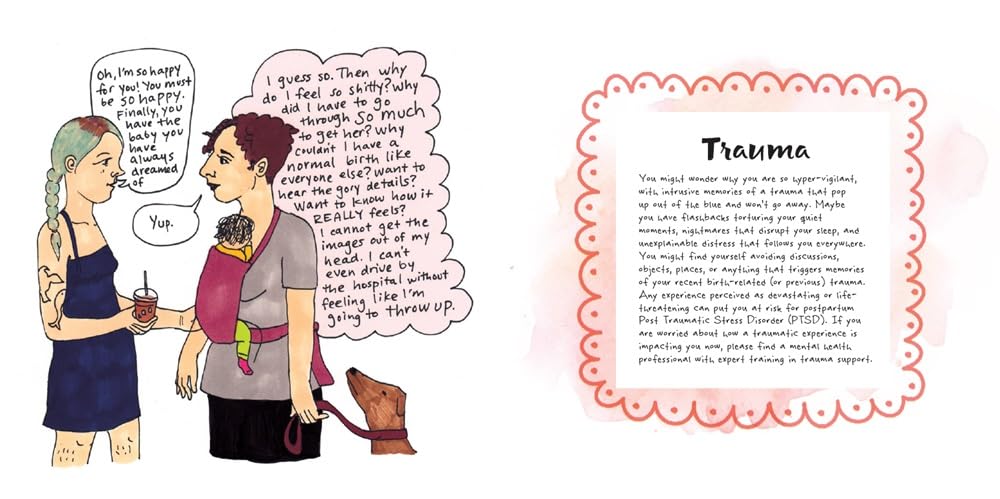
Good Moms Have Scary Thoughts: A Healing Guide to the Secret Fears of New Mothers
- Health, Fitness & Dieting
- Mental Health
- Image Unavailable Image not available forColor:
Understanding the bigger picture of your recovery is important. Reading about what the postpartum body is actually going through can help you make sense of why your mood, your hormones, and your energy are all behaving so strangely right now.
4. Building a Recovery Environment at Home
Treatment from a professional is the foundation, but the daily environment you live in either supports or undermines that treatment. This is the part where practical changes make a measurable difference.
Sleep deprivation is not just an inconvenience; it is a physiological driver of depression. When total sleep falls below six hours per night for extended periods, the brain's ability to regulate mood is genuinely impaired. You cannot simply push through this. Asking for help with night feeds, even for a few nights a week, is a medical decision, not a parenting failure.
The support network question
Many mothers with PND feel they should be able to cope alone, or feel guilty asking for help because other people seem to manage. That comparison is both unfair and inaccurate. Postnatal depression is not a sign of weakness; it is a condition with biological, psychological, and social drivers, and recovery goes faster when those social drivers are addressed.
Peer support also has good evidence behind it. Being in a group with other mothers who understand the experience from the inside, without judgment, reduces isolation and shame, two feelings that feed PND. Ask your health visitor about local peer support groups, or look for online communities run by organisations like PANDAS Foundation (UK) or Postpartum Support International (US).
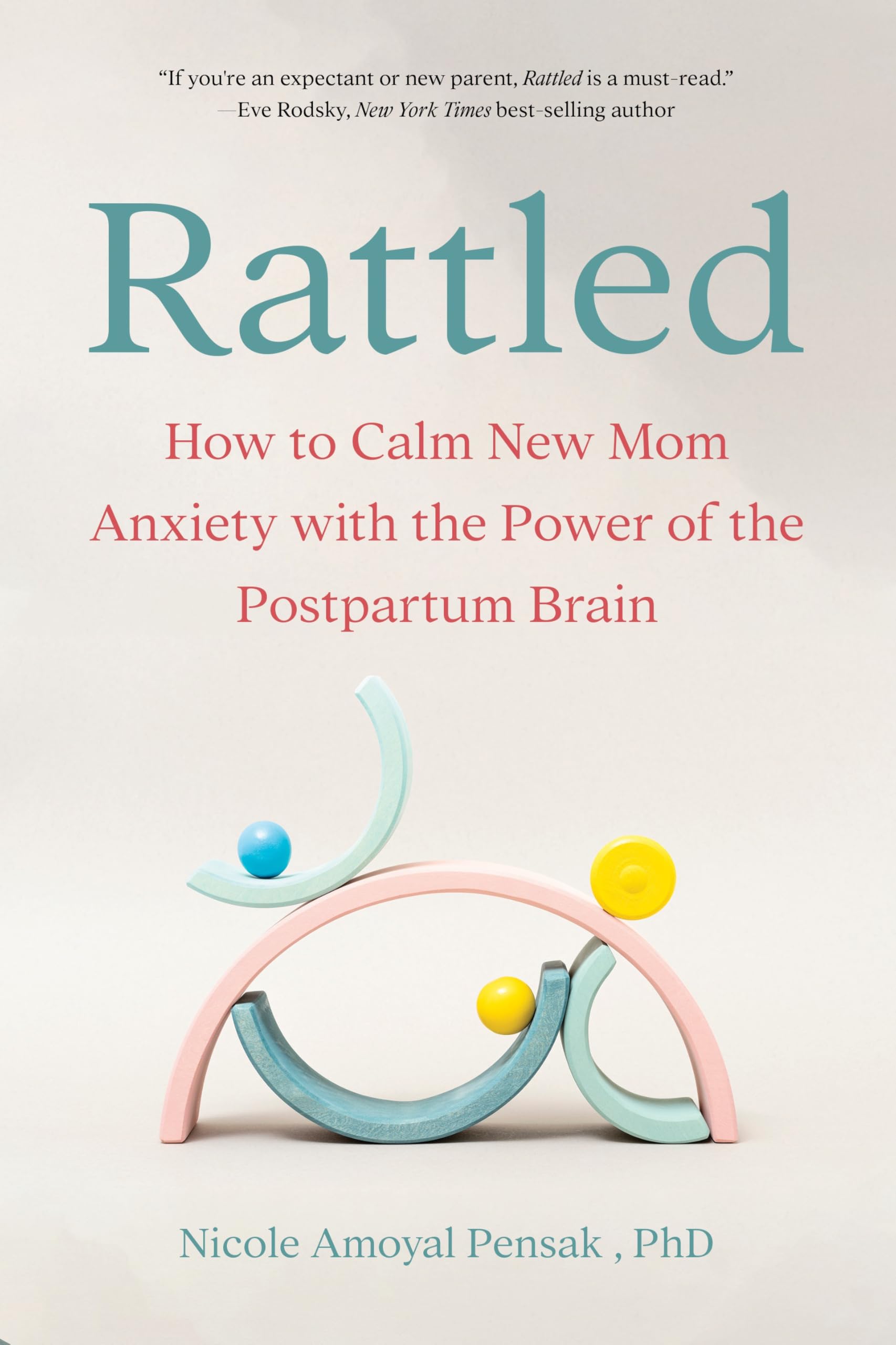
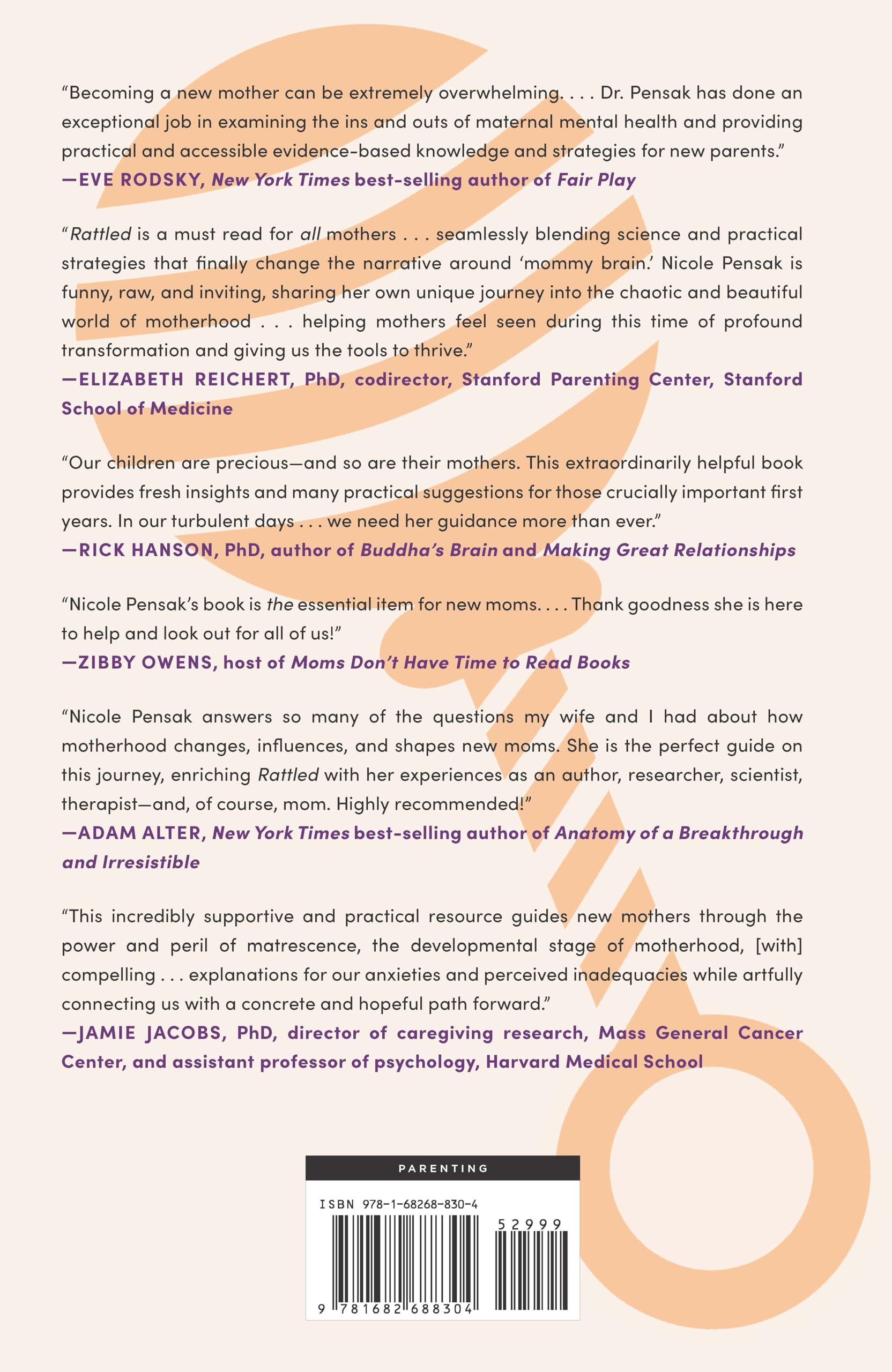
Rattled: How to Calm New Mom Anxiety with the Power of the Postpartum Brain
- Health, Fitness & Dieting
- Mental Health
- Image Unavailable Image not available forColor:
5. How PND Affects Your Child, and What to Do About It
This is the section many mothers are afraid to read. The fear that their depression has permanently harmed their child is one of the most painful parts of PND, and it deserves an honest, careful answer.
There is real evidence that untreated PND affects infant development. Research published in the journal Child Development has found associations between maternal depression in the first year and reduced sensitivity in mother-infant interaction, which matters because early emotional communication shapes a child's mental health from the very beginning. That is the honest part.
Here is the equally important honest part: treatment works, and repair is possible. The same body of research shows that when maternal depression is treated, mother-infant interaction improves, and children's outcomes improve with it. The brain is not a fixed object; it is responsive to changed experience at every age.
By age stage, what to watch and what helps
Newborn to 6 months: Focus on face to face time when you feel able. Skin to skin contact, even in small doses, triggers oxytocin in both of you. If feeding feels joyless, that is normal; keep going in short windows.
6 to 18 months: Talk to your baby even when it feels mechanical. Narrate what you are doing. The language input matters even when you cannot muster warmth.
Toddler and preschool: Children this age pick up on tension and may become clingy or have more tantrums. This is not permanent damage; it is a stress response. Consistent routines and brief, genuine moments of play matter more than sustained cheerfulness.
School age and beyond: Older children may have noticed a parent struggling. Age appropriate honesty ("Mum has been feeling poorly but she is getting help and things are getting better") reduces anxiety far more than pretending everything is fine.
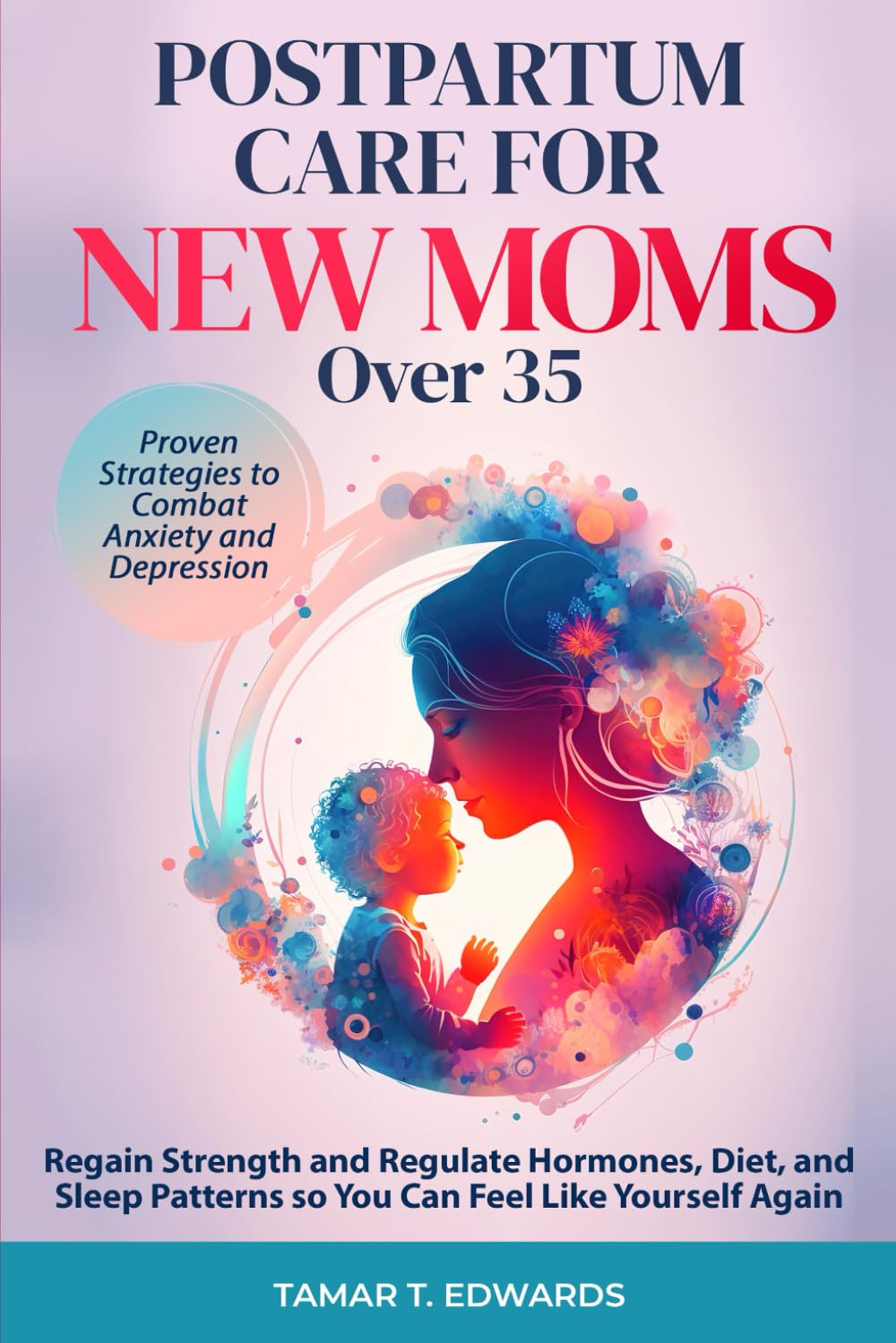
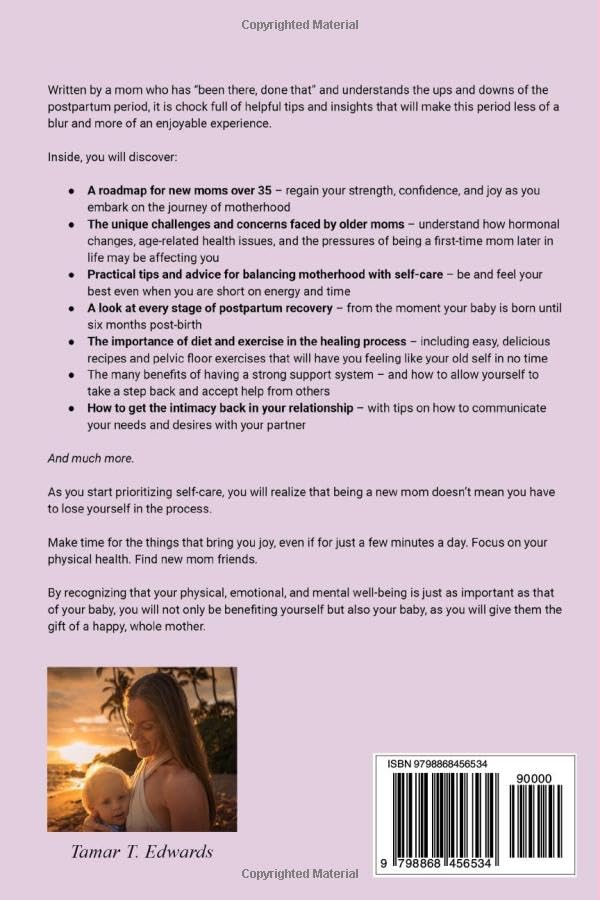
Postpartum Care for New Moms Over 35: Regain Strength and Regulate Hormones, Diet, and Sleep Patterns so You Can Feel Like Yourself Again. Proven Strategies to Combat Anxiety and Depression.
- Health, Fitness & Dieting
- Mental Health
- Image Unavailable Image not available forColor:
6. Life After PND: What Recovery Actually Looks Like
Recovery from postnatal depression is rarely a straight line upward. Most women describe it as more like a gradual lifting, with good days and harder days, the good days becoming more frequent until one day you realise the hard days are the exception rather than the rule.
Signs you are moving in the right direction
The question of when to come off medication or reduce therapy should always be made with your prescribing doctor, not alone. Stopping antidepressants abruptly can cause discontinuation symptoms and risks relapse. A slow taper over weeks, with monitoring, is the standard approach.
PND also affects subsequent pregnancies. Having had it once raises your risk next time to approximately 50% according to Postpartum Support International, which is why planning ahead matters. Talk to your maternity team before or early in a future pregnancy so a monitoring plan is in place from the beginning.
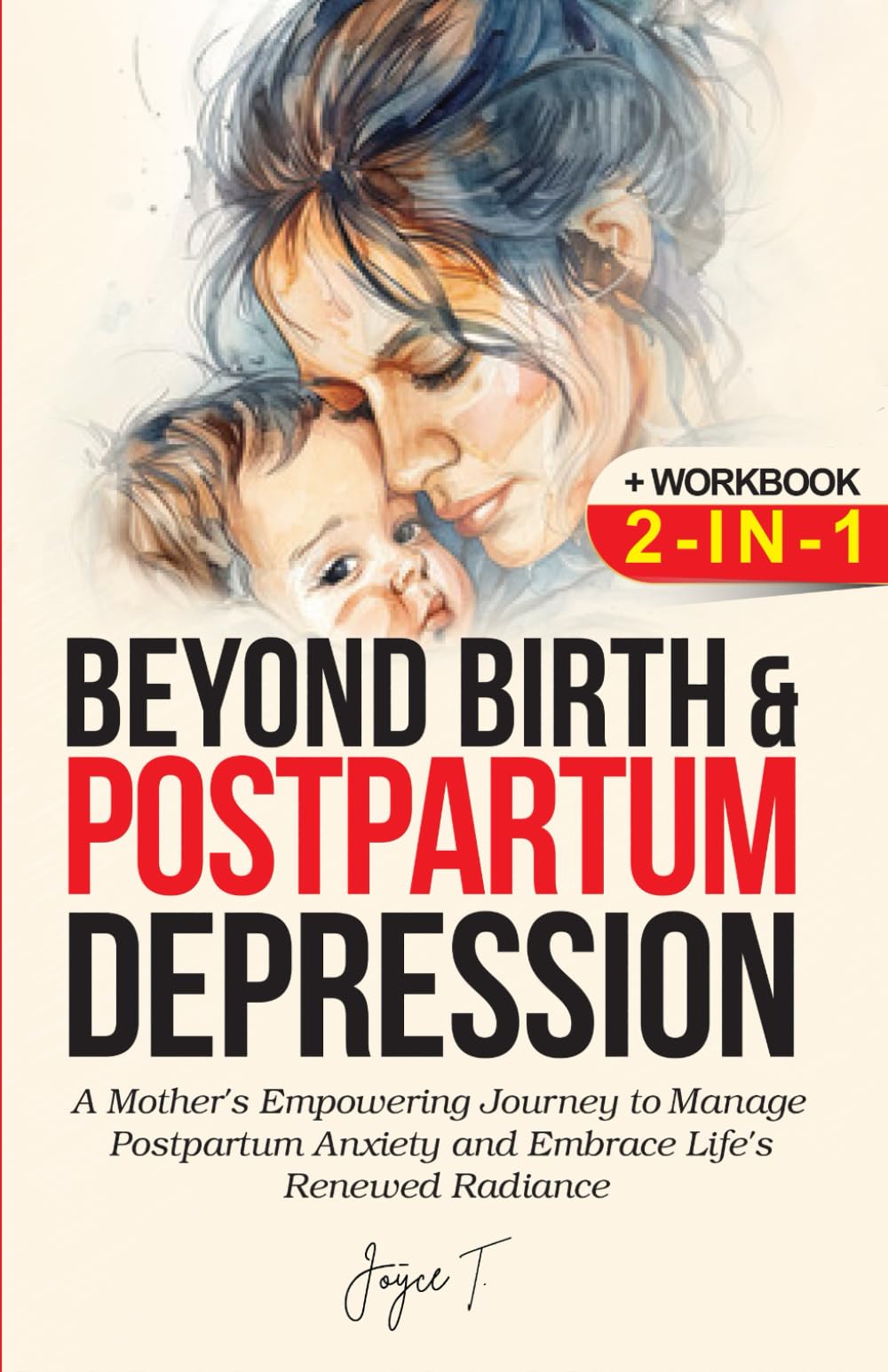
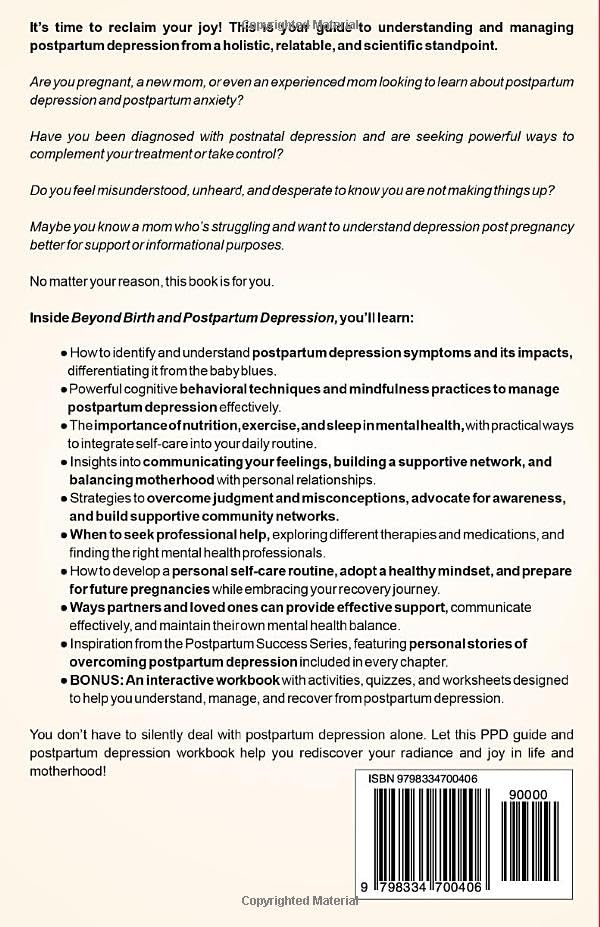
Beyond Birth and Postpartum Depression + Workbook 2-IN-1: A Mother's Empowering Journey to manage Postpartum Anxiety and Embrace Life's Renewed Radiance
- Health, Fitness & Dieting
- Mental Health
- Depression
Expert Insights
You are not failing. You are unwell, and unwell is a condition that responds to treatment. The mother who gets help, who tolerates the discomfort of asking for it and showing up to appointments and trying the strategies, is not a lesser mother. She is doing the hardest thing. Recovery is not instant, but it is real, and it belongs to you.
Save this article, share it with someone you trust, or forward it to a GP waiting room that needs better information on the wall. Every conversation that normalises postnatal depression makes it easier for the next mother to speak up sooner.
Sources & References
- Royal College of Psychiatrists. "Postnatal Depression." 2023. https://www.rcpsych.ac.uk/mental-health/mental-illnesses-and-mental-health-problems/post-natal-depression
- Centers for Disease Control and Prevention (CDC). "Depression Among Women." 2023. https://www.cdc.gov/reproductivehealth/depression/index.htm
- NICE (National Institute for Health and Care Excellence). "Antenatal and Postnatal Mental Health: Clinical Management and Service Guidance." Clinical Guideline CG192. 2020 update. https://www.nice.org.uk/guidance/cg192
- American College of Obstetricians and Gynecologists. "Postpartum Depression." ACOG Committee Opinion. 2023. https://www.acog.org
- Paulson, J.F., Bazemore, S.D. "Prenatal and Postpartum Depression in Fathers and Its Association with Maternal Depression." JAMA. 2010;303(19):1961-1969.
- Murray, L., et al. "The impact of postnatal depression and associated adversity on early mother-infant interactions and later infant outcome." Child Development. 1996.
- Postpartum Support International. "Postpartum Depression Facts." 2024. https://www.postpartum.net
- LactMed (National Library of Medicine). "Sertraline." 2024. https://www.ncbi.nlm.nih.gov/books/NBK501070/
- PANDAS Foundation UK. "PND Helpline and Peer Support." 2024. https://www.pandasfoundation.org.uk
Frequently Asked Questions
How do I know if what I'm feeling is PND or just normal new parent exhaustion?
Can fathers or non-birthing partners get postnatal depression?
Is it safe to take antidepressants while breastfeeding?
How long does postnatal depression last?
What do I say to my older children about why I've been struggling?
Can PND be prevented?
My GP said it's just tiredness and sent me home. What now?
Was this helpful?
Thanks — your feedback helps us pick what to write next.