Understanding Why Grandparent Conflict Happens in the First Place
Managing grandparent expectations works best when parents lead with empathy, set clear boundaries early, and create consistent communication habits — turning potential conflict into a genuine support network for your child.

In this article
Picture this: your mother-in-law arrives for a visit, slips your eight-month-old a spoonful of honey, and says, "We all had it and we're fine." You love her. You're also quietly furious. Sound familiar?
You're not alone. According to a 2022 survey by the AARP Public Policy Institute, more than 70% of grandparents provide regular childcare for at least one grandchild — yet conflict over parenting styles is one of the most commonly reported sources of family stress in households with young children. The stakes are real: research published in Evolution and Human Behavior found that maternal grandmother involvement is one of the strongest predictors of child survival and wellbeing across cultures. Getting this relationship right matters — for your child, for your own mental health, and for the longevity of your family bonds.
In this guide you'll understand:
1. Understanding Why Grandparent Conflict Happens in the First Place
Conflict between parents and grandparents is almost never about malice — it's about competing mental models of what "good parenting" looks like, shaped decades apart.
Grandparents raised children in a different evidence landscape. Safe sleep guidance, for example, has changed dramatically: the American Academy of Pediatrics (AAP) updated its safe infant sleep guidelines as recently as 2022, recommending firm, flat sleep surfaces and room-sharing without bed-sharing — advice that contradicts what many grandparents practiced and believe kept their children safe. When a grandparent dismisses your back-to-sleep rule, they're not being reckless; they're drawing on 30-year-old information that felt equally authoritative at the time.
Add to this the emotional weight grandparents carry. Their identity is partly built on having successfully raised a family. Accepting new guidance can feel like an implicit criticism of how they parented — which triggers defensiveness rather than curiosity.
The "Experience vs. Evidence" Gap
Understanding this dynamic shifts your posture from "correcting them" to "updating them together." That small reframe changes everything about how the conversation lands.




GRANDPARENTING WITH GRACE: How to Stay Close, Avoid Conflict, and Be the Grandparent Your Adult Children Trust
- Parenting & Relationships
- Family Relationships
- Grandparenting
2. How to Have the Boundaries Conversation (Without Starting a War)
The single most effective thing you can do is have a proactive, specific conversation — before a problem occurs, not after one has already caused hurt feelings.
Vague statements like "just follow our rules" rarely work. Specific, behaviour-level agreements do. Instead of "respect our bedtime routine," try: "We put Mia down at 7 pm in her cot, lights off, white noise on. We've found that if she's kept up later she's overtired and wakes more at night — which makes the next day hard for everyone."
A Simple Framework for the Conversation
1. Start with shared goals. "We both want Luca to feel loved and secure." This is almost always genuinely true, and it anchors everything that follows.
2. Separate safety rules from style preferences. Be explicit: "There are a few things that are non-negotiable for us because of safety, and then there are things that are just our preference — I want to be clear about which is which."
3. Use "we've found" language. "We've found that screen time before bed affects his sleep" lands softer than "you shouldn't let him watch TV."
4. Invite their input on the flexible things. Grandparents who feel heard are grandparents who cooperate. Ask: "Is there anything about how we've set things up that feels hard for you when you're with him?"




Grandparenting With Love & Logic: Practical Solutions to Today's Grandparenting Challenges Grandpar
- Parenting & Relationships
- Family Relationships
- Grandparenting
3. Age-by-Age Guide: What Grandparents Need to Know at Each Stage
Grandparent involvement looks different — and the friction points shift — as your child grows. Here's what to focus on at each stage.
Newborn to 12 Months
The safety stakes are highest here. Key non-negotiables to communicate clearly:Toddler (1–3 Years)
Discipline style differences emerge here. Grandparents may use shame-based language ("don't be a crybaby") or offer sweets as rewards in ways that conflict with your approach. Focus on:School Age (4–12 Years)
Children at this stage are perceptive enough to notice — and exploit — inconsistency between caregivers. This is the age where "Grandma lets me" becomes a regular negotiation tactic. Keep grandparents updated on:Adolescence (13–17 Years)
Teens often have a closer relationship with grandparents than with parents during this phase — grandparents represent safety without the daily power struggle. This is a gift. Protect it by:


Unconditional Love: A Guide to Navigating the Joys and Challenges of Being a Grandparent Today – A Relationships Expert on Multigenerational Family Psychology, Healing, and Trust
- Parenting & Relationships
- Family Relationships
- Grandparenting
4. When Grandparents Overstep: A Calm, Graduated Response Plan
Most grandparent boundary issues are unintentional — but some require a firmer response. Having a graduated plan means you're not either ignoring problems or escalating to full conflict.
Level 1 — Gentle redirect (in the moment): "Oh, we're actually not giving him that yet — here, let me grab his snack." No lecture, no history, just a calm course-correction.
Level 2 — Private conversation after the fact: "I wanted to mention something from yesterday. When you gave Isla the phone at dinner, it made it harder to get her to hand it back. Can we agree on a different approach?"
Level 3 — Explicit boundary with consequence: "We've talked about the screen time a few times and it keeps happening. If it continues, we'll need to change how we structure your time with the kids." This is hard to say — and necessary when Level 1 and 2 haven't worked.

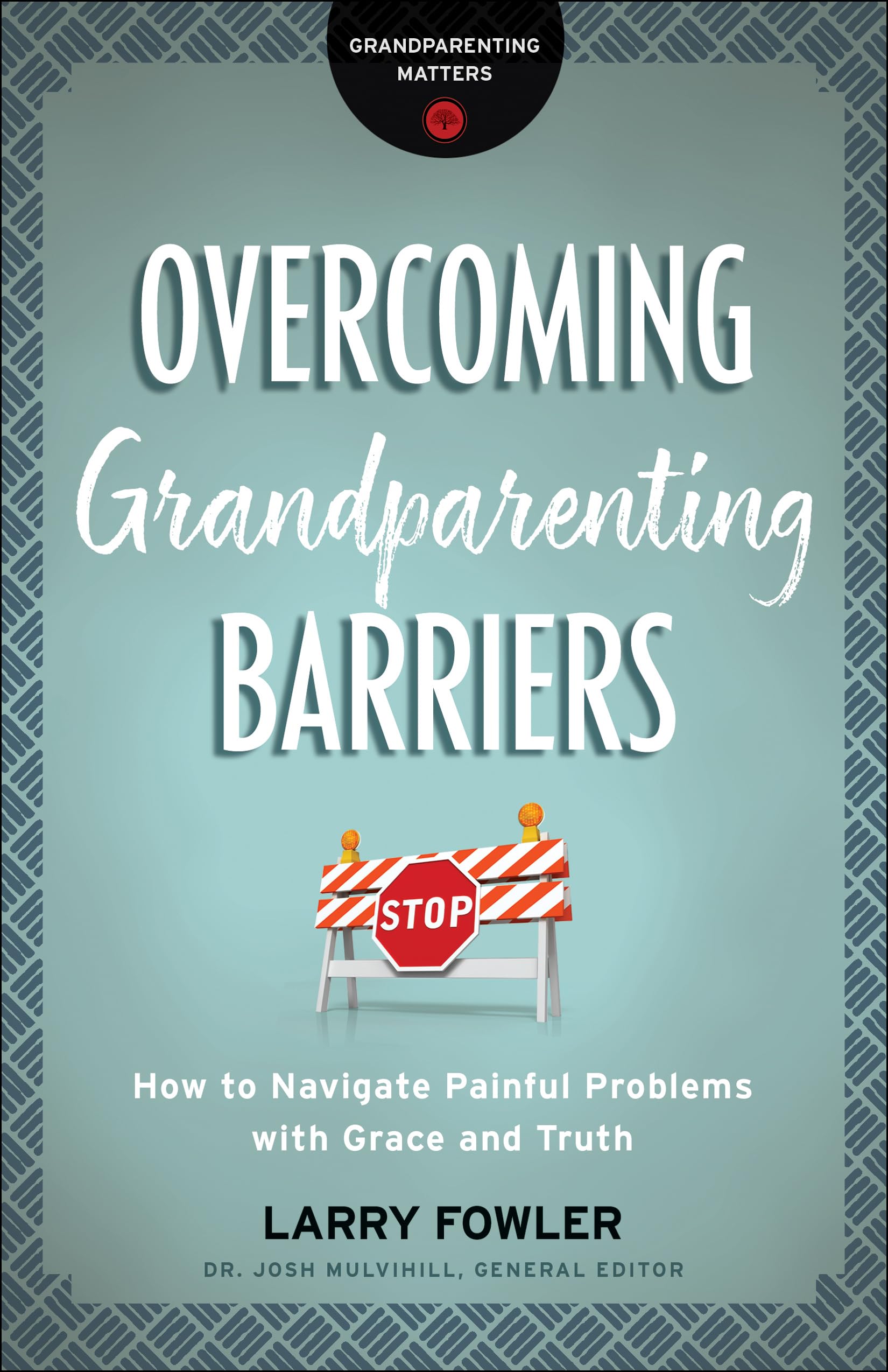

Overcoming Grandparenting Barriers: How to Navigate Painful Problems with Grace and Truth
- Religion & Spirituality
- Christian Books & Bibles
- Christian Living
5. Protecting the Relationship: What Grandparents Give That No One Else Can
In the necessary work of setting limits, it's easy to lose sight of what grandparents uniquely offer — and why it's worth the effort to get this relationship right.
A landmark longitudinal study from the University of Oxford (Attar-Schwartz et al., published in the Journal of Family Psychology) found that close grandparent-grandchild relationships were associated with fewer emotional and behavioural problems in children — and the effect was strongest in families going through disruption such as divorce or parental illness.
Grandparents offer:

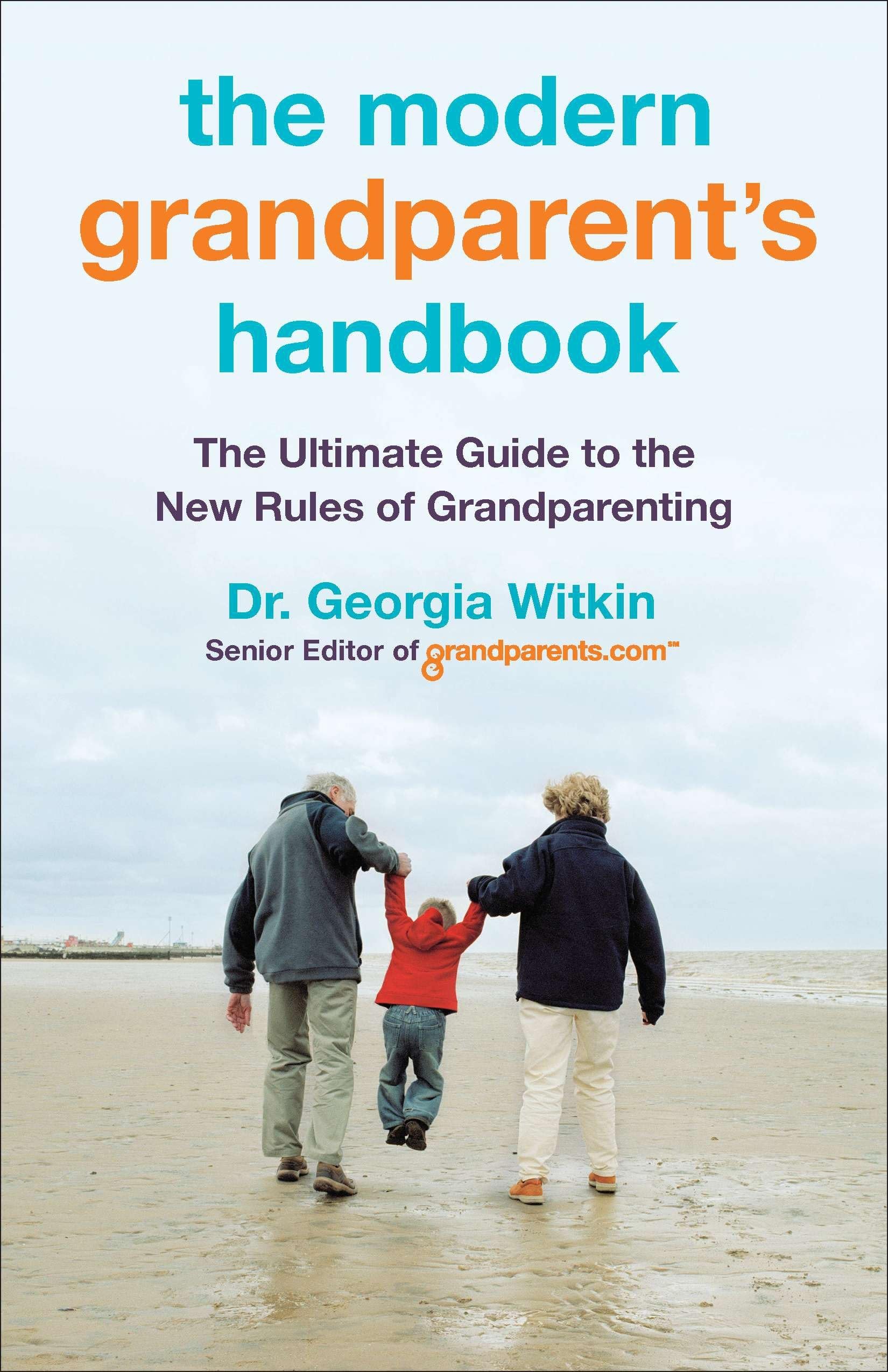

The Modern Grandparent's Handbook: The Ultimate Guide to the New Rules of Grandparenting
- Parenting & Relationships
- Family Relationships
- Grandparenting
6. Navigating Values Differences — When It Goes Deeper Than Routines
Sometimes the gap between generations isn't about honey or bedtimes — it's about fundamental values: religion, gender, race, discipline philosophy, or lifestyle. These conversations are harder, but they're not impossible.
The key distinction is between exposure and endorsement. Your child can have a loving relationship with a grandparent who holds different views without you endorsing those views — as long as you remain the primary interpreter of values in your home.
Strategies that work:
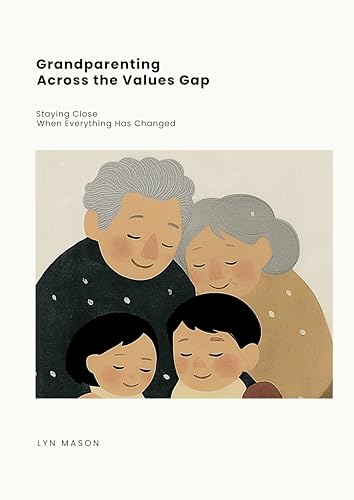
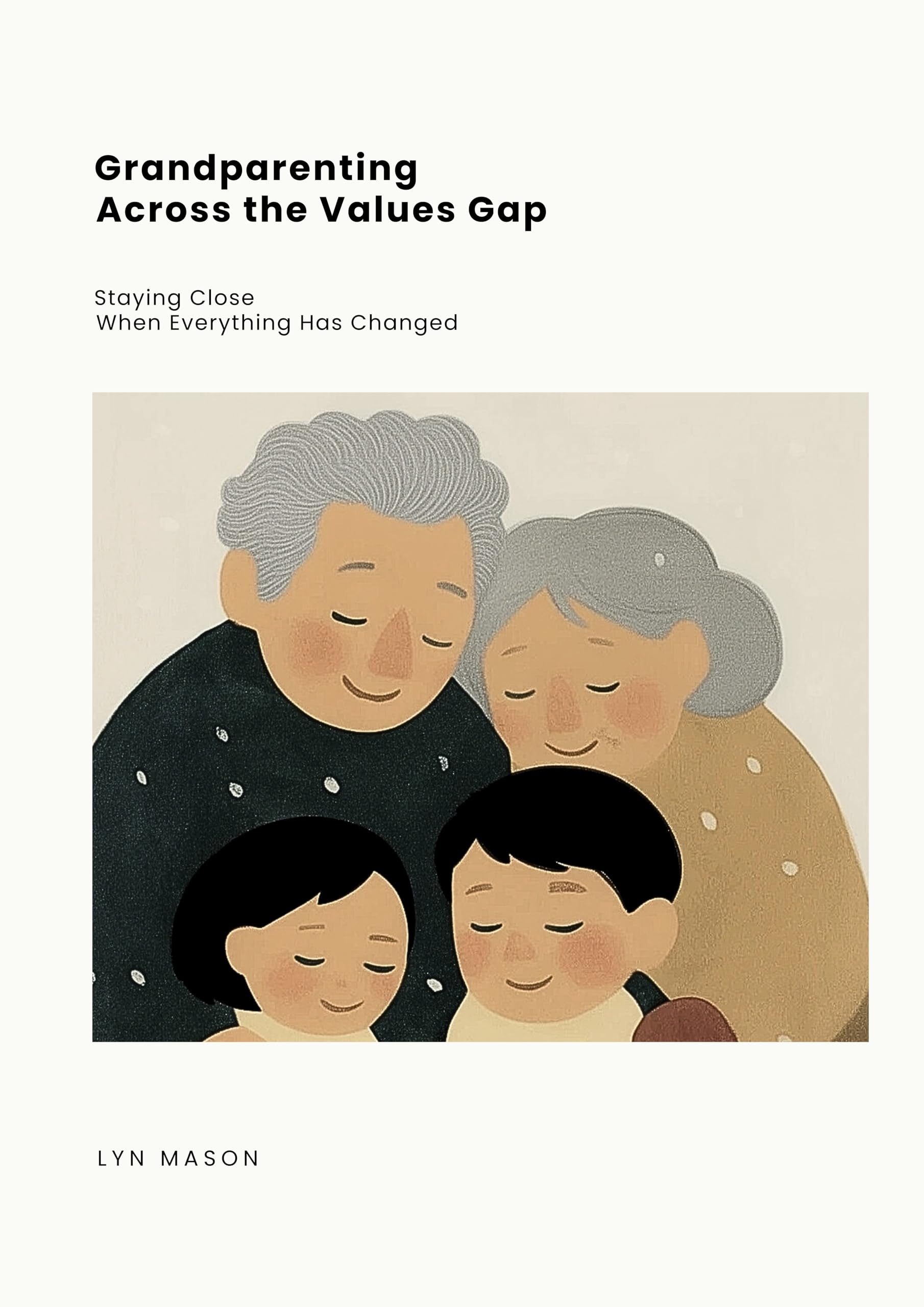


Grandparenting Across the Values Gap: Staying Close When Everything Has Changed
- Kindle Store
- Kindle eBooks
- Parenting & Relationships
7. Comparison Table: Grandparent Involvement Styles and How to Work With Each
| Grandparent Style | Common Strengths | Typical Friction Points | Parent Strategy | Recommended Resource |
|---|---|---|---|---|
| The Enthusiastic Overinvolver | High availability, deep love, lots of energy for the kids | Boundary-crossing, unsolicited advice, undermining parenting decisions | Specific written agreements; regular check-ins; clear Level 1–3 response plan | Grandparenting With Grace |
| The Old-School Traditionalist | Consistency, resilience-building, strong family identity | Outdated safety practices, shame-based discipline language | Frame updates as "medical advice has changed"; share AAP/CDC resources together | The Modern Grandparent's Handbook |
| The Distant or Disengaged | Low conflict, respects autonomy | Children miss out on relationship benefits; grandparent may feel excluded | Proactively create low-pressure connection rituals; video calls, shared activity kits | Unconditional Love |
| The Values-Gap Grandparent | Often deeply loving despite differences | Conflicting messages to children on religion, gender, discipline | Preview/debrief strategy; clear limits on harmful content; keep child out of the middle | Grandparenting Across the Values Gap |
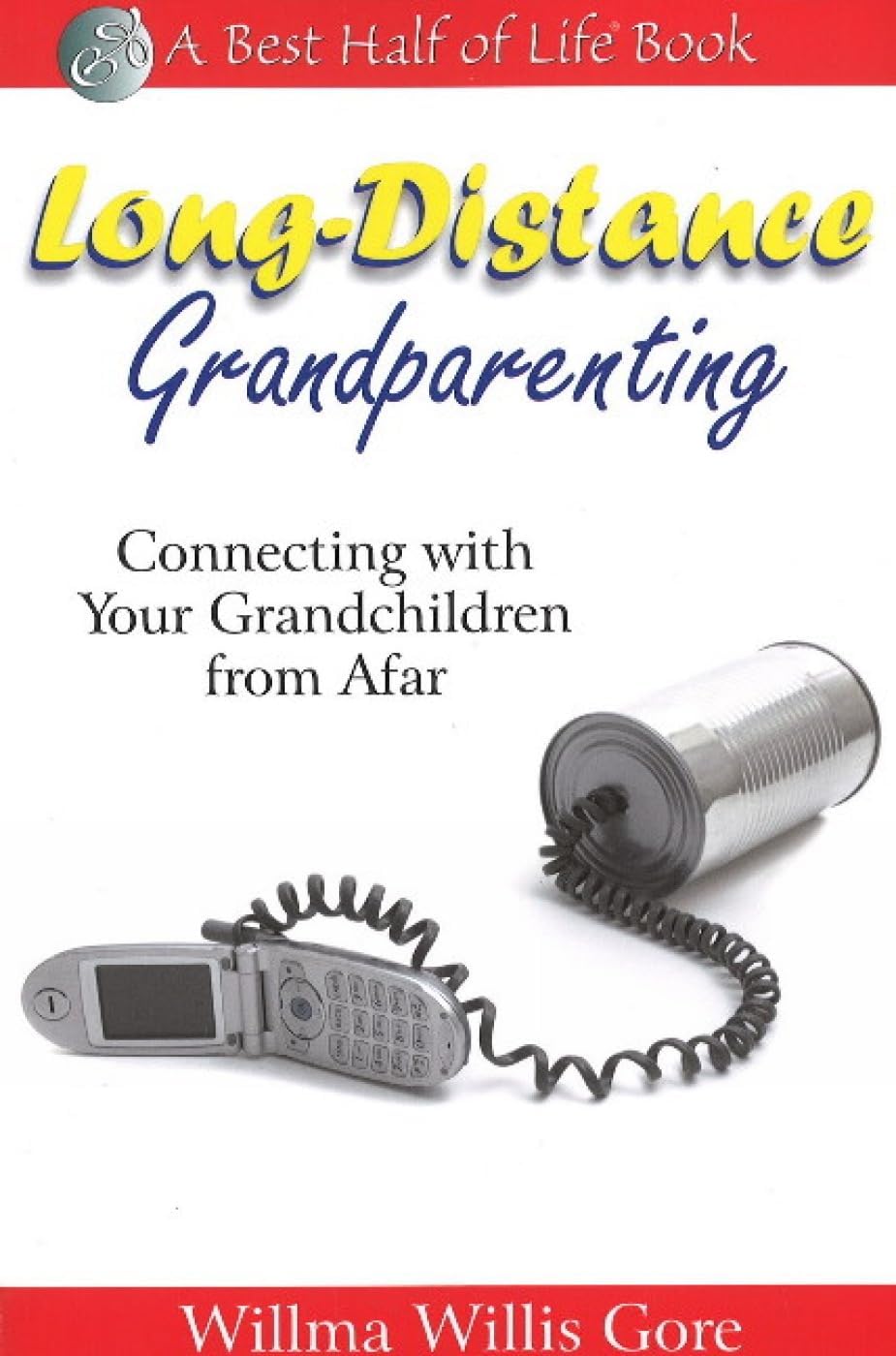
| The Long-Distance Grandparent | Visits feel special; less daily friction | Relationship depth takes effort to build; visits can feel overwhelming for young children | Regular video calls; shared storybooks; "grandparent boxes" with photos and letters | Grandparenting With Love & Logic |
| The Grieving or Struggling Grandparent | May lean on grandchildren for emotional support | Role reversal risk; child may feel responsible for grandparent's feelings | Gentle, compassionate conversation about age-appropriate emotional load for children | Overcoming Grandparenting Barriers |
Expert Insights
The grandparent relationship is one of the most layered, emotionally loaded, and — when it works — genuinely beautiful parts of family life. The friction is real, but so is the reward. Children who grow up with involved, loving grandparents carry something that's hard to quantify and impossible to replicate: a sense of being known across generations, of belonging to a story bigger than themselves.
The work of managing expectations isn't about building walls — it's about building a relationship strong enough to hold honest conversations. Do that well, and you give your child a gift that will outlast almost anything else you do as a parent.
If this guide helped, save it for the next time the conversation feels hard — and share it with the grandparents in your life. They're trying too.
Sources & References
- American Academy of Pediatrics (AAP). "Safe Sleep Recommendations." Updated 2022. https://www.aap.org/en/patient-care/safe-sleep/
- AARP Public Policy Institute. "Grandparents and Caregiving." 2022. https://www.aarp.org/ppi/
- Attar-Schwartz, S., Tan, J-P., Buchanan, A., Flouri, E., & Griggs, J. "Grandparenting and Adolescent Adjustment in Two-Parent Biological, Lone-Parent, and Step-Families." Journal of Family Psychology, 2009. Oxford University.
- Sear, R., & Mace, R. "Who keeps children alive? A review of the effects of kin on child survival." Evolution and Human Behavior, 2008.
- World Health Organization (WHO). "Guidelines on Physical Activity, Sedentary Behaviour and Sleep for Children Under 5 Years of Age." 2019. https://www.who.int/
- Centers for Disease Control and Prevention (CDC). "Infant Botulism — Honey." https://www.cdc.gov/botulism/
- Cloud, H., & Townsend, J. Boundaries. Zondervan, 1992 (updated editions through 2017).
Frequently Asked Questions
How do I tell grandparents about updated safe sleep rules without offending them?
What do I do if grandparents keep undermining my parenting in front of my child?
My parents live far away — how do I build a real relationship between them and my child?
Is it okay for grandparents to have different rules at their house?
How do I handle it when my child clearly prefers one grandparent over another?
What if my partner and I disagree about how much access grandparents should have?
When should I consider limiting grandparent contact?
Was this helpful?
Thanks — your feedback helps us pick what to write next.