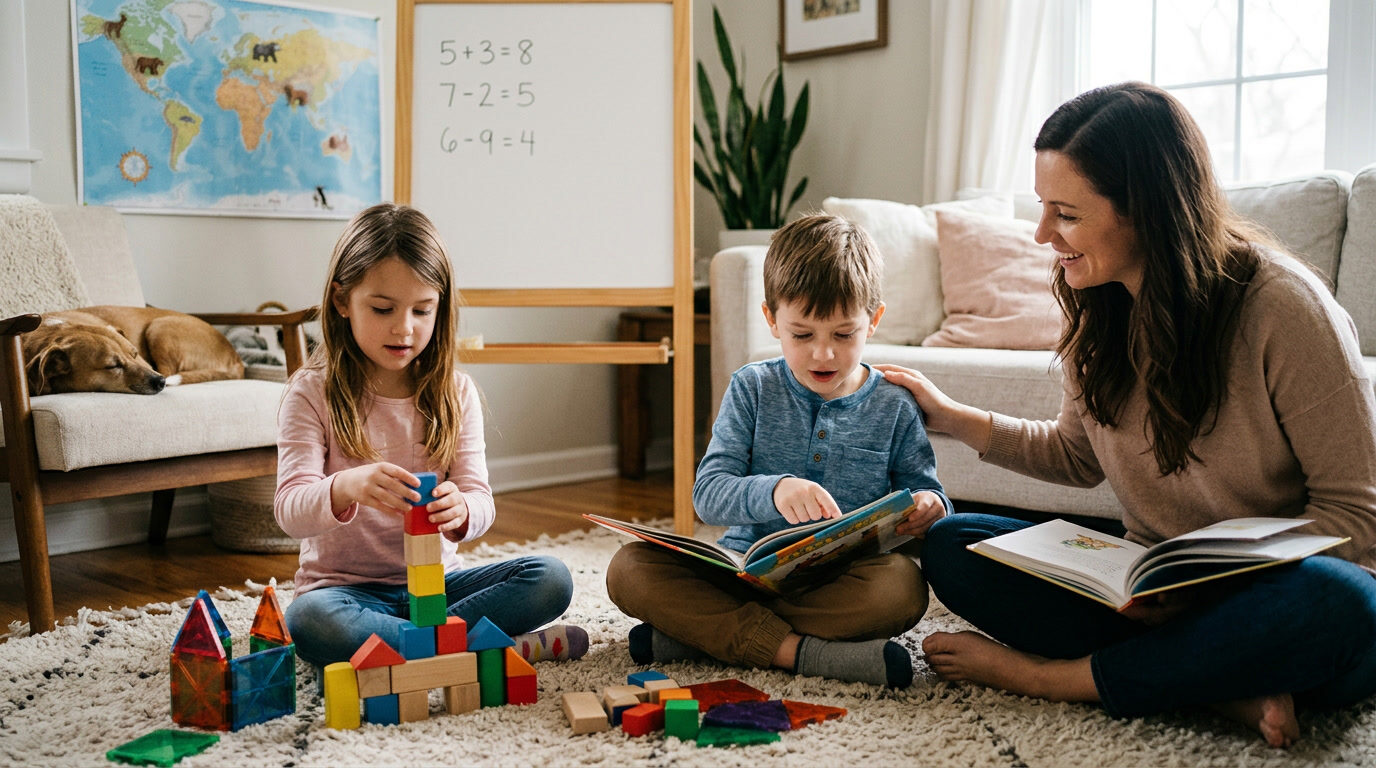
What "Gender Fluidity" Actually Means — and Why It Matters at Ages 5–8
Children aged 5–8 are actively forming their gender identity, and a warm, open, fact-grounded approach at home gives them the security to explore who they are — whether or not they ultimately identify outside traditional norms.

In this article
Picture this: your seven-year-old son comes home from school and announces he wants to wear a skirt to his friend's birthday party. Your stomach tightens — not because you think it's wrong, but because you genuinely don't know what to say next.
You're not alone. A 2022 survey by the Pew Research Center found that 44 percent of U.S. adults personally know someone who uses gender-neutral pronouns — a figure that has nearly doubled since 2018. In classrooms of 5–8-year-olds today, questions about gender are already in the air, whether parents initiate them or not.
This guide will help you:
1. What "Gender Fluidity" Actually Means — and Why It Matters at Ages 5–8
Gender fluidity is not a trend — it is a recognised spectrum of human experience that researchers and clinicians have documented for decades. Understanding the core terms is the single most useful thing you can do before any conversation with your child.
The Key Definitions
Biological sex refers to anatomy, chromosomes, and hormones assigned at birth. Gender identity is a person's internal, deeply held sense of their own gender — how they experience themselves. Gender expression is how someone presents that sense outwardly: clothing, hair, mannerisms, interests. Gender fluidity describes an identity that shifts or blends across the gender spectrum over time, rather than sitting permanently at one fixed point.
These are distinct concepts that can align or diverge independently — and that's normal biology and psychology, not confusion.
Why Ages 5–8 Are a Key Window
The American Academy of Pediatrics (AAP) notes that children typically develop a stable sense of their gender identity between ages 3 and 5, but the early school years are when they begin actively testing social gender rules — noticing what their peers wear, what the "boys' table" and "girls' table" look like, and what adults react to. This is cognitive development in action, not a red flag.


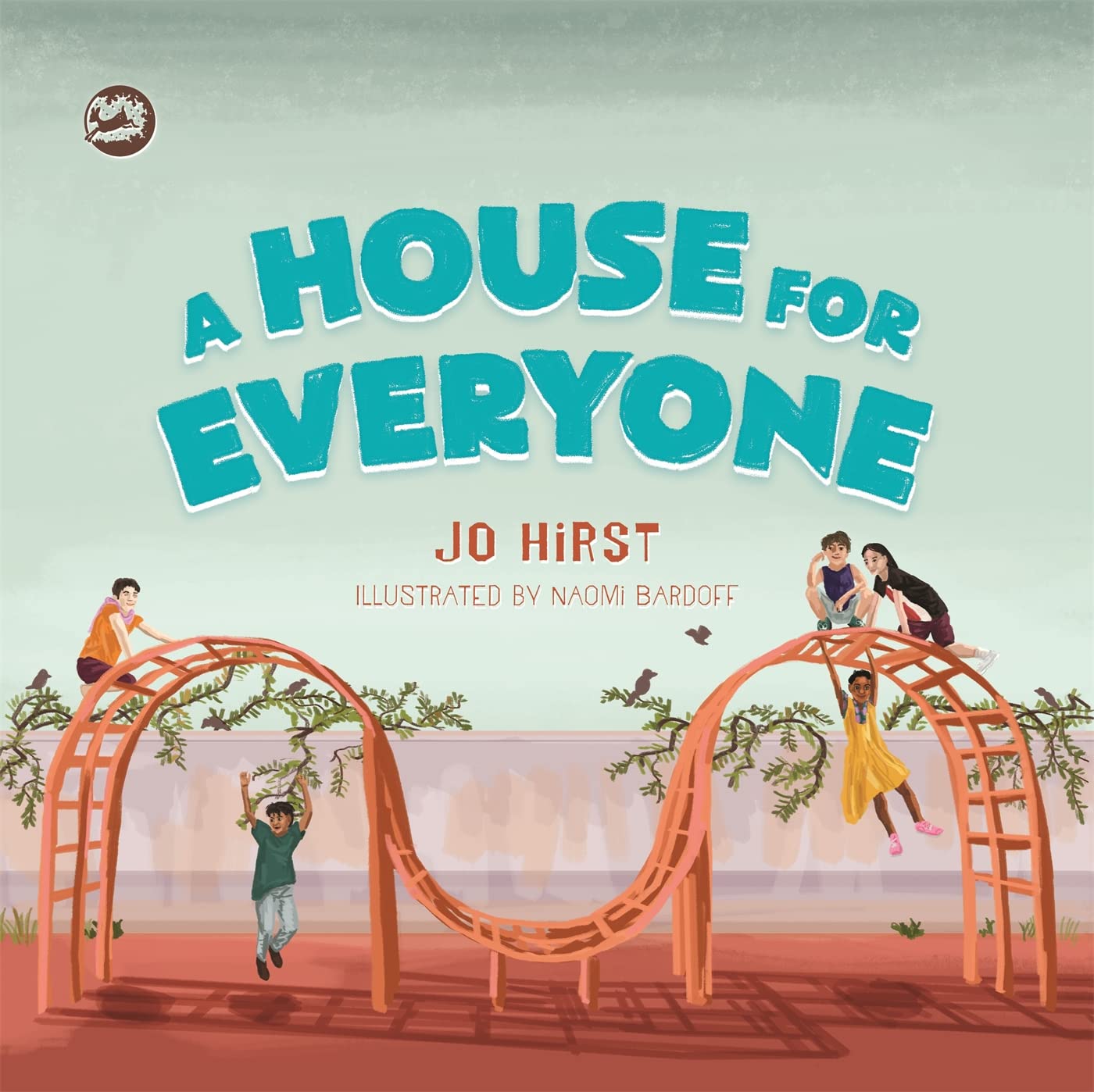

A House for Everyone: A Story to Help Children Learn about Gender Identity and Gender Expression
- Children's Books
- Growing Up & Facts of Life
- Friendship, Social Skills & School Life
2. Normal Development vs. When to Seek Support
Most gender-curious behaviour in 5–8-year-olds is developmentally typical. Knowing the difference between healthy exploration and signs of genuine distress helps you respond rather than react.
What's Typical at This Age
Signs That Warrant a Conversation with Your Paediatrician
- Persistent, consistent distress about their body that lasts more than a few weeks - Strong statements like "I am not a boy/girl" repeated over months, not just in play - Significant anxiety, withdrawal, or changes in eating or sleep linked to gender - Bullying or social exclusion at school related to gender expression
The distinction clinicians use is persistence, consistency, and insistence — three words introduced in research by Dr. Diane Ehrensaft, a developmental and clinical psychologist at UCSF Benioff Children's Hospital, whose work on gender-diverse children has been widely cited in paediatric literature.
3. How to Talk About Gender with a 5–8-Year-Old
The good news: you do not need a script. You need curiosity and a willingness to sit with uncertainty alongside your child.
Start With What They Already Know
Open with a question rather than a lesson: "You know how some kids like to wear different things — what do you think about that?" Children this age are concrete thinkers. Build on their existing framework before introducing new vocabulary.
Age-Appropriate Language
| Concept | What to say to a 5–6-year-old | What to say to a 7–8-year-old | |---|---|---| | Gender identity | "Some people feel like a boy inside, some feel like a girl, and some feel like a bit of both or something different." | "Your gender is how you feel about yourself — it doesn't have to match what anyone else tells you." | | Pronouns | "Some people like to be called 'they' instead of 'he' or 'she' — it's just what feels right to them." | "Using the pronouns someone asks for is a way of showing respect, like using someone's correct name." | | Gender expression | "Clothes and hairstyles are just things people wear — they don't tell us who someone really is." | "How we dress can be a fun way to show our personality — it doesn't have to mean anything about being a boy or girl." |
Books Do the Heavy Lifting
Picture books let children process ideas at their own pace and return to them. Pink, Blue, and You! uses direct questions to prompt kids to examine gender stereotypes in an interactive, non-threatening way — ideal for this age group.
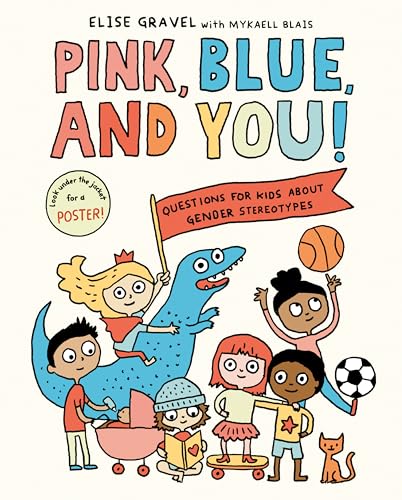
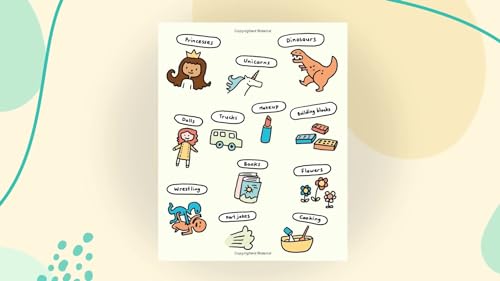
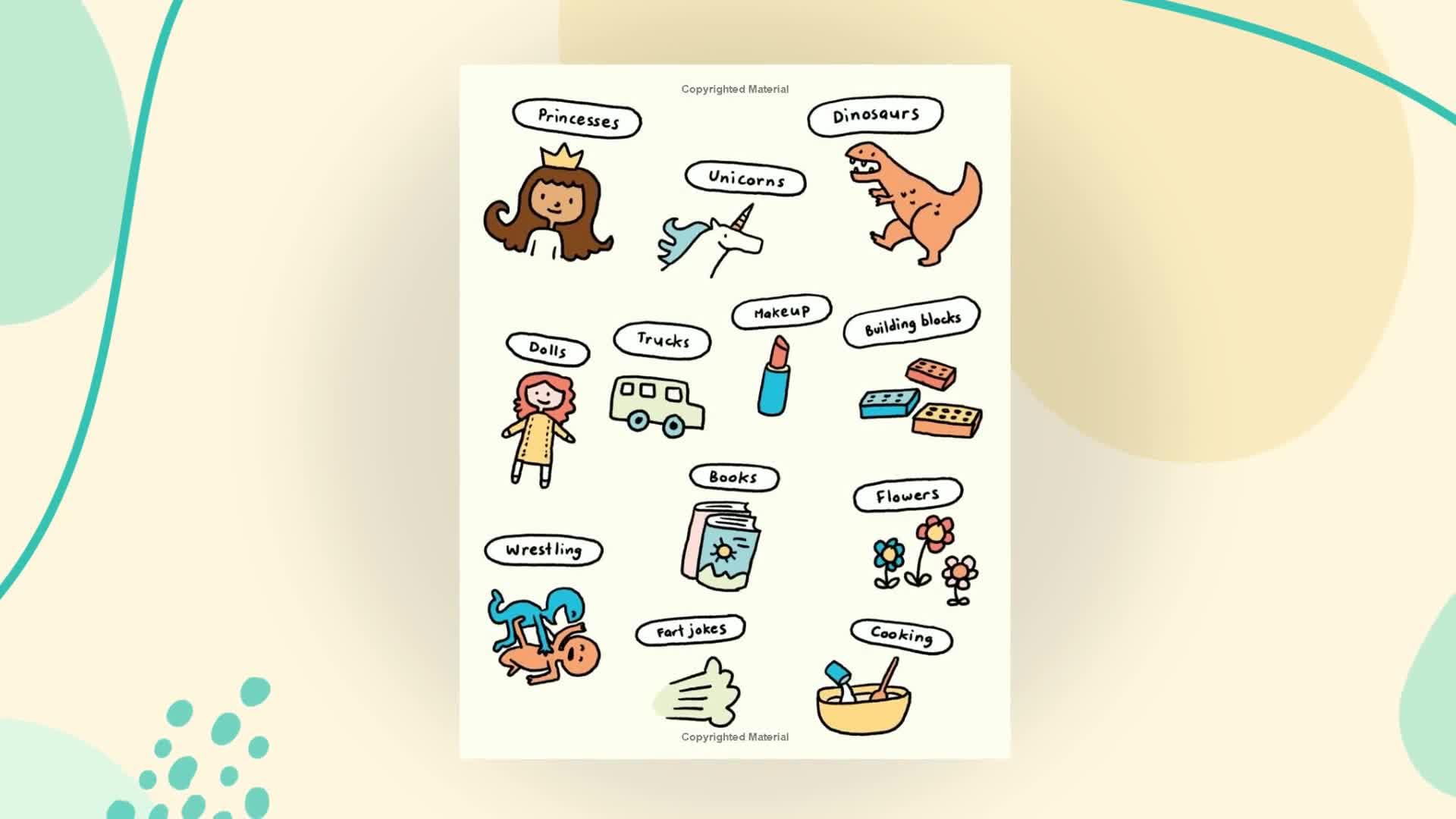
Pink, Blue, and You!: Questions for Kids about Gender Stereotypes
- Politics & Social Sciences
- Social Sciences
- Gender Studies
4. Building an Inclusive Home Environment Without Overhauling Everything
An inclusive home doesn't require a makeover — it requires small, consistent signals that your child is safe to be themselves.
Audit Your Language First
Children absorb what adults say casually far more than what adults say intentionally. A few easy swaps:
- Replace "boys don't cry" with "it's okay to feel sad" - Replace "that's a girl thing" with "anyone can enjoy that" - Replace "act like a gentleman/lady" with specific behaviour: "please be kind" or "use your manners"
Diversify the Bookshelf
Research published in the Journal of Experimental Child Psychology (2017) found that children as young as 6 use social cues — including the stories they're told — to form and revise gender stereotypes. A shelf that includes diverse characters normalises difference before it becomes a "topic."
Stellaluna is a beloved classic about a bat who grows up among birds — a natural, unthreatening metaphor for feeling different and finding belonging. Strictly No Elephants tackles exclusion and belonging with warmth and humour, and The Rabbit Listened is an exceptional read for any child processing big feelings, including those tied to identity.
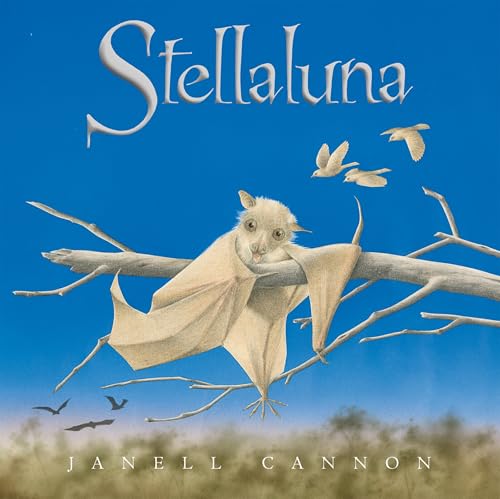


Stellaluna: A Heartwarming Animal Adventure About Identity, Family, and Finding Where You Belong
- Children's Books
- Growing Up & Facts of Life
- Family Life
5. Supporting a Child Who Is Exploring Their Gender Identity
If your child is actively expressing a gender identity that differs from their birth sex, your response in the next few weeks matters more than any single conversation.
The Three Pillars of Affirming Parenting
1. Listen before you respond. Resist the urge to reassure, correct, or explain. Ask: "Can you tell me more about how you feel?"
2. Use their language. If your child asks to be called a different name at home, try it. Research from the Trevor Project (2021) found that transgender and nonbinary youth who reported that people tried to use their chosen name had 71 percent lower rates of reported suicidality than those whose names were not used.
3. Protect their safety without outing them. Your child may not want their teacher or grandparents to know yet. Ask them: "Who feels safe to talk to about this?" and follow their lead.
When School Is Part of the Picture
At ages 5–8, school is where gender norms are enforced most visibly by peers. If your child is experiencing teasing or exclusion, connect with their teacher early. Many schools now have guidance on supporting gender-diverse children; the PFLAG organisation (pflag.org) offers free resources specifically for educators and families navigating school conversations.

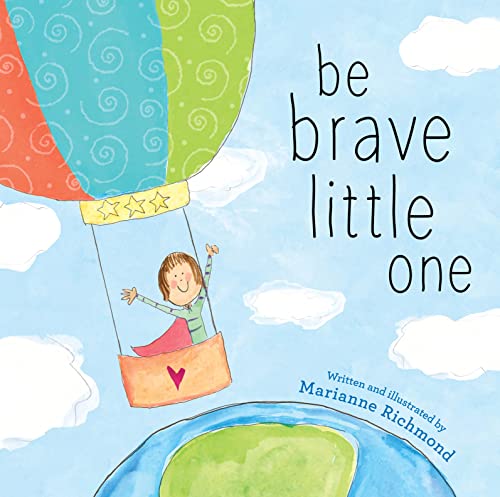


Be Brave Little One: An Inspiring Book About Courage For Babies, Baby Showers, Graduation, And More
- Children's Books
- Growing Up & Facts of Life
- Friendship, Social Skills & School Life
6. Taking Care of Yourself as the Parent
This section exists because it is often skipped — and it shouldn't be. Your emotional state is your child's emotional weather forecast.
It's Okay to Have Feelings About This
Many parents experience a quiet grief when their child's path looks different from what they imagined. That is a normal, human response. It does not make you a bad parent. What matters is that you process those feelings somewhere other than in front of your child.
Practical Self-Support


The Rabbit Listened
- Children's Books
- Growing Up & Facts of Life
- Difficult Discussions
7. Comparison: Books and Resources for Different Parenting Moments
Not every resource fits every moment. Here's a practical at-a-glance guide to matching the right tool to the right situation.
| Situation | Best For | Key Benefit | Potential Limitation | Recommended Resource | Price Range |
|---|---|---|---|---|---|
| Starting the conversation for the first time | Ages 5–7 | Opens dialogue through questions, not lectures | Requires parent to read with child | Pink, Blue, and You! | ~$18 |
| Child has a classmate who is gender-diverse | Ages 5–8 | Directly addresses gender identity and expression in a school context | More explicit — preview before reading | A House for Everyone | ~$21 |
| Child is processing big feelings about identity | Ages 4–8 | Validates all emotions without prescribing a response | Doesn't address gender directly | The Rabbit Listened | ~$11 |
| Child feels excluded or "different" | Ages 4–7 | Warm metaphor for belonging and acceptance | Animal story — may need brief discussion | Strictly No Elephants | ~$19 |
| Child needs encouragement to be themselves | Ages 0–5 (read-aloud) | Simple affirmation of courage and self-expression | Very young picture book — brief text | Be Brave Little One | N/A |
| Child (or parent) exploring themes of identity and belonging | Ages 4–8 | Classic story, widely loved, no "agenda" feel | Metaphor requires unpacking | Stellaluna | ~$8 |
Expert Insights
Parenting a 5–8-year-old in 2026 means navigating questions about gender that many of us never heard at that age — and doing it in real time, without a roadmap. That's genuinely hard. But here's what the research keeps coming back to: children don't need parents who have all the answers. They need parents who make them feel safe enough to ask the questions.
The most powerful thing you can do today isn't finding the perfect script — it's putting a good book in the bedtime pile, swapping one dismissive phrase for a curious one, and letting your child know, in the small ordinary moments, that whoever they are is enough.
If this guide helped you think more clearly, save it, share it with a co-parent or a friend who's navigating the same territory. You're not doing this alone.
Sources & References
- American Academy of Pediatrics. "Gender Identity Development in Children." HealthyChildren.org. 2021. https://www.healthychildren.org/English/ages-stages/gradeschool/Pages/Gender-Identity-and-Gender-Confusion-In-Children.aspx
- Pew Research Center. "About 5% of Young Adults in the U.S. Say Their Gender is Different from Their Sex Assigned at Birth." 2022. https://www.pewresearch.org/short-reads/2022/06/07/about-5-of-young-adults-in-the-u-s-say-their-gender-is-different-from-their-sex-assigned-at-birth/
- The Trevor Project. "2021 National Survey on LGBTQ Youth Mental Health." 2021. https://www.thetrevorproject.org/survey-2021/
- Ryan, C., Russell, S.T., Huebner, D., Diaz, R., & Sanchez, J. "Family Acceptance in Adolescence and the Health of LGBT Young Adults." Journal of Child and Adolescent Psychiatric Nursing. 2010.
- Turban, J.L., Beckwith, N., Reisner, S.L., & Keuroghlian, A.S. "Association Between Recalled Exposure to Gender Identity Conversion Efforts and Psychological Distress and Suicide Attempts Among Transgender Adults." JAMA Psychiatry. 2020.
- Bigler, R.S., & Liben, L.S. "A Developmental Intergroup Theory of Social Stereotypes and Prejudice." Advances in Child Development and Behavior. 2006. (Referenced in Journal of Experimental Child Psychology, 2017 context.)
- Royal College of Paediatrics and Child Health (RCPCH). "Gender dysphoria in children and young people." 2023. https://www.rcpch.ac.uk
- PFLAG. "PFLAG Guide for Families of Transgender and Gender-Expansive People." 2022. https://pflag.org
- World Professional Association for Transgender Health (WPATH). "Standards of Care for the Health of Transgender and Gender Diverse People, Version 8." 2022. https://www.wpath.org
- Ehrensaft, D. "Gender Born, Gender Made: Raising Healthy Gender-Nonconforming Children." The Experiment, 2011.
Frequently Asked Questions
What is the difference between gender identity and gender expression?
Is my 6-year-old too young to understand gender identity?
Should I be worried if my son wants to wear dresses or my daughter refuses to wear them?
How do I talk to grandparents or other family members who aren't on board?
What if my child identifies as non-binary or uses they/them pronouns — how do I explain that to their school?
Could this just be a phase?
Where can I find professional support for my family?
Was this helpful?
Thanks — your feedback helps us pick what to write next.