What Prenatal Screening Actually Tells You (and What It Doesn't)
The last trimester through the first three months of life is the window when early signs of neurodevelopmental differences and special needs are most likely to surface — and when informed, proactive parents can make the greatest difference.
In this article
Imagine reaching your third trimester — nursery painted, car seat installed — and then a routine ultrasound reveals an unexpected finding. Or your baby arrives early and is whisked to the NICU before you've had a chance to hold them. According to the Centers for Disease Control and Prevention (CDC), about 1 in 6 children in the United States has a developmental disability, and many of the earliest signals appear before or shortly after birth. That statistic isn't meant to frighten you; it's meant to reassure you that you are far from alone, and that the road ahead — while different from the one you imagined — is one that millions of families have walked with love, resourcefulness, and real joy.
In this guide you'll understand:
1. What Prenatal Screening Actually Tells You (and What It Doesn't)
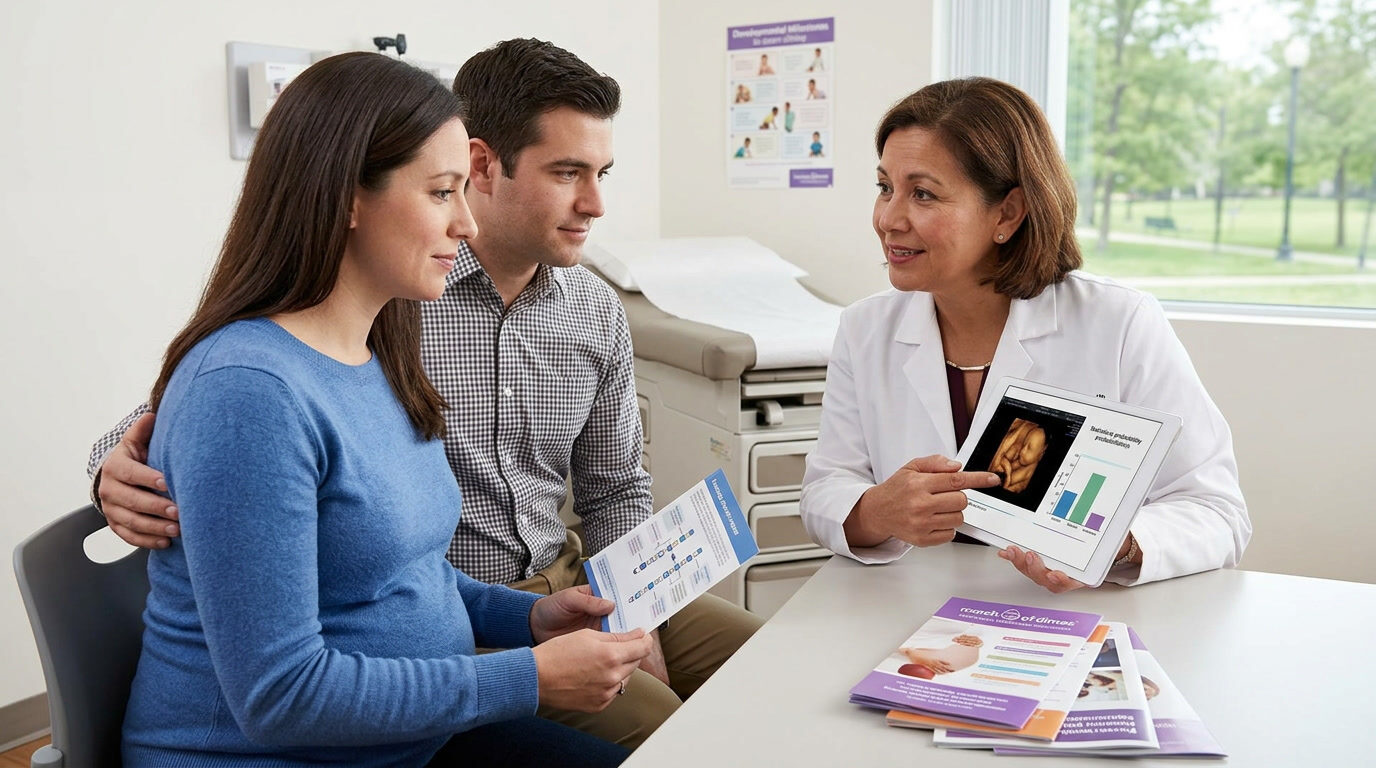
Prenatal testing gives you information — not a verdict. Screening tests (like cell-free DNA, the quad screen, or nuchal translucency ultrasound) assess probability, not certainty. Diagnostic tests (amniocentesis, chorionic villus sampling) give more definitive answers but carry small procedural risks. Understanding the difference prevents unnecessary panic and helps you make informed decisions.
Types of Prenatal Tests
- First-trimester combined screening (nuchal translucency + blood markers): assesses risk for trisomy 21, 18, and 13 - Cell-free fetal DNA (cfDNA/NIPT): highly sensitive for common chromosomal conditions; available from ~10 weeks - Anatomy ultrasound (~18–20 weeks): checks structural development of heart, brain, spine, and limbs - Amniocentesis / CVS: definitive chromosomal analysis when screening results are high-risk
What Happens After a Prenatal Diagnosis
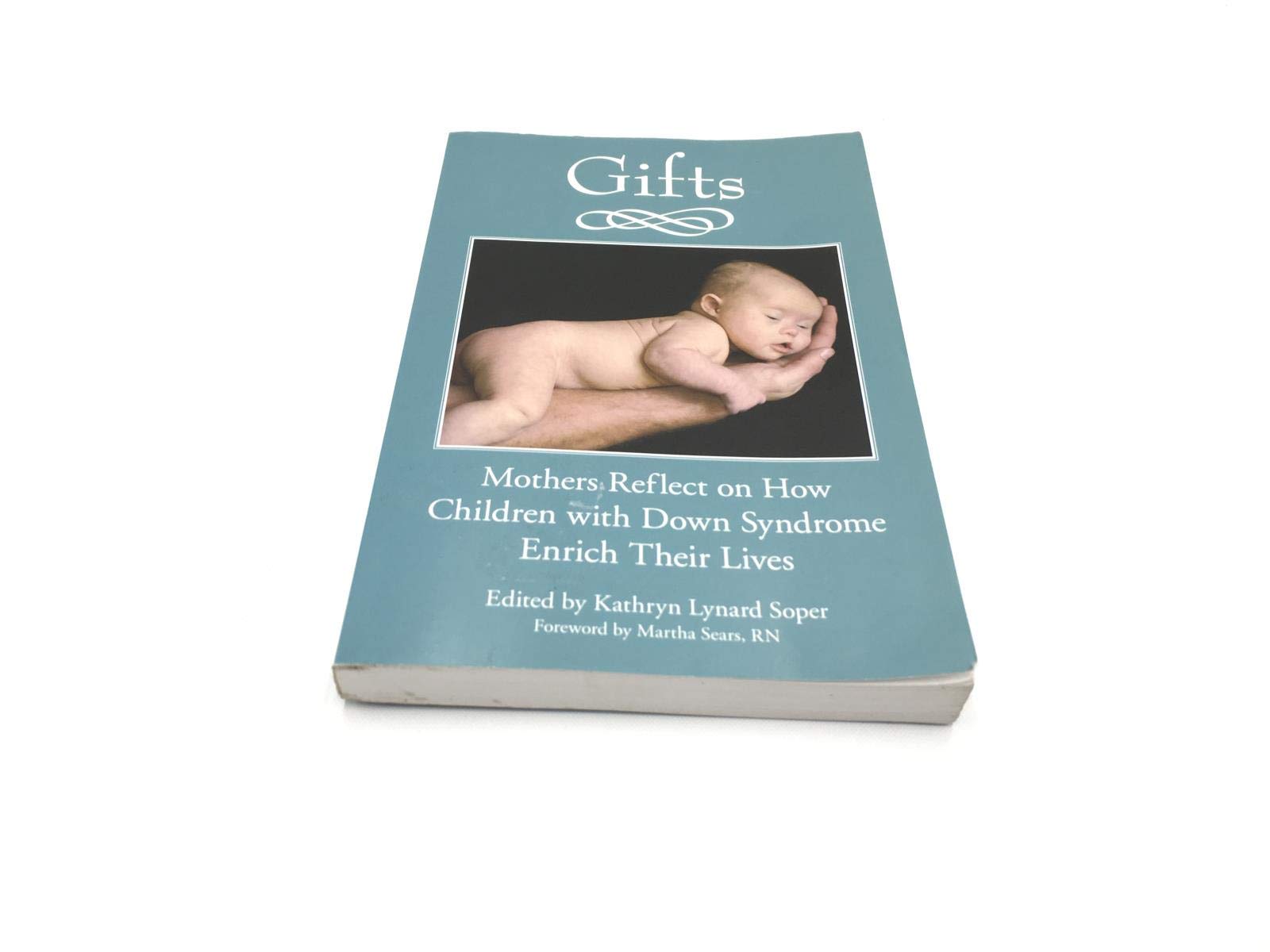
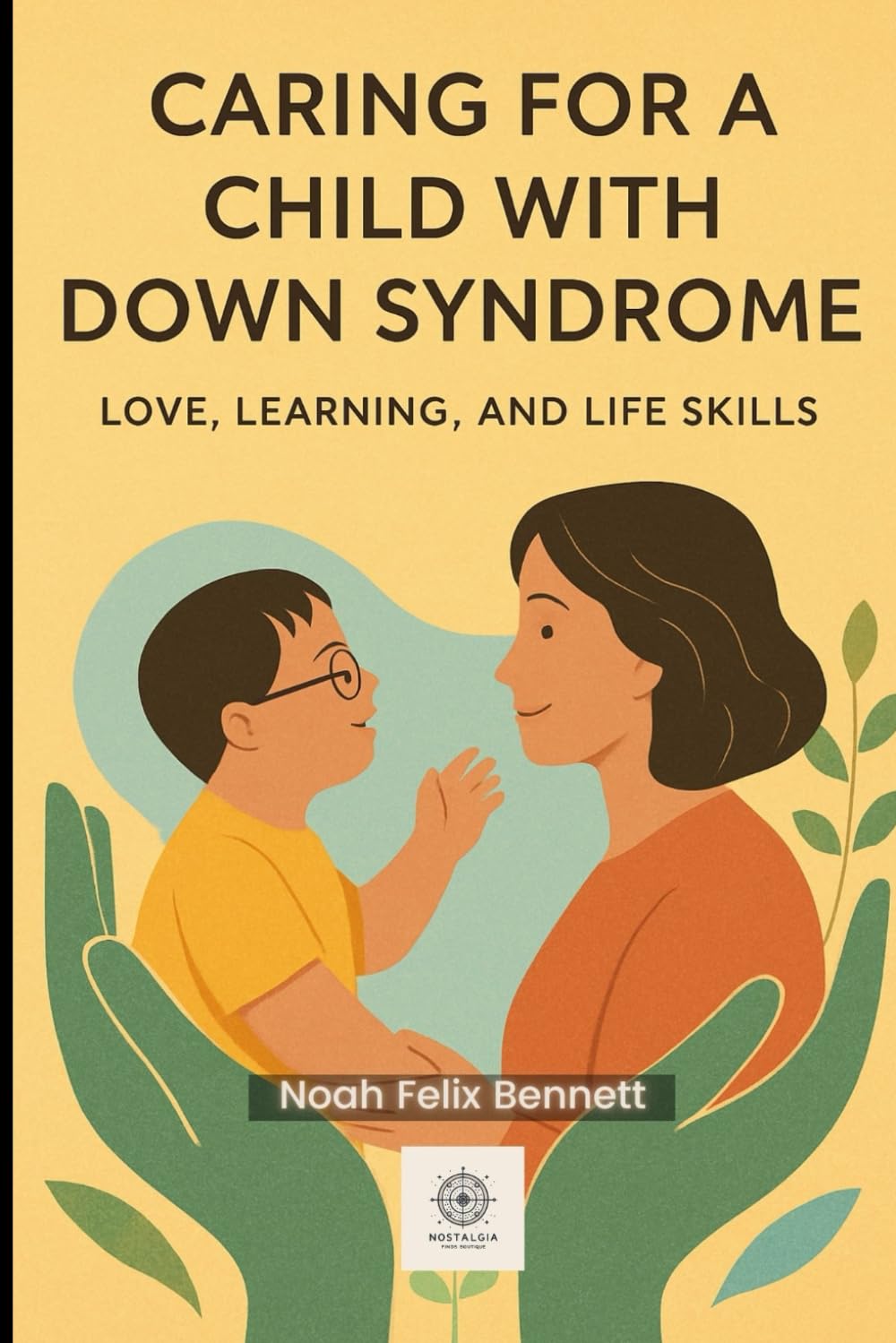
If a condition is identified prenatally, your care team will typically connect you with a genetic counsellor, a neonatologist, and often a paediatric specialist relevant to the diagnosis (e.g., a paediatric cardiologist for Down syndrome, since ~50% of babies with trisomy 21 have a congenital heart defect). This is also the moment to begin researching community and peer support.


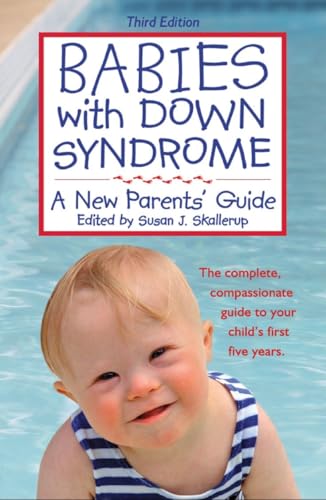
Babies With Down Syndrome: A New Parents' Guide
- Medical Books
- Internal Medicine
- Pediatrics
2. The NICU: Navigating Your Baby's First Medical Home
The neonatal intensive care unit is one of the most emotionally charged environments a new parent can enter. Roughly 10–15% of newborns require some level of specialised neonatal care, according to the World Health Organization (WHO). Prematurity (birth before 37 weeks) is the leading reason, but full-term babies with breathing difficulties, infections, or congenital conditions also spend time there.
What to Expect in the NICU
- Monitors, IV lines, and possibly a ventilator — intimidating equipment that is doing the work your baby's body isn't yet ready to do - A primary nursing team who will become your closest allies - Daily rounds where the neonatologist reviews your baby's status — you have the right to attend and ask questions - "Kangaroo care" (skin-to-skin holding) encouraged as early as your baby is stable enough — the evidence for its benefits on brain development and bonding is robust
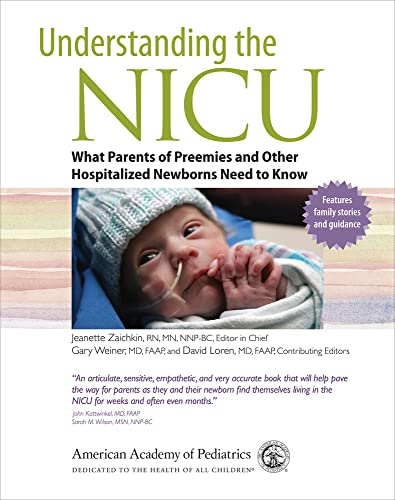
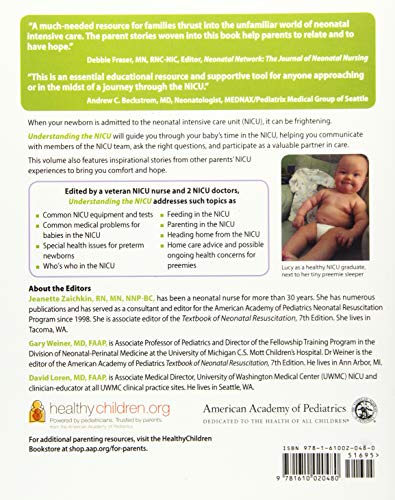

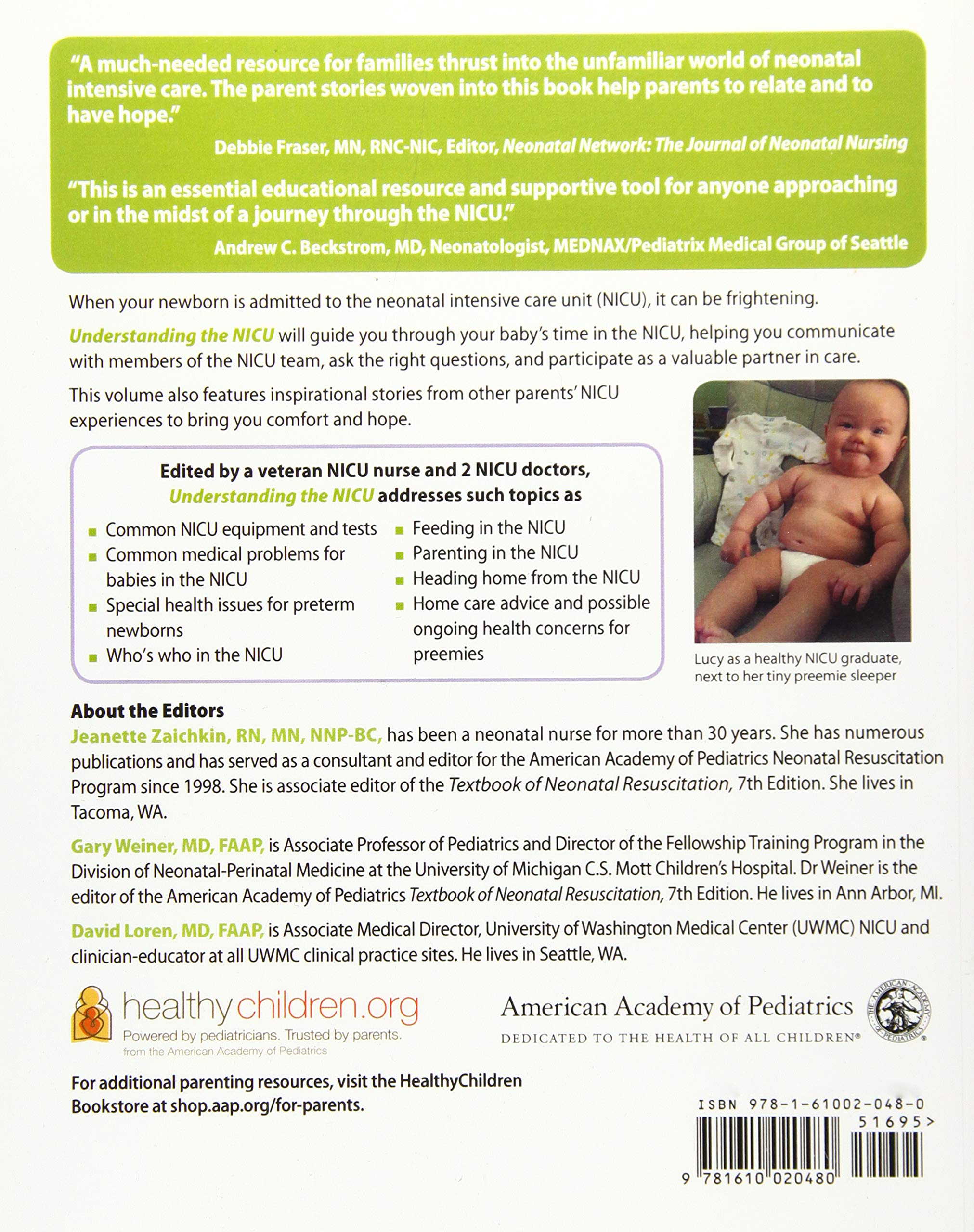
Understanding the NICU: What Parents of Preemies and other Hospitalized Newborns Need to Know
- Medical Books
- Internal Medicine
- Pediatrics
Premature babies are at higher risk for conditions including intraventricular haemorrhage, retinopathy of prematurity, chronic lung disease, and later neurodevelopmental differences such as cerebral palsy or learning difficulties. This doesn't mean these outcomes are inevitable — it means your team will screen for them proactively.
3. Newborn Screening: The Heel-Prick Test and Beyond
Within the first 24–48 hours of life, your newborn will have blood drawn from their heel. This isn't just a formality. Newborn bloodspot screening checks for up to 50+ metabolic, hormonal, and genetic conditions depending on your country or state — conditions like phenylketonuria (PKU), congenital hypothyroidism, sickle cell disease, and cystic fibrosis, many of which are entirely manageable when caught early.
The Three Standard Newborn Screens
1. Bloodspot (heel-prick) test: metabolic and genetic conditions 2. Hearing screen: otoacoustic emissions (OAE) or automated auditory brainstem response (AABR); the CDC estimates 1–3 in 1,000 newborns have a detectable hearing loss 3. Critical congenital heart disease (CCHD) screen: pulse oximetry on hands and feet before discharge
A positive result on any newborn screen triggers a diagnostic work-up — it is not a diagnosis itself. Early treatment for conditions like congenital hypothyroidism (a simple daily thyroid hormone tablet) can mean the difference between typical development and significant delay.


The First 12 Weeks: Newborn Care Made Simple
- Kindle Store
- Kindle eBooks
- Parenting & Relationships
4. Early Signs in the Newborn Period That Deserve Attention
Most developmental differences are not diagnosable at birth — autism, ADHD, and many learning profiles don't become clearly visible until toddlerhood or later. However, certain early signs in the 0–3 month window can prompt timely referral and monitoring.
Signs Worth Discussing With Your Paediatrician
None of these signs alone means your child has a disability. They are flags that prompt a closer look, which is always in your baby's best interest.


Newborn Care Specialist (NCS) Manual: Creating Your Future Together
- Parenting & Relationships
- Family Relationships
- Motherhood
5. Early Intervention: Starting From Birth, Not "Wait and See"
Early intervention (EI) is a federally mandated programme in the United States (under the Individuals with Disabilities Education Act, IDEA Part C) that provides therapy and support services to children from birth to age 3 who have developmental delays or diagnosed conditions. Similar programmes exist in the UK (through the NHS and local authority pathways), Canada, and Australia.
Who Qualifies and How to Refer
- Any child with a diagnosed condition (Down syndrome, hearing loss, cerebral palsy, etc.) qualifies automatically in most US states - Children with developmental delay or at-risk status (e.g., extreme prematurity) also typically qualify - Parents can self-refer — you do not need a doctor's referral in most states; call your state's EI programme directly
Services may include speech-language therapy, occupational therapy, physical therapy, developmental instruction, and family training — often delivered in your home at no cost to families who qualify.
Newborn Care Advanced Training Workbook: Second Edition
- Education & Teaching
- Higher & Continuing Education
- Adult & Continuing Education
6. Protecting Your Mental Health: Grief, Adjustment, and Finding Your Footing
Receiving news that your baby has a special need — whether at a 20-week scan, in the delivery room, or at a two-week check-up — triggers a grief response that is entirely legitimate. You are mourning the pregnancy or newborn experience you expected. That grief does not mean you love your child any less; it means you are human.
What You May Feel (and Why It's Normal)
- Shock and disbelief immediately after diagnosis - Guilt ("Did I cause this?") — almost always unfounded, and worth addressing directly with your care team - Anger — at the situation, at the universe, sometimes at well-meaning people who say the wrong thing - Fierce, overwhelming love that coexists with all of the above
Families who receive early, honest, and compassionate information about their child's diagnosis report significantly better adjustment and more positive long-term outcomes.
— American Academy of Pediatrics (2021)
Practical Mental Health Steps


Having Your Baby: For the Special Needs of Black Mothers-To-Be, from Conception to Newborn Care
- Politics & Social Sciences
- Social Sciences
- Cultural & Ethnic Studies
7. Building Your Village: Resources, Advocacy, and What Comes Next
You will need a team — and you get to build it. The newborn period is the right time to start assembling the professionals, community members, and peer supporters who will walk this road with you.
Your Core Team
- Developmental paediatrician: specialises in neurodevelopmental conditions; can provide formal diagnoses and coordinate care - Paediatric therapists (speech, OT, PT): your frontline early intervention providers - Genetic counsellor: if a chromosomal or genetic condition is involved, ongoing counselling helps you understand recurrence risk and implications for future pregnancies - NICU follow-up clinic: most NICUs offer a dedicated follow-up programme for premature or medically complex graduates — attend every appointment
Advocacy From Day One
Comparing Key Support Resources for Newborns With Special Needs
| Resource / Approach | Best Timing | Primary Benefit | Main Limitation | Recommended Resource | Approx. Cost |
|---|---|---|---|---|---|
| Prenatal genetic counselling | 10–20 weeks gestation | Informed decision-making before birth | Does not change the diagnosis | Babies With Down Syndrome Guide | Varies by insurance |
| NICU parent education | During NICU stay | Reduces parental anxiety; improves caregiving confidence | Availability varies by hospital | Understanding the NICU | ~$20–25 |
| Newborn care specialist support | First 12 weeks home | Hands-on guidance for medically complex newborns | Can be expensive privately | NCS Manual | Varies |
| Early Intervention (Part C) | Birth to 36 months | Free, evidence-based therapy at home | Waitlists in some states | Newborn Care Advanced Training Workbook | Free (public programme) |
| Condition-specific parent books | Diagnosis onward | Peer-informed, practical, emotionally validating | Condition-specific; limited breadth | Babies With Down Syndrome Guide | $17–30 |
| Culturally tailored maternal support | Third trimester onward | Addresses health equity gaps for marginalised mothers | Limited availability in some regions | Having Your Baby for Black Mothers-To-Be | ~$18 |
Expert Insights
The moment you learn your baby may have different needs, the ground shifts. Everything you planned looks different. But here's what doesn't change: your baby needs you, and you are already doing the most important thing — seeking information, building knowledge, and showing up. The families who thrive in this space aren't the ones who had all the answers at the start. They're the ones who asked the next question, made the next call, and found the next person who could help. That's you. Save this guide, share it with your partner or support person, and come back to it as new questions arise. You are not navigating this alone.
"The diagnosis is the beginning of the story, not the end of it."
Sources & References
- Centers for Disease Control and Prevention (CDC). "Developmental Disabilities." 2023. https://www.cdc.gov/ncbddd/developmentaldisabilities/index.html
- World Health Organization (WHO). "Preterm Birth." 2023. https://www.who.int/news-room/fact-sheets/detail/preterm-birth
- American Academy of Pediatrics (AAP). "Identifying Infants and Young Children with Developmental Disorders in the Medical Home." Pediatrics, 2006; updated guidance 2020. https://www.aap.org
- American Academy of Pediatrics (AAP). "Communicating with Families About a Diagnosis." 2021. https://www.aap.org
- Centers for Disease Control and Prevention (CDC). "Hearing Loss in Newborns." 2023. https://www.cdc.gov/ncbddd/hearingloss/screening.html
- U.S. Department of Education. "Individuals with Disabilities Education Act (IDEA), Part C." https://sites.ed.gov/idea/
- Bergman, N.J. "Kangaroo Mother Care: From Evidence to Action." Acta Paediatrica, 2015.
- National Down Syndrome Society (NDSS). "Diagnosis to Delivery Programme." https://www.ndss.org
- NHS England. "Newborn Blood Spot Screening." https://www.nhs.uk/conditions/baby/newborn-screening/blood-spot-test/
- Yeargin-Allsopp, M. et al. "Prevalence of Autism in a US Metropolitan Area." JAMA, 2003; CDC ADDM Network ongoing surveillance.
Frequently Asked Questions
What is the earliest age a child can be diagnosed with autism?
My baby was born premature. Does that mean they will have developmental delays?
Can I start Early Intervention services while my baby is still in the NICU?
My prenatal diagnosis came back positive for Down syndrome. What should I do first?
How do I know if my newborn's fussiness is colic or something neurological?
Will my child with special needs qualify for financial assistance?
Is it normal to feel grief after a special needs diagnosis even though I love my child?
Was this helpful?
Thanks — your feedback helps us pick what to write next.