Why Adventure Matters: The Science Behind Curious Kids
Cultivating a sense of adventure in your child means deliberately creating conditions — at every age — where curiosity is rewarded, manageable risk is welcomed, and discovery feels safe.

In this article
Here's something that might surprise you: a large-scale study published in the journal Pediatrics found that unstructured outdoor play — the kind where children direct their own exploration — has declined by more than 50% since the 1970s in many high-income countries, and the American Academy of Pediatrics (AAP) has directly linked that decline to rising rates of childhood anxiety, reduced creativity, and weaker executive function. In other words, adventure isn't a luxury add-on to childhood. It's a developmental necessity.
The good news? You don't need to plan a wilderness expedition. Fostering a genuinely curious, adventurous child is something you can do in your backyard, your living room, and your daily routines — from the newborn stage right through to the teenage years.
By the end of this guide, you'll understand:
1. Why Adventure Matters: The Science Behind Curious Kids
Curiosity isn't just a personality trait — it's a cognitive engine. Children who are encouraged to explore and take managed risks develop stronger neural pathways for problem-solving, emotional regulation, and creative thinking.
The AAP's landmark 2018 clinical report, The Power of Play, states that play — particularly child-directed, exploratory play — is "not a break from learning; it is the primary vehicle through which young children learn." That framing matters enormously for parents who feel pressure to fill every hour with structured, curriculum-style activity.
Play is not a luxury. Play is a necessity.
— American Academy of Pediatrics, Clinical Report on the Power of Play (2018)
What does the research tell us curiosity actually does for children?
2. Age-Banded Strategies: Newborns to Toddlers (0–3 Years)
Adventure for the very youngest children looks nothing like a hike — and that's exactly as it should be. At this stage, every new texture, sound, face, and smell is a genuine expedition.
Newborns and Infants (0–12 months)
Sensory variety is adventure at this age. The World Health Organization's (WHO) guidelines on early childhood development emphasise that responsive caregiving combined with rich sensory environments — varied sounds, textures, visual contrasts — lays the neurological groundwork for later curiosity.
Toddlers (1–3 years)
Toddlers are natural scientists — they drop things to test gravity, pour water to understand volume, and repeat actions endlessly to confirm patterns. Your job is to provide a safe arena for that experimentation.
For outdoor toddler exploration, a starter kit can make the difference between a reluctant trip outside and a child who begs to go. The Adventure Kidz Outdoor Exploration Kit includes child-sized binoculars, a compass, and a backpack sized for small shoulders — exactly the kind of "real gear" that makes a two-year-old feel like a genuine explorer rather than a passenger.


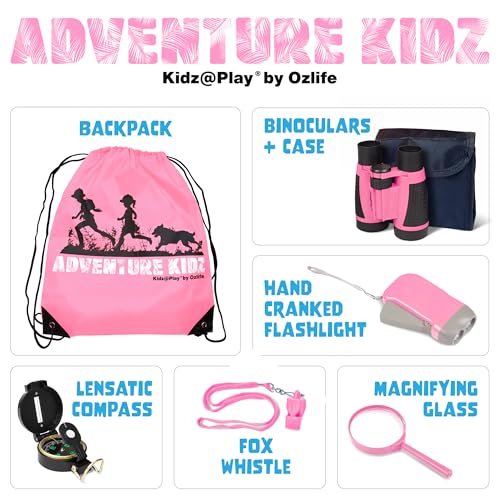


Adventure Kidz - Outdoor Exploration Kit, Children’s Toy Binoculars with Case, Flashlight, Compass, Fox Whistle, Magnifying Glass, Backpack. Great Gift Set for STEM, Pretend Play
- 🦆ADVENTURE KIDZ KIT! Fun Gift Set - that supports STEM Learning and encourages scientific exploration and a lo
- 🐞BINOCULARS - 5x30 magnification glass optical lenses for viewing nature up close with flexible rubber eye pie
- 🦉FLASHLIGHT - with bright LED lights. Simple hand cranked function recharges in-built batteries so no addition
3. Age-Banded Strategies: Early Childhood (4–7 Years)
This is the golden window. Children aged four to seven are developmentally primed for imaginative, exploratory play — they have enough physical coordination to act on their curiosity but haven't yet developed the self-consciousness that can inhibit older children.
The Role of Risky Play
Norwegian researcher Ellen Beate Hansen Sandseter, whose work on risky play is widely cited in developmental literature, identified six categories of risky play that children are naturally drawn to: play with heights, speed, tools, near water, rough-and-tumble, and play where children can get lost or go exploring alone. Her research found that avoiding all risk actually increases anxiety in children rather than protecting them.
Practical Ideas for 4–7 Year Olds
For bug hunting specifically, the National Geographic Bug Catcher Kit is outstanding at this age — it includes a magnified habitat so children can observe insects up close before releasing them, paired with a proper learning guide that answers the inevitable "but why does it have six legs?" questions.
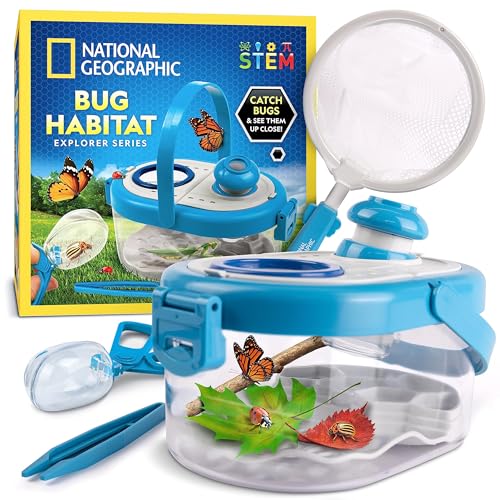


National Geographic Bug Catcher Kit for Kids - Kids Bug Habitat with Magnified Viewer, Bug Catcher, Tweezers & Learning Guide, Insect Habitat, Outdoor Toys, Kids Bug Catching Kit, Bug Box
- CATCH BUGS & OBSERVE THEM UP CLOSE - With this bug catcher and habitat kit, kids can capture bugs and insects,
- MAKE THE PERFECT BUG HABITAT - The bug habitat provides a 360° view and includes a removable base, easy-open l
- 2 BUILT-IN MAGNIFYING GLASSES - The magnified viewers are designed to offer up-close observation of the bugs y
4. Age-Banded Strategies: Middle Childhood (8–12 Years)
By eight, children are ready for more sustained, complex adventures — multi-step projects, longer hikes, overnight camps, and deeper dives into specific interests. They're also beginning to form peer identities, which means social adventure (joining clubs, trying team sports, navigating new friendships) becomes as important as physical exploration.
Following the Interest Thread
The most powerful thing you can do at this age is take your child's current obsession seriously and resource it generously. A child passionate about insects doesn't just need a book — they need gear, field time, and ideally a community (a local naturalist group, an online forum with parental supervision, a school science club).
For families ready to kit out a young naturalist properly, the SMILESSKIDDO 27-Piece Explorer Kit covers the full range — backpack, periscope, telescope, flashlight, magnifying glass, and more — making it a genuine field kit rather than a toy-box novelty.
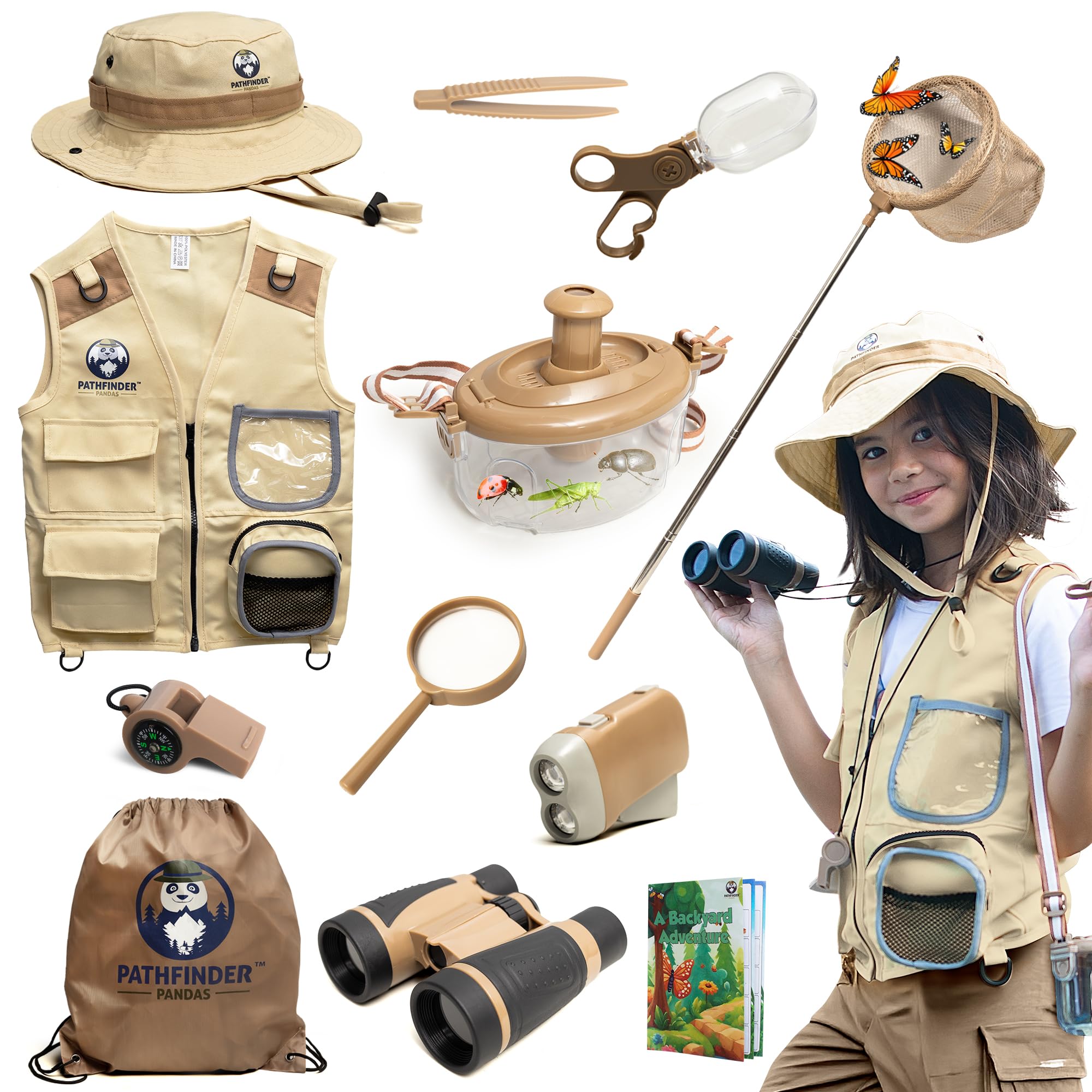
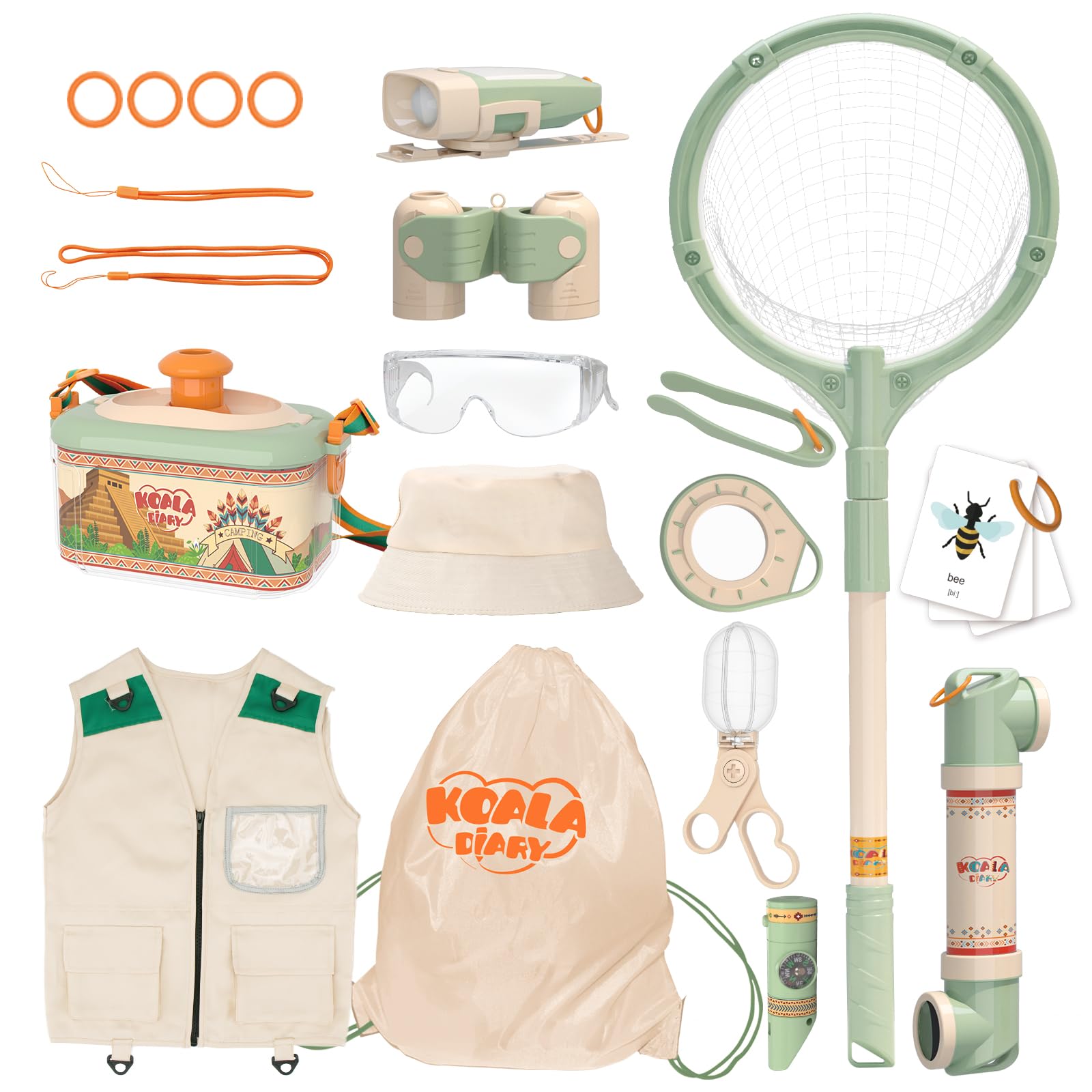
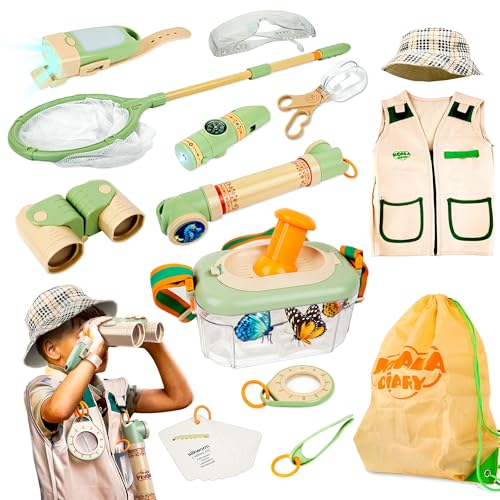
SMILESSKIDDO Kids Explorer Kit, 27 Pcs Outdoor Explorer Kit & Bug Catching Kits - Kid Nature Kits Outdoor Camping Adventure Toys for Kids 3+ Years Old
- Complete kids adventure kit - This toddler explorer kit will fulfill kids' needs for outdoor exploration, the
- Portable & practical - Without heavy and useless accessories, this kids camping gear makes child's outdoor jou
- Educational Value: The outdoor explorer kit for kids 3-5 is not just a toy set, but educational tool, kids can
Building Independence Gradually
5. Age-Banded Strategies: Tweens and Teens (13–17 Years)
Adolescence is often where parental anxiety about adventure peaks — and where the temptation to over-control is strongest. But developmental neuroscience is clear: teenagers need novelty-seeking and challenge. The question is whether that drive gets channelled into constructive adventure or not.
The CDC's data on adolescent mental health consistently shows that teens with regular engagement in structured physical activity, creative pursuits, and community involvement report significantly lower rates of depression and anxiety than peers without those outlets.
What Adventure Looks Like for Teens
For teens who are still building their outdoor confidence, the Bold Explorer Outdoor Adventure Kit — with its metal binoculars and 20+ page field activity guide — bridges the gap between "playing outside" and genuinely skilled nature observation.
6. The Home as Adventure Base: Everyday Curiosity Habits
You don't need to leave the house to raise an adventurous child. Some of the most powerful curiosity-building happens in the kitchen, the garden, and the living room — through habits that are low-effort but high-impact.
Reading as Inner Adventure
Books are the original virtual reality. The AAP recommends reading aloud to children from birth, and the evidence base for its impact on vocabulary, empathy, and imaginative capacity is overwhelming. Non-fiction books about nature, space, history, and science are particularly effective at seeding questions that drive real-world exploration.
Science at Home
Simple kitchen experiments — vinegar and baking soda, growing seeds, making slime, testing which objects float — give children a direct experience of the scientific method: observe, hypothesise, test, conclude.
For children who want to take their bug and nature investigations further indoors, the GINMIC 16-Piece Explorer Kit includes realistic insect models alongside real catching equipment, making it ideal for both outdoor expeditions and indoor study sessions.

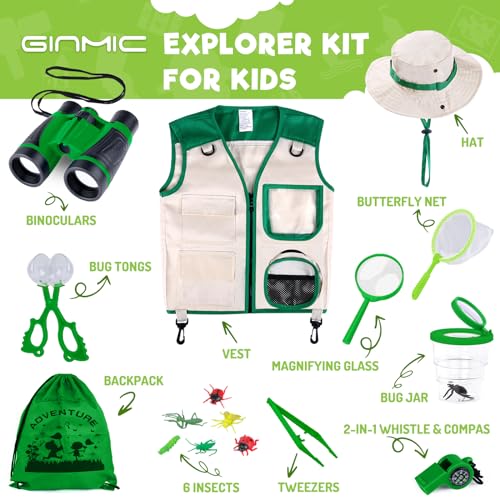
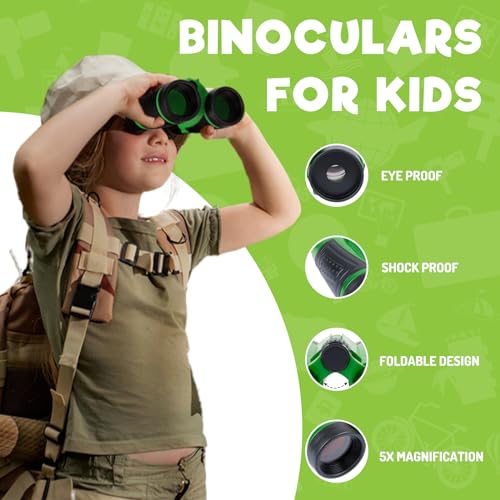
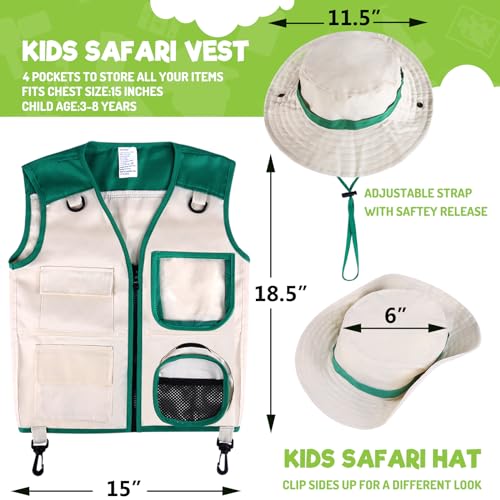
GINMIC Kids Explorer Kit & Bug Catching Kit, 16 Pcs Outdoor Exploration Safari Kit for Kids Camping with Binoculars, Adventure, Hunting, Hiking, Educational Toy Gift for 3-12 Years Old Boys Girls
- 【Great Kids Camping Set】- GINMIC Kids Explorer & Bug Catching Kit Includes Binoculars, Costume Vest, Hat with
- 【Perfect Gift for Kids】- Breathable explorer hat and vest are made from durable fabric to protect from the ele
- 【Explorer & Discover with Your Kids】- Outdoor exploration kit is a great playing set for parents to enhance th
7. Modelling Adventure: The Parent Factor
Here is the uncomfortable truth: the single most powerful predictor of whether your child grows up curious and adventurous is whether they see you being curious and adventurous.
Children are extraordinarily sensitive observers of adult behaviour. When you express genuine wonder ("I have no idea how that works — let's find out"), try something new in front of them, or recover visibly from a setback, you're providing a live masterclass in the adventurous mindset.
Children are watching us all the time. They learn not just from what we teach but from who we are when we think no one is looking.
— Centre on the Developing Child, Harvard University
Practical Ways to Model Curiosity
For families building an outdoor exploration habit together, the KOALA DIARY Nature Explorer Set — with its LED flashlight, periscope, and educational insect cards — is designed for shared parent-child use, making it a natural prop for those joint adventures.
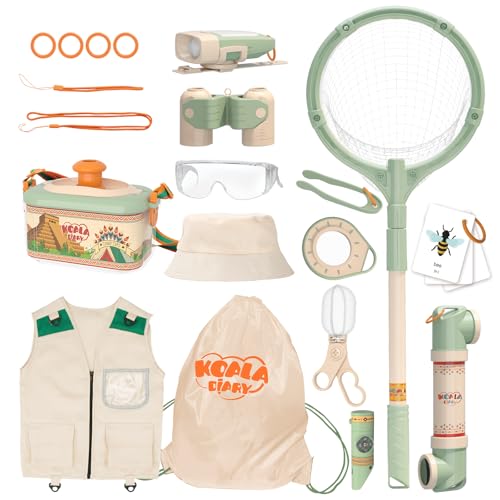
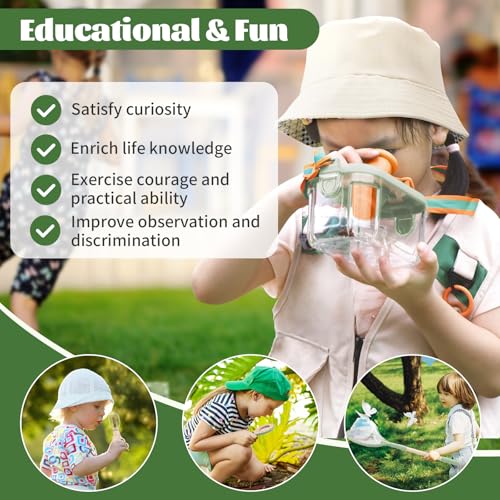
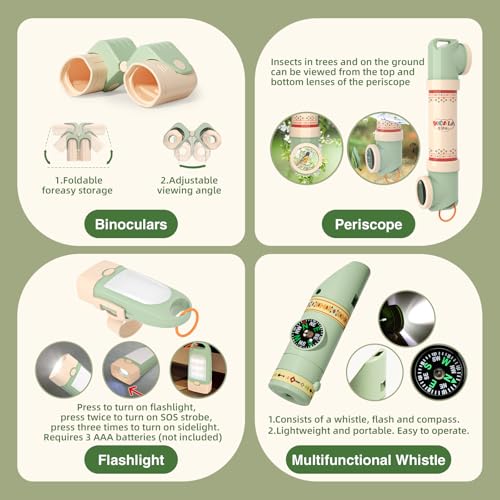
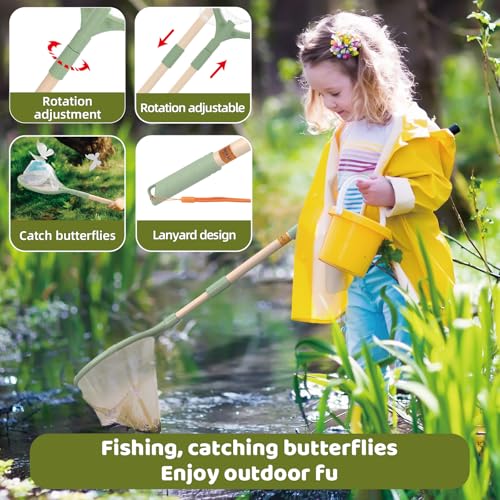
Kids Adventurer's Nature Explorer Set,Featuring Butterfly Net, Bug Catcher, Binoculars, Explorer Vest & Hat, Magnifying Glass and LED Flashlight. Perfect Educational Outdoor Gift for Ages 3+
- 🌳【Complete Nature Explorer Kit】This all-inclusive outdoor adventure set features an explorer vest, hat, retrac
- 🔍【Discover Nature's Wonders】Our kit encourages hands-on learning with tools to observe insects through the mag
- 🦋【Child-Safe Exploration】Designed with premium, lightweight materials that meet US safety standards. The hygie
8. Choosing the Right Gear: Explorer Kits by Age and Use Case
| Kit Type | Best Age Range | Primary Benefits | Main Drawbacks | Recommended Product | Price Range |
|---|---|---|---|---|---|
| Basic outdoor kit with binoculars & backpack | 3–7 years | Lightweight, easy to carry, builds outdoor independence | Fewer specialist tools | Adventure Kidz Exploration Kit | ~$18 |
| Bug catching & habitat kit | 4–10 years | Hands-on science, safe insect handling, learning guide included | Single focus (insects) | National Geographic Bug Catcher Kit | ~$20 |
| Full safari/explorer kit (16 pcs) | 3–12 years | Comprehensive gear, costume vest & hat, great for imaginative play | Some plastic components | GINMIC 16-Piece Explorer Kit | ~$24 |
| Premium 27-piece adventure kit | 3–12 years | Most complete kit, includes backpack & periscope, high durability | Higher price point | SMILESSKIDDO 27-Piece Kit | ~$36 |
| Nature explorer set with flashlight | 3+ years | LED flashlight adds night exploration, insect education cards | Smaller binocular magnification | KOALA DIARY Nature Explorer Set | ~$19 |
| Field kit with activity guide | 6–14 years | Metal binoculars (not plastic), 20+ page activity guide, slingshot | Fewer catching tools | Bold Explorer Adventure Kit | ~$18 |
Expert Insights
Raising an adventurous child isn't a single grand gesture — it's a thousand small ones. It's saying "let's find out" instead of "I don't know." It's handing over the map. It's sitting with your child while they peer at a beetle through a magnifying glass and resisting the urge to hurry them along.
The research is unambiguous: children who are given space to explore, fail, wonder, and try again grow into adults who are more creative, more resilient, and more deeply engaged with the world around them. That's not a small thing. That's everything.
The most adventurous thing you can do for your child today is to be curious yourself — out loud, where they can see it.
If this guide was useful, save it for the season ahead, share it with another parent who's looking to get their child off the sofa and into the world, and check back for our age-specific deep dives in the Learning & Play series.
Sources & References
- American Academy of Pediatrics. "The Power of Play: A Pediatric Role in Enhancing Development in Young Children." Pediatrics, 2018. https://publications.aap.org/pediatrics/article/142/3/e20182058/38649
- World Health Organization. "Guidelines on Physical Activity, Sedentary Behaviour and Sleep for Children Under 5 Years of Age." WHO, 2019. https://www.who.int/publications/i/item/9789241550536
- Sandseter, Ellen Beate Hansen. "Categorising Risky Play — How Can We Identify Risk-Taking in Children's Play?" European Early Childhood Education Research Journal, 2007.
- Centers for Disease Control and Prevention. "Youth Risk Behavior Surveillance Data Summary & Trends Report." CDC, 2023. https://www.cdc.gov/healthyyouth/data/yrbs/index.htm
- Steinberg, Laurence. Age of Opportunity: Lessons from the New Science of Adolescence. Houghton Mifflin Harcourt, 2014.
- Center on the Developing Child, Harvard University. "The Science of Early Childhood Development." https://developingchild.harvard.edu
- Kuo, Frances E., and William C. Sullivan. "Environment and Crime in the Inner City: Does Vegetation Reduce Crime?" Environment and Behavior, 2001.
- Brown, Stuart. Play: How It Shapes the Brain, Opens the Imagination, and Invigorates the Soul. Avery, 2009.
- Shonkoff, Jack P., and Deborah A. Phillips (Eds.). From Neurons to Neighborhoods: The Science of Early Childhood Development. National Academy Press, 2000.
Frequently Asked Questions
At what age should I start encouraging adventure and exploration?
How do I balance safety with allowing my child to take risks?
My child seems naturally cautious and uninterested in adventure. Should I push them?
How much screen time is compatible with raising an adventurous child?
What if we live in a city with limited outdoor access?
Are explorer kits and outdoor toys actually worth buying?
How do I keep a teenager engaged in adventure when they seem to have lost interest?
Was this helpful?
Thanks — your feedback helps us pick what to write next.