Why Family Relationships Need Intentional Work (And What the Research Shows)
Revitalizing family relationships requires five intentional strategies — quality time, open communication, constructive conflict resolution, fostering autonomy, and building a positive family culture — each backed by developmental research and adaptable across every age from newb

In this article
Why Family Relationships Need Intentional Work (And What the Research Shows)
Here's a number that stops most parents mid-scroll: according to a 2023 report from the American Psychological Association, chronic family stress is among the top three sources of psychological distress for both adults and children in the United States — yet fewer than a third of families report having regular, device-free time together each week. That gap between how much families matter to us and how deliberately we invest in them is exactly where relationships quietly erode.
The good news? The research is equally clear that small, consistent actions — not grand gestures — are what rebuild and sustain family bonds. This guide gives you five evidence-backed strategies, each broken into age-banded advice so whether you're navigating night feeds with a newborn or eye-rolls from a twelve-year-old, you'll find something you can act on today.
By the end of this article, you'll understand:
1. Prioritize Quality Time — Presence Over Presence on the Calendar
Quality time is not about hours; it's about attunement — the moments when your child feels genuinely seen and heard. The distinction matters because a parent who is physically present but mentally elsewhere can leave a child feeling lonelier than if the parent were simply away.
The American Academy of Pediatrics (AAP) has long emphasized that warm, responsive caregiving — not total time logged — is the primary driver of secure attachment in children from infancy through adolescence.
By Age Group
Newborns & Infants (0–12 months) Skin-to-skin contact, eye contact during feeds, and narrating your actions ("Now I'm putting on your sock — there it goes!") are all high-quality connection. Put the phone face-down during feeds.
Toddlers & Preschoolers (1–5 years) Follow their lead in play. If they're stacking blocks, stack blocks. Child-led play for even 15 minutes daily signals that their world matters to you.
School-Age Children (6–12 years) Shared activities that require teamwork — cooking a meal together, building something, playing a cooperative game — naturally generate conversation without forcing it.


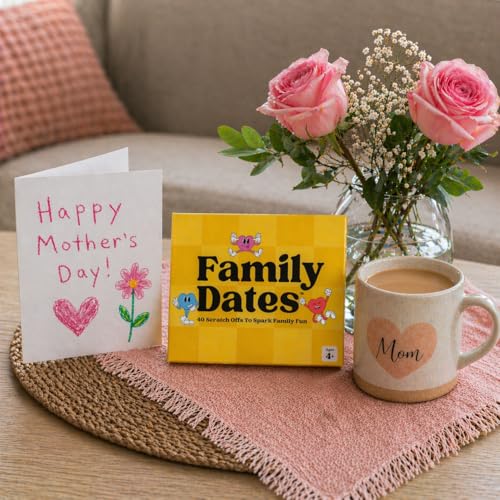
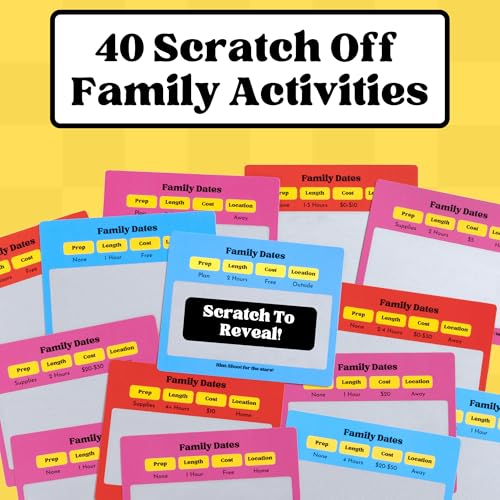
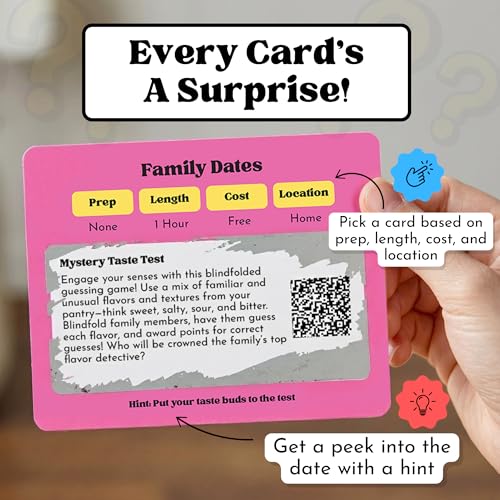
Happy Duo Family Dates 40 Scratch Off Cards – Summer Activities for Kids & Tween from Kids – Family Games for All Ages
- 40 FAMILY DATES: Includes 40 scratch-off dates to spark family fun! With dates ranging from mystery taste test
- SCREEN FREE ACTIVITIES: Created by a mom-and-dad duo who just wanted more laughs, less screen time, and fewer
- FUN FOR EVERYONE: Every activity is carefully curated to ensure your littlest ones can join in, and older kids
2. Communicate Openly — And Match Your Message to the Developmental Stage
Effective family communication is the single most researched predictor of long-term family cohesion. But "communicate better" is advice so broad it's nearly useless — the key is calibrating how you communicate to the cognitive and emotional stage your child is actually in.
Developmental Communication Guide
Infants & Toddlers (0–3 years) Your tone and facial expression carry more weight than your words. Respond consistently to cries and babbles — this is the foundation of conversational turn-taking that the Harvard Center on the Developing Child calls "serve and return."
Preschool & Early School Age (3–8 years) Name emotions out loud: "You look frustrated. Is that right?" This builds emotional vocabulary and teaches children that feelings are speakable, not shameful.
Older Children & Pre-Teens (9–12 years) Move from questioning to wondering: "I wonder what that felt like" opens more doors than "How was your day?" Regular, low-stakes check-ins (car rides are gold) beat formal sit-downs.
3. Navigate Conflict Constructively — Repair Is the Real Skill
Every family has conflict. The variable that separates thriving families from struggling ones is not the absence of disagreement — it's the speed and quality of repair afterward. Decades of research by Dr. John Gottman at the University of Washington found that a ratio of approximately five positive interactions to every one negative interaction predicts long-term relationship stability, a finding that applies to parent-child relationships as much as to couples.
It's not the conflict itself but the failure to repair after conflict that damages relationships over time.
— The Gottman Institute, Research Summary (2022)
A Simple Repair Framework for Families
1. Pause — When emotions are running hot, a brief cool-down (even two minutes) prevents escalation. Model this for your children: "I need a moment to think before I respond." 2. Name it — "We had a hard moment. Let's figure out what happened." 3. Repair — A genuine apology, a hug, or a simple acknowledgment ("I raised my voice and that wasn't okay") closes the loop. 4. Problem-solve together — Involve children in finding solutions. Ownership increases buy-in.
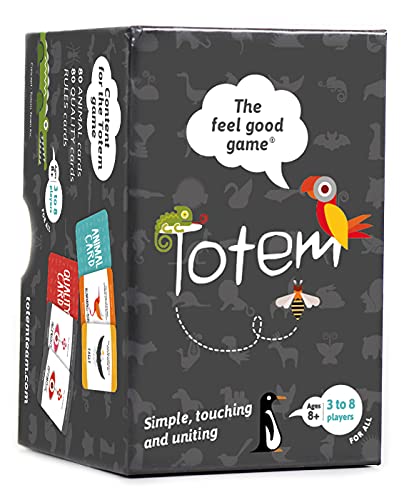
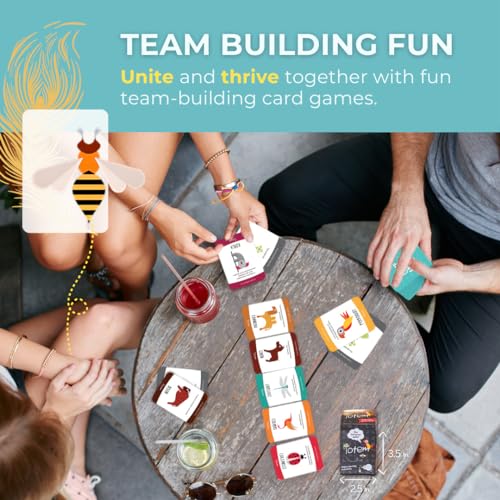


Totem: Self-Esteem & Family Bonding Game Ages 8+ - Therapy Games for Kids, Teens, Adults, Counselors - Team Building Games for Work - Group Therapy Conversation Cards for Mental Health
- Team Development: Elevate team spirit with team building games for work adults, fostering unity through engagi
- Mental & Emotional Health: Our mental health games and therapy games for adults combine with mental health the
- Therapy & Counseling: Enhance sessions with counseling games, therapy game for counselors, group therapy games
The Totem Self-Esteem & Family Bonding Game is a genuinely useful tool here — its conversation-card format creates low-stakes practice for naming feelings and hearing each other, which builds the emotional vocabulary families need before conflicts arise.
4. Foster Individual Growth and Autonomy — Closeness Needs Breathing Room
One of the most counterintuitive truths in family psychology is that healthy togetherness requires healthy separateness. When family members — children and adults alike — have room to develop their own identities, interests, and competencies, they bring more energy and authenticity back to the family unit.
By Age Group
Toddlers (1–3 years) Let them struggle briefly with age-appropriate tasks before stepping in. Pouring their own water, choosing between two outfits — these micro-moments build the "I can do it" neural pathways.
School-Age (6–12 years) Assign genuine household responsibilities — not just token chores, but tasks the family actually depends on. Research from the University of Minnesota found that children who do chores from an early age show greater responsibility and empathy in adulthood.
All Ages Celebrate individual interests even when they differ from yours. A child who knows their passions are respected at home is far less likely to seek that validation in risky places outside it.

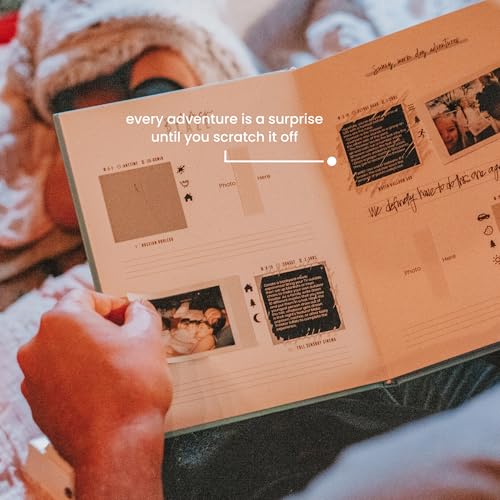
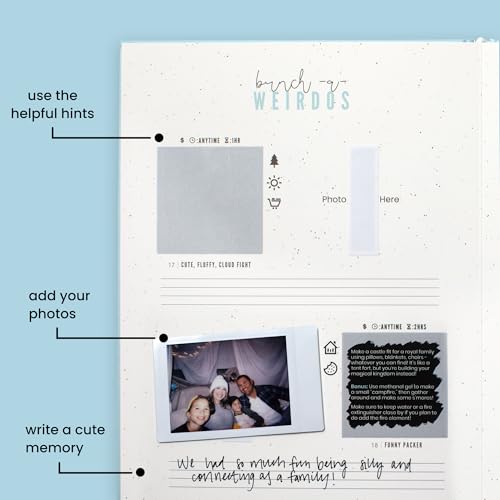
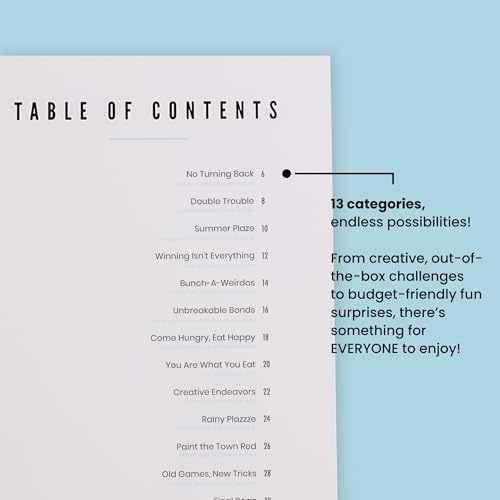
Family Edition – 50 Screen-Free Scratch-Off Activities for Kids & Adults | Fun Family Game & Gift | Blended Family Bonding & Adventure Book
- 50 SCREEN-FREE FAMILY ACTIVITIES – Put down the screens and start making memories! With 50 surprise scratch-of
- FUN FOR ALL AGES & FAMILY SIZES – Designed for families with kids ages 4-15, but fun for everyone! Whether you
- BOND AS A FAMILY—NO MATTER WHAT FAMILY MEANS TO YOU – Whether you're a traditional family, blended family, ste
5. Build a Positive Family Culture — Rituals, Values, and Shared Humour
Family culture is the invisible architecture of daily life — the inside jokes, the Sunday pancake tradition, the way your family defines what matters. It doesn't require wealth or elaborate planning; it requires consistency and intention.
Research published in the Journal of Family Psychology found that adolescents who scored higher on measures of "family narrative coherence" — meaning they understood their family's history and shared stories — showed greater resilience, higher self-esteem, and lower rates of anxiety and depression.
How to Build It Deliberately
Create rituals, not just routines Routines are functional (bath, book, bed). Rituals have meaning attached — the special handshake, the birthday breakfast tradition, the annual camping trip. The content matters less than the consistency and the story you tell about it.
Name your family values explicitly "In our family, we show up for each other." "We say sorry and mean it." Children who can articulate family values have a ready framework for decision-making when you're not in the room.
Protect shared humour Laughter is connective tissue. Families with a strong sense of shared humour — inside jokes, playful teasing that everyone enjoys — report higher satisfaction and lower conflict intensity.
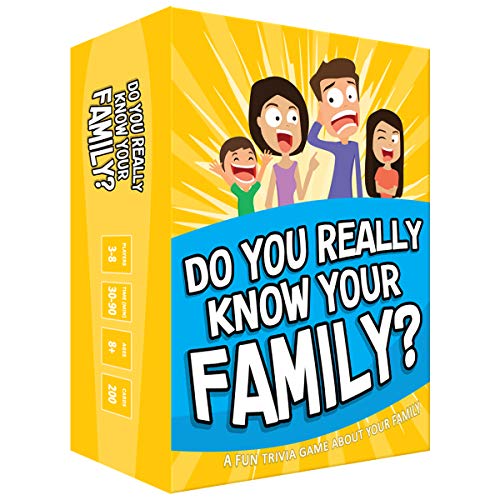


Do You Really Know Your Family? A Fun Family Game Filled with Conversation Starters and Challenges - Great for Kids, Teens and Adults
- Get ready for the best family game night as you laugh and learn new things about each other with this fun card
- See who really knows the family best as you answer fun questions about each other while sparking interesting c
- Create hilarious family memories as you compete and perform silly challenges together.
The Do You Really Know Your Family? Card Game is one of the most practical tools for building this kind of culture — 4.6 stars from over 16,000 families, and it works precisely because it generates the shared stories and surprising revelations that become family lore.
For high-energy family nights, Funwares 237 Minute of Fun Games brings fast-paced challenges that work across a wide age range, generating exactly the kind of shared laughter that becomes part of your family's identity.
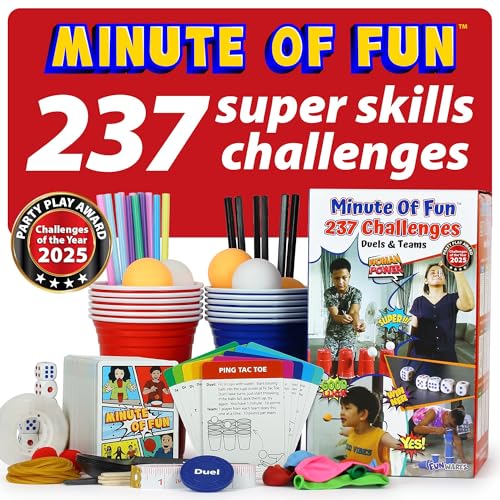


Funwares Original 237 Minute of Fun Games - Minute to Win It Family Party & Travel for Kids & Adults, 2-12 Players! Ready to Play Right Out of The Box!
- FAST-PACED FUN FOR KIDS & ADULTS: 237 thrilling minute-long challenges like “Ping Pong Hop” (hopping with a ba
- 9 SKILL CATEGORIES & EASY SETUP: Test aim, dexterity, and quick thinking with games like “Nothing But Net” (to
- PERFECT FOR ANY OCCASION, ANYTIME, ANYWHERE: From “Chopsticks Tower” to “Rapid Fire,” take this portable game
Comparing Family Connection Strategies by Age Stage
| Strategy | Best Age Stage | Primary Benefit | Common Pitfall | Recommended Tool | Price Range |
|---|---|---|---|---|---|
| Child-led play (quality time) | 0–5 years | Builds secure attachment | Parent redirects to their agenda | Family Moments Activity Book | $15–20 |
| Emotion-naming & check-ins | 3–10 years | Grows emotional vocabulary | Turning it into a quiz or lecture | Totem Family Bonding Game | $21.99 |
| Conflict repair rituals | 5–12 years | Models healthy resolution | Skipping repair after arguments | Do You Really Know Your Family? | $19.82 |
| Autonomy & chores | 4–12 years | Builds competence & self-esteem | Over-helping or criticising effort | Adventure Challenge Family Edition | $34.99 |
| Family rituals & shared culture | All ages (0–17) | Resilience, identity, belonging | Letting rituals lapse under busyness | Happy Duo Scratch-Off Family Dates | $14.99 |
| Game nights & shared humour | 6–17 years | Laughter as connective tissue | Competitive dynamics souring the mood | Funwares Minute of Fun Games | $24.99 |
Expert Insights on Family Relationships
The Bottom Line: Connection Is Built in the Ordinary Moments
Family relationships don't drift apart dramatically — they drift in small, quiet increments: a meal eaten separately, a question answered with half-attention, a conflict left unresolved. The research is unambiguous that what children remember, and what shapes them most durably, is not the holidays or the big purchases — it's whether they felt genuinely seen and valued in the everyday.
The five strategies in this guide are not a checklist to complete and set aside. They're a practice — one that gets easier and more natural the more consistently you return to it. Start with one. Add another next month. The investment compounds in ways that will outlast your parenting years.
The most powerful thing you can give your family isn't more time — it's more of yourself within the time you already have.
If this guide was useful, save it, share it with another parent, or bookmark it for the season when things feel harder than usual. That's exactly when you'll need it most.
Sources & References
- American Psychological Association. "Stress in America 2023." APA, 2023. https://www.apa.org/news/press/releases/stress
- American Academy of Pediatrics. "Caring for Your Child's Mental Health." AAP, 2022. https://www.aap.org
- Harvard Center on the Developing Child. "Serve and Return Interaction Shapes Brain Circuitry." 2023. https://developingchild.harvard.edu/science/key-concepts/serve-and-return/
- Gottman, J., & Silver, N. The Seven Principles for Making Marriage Work. Harmony Books, 1999. (Conflict repair ratio research.)
- The Gottman Institute. "Research-Based Approach to Relationships." 2022. https://www.gottman.com/about/research/
- Duke, M. P., Lazarus, A., & Fivush, R. "Knowledge of family history as a clinically useful index of psychological well-being and prognosis." Psychotherapy: Theory, Research, Practice, Training, 45(2), 268–272. 2008.
- Siegel, D. J., & Bryson, T. P. The Whole-Brain Child. Delacorte Press, 2011.
- Rhoades, B. L., et al. "Children's Household Tasks and Adjustment." University of Minnesota research summary. Journal of Applied Developmental Psychology, 2012.
- Center on the Developing Child, Harvard University. "Resilience." 2023. https://developingchild.harvard.edu/science/key-concepts/resilience/
- American Academy of Pediatrics. "Media and Young Minds." Pediatrics, 138(5), 2016. https://doi.org/10.1542/peds.2016-2591
Frequently Asked Questions
How much quality time do children actually need each day?
What if my child refuses to engage in family activities?
How do I handle conflict between siblings without taking sides?
Is it normal for family relationships to feel distant during certain life stages?
How do I build family culture as a blended or single-parent family?
At what age should children have input into family decisions?
How do screens affect family relationships, and what's a realistic limit?
Was this helpful?
Thanks — your feedback helps us pick what to write next.