
What a Healthy Parent-Child Relationship Actually Looks Like
Strong parent-child relationships are built through consistent emotional availability, age-appropriate communication, and intentional quality time — and the research shows these habits protect children's mental health across every stage of development.

In this article
Picture this: your 8-year-old comes home from school, drops their bag, and walks straight past you to their room. No eye contact. No "hi." You wonder — are we okay? According to the American Psychological Association, the quality of the parent-child relationship is one of the single strongest predictors of a child's long-term mental health, academic success, and resilience under stress. That is not a small thing. It means the everyday moments — the bedtime chats, the car-ride questions, the way you respond when they're upset — are quietly shaping who your child becomes.
This guide is your evidence-based roadmap, covering every stage from newborn to tween. By the end, you'll understand:
1. What a Healthy Parent-Child Relationship Actually Looks Like
A healthy parent-child relationship is not about being your child's best friend — it is about being their secure base. The science here is clear and decades deep. Attachment theory, first developed by psychiatrist John Bowlby in the 1960s and expanded by developmental psychologist Mary Ainsworth, describes how children need a reliable, emotionally available caregiver to develop the confidence to explore the world.
In practical terms, a secure relationship has four recognisable qualities:
- Trust and safety: Your child knows you will show up, consistently, whether the news they bring you is good or hard. - Open, age-appropriate communication: They talk to you — not just about their day, but about their worries, their embarrassments, their questions. - Mutual respect: You honour their individuality; they learn, over time, to honour yours. - Healthy independence: They feel confident enough to try things without you because they know you are there if they fall.
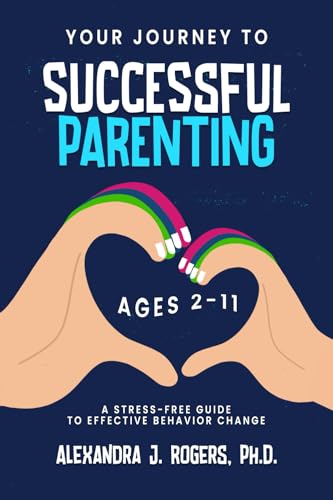
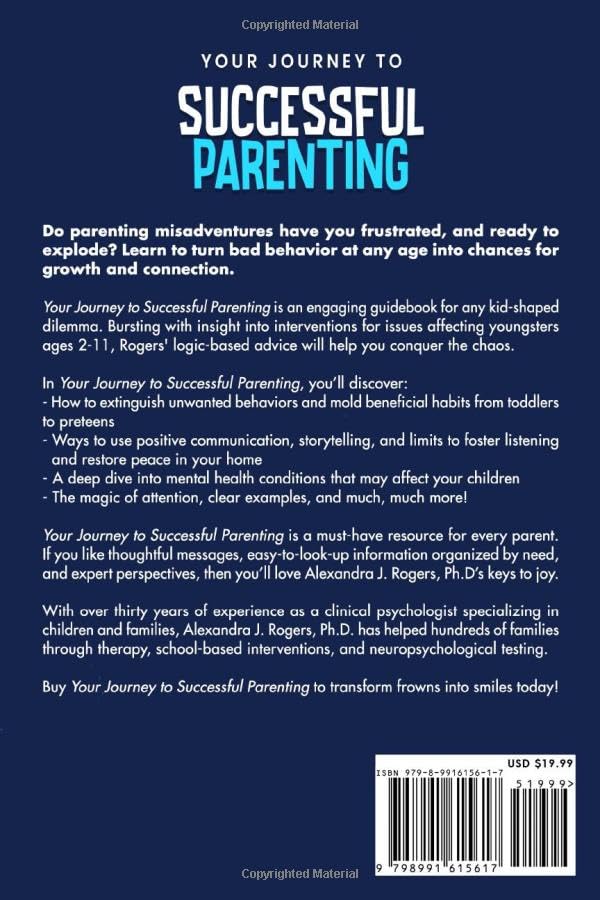
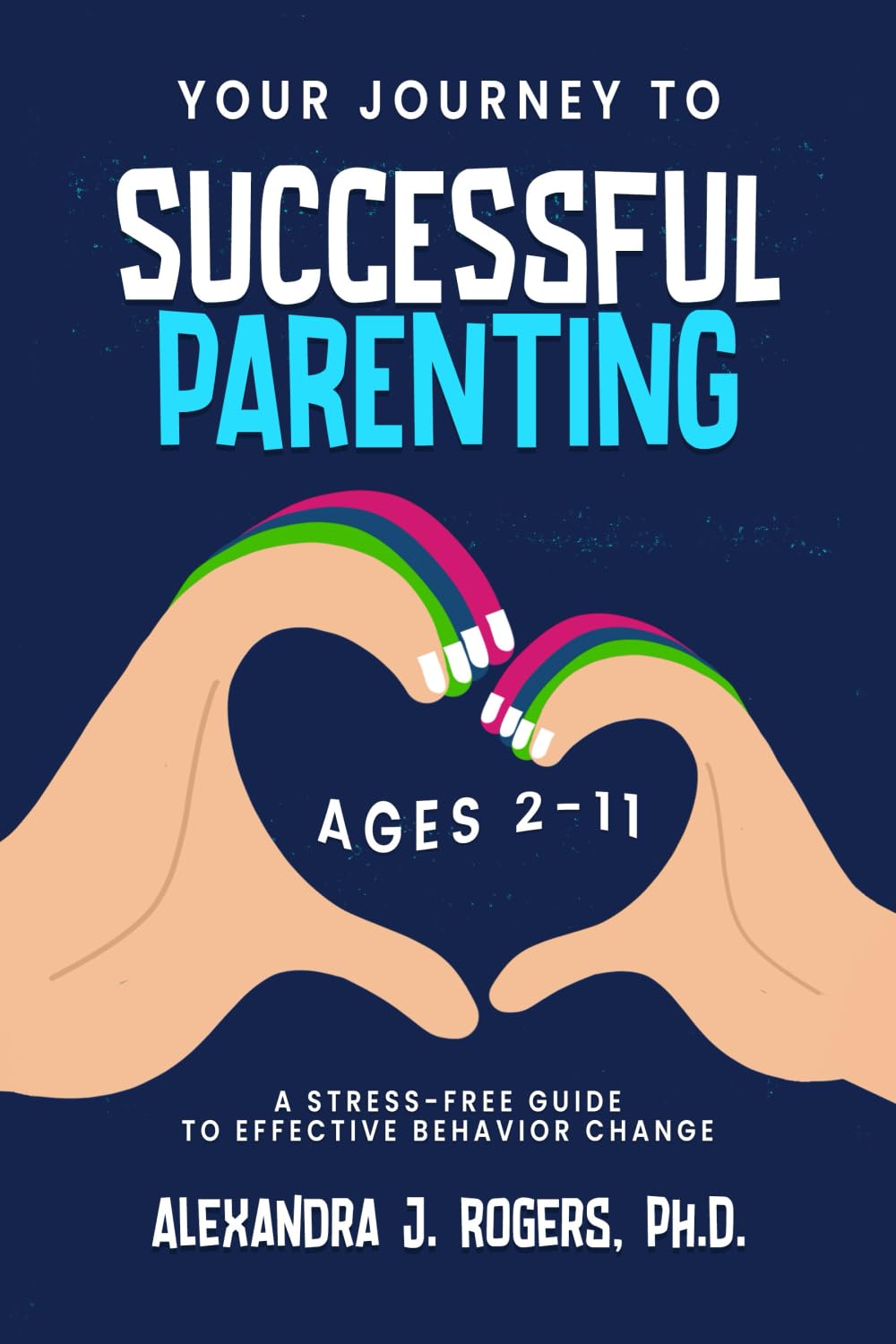

YOUR JOURNEY TO SUCCESSFUL PARENTING: AGES 2-11 A STRESS-FREE GUIDE TO EFFECTIVE BEHAVIOR CHANGE
- Health, Fitness & Dieting
- Psychology & Counseling
- Child Psychology
2. Building the Bond: Newborns to Age 2
Attachment begins before your baby can speak a single word. In the first two years, your baby's brain is forming roughly one million new neural connections per second, according to the Harvard Center on the Developing Child. The quality of your caregiving — how quickly and warmly you respond to cries, how often you make eye contact, how you narrate the world during nappy changes and feeds — literally shapes that architecture.
Serve-and-Return: The Core Mechanic
The Harvard Center on the Developing Child describes "serve and return" interactions as the foundation of healthy brain development. When your baby babbles and you babble back, when they reach for something and you name it, you are building the neural pathways for language, emotional regulation, and social connection. Miss too many of those returns consistently — due to stress, depression, or simply not knowing — and the architecture weakens.
Serve-and-return interaction shapes brain circuitry. When an adult reliably responds to a child's bids for attention, it builds the foundation for all future learning and health.
— Harvard Center on the Developing Child (2023)
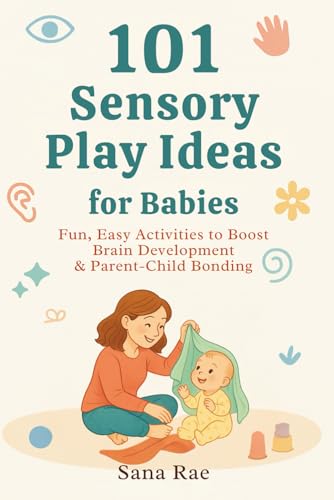
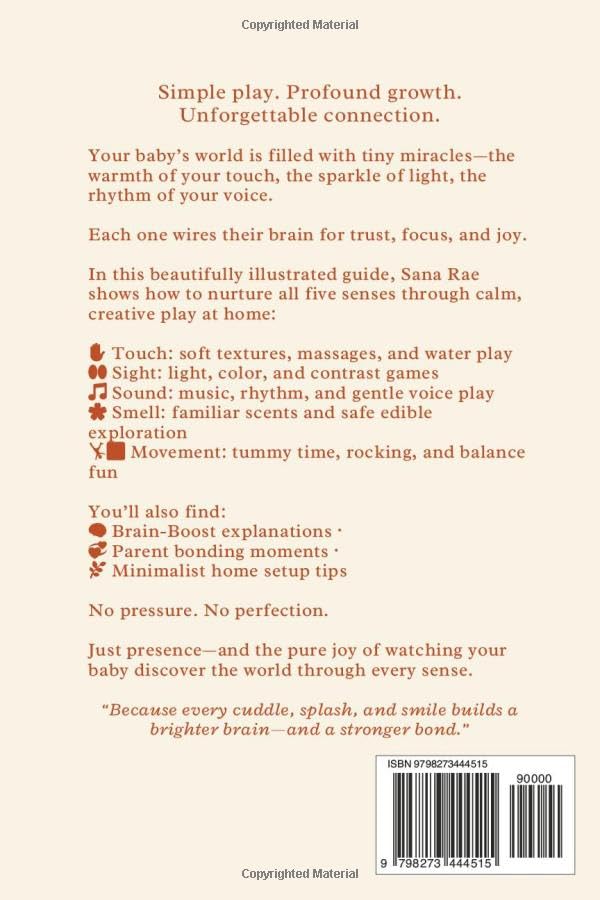

101 Sensory Play Ideas for Babies: Fun, Easy Activities to Boost Brain Development & Parent-Child Bonding (101 Parenting)
- Children's Books
- Activities, Crafts & Games
- Image Unavailable Image not available forColor:
3. Toddlers and Preschoolers (Ages 2–5): Connection Through Play
Toddlers are not small adults. Their primary language is play, and the most powerful relationship-building tool you have at this stage costs nothing: get on the floor. Child-led play — where your toddler picks the activity and you follow — communicates something profound: your world matters to me.
The American Academy of Pediatrics (AAP) published a landmark clinical report in 2018 emphasising that play is not a luxury but a developmental necessity, directly linked to executive function, creativity, and the parent-child bond.
What Child-Led Play Looks Like
- Let them direct the story during imaginative play — resist the urge to "improve" it - Narrate what you observe ("You're building a really tall tower!") - Avoid questions that feel like a quiz; try statements instead ("I wonder what happens if...") - Limit screens during dedicated play time — your undivided attention is the point



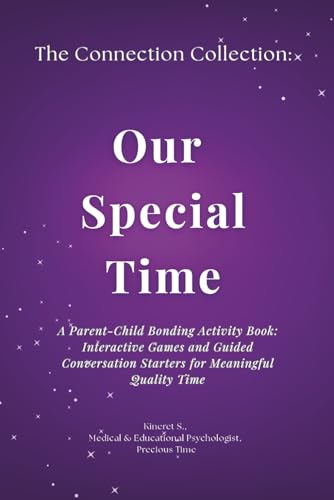
Our Special Time: A Parent-Child Bonding Activity Book: Interactive Games and Guided Conversation Starters for Meaningful Quality Time. Designed by a Child Psychologist. (The Connection Collection)
- Children's Books
- Education & Reference
- Reading & Writing
4. Middle Childhood (Ages 6–11): Staying Connected as Life Gets Busier
School age brings homework, friendships, activities, and a child who increasingly turns to peers for validation. This is healthy — but it does not mean you step back. Research consistently shows that parental warmth and involvement remain protective factors throughout middle childhood, buffering children against peer pressure, anxiety, and early risk behaviours.
Communication Strategies That Actually Work
The classic "How was school?" rarely yields more than "Fine." Try these instead:
- Specific questions: "What made you laugh today?" or "Was there anything that felt unfair?" - Side-by-side conversations: Kids this age often talk more freely in the car, on a walk, or while doing something together — not face-to-face - Curiosity over correction: When they share something concerning, lead with "Tell me more" before jumping to advice
Children who feel heard by their parents are significantly more likely to disclose problems early — giving families time to intervene before issues escalate.
— American Academy of Pediatrics (2022)
A shared journal can bridge the gap when face-to-face feels awkward. The Parent and Child Back and Forth Journal uses guided prompts that make it easier for children who find verbal sharing hard.
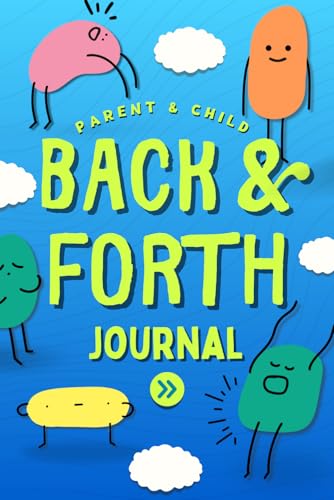
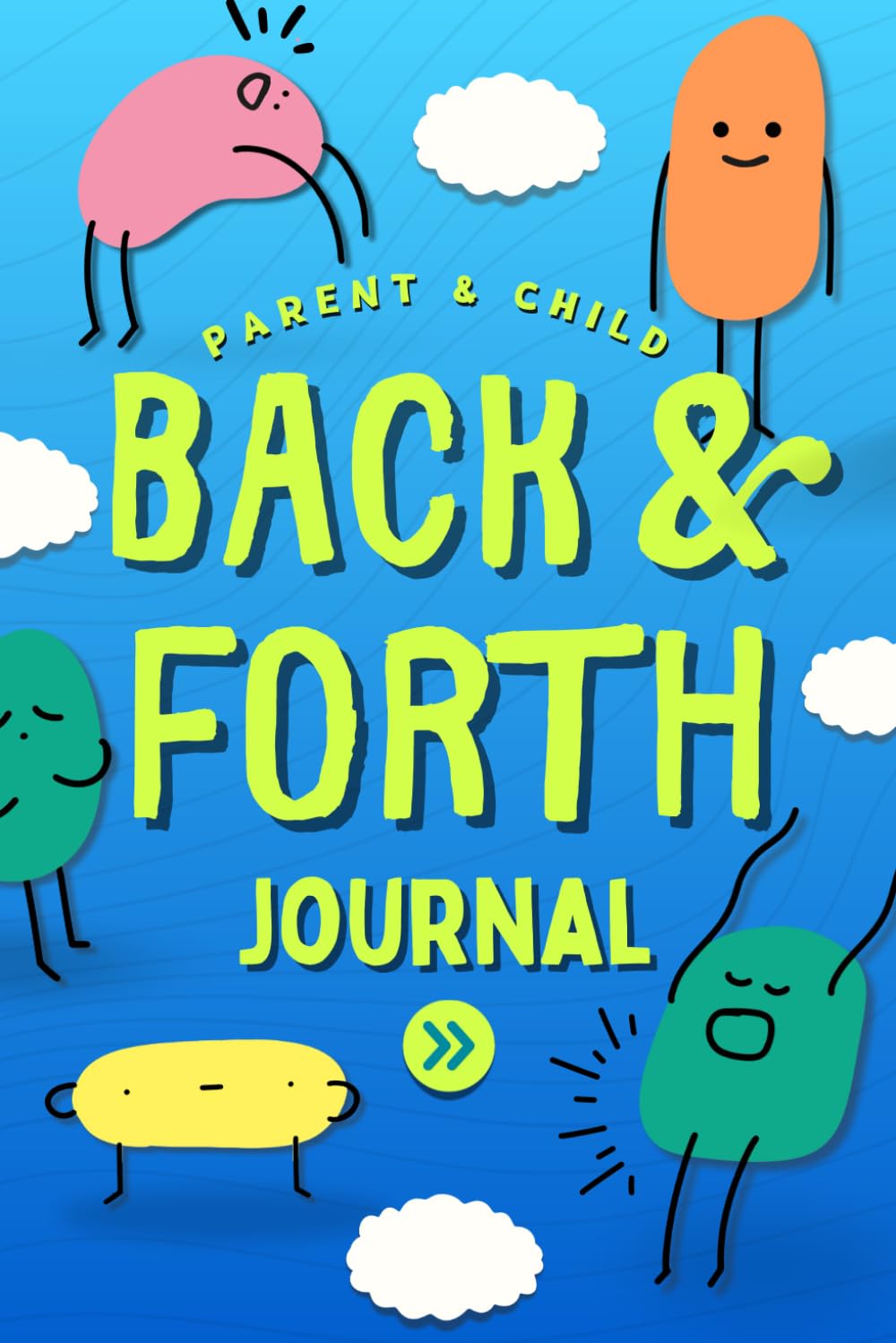


Parent and Child Back and Forth Journal: A Just Between You and Me Kid Guided Book with Unique Prompts (Family Bonding)
- Parenting & Relationships
- Family Relationships
- Stepparenting & Blended Families
5. Recognising Red Flags — and What to Do About Them
Knowing what a strong relationship looks like helps you notice when something is off. Red flags are not failures — they are signals asking for a closer look.
Warning Signs Worth Paying Attention To
- Sudden withdrawal: A previously chatty child who stops sharing anything about their life - Increased aggression or defiance: Often signals unmet emotional needs, not simply "bad behaviour" - Regression: Bedwetting, baby talk, or clinginess in a child who had moved past those stages - Persistent anxiety or sadness: Changes in sleep, appetite, or school performance that last more than two weeks - Unusual secrecy: Every child needs privacy, but secrecy driven by fear or shame is different
When you notice these signs, the first step is a calm, non-interrogative conversation. If the behaviour persists beyond two to three weeks, or if your child seems distressed, consult your paediatrician or a child psychologist.

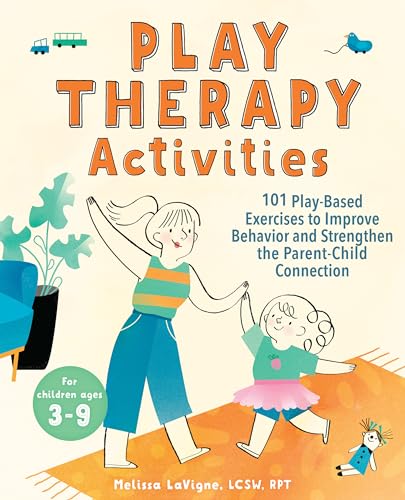
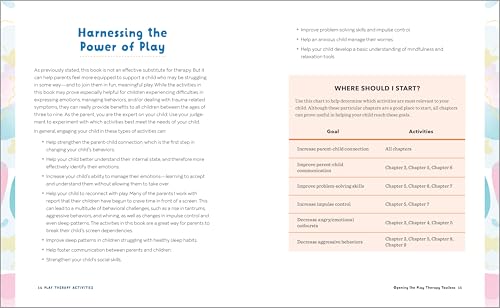

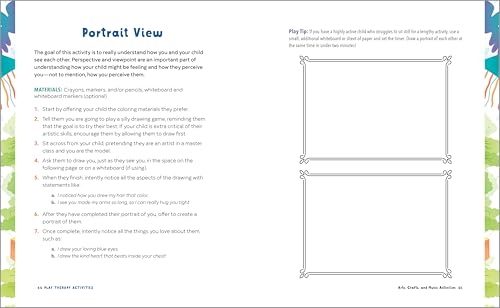
Play Therapy Activities: 101 Play-Based Exercises to Improve Behavior and Strengthen the Parent-Child Connection
- Health, Fitness & Dieting
- Psychology & Counseling
- Developmental Psychology
6. Age-by-Age Bonding: A Practical Comparison
| Age Stage | Core Need | Best Connection Strategies | Common Pitfalls | Recommended Resource |
|---|---|---|---|---|
| Newborn–12 months | Safety & predictability | Serve-and-return, skin-to-skin, narration | Overstimulation, missed cues | 101 Sensory Play Ideas for Babies |
| Toddler (1–3) | Autonomy within safety | Child-led play, consistent routines | Power struggles, over-directing play | Our Special Time Activity Book |
| Preschool (3–5) | Imagination & belonging | Storytelling, role play, shared reading | Screen substitution for togetherness | Our Special Time Activity Book |
| Middle childhood (6–11) | Competence & peer connection | Side-by-side chats, shared projects, journaling | Interrogative questioning, over-scheduling | Parent and Child Back and Forth Journal |
| Tween (10–12) | Identity & autonomy | Low-pressure one-on-one time, active listening | Lecturing, dismissing peer concerns | My First Mom and Daughter Journal |
| Across all ages | Emotional safety | Repair after conflict, consistent warmth | Inconsistency, unresolved parental stress | Your Journey to Successful Parenting |
7. Expert Insights on What Children Need Most
The relationship you are building with your child right now — through the ordinary Tuesday evenings, the difficult conversations, the moments you choose to put the phone down — is the most important work you will ever do. It does not require perfection. It requires presence, repair when things go wrong, and the willingness to keep showing up. As the research so clearly tells us: one stable, loving relationship is enough to change the trajectory of a child's life. You are already that relationship.
Save this guide, share it with a co-parent or caregiver, and revisit it as your child moves into each new stage. The connection you invest in today pays dividends for decades.
Sources & References
- Harvard Center on the Developing Child. "Serve and Return." 2023. https://developingchild.harvard.edu/science/key-concepts/serve-and-return/
- Harvard Center on the Developing Child. "Resilience." 2023. https://developingchild.harvard.edu/science/key-concepts/resilience/
- American Academy of Pediatrics. "The Power of Play: A Pediatric Role in Enhancing Development in Young Children." Pediatrics, 2018. https://doi.org/10.1542/peds.2018-2058
- American Academy of Pediatrics. "Optimizing Parent and Family Engagement." Clinical Report, 2022. https://www.aap.org
- Centers for Disease Control and Prevention. "Children's Mental Health." 2023. https://www.cdc.gov/childrensmentalhealth/data.html
- Bowlby, J. "Attachment and Loss, Vol. 1: Attachment." Basic Books, 1969.
- Ainsworth, M.D.S. et al. "Patterns of Attachment." Lawrence Erlbaum Associates, 1978.
- Brown, S. "Play: How It Shapes the Brain, Opens the Imagination, and Invigorates the Soul." Avery, 2009.
- University of Minnesota, Institute of Child Development. Research on parent-child play and long-term social outcomes. Referenced in: Sroufe, L.A. et al. "The Development of the Person." Guilford Press, 2005.
Frequently Asked Questions
How much quality time do I actually need to spend with my child each day?
My child doesn't want to talk to me anymore — is this normal?
Can a damaged parent-child relationship be repaired?
What is the difference between quality time and quantity time?
How do I stay connected with my child when I'm a working parent with very little time?
At what age should I be worried about my child's relationship with me?
Are there books or tools that can help us bond more intentionally?
Was this helpful?
Thanks — your feedback helps us pick what to write next.


