Your Baby's Brain Is Already in School (Third Trimester Neuroscience)
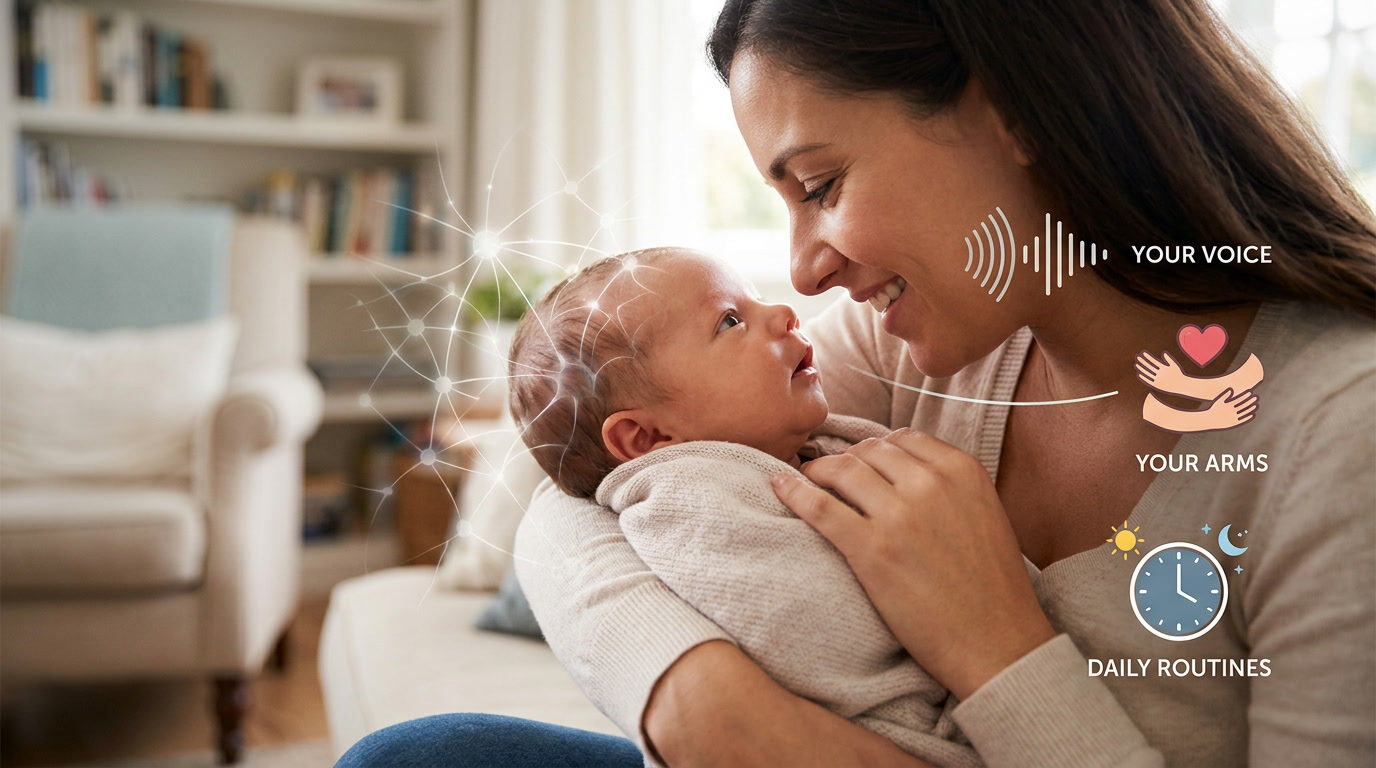
The last trimester through your baby's first three months is a critical window for brain development — and the most powerful "classroom" your newborn will ever have is your arms, your voice, and your daily routines.
In this article
You probably didn't expect to be thinking about education while you're still choosing a pram or figuring out swaddle technique. But here's a number that changes the conversation: according to the Centers for Disease Control and Prevention (CDC), the brain produces more than 1 million new neural connections every second in the first few years of life — with the steepest acceleration happening in the third trimester and the first three months after birth. The decisions you make right now — how you talk to your bump, whether you take parental leave, how you plan your return to work — are, in the most literal sense, educational decisions.
In this guide you'll understand:
1. Your Baby's Brain Is Already in School (Third Trimester Neuroscience)
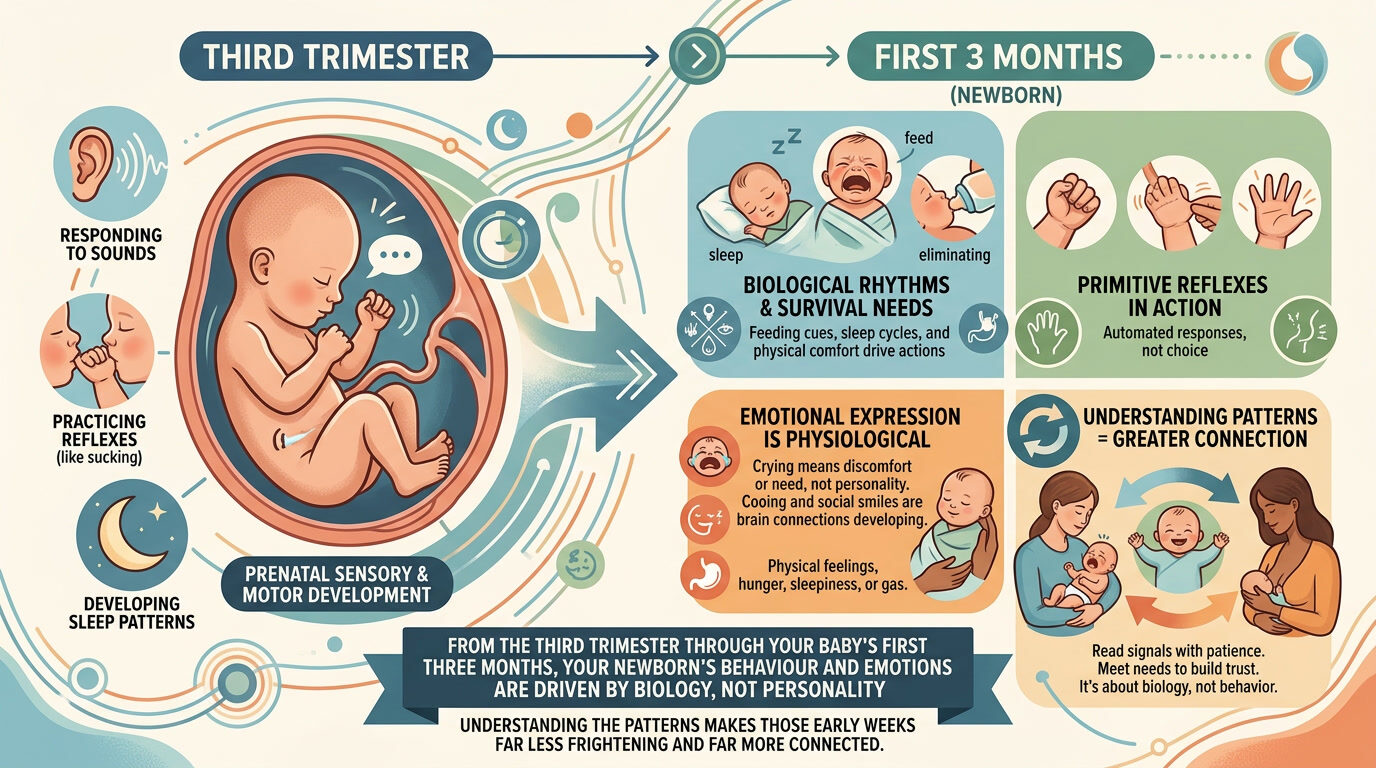
Your unborn baby is learning right now — that's not a metaphor, it's neuroscience. From around 28 weeks gestation, the fetal brain begins processing sound, rhythm, and even emotional tone from your voice and the voices of people around you.
Research published by the National Institutes of Health (NIH) confirms that fetuses can distinguish their mother's voice from other voices by the third trimester, and that newborns show a measurable preference for stories and songs heard in the womb. This is the earliest form of memory and pattern recognition — the building blocks of all future learning.
What's Actually Happening in There
Between 28 and 40 weeks, the cortex folds into its characteristic ridges (gyri and sulci), dramatically increasing surface area and processing power. Synaptic connections are forming at a breathtaking rate. Stress hormones from a mother's elevated cortisol can cross the placenta and affect this architecture — which is why managing pregnancy stress isn't just self-care, it's brain care for your baby.



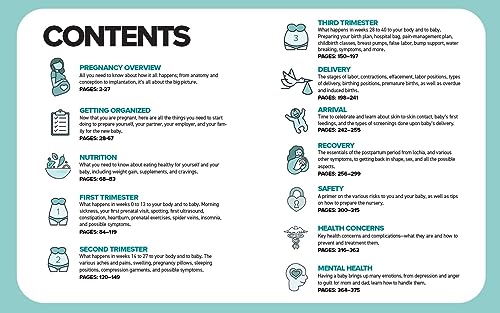

The Simplest Pregnancy Book in the World: The Illustrated, Grab-and-Do Guide for a Healthy, Happy Pregnancy and Childbirth
- Health, Fitness & Dieting
- Women's Health
- Pregnancy & Childbirth
2. The First Classroom: What "Learning" Looks Like at 0–3 Months
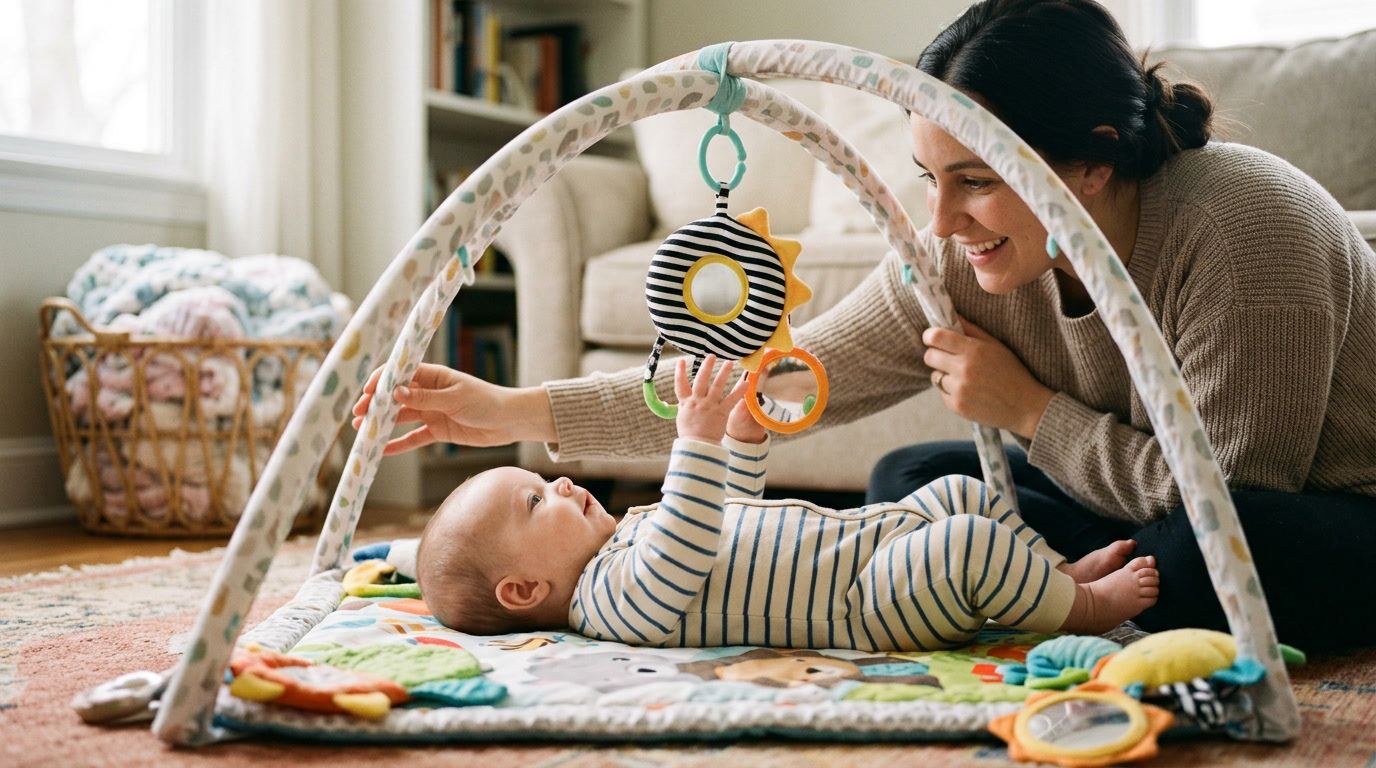
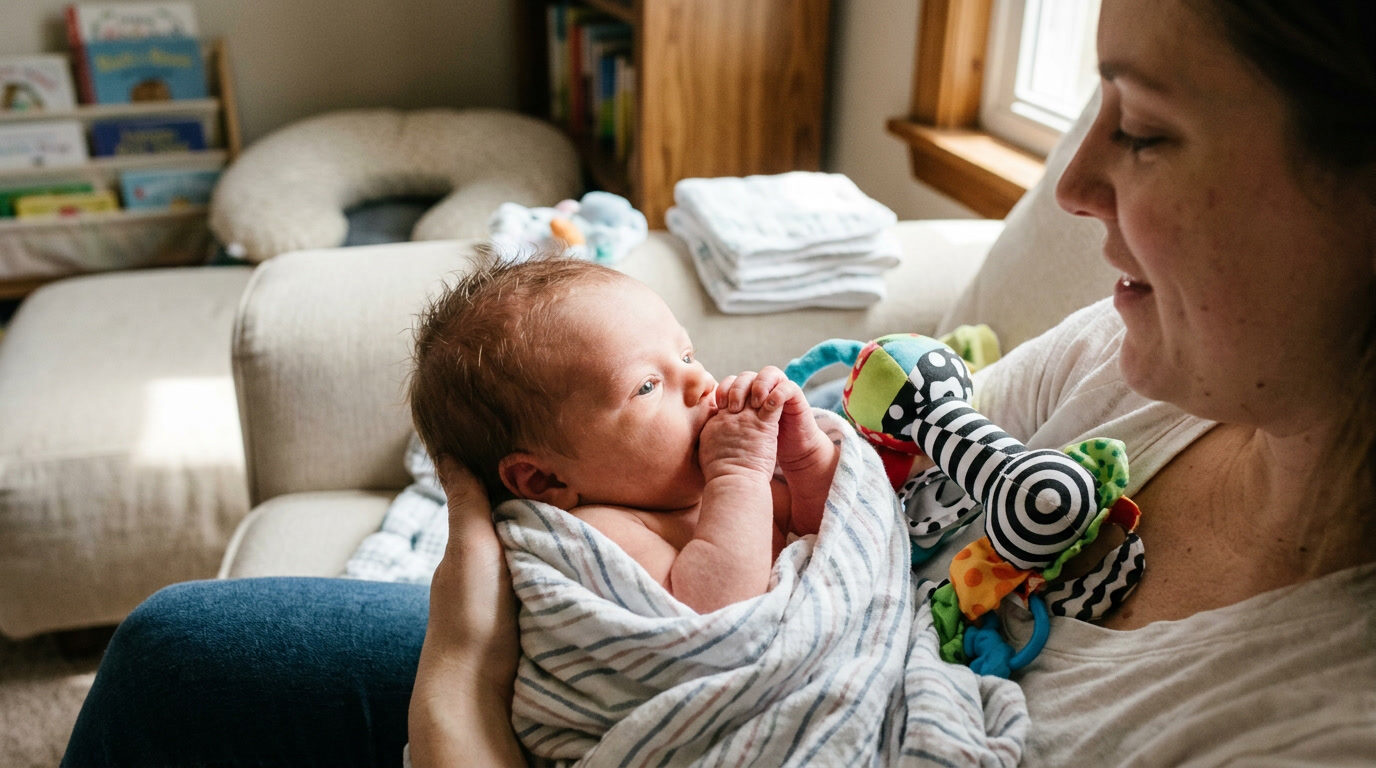
Newborn learning is not about flashcards or mobiles with Mozart — it is about serve-and-return interaction, and it begins on day one.
The Harvard Center on the Developing Child describes serve-and-return as the most important mechanism of early brain development: your baby makes a sound, a facial expression, or a movement (the "serve"), and you respond with eye contact, words, or touch (the "return"). Every exchange like this literally wires the brain for language, emotional regulation, and social cognition.
What Serve-and-Return Looks Like in Practice
- Your baby coos → you coo back and smile - Your baby turns toward a sound → you name it ("That's the dog!") - Your baby fusses → you respond promptly and warmly - Your baby makes eye contact → you hold their gaze and talk
Babies need human interaction to develop their brains. Serve-and-return interactions shape brain architecture.
— Harvard Center on the Developing Child (2023)

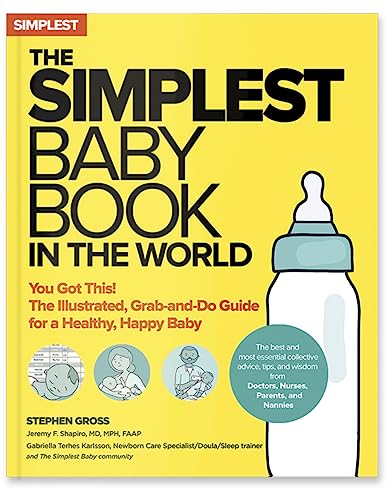
The Simplest Baby Book in the World: The Illustrated, Grab-and-Do Guide for a Healthy, Happy Baby
- Medical Books
- Internal Medicine
- Pediatrics
3. Parental Leave as an Educational Investment
The length and quality of parental leave is one of the most consequential — and least discussed — early education decisions a family makes.
Research from the OECD and multiple national health bodies consistently shows that longer parental leave (particularly for primary caregivers in the first three months) is associated with better breastfeeding rates, lower rates of postnatal depression, stronger parent-infant attachment, and improved long-term cognitive and behavioural outcomes for children.
Planning Your Leave Strategically
If you're in the third trimester, now is the time to map out your leave with precision. Consider:
1. Primary caregiver leave — ideally at least 12 weeks continuous, if financially possible 2. Partner leave — even 2–4 weeks of shared leave in the early weeks dramatically reduces parental stress and models co-caregiving 3. Phased return — a gradual return to work (3 days, then 4, then full-time) eases the transition for both parent and baby 4. Emergency back-up care plan — have at least one named back-up caregiver identified before your due date
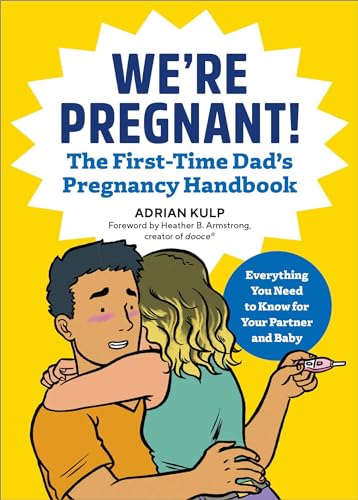


We're Pregnant! The First Time Dad's Pregnancy Handbook
- Medical Books
- Internal Medicine
- Obstetrics & Gynecology
4. Choosing Infant Childcare: What to Look for Before 3 Months
If you're returning to work before your baby is 3 months old, childcare quality becomes a direct educational variable — and not all infant care is equal.
The National Institute of Child Health and Human Development (NICHD) Study of Early Child Care — one of the largest longitudinal studies of its kind — found that the single strongest predictor of good outcomes in infant childcare was caregiver sensitivity: how quickly and warmly caregivers respond to babies' cues.
The Non-Negotiables for Under-3-Month Care
Questions to Ask on a Nursery Visit
- What is your key worker model? - How do you settle a new baby? - What is your staff-to-infant ratio and how do you maintain it at busy times? - How do you communicate with parents during the day?

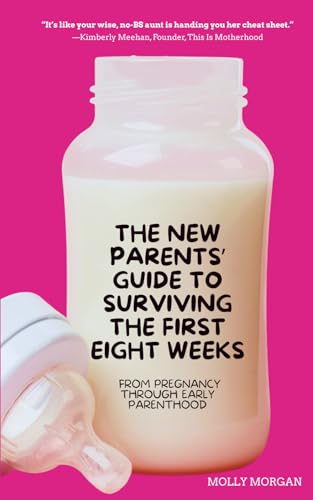
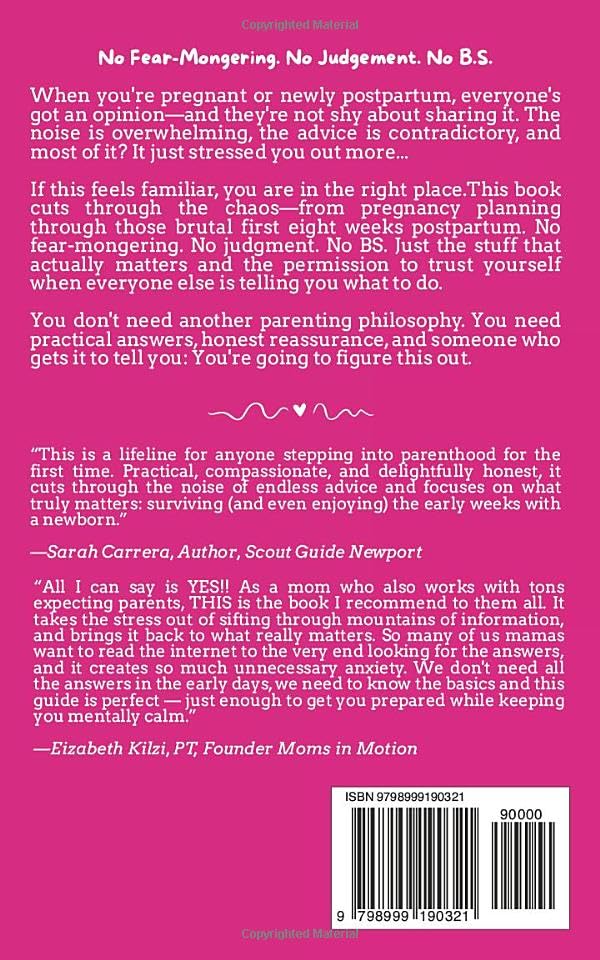
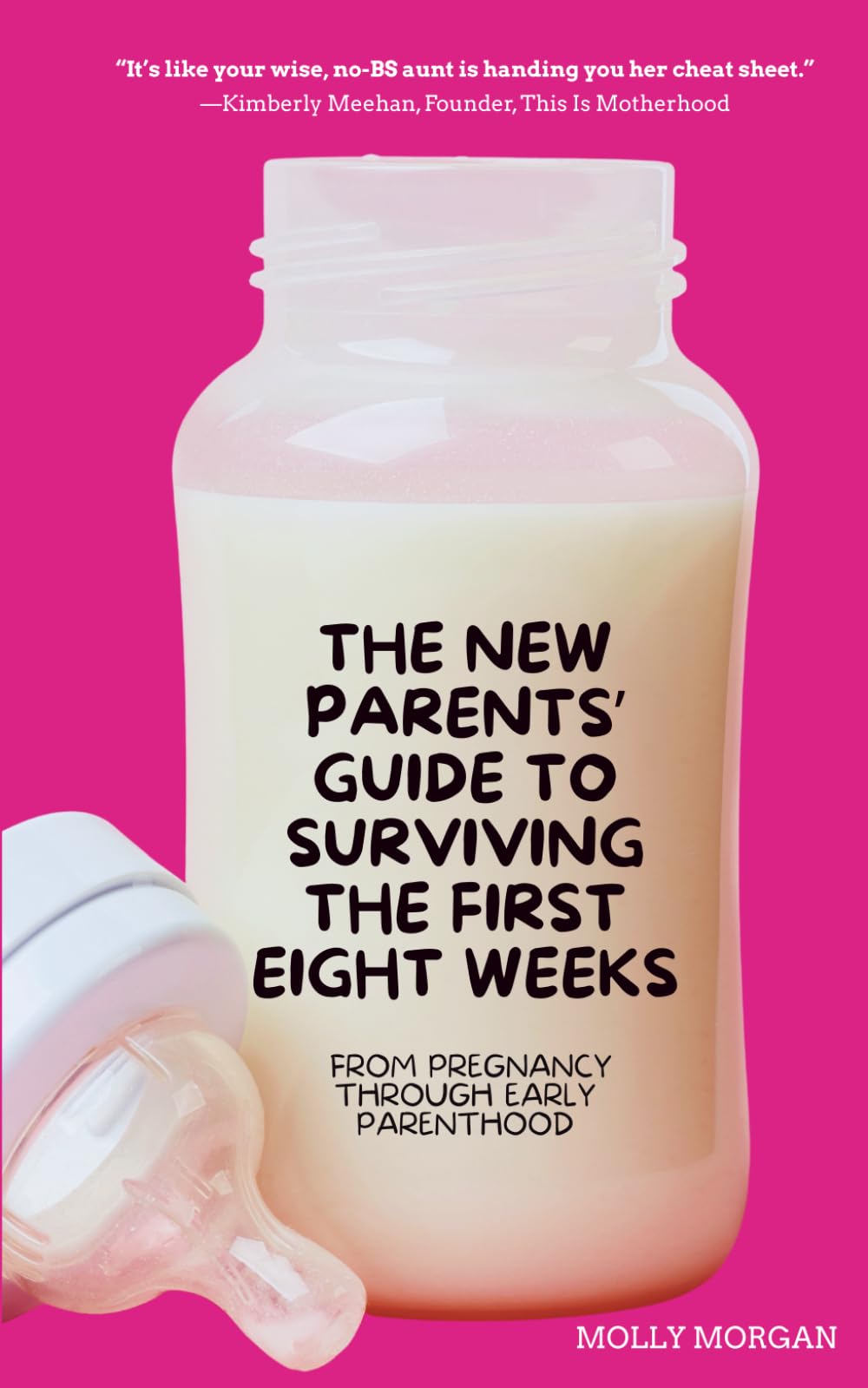
The New Parents' Guide to Surviving the First Eight Weeks: From pregnancy through those first crucial months with your newborn
- Health, Fitness & Dieting
- Women's Health
- Pregnancy & Childbirth
5. Language, Literacy, and the Talking Cure — Starting Before Birth
Reading to your bump sounds whimsical. The evidence says otherwise.
The American Academy of Pediatrics (AAP) officially recommends reading aloud to babies from birth — and their 2014 policy statement (reaffirmed in subsequent guidance) specifically notes that early shared reading builds vocabulary, early literacy skills, and parent-child attachment simultaneously. Babies who are read to from birth enter school with significantly larger vocabularies than those who are not.
How to Build a Language-Rich Environment
You don't need a library or expensive programmes. You need:
- Books with rhythm and repetition (nursery rhymes, Dr. Seuss-style texts) — rhythm is processed by the same neural circuits as language - Varied vocabulary in daily talk — describe colours, textures, actions, emotions - Songs and rhymes — singing slows speech down and emphasises phonemes, the building blocks of reading - Responsive conversation — even before your baby can talk back, pause as if waiting for a reply; this teaches conversational turn-taking
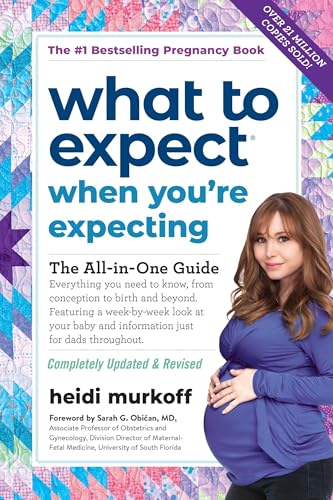
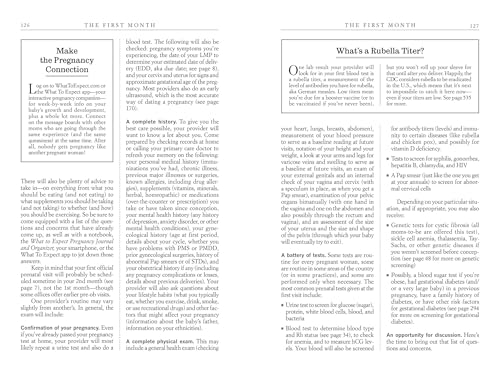
What to Expect When You're Expecting: (Updated in 2025)
- Health, Fitness & Dieting
- Women's Health
- Pregnancy & Childbirth
6. What NOT to Buy: Separating Evidence from Marketing
The "educational baby product" industry is worth billions of dollars and is largely built on parental anxiety rather than peer-reviewed research.
The AAP and the Royal College of Paediatrics and Child Health (RCPCH) are both clear: there is no evidence that infant-directed videos, "brain-building" apps, classical music programmes, or structured "baby classes" improve cognitive outcomes in babies under three months. Several studies have found that heavy use of infant-directed media may actually slow language development by reducing the time babies spend in human interaction.
What the Evidence Does Support
| Learning Approach | Best Age | Primary Benefit | Evidence Level | Recommended Resource | Approx. Cost |
|---|---|---|---|---|---|
| Serve-and-return talk | Birth–3 months | Language, attachment, emotional regulation | Strong (Harvard, AAP) | The Simplest Baby Book in the World | Free–$17 |
| Reading aloud daily | Birth onwards | Vocabulary, literacy, bonding | Strong (AAP 2014+) | What to Expect When You're Expecting | Free–$9 |
| Skin-to-skin / kangaroo care | Birth–3 months | Stress regulation, bonding, brain development | Strong (WHO) | New Parents' Guide to Surviving the First Eight Weeks | Free |
| Singing and nursery rhymes | Birth onwards | Phonological awareness, rhythm, bonding | Moderate-strong | Mayo Clinic Guide to a Healthy Pregnancy | Free |
| Structured baby classes (e.g. baby yoga) | 6 weeks+ | Social support for parent, gentle stimulation | Weak for cognition, good for parent wellbeing | We're Pregnant! First Time Dad's Handbook | $8–20/class |
| "Educational" videos/apps | Under 18 months | No proven cognitive benefit | Not supported (AAP) | — | Avoid |
Expert Insights
Frequently Asked Questions
Conclusion
The pressure to "do education right" from the very beginning is real — and the baby product industry works hard to amplify it. But the science is quietly reassuring: what your baby needs most in these first extraordinary months is not a programme, a product, or a playlist. It's you — your voice, your warmth, your consistent presence, and your willingness to respond. Every nappy change narrated, every feed accompanied by a song, every cry answered promptly is a lesson in language, trust, and the safety of the world.
The best thing you can do right now is put down the catalogue, pick up your baby, and talk to them. That is the curriculum.
If this guide helped you think differently about your baby's earliest learning, save it, share it with your co-parent, or pass it to a friend who's expecting — it might be the most useful thing they read this trimester.
Sources & References
- Centers for Disease Control and Prevention (CDC). "Early Brain Development and Health." 2023. https://www.cdc.gov/ncbddd/childdevelopment/early-brain-development.html
- National Institutes of Health (NIH). "Fetal hearing and voice recognition." National Institute on Deafness and Other Communication Disorders. 2022.
- Harvard Center on the Developing Child. "Serve and Return Interaction Shapes Brain Circuitry." 2023. https://developingchild.harvard.edu/science/key-concepts/serve-and-return/
- American Academy of Pediatrics (AAP). "Literacy Promotion: An Essential Component of Primary Care Pediatric Practice." Pediatrics, 2014. https://publications.aap.org/pediatrics/article/134/2/404/75533
- American Academy of Pediatrics (AAP). "American Academy of Pediatrics Announces New Recommendations for Children's Media Use." 2016. https://www.aap.org/en/news-room/news-releases/aap/2016/aap-announces-new-recommendations-for-media-use/
- NICHD Early Child Care Research Network. "Child Care and Child Development: Results from the NICHD Study of Early Child Care and Youth Development." 2005. Guilford Press.
- OECD. "Starting Strong: Early Childhood Education and Care." 2023. https://www.oecd.org/education/school/startingstrong.htm
- World Health Organization (WHO). "WHO Recommendations on Newborn Health." 2022. https://www.who.int/publications/i/item/9789240036215
- LENA Foundation. "The Power of Talk." 2023. https://www.lena.org/the-power-of-talk/
- Royal College of Paediatrics and Child Health (RCPCH). "The health impacts of screen time: a guide for clinicians and parents." 2019. https://www.rcpch.ac.uk/resources/health-impacts-screen-time-guide-clinicians-parents
- Shonkoff, Jack P., and Deborah A. Phillips (eds.). "From Neurons to Neighborhoods: The Science of Early Childhood Development." National Academy Press, 2000.
Frequently Asked Questions
When should I start talking to my baby?
Do I need to enrol my baby in classes or programmes before 3 months?
What is the best age to start reading to my baby?
How long should parental leave be for the best developmental outcomes?
Are baby Mozart or classical music programmes worth it?
What should I look for in a nursery for a very young baby?
Can too much stimulation harm my newborn?
Was this helpful?
Thanks — your feedback helps us pick what to write next.