50 Parenting Tips for Raising Happy, Confident, and Grounded Kids
Raising happy, well-adjusted children across every age comes down to a handful of consistent habits: secure attachment, clear boundaries, open communication, and age-appropriate autonomy — all backed by decades of developmental research.

In this article
Parenting is one of the few jobs where the stakes are enormous and the training is almost entirely on-the-job. According to the American Academy of Pediatrics (AAP), the quality of early parent-child relationships is the single strongest predictor of a child's social, emotional, and cognitive outcomes. Yet most parents receive no formal preparation before taking a newborn home.
This guide distils 50 research-informed tips into six age-banded pillars so you can skip straight to what fits your family right now. Whether you are soothing a colicky newborn at 3 a.m. or negotiating a curfew with a sixteen-year-old, you will find:
Ready? Let us start from the very beginning.
1. The Foundation Years (0–2): Attachment Is Everything
Secure attachment, formed in the first two years, is the single most powerful investment you will make in your child's future.
The AAP's 2024 policy statement on early brain development confirms that responsive caregiving in infancy literally shapes neural architecture — specifically the circuits governing stress regulation, empathy, and learning. When a caregiver consistently responds to a baby's cues, the baby's brain learns: "The world is safe, and I can communicate my needs."
Newborn tips (0–6 months)
Infant tips (6–24 months)
Understanding how your baby develops in the womb and early infancy can deepen your instincts for what they need; your baby's early physical milestones are a useful companion read to this section.
Positive Discipline: The First Three Years, Revised and Updated Edition: From Infant to Toddler--Laying the Foundation for Raising a Capable, Confident
- Health, Fitness & Dieting
- Psychology & Counseling
- Child Psychology
2. Toddler and Preschool Years (2–5): Boundaries With Warmth
Toddlers are not defiant — they are developmentally driven to test limits, and your job is to make those limits clear without crushing their emerging sense of self.
Research by developmental psychologist Diana Baumrind, replicated dozens of times since, consistently shows that authoritative parenting (high warmth + high structure) produces the best outcomes across almost every measure: academic achievement, mental health, self-regulation, and peer relationships. Authoritative is not the same as authoritarian — it means you hold firm on the boundary while remaining emotionally connected.
Setting limits that actually work
Encouraging early independence
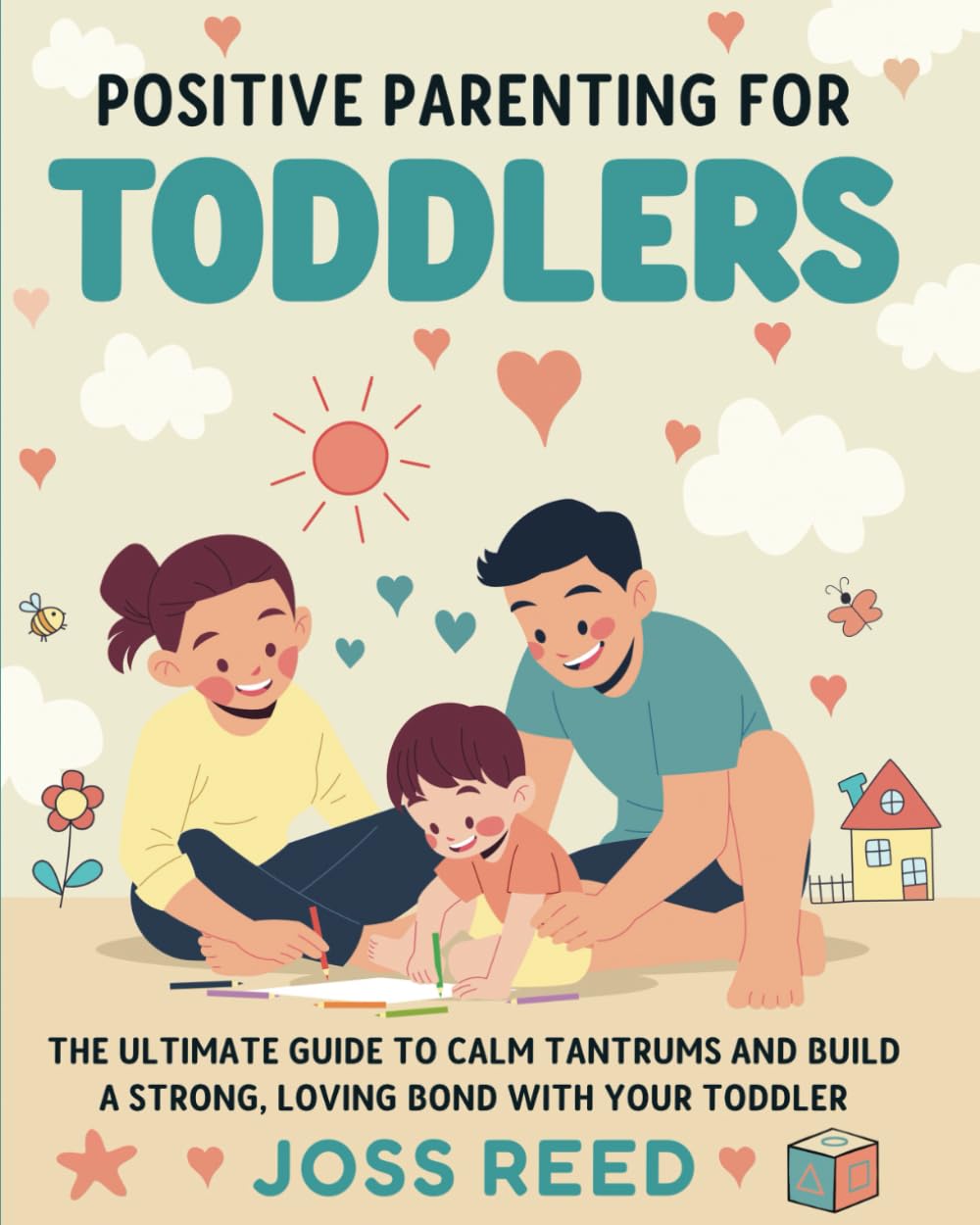
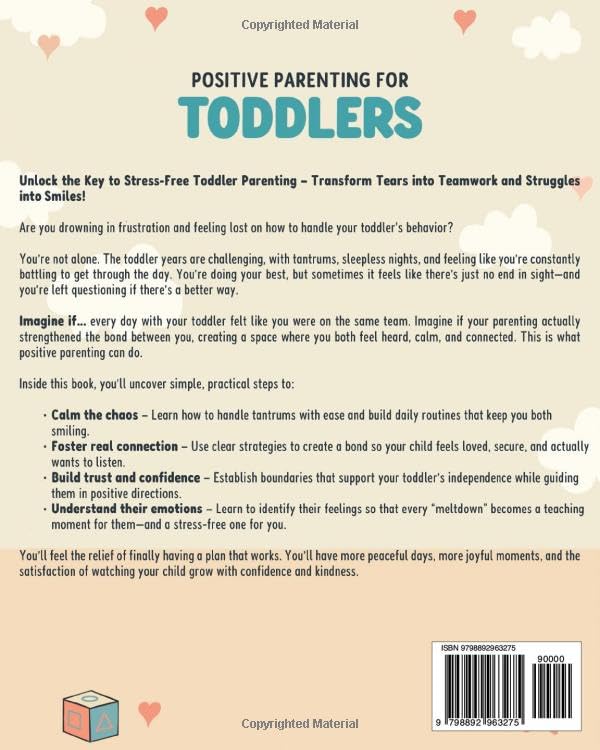
Positive Parenting for Toddlers: The Ultimate Guide to Calm Tantrums and Build a Strong, Loving Bond with Your Toddler (Toddler Skill-Building)
- Parenting & Relationships
- Early Childhood
- Image Unavailable Image not available forColor:
3. Early School Age (5–8): Building Competence and Character
Between five and eight, children are hungry to feel capable, and your biggest lever is how you respond to their mistakes.
This is the stage developmental psychologist Erik Erikson called "industry versus inferiority" — children who receive consistent encouragement for their effort build a deep sense of competence, while those who face constant criticism or comparison develop a sense of inadequacy that can follow them into adulthood.
Tips for school-readiness and confidence
Discipline that builds self-regulation
4. The Middle Years (8–12): Autonomy, Peers, and Screen Time
At this stage, peers begin to rival parents as the dominant social influence, and your role shifts from director to consultant.
That shift can feel threatening, but it is exactly the right developmental trajectory. The goal now is to keep the relationship strong enough that your child still comes to you when things get hard — and that requires active listening skills that many parents have never been explicitly taught.
Staying connected as kids pull away
Managing screen time effectively
Simply setting time limits rarely works alone. Screens fill an emotional need, and until you understand what that need is, the limit becomes a battle. Why screen limits often backfire without the right infrastructure explains the structural changes that make boundaries stick.

The Whole-Brain Child: 12 Revolutionary Strategies to Nurture Your Child's Developing Mind
- Health, Fitness & Dieting
- Psychology & Counseling
- Child Psychology
5. Emotional Intelligence Across All Ages: The Core Skill Nobody Teaches
Emotional intelligence (EQ) predicts career success, relationship quality, and mental health more reliably than IQ, according to a landmark longitudinal analysis by researchers at Penn State and Duke University published in the American Journal of Public Health (2015).
The good news: EQ is a learnable skill, and parents are the primary teachers.
Building emotional vocabulary
Teaching empathy
The key to raising emotionally healthy children is not protecting them from difficult emotions but teaching them to process those emotions effectively.
— Daniel J. Siegel, MD, UCLA Mindful Awareness Research Center (2012)
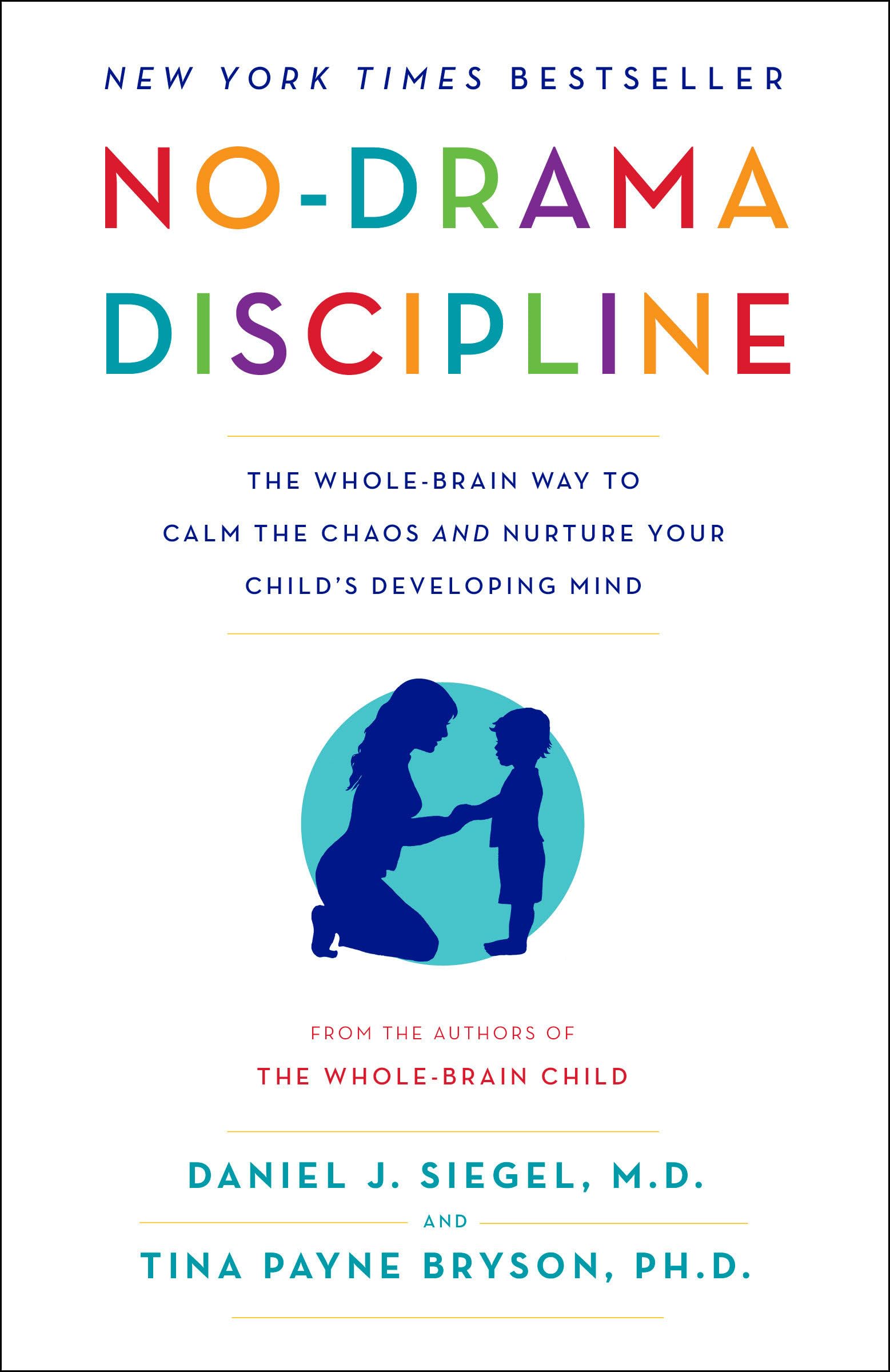
No-Drama Discipline: The Whole-Brain Way to Calm the Chaos and Nurture Your Child's Developing Mind
- Health, Fitness & Dieting
- Psychology & Counseling
- Child Psychology
Practising mindful parenting approaches alongside these emotional-vocabulary tools creates a powerful combination for raising self-aware, resilient children.
6. The Teen Years (12–17): Relationship Over Rules
Your most important parenting tool in adolescence is the quality of your relationship, not the strictness of your rules.
Neuroscience confirms the teenage brain is undergoing its second most dramatic rewiring phase (after infancy). The prefrontal cortex — responsible for risk assessment and impulse control — is not fully mature until the mid-twenties. This is not misbehaviour; it is biology.
Keeping communication open
Natural consequences and responsibility
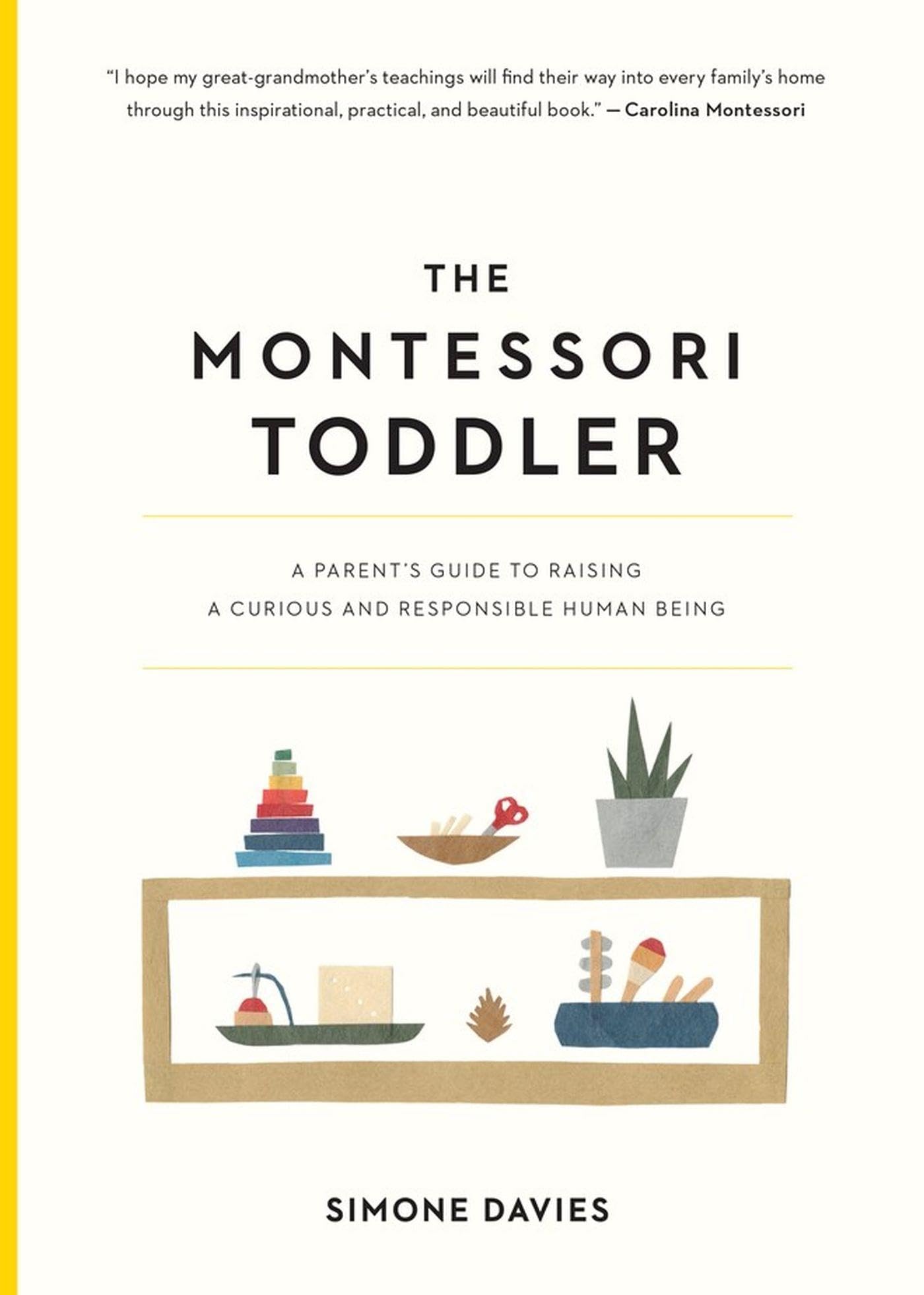
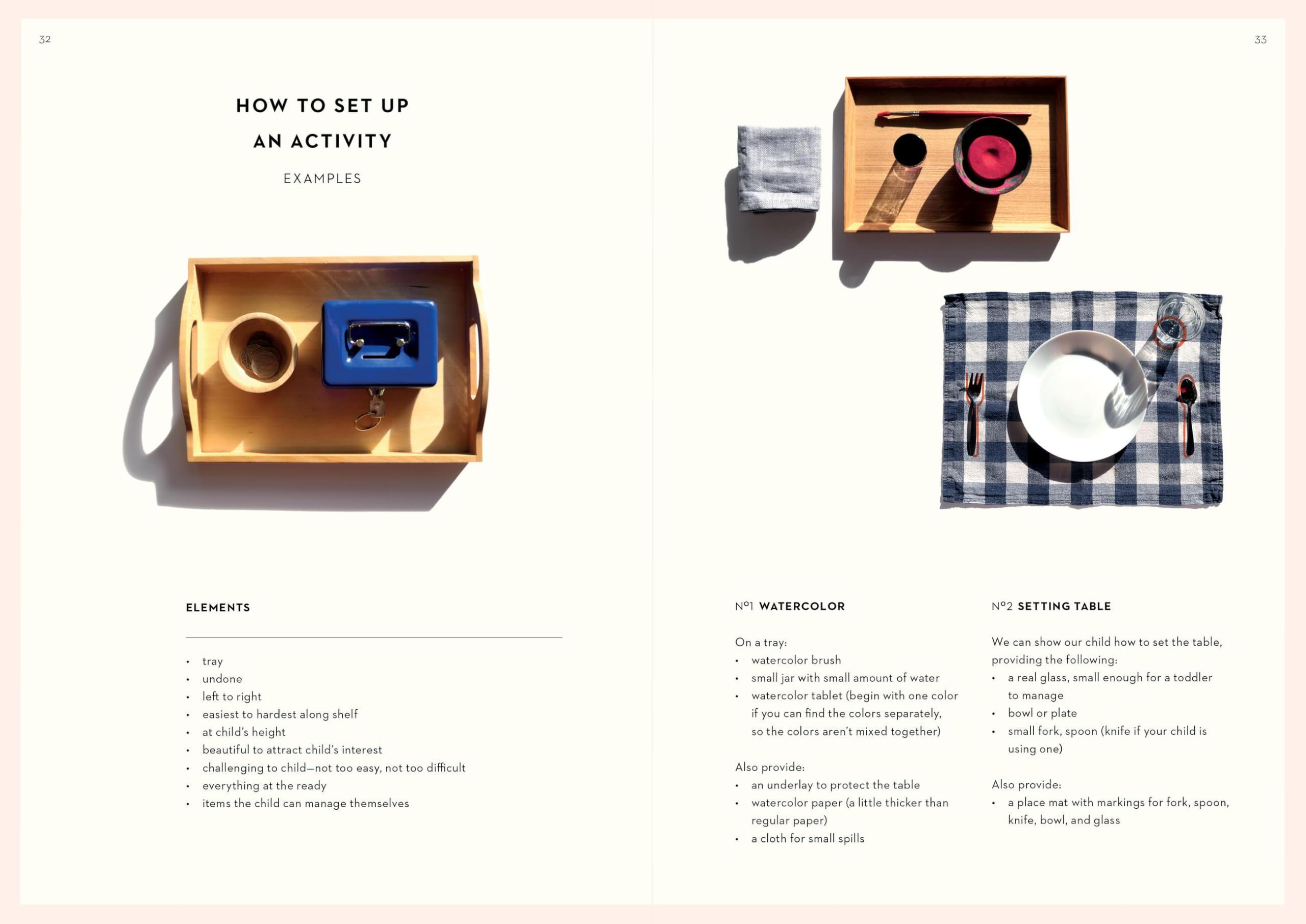
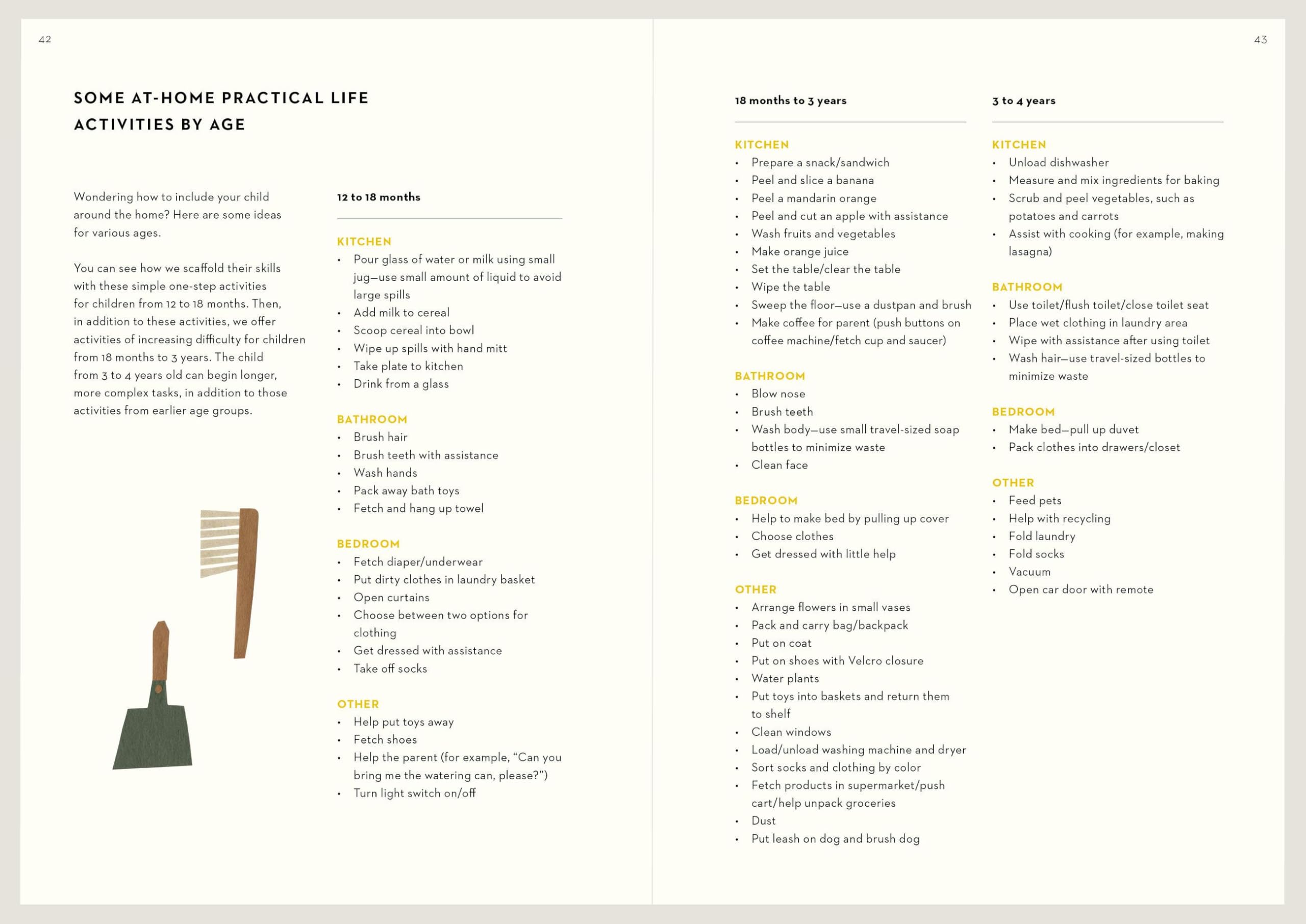
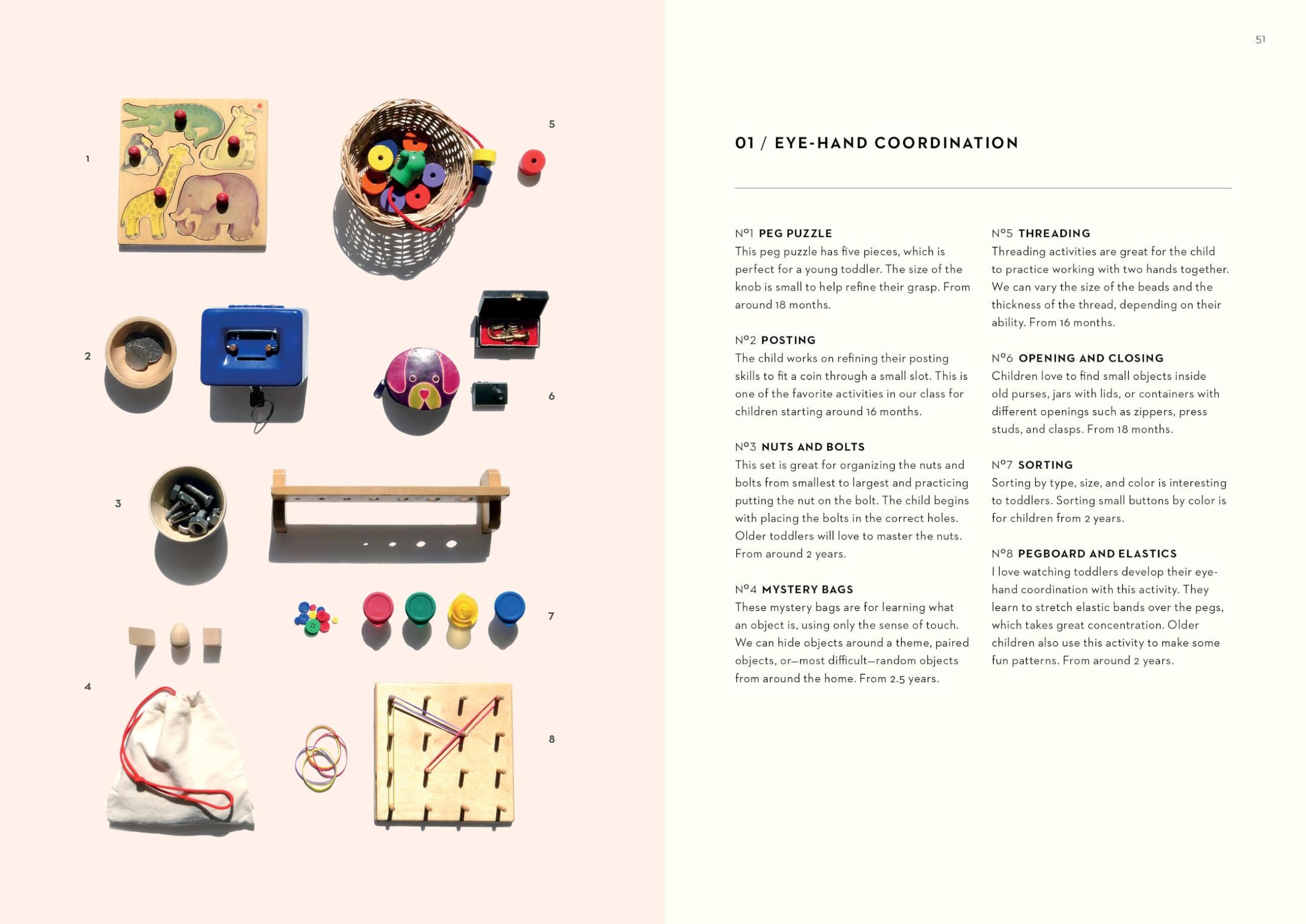
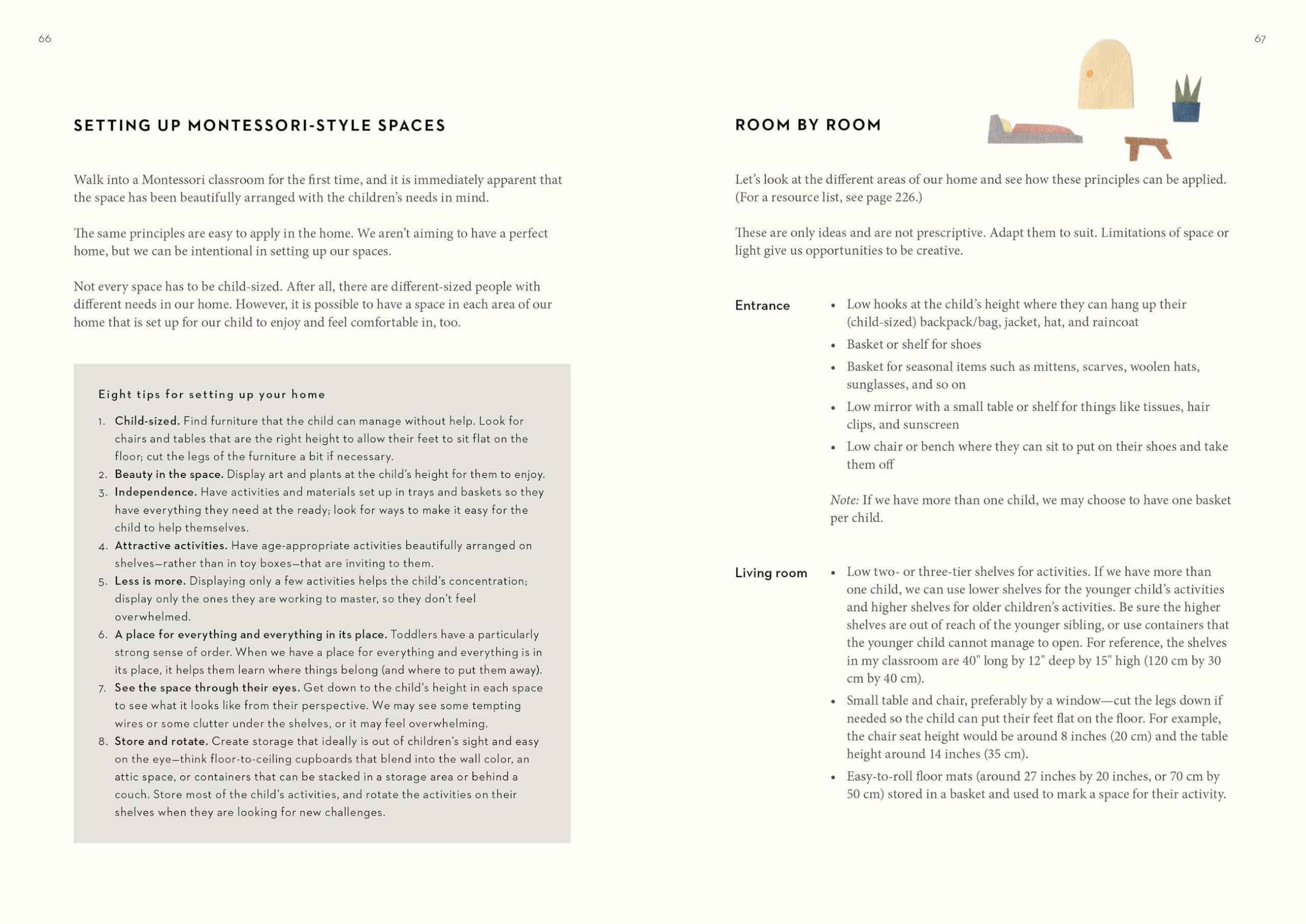
The Montessori Toddler: A Parent's Guide to Raising a Curious and Responsible Human Being (The Parents' Guide to Montessori, 1)
- Parenting & Relationships
- Early Childhood
- Image Unavailable Image not available forColor:
Parenting Approaches Compared: Which Style Fits Your Goal?
| Parenting Approach | Best Age Range | Core Strength | Main Risk | Recommended Resource | Price Range |
|---|---|---|---|---|---|
| Authoritative (warm + structured) | All ages | Best long-term outcomes across all measures | Requires consistent emotional energy | Positive Discipline | $8 |
| Montessori-informed | 0–6 years | Builds deep independence and intrinsic motivation | Requires environmental preparation | The Montessori Toddler | $11 |
| Whole-Brain approach | 2–12 years | Bridges emotion and logic; reduces power struggles | Learning curve for parents | The Whole-Brain Child | $10 |
| 1-2-3 Magic method | 2–12 years | Simple, calm, effective for oppositional behaviour | Less focus on emotional co-regulation | 1-2-3 Magic | $10 |
| No-Drama Discipline | 2–10 years | Combines empathy with firm limits; brain-based | More time-intensive than punitive approaches | No-Drama Discipline | $14 |
| Positive Parenting (toddler focus) | 1–4 years | Builds loving bond while reducing tantrums | Requires daily practice | Positive Parenting for Toddlers | varies |
Expert Insights
Raising a happy, strong, and grounded child is not about executing a perfect strategy. It is about showing up consistently, repairing when you fall short, and never letting your child doubt that the relationship is safe. Every single tip in this guide is in service of that one thing. The research is remarkably consistent: children who feel securely loved and clearly guided become the resilient, kind, capable adults the world needs.
Save this guide, share it with a co-parent or caregiver, and come back to it as your child moves through stages. The best parenting tool you own is your continued curiosity about who your child is becoming.
Sources & References
- American Academy of Pediatrics. "Early Brain and Child Development." 2024. https://www.aap.org/en/patient-care/early-brain-and-child-development/
- American Academy of Pediatrics. "Media and Young Minds." Pediatrics, 138(5), 2016. https://doi.org/10.1542/peds.2016-2591
- Baumrind, D. "Child care practices anteceding three patterns of preschool behavior." Genetic Psychology Monographs, 75(1), 43–88. 1967.
- Dweck, C.S. Mindset: The New Psychology of Success. Random House. 2006.
- Hale, L., et al. "Youth Screen Media Habits and Sleep." Sleep Medicine Clinics, 13(2), 2018. https://doi.org/10.1016/j.jsmc.2018.02.002
- Kieling, C., et al. "Child and adolescent mental health worldwide: evidence for action." The Lancet, 378(9801), 1515–1525. 2011.
- Shonkoff, J.P., & Garner, A.S. "The lifelong effects of early childhood adversity and toxic stress." Pediatrics, 129(1), 2012. https://doi.org/10.1542/peds.2011-2663
- Siegel, D.J., & Bryson, T.P. The Whole-Brain Child. Delacorte Press. 2011.
- Steinberg, L. "We Know Some Things: Parent-Adolescent Relationships in Retrospect and Prospect." Journal of Research on Adolescence, 11(1), 1–19. 2001.
- Taylor, R.D., et al. "Promoting Positive Youth Development Through School-Based Social and Emotional Learning Interventions." Child Development, 88(1), 2017. https://doi.org/10.1111/cdev.12864
- WHO. "Guidelines on physical activity, sedentary behaviour and sleep for children under 5 years of age." World Health Organization. 2019.
Frequently Asked Questions
How do I discipline a child without yelling?
What is the most important thing I can do for my child's development?
How much screen time is appropriate for children?
How do I raise a child who is both independent and respectful?
My child has tantrums at age seven. Is that normal?
How do I talk to my teenager without arguments?
Does praising my child too much cause problems?
Was this helpful?
Thanks — your feedback helps us pick what to write next.