Social and Emotional Learning: Raising Empathetic, Resilient Kids
Social and emotional learning (SEL) gives children the skills to understand their own feelings, build real relationships, and make thoughtful choices — and decades of research show it improves both mental health and academic outcomes across every age group.
In this article
Here is a number that should stop you mid-scroll: a landmark meta-analysis of 213 school-based SEL programmes, covering more than 270,000 students, found that children who received SEL instruction scored an average of 11 percentile points higher on academic achievement tests than those who did not (CASEL, Durlak et al., 2011). That is not a marginal gain. And the benefits extended well beyond grades — reduced anxiety, fewer behaviour problems, stronger friendships.
But SEL does not live only in classrooms. It starts at home, sometimes before a child can even talk. This guide will walk you through what social and emotional learning actually is, why it matters at each stage of childhood, and what you can do today to nurture it.
In this article you will understand:
1. What Social and Emotional Learning Actually Means
SEL is the process through which children learn to recognise and manage their own emotions, understand the feelings of others, build healthy relationships, and make thoughtful decisions. The Collaborative for Academic, Social, and Emotional Learning (CASEL) organises this into five core competencies that work together rather than in isolation.
The five CASEL competencies
Self awareness means a child can name what they are feeling and understand why. A five year old who says "I'm angry because you turned off my show" is demonstrating early self awareness. That sounds simple, but it requires real cognitive work.
Self management is the ability to regulate those feelings rather than be controlled by them. This is the skill behind waiting your turn, calming down before hitting, and persisting when a task is hard.
Social awareness means reading the room: understanding how others feel, recognising fairness and unfairness, and appreciating that people come from different backgrounds with different experiences.
Relationship skills cover communication, listening, compromise, conflict resolution, and the ability to ask for help.
Responsible decision making means thinking through the consequences of your choices before you make them — weighing options, considering others, and acting in line with your values.
If you want to go deeper on the neuroscience behind why some children find these skills harder than others, the piece on why toddler emotions are so intense explains the brain architecture underneath the meltdowns.

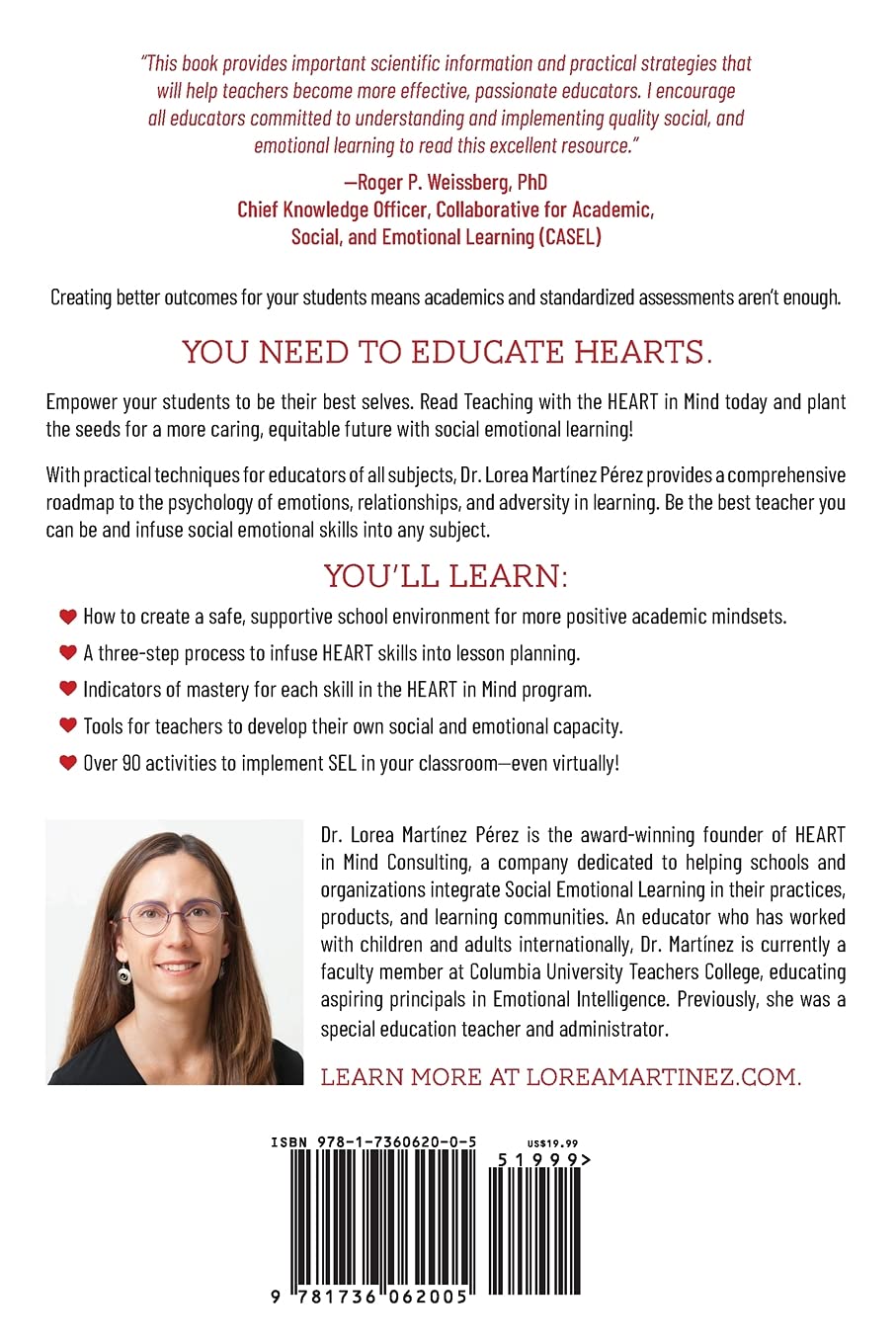
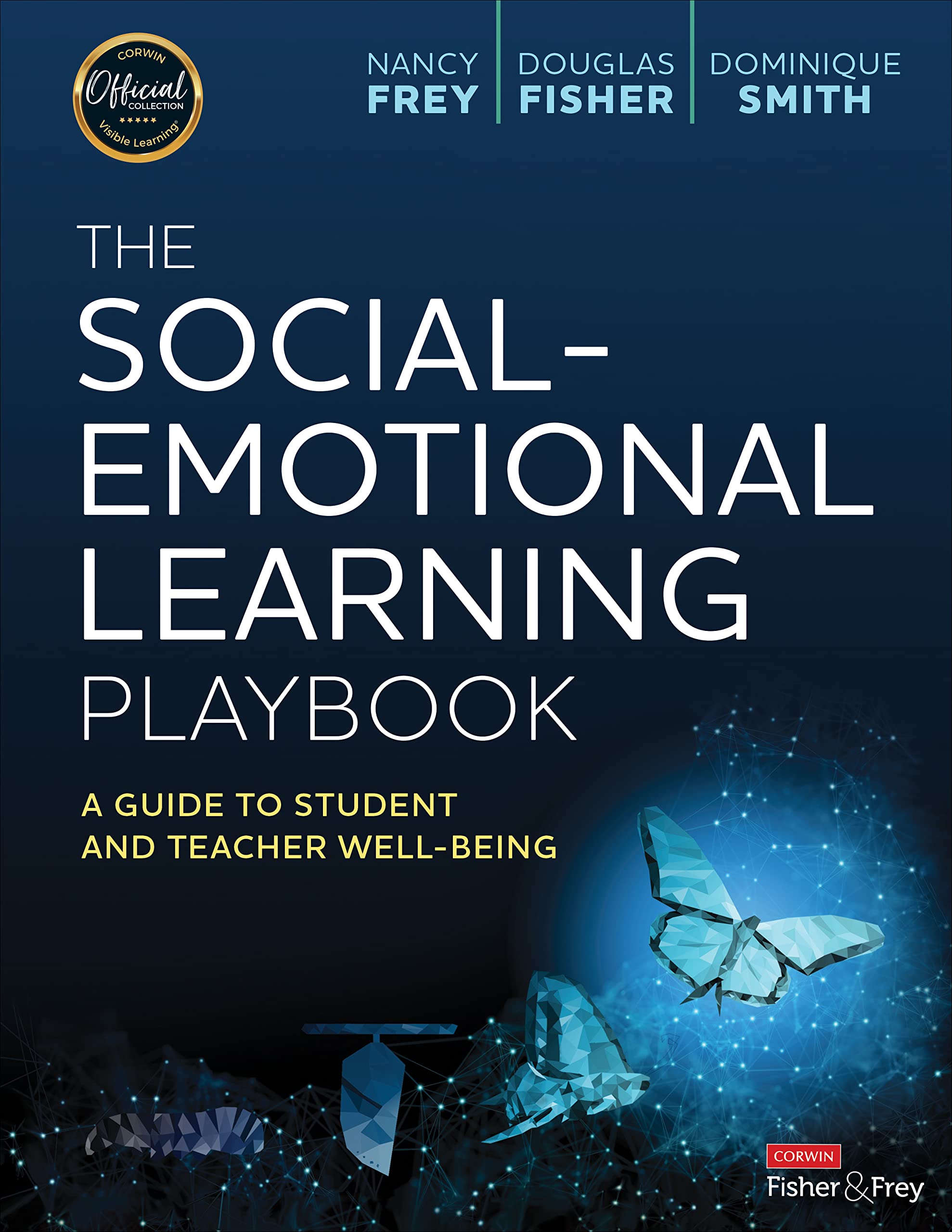
Teaching with the HEART in Mind: A Complete Educator's Guide to Social Emotional Learning
- Education & Teaching
- Schools & Teaching
- Education Theory
2. SEL From Birth to Age 2 — The Foundation Years
Emotional learning begins before a child can speak. Research from developmental psychology shows that the emotional attunement between a caregiver and infant in the first year of life directly shapes the neural pathways that will govern emotion regulation for decades.
When you respond consistently to a baby's cries, you are not "spoiling" them. You are teaching their nervous system that the world is a safe, responsive place. That felt sense of safety is the biological foundation on which all later SEL competencies are built.
What this looks like in practice
- Mirror your baby's expressions back to them: smile when they smile, use a soft worried tone when they look distressed - Name emotions out loud: "You're frustrated, aren't you? That toy is tricky." - Maintain eye contact during feeding and play — this activates the social brain circuits developing at pace during the first twelve months - Respond to distress promptly and calmly; your regulated nervous system helps regulate theirs
For a month by month view of what to expect emotionally in the first year, the baby emotional milestones guide is a useful companion to this section.
3. Ages 3 to 7 — Big Feelings, Small Brains, Enormous Opportunity
The preschool and early school years are the richest window for SEL development. Children this age are intensely curious about social life — why someone is crying, whether something is fair, why they feel excited. At the same time, the prefrontal cortex, the brain's braking system, is still very much under construction.
This mismatch between emotional intensity and regulatory capacity is not a behavioural problem. It is normal neurodevelopment.
Children do well if they can. If they're not doing well, something is getting in the way — and it's our job to figure out what that is.
— Ross W. Greene, PhD, originator of the Collaborative Problem Solving model
What SEL support looks like at this age
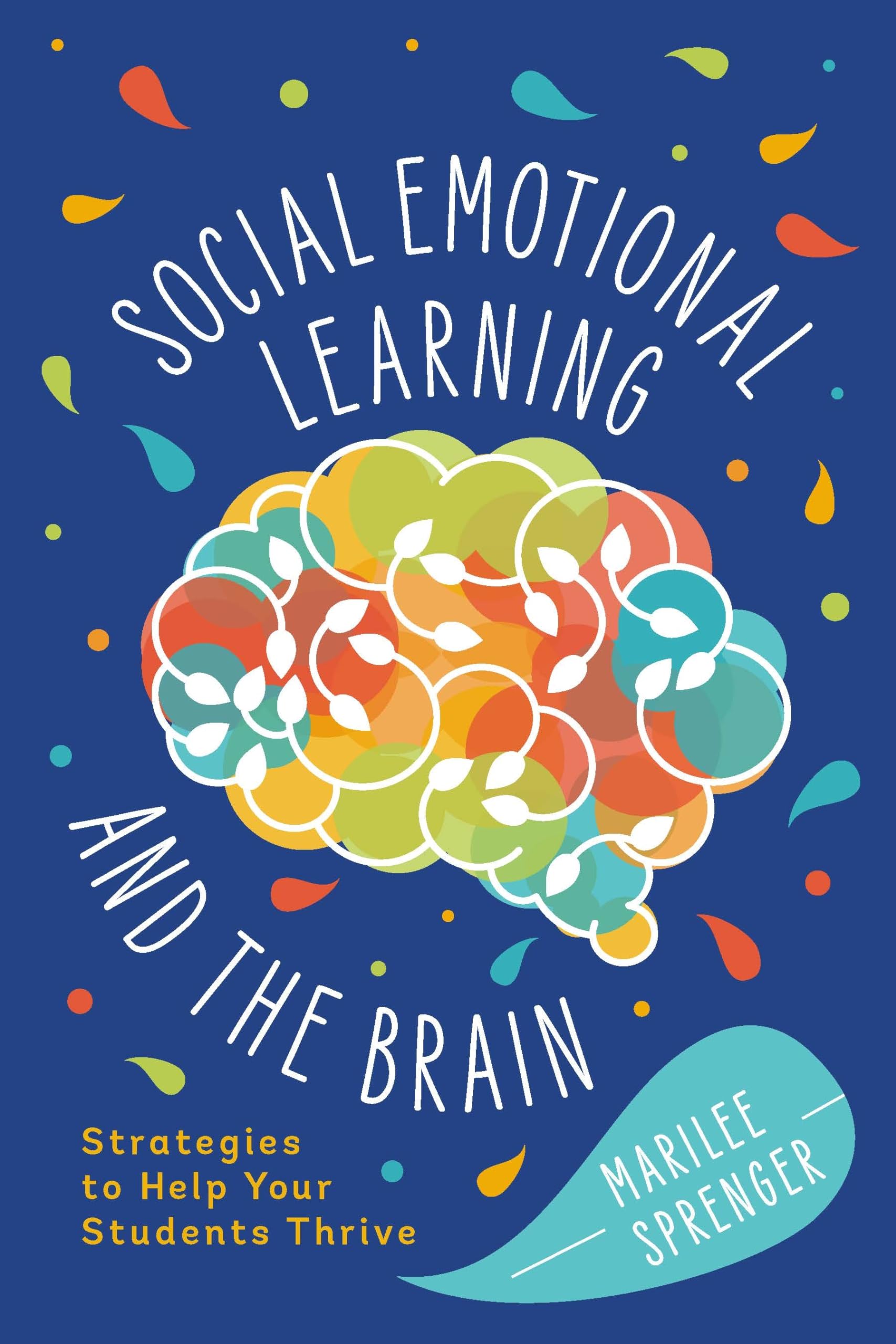
Social-Emotional Learning and the Brain: Strategies to Help Your Students Thrive
- Education & Teaching
- Schools & Teaching
- Education Theory
4. Ages 8 to 12 — The Unsung Years of Emotional Development
Middle childhood often gets less attention than the toddler years or adolescence, but this is when children are quietly doing enormous emotional work. They are navigating peer hierarchies, developing a stable sense of identity, and learning to manage social comparison.
Research from developmental neuroscience shows that the brain's social processing regions become significantly more active around ages 8 to 10 as children become acutely sensitive to what their peers think. This is not vanity — it is a biological shift that prepares them for the more complex social world ahead.
Practical strategies for ages 8 to 12
For a clinical overview of what emotional and behavioural changes are genuinely typical at this age, normal behaviour in 8 to 12 year olds covers the territory in depth.
The Social-Emotional Learning Playbook: A Guide to Student and Teacher Well-Being
- Education & Teaching
- Schools & Teaching
- Education Theory
5. How Parents Teach SEL Without Even Trying (and How to Be More Intentional)
You are your child's primary SEL curriculum. Research from the Harvard Graduate School of Education consistently shows that the single biggest predictor of a child's social and emotional competence is the quality of their relationship with at least one caring adult.
That means the daily moments matter more than any programme or resource. How you handle your own frustration at the dinner table. Whether you apologise when you get it wrong. How you talk about difficult feelings rather than pushing them away.
High impact everyday habits

Teaching with a Social, Emotional, and Cultural Lens: A Framework for Educators and Teacher Educators
- Education & Teaching
- Schools & Teaching
- Instruction Methods
6. SEL in Schools — What to Look For and How to Support It at Home
Effective school based SEL is structured, explicit, and woven into the daily culture of the classroom — not confined to a once-a-week lesson. The CASEL framework is now used in schools across the US, UK, Australia, and beyond, and programmes meeting CASEL's criteria have a robust evidence base behind them.
SEL programmes that are well-implemented show lasting effects on student achievement, behaviour, and social competence, with benefits still measurable several years after the programme ends.
— CASEL, "Meta-Analysis Findings," (2011)
What good SEL in a school looks like
How to extend school SEL at home
The research is clear that SEL gains are amplified when parents reinforce the same language and strategies at home. Ask your child's teacher what framework or programme the school uses. Even learning the same vocabulary ("what's your emotional temperature right now?") creates continuity.
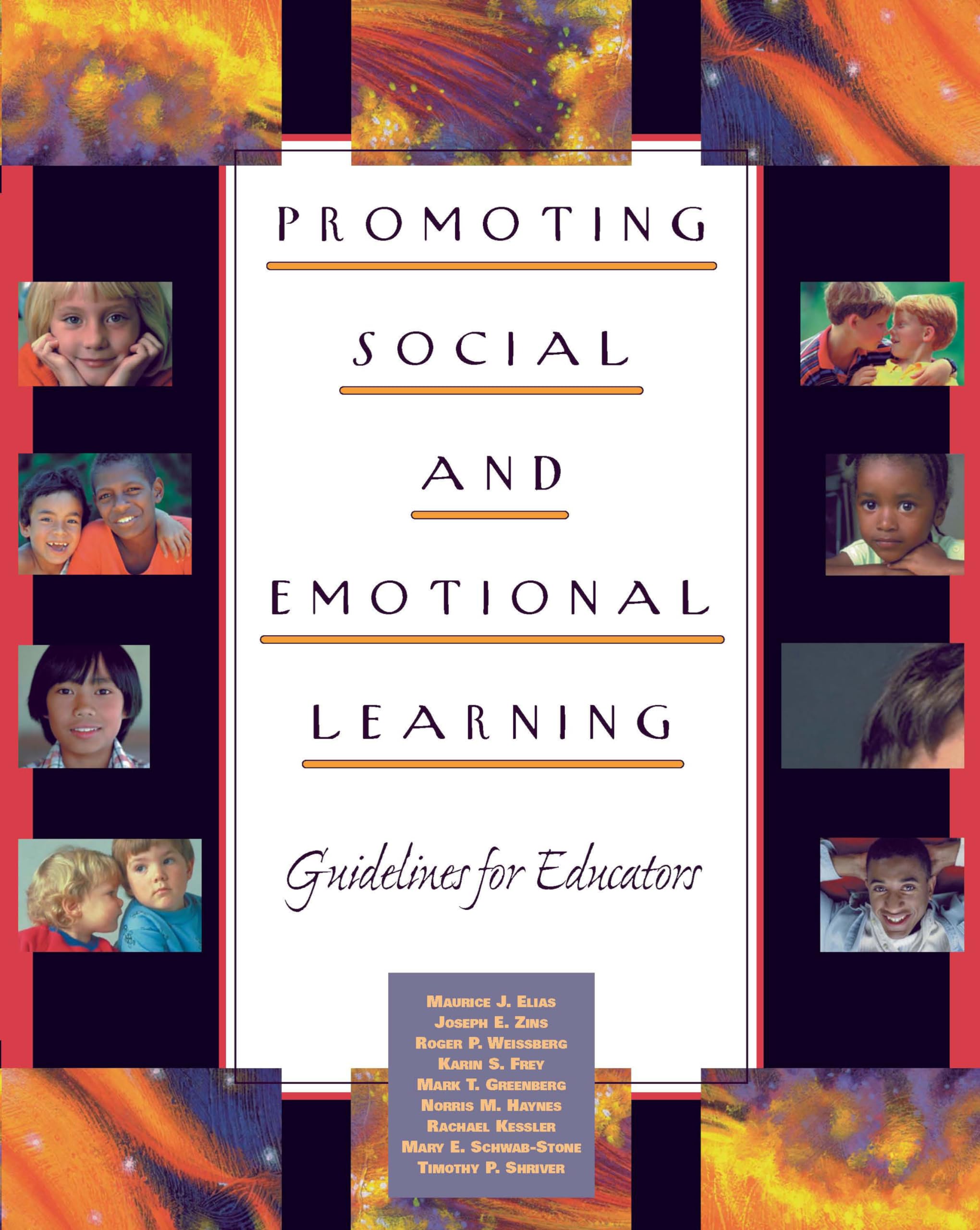
Promoting Social and Emotional Learning: Guidelines for Educators
- Education & Teaching
- Schools & Teaching
- Education Theory
7. When SEL Is Harder — Neurodiversity, Trauma, and Individual Differences
Not every child arrives at SEL skills at the same pace, and that is not a failure. Children with ADHD, autism, anxiety, sensory processing differences, or a history of early adversity may find some competencies significantly harder than their peers — particularly self management and reading social cues.
This does not mean SEL does not apply to them. It means the pace, the method, and the level of adult scaffolding need to be adjusted.
Supporting SEL in neurodiverse children
For a grounded, jargon-free explanation of what neurodiversity actually means in practice, what neurodiversity really means is worth reading alongside this section.
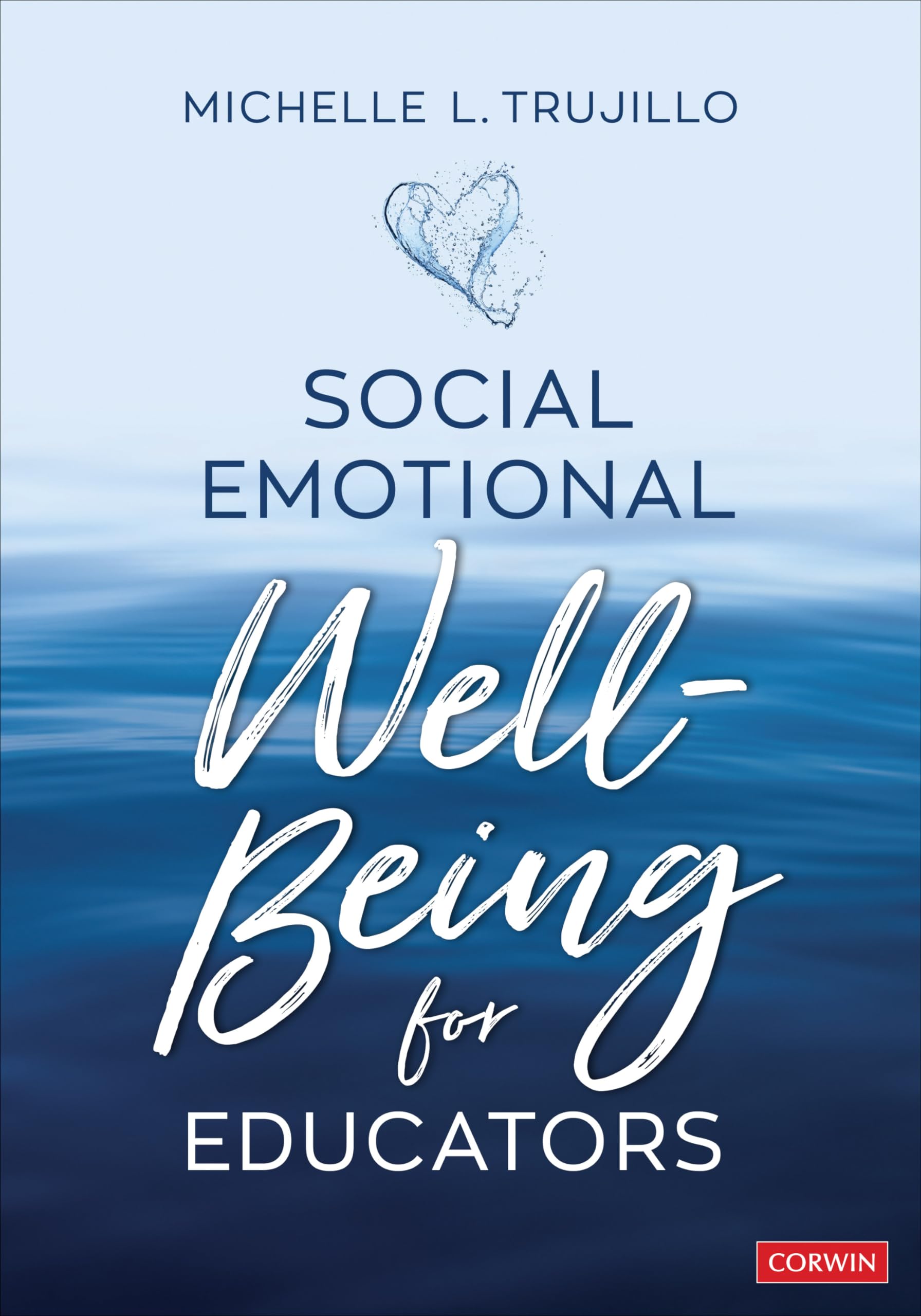
Social Emotional Well-Being for Educators
- Education & Teaching
- Schools & Teaching
- Education Theory
SEL by Age and Stage at a Glance
| Age Stage | Key SEL Challenge | Core Skill to Build | What Parents Can Do | Recommended Resource |
|---|---|---|---|---|
| Birth to 2 | Emotional co-regulation with caregiver | Safety and trust | Consistent, warm responsiveness | Teaching with the HEART in Mind |
| Ages 3 to 5 | Big emotions, limited language | Naming feelings | Emotion coaching, picture books | SEL and the Brain |
| Ages 6 to 8 | Impulse control in social settings | Self management | Turn-taking games, role play | Promoting Social and Emotional Learning |
| Ages 9 to 12 | Peer comparison, identity building | Self esteem and resilience | Effort praise, repair conversations | The SEL Playbook |
| All ages | Educator and parent modelling | Emotional vocabulary | Naming your own feelings daily | Social, Emotional, and Cultural Lens |
| School context | Structural SEL implementation | All five CASEL competencies | Ask about school framework, align language | Social Emotional Well-Being for Educators |
Expert Insights
The Simplest Summary of All This
Here is what fifteen years of reading developmental research and sitting with thousands of families has taught me: children do not need perfect parents. They need present ones.
Every time you name a feeling instead of dismissing it, every time you apologise after losing your temper, every time you stay curious about what is going on for your child rather than just managing their behaviour, you are doing SEL. You are building the architecture of a resilient, empathetic human being one ordinary moment at a time.
The research is unambiguous: children who can understand and manage their emotions grow into adults who are healthier, more connected, and more effective in every domain of life. That is not a small thing. That is the whole thing.
If this guide was useful, save it, share it with someone who is in the thick of a difficult stage, or subscribe to tinymindsworld.com for more evidence grounded, jargon-free parenting guidance.
Sources & References
- Durlak, J.A., Weissberg, R.P., Dymnicki, A.B., Taylor, R.D., & Schellinger, K.B. "The Impact of Enhancing Students' Social and Emotional Learning: A Meta-Analysis of School-Based Universal Interventions." Child Development, 82(1), 405–432. 2011.
- CASEL (Collaborative for Academic, Social, and Emotional Learning). "CASEL's SEL Framework." 2020. https://casel.org/fundamentals-of-sel/
- Siegel, D.J., & Bryson, T.P. "The Whole-Brain Child." Delacorte Press. 2011.
- Greene, R.W. "The Explosive Child." HarperCollins. 2010.
- Schonert-Reichl, K.A. "Social and Emotional Learning and Teachers." The Future of Children, 27(1), 137–155. 2017.
- Harvard Graduate School of Education. "Turning the Tide: Inspiring Concern for Others and the Common Good Through College Admissions." Making Caring Common Project. 2016.
- National Institute for Health and Care Excellence (NICE). "Social and Emotional Wellbeing in Primary Education." Public Health Guideline PH12. 2008, updated 2022.
Frequently Asked Questions
What age should you start social and emotional learning?
Can parents teach SEL at home, or does it need a school programme?
My child has a meltdown every day. Does that mean their SEL skills are behind?
How do I know if a school's SEL programme is actually good?
Does SEL work for children with autism or ADHD?
Is there any downside to SEL?
How long does it take to see results from SEL?
Was this helpful?
Thanks — your feedback helps us pick what to write next.