9 to 12 Year Old Development: Milestones Parents Need to Know
The years from 9 to 12 are one of the fastest moving developmental windows in childhood, with major changes happening in the brain, body, emotions, and social world all at once.

In this article
Picture this: your ten year old corrects you on a fact about space exploration, storms off when you suggest they wear a coat, and then ten minutes later crawls onto the sofa to watch a film with you like nothing happened. That is not inconsistency. That is late childhood doing exactly what it is supposed to do.
The years from 9 to 12 are genuinely one of the most fascinating periods in all of child development. The American Academy of Pediatrics (AAP) describes this stage as a time when children begin consolidating concrete skills and pushing into abstract thought, while simultaneously navigating the physical changes of early puberty and the social complexity of genuine peer relationships.
In this guide you will understand:
1. Physical Development: Bodies in Motion (and Change)
The single biggest physical story of late childhood is the beginning of puberty, and it starts earlier than most parents expect. The AAP notes that girls typically begin puberty between ages 8 and 13, with the average onset around 10. Boys generally follow one to two years later. By the time a child is 12, most girls are actively mid puberty and most boys are just entering it.
Growth spurts during this window can add three to four inches in a single year. Alongside height, you will notice changes in body composition, the appearance of pubic and underarm hair, early breast development in girls, and testicular growth in boys. None of this is a problem; all of it needs calm, matter of fact conversation from you.
For a fuller picture of what is typical across the puberty timeline, understanding what is normal and what is not can help you know when a conversation with your paediatrician is genuinely warranted versus when you can breathe easy.
Motor skills and physical activity
Fine and gross motor skills mature significantly between 9 and 12. Children this age can handle more precise hand work (musical instruments, detailed art, craft projects), and their coordination in sport improves enough to allow genuine team play. The World Health Organization recommends at least 60 minutes of moderate to vigorous physical activity every day for this age group, with muscle and bone strengthening activities included at least three times a week.
Your Ten- to Fourteen-Year-Old
- Parenting & Relationships
- School-Age Children
- Image Unavailable Image not available forColor:
2. Brain Development: The Renovation Nobody Warned You About
The brain your 10 year old is using is literally under construction. The prefrontal cortex, which handles planning, impulse control, risk assessment, and decision making, undergoes a major pruning and rewiring process that begins in late childhood and does not complete until the mid twenties. What this means practically is that your child is gaining impressive new thinking abilities while simultaneously having an unreliable braking system on their impulses.
Research from the National Institutes of Health's Adolescent Brain Cognitive Development (ABCD) study, the largest long term brain imaging study of child development ever conducted in the United States, shows that grey matter in the prefrontal cortex actually peaks and then begins a purposeful thinning process in late childhood. This pruning is not damage; it is the brain becoming more efficient.
What this looks like in learning
Children between 9 and 12 move from purely concrete, hands on thinking toward what developmental psychologist Jean Piaget called formal operational thought. They can begin to reason about hypotheticals, grasp cause and effect across longer chains of events, and think about their own thinking (metacognition). You will notice this when your child starts to argue your logic rather than simply accepting your authority.
If you want to go deeper on how the tween brain actually processes new information, the science behind how tweens learn is worth reading alongside this guide.

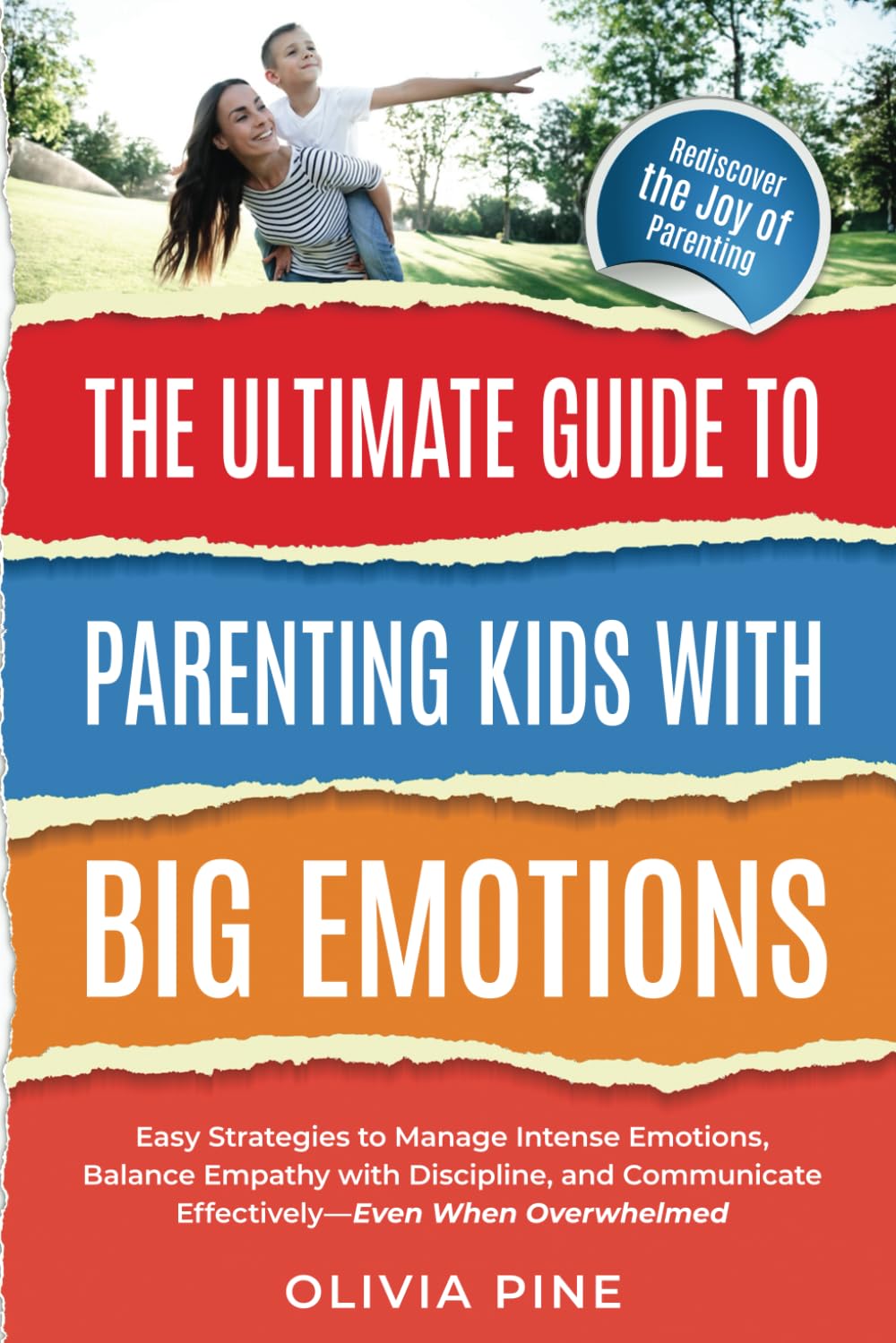
15-Minute Parenting 8-12 Years: Stress-free strategies for nurturing your child's development (The Language of Play)
- Health, Fitness & Dieting
- Psychology & Counseling
- Child Psychology
3. Emotional Development: Volume Knob Stuck on Maximum
Between 9 and 12, emotional intensity increases before self regulation catches up. The amygdala, the brain's threat detection system and emotional accelerator, responds more strongly to perceived social threats at this age than it did in early childhood. At the same time, the prefrontal cortex regions that put the brakes on emotional reactions are still developing. The result is that your child genuinely feels things more intensely than you do, not dramatically, but physiologically.
This is also the window where self concept becomes more complex. Your 10 year old is no longer simply "the girl who likes horses." She is building a layered sense of who she is across different contexts: at school, in sport, with friends, in your family. Self esteem during this period is heavily influenced by peer feedback, which is why a throwaway comment from a classmate can feel catastrophic while your reassurance sometimes barely registers.
What helps most

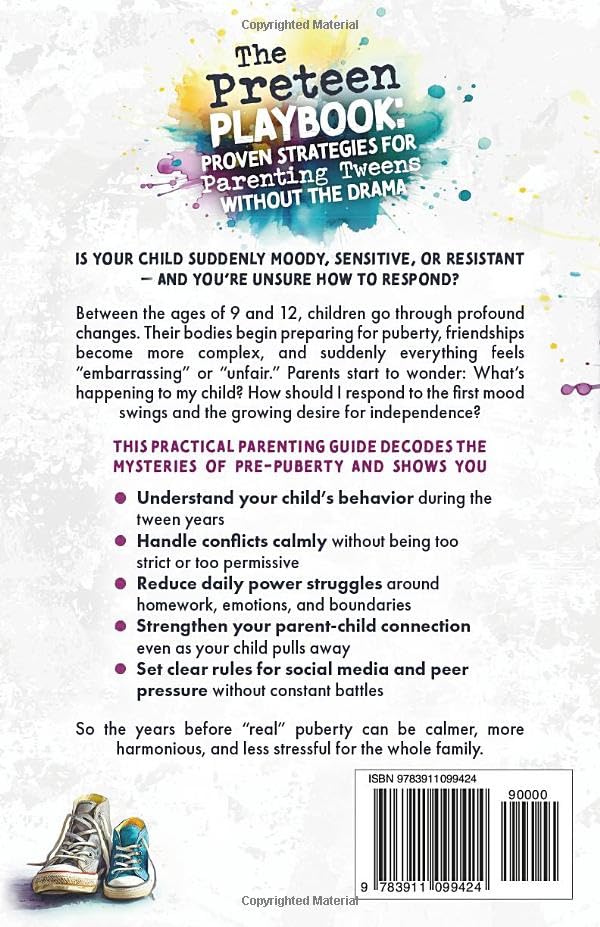

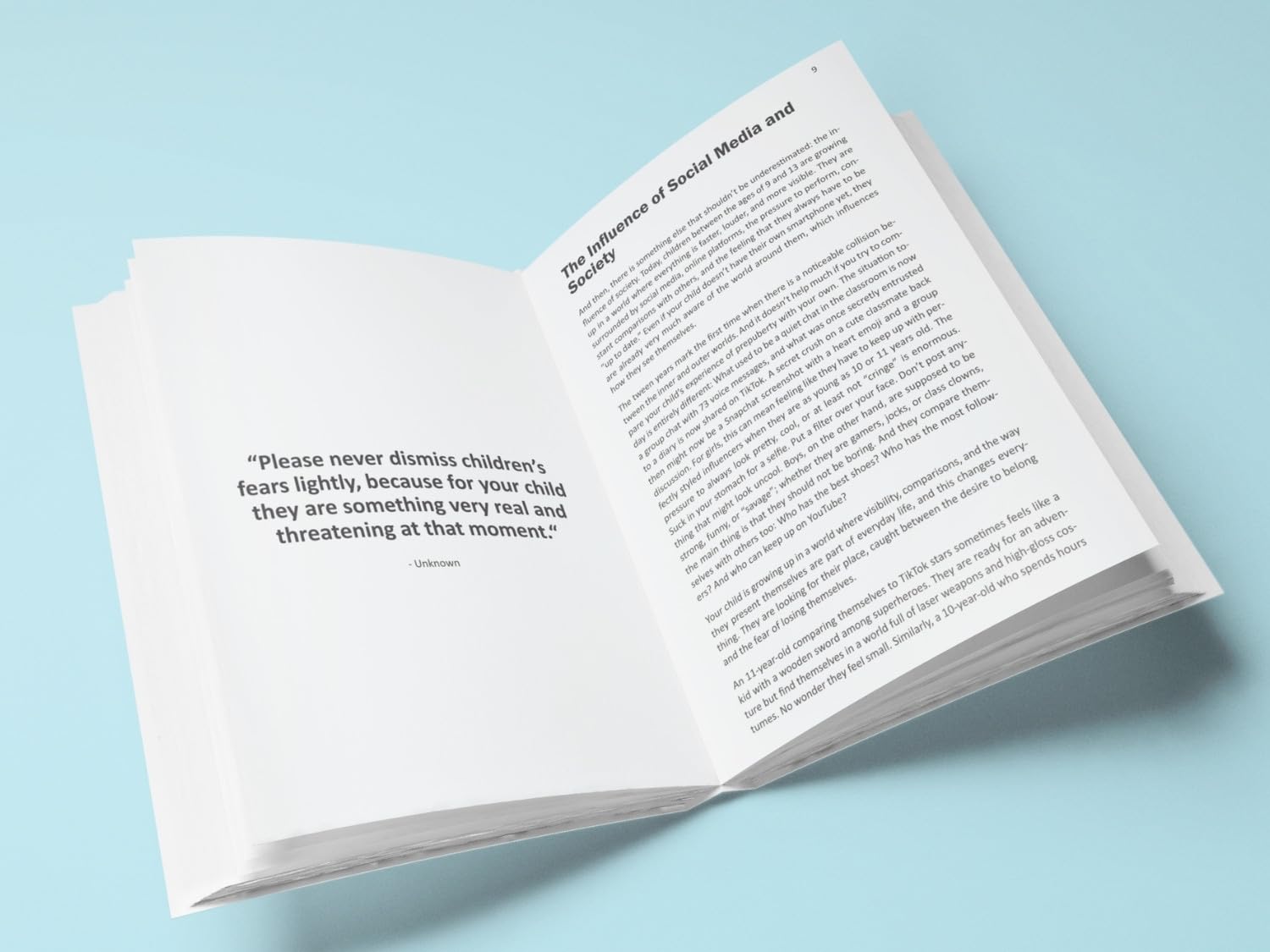

The Preteen Playbook: Proven Strategies for Parenting Tweens Without the Drama: What Kids 9–12 Really Need for Calm, Confident, and Connected Years
- Relationships
- Conflict Management
- Image Unavailable Image not available forColor:
4. Social Development: Friends Take Centre Stage
The shift in social development between 9 and 12 is one of the most significant changes you will navigate as a parent. Peer relationships move from being fun and convenient to being emotionally central. Your child's sense of worth begins to be measured partly against their social standing in their peer group, and belonging becomes a genuine psychological need.
According to research published in the journal Child Development, children's reliance on peer opinion for self evaluation increases substantially between ages 8 and 12, while reliance on parental opinion shows a gradual, healthy decline. This is not rejection; it is development.
What healthy peer relationships look like at this age
Where social belonging gets tricky is online. Children in this age group are often beginning to use social platforms, and the social dynamics that play out there are compressed and amplified compared to the playground. Keep the conversation open and regular, not interrogative, more curious.
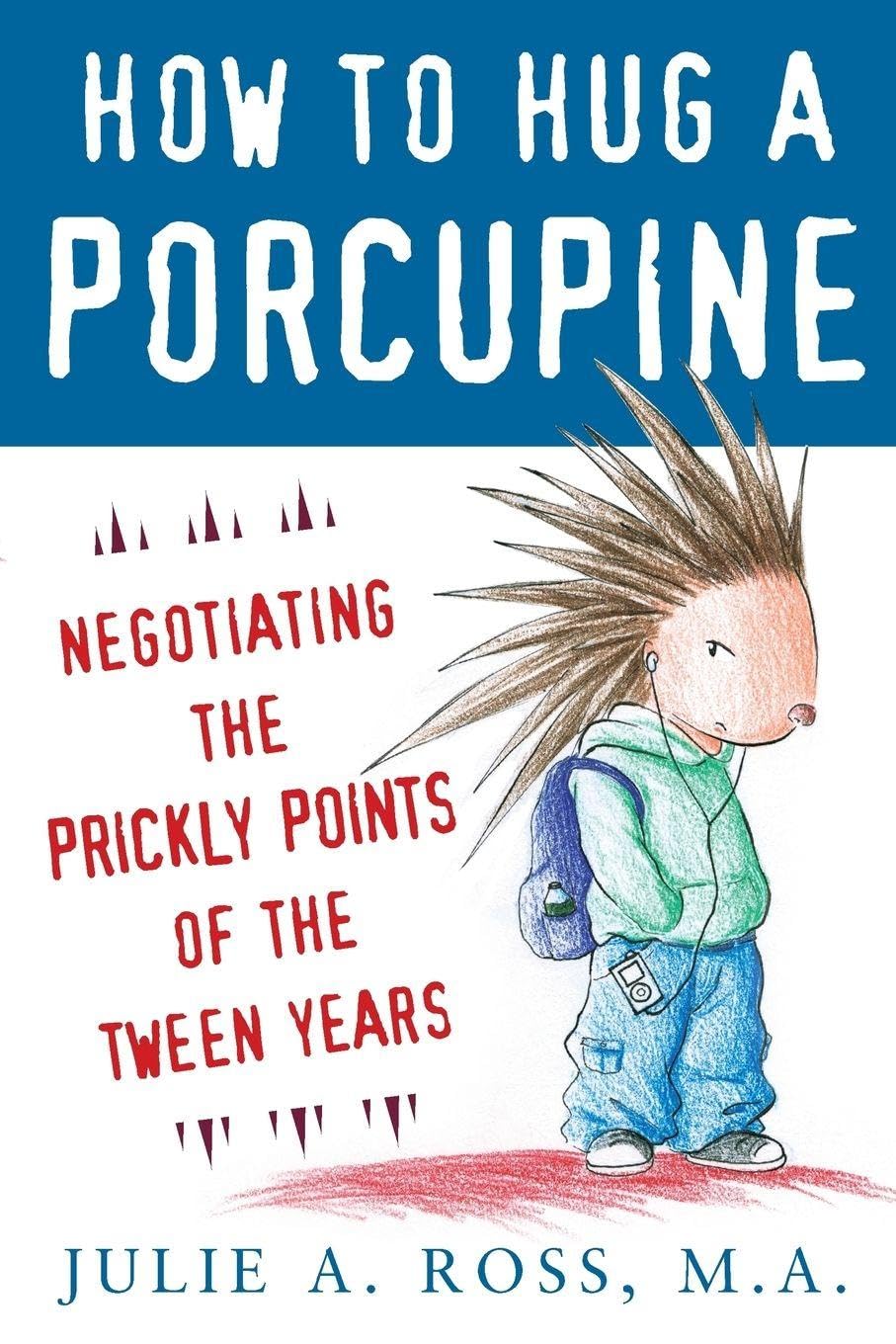
How to Hug a Porcupine: Negotiating the Prickly Points of the Tween Years: Negotiating the Prickly Points of the Tween Years
- Business & Money
- Management & Leadership
- Image Unavailable Image not available forColor:
5. Sleep: The Underrated Pillar
Sleep is one of the most overlooked aspects of development in late childhood, and the research is blunt about the consequences of getting it wrong. The AAP recommends 9 to 12 hours of sleep every night for children aged 6 to 12. Studies consistently show that fewer than 30 percent of children in this age band actually get that much.
Sleep deprivation in 9 to 12 year olds looks different from adult tiredness. It tends to present as irritability, difficulty concentrating, increased emotional reactivity, and reduced impulse control, which means a tired tween can look very much like a struggling tween even when the underlying issue is simply insufficient sleep. If you want a solid grounding in exactly what the research says about sleep needs at this age, how much sleep your tween actually needs breaks it down clearly.
Practical sleep basics for ages 9 to 12
6. Red Flags and When to Ask for Help
Most of what you see between 9 and 12 is normal development, even when it is hard to live with. But some patterns are worth bringing to a professional rather than waiting out.
Signs worth a conversation with your paediatrician
If your child is showing signs in the last two categories, treat them as urgent and seek support promptly rather than waiting for a routine appointment.


No Longer Little: Parenting Tweens with Grace and Hope
- Religion & Spirituality
- Christian Books & Bibles
- Christian Living
| Development Domain | What You See at Age 9–10 | What You See at Age 11–12 | Key Parent Action | Recommended Product |
|---|---|---|---|---|
| Physical | Early puberty signs, growth acceleration | Mid puberty in girls, early puberty in boys, coordination peaks | Normalise body changes, keep activity varied | Your Ten to Fourteen Year Old |
| Cognitive | Moves toward abstract reasoning, loves "how and why" questions | Can reason hypothetically, strong metacognition, challenges adult logic | Give them problems to genuinely solve, not just tasks to complete | 15 Minute Parenting 8–12 Years |
| Emotional | Emotional intensity rises, self concept broadens | Peer feedback heavily shapes self esteem, identity exploration begins | Name emotions, co regulate, don't minimise | The Preteen Playbook |
| Social | Best friends become central, fairness is paramount | Group dynamics and social hierarchies emerge, online social life begins | Stay curious, not interrogative, about their social world | How to Hug a Porcupine |
| Sleep | 9–10 hours needed, circadian shift begins | Later sleep onset becomes biological, not behavioural | Protect total sleep hours, consistent wake time | Guiding Your Tween Girl |

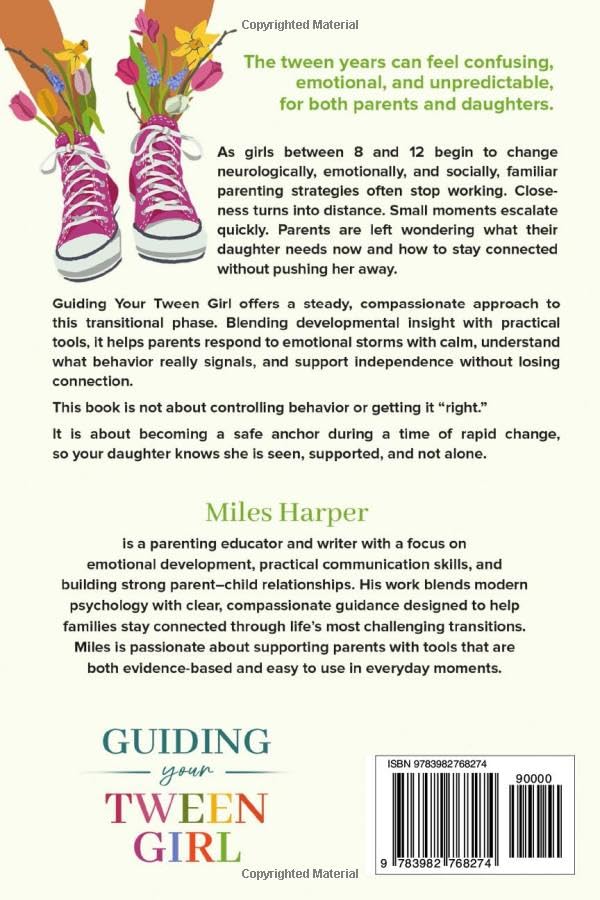
Guiding Your Tween Girl: Stay Close, Build Confidence & Navigate the Big Feelings of Ages 8 – 12
- Relationships
- Conflict Management
- Image Unavailable Image not available forColor:
Late childhood is one of those stages that sneaks up on you. You blink and the child who needed you for everything is suddenly arguing with you about geopolitics and asking to walk to a friend's house alone. That is not loss; that is the whole point.
The children who come through this window with the most confidence are not the ones who had the fewest struggles. They are the ones who had a parent who stayed genuinely curious about them, took their inner world seriously, and kept showing up even when the door was sometimes shut.
If there is one sentence worth keeping: your presence matters most precisely when it feels least welcome. Save this article, share it with a co parent or teacher, and come back to it when the next phase feels confusing.
Sources & References
- American Academy of Pediatrics. "Middle Childhood." HealthyChildren.org. 2023. https://www.healthychildren.org
- American Academy of Pediatrics. "Sleep in Middle Childhood." Pediatrics. 2016. https://pediatrics.aappublications.org
- World Health Organization. "Physical Activity Guidelines for Children and Adolescents." WHO. 2020. https://www.who.int/news-room/fact-sheets/detail/physical-activity
- National Institutes of Health. "Adolescent Brain Cognitive Development (ABCD) Study." NIMH. 2023. https://abcdstudy.org
- Steinberg, Laurence. "A Social Neuroscience Perspective on Adolescent Risk Taking." Developmental Review. 2008. 28(1):78–106.
- Jensen, Frances E., and Nutt, Amy Ellis. "The Teenage Brain." Harper Collins. 2015.
- Harter, Susan. "The Construction of the Self: Developmental and Sociocultural Foundations." Guilford Press. 2012.
- Blakemore, Sarah-Jayne. "Inventing Ourselves: The Secret Life of the Teenage Brain." Doubleday. 2018.
- Child Development. "Peer Influence and Self Evaluation in Middle Childhood." Society for Research in Child Development. 2019.
Frequently Asked Questions
My 9 year old seems so much more emotional than her older brother was at this age. Should I be worried?
When should my child start getting more independence?
My 11 year old barely talks to me any more. Is this normal?
How much screen time is appropriate for a 10 to 12 year old?
My child is being left out by their friend group. How serious is this?
My 12 year old says they hate school. What does that usually mean at this age?
When should I be reading about puberty with my child rather than just waiting for school to cover it?
Was this helpful?
Thanks — your feedback helps us pick what to write next.