Tween School Success: What Parents Need to Know (Ages 8–12)
The tween years (ages 8 to 12) are one of the most important windows for building the study habits, self regulation skills, and love of learning that carry children through secondary school and beyond.

In this article
Here is something most parents don't expect: research published by the National Center for Education Statistics shows that student engagement with school drops consistently from around age 9 onward, with a measurable dip right in the middle years. That's not a reason to panic. It is a reason to pay attention, and to understand what is actually happening in your tween's classroom and brain.
The tween years are not just a waiting room between childhood and adolescence. They are a genuine developmental phase with their own academic demands, social pressures, and cognitive leaps. By the time your child is 12, they are expected to manage multiple subjects, different teachers, longer projects, and a whole lot more independence than they had at age 7.
In this guide you will learn:
1. How School Actually Changes Between Ages 8 and 12
The shift in academic load during the tween years is steeper than most parents realise. At age 8, most children have one main teacher, a predictable structure, and relatively short tasks. By age 11 or 12, they are likely juggling five or more subjects, switching between multiple adults with different expectations, and completing projects that span weeks.
This transition is not just logistical. It is cognitive. The tween brain is developing the prefrontal cortex rapidly during this period, meaning executive function skills like planning, prioritising, and managing time are all still works in progress. Your child is being asked to do more precisely when the brain systems that support those skills are still under construction.
What changes in this window
- Reading shifts from learning to decode text to reading to learn content - Maths introduces abstract concepts (fractions, algebra foundations, ratios) - Projects require planning across multiple days or weeks - Tests require retrieval practice, not just recognition - Social dynamics in the classroom affect learning more than they did at age 7
If you want to understand what is happening neurologically underneath all of this, the piece on why the tween brain makes family life feel turbulent explains the developmental picture really clearly.
2. Organisation Is the Real Skill Gap (Not Intelligence)
Most of the parents who sit across from me in clinic and say "my child is bright but just doesn't perform" are not describing an intelligence problem. They are describing an organisation problem. The two look identical from the outside, and that matters because the solutions are completely different.
Between ages 8 and 12, the volume of paper, assignments, deadlines, and information a child is expected to track increases dramatically. Without a system, even a very capable child will lose work, forget deadlines, and feel chronically behind. That chronic behind feeling then becomes a motivation problem, and then a school attitude problem.
The fix is practical and immediate. What tweens need is a physical system that is simple enough to use consistently, not elaborate enough to feel like extra work.

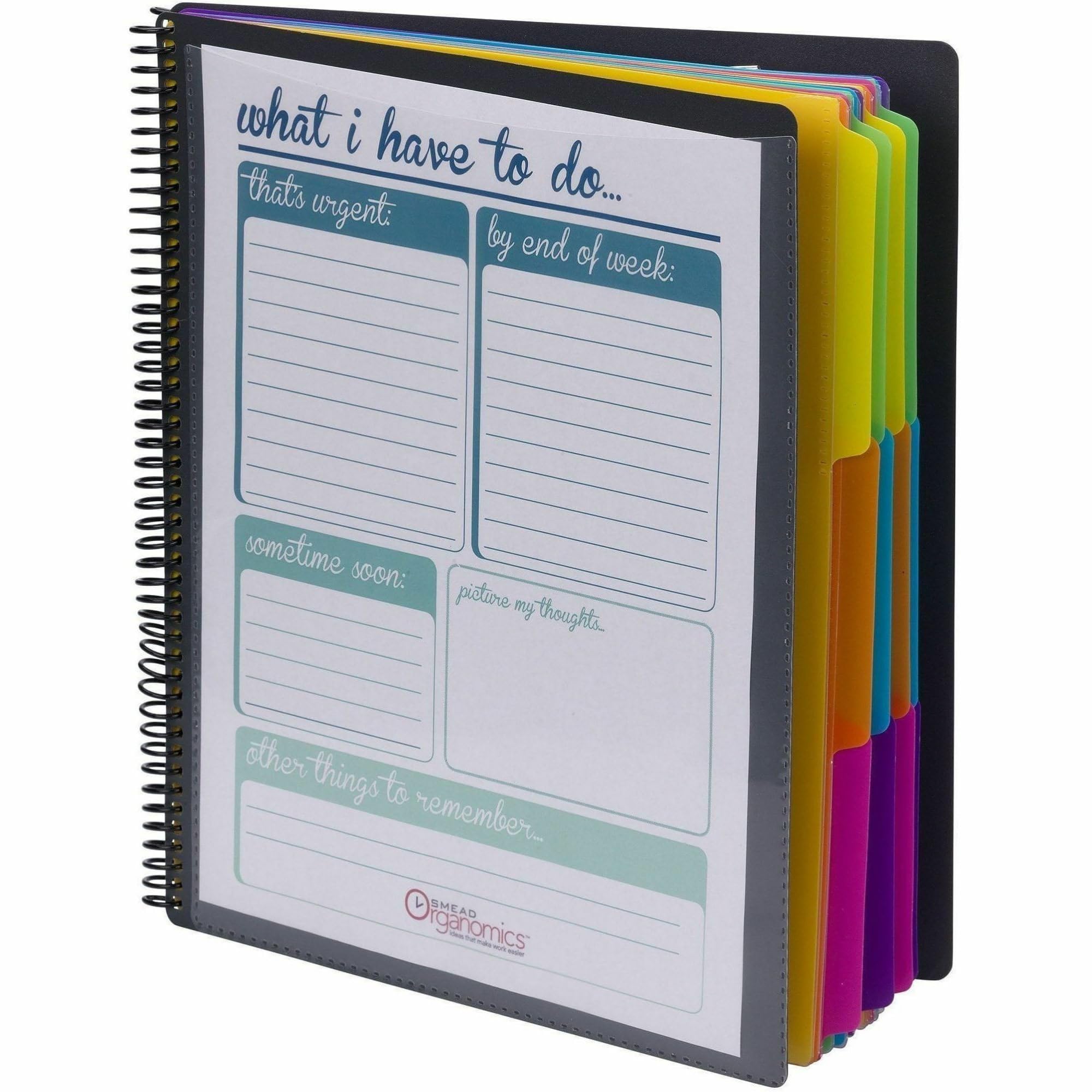

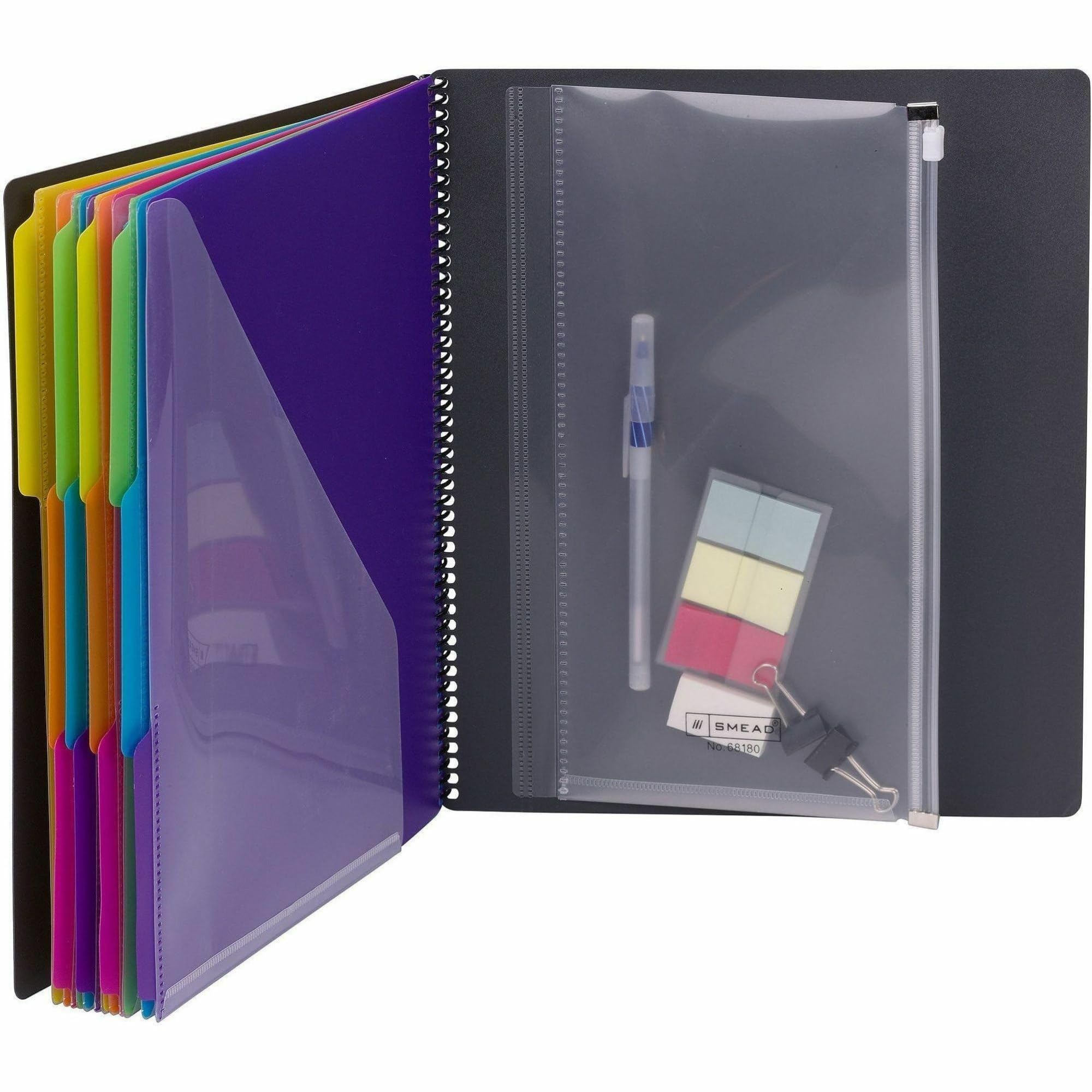
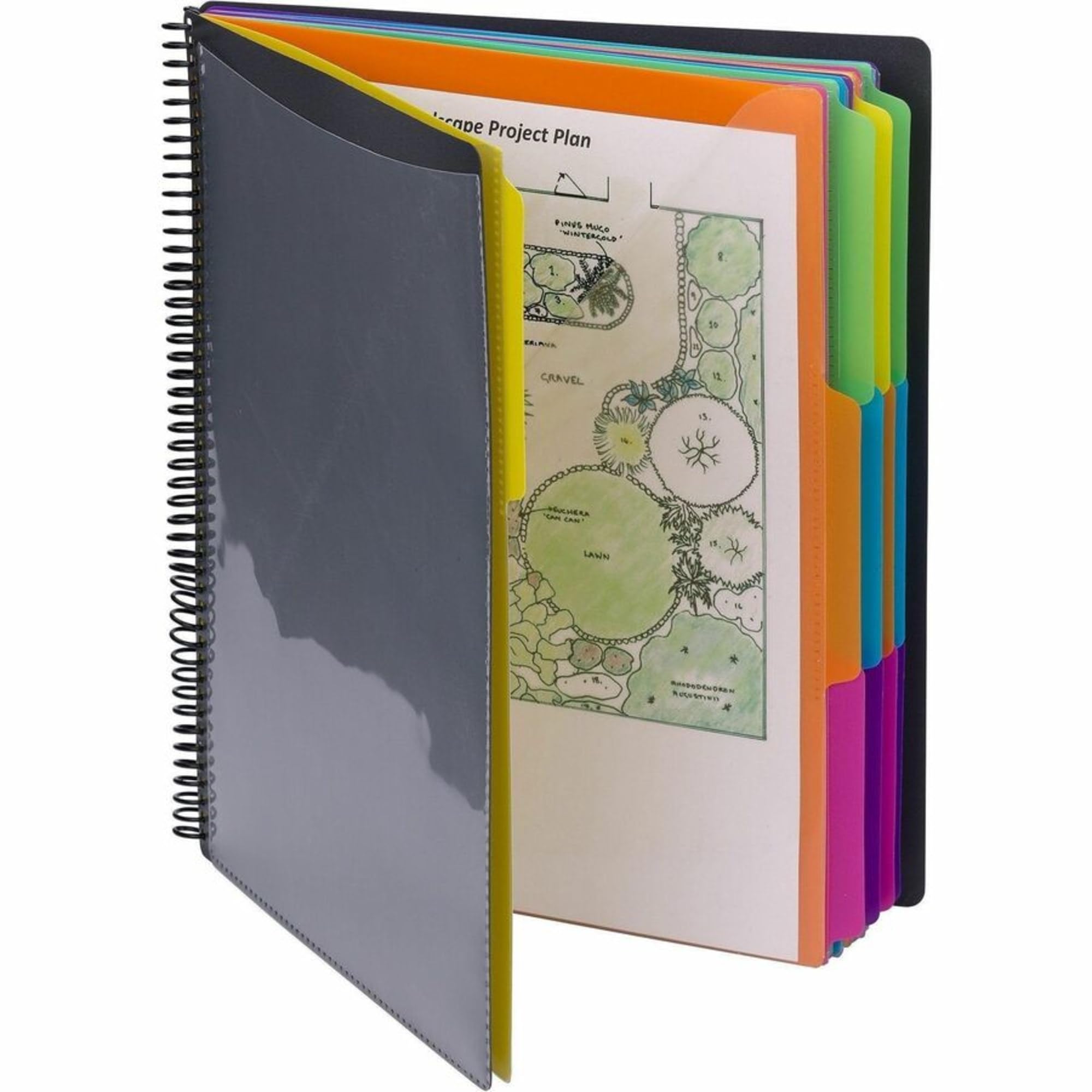
Smead Project Organizer, 24 Pockets, Grey with Assorted Bright Tabs, Tear Resistant Poly, 1/3-Cut Tabs, Letter Size (89206)
- ENHANCED ORGANIZATION: Organize your paperwork with this letter-sized (10.25” x 11.75”) document organizer wit
- EFFORTLESS SORTING: This plastic folder organizer with 24 pockets provides ample space to sort and categorize
- PRACTICAL DESIGN: The slash pockets can hold up to 25 sheets each; the spiral-bound design allows the office s
A project organiser like the Smead 24-pocket folder is genuinely useful here because it gives a child a visual, tactile system they can actually maintain. One pocket per subject, labelled clearly, means nothing gets lost in the bottom of a bag.
Building an organisation routine that sticks
For families who want something lighter and more portable, the SKYDUE accordion file is a great option that fits neatly into a backpack without adding bulk.
3. Homework Support That Builds Independence
This is the section I feel most strongly about as a clinician, because I see the downstream effects of both extremes. Parents who do too much create children who cannot self start. Parents who do too little leave struggling kids convinced they are incapable. The middle path is specific, and it is worth describing carefully.
Your job at this age is to be a thinking partner, not a source of answers. The shift starts to matter around age 9 and becomes critical by age 11.
What scaffolding looks like in practice
- "Tell me what you already know about this" rather than explaining it yourself - "Where do you think you should start?" before you suggest anything - Sitting nearby but not hovering - Praising the process ("you stuck with that for 20 minutes") rather than the outcome - Letting them make small errors rather than correcting everything
A few practical tools make the homework environment work better. Sticky notes are surprisingly powerful for tweens who need to break tasks down visually. The Mr. Pen sticky notes set includes ruled, dotted, and blank options plus index tabs, which suits the kind of multi-step project work that really picks up in years 5 and 6.
4. Motivation, Mindset, and the School Slump
It is completely normal for children to be less enthusiastic about school at age 10 or 11 than they were at age 6. That said, there is a difference between a normal dip and a genuine disengagement that needs attention.
The concept of growth mindset, developed by Dr Carol Dweck at Stanford, is probably the most practically useful framework in education research of the last 30 years. In plain terms: children who believe ability is fixed ("I'm just not good at maths") give up sooner and learn less than children who believe effort changes outcomes ("I haven't mastered this yet"). The good news is that this belief system is not fixed. It can be shifted, and parents play a central role.
What you say at the dinner table about school, ability, and failure matters more than most parents realise. Comments like "some people are just not maths people" or "I was never good at reading either" land as permission to stop trying.
Signs your tween's motivation needs attention
The research on why STEM subjects matter in this developmental window is worth reading if your tween is pulling away from maths or science specifically. The piece makes a strong case for early engagement.
5. Spotting and Supporting Learning Differences Early
The tween years are one of the most important windows for identifying learning differences because academic demands have increased enough to make them visible, but the child is young enough for early support to make a very significant difference.
Dyslexia, ADHD, dyscalculia, and processing difficulties do not suddenly appear at age 10. They have been present the whole time. What changes is that the coping strategies that worked in infant school stop being enough.
For a detailed and clinically grounded breakdown of what neurodevelopmental differences look like in this age group, the guide on neurodiversity in tweens is genuinely the best starting point.
Red flags worth taking to your GP or school SENCO
If you see three or more of these consistently, ask for a formal assessment. Don't wait for the school to raise it first. You have every right to request it.


12 Pocket Project Organizer, Forvencer 1/6-cut Tab Binder Organizer with Sticky Labels, Multi Pocket Folder with Zipper Pouch, Folder Binder Spiral Pocket Notebook, Office Supplies, Letter Size, Blush
- High-efficiency Paper Organizer: 12 pockets, 6 dividers with 1/6-cut assorted tabs in bright colors, and 36 bl
- Sturdy & Durable Spiral Binder: Made of sturdy polypropylene, tear-proof, water-resistant, archival safe, and
- Large Capacity: Contains 12 pockets, each pocket can hold 30-40 sheets of paper. Total about 480 sheets, enoug
Good organisation tools become even more important for children with learning differences. The Forvencer 12-pocket binder organiser with its colour coded tabs and zipper pouch is particularly well suited to kids who struggle with executive function, because the visual structure does some of the cognitive heavy lifting for them.
6. Screen Time, Sleep, and the Hidden Threats to Academic Performance
No guide to tween school performance is honest if it ignores what happens outside the school building. Two variables predict academic performance in this age group more reliably than almost anything else: sleep and screen time management. Both are under parental influence, at least partially.
The American Academy of Pediatrics recommends that children aged 6 to 12 get 9 to 12 hours of sleep per night. Most tweens are getting significantly less than this, largely because devices are present in bedrooms. The impact on cognition, memory consolidation, and emotional regulation is not minor. Sleep deprived tweens make more errors, retain less information, and are more emotionally reactive in social settings, including classrooms.
For a genuinely eye-opening look at the numbers and what they mean, the article on how much sleep your tween actually needs breaks it down really clearly.
Practical boundaries that are realistic for tween households


Forvencer Binder Pocket, 10 Pack Super Heavyweight Plastic Folders with Tight Closure, Folders with Pockets Side Loading, Binder Organizer, Binder Dividers with Pockets, Letter Size, Assorted Colors
- Easy Storage: 3-hole punched to fit standard 3-ring binders. Available in 5 transparent colors. Portable and g
- Extra Durable: Made from sturdy, acid-free polypropylene for long-lasting use. The side-loading pocket feature
- Large Capacity: Measures 8.6 x 11.6 inches, perfectly fitting letter-size documents (8.5" x 11"). Holds over 5
A well organised study space reduces the temptation to drift toward devices when work feels hard. The Forvencer binder pockets are worth mentioning here because keeping a tidy, ready-to-use workspace is one of those environmental nudges that makes it easier for tweens to settle into work quickly. Small environmental cues matter more than we think.
7. Talking to Teachers: How to Be the Parent Schools Want to Work With
Most parents either over-communicate with teachers (emailing about every concern) or under-communicate (waiting until things are serious). Neither extreme works in the child's best interest. What works is consistent, respectful, and focused contact.
Your tween should be included in conversations about their own learning as much as possible. From about age 9 onwards, children benefit from sitting in on parent-teacher discussions, understanding their own targets, and having a say in strategies. This builds self regulation and personal ownership over learning, which is exactly what secondary school will demand.
What to raise at parent-teacher meetings
For tweens juggling a lot of different subjects and teachers, a simple expandable folder keeps parent communication letters, report cards, and school notices in one place. The Sooez accordion file organiser is a solid, affordable option that holds over 250 sheets and is available in colours tweens actually like.
The Mr. Pen sticky note set is also useful here. A bright sticky note on the fridge with this week's homework deadlines sounds low-tech, but families who do it consistently tell me it is one of the most effective systems they have found.
Comparing Organisation Tools for Tween Learners
| Tool Type | Best Use Case | Capacity | Key Strength | Main Drawback | Recommended Product | Price Range |
|---|---|---|---|---|---|---|
| 24-pocket spiral organiser | Multi-subject project management | 25 sheets per pocket | Lays flat, rotates 360° | Bulkier than folders | Smead 24-pocket organiser | ~$17 |
| 12-pocket binder organiser | Homework and assignment tracking | 30–40 sheets per pocket | Zipper pouch, colour coded tabs | Less capacity than the Smead | Forvencer 12-pocket binder | ~$8 |
| 5-pocket accordion folder | Light daily use, single subject | 250+ sheets total | Compact, vibrant colours | Fewer pockets for multiple subjects | Sooez accordion file | ~$5 |
| 8-pocket accordion folder | Backpack filing on the go | Standard letter size | Slim, portable, labelled tabs | Fewer pockets than project organisers | SKYDUE 8-pocket organiser | ~$6 |
| Binder pocket inserts | Adding capacity to existing binders | 50+ sheets per pocket | Works with any ring binder | Needs a binder to function | Forvencer binder pockets (10 pack) | ~$8 |
Expert Insights
The tween years in school are genuinely hard, for children and for parents. Your child is being asked to grow into an independent learner faster than their brain is technically ready, in a social environment that is more complex than anything they have navigated before. That is a lot.
The parents who navigate this phase most successfully are not the ones who do the most homework or pay for the most tutoring. They are the ones who stay curious about their child's experience, keep communication with school warm and consistent, and send the message, again and again, that struggle is a normal part of learning rather than evidence of failure.
You don't have to get this perfectly right. You just have to keep showing up. Save this article, share it with a parent in your circle who is in the thick of it right now, and come back to the section that feels most relevant to your child's specific moment.
Sources & References
- National Center for Education Statistics. "Student Engagement and Academic Outcomes in the Middle Grades." 2022. https://nces.ed.gov
- American Academy of Pediatrics. "Sleep Duration Recommendations for Children." 2016. https://www.aap.org
- National Education Association. "Research Spotlight on Homework: NEA Reviews of the Research on Best Practices in Education." 2008. https://www.nea.org
- Dweck, Carol S. "Mindset: The New Psychology of Success." Random House, 2006.
- American Psychological Association. "The Effects of Praise on Children's Intrinsic Motivation." Monitor on Psychology, 2005. https://www.apa.org
- Twenge, J.M. et al. "Associations Between Screen Time and Children's Social-Emotional Development." JAMA Pediatrics, 2020.
- Understood.org. "What Is Dyslexia?" Reviewed by Amanda Morin, 2023. https://www.understood.org
- Fishel, Anne. "Eat, Laugh, Talk: The Family Dinner Playbook." Familius, 2021.
- EL Education. "Models of Excellence in Middle Grades Learning." 2023. https://eleducation.org
Frequently Asked Questions
My tween says school is boring. Should I be worried?
How much homework is normal for a 10 year old?
My child has always been a good student, but their grades dropped this year. What should I do?
Should I hire a tutor, and when?
How do I help my tween prepare for tests without creating anxiety?
My child refuses to do homework. What do I do?
At what age should my child start managing their own school schedule?
Was this helpful?
Thanks — your feedback helps us pick what to write next.