Fourth-Trimester Care: A Family Medicine Implementation Guide
Implementing fourth-trimester care in a family medicine practice means replacing the single six-week postpartum visit with a structured, multi-touchpoint protocol that screens for mood disorders, supports infant feeding, manages physical recovery, and integrates the whole family

In this article
The Fourth Trimester Is a Medical Blind Spot — and Family Medicine Can Close It
Up to 40% of birthing parents never attend a postpartum visit at all, and among those who do, the American College of Obstetricians and Gynecologists (ACOG) notes that the traditional single six-week check-up "is inadequate for the needs of most women." This is the fourth trimester — the 12 weeks after birth — and it is the period of highest mortality, highest mental-health risk, and highest unmet need in the entire perinatal continuum.
If you run a family medicine practice, you already see both the parent and the baby. That makes you the ideal — and arguably the only — clinician positioned to deliver true dyadic care. This guide walks you through how to do it.
What you'll understand by the end of this article:
1. Redefine the Postpartum Visit: From One Check to a Continuum
The single most important shift is abandoning the six-week-only model. ACOG's 2018 Committee Opinion #736 (reaffirmed 2021) explicitly recommends an initial assessment within 3 weeks of birth, followed by ongoing care as needed, culminating in a comprehensive visit no later than 12 weeks postpartum.
To optimize the health of women and infants, postpartum care should become an ongoing process, rather than a single encounter, with services and support tailored to each woman's individual needs.
— American College of Obstetricians and Gynecologists, Committee Opinion 736 (2018)
In practice, this means four touchpoints:
The four-visit framework
- Day 3–7 (phone or in-person): Feeding check, bleeding, mood, support system - Week 2–3 (in-person, 20 min): Wound/perineal exam, EPDS screen, infant weight check combined - Week 6 (in-person, 30 min): Comprehensive — physical, contraception, return-to-activity - Week 12 (in-person or telehealth): Mental-health re-screen, chronic-disease handoff, well-baby coordination
The family medicine advantage here is enormous: in most EHRs you can build a "postpartum dyad" template that opens both charts simultaneously, prompts both sets of screeners, and routes orders to the appropriate panel.
2. Screen for Perinatal Mood and Anxiety Disorders — Systematically
Perinatal mood and anxiety disorders (PMADs) affect roughly 1 in 7 birthing parents, according to the CDC, and suicide and overdose together are now the leading cause of maternal death in the year after birth (CDC MMWR, 2022). Screening cannot be optional, and it cannot happen only once.
The minimum viable screening protocol
Build your referral pathway before you launch screening. At minimum: one in-network perinatal-trained therapist, one psychiatrist or PMHNP comfortable with lactation-compatible SSRIs, and the Postpartum Support International HelpLine (1-800-944-4773) printed on every after-visit summary.
The neurobiological reality here is worth remembering: postpartum brains are not operating from a baseline of full executive function. As we've written elsewhere about why willpower fails families, expecting a sleep-deprived parent to "just reach out for help" without scaffolded systems is a setup for failure. Your protocol is the scaffold.
3. Build a Physical Recovery Toolkit Patients Actually Use
The second-most-cited reason patients skip postpartum visits is that they feel physically miserable and can't imagine leaving the house. You can change that before they ever leave the hospital by building a "Fourth Trimester Kit" recommendation into your prenatal education protocol.
The components that have the most evidence for perineal pain reduction (per a 2020 Cochrane review on perineal care) are: cold therapy in the first 72 hours, witch hazel topical preparations, and a peri-bottle for atraumatic hygiene after voiding. Most patients arrive home with none of these.


Frida Mom 11pc Postpartum Essentials Kit Gift Set, Hospital Bag Must Haves for New Mom, Includes 4 Disposable Postpartum Underwear, 4 Ice Maxi Pads, Perineal Healing Foam & 24 Pad Liners & Peri Bottle
- COMPLETE POSTPARTUM RECOVERY KIT: Comprehensive postpartum essentials included are the Disposable Postpartum U
- POSTPARTUM PAIN RELIEF SYSTEM: Perineal care collection provides targeted relief for common birth injuries inc
- RECOVERY UNDERWEAR FOR POSTPARTUM BODIES: Features ultra-soft, latex-free microfiber boyshort underwear with g
I keep a printed one-pager in every prenatal exam room listing two or three vetted kits at different price points. Patients with limited budgets aren't going to assemble these from scratch — they need a curated list. Options I rotate through include the Frida Mom 11-piece kit for full hospital-bag readiness, the [Glamommy postpartum essentials set](#) for a mid-range option, and the [HVLVOYG 16-piece kit](#) for budget-conscious families.
Wait — that internal link is wrong. Let me correct it inline: for a curated philosophy on why simple, prepared systems beat last-minute gadgetry, see why prepared systems beat gadgets. The same logic applies to postpartum kits: pre-assembled beats DIY every time when a parent is exhausted.
What to recommend, by budget tier
- Premium ($45–50): [Frida Mom's complete 11-piece kit](#) — 4 disposable underwear, 4 ice maxi pads, healing foam, 24 witch hazel liners, peri bottle. Highest review volume (2,000+). - Mid-range ($35–45): [Momcozy's full recovery essentials kit](#) with reusable cold pads and cooling foam, or the [Glamommy kit with hot/cold packs](#). - Budget ($16–35): [HVLVOYG's 3-in-1 perineal set](#) for the basics, or the [ZOQUI 20-piece postpartum kit](#) for a fuller package under $35.
4. Operationalise Lactation Support — Don't Just Mention It
"Breast is best" without infrastructure is malpractice. The CDC's 2022 Breastfeeding Report Card shows that while 83% of US infants start breastfeeding, only 56% are still receiving any breast milk at 6 months — and the drop-off is steepest in weeks 2–6, exactly when most patients have no scheduled clinical contact.
A workable lactation pathway in family medicine
1. Identify your IBCLC. If you don't have one in-house, partner with one. Get their direct line into your AVS. 2. Train at least one MA or RN in a 20-hour lactation counselling course (CLC credential). This handles 70% of common issues. 3. Stock or recommend nipple care supplies. A surprising number of breastfeeding failures trace to untreated nipple trauma in week one. Disposable nursing pads — like those in the [Momcozy recovery essentials kit](#) — keep clothing dry and reduce friction. 4. Use telehealth aggressively. A 15-minute video call at day 4 catches latch problems before they become weaning events. 5. Screen for D-MER and breastfeeding aversion — both real, both underdiagnosed.
Lactation support in the first two weeks postpartum is the single highest-yield intervention for breastfeeding duration. After week three, the window narrows substantially.
— Academy of Breastfeeding Medicine, Clinical Protocol #2 (2022)
Don't forget the formula-feeding parent. The same week-one call should validate the feeding choice and screen for guilt-driven mood symptoms, which are common and rarely volunteered.
5. Integrate Infant Care: The Dyad Is the Patient
This is where family medicine eclipses every other specialty. The newborn's regulation depends on the parent's regulation, and vice versa. Treat them as one clinical unit.
Practical dyadic protocols
Emerging tech can extend your reach between visits. Tools described in smarter newborn monitoring approaches — pulse-oximetry socks, AI-assisted cry analysis — aren't a substitute for clinical care, but they can flag deterioration earlier in high-risk dyads (NICU graduates, late-preterm infants, parents with severe PMAD).


Momcozy Postpartum Recovery Essentials Kit, Labor Delivery Mom Care Kit, Self-Absorbent Disposable Underwear Nipple Nursing Pads Upside Down Peri Bottle Cold Pads Cooling Foam Canvas Bag Set
- 【Highly Cost-Effective Kit Compared to Hospital, Include Necessary Postpartum Recovery Essentials】One-step Mom
- 【No Leaking--New Style Maternity Disposable Underwear and Nipple Nursing Pads】6 PCS super soft and built-in pa
- 【Clean Thoroughly at One Time with 17oz Large Capacity Upside Down Peri Bottle】No need to bend down to spray t
6. Address the Social Determinants: Leave, Childcare, and the Village
You can run the best clinical protocol in the country and still lose patients to a system that gives them no paid leave, no affordable childcare, and no community. The WHO and the AAP both name social support as a core domain of postpartum care — not an optional add-on.
What family medicine can actually do
- Write FMLA paperwork proactively. Have a template. Sign it at the 36-week visit if possible. - Screen for intimate partner violence at week 6 and week 12. Risk increases postpartum. - Have a food-insecurity screener (the 2-item Hunger Vital Sign). WIC enrolment is free and fast. - Maintain a curated community resource list: local postpartum doulas, parent support groups, mom-and-baby yoga, lactation cafés. - Normalise asking for help. Many patients have never been told that needing support is medically expected, not a personal failing.
Budget-conscious families particularly appreciate concrete starter recommendations. A complete recovery kit like the [ZOQUI 20-piece postpartum essentials](#) at around $34 can replace four or five separate Amazon orders a sleep-deprived partner would otherwise scramble to assemble. Small frictions removed = better adherence.
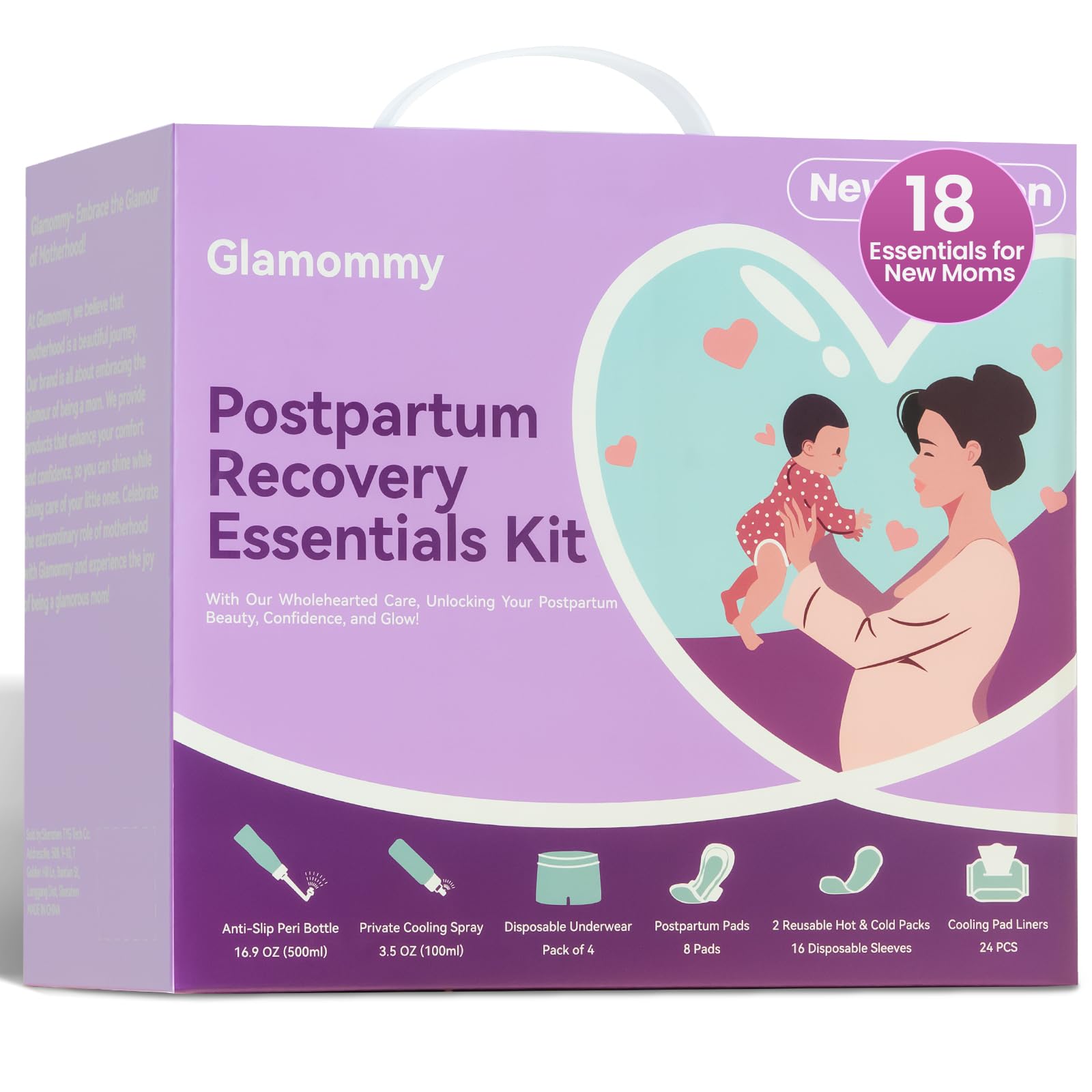


Glamommy Postpartum Recovery Essentials Kit for Women, Labor & Delivery Postpartum Care, Peri Bottle, Cooling Spray, Disposable Postpartum Underwears, Postpartum Pads, Hot&Cold Packs, Soothing Liners
- 𝗘𝘃𝗲𝗿𝘆𝘁𝗵𝗶𝗻𝗴 𝗬𝗼𝘂 𝗡𝗲𝗲𝗱 𝗶𝗻 𝗢𝗻𝗲 𝗞𝗶𝘁: Glamommy Postpartum Essentials Kit is your complete solution - it includes 𝟏𝟕𝐨
- 𝗦𝗮𝘆 𝗙𝗮𝗿𝗲𝘄𝗲𝗹𝗹 𝘁𝗼 𝗣𝗼𝘀𝘁𝗽𝗮𝗿𝘁𝘂𝗺 𝗗𝗶𝘀𝗰𝗼𝗺𝗳𝗼𝗿𝘁: The peri bottle thoroughly cleanses sensitive areas, while the cooling
- 𝗪𝗼𝗿𝗿𝘆-𝗙𝗿𝗲𝗲 𝗣𝗼𝘀𝘁𝗽𝗮𝗿𝘁𝘂𝗺 𝗖𝗼𝗺𝗳𝗼𝗿𝘁: Enjoy the softness of these skin-friendly disposable underwear, designed with a
Comparison: Postpartum Recovery Kit Options for Patient Recommendations
| Kit | Best For | Key Inclusions | Review Volume | Recommended Product | Price |
|---|---|---|---|---|---|
| Frida Mom 11-pc | Hospital-bag premium | Ice maxi pads, healing foam, peri bottle, caddy | 2,185 reviews | Frida Mom 11pc Essentials Kit | $49.98 |
| Momcozy Full Kit | Reusable + lactation extras | Reusable cold pads, nursing pads, cooling foam, canvas bag | 673 reviews | Momcozy Postpartum Essentials Kit | $44.99 |
| Glamommy Kit | Hot/cold therapy focus | Hot & cold packs, soothing spray, cooling wipes | 604 reviews | Glamommy Recovery Essentials Kit | $35.99 |
| ZOQUI 20-pc | Mid-budget complete coverage | Peri bottle, hot/cold pads, spray, 24 cooling liners | 127 reviews | ZOQUI 20pc Recovery Kit | $34.18 |
| HVLVOYG 16-pc | Budget complete | Peri bottle, pads, underwear, cooling liners | 18 reviews | HVLVOYG 16pc Perineal Care Set | $19.99 |
| HVLVOYG 3-in-1 | Bare-essentials budget | Pads, underwear, cooling liners (no peri bottle) | 33 reviews | HVLVOYG 3-in-1 Perineal Set | $15.99 |
Expert Insights
Frequently Asked Questions
Key Takeaways
The Bottom Line
The fourth trimester is the most dangerous, most undertreated, and most clinically rewarding window in adult primary care. The patients who walk through your door six weeks after birth are not the same patients who left the hospital — they are running on three hours of broken sleep, healing wounds they can't see in a mirror, recalibrating identity, and often suffering in silence. Family medicine's greatest gift is that we already know them, already know their baby, and already have the relationship that makes real intervention possible.
The clinics that get this right don't just deliver better care — they become the practice every pregnant patient in town wants to find.
If this guide helped, share it with a colleague building out their postpartum protocol, and subscribe for our follow-up implementation toolkit — including the EHR templates and screening workflows we use.
Sources & References
- American College of Obstetricians and Gynecologists. "Optimizing Postpartum Care." Committee Opinion No. 736, May 2018 (reaffirmed 2021). https://www.acog.org/clinical/clinical-guidance/committee-opinion/articles/2018/05/optimizing-postpartum-care
- Centers for Disease Control and Prevention. "Pregnancy-Related Deaths: Data from Maternal Mortality Review Committees." MMWR, 2022. https://www.cdc.gov/reproductivehealth/maternal-mortality/
- Centers for Disease Control and Prevention. "Breastfeeding Report Card, United States, 2022." https://www.cdc.gov/breastfeeding/data/reportcard.htm
- World Health Organization. "WHO Recommendations on Maternal and Newborn Care for a Positive Postnatal Experience." 2022. https://www.who.int/publications/i/item/9789240045989
- American Academy of Pediatrics. "Bright Futures Guidelines, 4th Edition." 2017. https://brightfutures.aap.org/
- Cochrane Database of Systematic Reviews. "Local cooling for relieving pain from perineal trauma sustained during childbirth." 2020.
- Paulson JF, Bazemore SD. "Prenatal and postpartum depression in fathers and its association with maternal depression." JAMA. 2010;303(19):1961-1969.
- Academy of Breastfeeding Medicine. "Clinical Protocol #2: Guidelines for Hospital Discharge of the Breastfeeding Term Newborn." 2022.
- Postpartum Support International. Clinician resources and HelpLine. https://www.postpartum.net/
- LactMed Database, National Library of Medicine. https://www.ncbi.nlm.nih.gov/books/NBK501922/
Frequently Asked Questions
How do I bill for the additional postpartum visits without losing revenue?
What's the minimum staffing I need to launch a fourth-trimester protocol?
When should I refer to psychiatry versus manage perinatal depression myself?
How do I handle the patient who refuses the week 2–3 visit?
What physical recovery supplies should I actually recommend versus leave to the hospital?
Should I screen partners and non-birthing parents for depression too?
How long should fourth-trimester care actually last?
Was this helpful?
Thanks — your feedback helps us pick what to write next.