
Parenting in 2026: AI, Sustainability and What Actually Matters
The biggest shifts in family life right now are AI powered tools that genuinely save time and reduce worry, and a growing commitment to sustainable habits that children carry into adulthood — here is how to use both wisely.
In this article
Parenting has always been a moving target. But the pace of change in the last five years has been genuinely unprecedented. A 2024 report from the Pew Research Center found that 41 percent of parents in the US have already used AI tools in some aspect of raising their children, from sleep tracking apps to homework assistance platforms. At the same time, a separate survey by IKEA found that 70 percent of parents want to raise children who are more environmentally conscious than they are.
Those two numbers tell you something important: parents are not passive. You are watching the landscape shift and you are asking, "what do I actually do with this?"
This guide walks through the most meaningful changes unfolding in family life right now. By the end, you will understand:
1. AI in the Nursery: What Smart Baby Tech Actually Does
Smart baby monitors are no longer just cameras — they are the clearest entry point most new parents have into AI powered parenting tools, and they are worth understanding properly.
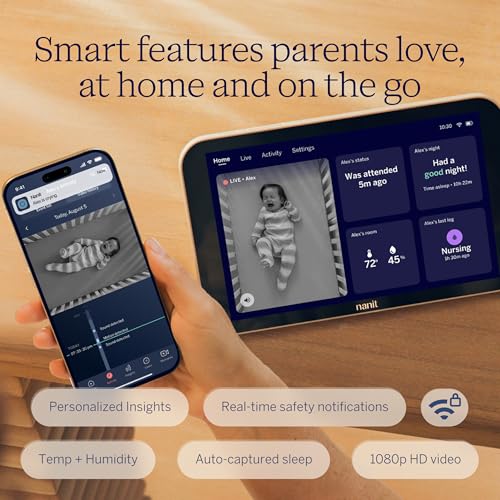
The core promise is this: instead of you staring at a screen every twenty minutes, an AI model learns your baby's baseline and flags genuine changes. Sleep tracking, cry detection, room temperature monitoring, and repositioning alerts are now standard features on mid range devices. The Nanit Pro Smart Baby Monitor is one of the most researched options in this category, with 1080p HD video, real time cry and cough detection, and a sleep tracking system that builds a personalised picture of your baby's rest over time.
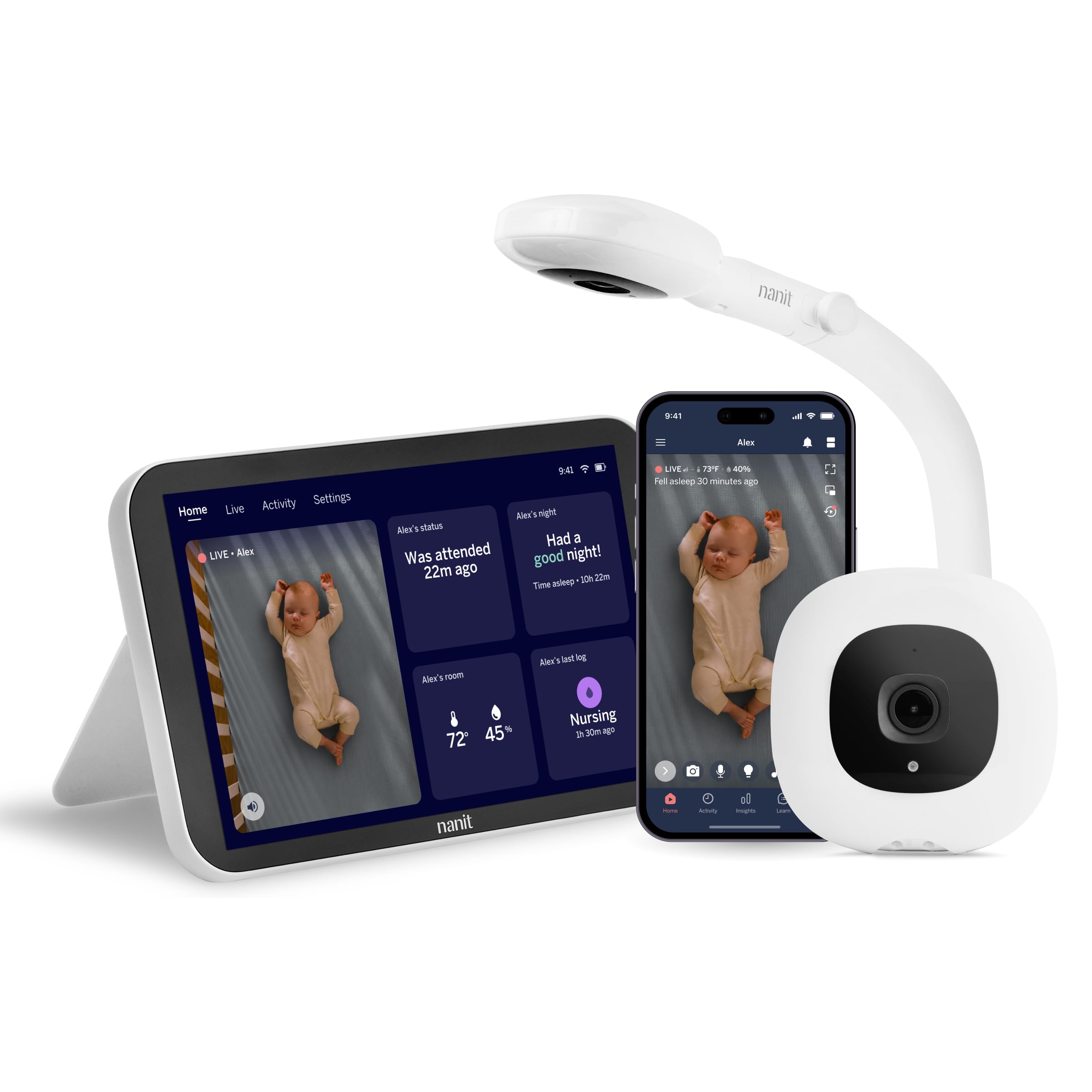
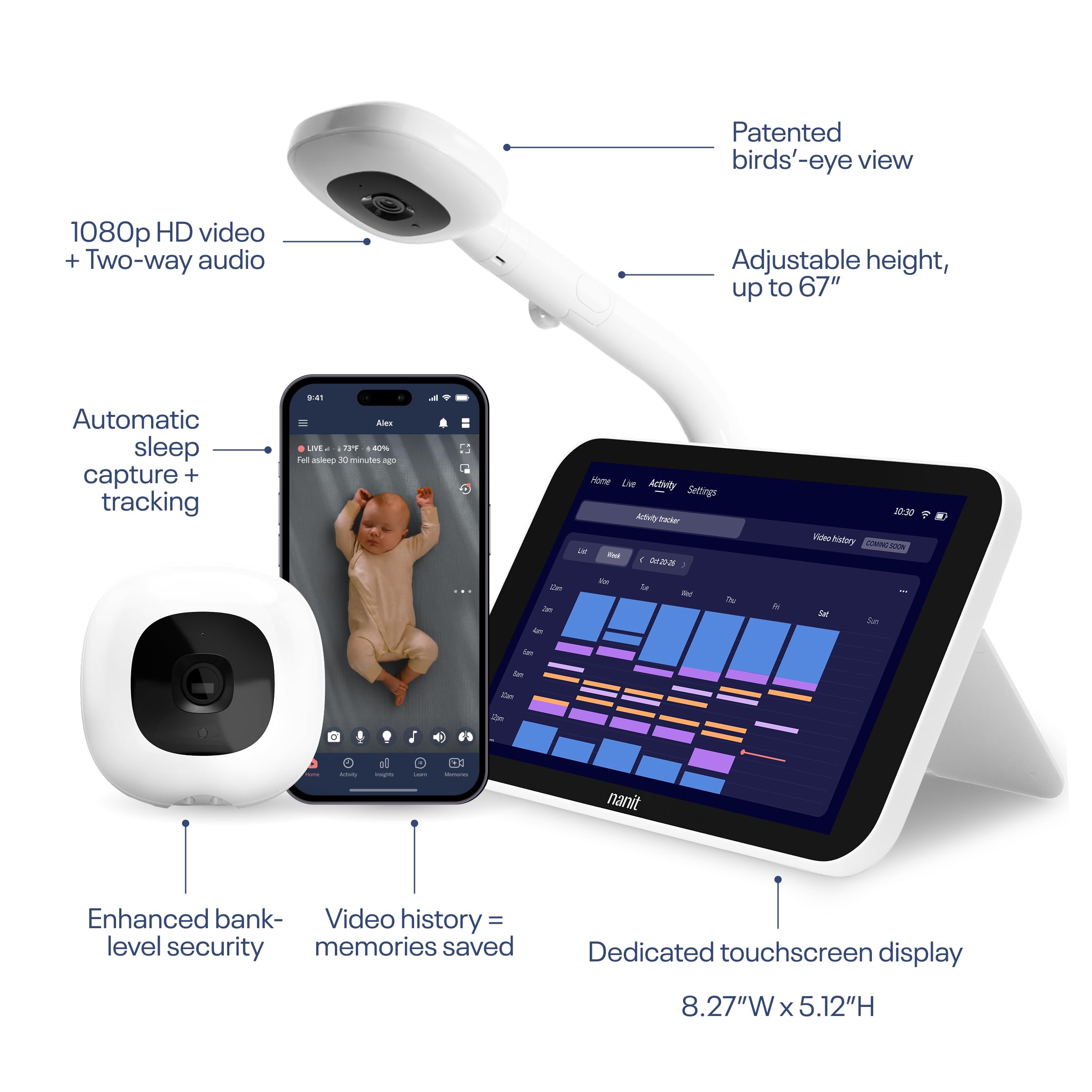
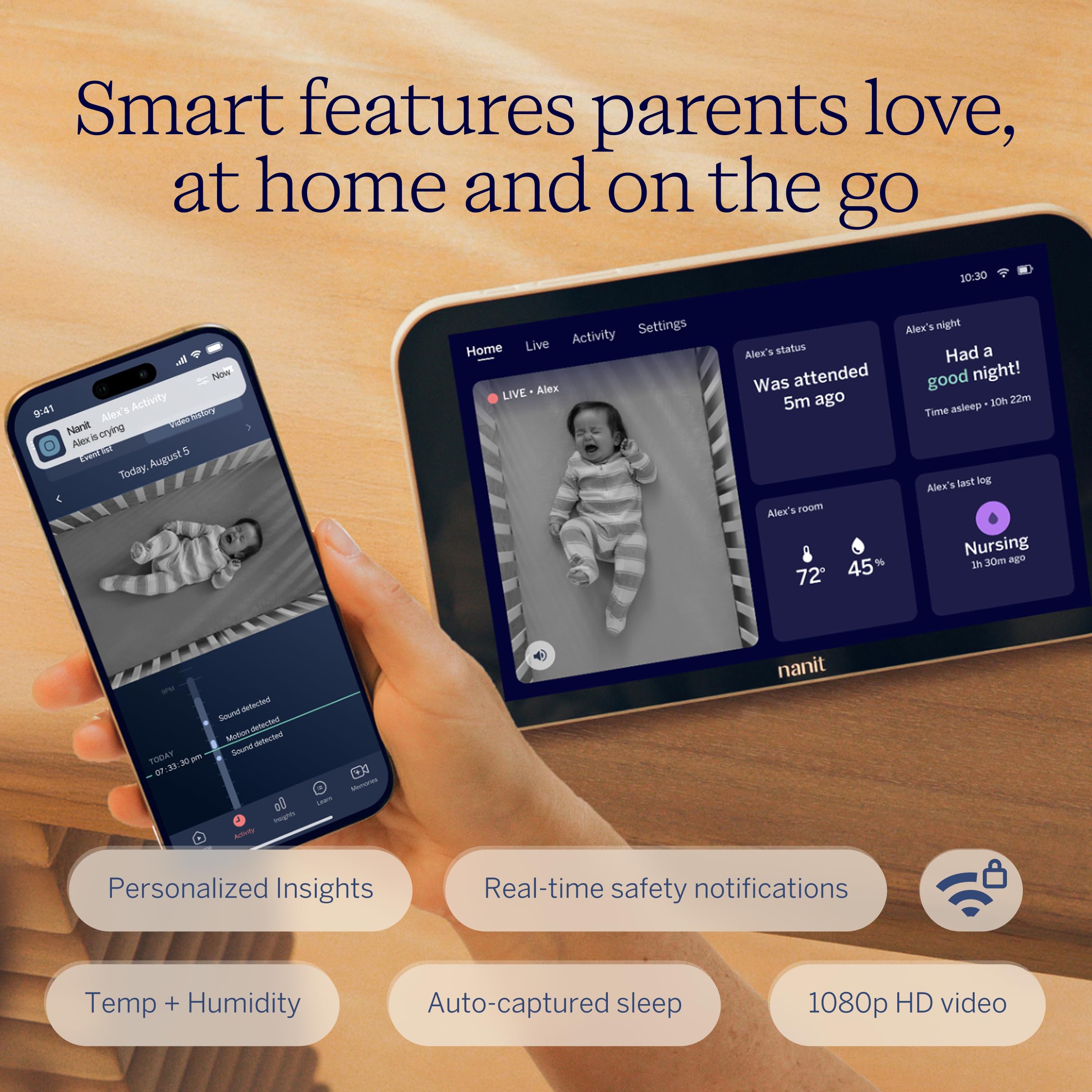
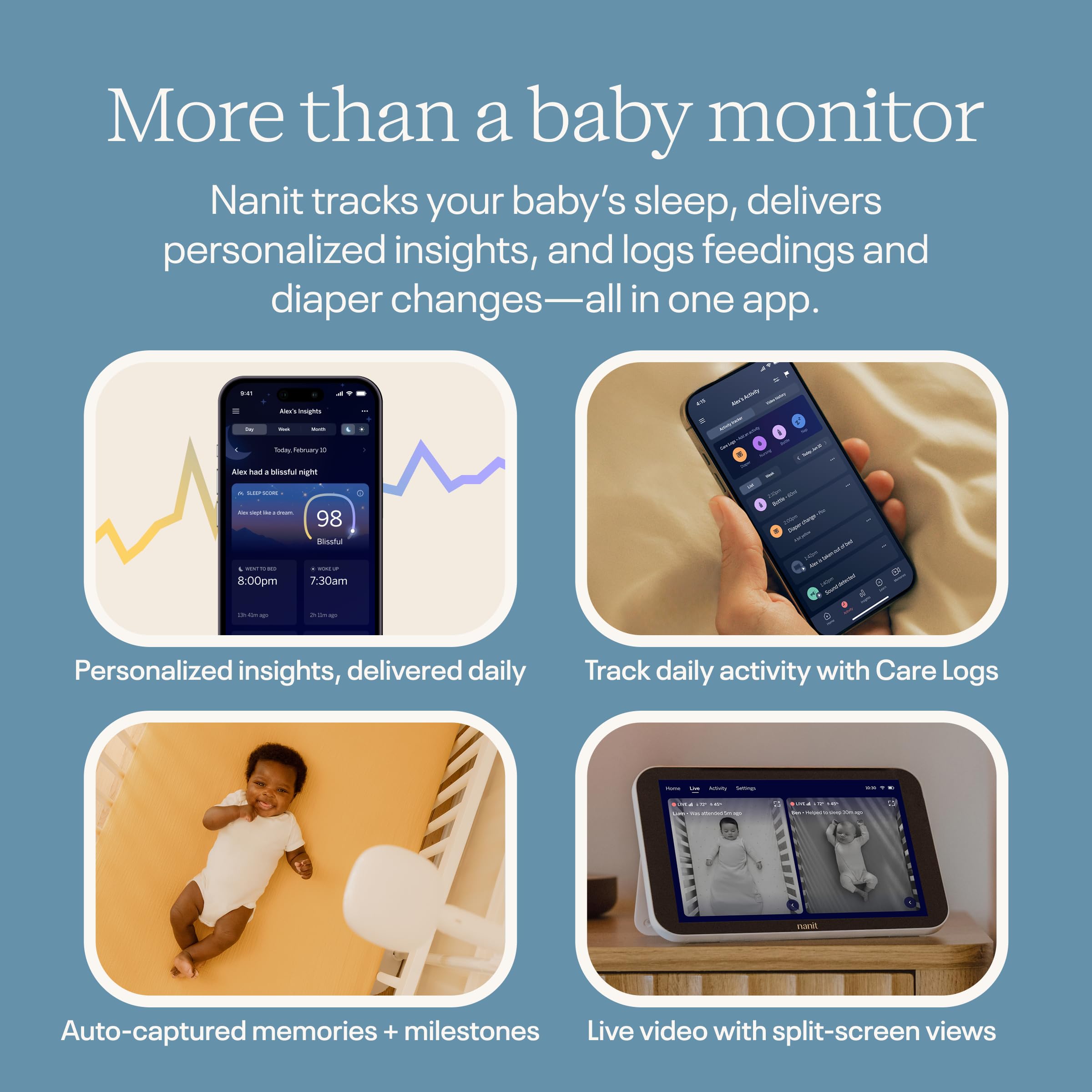
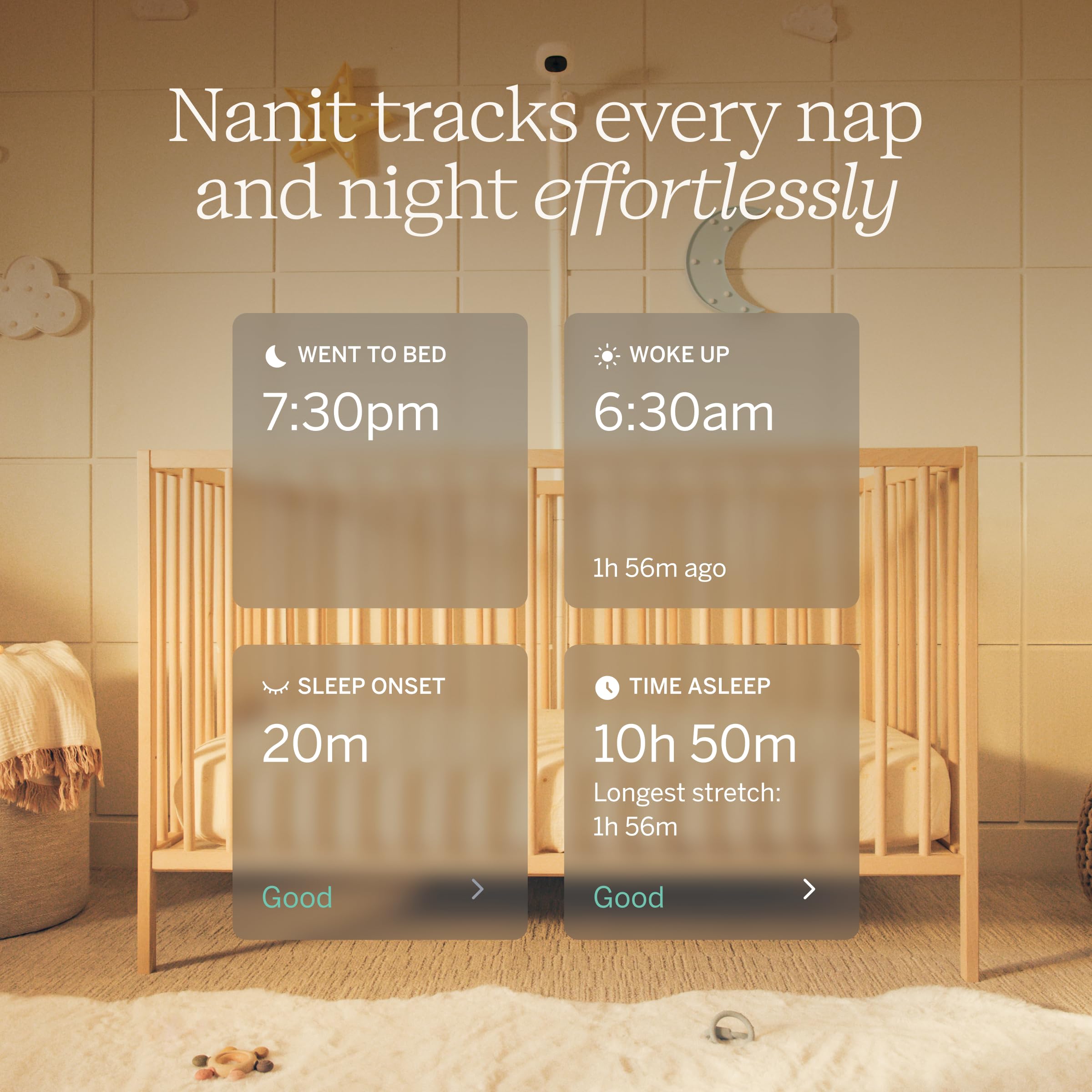
Nanit Smart Baby Monitor System with Floor Stand - Crystal-Clear Video, Real-Time Notifications, Sleep Insights - 8-inch Display/App Integration - Baby Must Haves for Parents
- ADVANCED SLEEP INSIGHTS & TRACKING: This smart baby monitor delivers everything you need—automatically trackin
- STAY CONNECTED FROM ANYWHERE: The Nanit baby monitor with an app keeps your whole family connected with multi-
- TWO WAYS TO SET UP, ONE SEAMLESS SYSTEM: Choose between versatile display options like a floor stand or monito
What the research says about sleep tracking
Parents who use consistent sleep tracking tend to identify patterns faster, which helps with night waking troubleshooting and feeds (no pun intended) into better decision making around nap schedules. That said, the data is only as useful as your ability to act on it calmly, not anxiously.
For parents who want a monitor that works even when your internet goes down, the Harbor Smart Baby Monitor stands out. It stores footage locally, communicates camera to monitor without relying on your router, and supports two cameras — genuinely useful in older homes with patchy wifi.
2. Ages 2 to 6: AI Learning Tools and the Curiosity Question
The toddler and preschool years are when AI powered educational tools start to show real promise, and real risk. Adaptive learning apps are designed to meet children at their current level, nudging gently rather than frustrating or boring. That is genuinely good pedagogy.
The concern, and it is a fair one, is displacement. A child spending forty minutes on a reading app is forty minutes not building a puzzle with you, not negotiating with a sibling, not getting bored and inventing something. None of those things have an AI substitute.
The American Academy of Pediatrics recommends that for ages 2 to 5, screen time (outside video calls) stays to around one hour per day of high quality programming, ideally co-viewed with a parent. "High quality" in their framing means content where a child is asked to respond, predict, or problem solve, not just passively watch.
Understanding how cognitive development actually works makes it much easier to evaluate any app or platform you are considering. If it does not require your child to think, retrieve information, or make choices, it is probably not doing much developmentally.
3. Sustainable Parenting: Where to Start Without Overwhelming Yourself
Eco conscious parenting is not about perfection. It is about building habits early enough that your children grow up treating them as normal. The data here is encouraging: children who are involved in environmental habits at home, from composting to choosing reusable products, show measurably stronger pro environment attitudes by primary school age, according to research published in the journal Environment and Behavior.
Newborn and infant years
The single highest impact switch in the newborn period is nappies. Cloth nappies, even used part time alongside disposables, reduce a baby's nappy footprint significantly. The upfront cost feels steep but the long term saving is real, often £500 to £1,000 over the nappy years in the UK.
Beyond nappies, secondhand baby clothing is one of the easiest wins. Babies outgrow sizes in weeks. There is no developmental argument for buying new.
Toddler and primary school years
This is the window where sustainable habits stick. Involving children in small, tangible actions — separating recycling, watering a herb pot, choosing a reusable water bottle — gives them ownership. Research from the University of Sussex suggests that children who garden regularly eat a wider variety of vegetables and have a stronger sense of environmental responsibility.
4. Digital Safety Across the Ages: A Practical Framework
Digital safety is not a single conversation. It is an ongoing, evolving one that changes shape as your child develops. The mistake most parents make is having the "internet safety talk" once and considering it done.
The framework that works across ages follows three simple questions: Who can see this? Who is this person really? And how does this make you feel?
Ages 3 to 7: foundations
At this age, the focus is on rules, not reasoning. Clear, consistent boundaries around which devices are used, when, and in which rooms do most of the protective work. A smart monitor like the ALIOBC Baby Monitor gives parents visibility in the transition years when young children are beginning to use shared family devices or tablets. Its AI detection and two-way audio means you can check in without hovering physically.
Ages 8 to 12: the conversation years
This is when parental controls alone stop working. Children at this age are smart enough to circumvent most technical blocks, and more importantly, they are starting to navigate genuine social complexity online. The more useful tools now are relational. Active listening during everyday moments creates the channel through which a child will tell you when something online feels wrong.
Ages 13 to 17: autonomy with accountability
Teenagers need increasing digital autonomy as a developmental fact. The goal shifts from protection to building judgement. Agreed boundaries (shared location, open devices in common rooms at night) combined with genuine conversation work far better than surveillance alone.
One area where AI genuinely helps older teens is in spotting misinformation. Teaching them to prompt an AI tool critically, asking "what are the limitations of this answer?" and "what sources is this drawing on?" is a media literacy skill that will serve them for life.
5. The Performance Problem: When Modern Parenting Becomes a Show
Here is something the trend pieces rarely say directly: a lot of what gets marketed as "better parenting" in 2026 is actually performance. Curated family content, sharenting, the pressure to be seen using the right tools and making the right choices — it creates a kind of ambient stress that is genuinely bad for family life.
Why modern parenthood feels like a performance is worth sitting with as a question. The best parenting choices tend to be the boring ones: consistent routines, warm attention, honest conversations, real play. None of those photograph well.
This matters for sustainability too. Eco conscious parenting is sometimes co-opted by brands selling premium "green" products that are genuinely no better for the environment than their standard alternatives. The real sustainable choices are almost always the cheap, low-tech ones: less stuff, more reuse, more time outside.
6. Building a Family Technology Plan That Grows With Your Child
A family technology plan is not a contract or a punishment schedule. It is a shared understanding that you revisit roughly once a year as children grow. The most effective plans are built with children's input, not handed down.
What to include at each stage
For infants and toddlers, the plan is mostly for parents: which devices come into the bedroom, how many screens are on during mealtimes, how you want to handle your own phone use around your baby.
For primary age children, involve them. What do they want to use devices for? What feels fair? Research from the Oxford Internet Institute found that moderate, purposive screen time (using technology to make or communicate something) is associated with better well being in 10 to 15 year olds than passive consumption.
For teenagers, the plan becomes a negotiation. They have legitimate needs for digital privacy and social connection. Your job is less gatekeeper and more consultant.
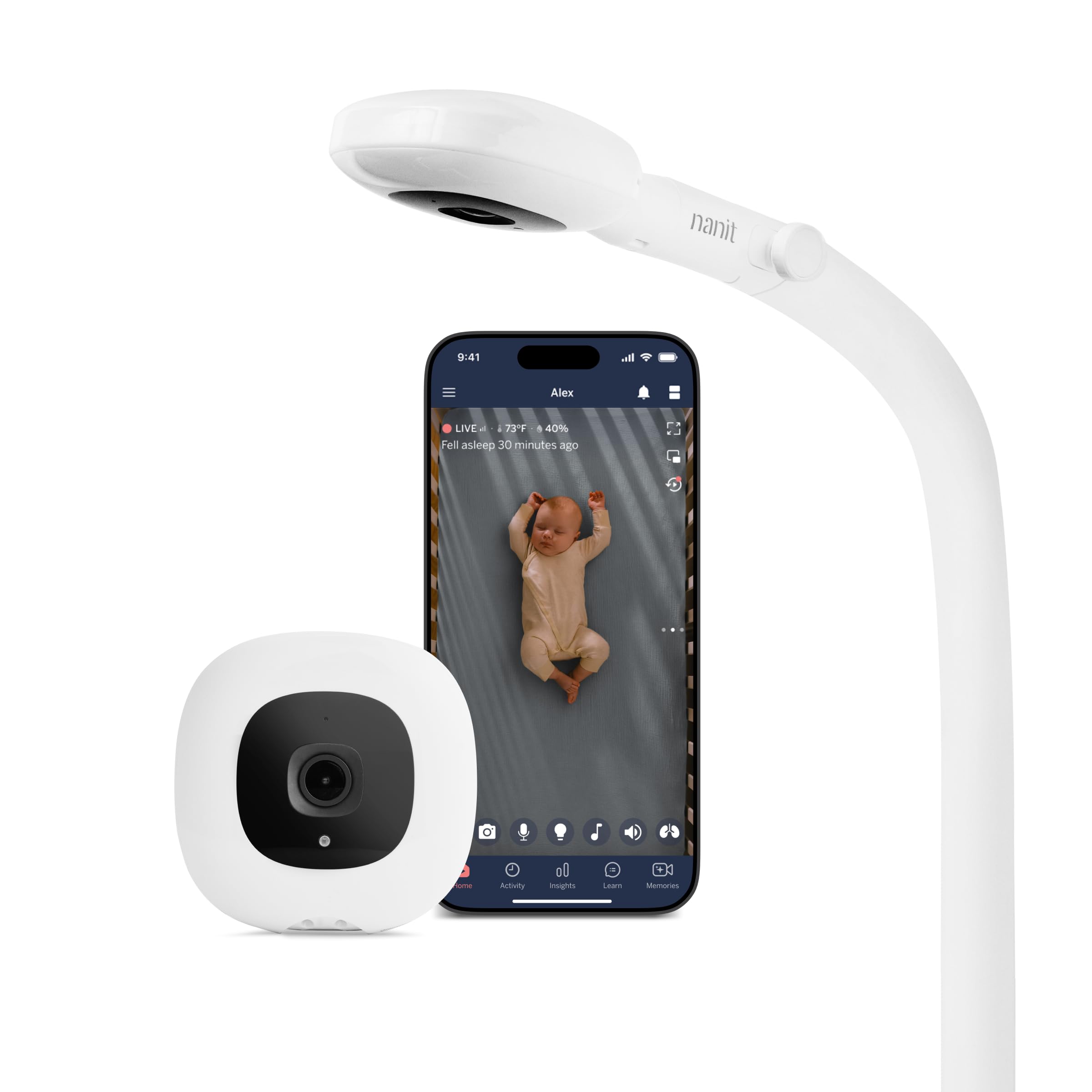
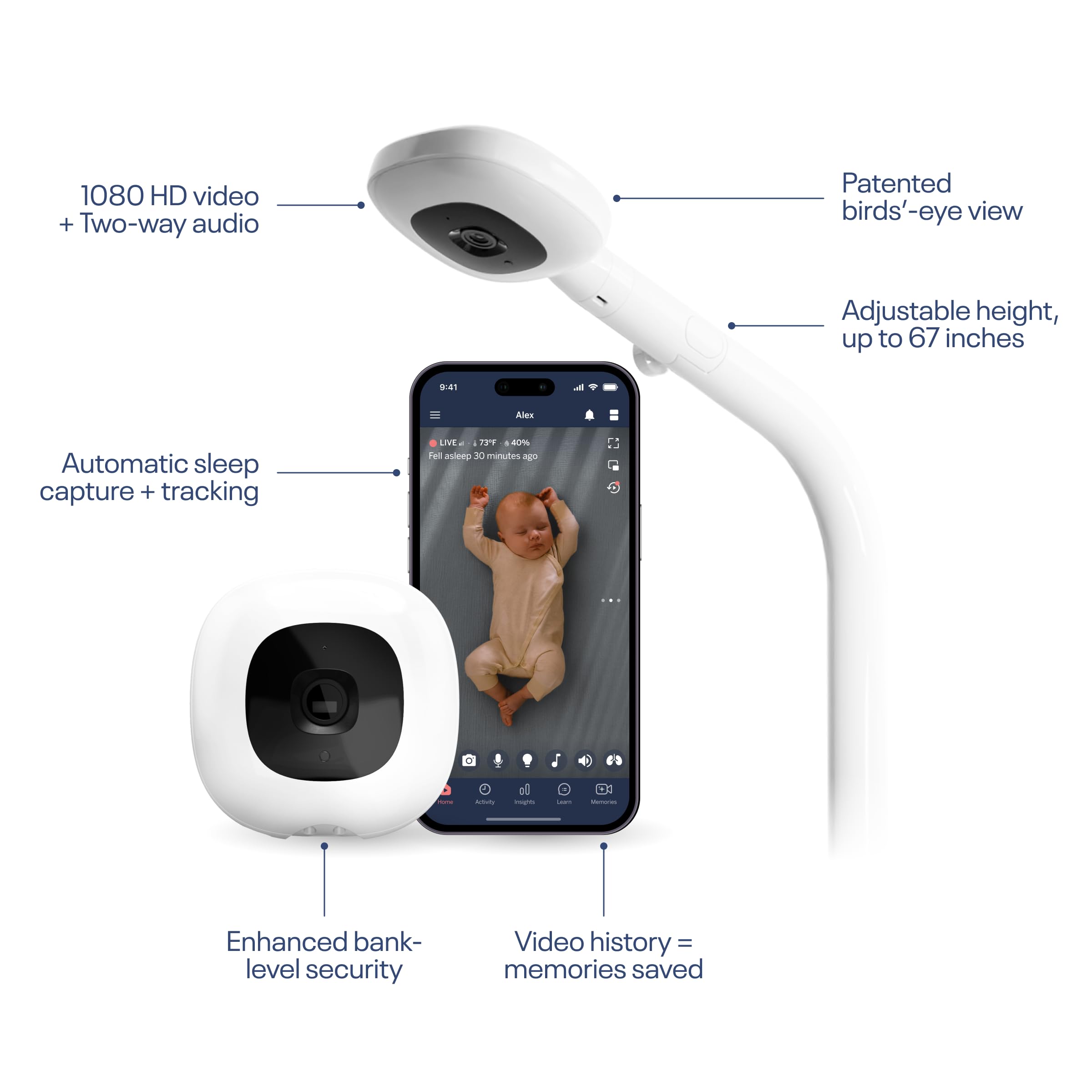
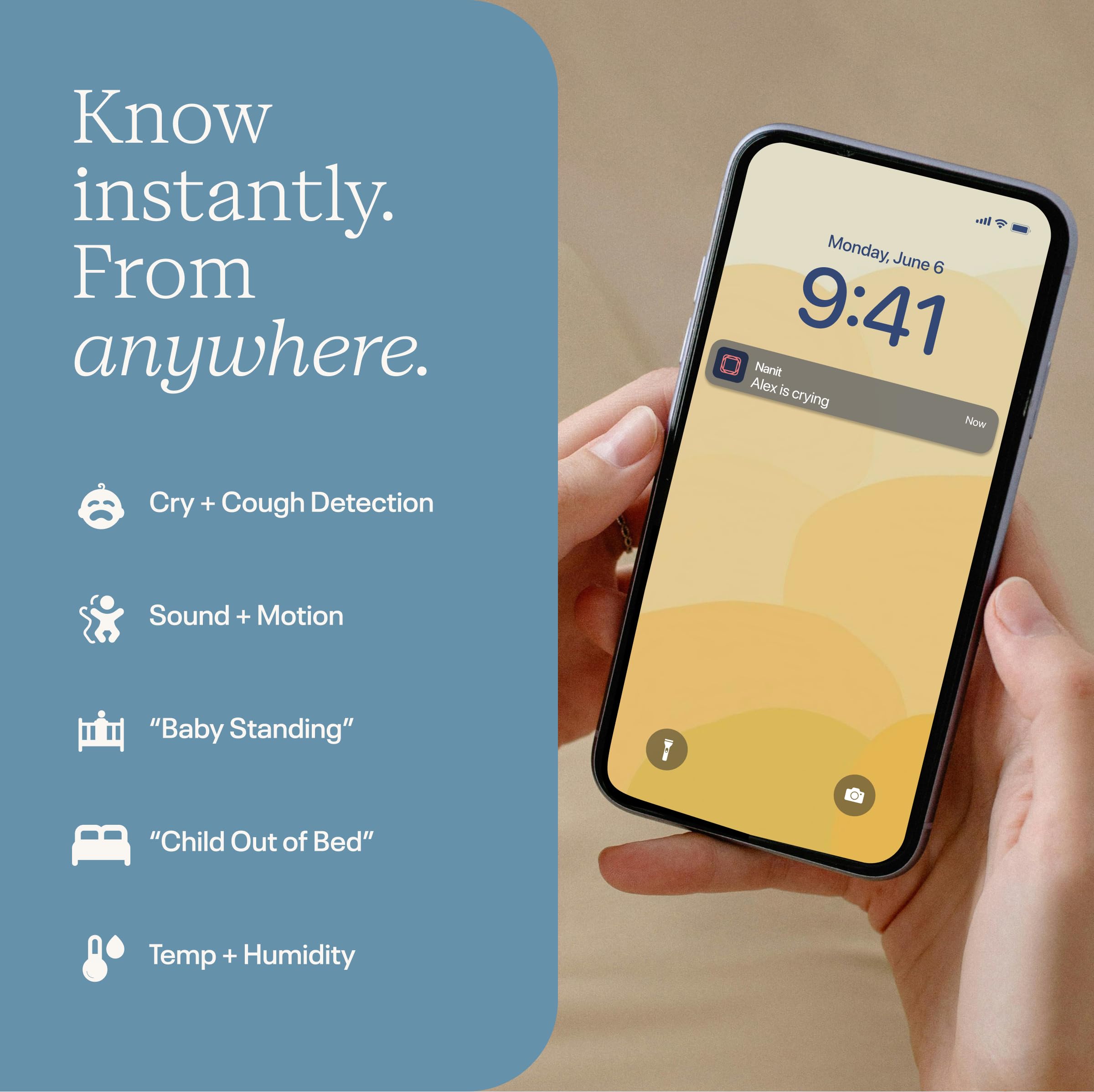
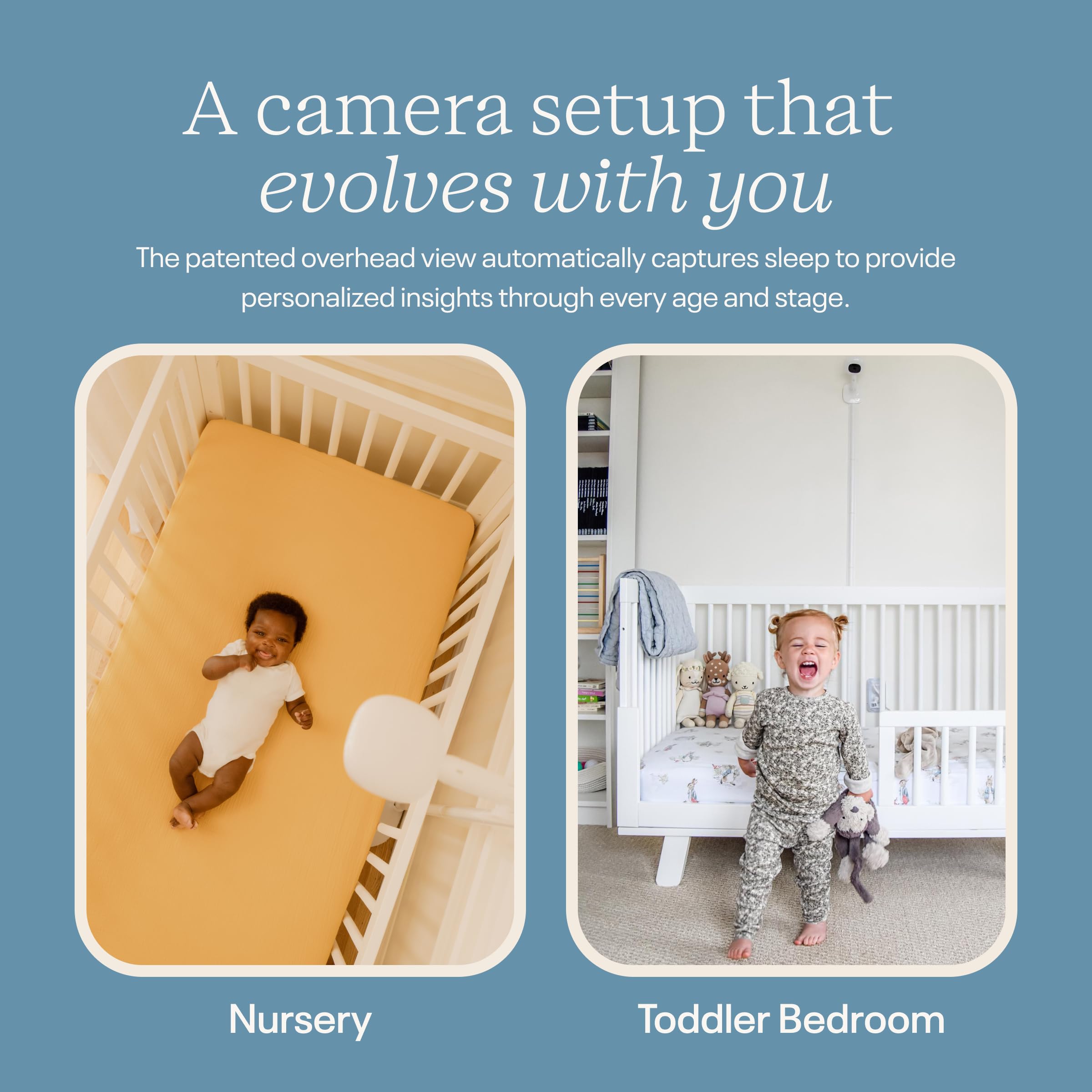
Nanit Pro Smart Baby Monitor - 1080p Wi-Fi Video Camera, 2-Way Audio, See Your Baby from Anywhere, Sound/Motion/Cry Notifications, Night Vision
- What's included: Nanit Pro Baby Monitor with 1080p HD video, 2-way audio; companion app for always-on monitori
- Crystal-clear 1080p HD video with night vision, two-way audio, live temp + humidity readings, and a Split Scre
- Real-time notifications adapt with your baby as they grow to offer confidence and connection for the next 4+ y
The Momcozy Smart WiFi Baby Monitor is a good example of a product that grows with your family's changing needs, offering both wifi and non wifi modes, a 5,000mAh battery for flexibility, and motion and cry detection so you are not tied to a screen but still genuinely informed.
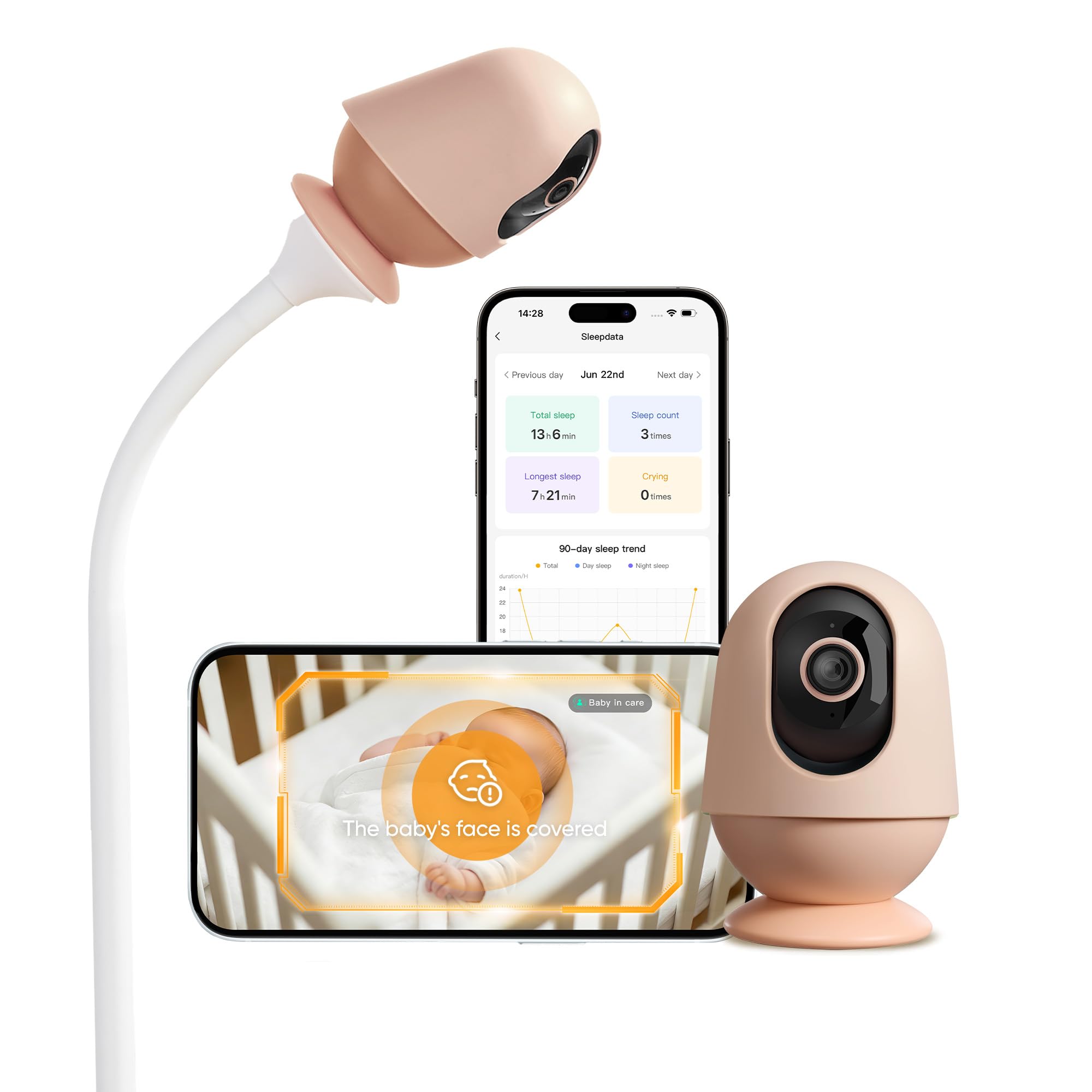
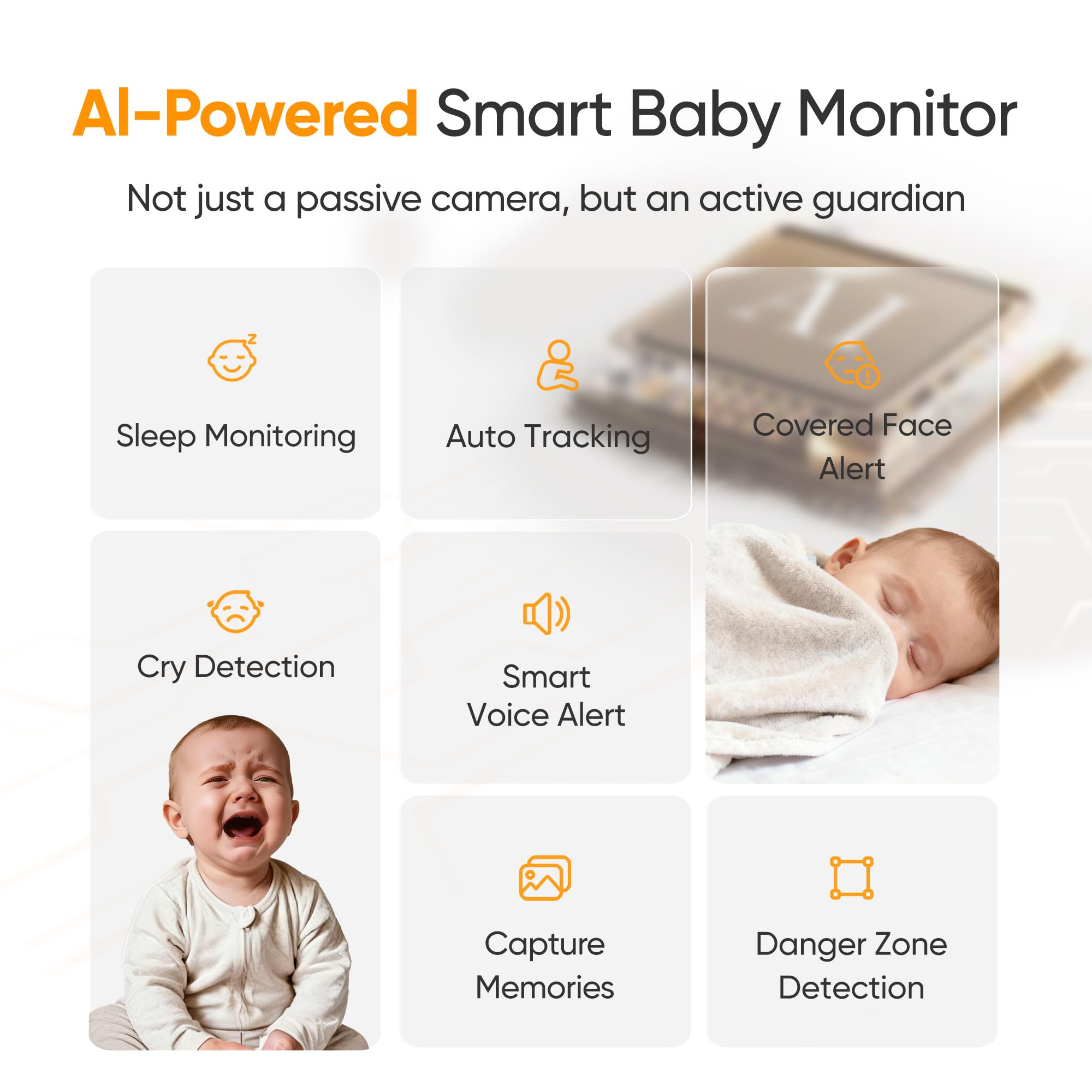



Monai 4K Smart Baby Monitor, Eye-Safe 950nm Night Vision, 7 AI Features, Phone App Baby Camera, 8X Zoom, Instant Alerts (Cry/Face Covered), No Monthly Fee, Hack-Proof, Local Storage
- 【Total Peace of Mind with Video Baby Monitor】This HD baby camera with audio offers 4K ultra-clear resolution,
- 【Eye-Safe 950nm Night Vision: Protect Growing Eyes】Most monitors use 850nm infrared that emits a visible "red
- 【Smart Sleep Tracking & Precious Moments】Automatically monitor sleep patterns and generate daily reports to he
For parents who want strong night vision without disrupting a baby's sleep, the Monai 4K Baby Monitor uses 950nm infrared, a longer wavelength that produces no visible red glow and is considered gentler on developing eyes and circadian rhythms.
| Life Stage | Key AI/Tech Use | Sustainability Focus | Main Parenting Challenge | Recommended Product | Approx. Price |
|---|---|---|---|---|---|
| Newborn (0–12m) | Sleep tracking, cry detection, nursery monitoring | Cloth nappies, secondhand clothing | Sleep deprivation, information overload | Nanit Smart Baby Monitor | $399 |
| Infant (6–18m) | Smart monitors with AI positioning alerts | Reusable pouches, secondhand gear | Weaning decisions, developmental worry | ALIOBC Baby Monitor | $159.99 |
| Toddler (18m–3y) | Adaptive learning apps, co-viewing | Reusable snacks, garden play | Screen time limits, independence pushback | Momcozy WiFi Baby Monitor | $169.99 |
| Preschool (3–5y) | Educational apps (1hr/day), creative tools | Composting, plant growing | Balancing learning play vs digital | Monai 4K Monitor | $139.99 |
| Primary (6–12y) | Online safety conversations, media literacy | Reducing waste, charity shopping | Social media pressure, gaming time | Nanit Pro Monitor | $289.99 |
| Teen (13–17y) | AI tools for learning, critical thinking | Advocacy, sustainable choices | Autonomy vs safety, misinformation | Harbor Smart Baby Monitor | $499 |
Expert Insights
Parenting in 2026 asks a lot of you. The tools are more powerful than ever, the information is more abundant, and the pressure to get it right is more visible. But children have always needed the same things at their core: a safe body, a curious mind, and at least one adult who shows up consistently and with love.
The most quotable truth in all of parenting research is also the simplest: children do not need perfect parents. They need present ones.
If this guide was useful, save it and come back at your child's next birthday. The relevant sections will have shifted. That is the whole point.
Sources & References
- Pew Research Center. "Parents and Technology." 2024. pewresearch.org
- American Academy of Pediatrics. "Screen Time and Children." 2023. healthychildren.org
- IKEA. "The Sustainable Life at Home Report." 2023. ikea.com
- Clayton, S. "Environmental identity and ecological ethics." Environment and Behavior, 2023.
- Oxford Internet Institute, University of Oxford. "Screen time and child well-being: A longitudinal analysis." 2023. oii.ox.ac.uk
- Christakis, D.A. "Rethinking Screen Time." JAMA Pediatrics, 2022.
- University of Sussex. "Children's gardening and dietary diversity." Appetite, 2022.
- Radesky, J. "Patterns of Mobile Device Use by Caregivers and Children During Meals." Pediatrics, 2020.
- Molly Rose Foundation. "Young People and Online Harm." 2024. mollyrose.foundation
Frequently Asked Questions
Is it safe to leave a smart baby monitor on all night?
At what age should I give my child their first smartphone?
How do I start sustainable parenting without it feeling overwhelming?
Do AI learning apps actually help children's development?
How much screen time is too much for a two year old?
Can sustainable parenting save money?
What is the most important thing I can do to prepare my child for an AI powered world?
Was this helpful?
Thanks — your feedback helps us pick what to write next.