
15 Parenting Hacks to Simplify Daily Life at Every Age
TL;DR: Quick summaryThe simplest way to make parenting easier is to build a few predictable routines, then let your children carry part of the load. Prep the night before, plan meals once a week, give kids specific jobs, set screen and bedtime rules in advance, and hold a short w
In this article
TL;DR: Quick summary
The simplest way to make parenting easier is to build a few predictable routines, then let your children carry part of the load. Prep the night before, plan meals once a week, give kids specific jobs, set screen and bedtime rules in advance, and hold a short weekly reset.
What you'll get
About 25 minutes to read. Short on time? Read the bold lines and the Key Takeaways near the end.
It is 7:42 on a Tuesday. One shoe is missing, the lunchbox is empty, your toddler has decided socks are the enemy, and your older child is asking where the permission slip went. You are not bad at this. You are running a small organisation with no staff, no handover notes and no coffee break.
I have spent over fifteen years talking with parents in clinic, and the same thing comes up again and again. Families rarely need more willpower. They need fewer decisions to make in the moment, and a few systems that quietly do the remembering for them.
This guide is for parents and caregivers of children from birth to about age 12, with notes for teens too. Each section covers a few hacks, shows how they change as your child grows, and ends with one small thing to try tonight. If you want more ideas afterwards, our roundup of parenting tips for raising happy, confident kids is a good companion.
How can I make mornings run smoother at any age?
Do the work the evening before, give every item a home, and show the steps in pictures or short lists. Mornings go smoother when nobody has to make forty small decisions at 7 a.m. Three hacks cover most of it: night before prep, a launch pad, and a visual routine.
Hack 1: Do the night before prep
Much morning chaos comes from decisions made too late. Moving them to the evening, when you are calmer and nobody is hungry, takes only a few minutes and saves far more time than that.
Try this order:
- Look at tomorrow's calendar and note anything unusual (a swimming day, a trip, a late meeting).
- Lay out clothes for each child, including socks and shoes.
- Pack lunches, water bottles and snacks, or at least prep what you can.
- Put every bag by the door, with forms and library books on top.
- Set out the breakfast basics, such as bowls, spoons and cereal.
The details shift with age. For a newborn or baby, restock the diaper bag, set out the next day's outfit, and keep a spare outfit for you. For a toddler, offer two outfits and let them choose tonight, when they are not in a rush. For school age children, they can pack their own bag from a checklist. For teens, a phone reminder replaces your nagging.
Hack 2: Build a launch pad
A launch pad is one spot near the door where everything that leaves the house lives. Think a row of hooks at child height, a basket for shoes, and a shelf or bin for each person. If everyone has a home for their things, nobody asks you where they are.
Keep it small and keep it visible. A cluttered launch pad becomes a dumping ground, so give it a quick tidy as part of the night before prep. If clutter is the bigger battle in your house, Goodbye Mess! Decluttering for Busy Moms may help.
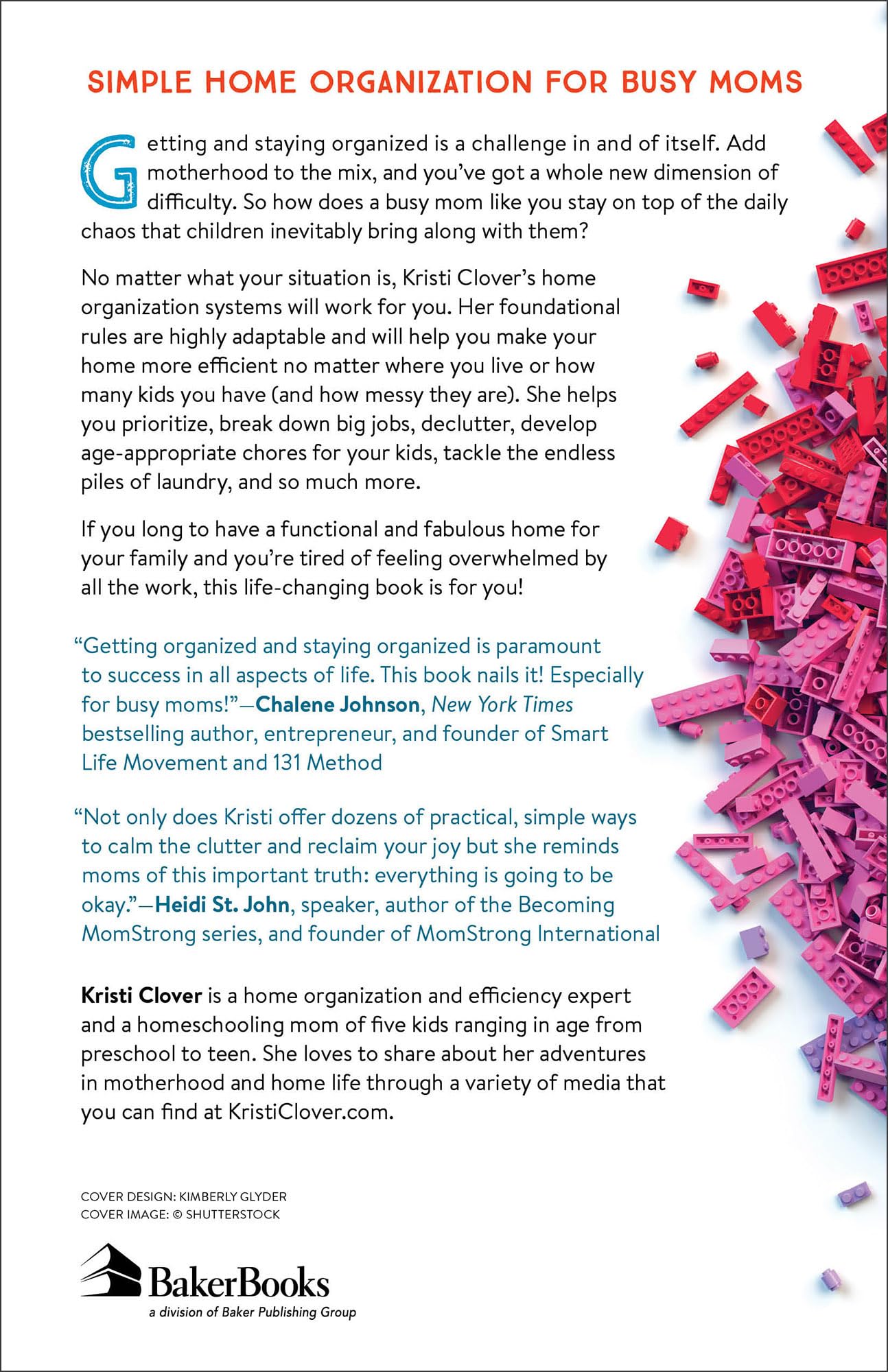

M.O.M.--Master Organizer of Mayhem: Simple Solutions to Organize Chaos and Bring More Joy into Your Home
- Crafts, Hobbies & Home
- Home Improvement & Design
- How-to & Home Improvements
Hack 3: Show the routine in pictures
Routines and rules help kids feel safe and know what to expect. That is the real reason a morning chart works; it is less about speed and more about predictability.
Simple pictures can help your younger child to understand what has to happen in the routine and in what order. Take photos of your child brushing teeth, getting dressed and eating breakfast, and stick them in order on a strip of card. Toddlers love tapping each one as they finish.
By the time your child is about 5 years old, you can get their help with new routines. Let them choose the order of two steps, decorate the chart, or suggest what goes on it. Children often follow rules they helped write more willingly.
For children who lose the thread halfway, keep the list short. The advice from understood.org is to chunk tasks into three to five items at a time. A long chart with many steps overwhelms many children.
The words to use are simple. Instead of "Hurry up, we're late again," try: "Look at your chart. What comes after shoes?" You hand the thinking to the chart, so you stop being the bad guy.
Some common morning mistakes are worth avoiding:
If you share children between two homes, keep the same chart and launch pad idea in both, even if the details differ. Our co parenting guide covers how to keep routines aligned across households.
When should you get help? If your child melts down daily despite a clear routine, struggles badly with transitions, or you suspect attention, sensory or developmental differences, mention it to your doctor. A routine is a tool, and some children need extra support to use it.
What is the easiest way to plan meals for a busy family?
Plan once a week, cook extra when you can, and give kids a snack spot they can reach alone. A simple weekly plan saves money and mental energy, and a snack station cuts the constant "I'm hungry" interruptions.
Hack 4: Make one weekly meal plan
You do not need a fancy spreadsheet. Pick one short slot each week, perhaps Sunday morning, and write down dinners on the fridge or in your phone.
Here is a simple method:
- Choose three dinners the whole family reliably eats.
- Add two new or flexible meals, so you do not get bored.
- Leave one night open for leftovers, takeaway or whatever life throws at you.
- Write the shopping list straight from the plan, checking what is already in the cupboards.
Theme nights make it easier still. Pasta on Monday, tacos on Tuesday and a sheet pan dinner on Wednesday means you decide the category once and the details almost decide themselves. Ask your child to pick one meal each week, because children eat more happily when they have had a say.
Picky eating is normal at many ages, and a plan helps here too. Always include one item on the table you know your child accepts, serve new foods alongside it, and avoid pressure. Pushing or bribing usually backfires.
Hack 5: Batch cook and freeze
Soups, stews, casseroles, pasta sauces and muffins freeze well. Double a recipe once or twice a week, eat half, and freeze the rest in labelled portions with the date written on the lid.
A few cautions from clinic. Cool food quickly before it goes in the freezer, label everything, and check your local food safety guidance for how long cooked food can be kept and how to reheat it. For babies starting solids, ask your doctor or health visitor which foods and textures are right for your child, and never assume a family meal suits a young baby unchanged.
If you are in the newborn stage, batch cooking might be someone else's job. Accept the casserole. Say "yes, please, that would help" and put it in the freezer.
Hack 6: Set up a snack station
Choose a low drawer or a basket in the fridge and stock it with options you are happy for your child to choose. Think fruit, cheese sticks, yogurt, crackers, hummus and cut vegetables. Prepare portions on the weekend so the choosing is quick.
Your script is simple: "The snack drawer is open until four. Pick one from the fruit side and one from the other side." Your child gets independence and you get peace. For toddlers, offer a small tray and stay nearby, especially with foods that could be a choking risk. If you are unsure which foods to cut or avoid at your child's age, ask your doctor.
Common meal planning mistakes include:
If mealtimes are a source of real distress, such as very limited eating, weight concerns, gagging or ongoing worry, speak with your pediatrician. That is a health question and no hack replaces a proper check.
How do I get kids to do chores without nagging?
Give each child a specific job, a bit of choice, and a visible way to track it. Vague demands like "clean your room" fail because kids do not know where to start. Clear, small steps work from toddlerhood onward.
Hack 7: Make the job specific
"Clean your room" is a huge, fuzzy task. Children often freeze or quit because they cannot see the first step.
Making the chore specific, like asking them to put their books away and then put their toys away, is better than saying, “Clean your room.
Child Mind Institute
Break it down into one or two actions, say them clearly, and stay close at first. Try: "Put all the books on the shelf. Tell me when you're done and then we'll do the toys." After a few weeks you can add a step.
What chores suit which age? Think loosely, and match the task to what your child can actually do:
Hack 8: Offer a choice and keep a chart
Giving kids a choice of which chores they do and keeping a chore chart can also be helpful. Autonomy is a powerful motivator, even for small choices. Try: "Would you rather set the table or clear it tonight?"
Keep the chart where everyone can see it, such as the fridge or the launch pad. Use stickers for younger children and a simple tick list for older ones. Pictures help younger children follow a routine, so a planner with simple pictures may suit them better than a text-based one.

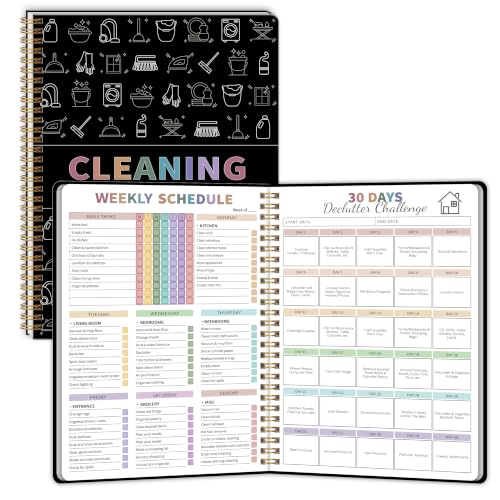
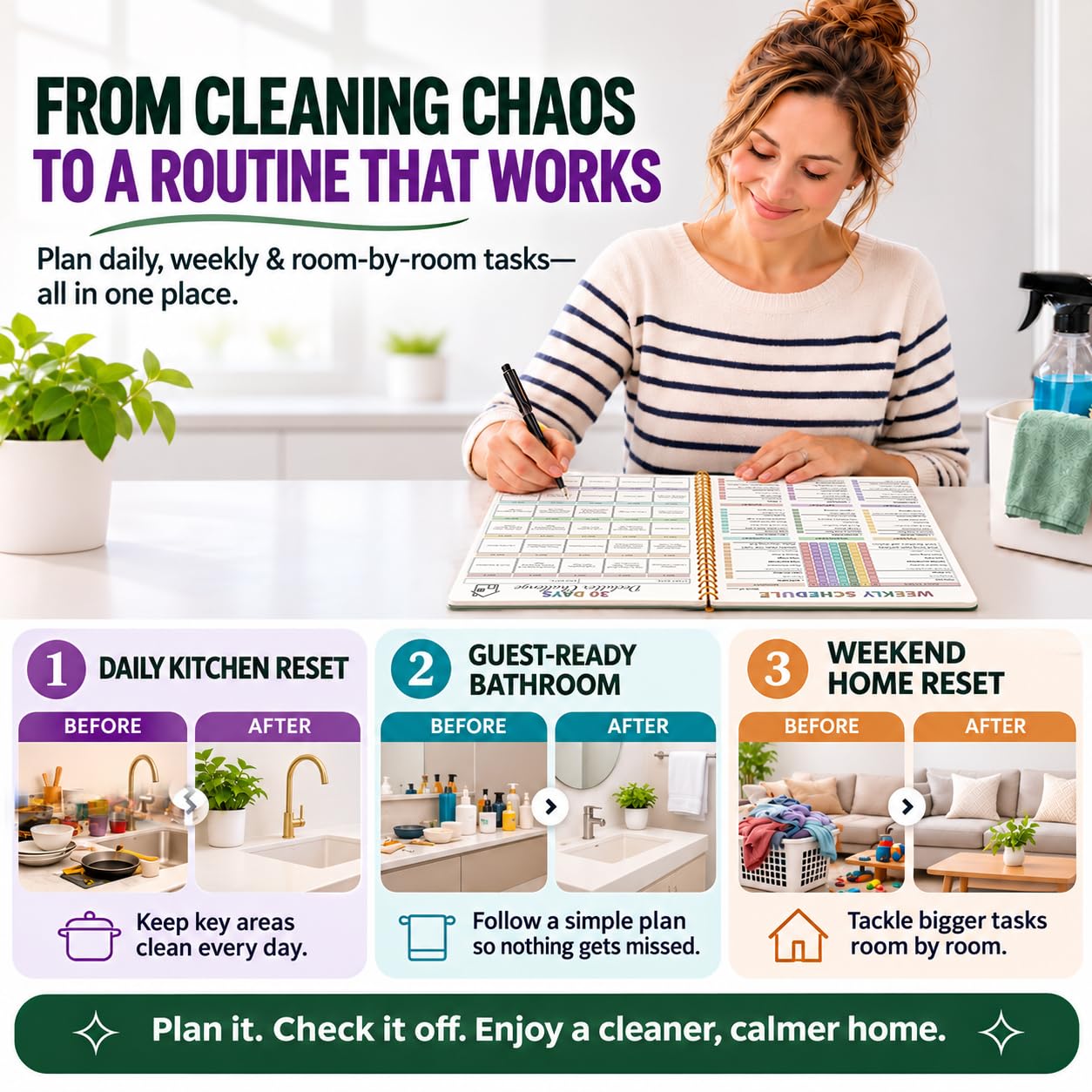


Adhd Cleaning Planner, Schedule&Checklist Organizer for Adults, 8.5"x11"
- Motivation Through Reward: Tailored for ADHD Cleaning Needs. Bright, colorful pages designed bring energy and…
- Practical Layout: Undated Daily, Weekly, Monthly, Quarterly, and Yearly Cleaning Schedule Planner help you…
- Durable: Waterproof PVC cover design, prevents pages from water and oil sprinkle | Large size 8.5" X 11"|…
Hack 9: Teach self care and let them struggle a little
Independence is the quiet goal behind every hack in this article. Each time a child learns a skill, you lose a job.
Start with self care: brushing teeth, getting dressed, packing a bag, pouring their own cereal. Teach in three steps. First you do it while they watch, then you do it together, and finally they do it while you watch. Resist the urge to rescue.
When your child gets stuck, use questions instead of answers: "What do you think comes next?" or "What could you try?" This builds the problem solving and decision making muscles they will need as teens.
Offer choices within limits. "Blue shirt or red shirt?" works at most ages. "What do you want to wear?" at 7:40 on a school day often does not.
Common chore mistakes include:
If chores trigger repeated explosive reactions, or a child seems unable to follow even simple one step instructions, mention it to your doctor or school. There may be an underlying challenge worth exploring.
How can I set up homework time so it stops being a battle?
Choose a regular time and a quiet spot, keep supplies close, and add short breaks. A predictable setup removes the daily negotiation. The goal is to make starting easy and finishing visible, whatever your child's age.
Hack 10: Create a homework station and a set time
Child Mind Institute advises that to help homework go more smoothly, you establish a routine that includes a time and place where it will be done, a planner that lists each assignment, scheduled breaks, and a reward system for kids who are not motivated by good grades alone.
Your station does not need to be a desk. A kitchen table cleared of clutter works well, especially for younger children who like you nearby. Keep a caddy of pencils, erasers, paper and a calculator so nobody wanders off looking for a pen.
For timing, many children do better after a snack and a short burst of movement, rather than straight off the school bus. Pick a regular time and write it on the family calendar. Consistency beats perfection.
Secrets of an Organized Mom: From the Overflowing Closets to the Chaotic Play Areas: A Room-by-Room Guide to Decluttering and Streamlining Your Home for a Happier Family
- Crafts, Hobbies & Home
- Home Improvement & Design
- How-to & Home Improvements
Hack 11: Use a planner and chunk the work
A planner that lists every assignment helps your child see the finish line. For younger children, a simple whiteboard with today's tasks works. For older children and teens, a paper planner or a shared calendar on a phone does the job.
Chunk the work, just as in the morning routine. Understood.org suggests chunking tasks into three to five items at a time. That might be "spelling words, then one maths page, then reading". Cross each off as it is finished.
Add a break halfway through. A short break to stretch, get water or jump on the spot makes the second half easier. Set a timer so the break does not swallow the evening.
What do you say when your child says "I can't do it"? Try: "Show me the part you do know. Let's start there." Then ask one question and wait. If you give the answer too quickly, you teach your child to ask for rescue.
Here is how the homework setup shifts with age:
Some homework mistakes to dodge:
When should you get help? If homework regularly ends in tears, if your child seems far behind classmates, or if you see signs of anxiety or attention difficulties, talk with the teacher and your doctor. Learning differences are common, and getting support often helps once they are spotted.
How do I manage screen time without daily battles?
Set the rules before the screen comes out, make them the same every day, and keep the ones that protect sleep non negotiable. Children push back less when the limits are predictable, shared by everyone, and not renegotiated in the moment.
Hack 12: Set clear limits ahead of time
The strongest screen hack is the rule you decided earlier. When the limit exists before the cartoon starts, you are not the villain; the rule is.
Some figures from the experts are worth knowing. The American Academy of Child and Adolescent Psychiatry says that until 18 months of age, you should limit screen use to video chatting along with an adult, for example with a parent who is out of town. For children 2 to 5, it suggests limiting non educational screen time to about 1 hour per weekday and 3 hours on weekend days.
For older children and teens, I would ask your own pediatrician what limit fits your child's age and needs. Even without a number, the same principles apply: choose screen free times, such as meals and homework, decide how much is too much, and keep the rules consistent.
Here is a simple way to hold the line:
- Agree the rule at a calm time, not during a standoff.
- Say it simply: "Screens are on after homework and off at dinner."
- Give a warning before time is up, such as "Five more minutes, then we turn it off."
- Follow through every time, kindly and without a lecture.
- Have a plan for what comes next, like a snack or a game.
Hack 13: Protect bedtime and use screens together
Screens close to bedtime make it harder to wind down. AACAP advises turning off screens and removing them from bedrooms 30 to 60 minutes before bedtime. The AAP says to avoid using screens 1 hour before bed.
The practical version is a charging station outside bedrooms. Everyone, including you, plugs in devices in the kitchen or hallway at a set time. When parents do it too, it stops feeling like a punishment.
Also use screens together sometimes. A family movie night or a game you all play turns screen time into connection. Ask questions as you watch, like "What do you think will happen next?", and your child gets more out of it.
Quality matters as well as quantity. Choose shows and apps that are calm, slow paced and suited to your child's age, and avoid autoplay where you can. Turn off the autoplay setting so the next episode does not roll on without anyone choosing it.
Common screen mistakes include:
If screens seem to take over your child's life, such as constant distress when they are removed, falling grades, or loss of interest in friends and activities, talk with your doctor. It is an early conversation worth having.
What does a good bedtime routine look like at each age?
A good bedtime routine is short, calm and the same every night, with steady sleep and wake times on top. The pattern matters more than the details. Children relax when they can predict what comes next.
Hack 14: Anchor the day with one bedtime routine
The CDC gives a lovely example: "Brush, book, bed", meaning brushing teeth, reading a book aloud, and tucking your child into bed.
Brush, book, bed" is a good example of a nighttime routine of brushing teeth, reading a book aloud, and tucking your child into bed.
Three steps are easy to remember, easy for another adult to run, and short enough to do on a tired night. Routines and rules help kids feel safe and know what to expect, and bedtime is where that matters most.
How much sleep do children need? The American Academy of Pediatrics says that children between 6 and 13 years old need 9 to 11 hours of sleep a night. For other ages, an expert panel's recommendations on sleep amounts for children of different ages were endorsed by the AAP. Ask your doctor what is right for your younger child or your teen.
Bedtime by age
Newborns and babies. Sleep is unpredictable at this stage, so think of a rhythm and not a schedule. A simple wind down, such as a feed, a clean diaper, a cuddle and a song, can start early. For safe sleep guidance, ask your doctor or health visitor, and follow their advice rather than anything you read online.
Toddlers and preschoolers. Keep the steps few and the order fixed. Use your visual chart again, with pictures for bath, pyjamas, teeth, book and bed. Offer a small choice, like which book or which pyjamas. By the age of 6 years old, children should get all their sleep at night and no longer nap, so naps usually fade out before then.
School age children. A calm hour before bed, no screens (see the last section), a reading chat and lights out at the same time each night.
Tweens and teens. They need sleep as much as younger children, and often get less. Keep a regular wind down, agree on device rules, and avoid long lie ins that shift their body clock.
Keep wake up times steady, too
A consistent wake up time anchors the whole day. CHOP's advice is to have your child go to sleep and wake up within 1 to 2 hours of their typical school bedtime and wake time. So weekend lie ins are fine in moderation, but a four hour shift will make Monday hard.
Here is a script for the hardest moment, when your child pleads for "just one more." Try: "That's a good idea for tomorrow. Tonight it's lights out. I'll see you in the morning." Say it kindly, say it once, and walk out. Repeat as needed, calmly.
Common bedtime mistakes to avoid:
When should you worry? If your child snores loudly, struggles to breathe at night, wakes many times, cannot fall asleep for long periods, or is very sleepy in the day, talk to your doctor. Those are health questions that deserve a proper look.
How do I keep it all running without burning out?
Hold a ten minute weekly reset, share the load fairly, and look after your own energy. Systems fail when one person carries all of the thinking. A short weekly check in keeps everything visible and shared.
Hack 15: Run a weekly family reset
Pick one time each week, perhaps Sunday after dinner, and spend ten minutes together. Keep it light and keep it short, or nobody will come back.
A simple agenda works well:
- Look at the week ahead: appointments, activities, late nights.
- Check the meal plan and add any requests.
- Review the chore chart and swap anything that is not working.
- Ask each child one question: "What went well this week? What was hard?"
- End with one specific thank you for each person.
That last step is where positive reinforcement lives. Be specific and quick: "Thank you for setting the table without being asked." "I noticed you helped your sister with her shoes." Children repeat what gets noticed, and the habit keeps the tone of the house warm.
If your children are very young, the reset is just you and a partner, or just you with a notebook. Even a five minute scan of the week reduces the Monday scramble.
Share the thinking, not just the tasks
In many homes one parent holds all the knowledge: where the swimming kit is, when the dentist is, what each child will eat. That invisible work is the tiring part. Write it down, share it, and divide ownership of whole areas rather than single tasks. One parent owns meals and the other owns school forms, for example.
This matters in every family shape, including those with a stay at home dad or two working parents. The person at home more often still needs time off the clock. For couples, our relationship tips for parents include ways to share the mental load without scorekeeping.
If you find it hard to keep household routines going yourself, a planner can help. The Bloomost ADHD cleaning planner has daily, weekly and monthly checklists you can tick off, and some adults find that kind of structure helpful. If you want more on organising the home, M.O.M. Master Organizer of Mayhem and Secrets of an Organized Mom are two books written for busy parents.

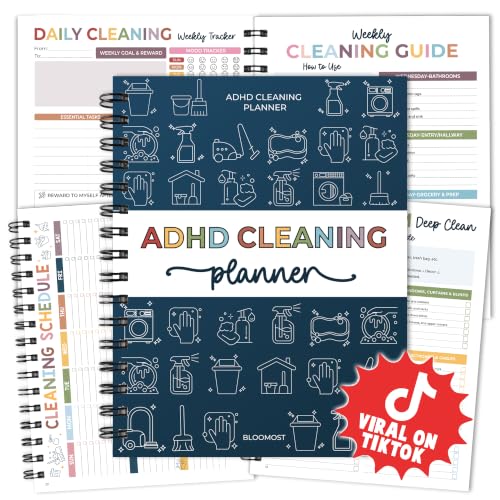

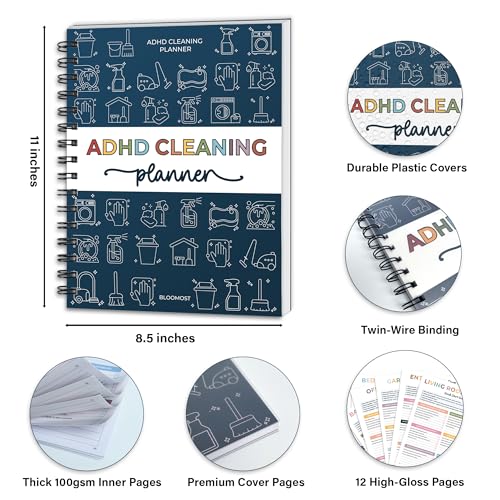
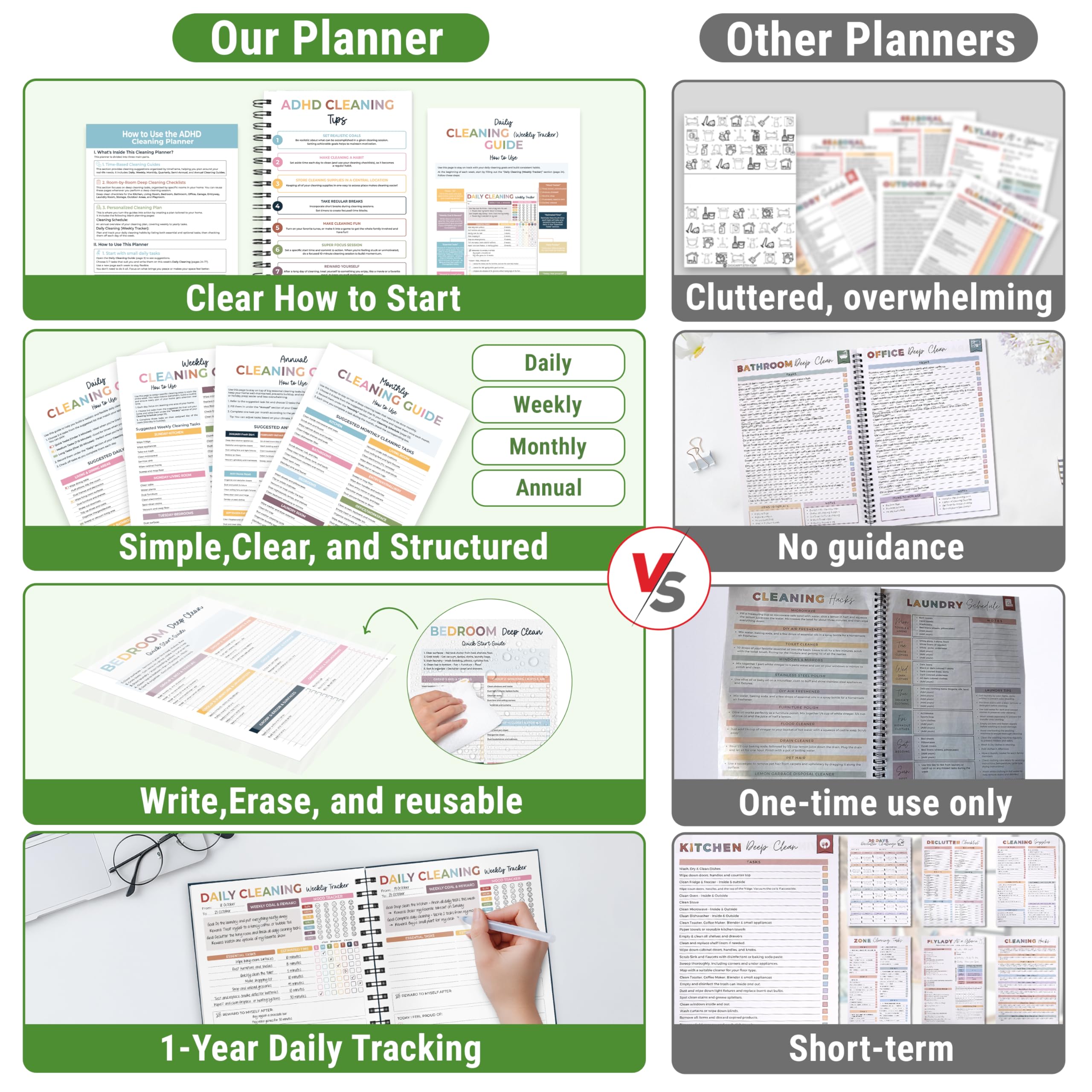
ADHD Cleaning Planner for Adults & Teens, Weekly Monthly Checklist
- Perfect for ADHD – This planner is specifically designed to tackle the unique challenges of ADHD, with clear…
- Complete Cleaning Schedule – Includes daily, weekly, and monthly checklists for efficient cleaning…
- Premium, Durable Pages – Includes easy-to-write, high-quality pages: glossy sections for tasks you want to…
Look after the parent
You cannot run any system on empty. Sleep, food, movement and time with other adults are not luxuries; they keep you patient at 5 p.m.
Lower the bar when you need to. Cereal for dinner now and then is fine. Dropping one hack for a rough week is not failure, it is good judgement.
Pay attention to your mood. If you feel flat, hopeless, constantly anxious, or unable to enjoy anything, and it is not lifting, speak to your doctor. This is true whether your baby is six weeks or six years old. Our postpartum depression recovery guide offers gentle support, and there is no shame in asking for help.
Common mistakes with the weekly reset:
Start with the hack that fixes your worst time of day. If mornings hurt most, begin there. If evenings are the problem, start with meals or bedtime. One change that sticks is worth more than ten that fade.
Which hack suits which situation?
Use this table to find your starting point. The ages are loose, so adjust for your own child.
| Option | Best Age Range | Primary Benefits | Main Drawbacks | Recommended Product | Price Range |
|---|---|---|---|---|---|
| Visual morning routine | Toddlers to early school age | Shows steps in order, builds independence | Needs setting up and updating | M.O.M. Master Organizer of Mayhem | $9.99 |
| Chore chart with choices | From about preschool onward | Clear jobs, shared load, a sense of progress | Can feel like nagging if it is too long | ADHD Cleaning Planner by GOLDPEI | $9.99 |
| Weekly cleaning reset | Older children, teens and parents | Breaks housework into small tasks | Takes a few weeks to become a habit | FASBET ADHD Cleaning Planner | $4.99 |
| Homework station and set time | School age | Predictable start, fewer arguments | Needs a quiet spot and parent follow through | Secrets of an Organized Mom | $12.61 |
| Five minute daily declutter | All ages, led by parents | Keeps the launch pad and play areas manageable | Easy to skip on busy days | Goodbye Mess! Decluttering for Busy Moms | No price listed |
| Weekly family reset with planner | Whole family, especially tweens and teens | Shared planning, fewer surprises | Needs a regular slot in the diary | Bloomost ADHD Cleaning Planner | $15.95 |
Key Takeaways
- Move decisions to calmer times: prep the night before and give every item a home.
- Routines help children feel safe and know what to expect, so keep them short and visible.
- Plan meals once a week and let children reach their own snacks.
- Give specific jobs and a choice, because "clean your room" is too vague.
- Set homework time, place and breaks, and chunk the work into three to five items.
- Decide screen rules in advance and switch screens off before bed.
- Hold a weekly reset, share the mental load, and ask for help if you feel overwhelmed.
Parenting will never be tidy, and it is not meant to be. But a few quiet systems can turn a frantic day into a manageable one, and give you back the minutes that matter most. Think of each hack as a small gift to your future, more tired self.
Your children will not remember whether the lunch was perfectly packed. They will remember whether you had a little patience left at bedtime. Save this guide, share it with the other adult in your home, and pick just one hack to try this week.
Sources & References
- CDC. "Tips for Relying on Routines and Rules."
- raisingchildren.net.au. "How to make a routine for your family."
- raisingchildren.net.au. "Four steps to a family routine."
- understood.org. "Child won’t follow a routine or schedule? Try these 5 tips."
- childmind.org. "How Can I Get My Kids to Do Chores?"
- childmind.org. "Strategies to Make Homework Go More Smoothly."
- American Academy of Pediatrics. "AAP endorses new recommendations on sleep times."
- American Academy of Pediatrics. "Screen Time Affecting Sleep."
- chop.edu. "Healthy Sleep Habits."
- aacap.org. "Screen Time and Children."
Frequently Asked Questions
How many of these parenting hacks should I try at once?
At what age can children help build their own routines?
How much screen time is okay for a 3 year old?
Do visual schedules work for older children?
How much sleep does a school age child need?
What if our routines keep falling apart?
Was this helpful?
Thanks — your feedback helps us pick what to write next.