Gentle Parenting and Self-Regulation: Toys That Actually Help
Gentle parenting works best when children have concrete tools to practise self regulation, and the right toys make that practice tangible, repeatable, and genuinely calming rather than just a distraction.

In this article
Introduction
Here is a number worth sitting with: according to the Centers for Disease Control and Prevention, roughly 1 in 6 children in the United States aged 2 to 8 has a diagnosed mental, behavioral, or developmental disorder. That does not count the much larger group of children who struggle with big emotions, meltdowns, or anxiety without ever receiving a formal diagnosis. These are ordinary kids in ordinary homes, and their parents are searching for something real to help.
Gentle parenting has moved well beyond a social media buzzword. At its core it is a philosophy grounded in connection, empathy, and teaching children to understand and manage their own feelings. But philosophy alone does not calm a four year old mid-meltdown. Tools do.
This article will walk you through:
1. What Self Regulation Really Is (and Why Toys Can Help)
Self regulation is the ability to notice, tolerate, and manage your own emotional and physical state without being overwhelmed by it. It is not the same as suppression. A child who learns self regulation does not stop feeling big feelings; they learn to feel them without the feelings running the show entirely.
Self-regulation is arguably the most important skill children develop in the early years. It underlies academic achievement, social competence, and long term mental health outcomes.|Stuart Shanker|Professor Emeritus of Philosophy and Psychology, York University, and author of "Self-Reg"]
The prefrontal cortex, the part of the brain responsible for regulating emotions and making considered decisions, is not fully developed until around age 25. Young children are not choosing to be difficult. Their brains are genuinely not yet equipped for the emotional demands we sometimes place on them.
Where toys fit in
Toys and sensory tools work because they give the nervous system something to do. When a child's stress response is activated, the body is flooded with cortisol and adrenaline. Repetitive physical input, whether that is squeezing a squishy toy, watching beads drift through a tube, or flipping a textured cube, provides rhythmic sensory feedback that signals safety to the nervous system. It is not magic. It is basic neuroscience.
2. Gentle Parenting: The Philosophy Behind the Practice
Gentle parenting is not permissive parenting. That is the first misunderstanding worth clearing up. Permissive parenting removes boundaries; gentle parenting maintains them while responding to the child behind the behaviour with empathy rather than shame.
The approach draws on decades of attachment research, notably the work of John Bowlby and Mary Ainsworth, which established that a secure attachment relationship is the foundation for everything else, including self regulation. When a child knows their caregiver will not abandon them emotionally in moments of distress, they develop the safety net they need to start managing distress themselves.
Children who experience consistent, sensitive caregiving in early life show measurably better self regulation, peer relationships, and academic outcomes by middle childhood.|Mary Dozier|Distinguished Professor of Psychological and Brain Sciences, University of Delaware]
The practical gap most parents hit
Many parents understand gentle parenting intellectually and still feel completely lost when their six year old is screaming on the kitchen floor at 7am. The philosophy does not always translate into a moment by moment action plan. That is where intentional tools, including thoughtfully chosen toys and physical spaces, bridge the gap.
Understanding what mindful parenting really means is a useful starting point, because it clarifies that the goal is not perfect calm from the parent either. It is presence, repair, and genuine attunement. Toys can support that process; they cannot replace it.
3. Sensory Tubes and Visual Calm: The Science of Slow
Sensory tubes are one of the most consistently useful calm down tools available, and they work across a surprisingly wide age range, from toddlers as young as two right through to older children and even adults.
The mechanism is straightforward. When a child tilts or shakes a sensory tube and watches glitter, beads, or oil drift slowly through liquid, their gaze naturally slows. Slow visual tracking activates the visual cortex in a way that is inherently settling. Combined with the invitation to breathe slowly and wait, it functions as an accessible, child directed mindfulness practice.
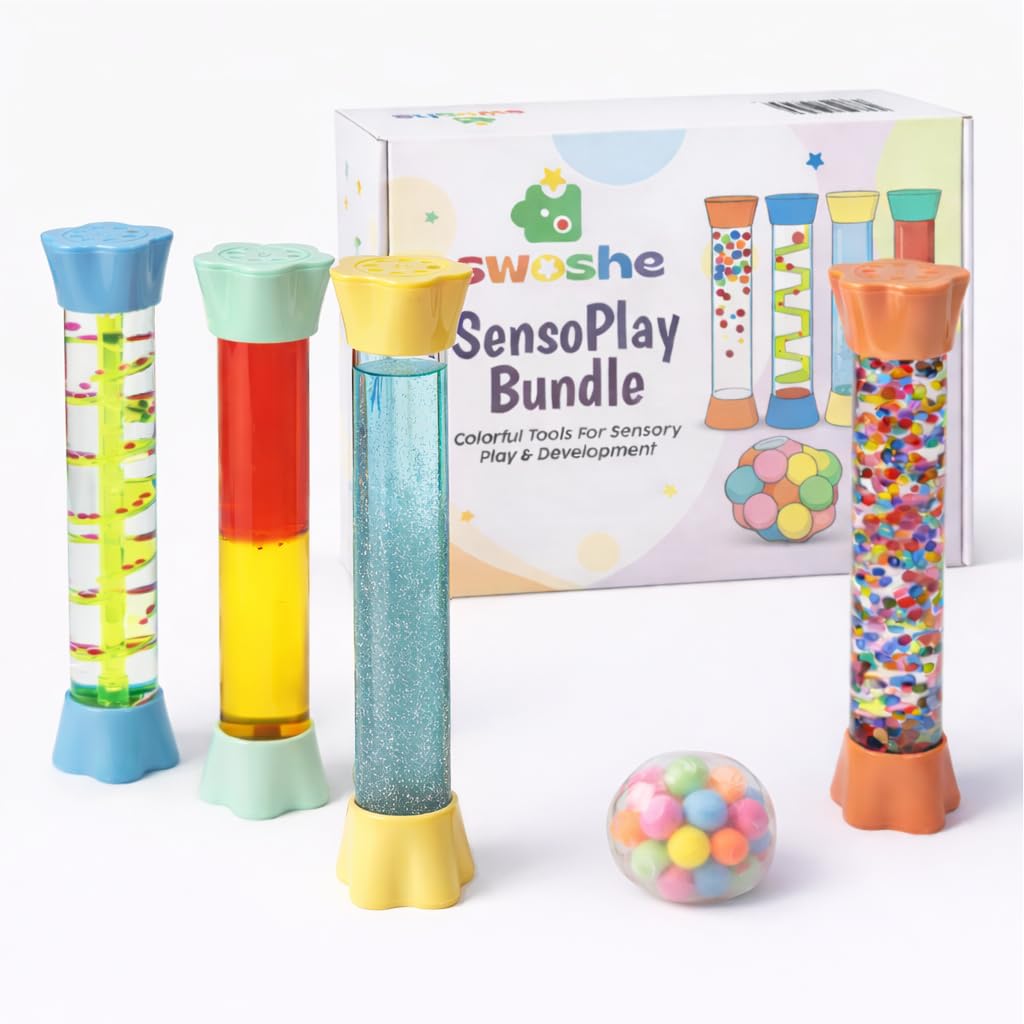
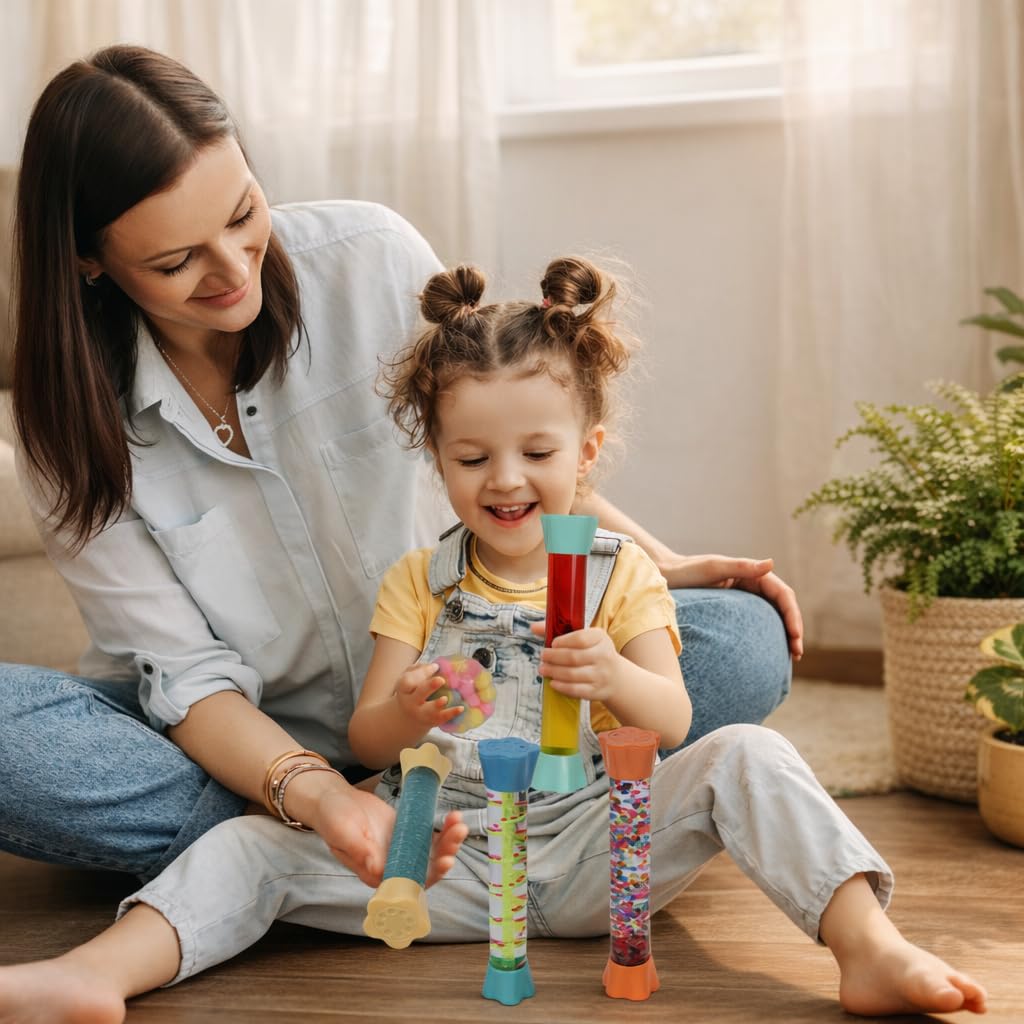
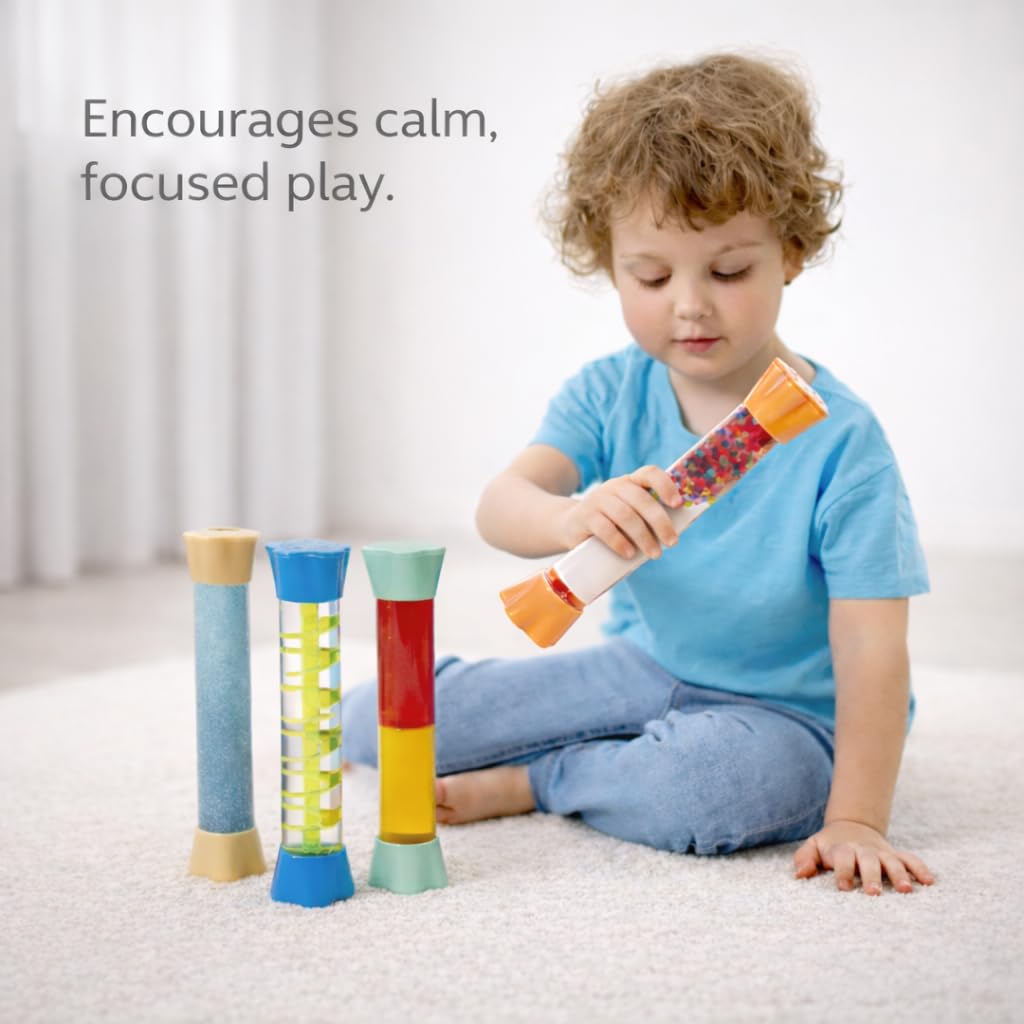
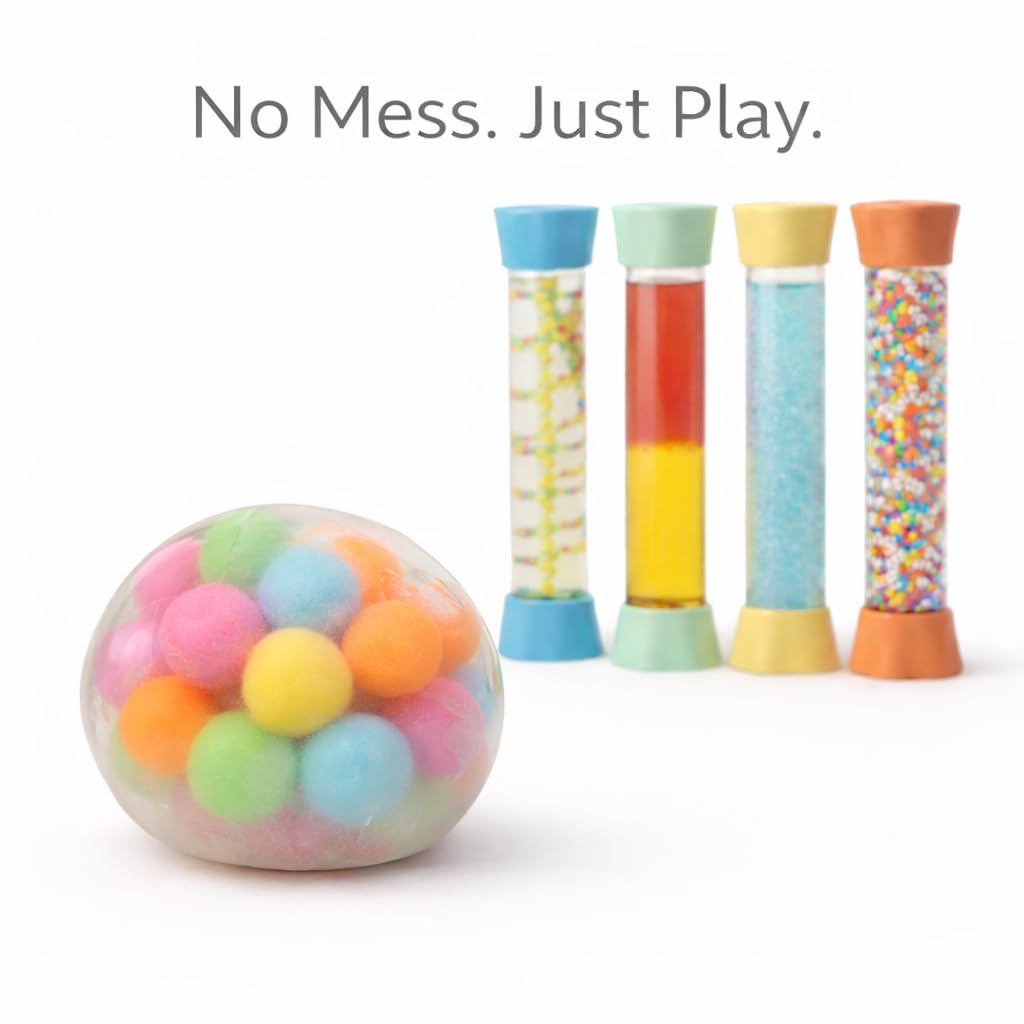
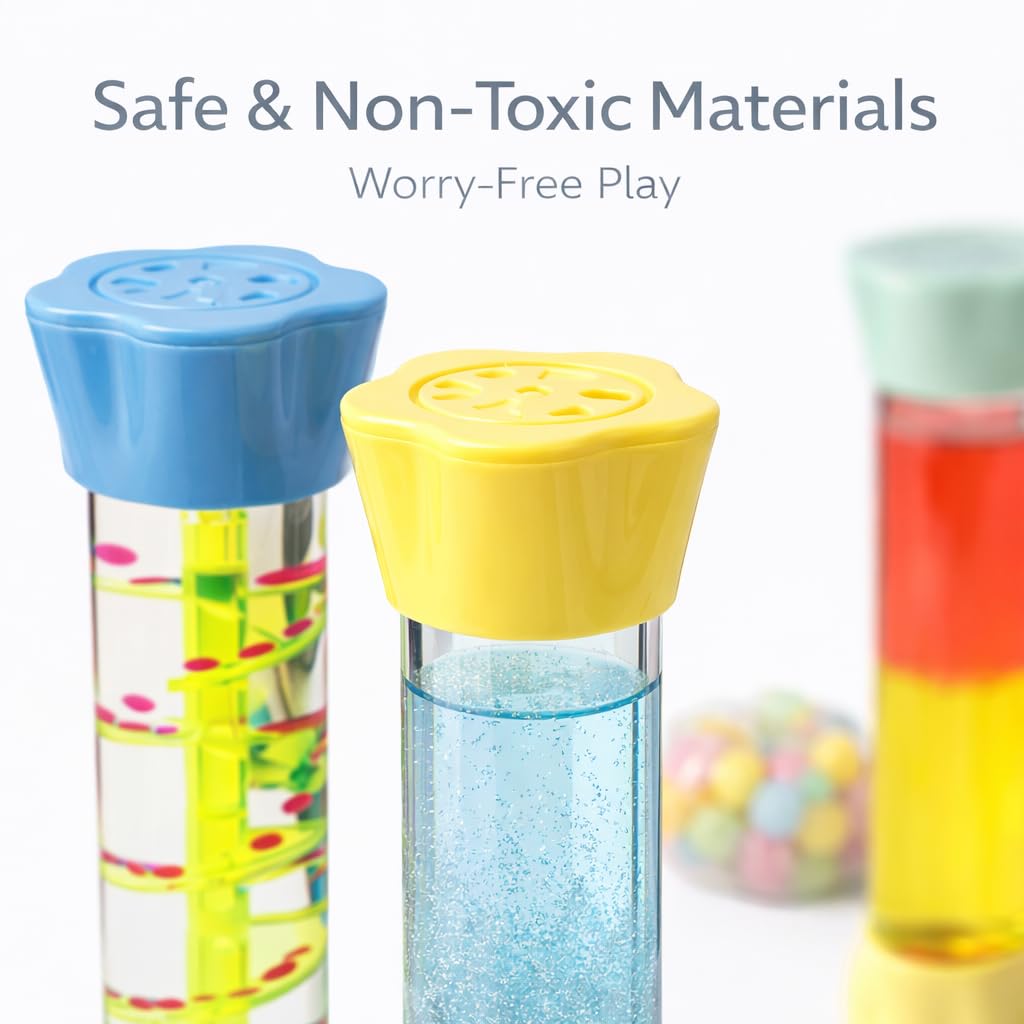
Sensory Tubes – Calm Down Corner Fidget Toys, Sensory Room & Speech Therapy Materials, Stress Relief Ball, Travel Toys, Quiet Sensory Bottles for Kids
- Supports Calm, Focused Emotional Regulation – Designed to promote slow, intentional visual tracking and gentle
- Thoughtfully Designed 5-piece Sensory Set – Includes 4 uniquely designed sensory tubes plus 1 stress ball, off
- Ideal for Calm Down Corners & Therapy Use – Perfect for calm down corners, speech therapy, classrooms, homesch
The swoshe Sensory Tubes set includes four distinctly designed tubes plus a stress relief ball, giving children varied input within a single kit. What I appreciate about a set like this clinically is the variety: not every child responds to the same type of sensory input, and having options matters.


hand2mind Calming Sensory Tubes, Rain Sound Fidget Tubes, Rain Stick Instrument, Toddler Sensory Toys, Calm Down Corner Supplies, Science Classroom Weather Toys, Play Therapy Activities
- RAIN MAKER SENSORY TOY: Bring soothing rain sounds into calm down time with sensory tubes that invite kids to
- SENSORY SEEKING TOYS: Each tube produces a distinct rain pattern so children can choose the sound that meets t
- CALMING CORNER ITEMS: The relaxing audio and visual input promotes emotional regulation and deep breathing, gi
The hand2mind Rain Sound Fidget Tubes take the concept a step further by adding an auditory layer. The three different rain patterns (drizzle, shower, gentle storm) let children choose the sound intensity that matches where their nervous system is, which is a simple but genuinely meaningful form of self directed regulation.
4. Fidget Toys: Anxious Hands, Focused Minds
Fidget tools have had a complicated reputation since the fidget spinner craze of 2017, which produced a wave of cheap, distracting toys that classrooms quickly banned. The research, however, on appropriate sensory input and attention is genuinely supportive, particularly for children with ADHD, anxiety, or sensory processing differences.
A 2015 study published in the Journal of Abnormal Child Psychology found that increased movement in children with ADHD improved working memory performance. The key word there is appropriate: the movement needs to be subtle, repetitive, and not visually distracting to others.
What makes a fidget tool work
The best fidget tools offer varied tactile input, remain silent in use, and are small enough to use discreetly in a classroom or at a dinner table. They give the sensory seeking child's hands something to do so their brain can stay present in the task in front of them.
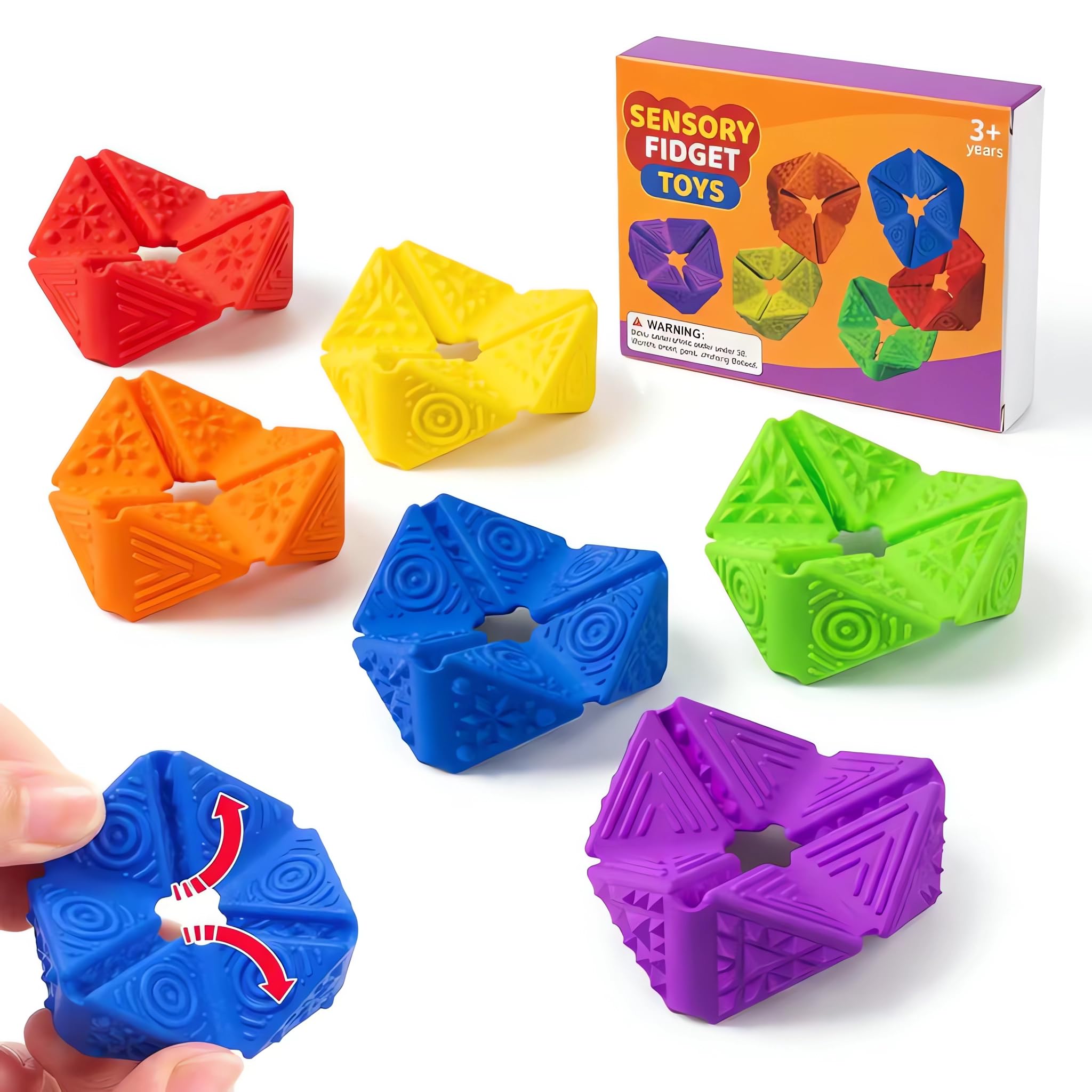
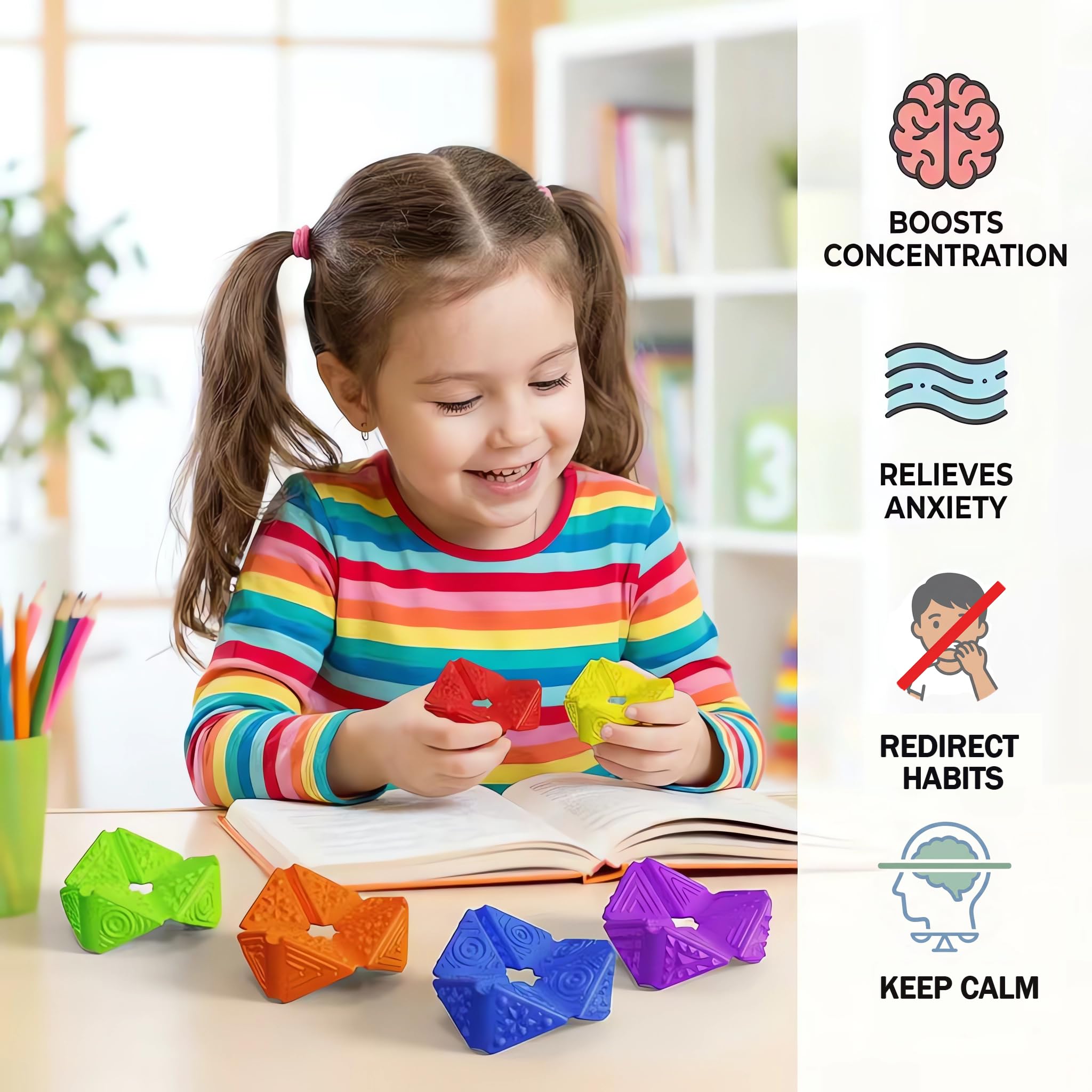
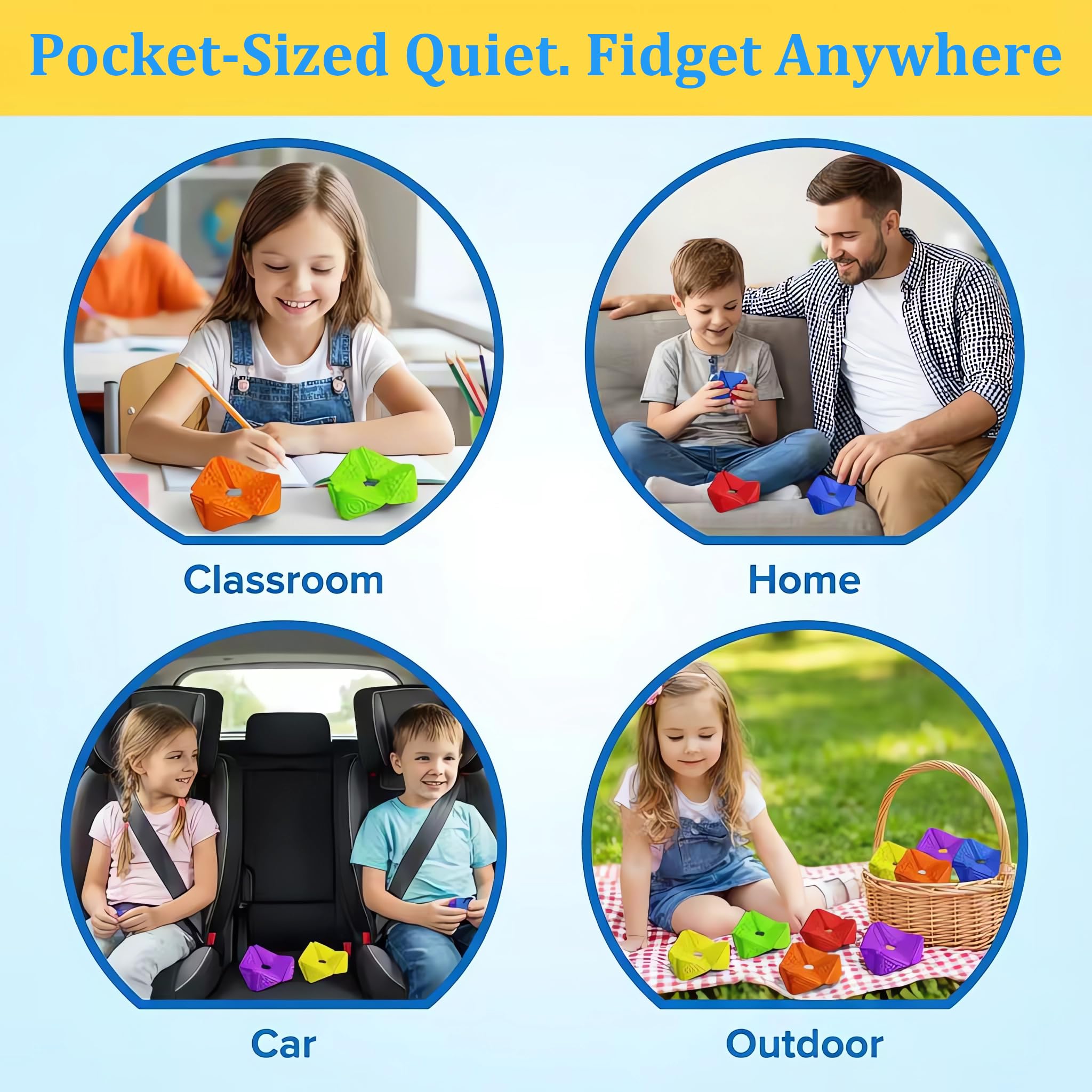
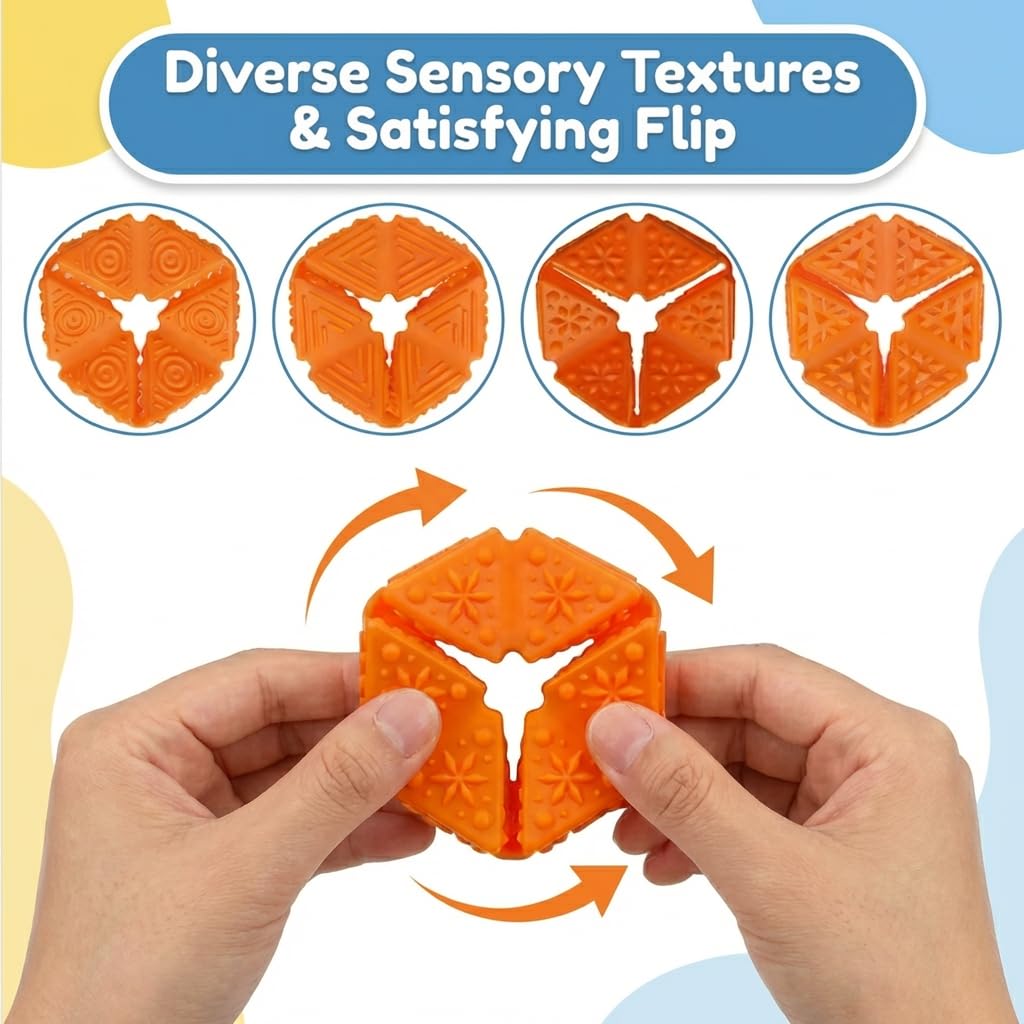
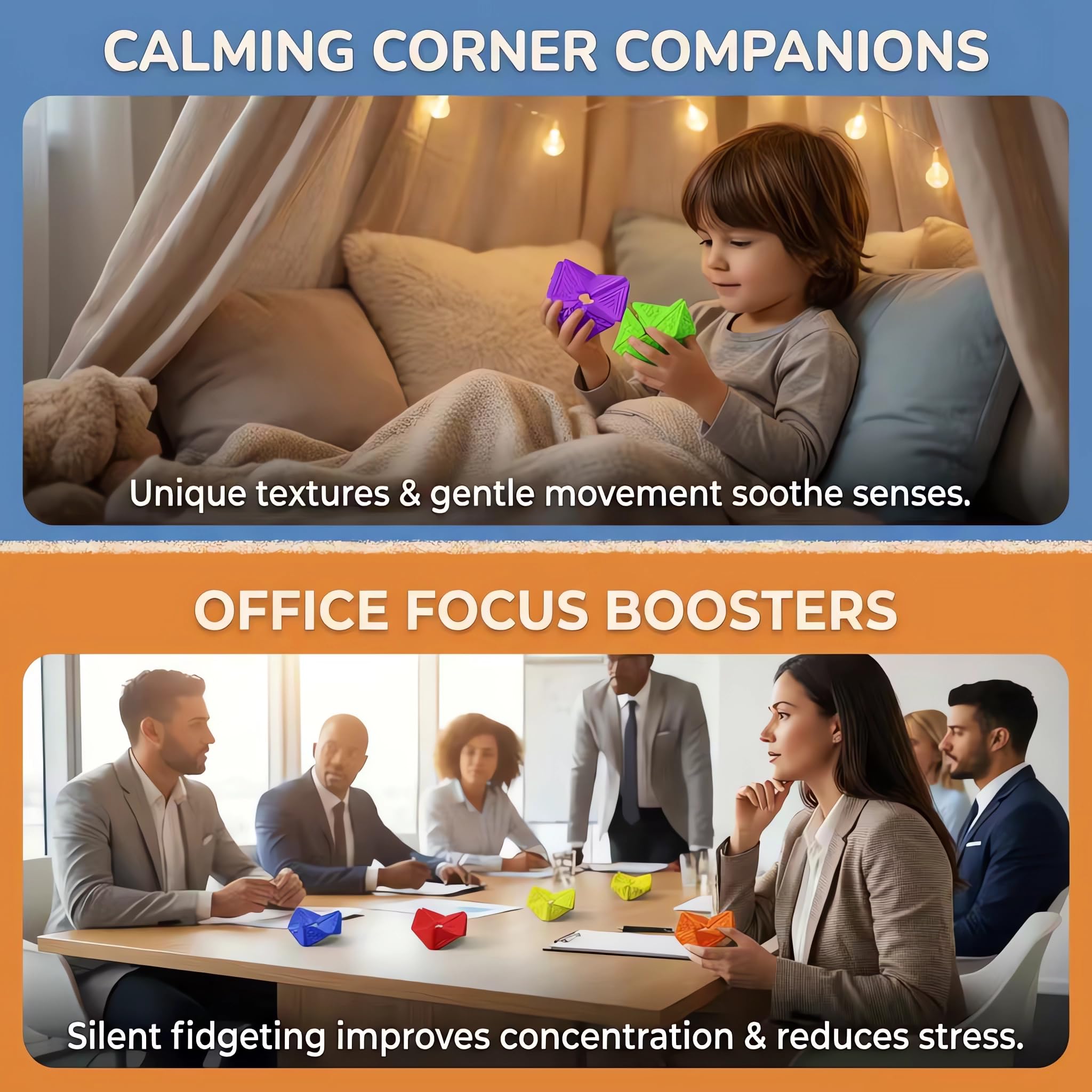
Sensory Fidget Toys for Kids Adults: Textures Sensory Flip Cube, Stress Fidgets Toys for Teen with Anxiety Autism ADHD Focus, Quiet Desk Fidget Toy for Classroom Prize, Office, Calm Down Corner
- 4-in-1 Fidget Stone - Each fidgets cube features four unique textures and visual patterns for varied tactile a
- Safe Silicone Sensory - This quiet fidget toy is crafted from durable, flexible silicone with smooth rounded e
- Silent Flip Design - This quiet sensory tool uses repetitive flipping and touching to help relieve stress and
The Tendry Sensory Flip Cube delivers exactly this. Four distinct textures on a single silicone cube, flippable with one hand, completely silent. The four in one design means a child can cycle through different inputs depending on what their nervous system needs in the moment, which is a real advantage over single texture tools.


Squishy Fidget Sensory Toys for Kids, Calming Down Sensory Tools for Autism Autistic Special Needs, Sensory Bin Squeeze Toys for Classroom Prize, Travel Toys,Easter Gifts for Kids Toddlers
- Patented Design PERFECT SENSORY TOY - It is a great fidget pack for any ages, toddlers, kids, students, adults
- QUIET FIDGETS FOR CLASSROOM - those sensory autism products are very quiet, you can give them to your child, o
- CALMING TOOLS FOR AUTISM - These squishy fidget toys help students calm down in any type of environment, reall
For younger children or those who prefer a squeezing motion over flipping, the LESONG Squishy Fidget Sensory Toys offer a gentler, more tactile option at a very accessible price point. The squeeze and release rhythm mimics the physiological action of deep breathing, which is not a coincidence.
5. Building a Calm Down Corner at Home
A calm down corner is not a naughty step with better branding. The distinction matters enormously. A naughty step is a punishment. A calm down corner is a resource: a place a child chooses to go, or is gently directed toward, when their nervous system is overwhelmed. It is associated with support, not shame.
The research on dedicated calming spaces in classrooms is encouraging. A 2019 review by the Collaborative for Academic, Social, and Emotional Learning (CASEL) found that structured emotional learning environments, including physical calm down spaces, improved student behaviour and reduced teacher reported incidents of dysregulation.

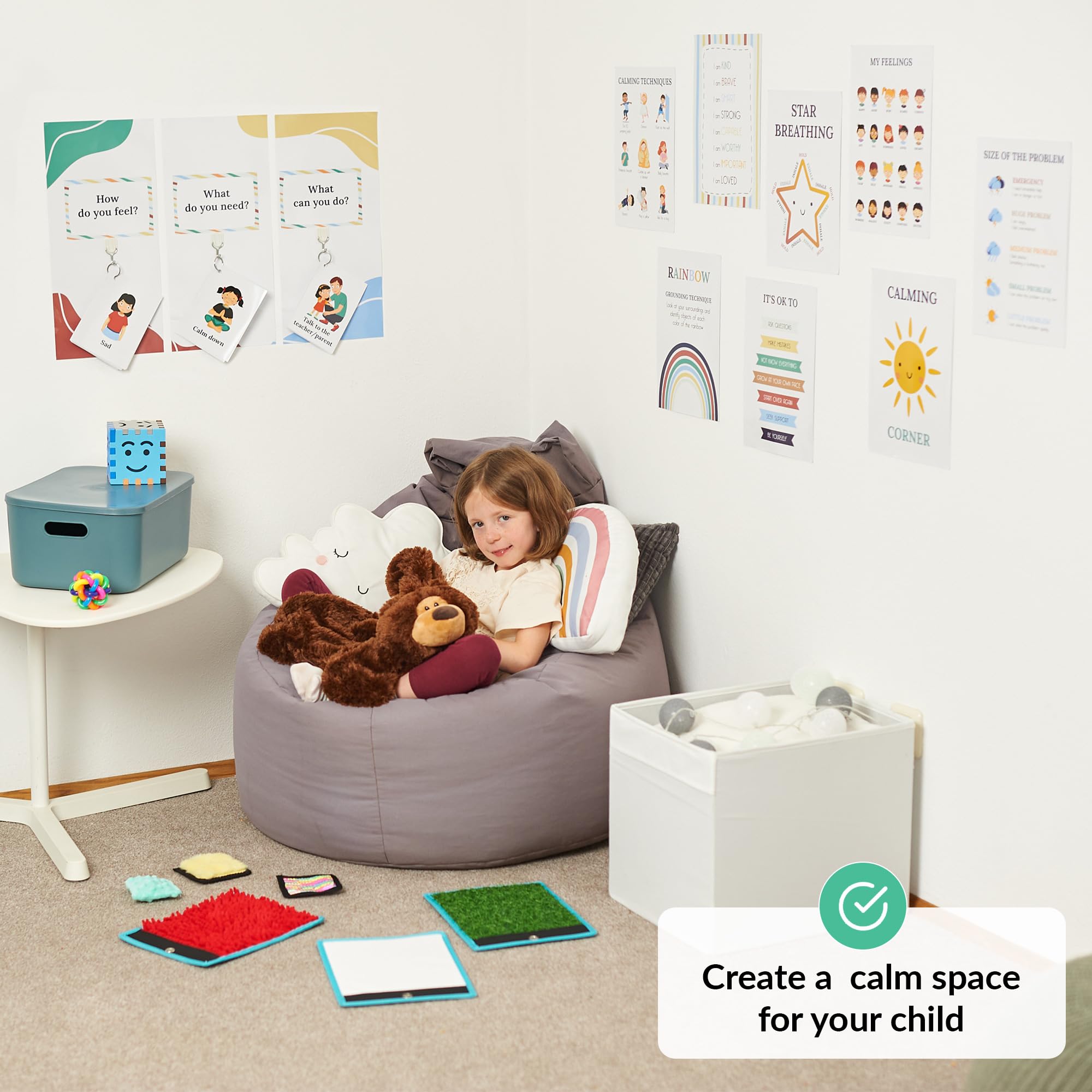
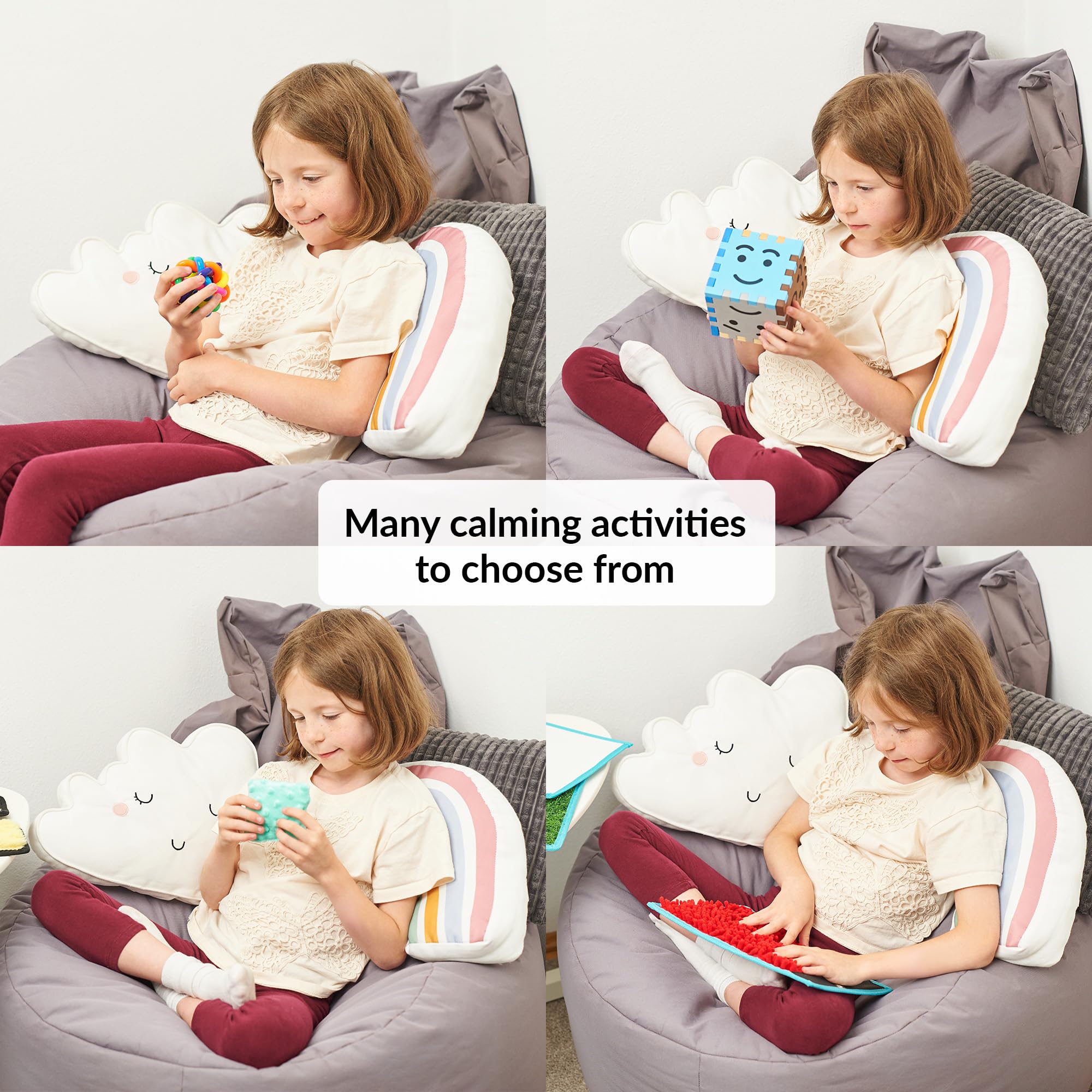
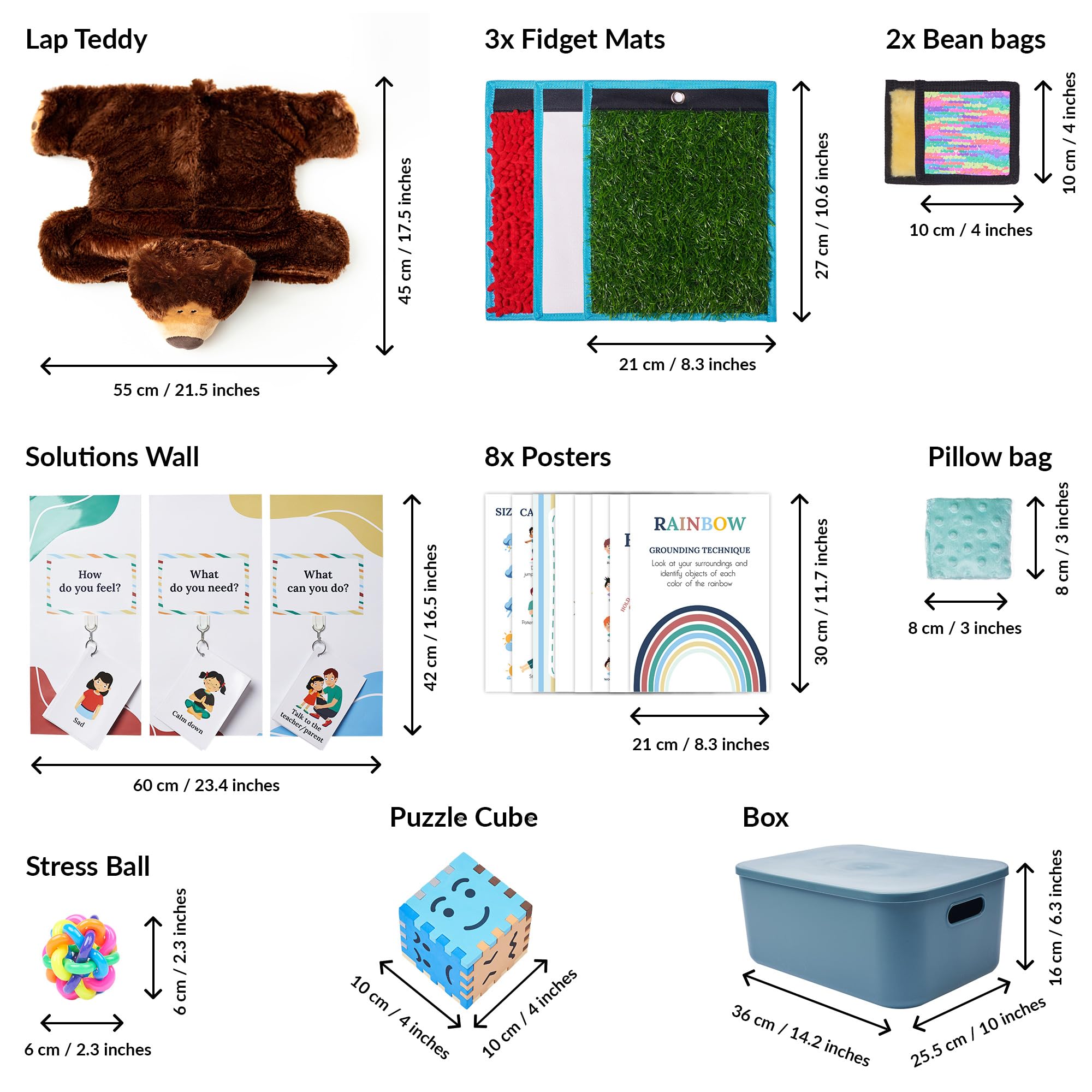

ODOXIA Calm Down Corner | Classroom and Special Education Must Haves | School Items for Kids | Kit with Sensory Mats, Posters, Solutions Wall, Sensory Toys
- 【CREATE YOUR OWN CALM CORNER】Transform any space into a serene retreat where children can relax, reflect, and
- 【RELIEVE & ENHANCE FOCUS】The calming corner kit set includes posters, sensory tools, and calming toys to provi
- 【SUPPORT EMOTIONAL AWARENESS】Empower children to express their feelings in a positive and constructive way. Ou
The ODOXIA Calm Down Corner Kit is the most comprehensive ready to go option currently available for home use. It includes sensory mats, emotion posters, a Solutions Wall, and sensory toys in a single kit. The Solutions Wall is particularly clever: it gives children a visual menu of coping strategies to choose from when they are too flooded to think of one themselves.
Setting it up at home
You do not need a dedicated room. A corner of a bedroom, a reading nook, even a large cardboard box made cosy with a blanket works. What matters is:
6. Active Play and Movement as Regulation Tools
Quiet sensory tools get most of the attention in conversations about self regulation, but the body needs to move to regulate just as much as it needs to slow down. The polyvagal theory, developed by neuroscientist Stephen Porges, describes a "fight or flight" state that cannot simply be breathed away; sometimes the body needs to discharge that energy physically before calm is accessible.
This is why a child who is bouncing off the walls after school is not simply being difficult. Their nervous system is telling them something. Physical activity is a genuine regulatory strategy, not a distraction from the feelings.
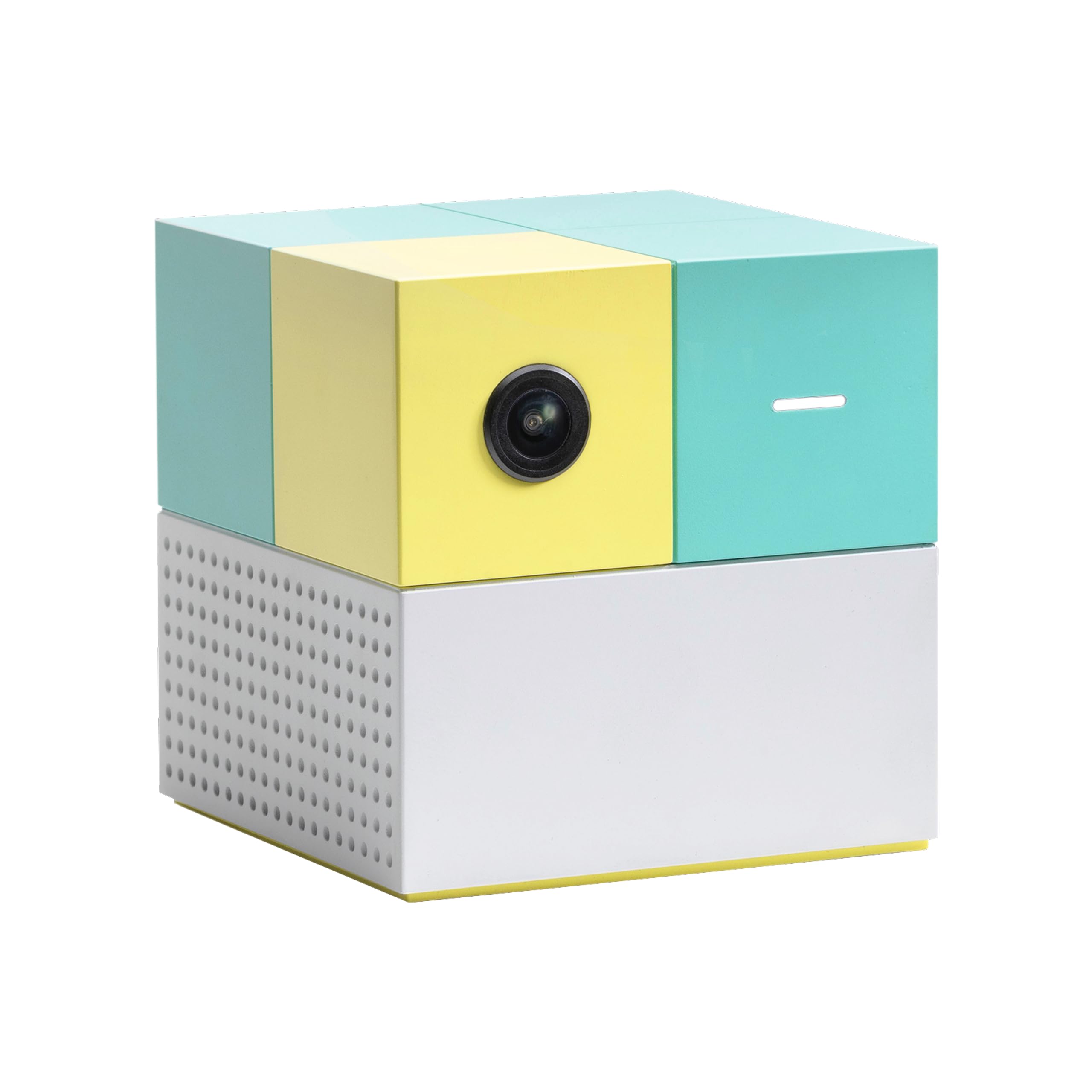
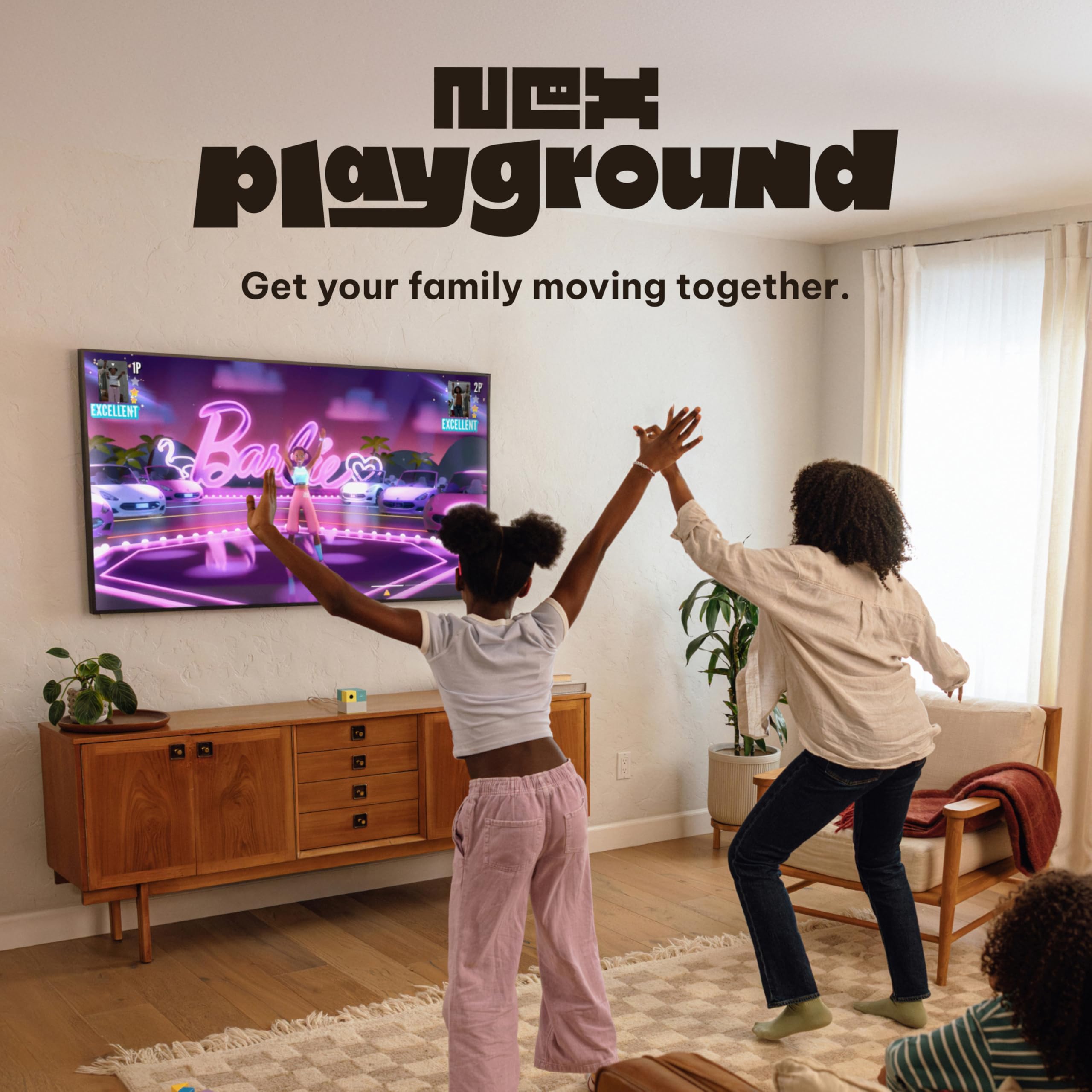


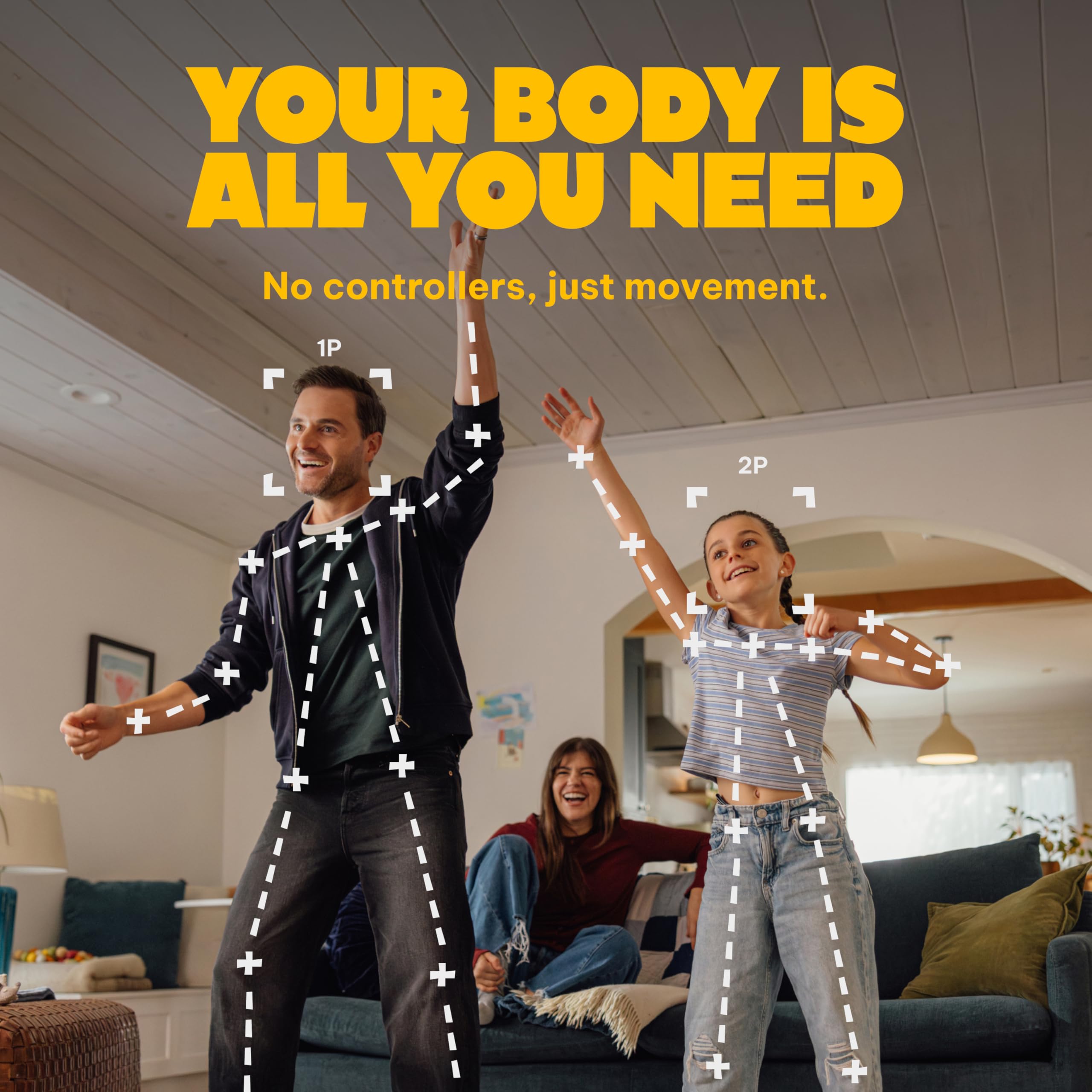
Nex Playground - The Active Play System for Kids & Families Where Indoor Physical Activity Meets Interactive Family Fun and is Great for Gaming Nights, Parties and Playdates
- 5 GAMES INCLUDED. UNLOCK MORE WITH PLAY PASS. Playground comes with Fruit Ninja, Starri, Whac-a-Mole, Go Keepe
- GET MOVING WITH ACTIVE FAMILY FUN. Nex Playground is a new kind of video game console that gets your family mo
- JUST USE YOUR BODY TO PLAY. Play naturally just by moving your body. Playground uses the magic of AI to follow
The Nex Playground Active Play System is an interesting product in this context because it bridges the world of screen based entertainment and physical regulation. It uses a camera and AI motion tracking to turn body movement into game play, getting children genuinely moving in the living room without requiring outdoor access. For families in apartments, or on rainy afternoons when energy is spiking, that is a real practical value.
It is worth noting that the research on screens and child development is nuanced. What the research says about screens and development is more complicated than "screens bad, always." Active, movement based screen engagement is categorically different from passive watching, and the Nex Playground design reflects that distinction.
The regulation cycle in practice
Think about self regulation not as a single dial from calm to chaos but as a cycle:
1. Child becomes dysregulated (tired, overwhelmed, overstimulated) 2. Body needs either physical discharge OR sensory calming, depending on the child and the moment 3. Parent or environment provides the appropriate support 4. Child returns to a regulated baseline 5. Child gradually internalises the tools to manage the cycle themselves
Comparison: Calm Down Tools by Child Profile and Age
| Tool Type | Best Age Range | Primary Benefit | Main Limitation | Recommended Product | Price Range |
|---|---|---|---|---|---|
| Visual sensory tubes | 2 to 10 | Slow tracking calms visual cortex, invites deep breathing | Fragile; not great for rough handling | swoshe Sensory Tubes | $25.99 |
| Rain sound tubes | 3 to 10 | Adds auditory regulation channel; encourages mindfulness | Beads can be small; not for under 3 without supervision | hand2mind Rain Tubes | $14.49 |
| Flip fidget cube | Ages 3 to 12 | Silent, portable, varied tactile input for focus | Not suitable for very young toddlers | Tendry Flip Cube | $14.99 |
| Squishy fidget toys | Ages 2 to 8 | Squeeze rhythm mirrors deep breathing; very accessible | Less durable with heavy use | LESONG Squishy Fidget Pack | $9.99 |
| Calm down corner kit | Ages 3 to 10 | Whole system approach; builds emotional vocabulary | Requires physical space and adult introduction | ODOXIA Calm Corner Kit | $74.99 |
| Active play system | Ages 4 to 12 | Physical discharge of stress energy; family engagement | Higher cost; requires TV and some setup | Nex Playground | $299.00 |
Expert Insights
Children do not learn to self-regulate by being told to calm down. They learn it through repeated co-regulation with an attuned adult, and then gradually, over years, they take that capacity inside themselves.|Daniel J. Siegel|Clinical Professor of Psychiatry, UCLA School of Medicine, and author of "The Whole-Brain Child"]
Sensory processing difficulties are far more common than most parents realise, and they often underlie behaviour that looks like defiance or poor attention. Meeting the sensory need frequently resolves the behaviour.|Lucy Jane Miller|Founder, STAR Institute for Sensory Processing, and author of "Sensational Kids"]
The goal of emotional coaching is not to make children feel better immediately. It is to help them feel understood, so that they can begin to manage the feeling themselves over time.|John Gottman|Professor Emeritus of Psychology, University of Washington, and author of "Raising an Emotionally Intelligent Child"]
Conclusion
Parenting is never just a philosophy. It is a thousand small decisions made on tired afternoons, in morning chaos, and at 2am when everything feels enormous. Gentle parenting gives you a compass: warmth, boundaries, and a genuine effort to see the child behind the behaviour. But a compass still needs a path.
The tools in this article, sensory tubes, fidget cubes, calm down corners, movement based play, are that path made tangible. They give your child something to reach for when their nervous system is overwhelmed, and they give you something to offer beyond your own strained patience.
If there is one sentence worth keeping from this entire piece, it is this: the goal is not a child who never feels big feelings. It is a child who gradually, with your help and the right tools, learns they can survive them.
Save this article, share it with a co-parent or teacher, and start with just one tool. That is enough.
Sources & References
- Centers for Disease Control and Prevention. "Data and Statistics on Children's Mental Health." 2023. https://www.cdc.gov/childrensmentalhealth/data.html
- Shanker, Stuart. "Self-Reg: How to Help Your Child (and You) Break the Stress Cycle and Successfully Engage with Life." Penguin, 2016.
- Bowlby, John. "Attachment and Loss, Vol. 1: Attachment." Basic Books, 1969.
- Ainsworth, Mary. "Patterns of Attachment: A Psychological Study of the Strange Situation." Lawrence Erlbaum Associates, 1978.
- Siegel, Daniel J., and Payne Bryson, Tina. "The Whole-Brain Child." Delacorte Press, 2011.
- Gottman, John. "Raising an Emotionally Intelligent Child." Simon & Schuster, 1997.
- Miller, Lucy Jane. "Sensational Kids: Hope and Help for Children with Sensory Processing Disorder." Perigee, 2006.
- Porges, Stephen W. "The Polyvagal Theory: Neurophysiological Foundations of Emotions, Attachment, Communication, and Self-Regulation." W. W. Norton, 2011.
- Collaborative for Academic, Social, and Emotional Learning (CASEL). "CASEL Guide to Schoolwide SEL." 2019. https://schoolguide.casel.org/
- Hartanto, Andree, et al. "A Dispositional Approach to Anxiety: Fidgeting Increases Cognitive Performance in Individuals with Attention-Deficit/Hyperactivity Disorder." Journal of Abnormal Child Psychology, 2015.
- Dozier, Mary. "Attachment-based Intervention Research: The State of the Evidence." Development and Psychopathology, 2003.
Frequently Asked Questions
What age can children start learning self regulation?
Is gentle parenting just letting kids do whatever they want?
Do fidget toys actually help with focus or are they just a distraction?
How do I get my child to actually use the calm down corner instead of refusing it?
Can sensory toys help children without diagnosed sensory processing differences?
How many calm down tools does my child actually need?
What if my child uses sensory tools as avoidance rather than regulation?
Was this helpful?
Thanks — your feedback helps us pick what to write next.