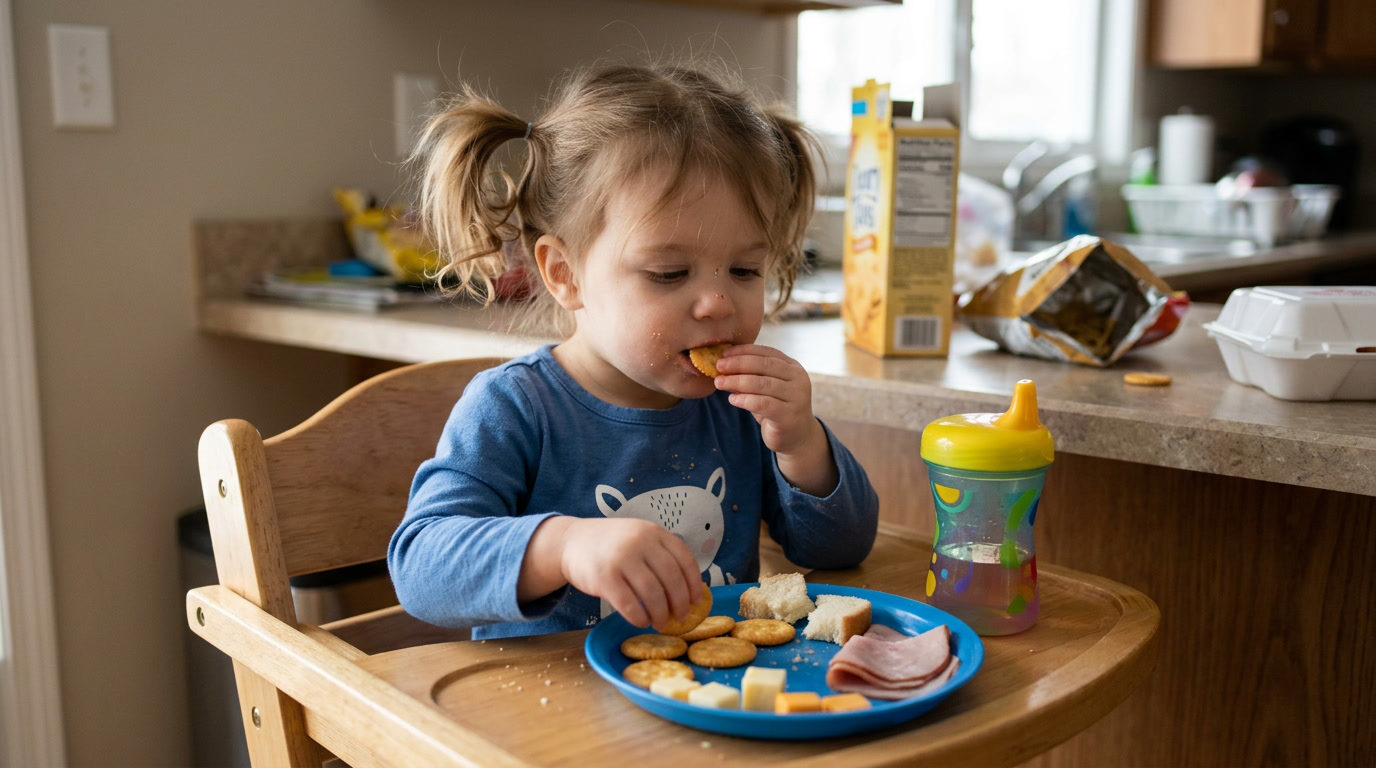
How Much Should a 5–8 Year Old Actually Eat?
Children aged 5–8 need balanced, nutrient-dense meals built around whole grains, lean protein, colourful produce, and dairy — packed consistently and without power struggles — to fuel the rapid cognitive and physical growth happening right now.

In this article
Your 6-year-old just told you school lunch is "gross" and refused everything in their lunchbox — again. Sound familiar? According to the CDC's National Health and Nutrition Examination Survey, fewer than 10% of children aged 6–11 in the United States eat the recommended daily servings of vegetables. That single statistic captures the everyday challenge parents face: not a lack of love or effort, but a genuine gap between what kids will eat and what their growing brains and bodies actually need.
This guide closes that gap. By the time you finish reading, you'll understand:
1. How Much Should a 5–8 Year Old Actually Eat?
Energy needs in early school age are higher than most parents expect — and more variable than a single number suggests. The Dietary Guidelines for Americans 2020–2025, published jointly by the USDA and U.S. Department of Health and Human Services, recommend roughly 1,200–1,400 kcal/day for sedentary 5–8 year olds and up to 1,400–1,600 kcal/day for active ones. A child who plays sport three afternoons a week genuinely needs more food than a child who mainly reads.
Daily Food-Group Targets (Ages 6–8, Moderately Active)
- Grains: 4–5 oz equivalents (at least half whole grain) - Vegetables: 1.5 cups - Fruit: 1–1.5 cups - Dairy / calcium-fortified alternative: 2.5 cups - Protein foods: 3–4 oz equivalents - Oils: 4 teaspoons
Hunger Cues Worth Watching
Action today: For one week, jot down roughly what your child eats at each meal. You don't need a calorie app — a simple "more than half the plate / less than half" note is enough to spot patterns.
2. The Three Nutrients Most Children This Age Are Missing
Most 5–8 year olds in high-income countries are not at risk of classic deficiency diseases — but three nutrients consistently fall short in dietary surveys, and each one has a direct impact on how well your child learns and grows.
Iron
Iron deficiency is the most common nutritional deficiency in children worldwide, according to the World Health Organization (WHO). Even mild iron insufficiency — without full anaemia — impairs attention and working memory. Good sources your child is likely to accept: lean beef, chicken thighs, fortified breakfast cereal, lentils, and edamame.
Iron deficiency, even without anaemia, can affect children's cognitive performance and behaviour.
— World Health Organization, Nutrition for Health and Development (2023)
Calcium and Vitamin D
Bone mineralisation peaks in childhood and adolescence. The American Academy of Pediatrics (AAP) recommends 1,000 mg calcium/day for children aged 4–8. Milk, yoghurt, cheese, fortified plant milks, and tinned salmon with bones are the most practical sources. Vitamin D (600 IU/day per AAP) is needed to absorb that calcium — and most children who live above 37° latitude don't synthesise enough from sunlight in winter.
Omega-3 Fatty Acids (DHA/EPA)
DHA supports myelin formation and is linked to reading fluency and attention in school-age children. Oily fish (salmon, sardines, mackerel) twice a week covers the need. For fish-averse children, a children's algae-based DHA supplement is a reasonable alternative — discuss dosing with your paediatrician.
Action today: Check your child's usual breakfast cereal label — if it provides ≥25% daily value of iron and is whole grain, you've already ticked one box before 8 a.m.
3. Building a School Lunchbox That Actually Gets Eaten
The lunchbox is where nutrition intentions meet reality — and reality often wins. Research from the University of Leeds found that children eat significantly more of their packed lunch when it includes at least one "preferred" food alongside new or less-loved items.
The Five-Compartment Framework
A bento-style box with separate compartments is more than a gadget — it prevents flavour bleed, keeps textures distinct (a major issue for many 5–8 year olds), and naturally portion-controls without you having to measure anything.


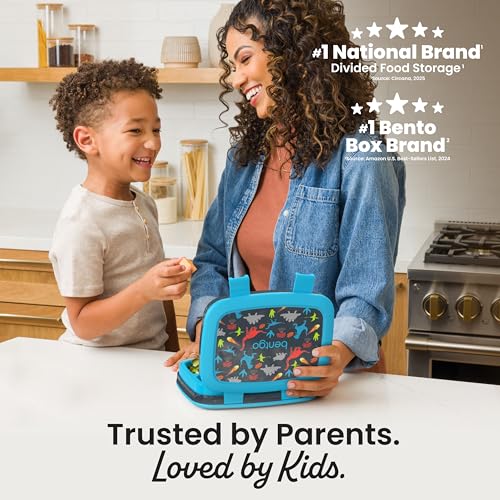
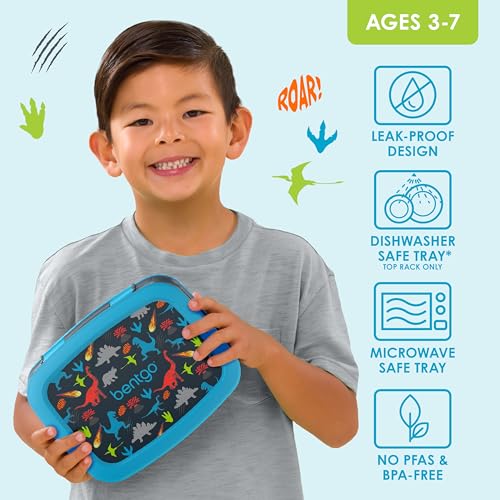
Bentgo Kids Prints Leak-Proof, 5-Compartment Bento-Style Kids Lunch Box - Ideal Portion Sizes for Ages 3-7, Durable, Drop-Proof, Dishwasher Safe, & PFAS & BPA-Free Materials (Dinosaur)
- #1 Lunch Box Brand*: Thoughtfully designed & rigorously tested, there’s no wonder why parents love Bentgo Kids
- Leak-Proof Technology: Meals are kept fresh and mess-free with separate compartments and a tightly fitting lea
- Drop-Proof Design: This stylish lunch box is lightweight and constructed with durable, rubber-coated edges tha
Temperature and Food Safety
Perishable items (dairy, cooked meat, eggs) must stay below 40°F / 4°C until eaten. Use an insulated bag with a frozen gel pack. The USDA recommends discarding any perishable food left unrefrigerated for more than two hours.
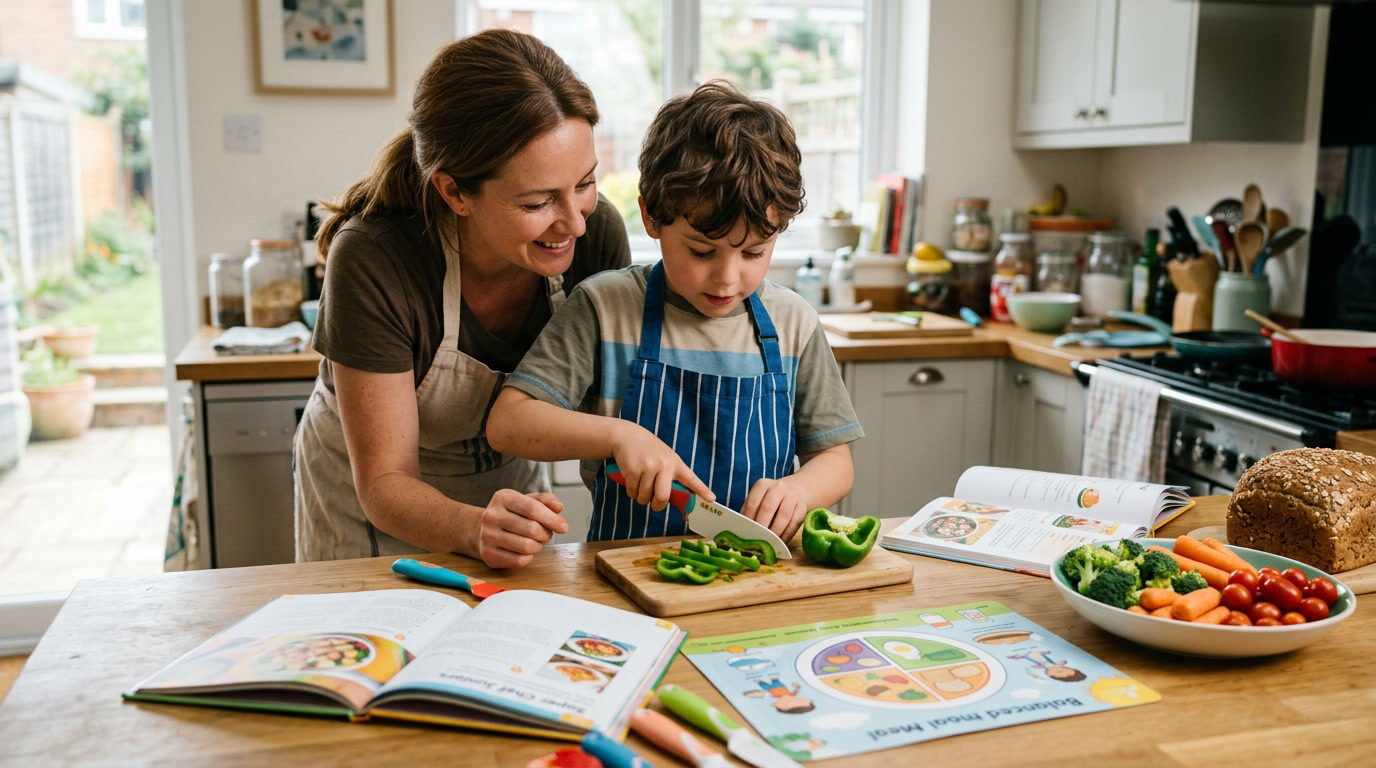
Action today: Involve your child in packing their own lunch box once this week. Children who choose their food are measurably more likely to eat it — and it takes less than five extra minutes.


QQKO Bento Lunch Box for Kids Girls Boys, Toddler Kids Lunch Boxes for School, Lunch Containers for Adults with 4 Compartments, Sauce Container, Utensils, Food Picks and Muffin Cups, Purple
- NOTE: The packaging box features a green lunch box as the cover image, but inside, you will find the right ite
- Adorable Lunch Kit: This bento lunch box set includes a 1200ml/40oz lunch container, a separate sauce cup, pla
- Excellent Leak-Proof Perfomance: Our meal prep lunch box adopts silicone seals on the lid that fits seamlessly
4. Handling Picky Eating Without the Power Struggle
Picky eating peaks between ages 2–4 but persists well into the early school years for many children. The most evidence-supported framework for managing it is Ellyn Satter's Division of Responsibility in Feeding (sDOR), endorsed by the Academy of Nutrition and Dietetics.
What This Looks Like in Practice
- You decide: what's on the table, the meal schedule, the eating environment - Your child decides: whether to eat it, how much to eat - You always include at least one food you know they'll eat — not as a bribe, but as a safety net
Action today: At tonight's dinner, serve one new or disliked food alongside two foods your child reliably eats. Say nothing about the new food. Just let it sit on the plate.
5. Smart Snacking for Energy and Focus
Children aged 5–8 typically need two snacks per day — one mid-morning (if school allows) and one after school. After-school hunger is real: a child who eats lunch at 11:30 a.m. and arrives home at 3:30 p.m. has gone four hours without fuel, which explains the emotional meltdowns many parents see at 4 p.m.
What Makes a "Smart" Snack
A snack that sustains energy and focus combines protein + complex carbohydrate in roughly equal proportion. Sugar-only snacks (fruit pouches, crackers alone) cause a rapid glucose spike followed by a crash — exactly the wrong thing before homework.
What to Limit (But Not Eliminate)
The AAP does not recommend zero added sugar for school-age children, but does advise limiting it to less than 25 grams (6 teaspoons) per day. Fruit juice, flavoured yoghurts, and cereal bars are the biggest hidden sources in this age group.
Action today: Swap one daily juice serving for water with a slice of citrus or cucumber. You'll cut 20–25g of added sugar per week without a single argument.
For an easy-to-pack snack container that keeps dips separate from dippers, the shell and turtle Bento Box works beautifully for after-school snacks too.
6. Breakfast: The Meal That Sets the Day's Learning Trajectory
Multiple large studies — including a 2017 meta-analysis in Frontiers in Human Neuroscience — show that children who eat breakfast perform better on tests of memory, attention, and executive function than those who skip it. The effect is strongest for children from food-insecure households but is measurable across all socioeconomic groups.
The Ideal Breakfast Formula
- Whole grain base: oats, whole-wheat toast, fortified cereal - Protein anchor: egg, Greek yoghurt, nut butter, milk - Fruit or vegetable: banana, berries, spinach in a smoothie
You don't need to cook a hot meal every morning. Overnight oats with yoghurt and fruit, prepared the night before, take 90 seconds to serve and tick every box.
Action today: Prep two portions of overnight oats tonight. You'll have two mornings sorted before the week even begins.
7. Lunchbox Options Compared: Which Container Fits Your Child?
| Lunchbox Style | Best Age in This Range | Key Benefit | Main Limitation | Recommended Product | Price Range |
|---|---|---|---|---|---|
| 5-Compartment Bento (smaller capacity) | Ages 5–7 | Perfect portion sizes, drop-proof, fun designs | May feel small for very active 7-year-olds | Bentgo Kids Prints Bento Box | $29.99 |
| 5-Compartment Bento (classic, solid colour) | Ages 5–7 | Same great portioning, understated look for kids who dislike "baby" designs | Same capacity limit | Bentgo Kids Blue Bento Box | $29.99 |
| 4-Compartment Budget Bento | Ages 5–8 | Affordable, BPA-free, includes utensils and sauce jar | Slightly less robust than premium options | Jelife Bento Lunch Box | $8.99 |
| 4-Compartment with Full Accessory Kit | Ages 5–8 | Includes fork, spoon, food picks, muffin cups — great for variety | Green cover image may differ from actual colour | QQKO Bento Lunch Box | $9.99 |
| 4-Compartment with Utensils (Navy) | Ages 5–8 | Microwave safe, silicone muffin liners, solid leak-proof seal | Slightly larger than a child-specific box | shell and turtle Bento Box | $12.99 |
| Larger 3–4 Compartment (bigger portions) | Ages 8+ | Holds 5 cups — right for active older children entering this range | Too large for most 5–7 year olds | Bentgo Pop Lunch Box | $28.89 |
Expert Insights
Feeding a 5–8 year old well isn't about perfection — it's about consistency, calm, and showing up at the table together. Some weeks your child will eat every vegetable you pack; other weeks the lunchbox will come home untouched. Both are normal. What matters is the long arc: the repeated exposure, the shared meals, the low-pressure variety that quietly builds a child who grows up comfortable with real food.
The most powerful nutrition tool you have isn't a superfood — it's the table you gather around.
If this guide helped you, save it for the weeks when lunchbox inspiration runs dry, and share it with another parent who's fighting the same battles. You're doing better than you think.
Sources & References
- U.S. Department of Agriculture & U.S. Department of Health and Human Services. "Dietary Guidelines for Americans, 2020–2025." 9th Edition. December 2020. https://www.dietaryguidelines.gov
- Centers for Disease Control and Prevention. "National Health and Nutrition Examination Survey (NHANES): Dietary Data." CDC, 2017–2018 cycle. https://www.cdc.gov/nchs/nhanes
- World Health Organization. "Nutritional Anaemias: Tools for Effective Prevention and Control." WHO, 2017. https://www.who.int/publications/i/item/9789241513067
- American Academy of Pediatrics. "Calcium and Vitamin D: What You Need to Know." HealthyChildren.org, updated 2023. https://www.healthychildren.org
- American Academy of Pediatrics. "Added Sugars in Children's Diets." Pediatrics, 2016. https://doi.org/10.1542/peds.2016-2579
- Satter, Ellyn. "Ellyn Satter's Division of Responsibility in Feeding." Ellyn Satter Institute, 2023. https://www.ellynsatterinstitute.org
- Adolphus, K., Lawton, C.L., & Dye, L. "The effects of breakfast on behavior and academic performance in children and adolescents." Frontiers in Human Neuroscience, 2013. https://doi.org/10.3389/fnhum.2013.00425
- Neumark-Sztainer, D., et al. "Family meal frequency and weight status among adolescents." Pediatrics, 2003. https://doi.org/10.1542/peds.111.1.112
- Birch, L.L. "Development of food acceptance patterns in the first years of life." Proceedings of the Nutrition Society, 1998. https://doi.org/10.1079/PNS19980003
- U.S. Department of Agriculture Food Safety and Inspection Service. "Keeping Bag Lunches Safe." USDA FSIS, 2023. https://www.fsis.usda.gov
Frequently Asked Questions
How many calories does a 6-year-old need per day?
My 7-year-old refuses to eat vegetables. What actually works?
Should I pack a hot or cold lunch for school?
Is it okay for my child to have treats in their lunchbox?
My child skips breakfast every morning. Is that a problem?
How do I know if my child is eating enough at school?
What's the best lunchbox for a 5-year-old just starting school?
Was this helpful?
Thanks — your feedback helps us pick what to write next.