
Routine Health Checks: The Milestones You Can't Afford to Miss
Children aged 5–8 face a distinct set of health and safety risks as they gain independence at school and in the community — knowing the evidence-based priorities helps you protect them without overprotecting them.

In this article
Your five-year-old just boarded a school bus for the first time. Your eight-year-old is riding a bike around the block solo. This stretch of childhood — roughly kindergarten through second or third grade — is thrilling, and statistically one of the riskiest for unintentional injury. According to the CDC's National Center for Injury Prevention and Control, injury is the number-one cause of death among children aged 5–9 in the United States, accounting for more deaths than all diseases combined in that age group. The good news: most of those injuries are preventable.
This guide walks you through the six evidence-based pillars of health and safety for 5–8 year-olds, so you can act on what actually matters.
After reading, you'll understand:
1. Routine Health Checks: The Milestones You Can't Afford to Miss
Your child's 5-year well-child visit is one of the most packed appointments in paediatrics — and it's the foundation of everything else in this guide.
The American Academy of Pediatrics (AAP) recommends annual well-child visits from age 5 onward. At each visit, your paediatrician should cover:
Vision and Hearing
Up to 5–10% of preschool and school-age children have a vision problem significant enough to affect learning, according to the American Academy of Ophthalmology. Formal visual acuity screening (not just a light-in-the-eyes check) should happen at every visit from age 3 onward. If your child is squinting, tilting their head to read, or complaining of headaches after school, request a referral to a paediatric optometrist.Hearing screening matters equally. Even mild, fluctuating hearing loss from recurrent ear infections can slow phonics acquisition in the early school years.
Dental Health
The American Academy of Pediatric Dentistry (AAPD) recommends six-monthly dental check-ups and confirms that tooth decay remains the most common chronic disease in children. Ages 5–7 are peak time for mixed dentition (losing baby teeth, gaining permanent molars) — fluoride varnish and dental sealants applied at this stage have strong evidence for preventing cavities.Blood Pressure and BMI
From age 3, the AAP recommends annual blood pressure measurement. Childhood hypertension is underdiagnosed; catching it early avoids cardiovascular consequences decades later.2. Immunisation Boosters: Staying on Schedule Between Ages 4 and 8
The 4–6 year booster window is critical, and many parents don't realise it exists until they get a school entry form.
The CDC's Advisory Committee on Immunization Practices (ACIP) recommends the following at the 4–6 year visit: - DTaP (diphtheria, tetanus, pertussis) — 5th dose - IPV (inactivated polio) — 4th dose - MMR (measles, mumps, rubella) — 2nd dose - Varicella — 2nd dose
What About Flu and COVID-19?
The CDC recommends annual influenza vaccination for all children 6 months and older. Children in this age group who missed COVID-19 primary series doses should be brought up to date per current ACIP guidance.Catch-Up Vaccinations
If your child transferred schools, was unwell during a scheduled visit, or you have any doubt about their records, ask your paediatrician to run a catch-up assessment using the CDC's Immunization Scheduler (available free at cdc.gov/vaccines).3. Injury Prevention at Home and School: The Evidence-Based Priorities
Unintentional injury is the leading threat to this age group — and the top three mechanisms are road traffic, drowning, and falls, per the WHO's Global Report on Child Injury Prevention.
Road Safety
Children aged 5–8 are not yet developmentally ready to judge vehicle speed and distance reliably. The AAP advises that children should not cross streets alone until at least age 10 in most cases. Until then: - Cross with an adult or older responsible child - Teach the "stop, look, listen, think" routine at every kerb - Use rear-facing or forward-facing car seats per weight/height limits, then a high-back booster until the vehicle seat belt fits correctly (typically 4 ft 9 in / ~145 cm)Bicycle and Scooter Safety
Helmet use reduces the risk of serious head injury by up to 85%, according to research cited by the CDC Injury Center. Make the helmet non-negotiable before the wheels move — not something your child puts on after you remind them.Falls and Playground Safety
The CDC reports that emergency departments treat more than 200,000 children for playground-related injuries annually in the US. Check that playground surfaces are impact-absorbing (wood chips, rubber — not concrete or asphalt) and that equipment is age-appropriate.Having a portable first aid kit in your car and in your child's school bag means you're ready when scraped knees and minor cuts happen — because they will.

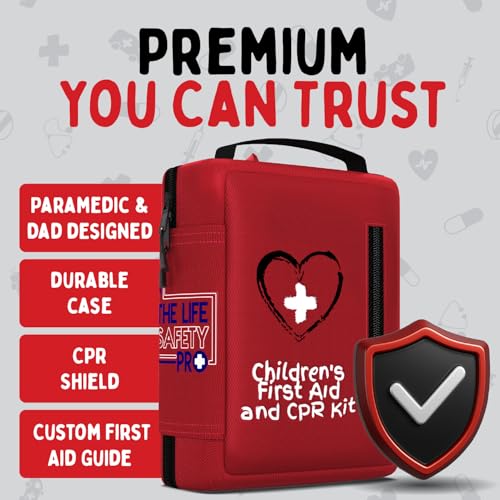
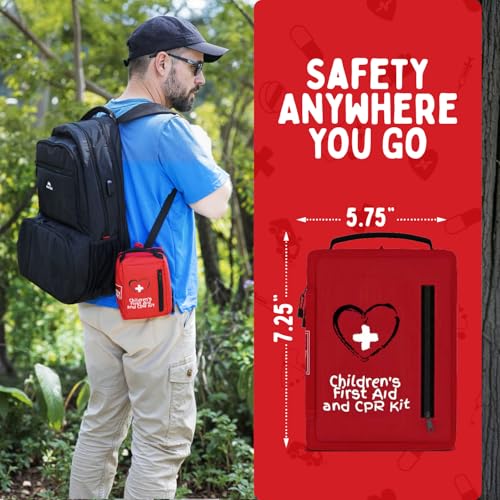
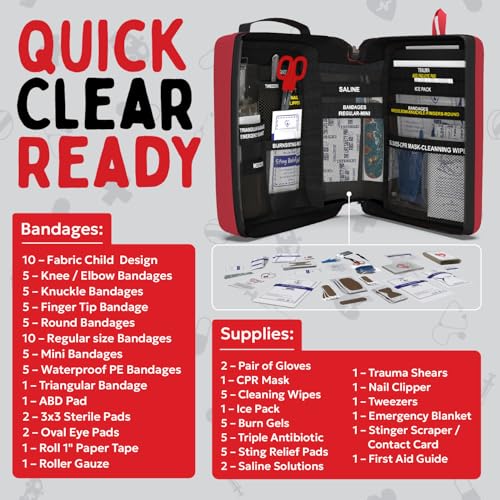

Portable First Aid Kit for Kids with CPR Shield - Ideal for Home, Car, School, Camping, and as a Travel First aid kit. Latex-Free Bandages – Children First Aid Guide by The Life Safety Pro
- First aid kit for kids designed specifically for your children. It contains essential items to handle your chi
- Compact and easy to Use - Specifically designed for your children with well-labeled and organized pockets to f
- Convenient and portable - Lightweight design makes this the perfect travel first aid kit for your kid adventur
4. Body Safety and Personal Safety Education: Starting the Conversation Early
Body safety education is one of the most protective things you can give a 5–8 year-old — and one of the most frequently delayed.
The Five Core Concepts (ages 5–8)
1. Body autonomy — their body belongs to them; no one should touch private parts except for health reasons (and even then, a trusted adult should explain why) 2. Safe vs. unsafe touch — distinguish between a hug they want and a touch that feels wrong 3. Secrets vs. surprises — surprises are temporary and happy; secrets that make you feel bad should always be told to a trusted adult 4. The "no, go, tell" rule — say no, leave the situation, tell a trusted adult 5. Trusted adult network — help your child name 3–5 adults they can go to if they feel unsafePersonal Identification Preparedness
Beyond body safety, basic ID preparedness is a practical, low-cost step. If your child were ever separated from you in a crowd or emergency, would responders be able to identify them quickly?
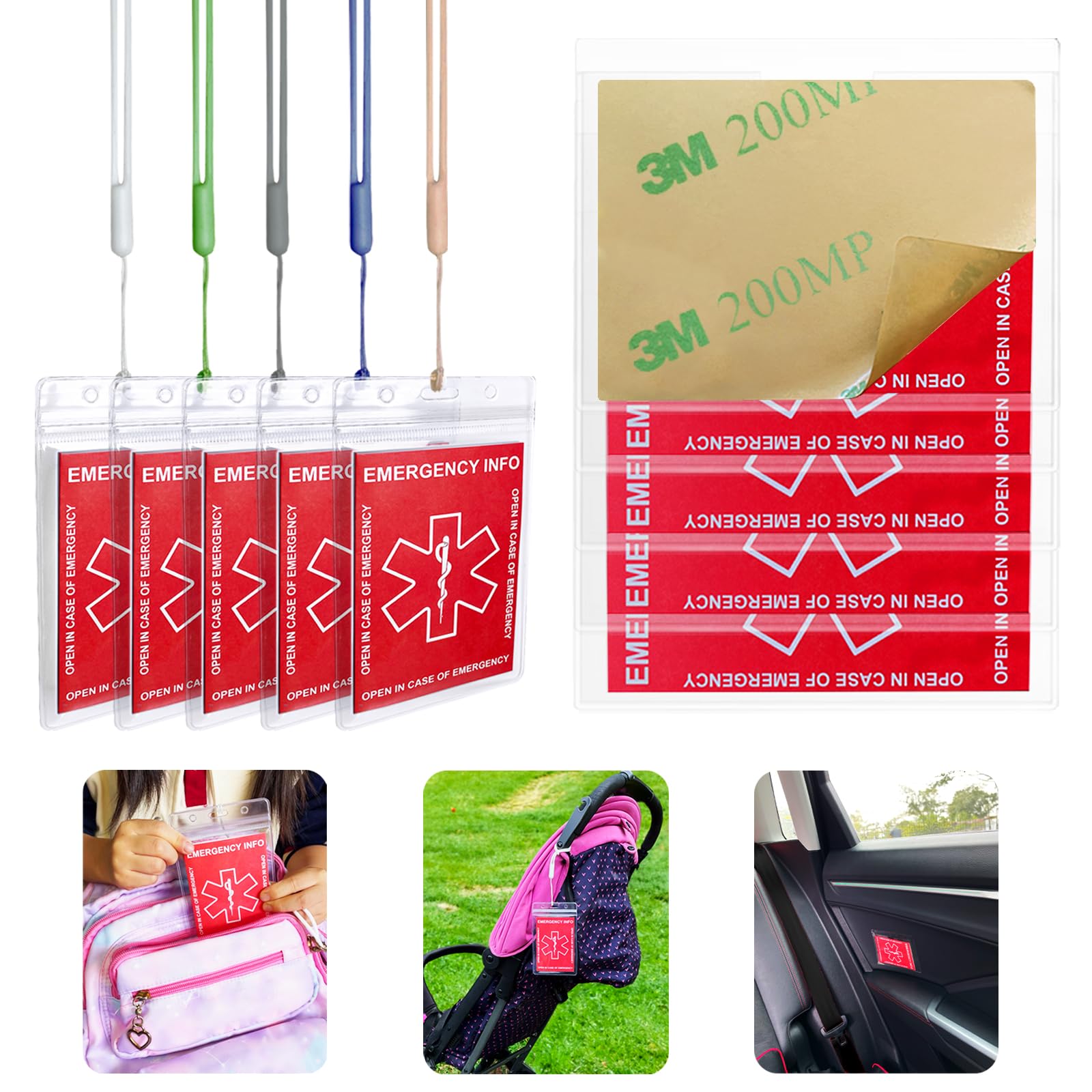
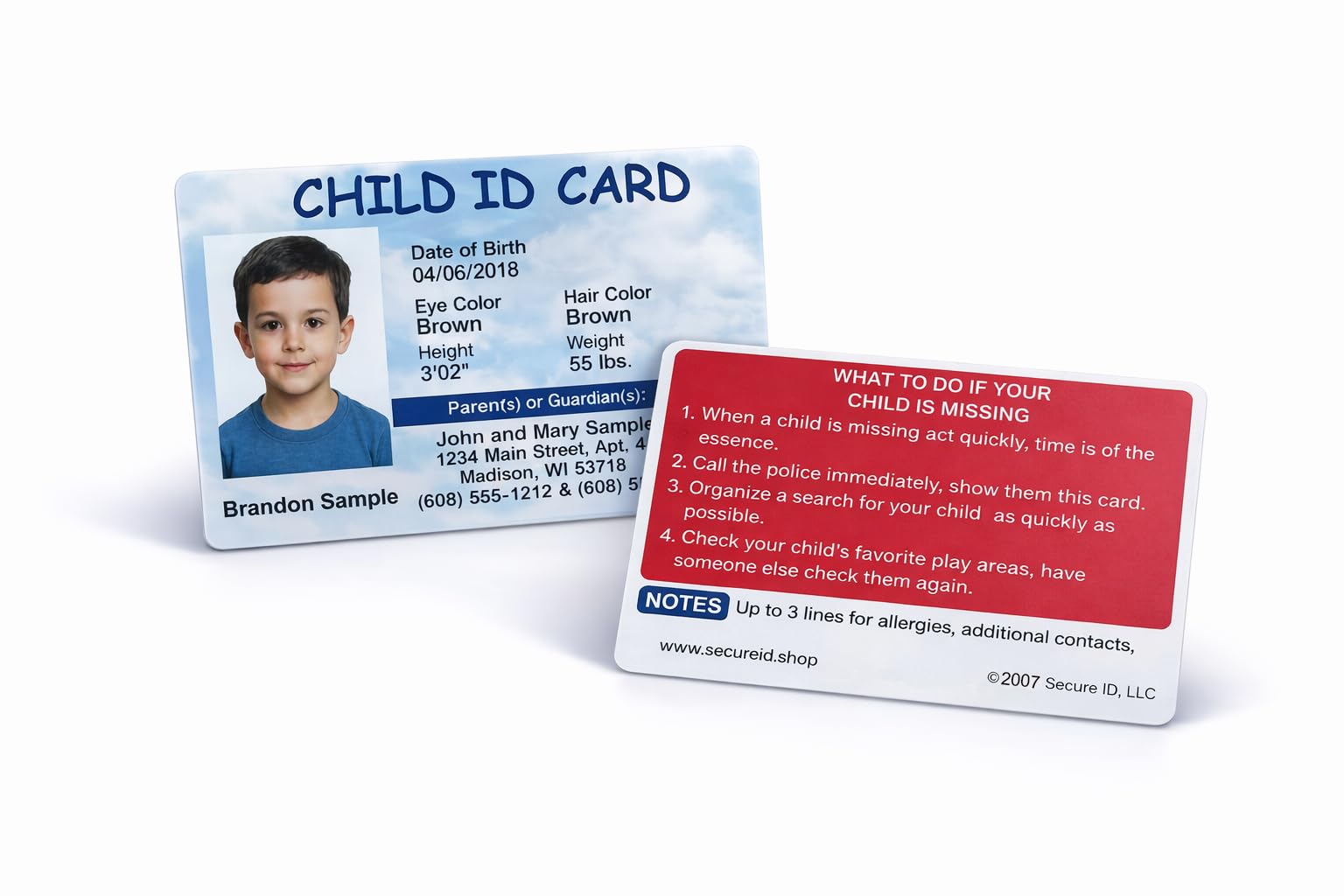
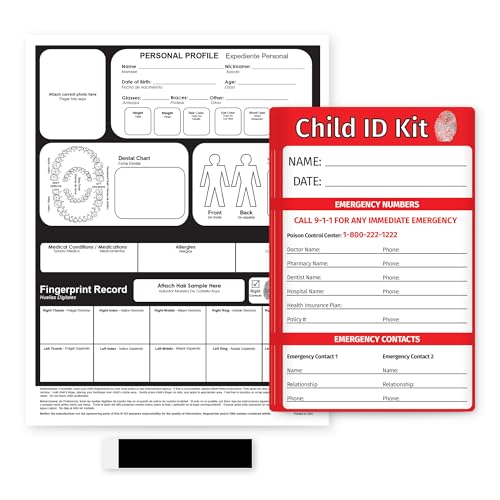
ZOCO – Child ID Kits (5-Pack) – Identification Cards for Kids with Fingerprint Ink Strip – Emergency Safety Kit for Parents Schools Daycare Travel – Missing Child Preparedness – Made in USA
- 5 Complete Child ID Kits – Each kit is packaged in a resealable clear bag and includes a mess-free fingerprint
- Essential for Every Parent or Caregiver – Be prepared in the event of an emergency. These child identification
- Trusted by Safety-Focused Organizations – Ideal for schools, police departments, parenting groups, nonprofits,
A Child ID Kit that includes a fingerprint strip, photo, and medical information gives law enforcement the details they need immediately. Keep one updated copy at home and one with school records.
5. Fine Motor Safety and Supervised Skill-Building
Ages 5–8 are prime time for developing scissors skills, craft projects, and hands-on learning — all of which carry minor but real injury risk when tools aren't age-appropriate.
The AAP's developmental milestones confirm that most children can use scissors with some control by age 4–5, and with increasing precision through age 7–8. The key word is age-appropriate tools.
Choosing the Right Scissors
Standard adult scissors can cause lacerations in small hands. Child-safe scissors with blunted tips and plastic or safety-edge blades are the correct choice for this age group.

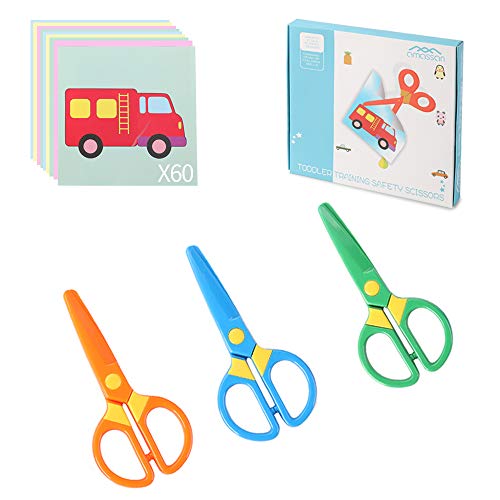

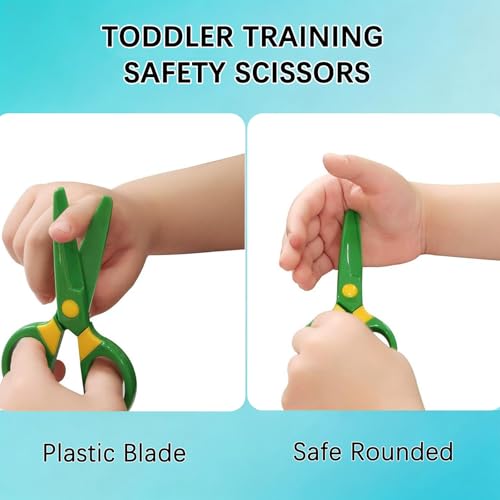
3-Pack Toddler Safety Scissors Kit - Child-Safe Preschool Training Scissors & 60 Sheets Craft Paper | Ergonomic Blunt Tips, Early Childhood Development Tools for Kids 2-5 Years
- Safety-edge blade features can protect kids from cutting themselves when doing classroom craft project.This ch
- A safer blade angle,special design for school-age children. Fashionable variety of colors;comfortable soft han
- Kids can create fun designs with these safety scissors. These preschool scissors offer round tips and plastic
The amassan 3-Pack Safety Scissors Kit includes 60 sheets of practice paper and works for both left- and right-handed children — a detail that matters more than parents often realise, since left-handed children using right-handed scissors develop compensatory grips that can cause wrist strain.
If you're looking for a more playful option, the LovesTown Toddler Safety Scissors feature rabbit-ear handles that are particularly good for children who are still building hand strength and grip confidence.
Structured cutting activities — like those in the School Zone Cut & Paste Workbook — build hand-eye coordination while keeping the task purposeful and supervised.
6. Mental Health, Sleep, and the Hidden Safety Risks of This Age
Physical safety gets most of the attention, but the mental health and sleep needs of 5–8 year-olds are genuinely protective — and genuinely at risk.
Sleep: The Non-Negotiable Foundation
The AAP and the American Academy of Sleep Medicine (AASM) jointly recommend 9–12 hours of sleep per night for children aged 6–12. Chronic sleep deprivation in this age group is associated with increased impulsivity, reduced hazard awareness, and — critically for safety — slower reaction times.A tired 7-year-old is more likely to dart into traffic, miss a step on playground equipment, or make a poor decision when approached by a stranger.
Anxiety and School Transition
Starting school or changing schools is a significant stressor. The CDC's Children's Mental Health data shows that approximately 7.1% of children aged 3–17 have a diagnosed anxiety disorder — and many more experience subclinical anxiety that affects daily function.Watch for:
Comparison: Key Safety Tools for 5–8 Year-Olds at a Glance
| Safety Area | What It Addresses | Best Used | Key Limitation | Recommended Product | Price Range |
|---|---|---|---|---|---|
| Child ID Kit (family pack) | Emergency identification, missing child response | Home, travel, school records | Needs annual photo update | ZOCO Child ID Kit 5-Pack | ~$20 |
| Child ID Kit (bulk/community) | School or community preparedness events | Schools, scout troops, daycare | Higher upfront cost | KidStar Child ID Kit 100-Pack | ~$125 |
| Portable First Aid Kit | Minor injuries: cuts, scrapes, burns | Car, bag, camping, school | Not for serious emergencies | Life Safety Pro Kids First Aid Kit | ~$45 |
| Safety Scissors (plastic blade) | Fine motor skill-building, craft safety | Home, classroom, supervised art | Cuts paper only — limited use | amassan Safety Scissors 3-Pack | ~$9 |
| Safety Scissors (animal handle) | Grip confidence, sensory engagement | Home, preschool/K transition | Smaller size — may outgrow quickly | LovesTown Safety Scissors 4-Pack | ~$6 |
| Structured cutting workbook | Supervised skill practice, hand-eye coordination | Home learning, quiet time | Ages 3–5 focus; simpler for older kids | School Zone Cut & Paste Workbook | ~$5–8 |
Expert Insights
You've Got This — One Step at a Time
The 5–8 age range is one of the most rewarding stretches of parenting — your child is curious, capable, and just beginning to understand the world on their own terms. Your job isn't to eliminate every risk; it's to give them the knowledge, the tools, and the safety net to explore confidently.
Start with one action today: book the annual well-child visit if it's overdue, update the photo in your child ID kit, or have the first body-safety conversation at dinner tonight. Small, consistent steps compound into children who are genuinely safer — and genuinely more resilient.
The best safety tool you own is an informed, calm parent. Share this guide with someone who needs it.
Sources & References
- Centers for Disease Control and Prevention (CDC). "Leading Causes of Death, Ages 5–9." National Center for Injury Prevention and Control. 2022. https://www.cdc.gov/injury/wisqars/index.html
- American Academy of Pediatrics (AAP). "Recommendations for Preventive Pediatric Health Care (Periodicity Schedule)." 2023. https://www.aap.org/en/patient-care/periodicity-schedule/
- CDC Advisory Committee on Immunization Practices (ACIP). "Recommended Child and Adolescent Immunization Schedule." 2024. https://www.cdc.gov/vaccines/schedules/hcp/imz/child-adolescent.html
- World Health Organization (WHO). "World Report on Child Injury Prevention." 2008. https://www.who.int/publications/i/item/9789241563574
- American Academy of Ophthalmology. "Eye Screening for Children." 2023. https://www.aao.org/eye-health/tips-prevention/children-eye-screening
- American Academy of Pediatric Dentistry (AAPD). "Caries-risk Assessment and Management." 2023. https://www.aapd.org/research/oral-health-policies--recommendations/
- American Academy of Sleep Medicine (AASM) / AAP. "Recommended Amount of Sleep for Pediatric Populations." Journal of Clinical Sleep Medicine. 2016. https://doi.org/10.5664/jcsm.5866
- CDC National Center for Injury Prevention. "Playground Safety." 2022. https://www.cdc.gov/safechild/playground/index.html
- CDC. "Children's Mental Health: Anxiety and Depression." 2023. https://www.cdc.gov/childrensmentalhealth/data.html
- Darkness to Light. "Stewards of Children — Child Sexual Abuse Prevention Training." 2023. https://www.d2l.org
- Finkelhor, D. et al. "Crimes Against Children Research Center." University of New Hampshire. https://www.unh.edu/ccrc/
Frequently Asked Questions
At what age can my child walk to school alone?
How do I know if my child needs glasses?
My 6-year-old is terrified of getting vaccinations. Any advice?
Should I keep a first aid kit in my child's school bag?
How do I talk to my 5-year-old about body safety without scaring them?
What immunisations does my child need at the 4–6 year visit?
How much sleep does a 7-year-old actually need?
Was this helpful?
Thanks — your feedback helps us pick what to write next.