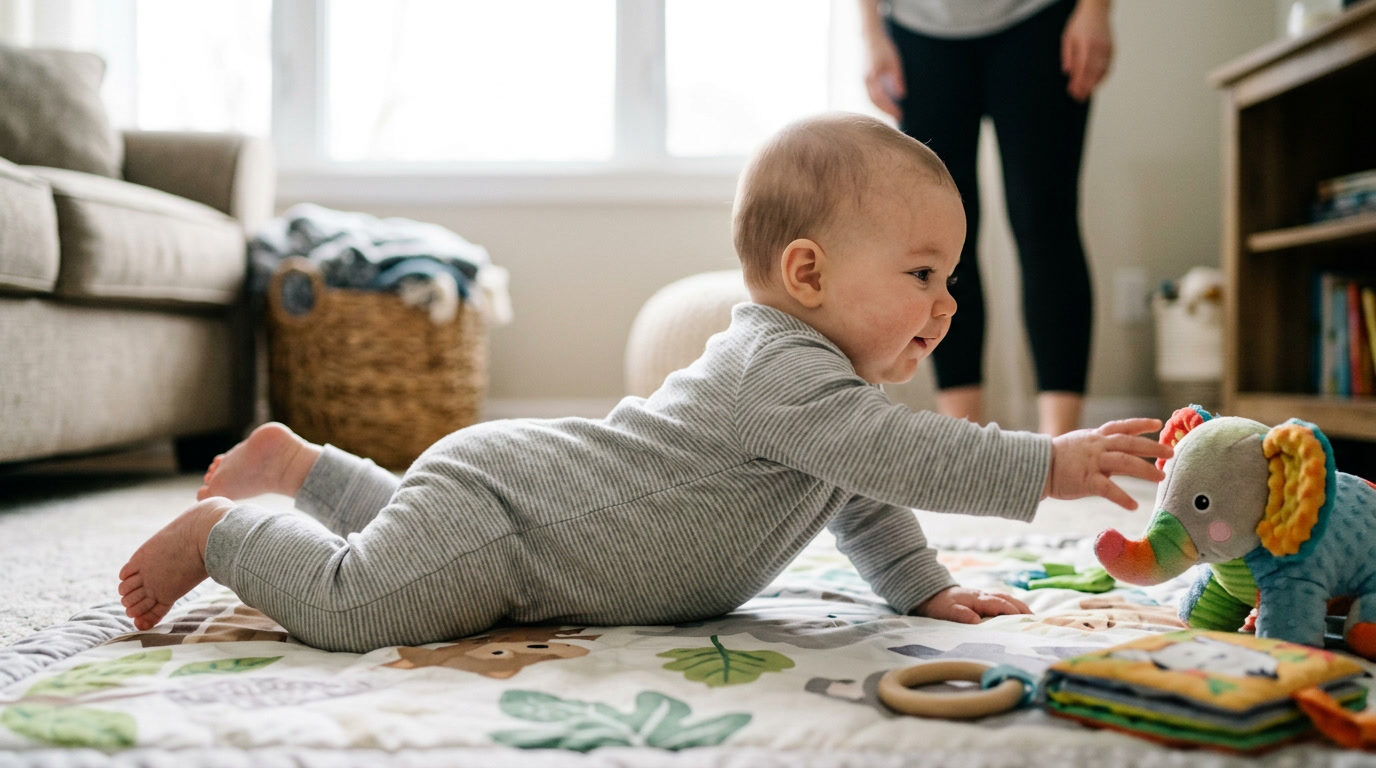
How to Help Your Baby Learn to Sit Up on Their Own
Most babies sit unsupported between 4 and 7 months, but you can actively speed that process along with daily tummy time, targeted play positions, and the right kind of support seat.
In this article
There is a moment every parent waits for: your baby, propped up on two little hands, wobbles, steadies, and then just... sits. According to the World Health Organization's Multicentre Growth Reference Study, the median age for sitting without support is around 6 months, but the normal range stretches from roughly 4 to 8 months. That is a wide window, and if your baby is anywhere in it, you are almost certainly fine. What most parents do not realise is that sitting does not just happen on its own. It is the reward for about four months of invisible strength building in your baby's neck, back, and core.
In this article you will learn:
1. Why Sitting Up Is a Full Body Milestone, Not Just a Core Thing
Sitting independently is the result of a long chain of physical development, not a single skill your baby suddenly acquires.
Before your baby can hold themselves upright, they need adequate control across the entire trunk, from the deep spinal muscles through to the abdominals, plus enough neck strength to hold their head steady and sufficient hip flexibility to tolerate the seated position without tipping backwards. The American Academy of Pediatrics (AAP) describes independent sitting as a major gross motor milestone that typically follows a predictable sequence: head control first, then rolling, then sitting with support, and finally sitting alone.
The motor development sequence that matters
Here is the rough order of physical readiness your baby moves through:
- 1 to 2 months: Lifts head briefly during tummy time - 3 to 4 months: Holds head steady when upright; mini press-ups during tummy time - 4 to 5 months: Bears weight through arms; rolls front to back - 5 to 6 months: Tripod sits (hands on floor for balance); rolls both directions - 6 to 7 months: Sits briefly without hand support; pivots on belly - 7 to 9 months: Sits steadily; moves in and out of sitting independently
Each of those steps builds the muscle memory and neural pathways that the next step depends on. Skipping tummy time, for instance, delays the whole sequence because the spinal extensors never get their workout. The building strength to explore process is genuinely cumulative, and every bit of floor time your baby logs is an investment in that process.
2. Tummy Time: The Foundation Everything Else Is Built On
Start tummy time from day one at home, even for newborns, because it is the single most effective thing you can do to build the strength your baby needs to eventually sit up.
The AAP recommends beginning tummy time as soon as you bring your newborn home, aiming for short sessions several times a day and working up to at least 30 minutes total per day by 3 months. That sounds like a lot when your baby screams the moment their cheek hits the mat, but those minutes do not have to be consecutive.
Tummy time helps babies develop the muscles in their neck, shoulders, and trunk that are needed for sitting, crawling, and walking.
— American Academy of Pediatrics, HealthyChildren.org
How to make tummy time actually work
Newborns (0 to 2 months): Chest-to-chest tummy time on a parent counts fully. Lie back at a 45-degree angle on the sofa or your bed, place baby on your chest face down, and let them do their mini push-ups against gravity. This is developmentally identical to floor tummy time.
2 to 4 months: Move to the floor more often. Place a rolled muslin under their chest to prop them slightly if they struggle. Get on the floor yourself and make eye contact at their level. A high contrast picture book or a small mirror placed in front of them can extend the session by two or three minutes.
4 to 6 months: Start introducing a small therapy ball or a firm foam wedge under the chest to vary the angle. By now most babies are tolerating several minutes at a stretch and starting to pivot on their tummies, which is excellent core training.
3. Positions and Play Activities That Build Sitting Strength
Between 4 and 6 months, you can add specific play positions to your daily routine that directly target the muscles your baby needs for unsupported sitting.
These are not complicated physiotherapy exercises. They are just intentional versions of ordinary interaction.
Supported sitting with minimal props
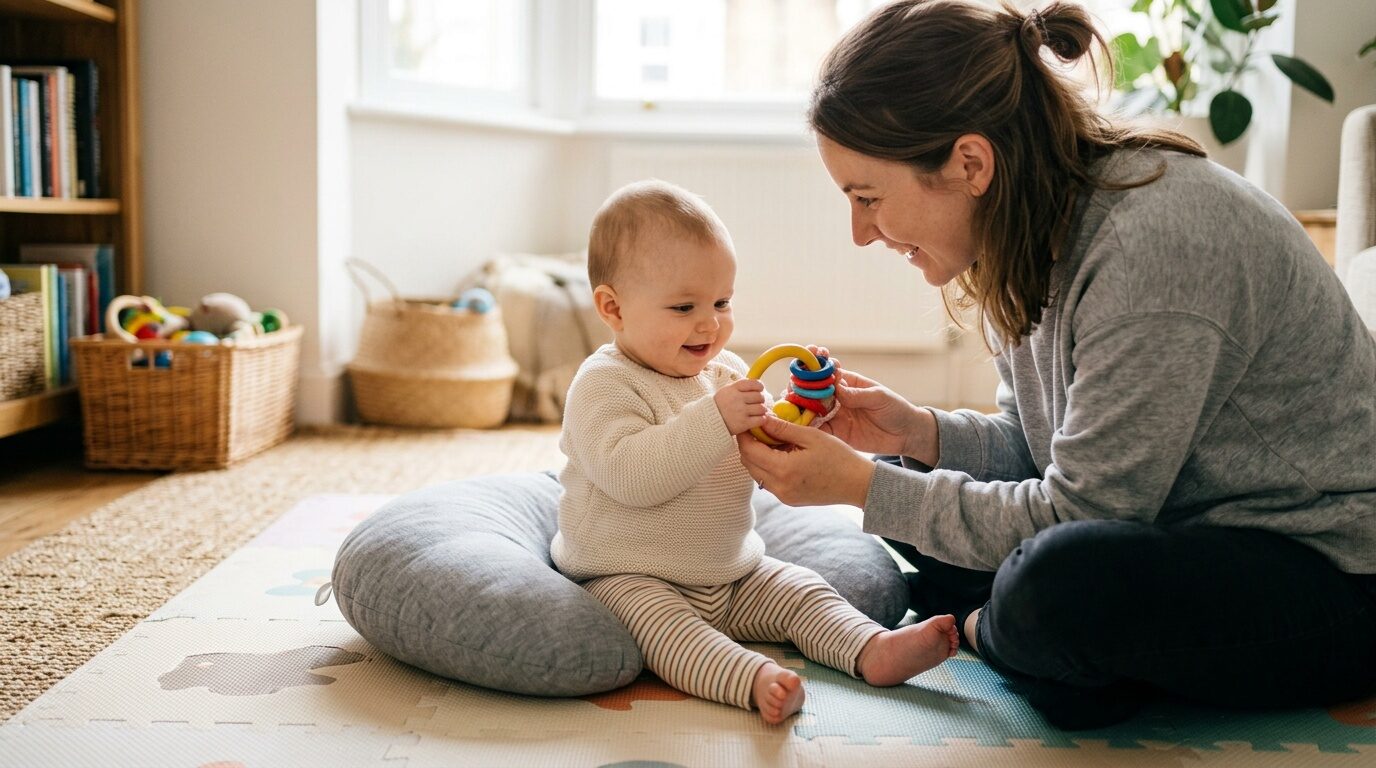
Sit on the floor with your legs stretched in a V shape. Place your baby in the V, close to your body, with your knees gently framing their sides. Your legs provide lateral support while leaving their trunk free to work. This is significantly more useful than a Bumbo or floor seat at this stage because your baby has to actively recruit their stabilising muscles instead of leaning against foam walls.
Side lying to sitting transitions
This is an underused move that paediatric physiotherapists rely on heavily. Lay your baby on their side with their knees slightly bent. Hold a toy just above their shoulder line and encourage them to reach up for it. The reaching motion recruits the lateral trunk muscles (the obliques) that allow babies to right themselves when they start to tip. Auckland Children's Physiotherapy demonstrates exactly this kind of side lying work in their practical video on building sitting skills.
Lap sitting and bouncing
Sit your baby on your lap facing outward. Gently tilt your knees side to side, forward and back, letting your baby's body react and self-correct. This controlled destabilising is exactly the input their postural muscles need. It is also something you can do while watching television, so it costs nothing in terms of time.
4. How to Use a Baby Support Seat Safely and Effectively
A support seat can be a useful tool once your baby has some neck and head control (usually around 3 to 4 months), but it works best as a short-duration activity station, not a default parking spot.
The key distinction is this: a support seat holds your baby upright so they can engage with the world; it does not build the core strength needed for independent sitting. In fact, if a baby spends the majority of their awake time in a seat rather than on the floor, it can actually slow progress because the trunk never gets the destabilising challenge that builds strength. Use these seats for 15 to 20 minutes at a time, a few times a day, and balance every session with at least as much floor time.
What to look for in a support seat
The best infant support seats for sitting practice have a few things in common:
- Curved back support that follows the natural shape of the infant spine - A safety guardrail or harness to prevent forward pitching, which is the most common and most dangerous fall direction for babies in seats - Breathable materials so your baby does not overheat - A wide, stable base that does not tip if your baby lunges sideways


Fisher-Price Portable Baby Chair Sit-Me-Up Floor Seat with Developmental Toys & Machine Washable Seat Pad, Rainbow Showers
- Portable and comfy infant chair that helps your baby sit up
- Supports your baby in an upright position with wide, sturdy base and cushy seat
- Folds compactly for space-saving storage or travel
The Fisher-Price Sit-Me-Up is one of the most popular options for good reason. Its wide, stable base and cushioned seat give babies a comfortable upright position, and the attached developmental toys encourage the reaching and leaning that builds balance. The machine washable seat pad is a practical bonus when you factor in the inevitable drool and cracker crumble.
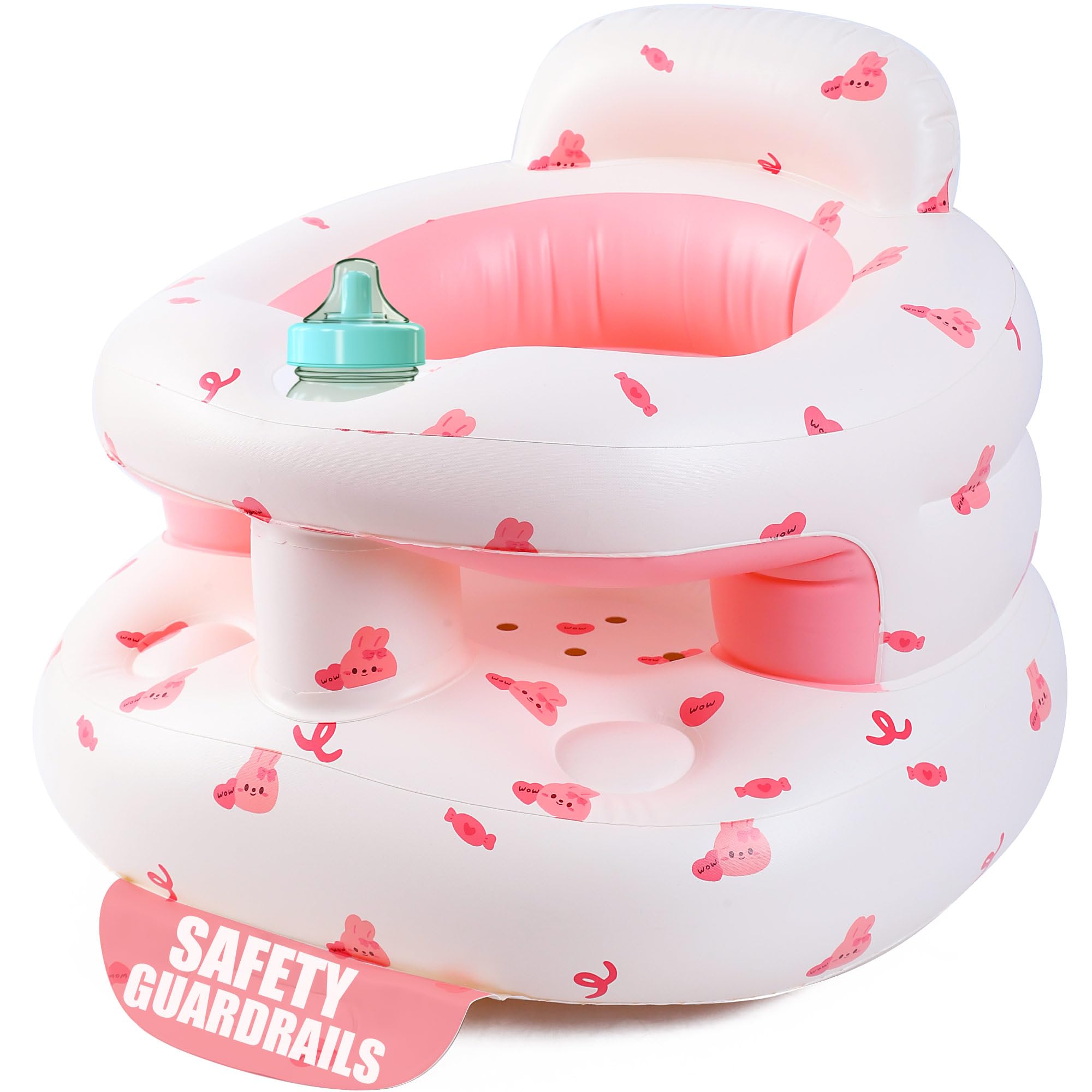
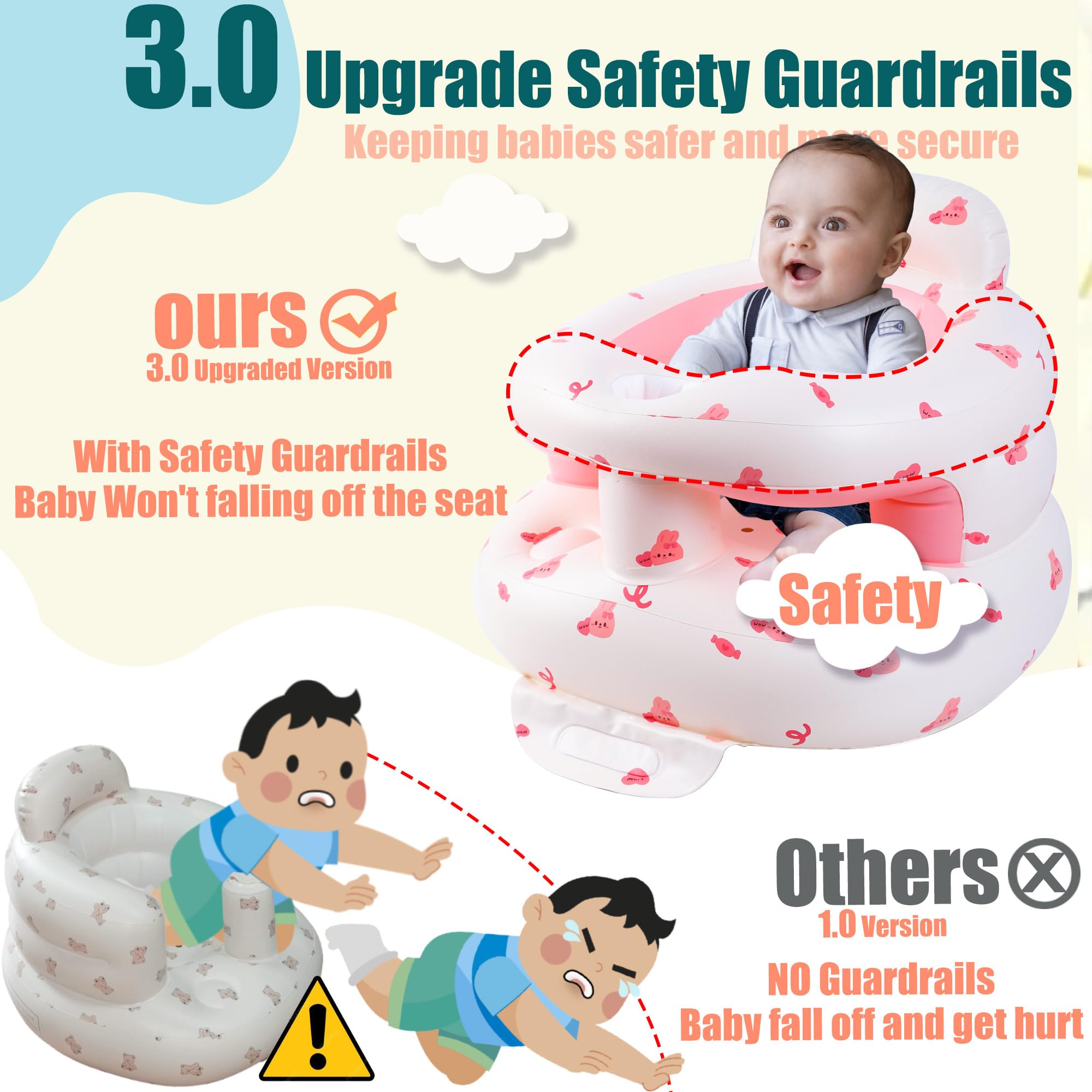
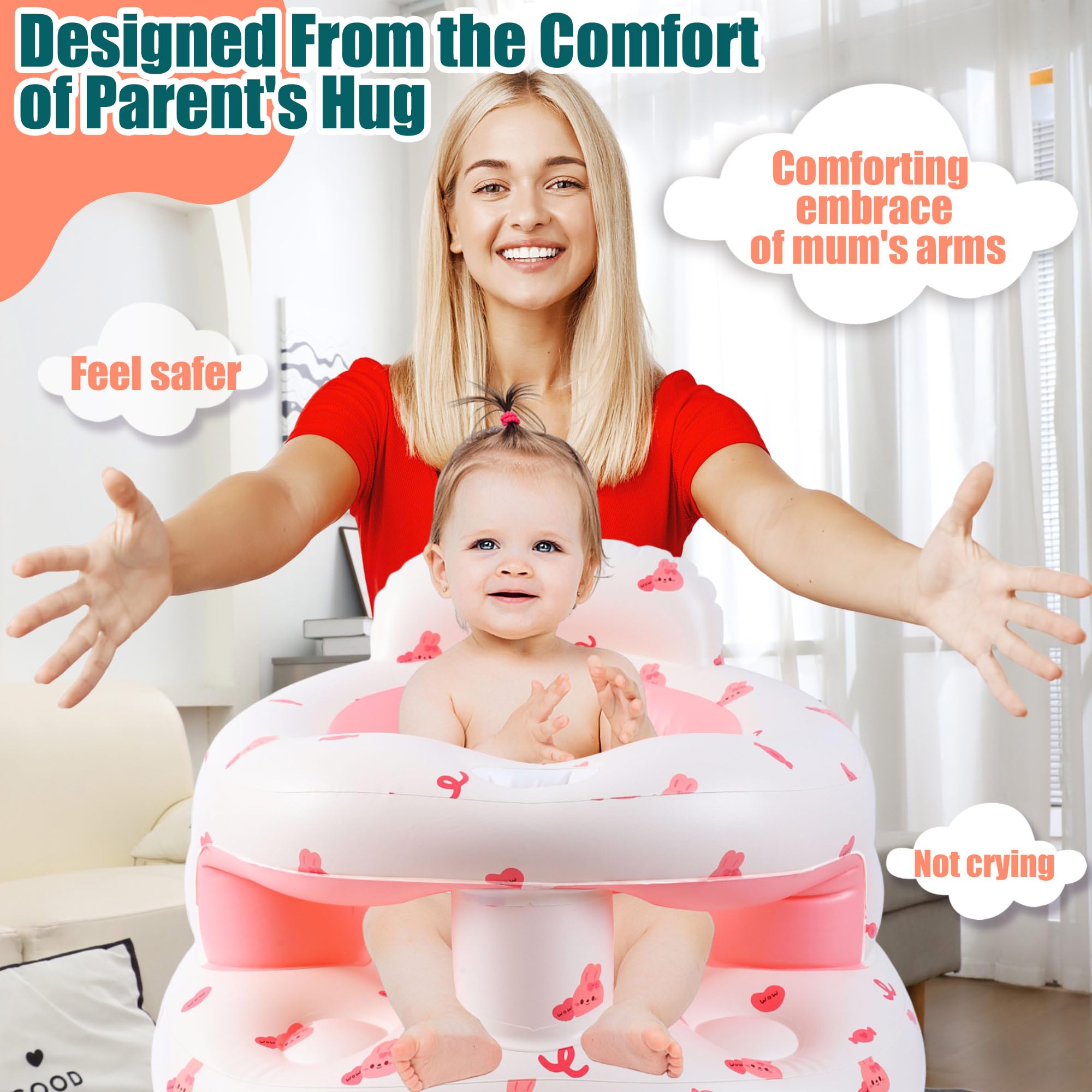
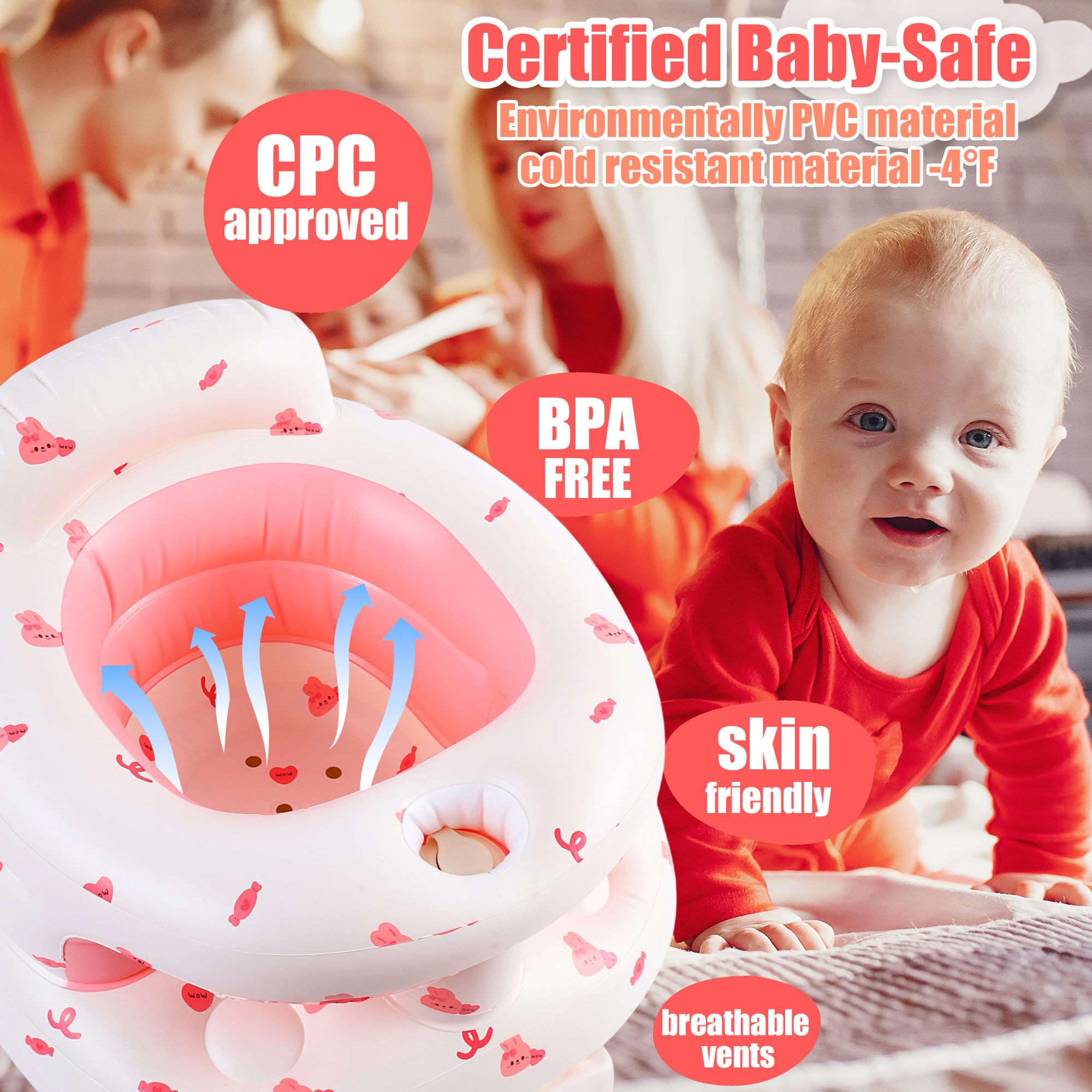
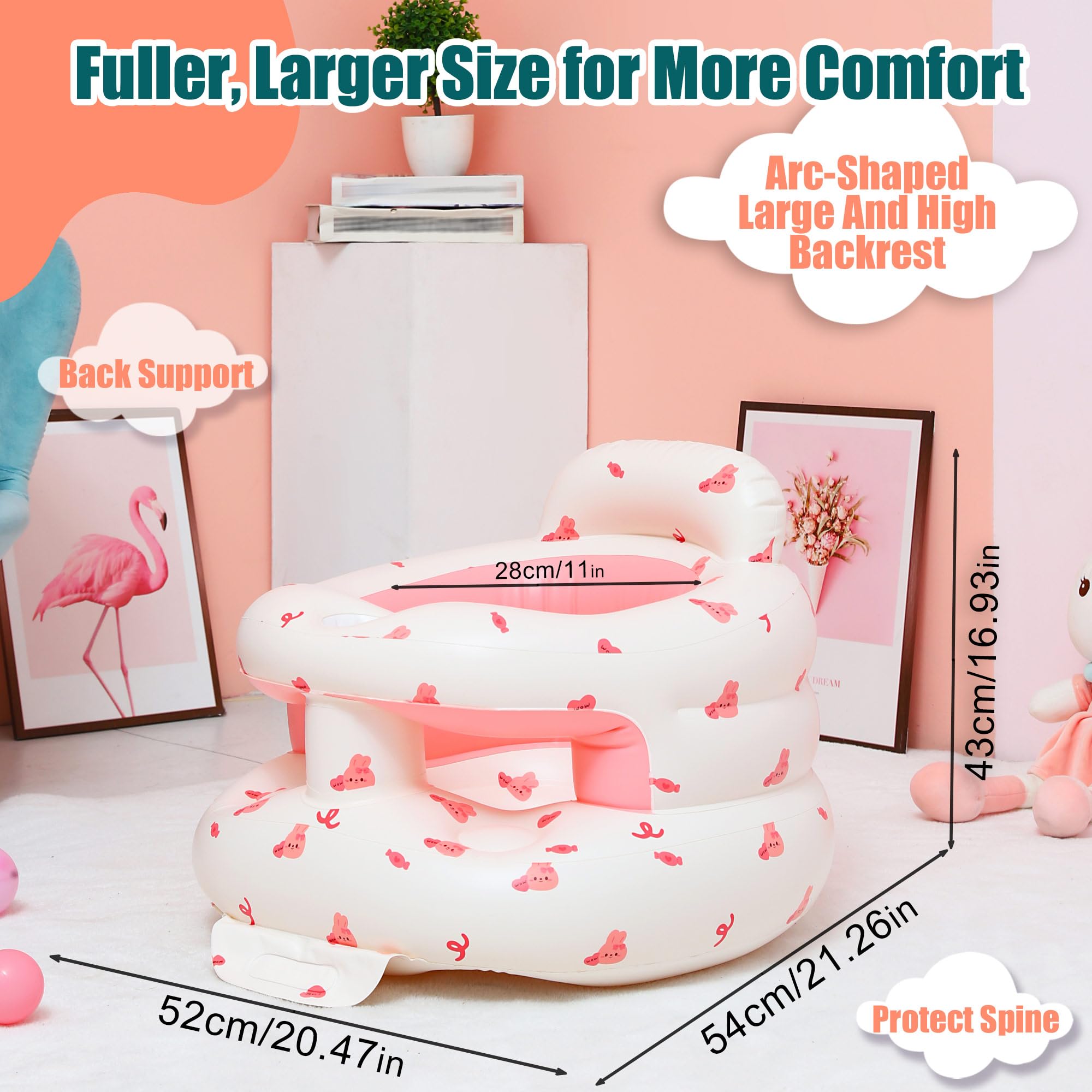
Upgraded Inflatable Baby Seat for Babies 3-36 Months, Inflatable Baby Chair Sit Me Up Floor Seat for Baby, Back Support Baby Seats for Infants for Sitting Up with Built in Air Pump
- 【3.0 Upgrade Version】Bavbiiy inflatable baby chair upgraded the safety guardrails, because babies aged 3-36 mo
- 【Designed From Parent's Hug】Babies love their parents' cuddles the most, Bavbiiy inflatable baby chair offers
- 【Certified Baby-Safe】bavbiiy inflatable baby chair High-quality Environmentally PVC material, cold resistant m
For babies who tend to pitch forward aggressively (very common between 4 and 6 months), the Bavbiiy inflatable seat is worth considering. Its 3.0 upgrade specifically addresses the forward fall risk with added guardrails, which gives parents a bit more peace of mind during those brief solo sitting sessions while you step away to make a coffee.
5. Milestones, Red Flags, and When to Talk to Your Doctor
Most babies sit without support somewhere between 4 and 7 months, but the normal range extends to 9 months, and the path there looks different for every child.
What the timeline usually looks like
| Age | What to expect | |---|---| | 3 to 4 months | Holds head steady; tolerates supported sitting briefly | | 4 to 5 months | Tripod sits with hands on floor; enjoys brief supported sitting | | 5 to 6 months | Sits with light support from one hand or a rolled blanket | | 6 to 7 months | Sits alone for several seconds; uses arms to catch falls | | 7 to 9 months | Sits steadily for extended periods; pivots and reaches without falling |
Premature babies should be assessed using their corrected age, not their chronological age. A baby born 8 weeks early should be compared to a 5 month old if they are 7 months old on the calendar.
Red flags worth raising with your doctor
If a child is not sitting independently by 9 months, a developmental evaluation is warranted to rule out underlying motor or neurological concerns.
— Centers for Disease Control and Prevention, Developmental Milestones (2022)
Your paediatrician will assess tone, symmetry, and the quality of movement, not just whether the skill has appeared. Early referral to a paediatric physiotherapist is almost always better than waiting. If you have even a passing concern, bring it up at the next well-child visit rather than waiting to see.
For a broader picture of the physical milestones surrounding this stage, the overview of your baby's development milestones from 9 months to a year is a helpful companion read.
6. Choosing the Right Support Seat for Your Baby's Stage
Not every baby seat is built for the same purpose, and matching the seat to your baby's current level of development matters for both safety and developmental gain.
A 3 month old with fresh head control needs very different support from a 6 month old who can tripod sit but keeps pitching backward. Here is a practical breakdown of the main categories and what each one is actually best for.
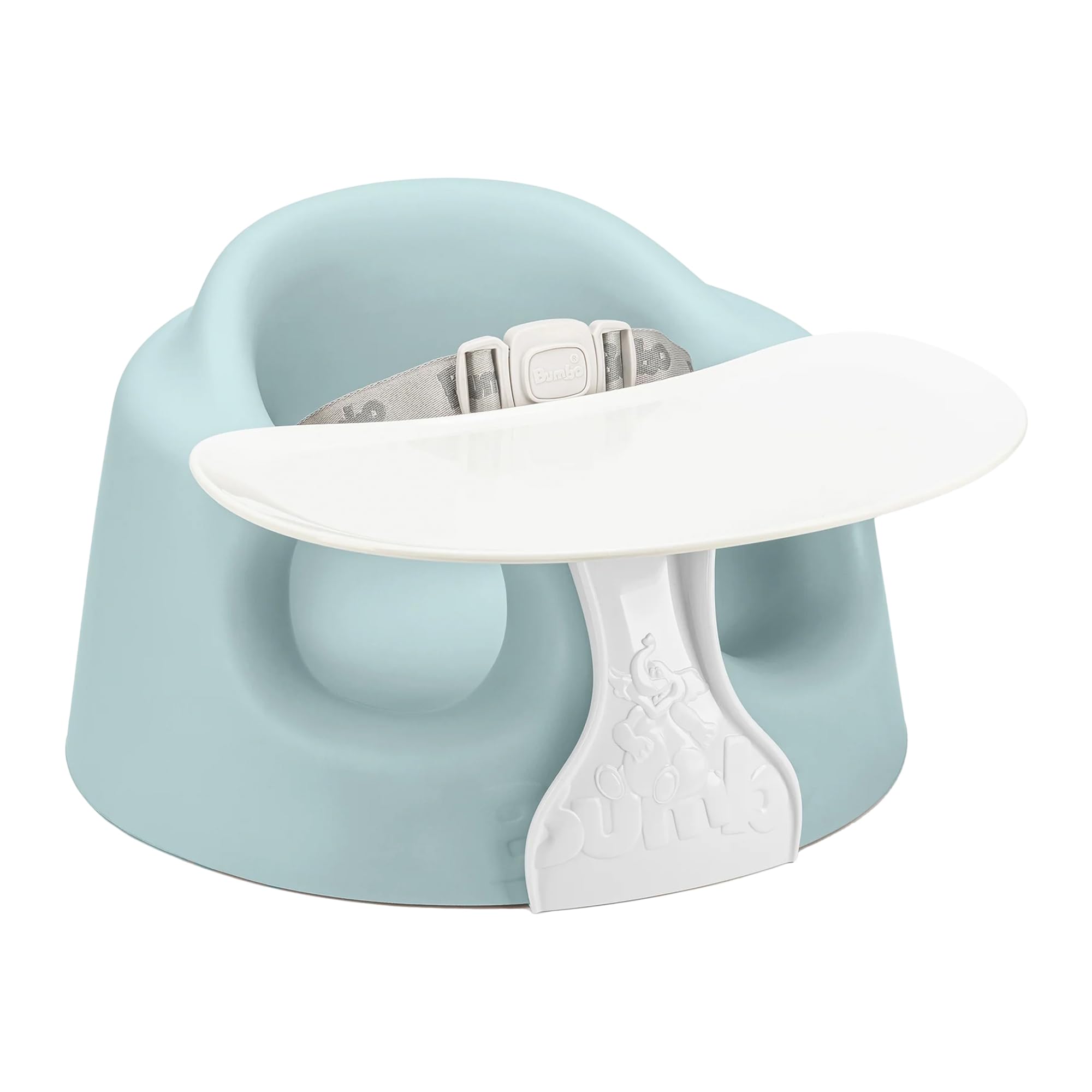
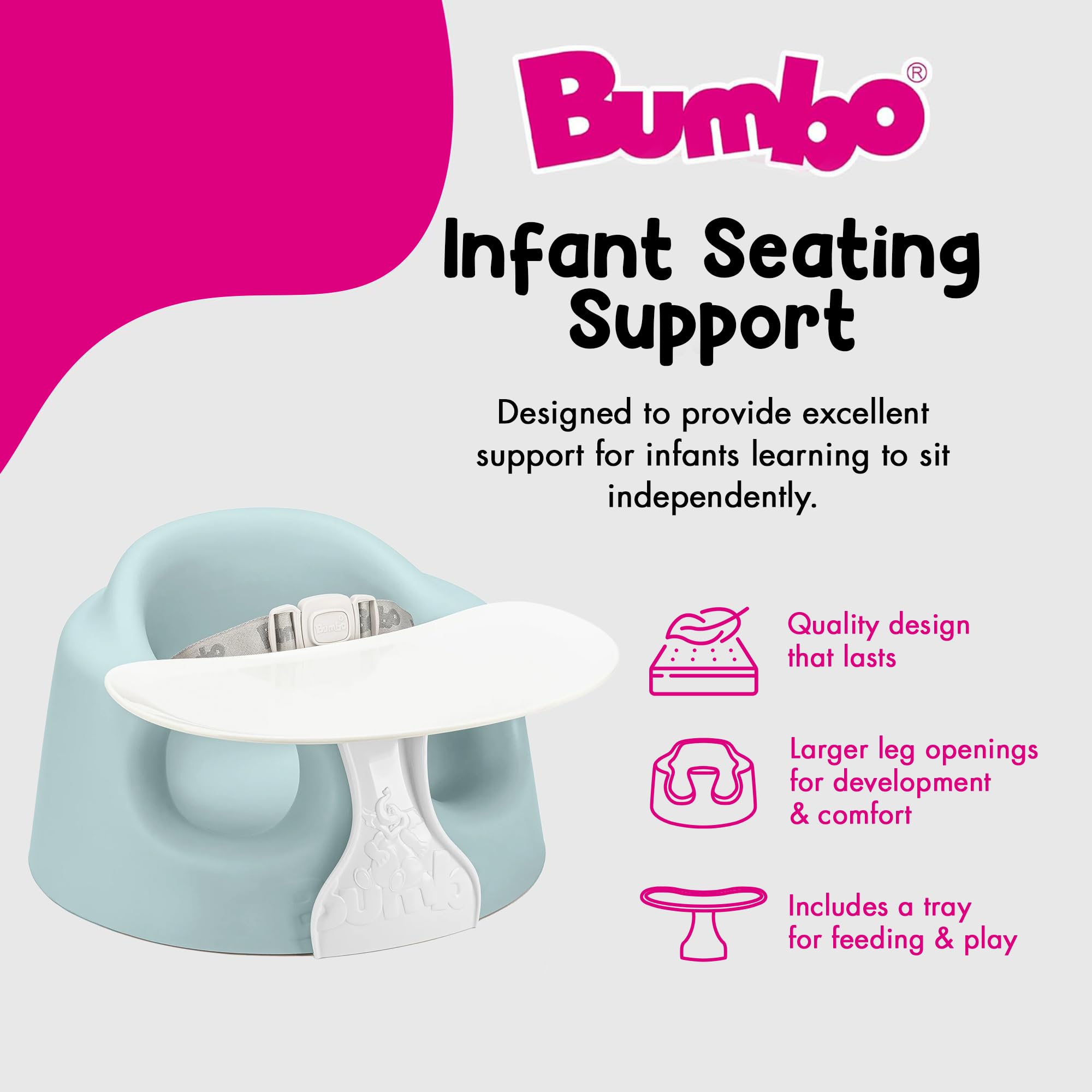
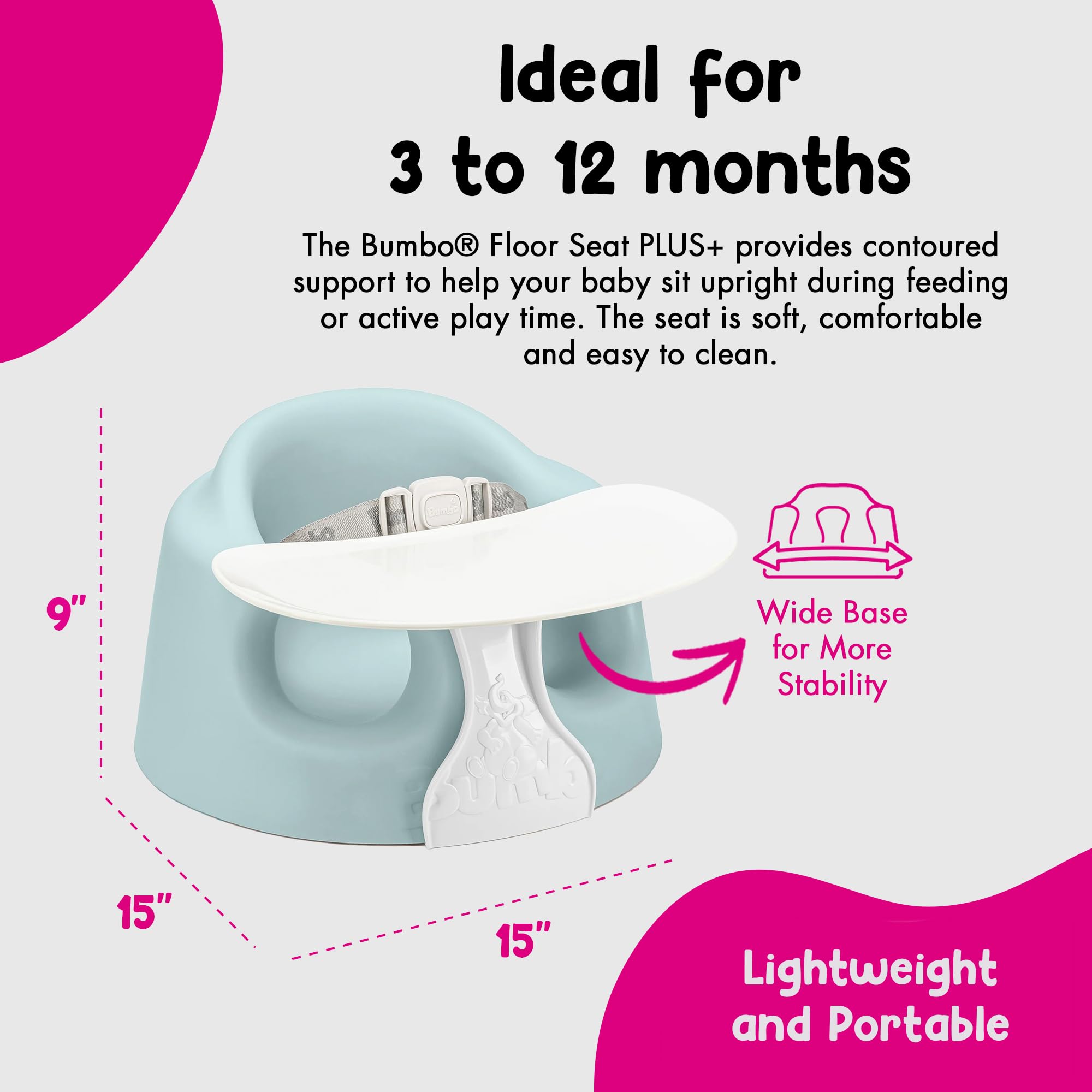
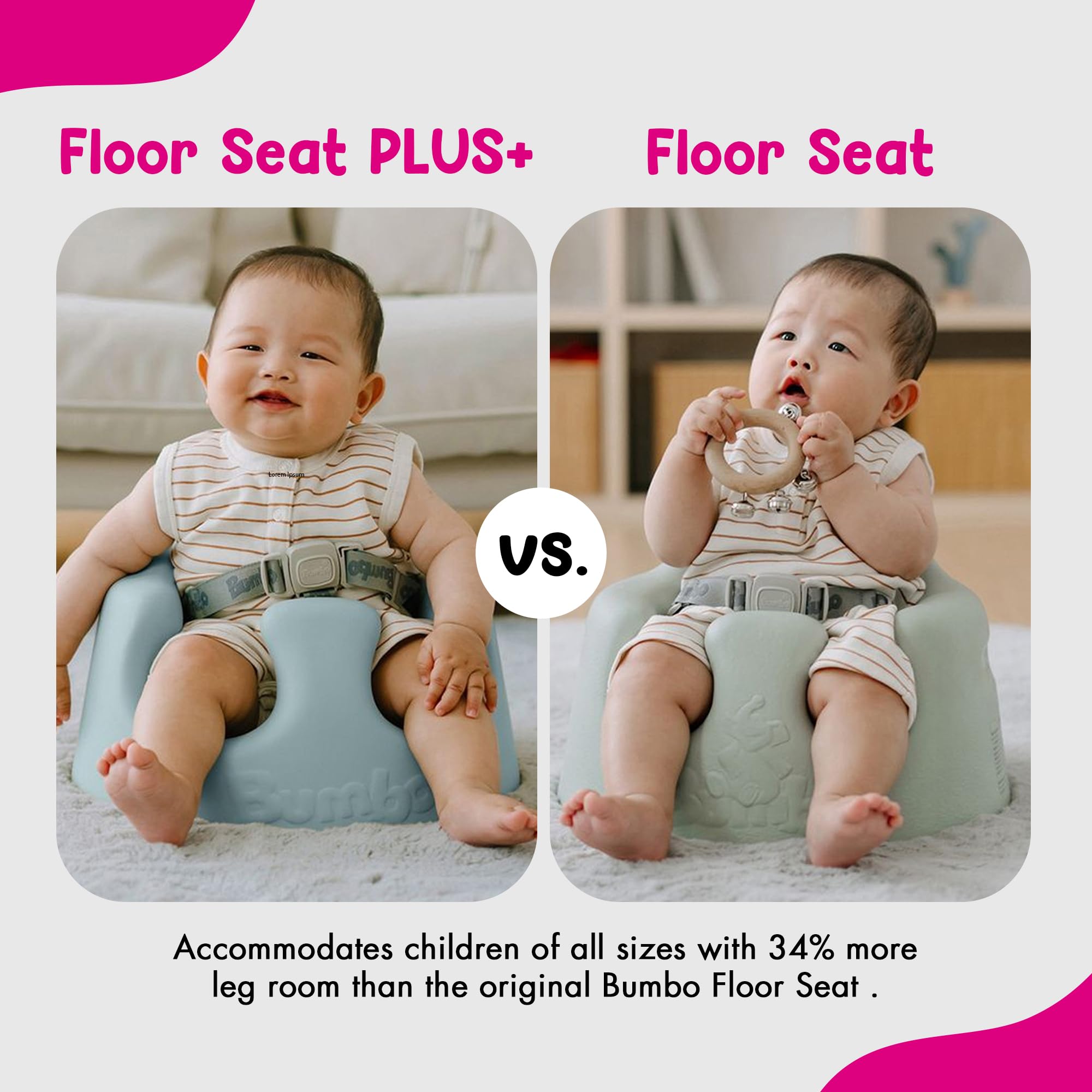

Bumbo Baby Infant Wide Floor Seat PLUS+ for 3 to 12 Months, Portable Feeding and Activity Play Chair with 3 Point Adjustable Harness, Soft Foam Support, and Extra Leg Room, Desert Mirage
- Total Sitting Support: Adjustable wide floor seat is specially designed to cater to the needs of both babies a
- Secure and Supportive Design: Thoughtfully designed with an integrated adjustable safety harness system to hel
- Soft and Luxurious Comfort: Crafted from soft yet supportive foam material, this baby seat provides a cozy pla
The Bumbo Floor Seat Plus is designed specifically for babies who cannot yet sit unaided. Its contoured foam cradles the hips and lower back, keeping the pelvis in a neutral position. The newer Plus version has added a 3 point harness, which the original famously lacked. Best used from around 3 to 4 months once head control is established, and limited to short sessions.
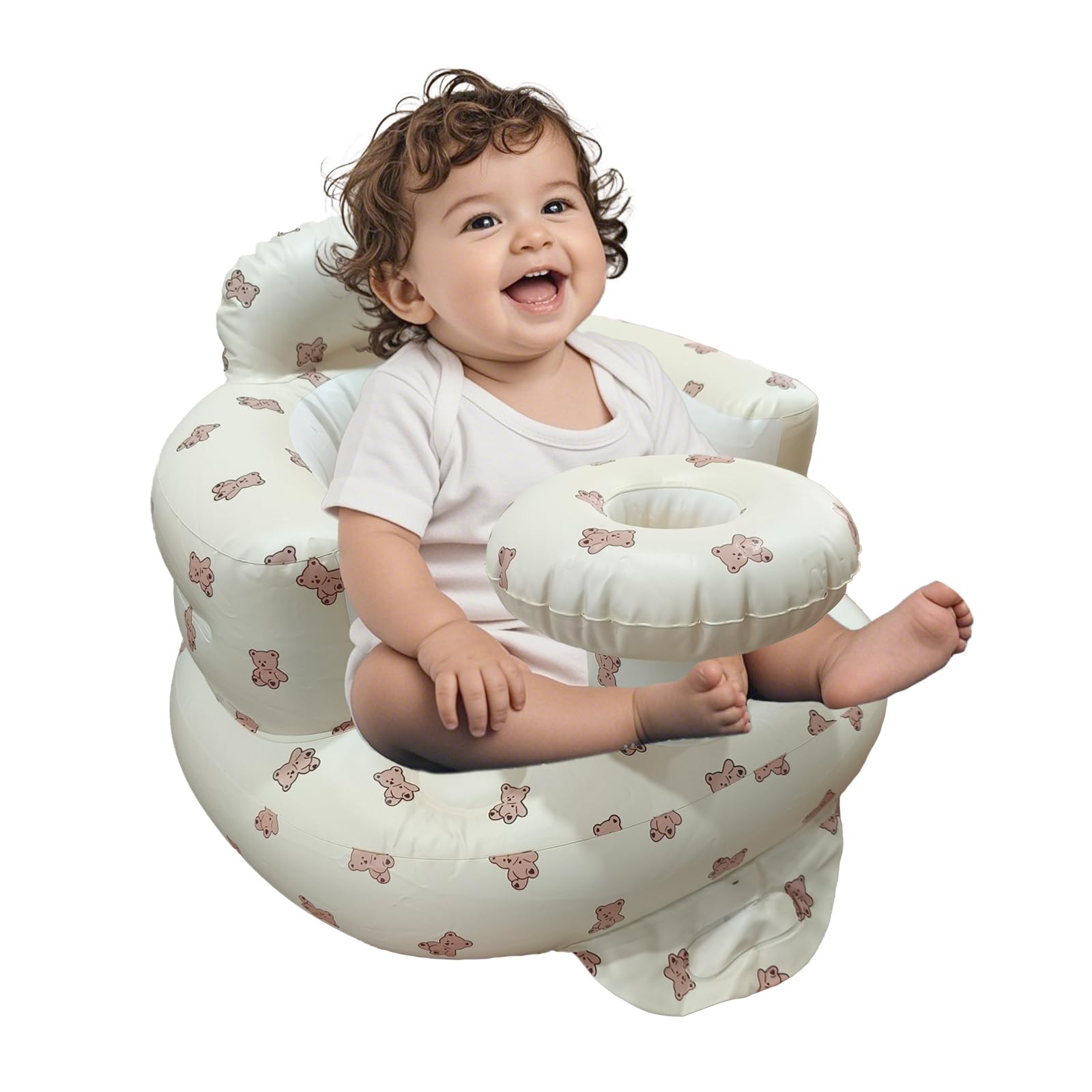
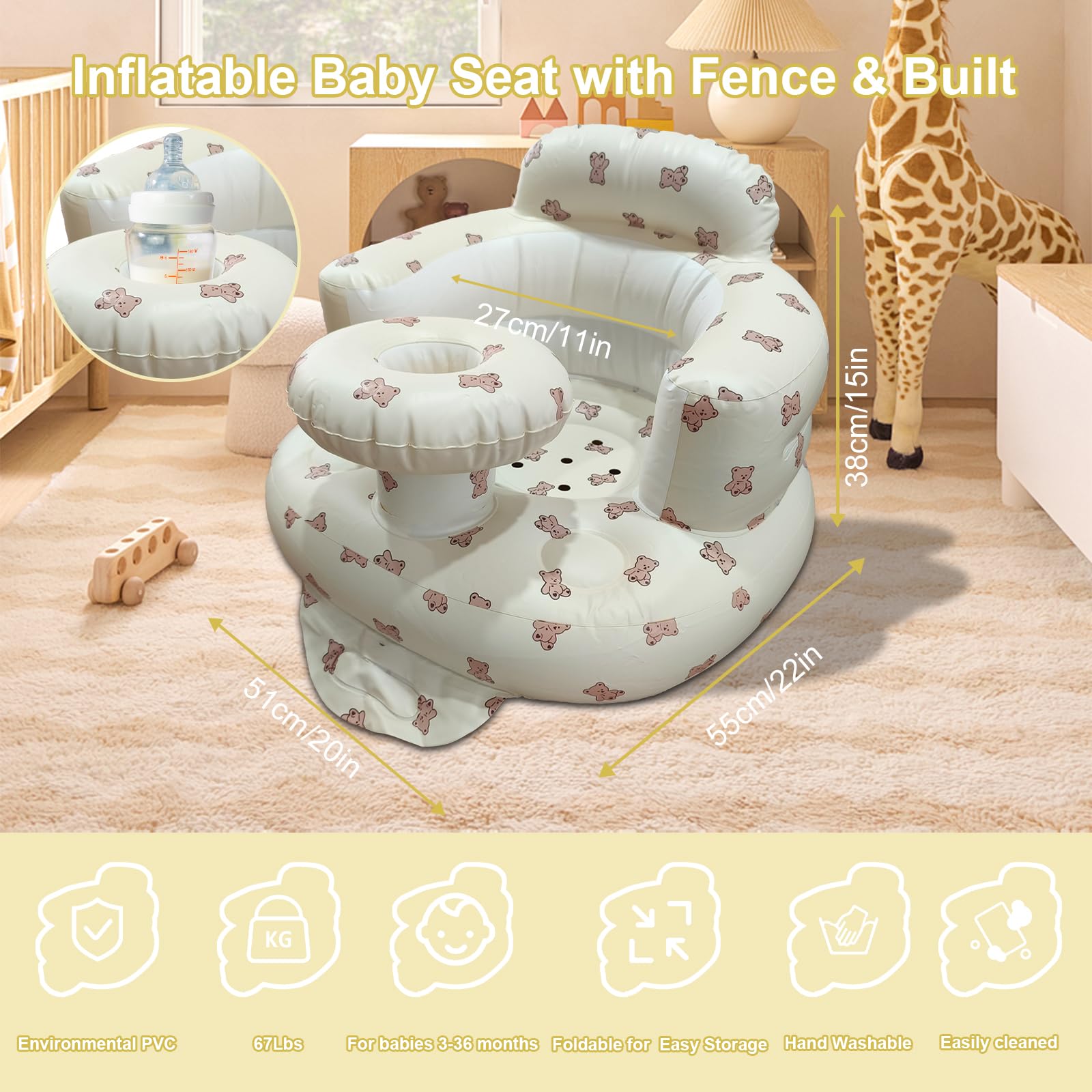
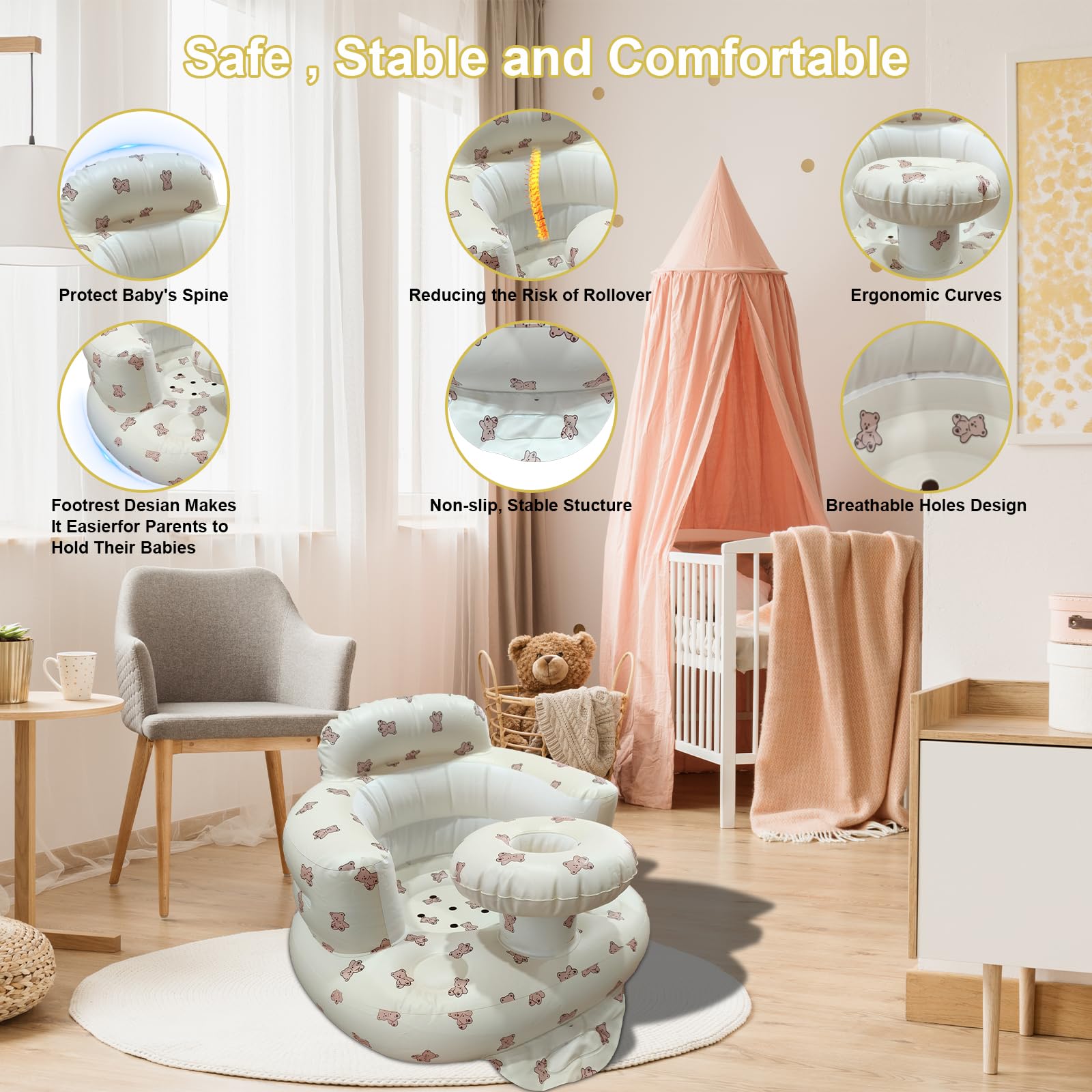
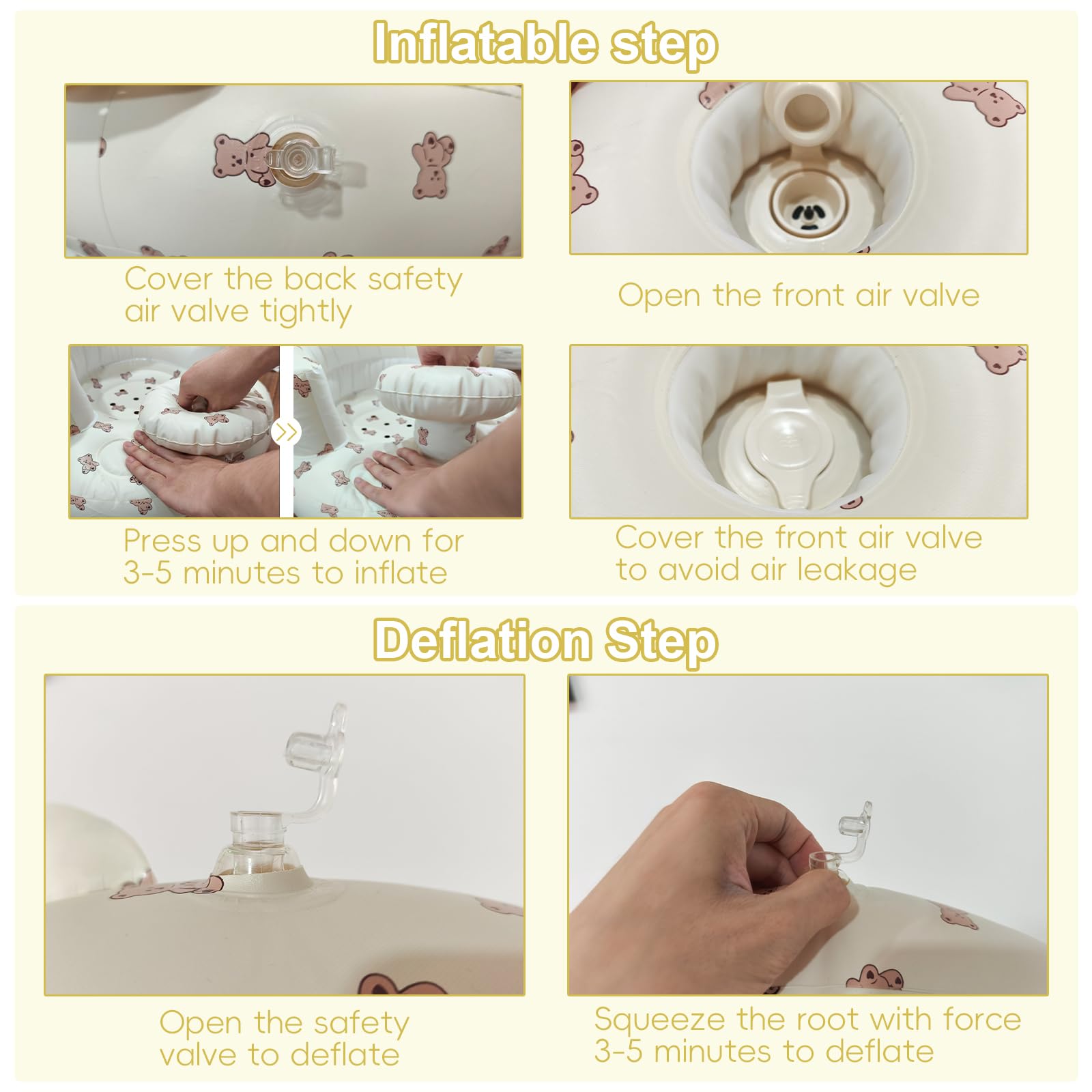
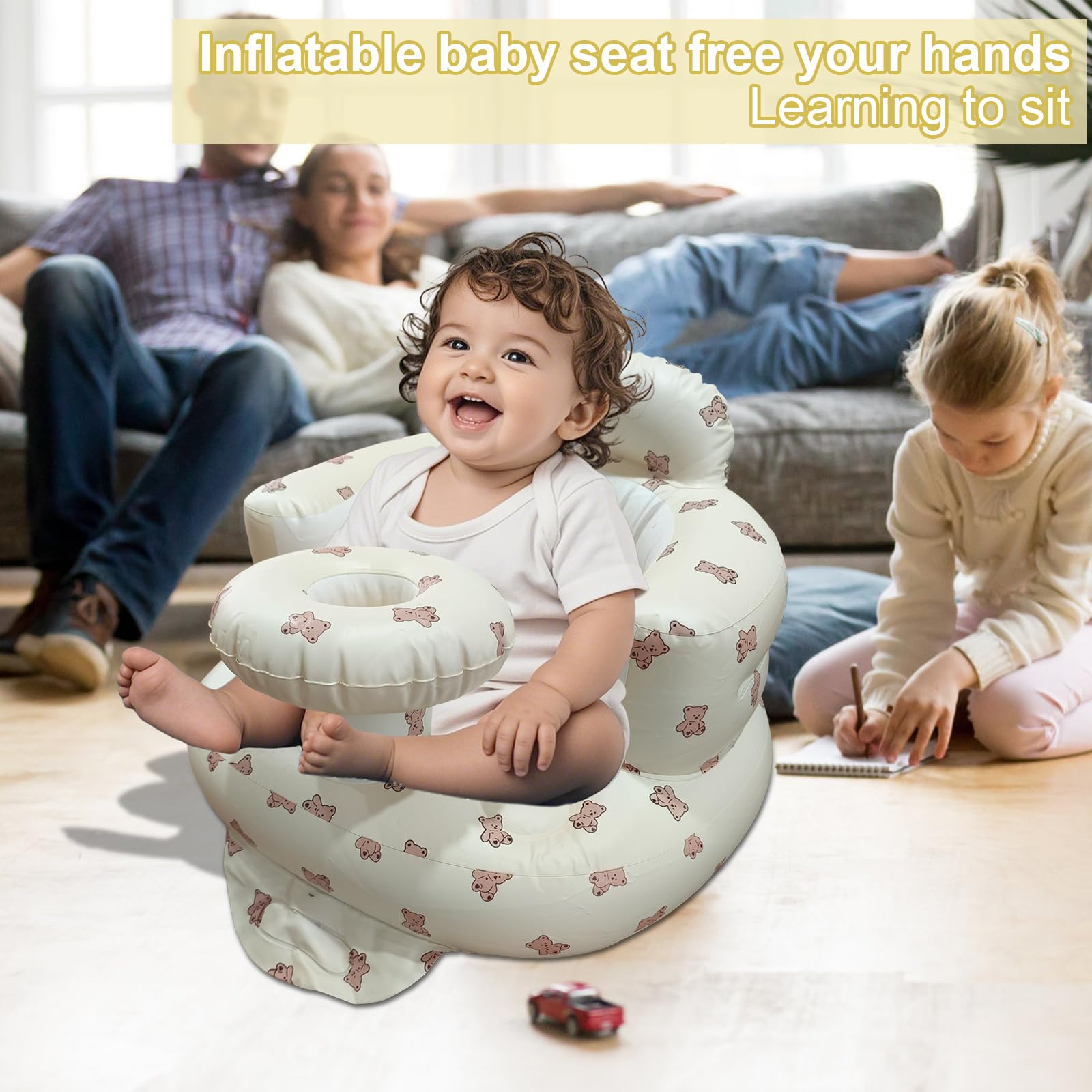
Inflatable Baby Seat for Babies 3-36 Months, Baby Chair with Fence & Built in Air Pump, Blow Up Floor Baby Seat with Back Support, Inflatable Baby Chair Sit Me Up for Home Bear-Tray
- Safety and stability: Are you worried that your baby will fall off the baby floor seat? This inflatable baby c
- Versatile and multifunctional: Made of thickened PVC material, this inflatable baby seat holds up to 67 lbs fo
- Bionic design: The large curved, high-backed wrap-around sofa stabilizes baby's back, sides and legs. If you e
The TOSXW inflatable seat is a practical travel-friendly option. It deflates and rolls up small enough for a day bag, which makes it genuinely useful for visits to family or beach days when you need somewhere to pop your baby while you sort yourself out. The high-backed wraparound design gives good lateral support.

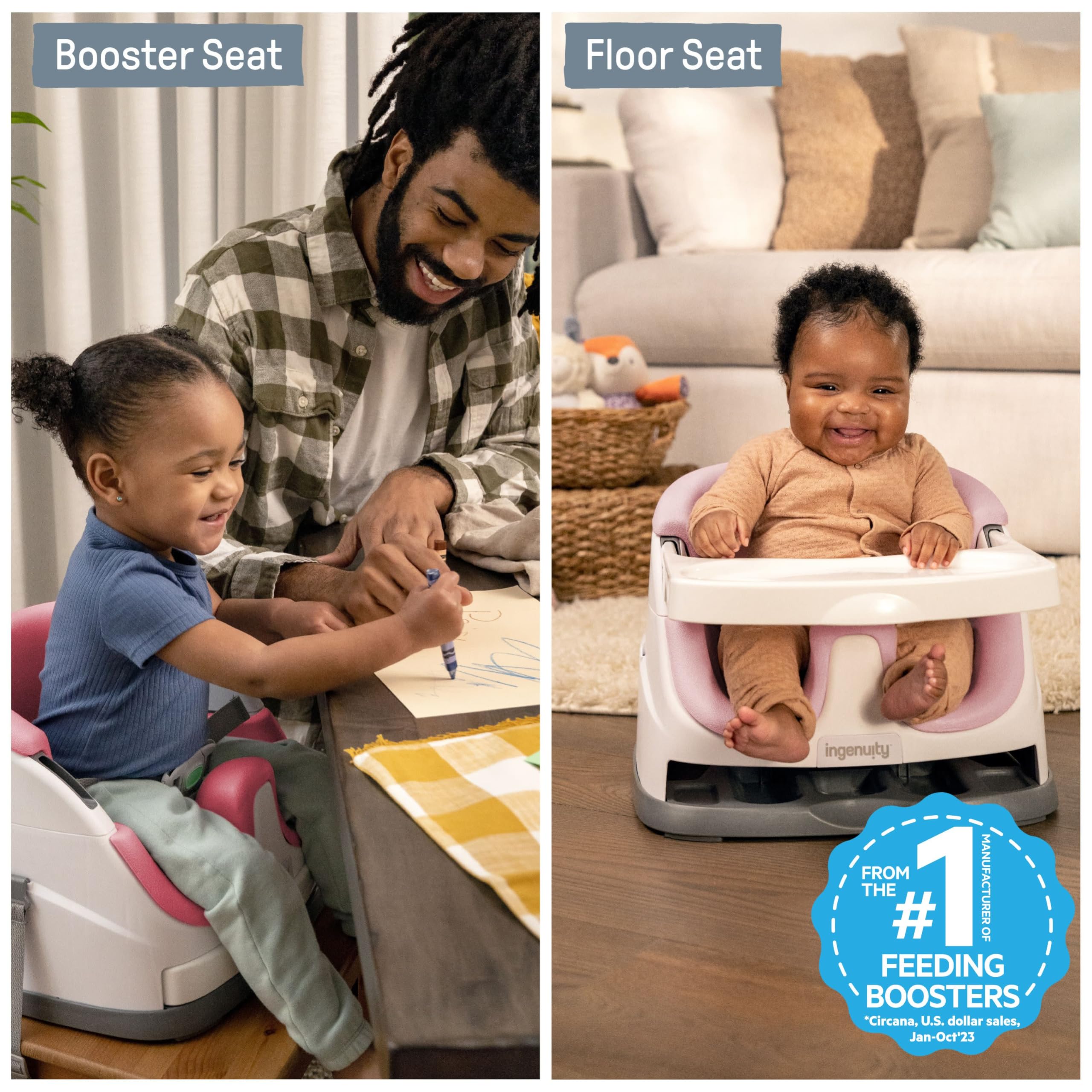


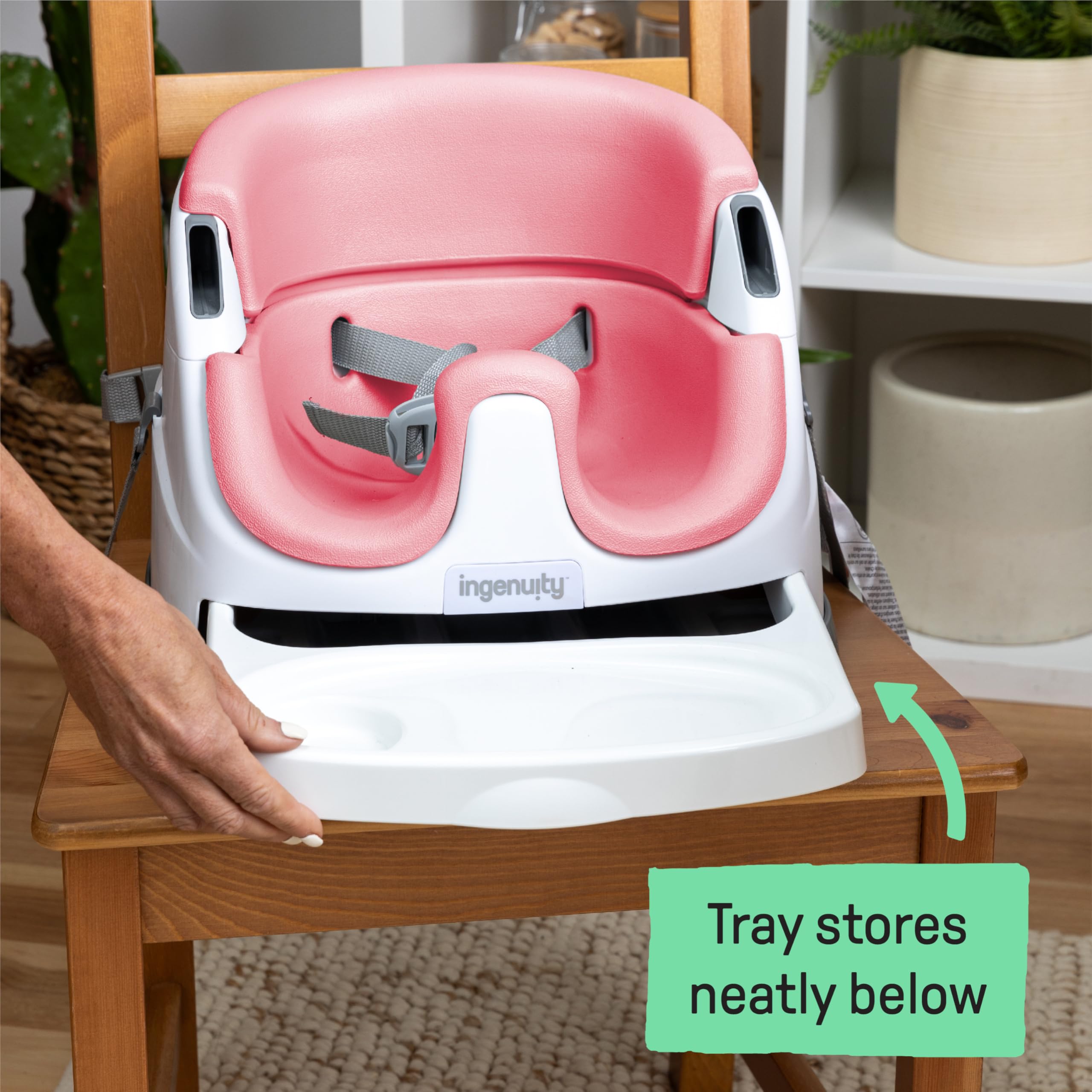
Ingenuity Baby Base 2-in-1 Booster Feeding and Floor Seat with Self-Storing Tray - Peony
- To assemble the Ingenuity Baby Base, remove the tray, turn seat over and remove the seat back from underneath
- Safe infant seat with harness for babies sitting up; adjustable straps attach the booster to most dining chair
- The booster that grows with your family; convert from baby booster to toddler seat by removing the foam insert
The Ingenuity Baby Base 2 in 1 is a particularly clever buy for families who want the product to grow with their baby. It functions as a supported infant floor seat in the early months, then converts to a booster seat at the table when your toddler is ready. The self-storing tray and adjustable harness make it one of the most practically designed options in this category.
| Seat Type | Best Age Range | Primary Benefits | Main Drawbacks | Recommended Product | Price Range |
|---|---|---|---|---|---|
| Foam floor seat | 3 to 12 months | Contoured support; great for earlier stages; soft and comfortable | Not portable; limited growth range | Bumbo Floor Seat Plus | $15–20 |
| Inflatable seat with guardrails | 3 to 36 months | Portable; forward fall protection; easy to clean | Requires inflation check; less firm than foam | Bavbiiy Inflatable Baby Seat | $23–25 |
| Inflatable seat with tray | 3 to 36 months | Tray for activities; travel friendly; high back support | Takes two minutes to inflate | TOSXW Inflatable Baby Chair | $16–18 |
| Fabric floor seat with toys | 3 to 12 months | Built-in developmental toys; machine washable pad; wide stable base | Bulkier to store and transport | Fisher-Price Sit-Me-Up Seat | $45–50 |
| 2-in-1 booster seat | 6 months to toddler | Converts to table booster; grows with child; includes tray | Assembly required; larger footprint | Ingenuity Baby Base 2-in-1 | $39–42 |
Expert Insights on Helping Babies Sit
You Have More Influence Here Than You Think
Here is the thing about the sitting milestone: it feels like something that just happens to babies, but you are actually a key part of the process. Every tummy time session you coax your reluctant baby through, every lap-bounce, every reaching game on the floor, every side-lying reach for a favourite toy is a direct deposit into the physical strength account your baby is building toward that first glorious unsupported sit.
You do not need a physiotherapy degree or an expensive gear collection. You need the floor, your legs, a few interesting toys, and about 30 minutes of accumulated tummy time per day. That is genuinely it.
The milestone will come. Your job is to make sure the muscles are ready when it does.
If this article was helpful, save it for reference and share it with another parent who is watching the clock on their baby's development. It is almost always more reassuring than a middle-of-the-night Google spiral.
Sources & References
- World Health Organization. "WHO Motor Development Study: Windows of Achievement for Six Gross Motor Development Milestones." Acta Paediatrica Supplement, 2006.
- American Academy of Pediatrics. "Tummy Time: Why It's So Important for Your Baby." HealthyChildren.org, 2022. https://www.healthychildren.org/English/ages-stages/baby/Pages/The-Importance-of-Tummy-Time.aspx
- Centers for Disease Control and Prevention. "Developmental Milestones: 6 Months." CDC.gov, 2022. https://www.cdc.gov/ncbddd/actearly/milestones/milestones-6mo.html
- Centers for Disease Control and Prevention. "Developmental Milestones: 9 Months." CDC.gov, 2022. https://www.cdc.gov/ncbddd/actearly/milestones/milestones-9mo.html
- American Academy of Pediatrics. "Back to Sleep, Tummy to Play." HealthyChildren.org, 2021.
- Adolph KE, Hoch JE. "Motor Development: Embodied, Embedded, Enculturated, and Enabling." Annual Review of Psychology, 2019.
- Auckland Children's Physiotherapy. "Teaching your baby to sit up from side lying." Patient education resource, 2022.
- Hubbard E. "5 Tips to Teach a Baby to Sit Up Independently." YouTube / Emma Hubbard Paediatric OT, 2021.
Frequently Asked Questions
When do babies normally sit up on their own?
Is it okay to prop my baby up with pillows to practice sitting?
Can too much time in a baby seat delay sitting?
My baby can sit with support but keeps falling to one side. Is that normal?
How long should tummy time sessions be?
Should I buy a sit-me-up seat before my baby can sit?
My baby is 8 months and still not sitting. Should I be worried?
Was this helpful?
Thanks — your feedback helps us pick what to write next.