Neurodiversity in Tweens: Your Complete 8–12 Guide
The tween years (ages 8 to 12) are when many neurodevelopmental differences become more visible and more complex, and understanding what your child needs now can make an enormous difference to their confidence, learning, and daily life.
In this article
Here is something worth sitting with: the CDC estimates that around 1 in 6 children in the United States has a diagnosed developmental disability, and many more carry traits that affect daily functioning without ever receiving a formal label. For parents of tweens, that statistic lands differently than it does in the toddler years. Your child is now navigating homework, friendships, social comparison, and the first stirrings of puberty, all at once. If they are also wired differently, the gap between what they're expected to do and what their brain finds manageable can widen fast.
This guide is for you if your tween has a diagnosis, is waiting for one, or if you simply know something is going on and you want to understand it better.
By the end, you will understand:
1. Why the Tween Years Change Everything for Neurodivergent Kids
The tween brain is undergoing the most significant structural reorganisation since infancy, and that rewiring interacts directly with neurodevelopmental differences. Skills that looked "managed" in primary school can suddenly feel harder. Demands that were once external (a teacher scaffolding every task) become internal (organise your own project, manage your own time). For a child with ADHD, autism, dyslexia, or anxiety, that shift is not gradual. It can feel like a cliff.
Social complexity ramps up fast
At 8, playground friendships are relatively straightforward. By 11 or 12, social rules are unwritten, layered, and punishing of anyone who gets them wrong. Autistic tweens, who may have managed reasonably well with explicit social instruction in earlier years, often find this period genuinely destabilising. Many, particularly girls and those assigned female at birth, spend enormous energy masking (suppressing their natural behaviours to appear neurotypical), which leads to exhaustion, anxiety, and sometimes depression.
Understanding how autism presents in girls is especially important at this stage, because the profile that gets recognised in the clinic is still disproportionately male. If your daughter or child assigned female at birth is struggling socially and seems to be "keeping it together" at school while falling apart at home, that contrast deserves attention.
2. Recognising the Signs: When to Seek an Updated Assessment
Many tweens receive their first diagnosis at this age, and many who were diagnosed earlier need their assessment revisited. Diagnoses made at 5 or 6 were based on a younger brain in a less demanding environment. A lot can change.
Signs that a new or updated assessment may help
If you are seeing several of these together, a referral to a paediatrician with a developmental interest, a clinical psychologist, or a multidisciplinary assessment team is a reasonable next step. In the UK, you can ask your GP for a referral. In the US, you can request a free educational evaluation through your school district under IDEA (the Individuals with Disabilities Education Act).
3. ADHD in the Tween Years: What Parents Often Miss
ADHD does not always look like a whirlwind child who cannot sit still. By the tween years, hyperactivity in many children has shifted inward. What you see instead is a child who sits at the desk for an hour but produces nothing, who forgets to hand in work they have clearly completed, who starts five things and finishes none.
Routines are the single most powerful tool
The research on this is consistent. Children with ADHD are not lazy or oppositional. Their brains are under-regulated for time, task initiation, and working memory. Predictable routines reduce the cognitive load of starting and sustaining tasks. Watching why routines support ADHD and autistic brains more broadly can help you frame this for yourself and your child.
Sensory tools can also help considerably during homework and study. A quiet fidget that occupies the hands without demanding attention from the brain allows many children with ADHD to stay in their seats longer and retain more of what they are reading.
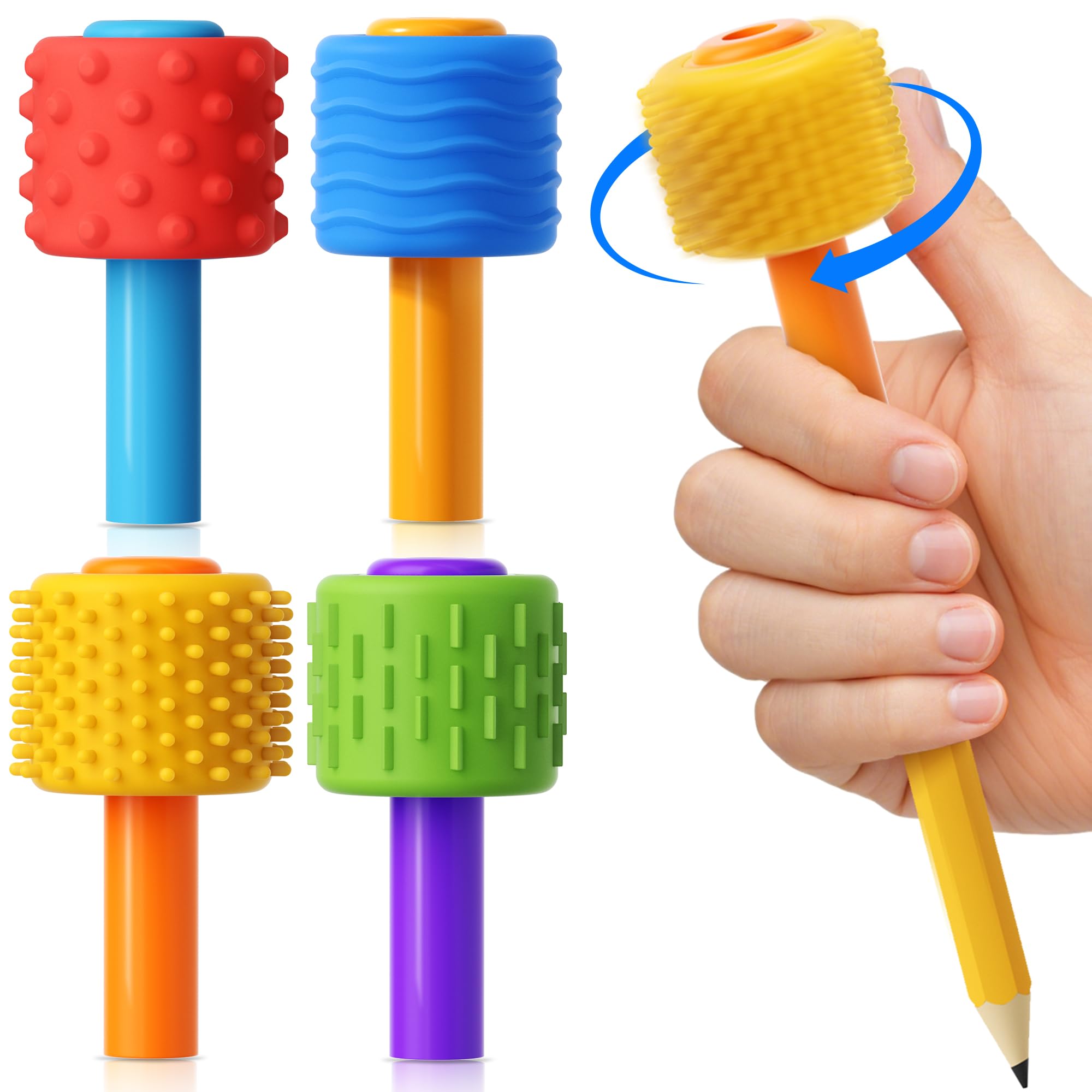
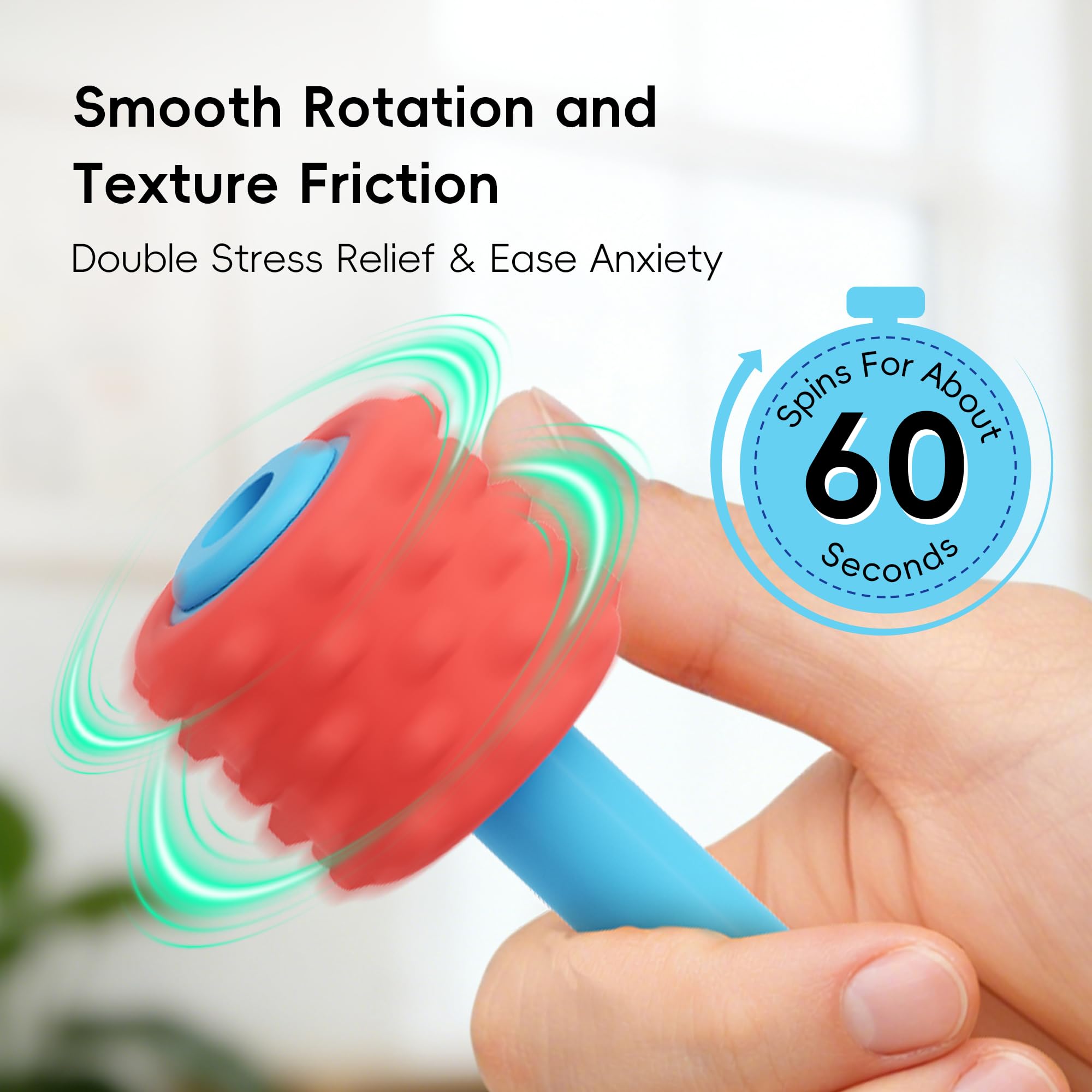
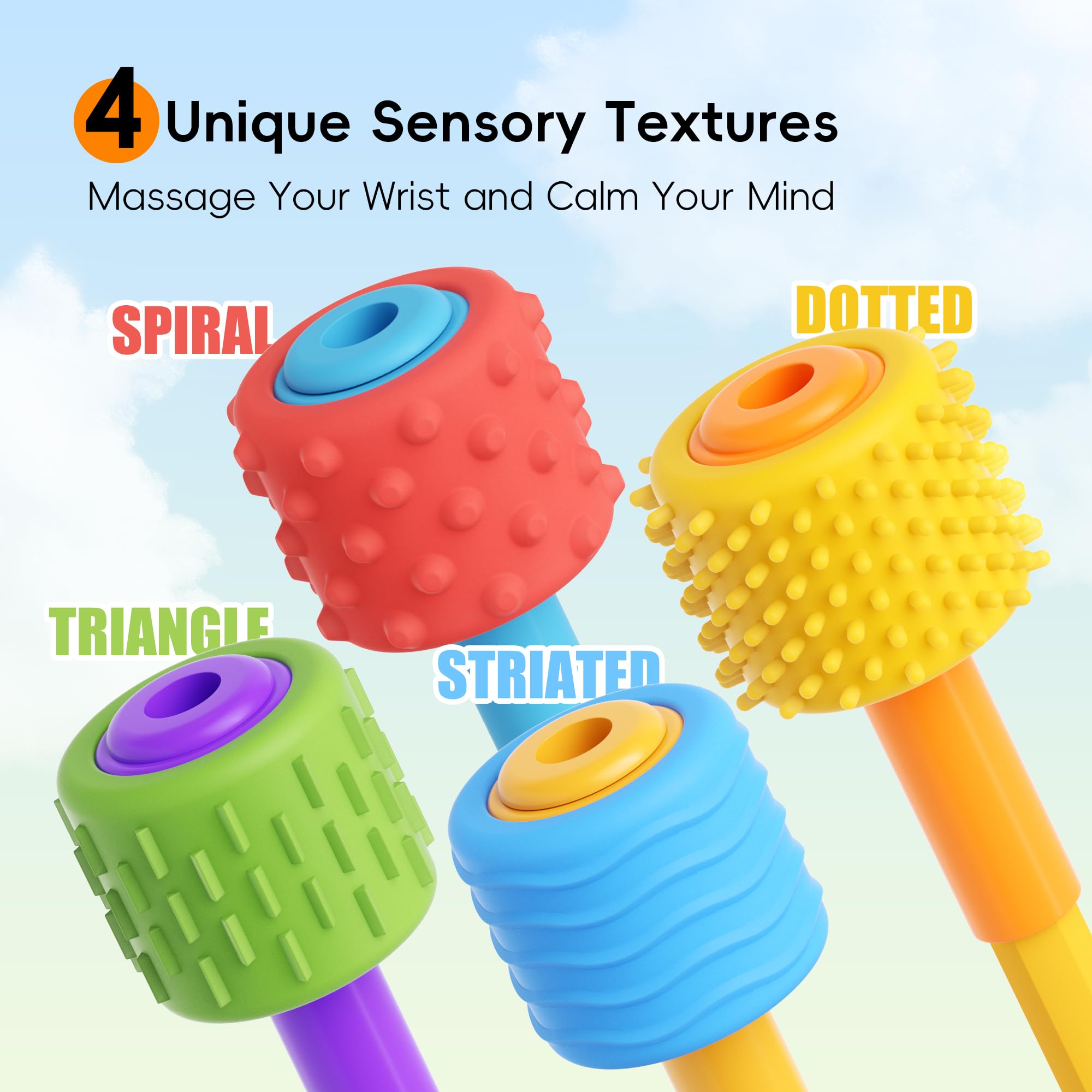
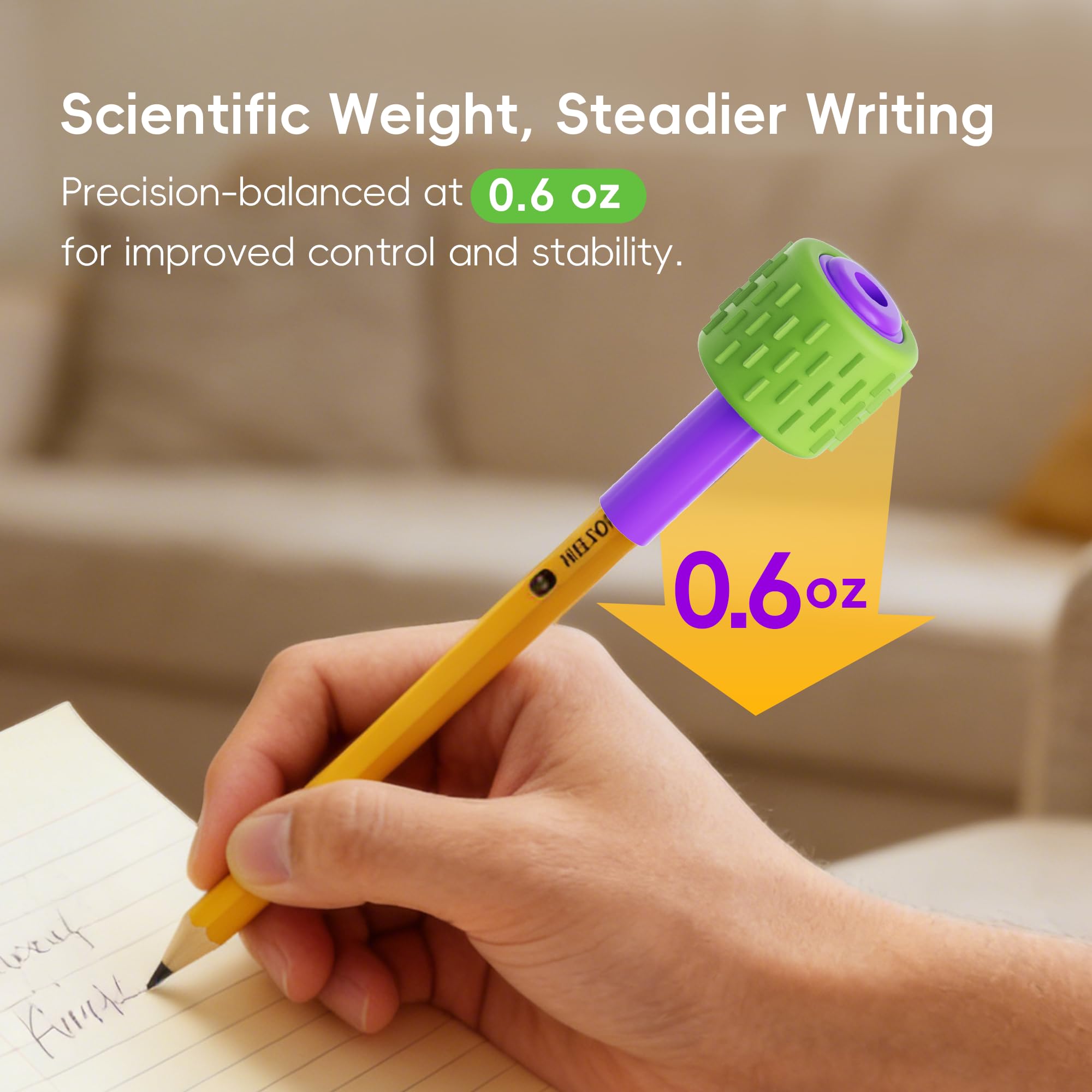

4 in 1 Pencil Fidgets for ADHD & Autism Anxiety Relief,60s Continuous Spin Pencil Topper with Textured Spinners,Silent Sensory Stress Relief Tool for Focus & Calm,Fidget Pen Flipper for Home&Classroom
- 【Sensory Fidget Pencil Grips – Quiet Classroom Tool】These pencil grips feature unique textures and smooth rota
- 【Fidget Spinner for Quiet Sensory Play】More than just a grip, this tool features a built-in fidget spinner tha
- 【Built-in Weights Reduce Hand Fatigue】Each grip weighs 0.6 oz to balance the pencil perfectly, stabilizing han
4. Autism in Tweens: Identity, Masking, and What Helps
Autism in tweens is often about exhaustion as much as it is about sensory or communication differences. The social world at this age is relentless, and many autistic children spend their school day performing neurotypicality, only to collapse the moment they get home. That collapse is not bad behaviour. It is a pressure valve releasing.
What masking costs your child
Masking (camouflaging autistic traits to fit in) is associated with significantly higher rates of anxiety, depression, and burnout in adolescence. A 2021 study published in Autism found that girls and those assigned female at birth are particularly likely to mask, which is one reason they are diagnosed on average several years later than boys.
Calm down corners, decompression time after school (no questions, no screens, no demands for 20 to 30 minutes), and sensory tools kept easily accessible can make the transition home smoother.
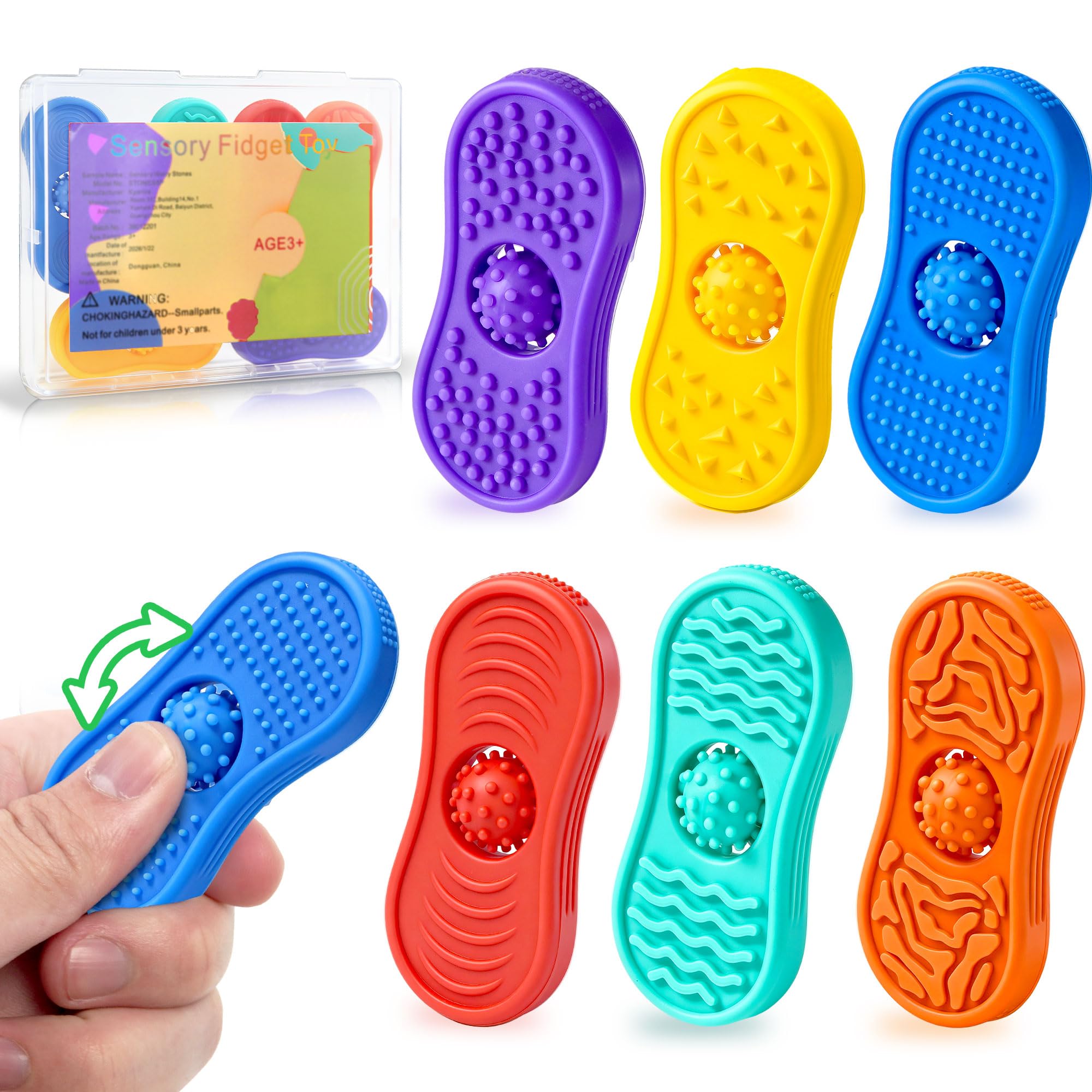
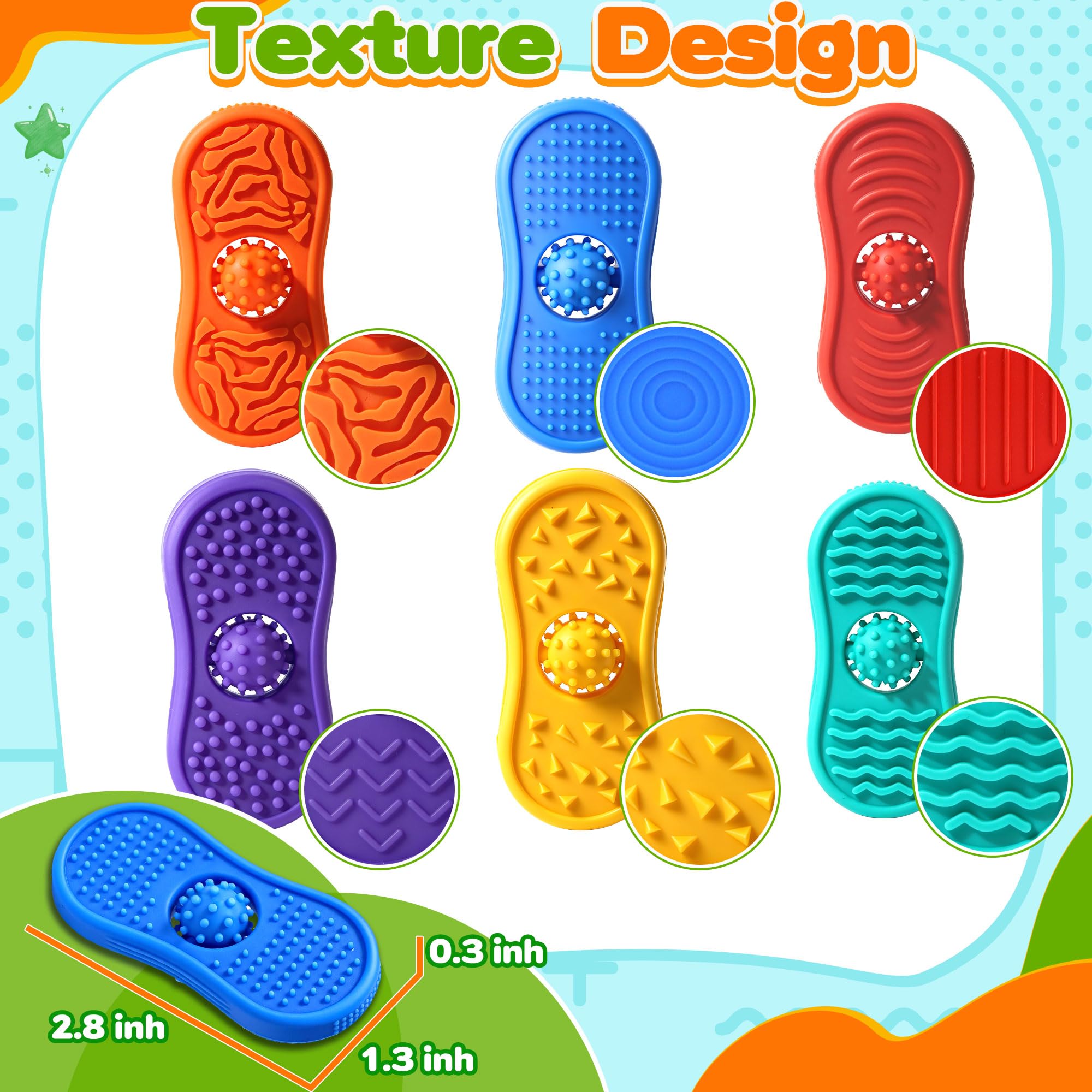
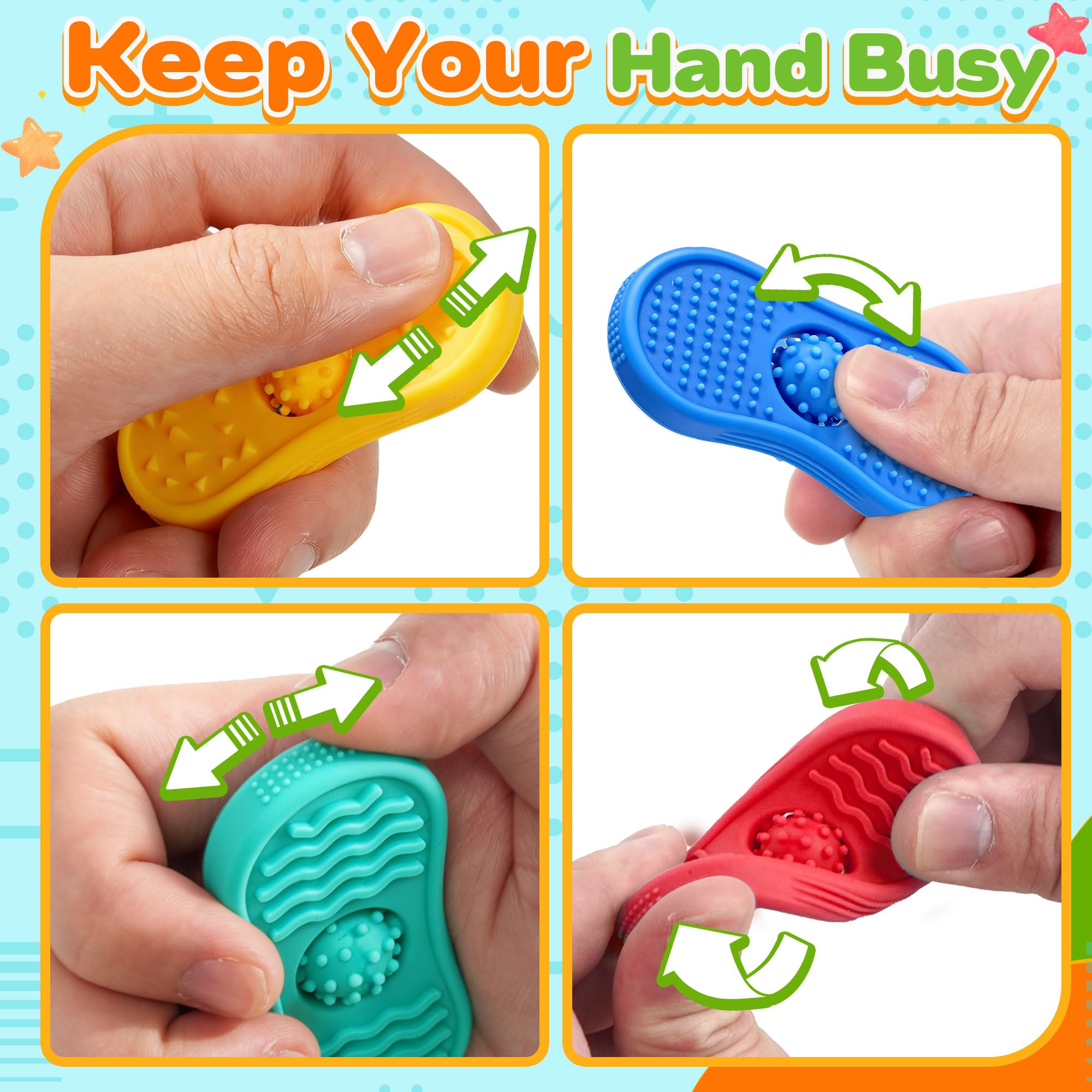
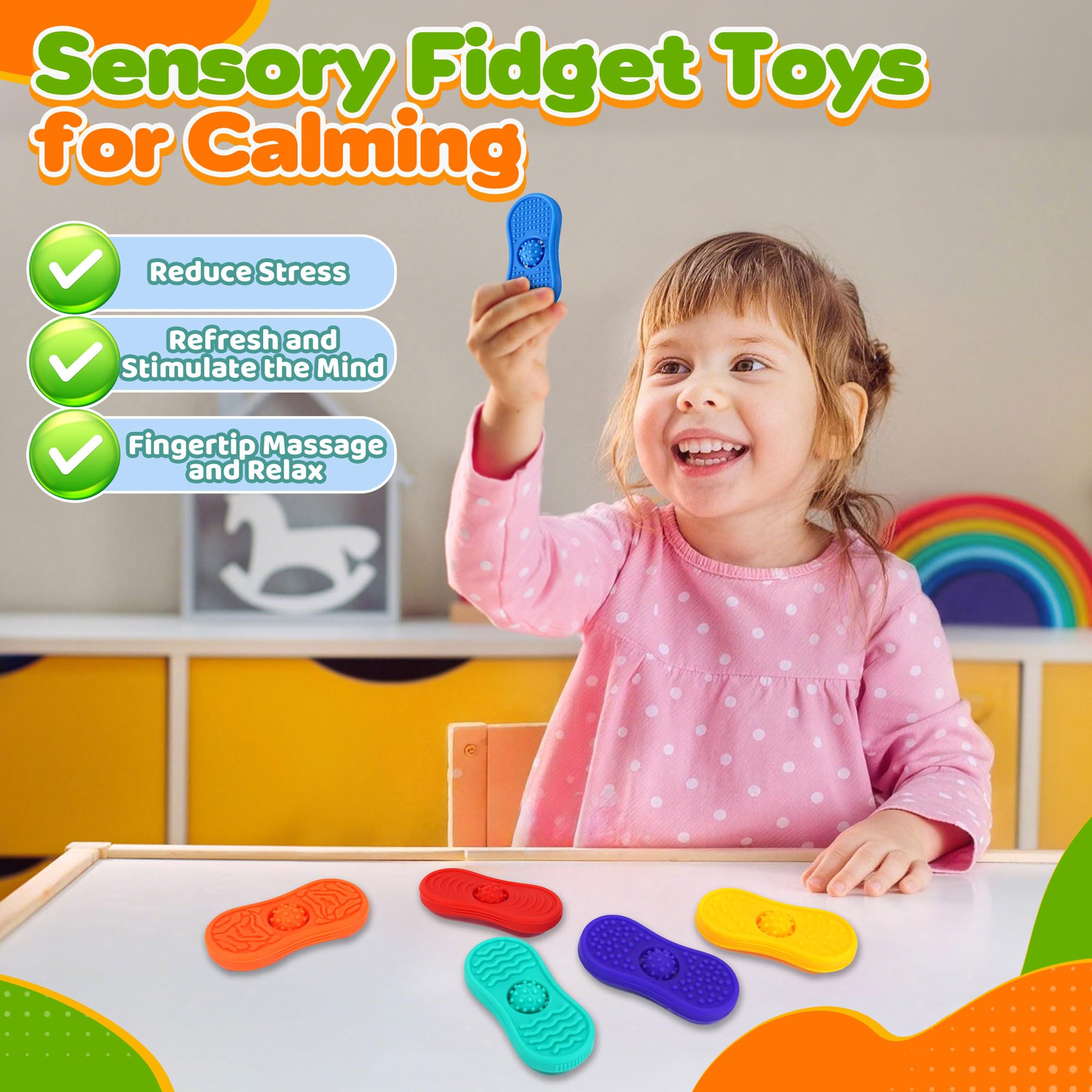
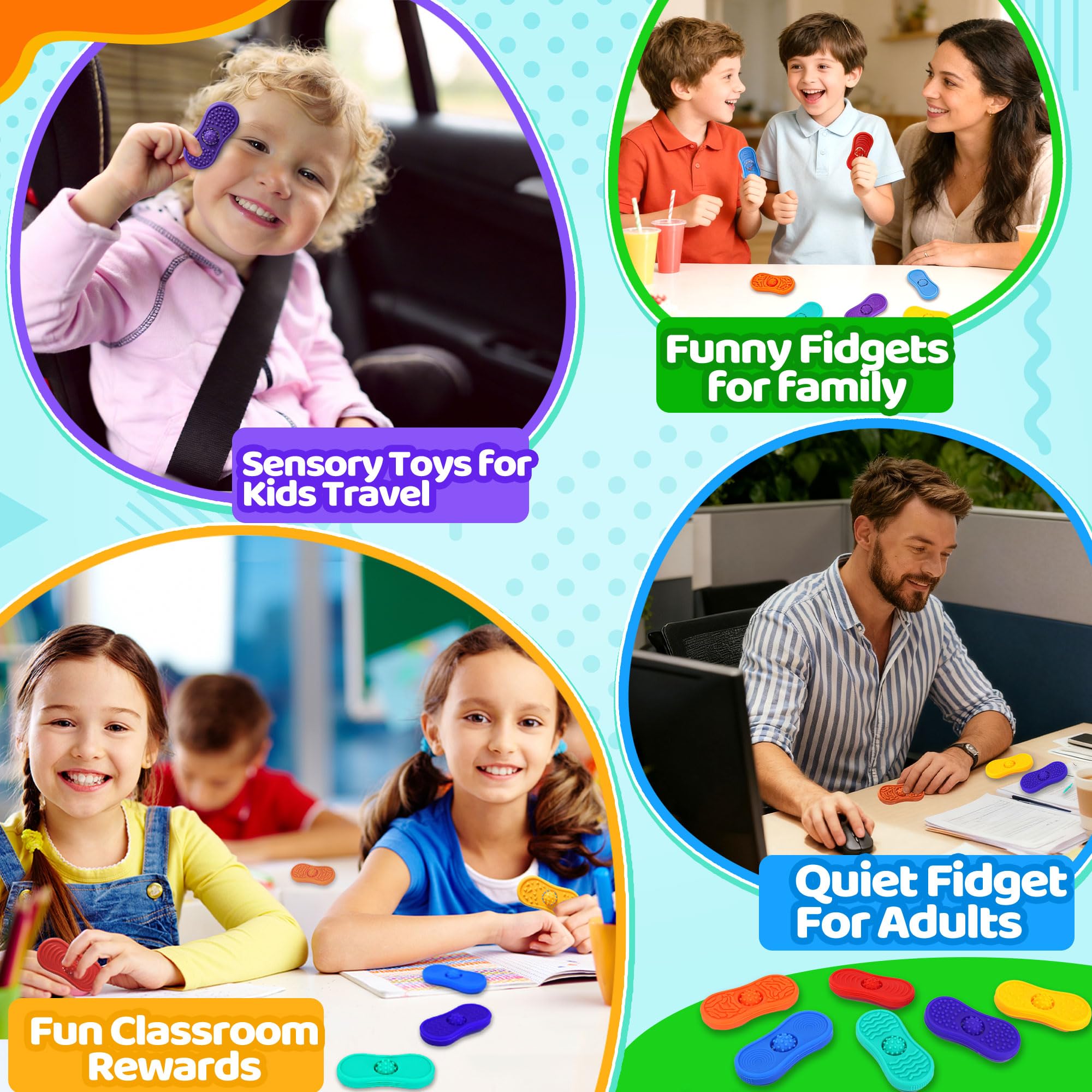
Sensory Fidget Toys For Kids 6 Pack Silicone Worry Stones for Autism & ADHD Calming Down Quiet Figette Classroom Must Have Stress Toys for Anxiety Relief Office Desk Toy Set Easter Basket Stuffer Gift
- 【Sensory Fidget Toys for Kids】: 6 colors fidget toys included,crafted from eco-friendly materials. This fidget
- 【Classroom Calming Down Toys】: The unique sensory fidget toys create a calm and comfortable feeling. Each sens
- 【Quiet Small Toys for Anywere】: The fidget toys is small, quiet, and easy to carry, can be easily placed in yo
For school bags and desks, quiet sensory tools that do not draw attention from classmates are often the most useful. Worry stones or textured strips can sit in a pocket or on the corner of a desk without anyone noticing.
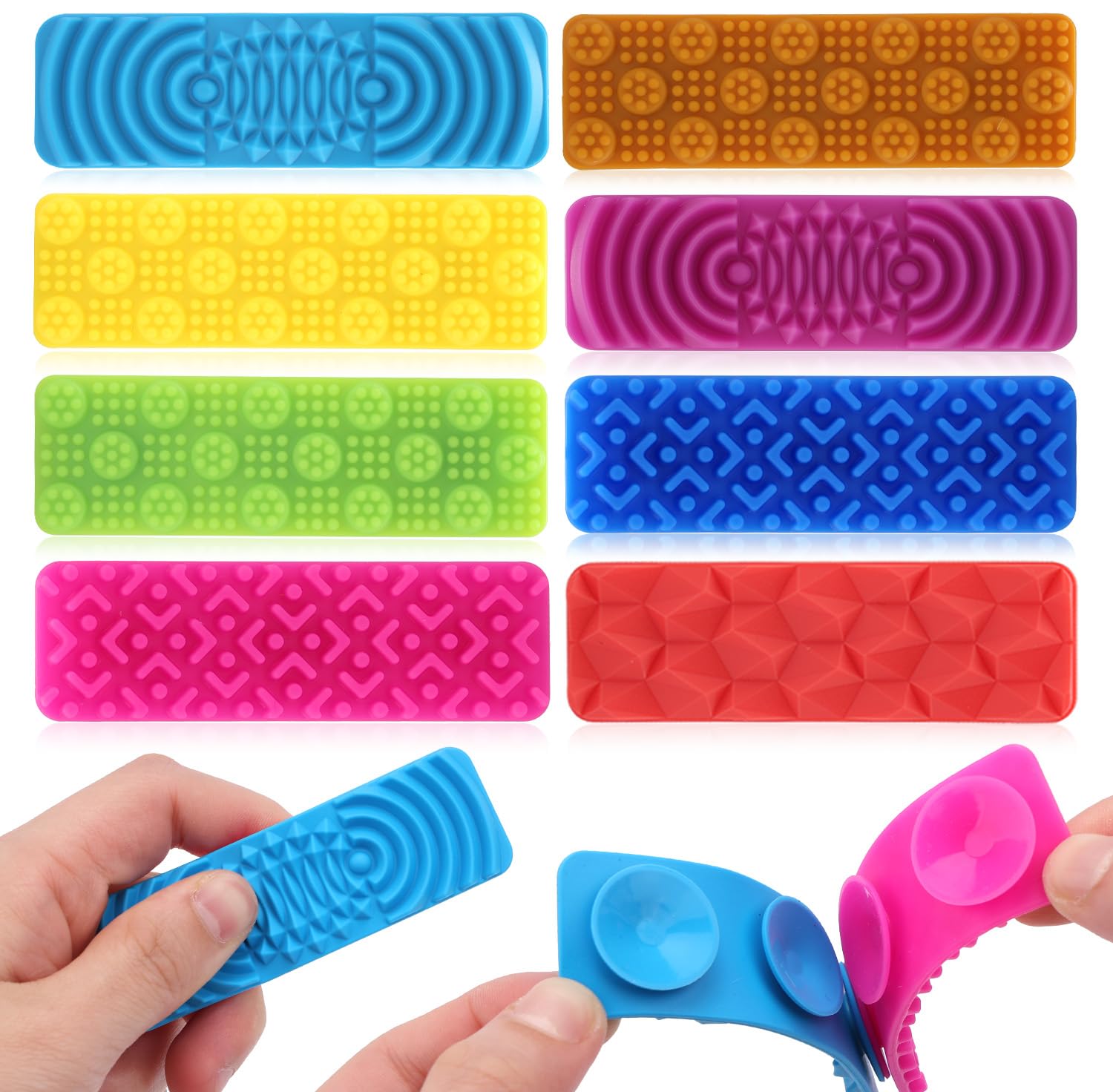
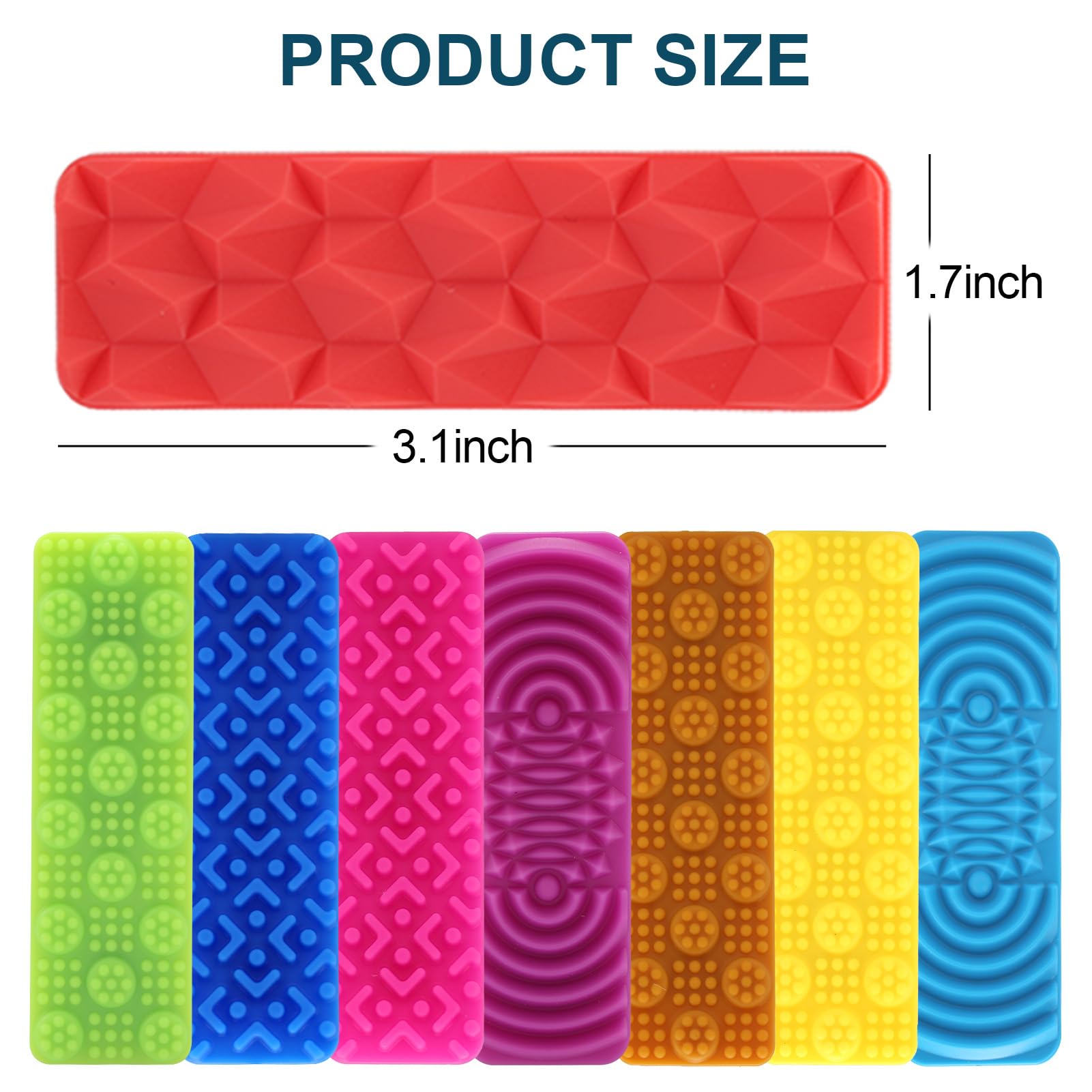
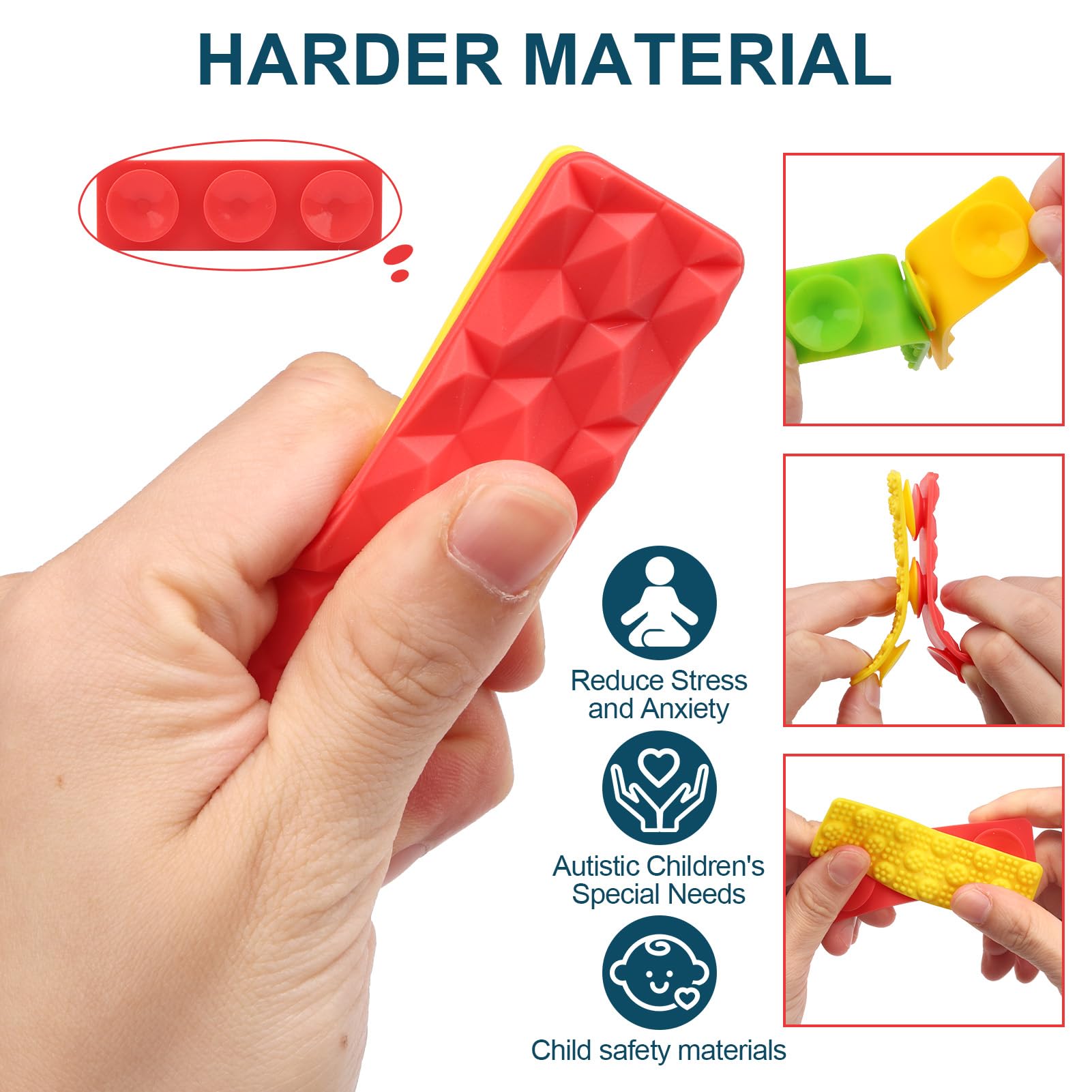
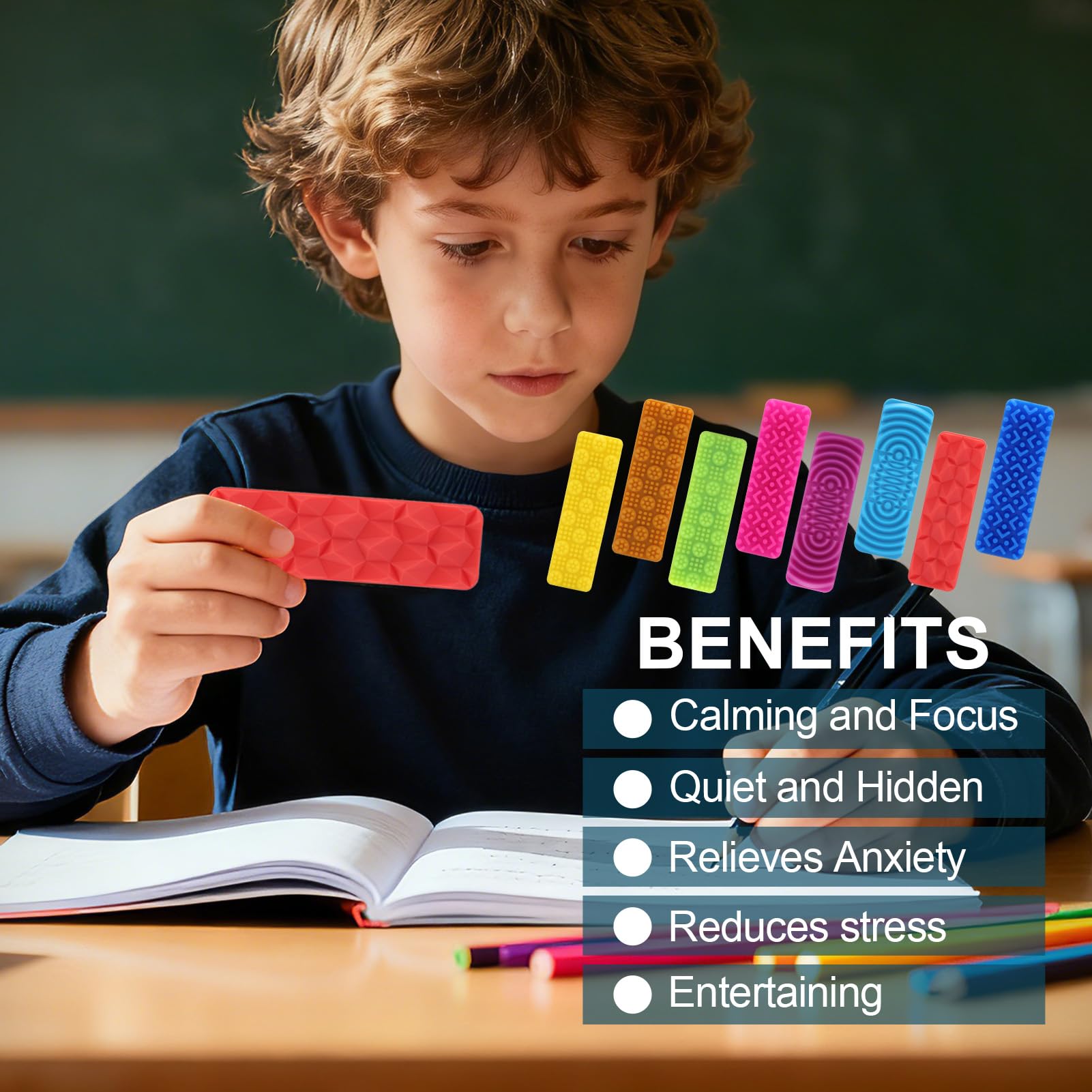
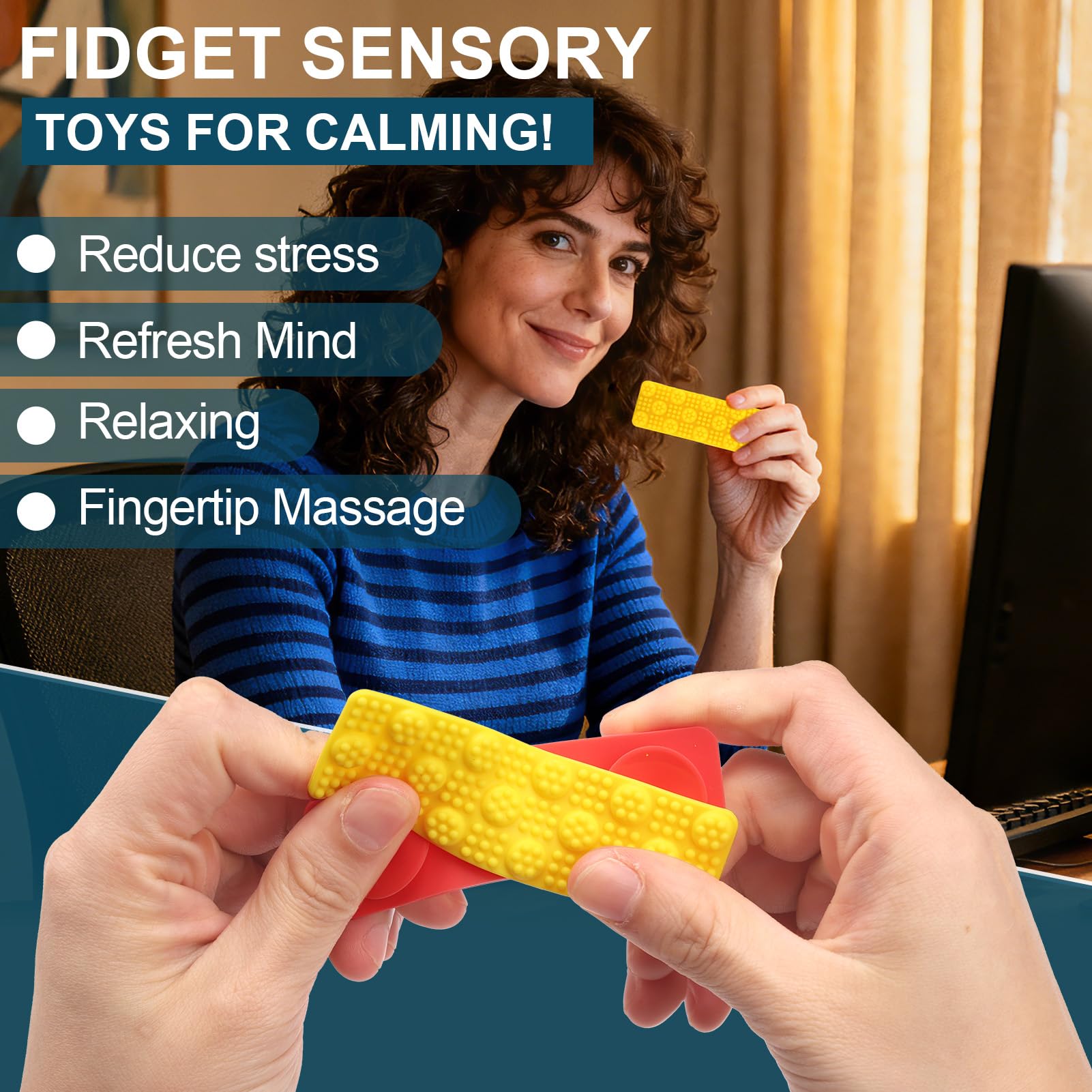
8 Pack Textured Sensory Suction Fidget Toys for Kids Adults Quiet Sensory Strips Stickers Autism ADHD Calming Anxiety Stress Relief Classroom Desk Must Have Christmas Stocking Stuffers Gifts
- 【Targeted Support for Anxiety, ADHD & Sensory Needs】Expertly crafted to deliver calming sensory input for indi
- 【Whisper-Quiet Classroom Essential】Ultra-quiet functionality eliminates distracting noises, making these fidge
- 【Joyful Classroom Rewards & Teacher Appreciation Gifts】More than just sensory tools, they’re exciting student
5. Dyslexia, Dyscalculia, and Learning Differences That Surface in the Tween Years
Learning differences like dyslexia and dyscalculia are often identified earlier, but the tween years frequently expose gaps that were hidden by strong verbal reasoning or compensatory strategies. A child who memorised their way through early maths suddenly hits algebra and has nowhere to hide. A strong visual thinker who "got by" in reading now faces dense text across every subject.
What schools are required to provide
In the US, children with diagnosed learning disabilities are entitled to an IEP (Individualised Education Program) or a 504 Plan, which can include extended time on tests, alternative formats, assistive technology, and specialist reading instruction. In the UK, schools are required to provide SEN (Special Educational Needs) support, and for children with more complex needs, an Education Health and Care Plan (EHCP) provides legally binding provision.
Understanding how working memory affects learning is particularly relevant here. Working memory is the cognitive function that holds information in mind while processing it, and it is impaired in dyslexia, ADHD, and dyscalculia. Knowing this helps you ask the right questions in school meetings.

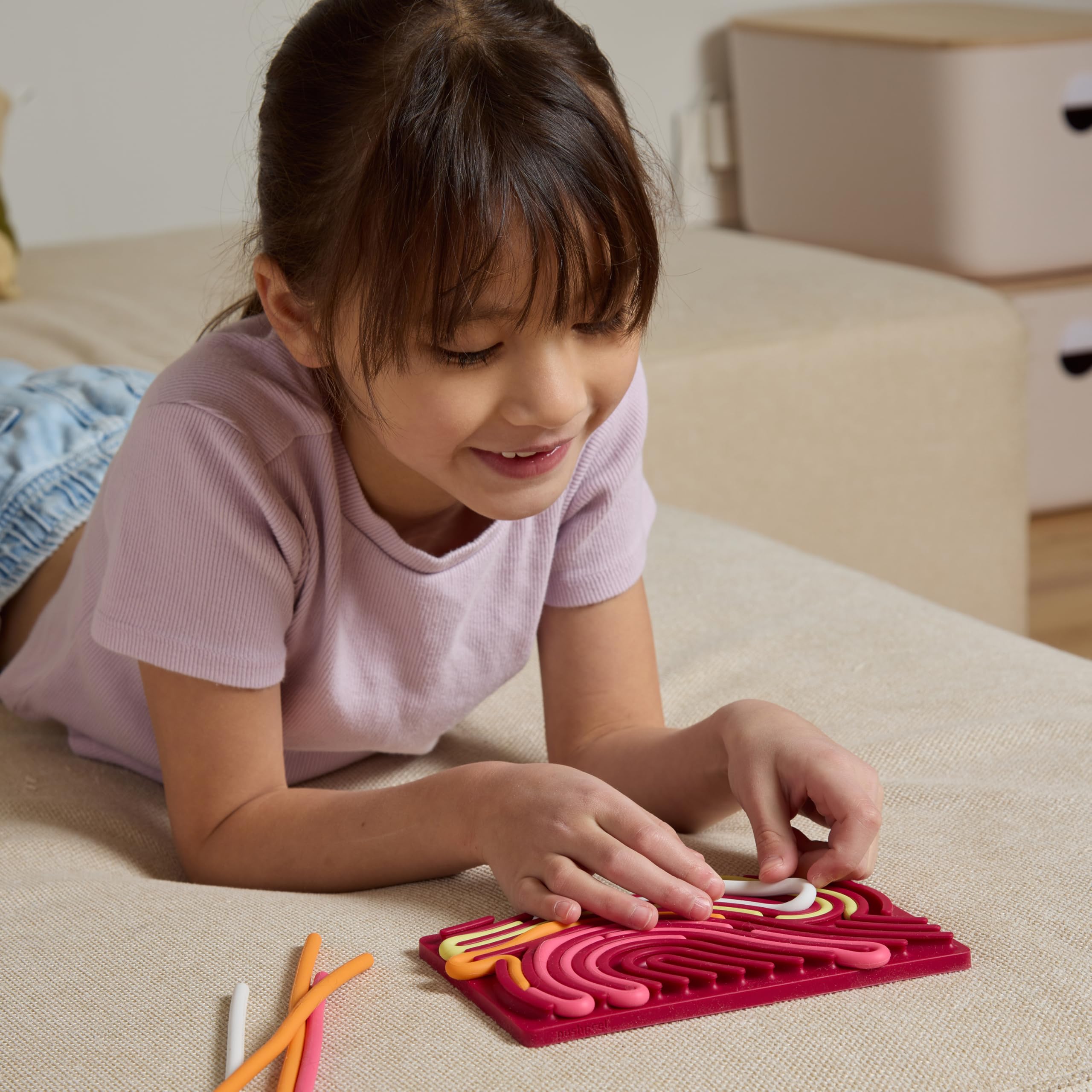
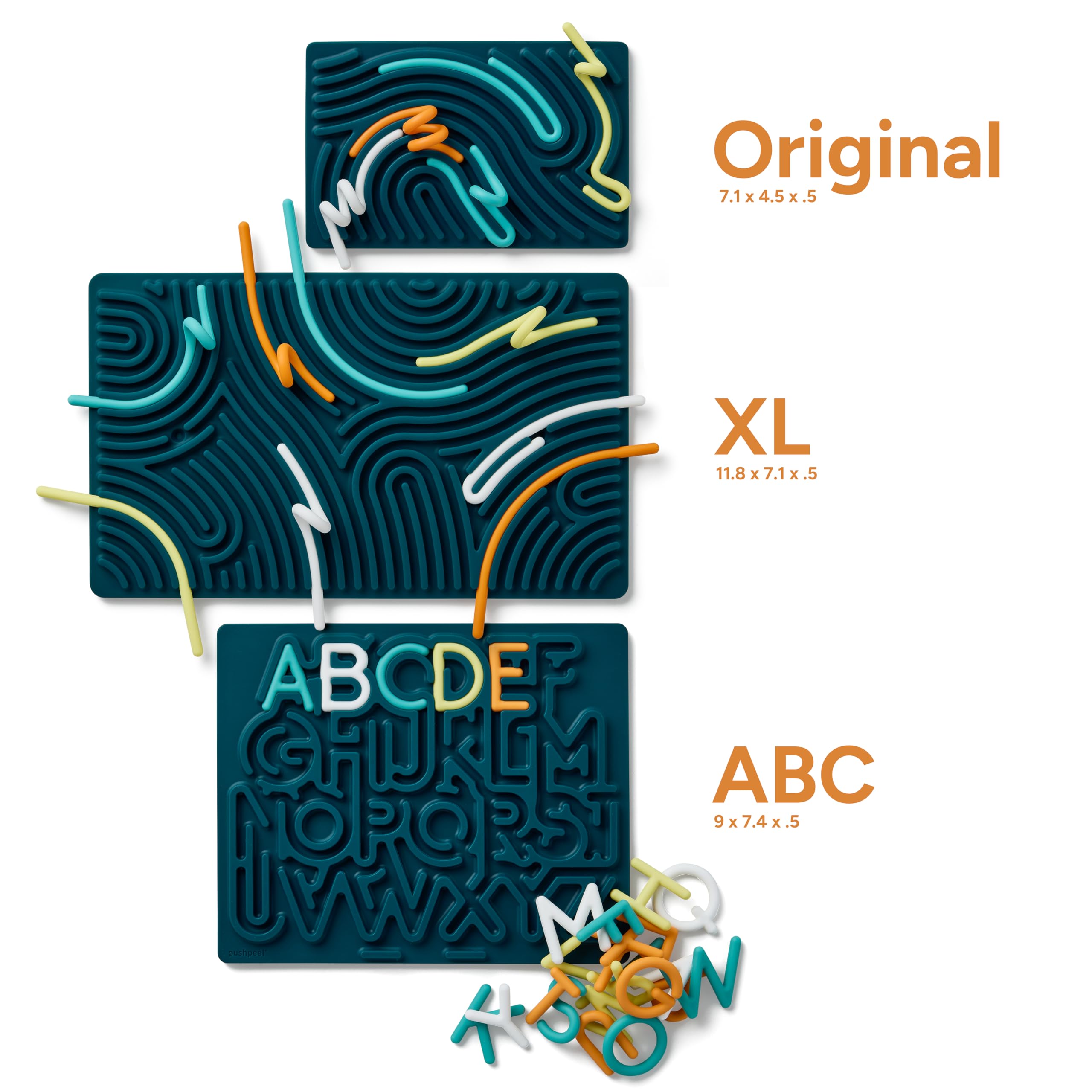
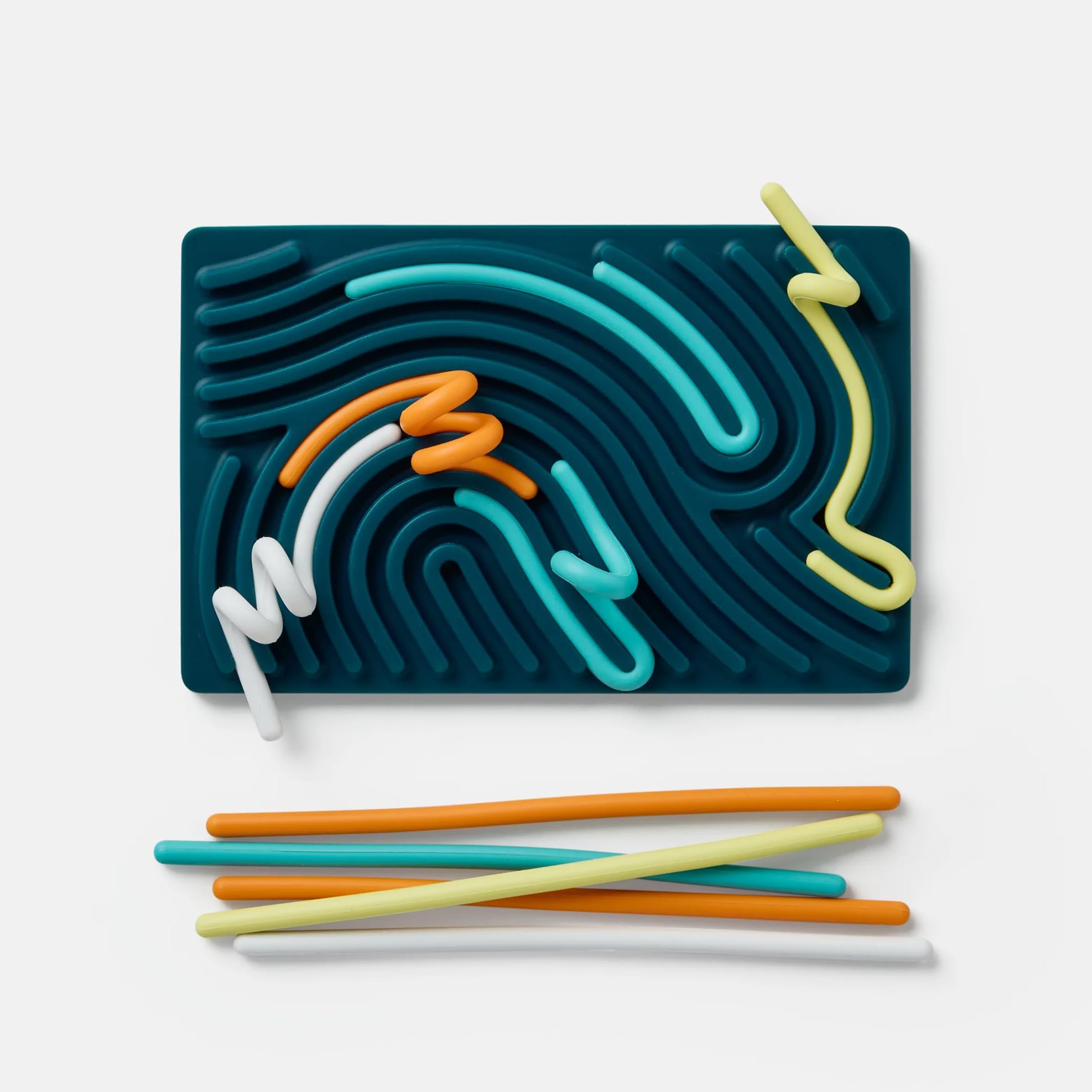

Pushpeel Sensory Activity Board: Silicone Fidget Toy for Calming, Stress, Anxiety, ADHD & Autism | Silent, No Mess | Kids 3+ & Adults | Includes Portable Travel Bag & 11 Strings
- SCREEN-FREE PEACE - Offer parents a quiet, clean, screenless alternative for keeping kids occupied in public s
- PATENTED - Patent US 12,478,892. Thoughtfully designed and tested to provide a therapeutic, satisfying, and pr
- COGNITIVE DEVELOPMENT - Stimulate cognitive growth across all ages with the open-ended, hands-on approach. Its
6. Supporting Self Esteem and Identity When Your Child Is Neurodivergent
By the time children reach 10 or 11, they are acutely aware that they are different, even if they cannot name why. Years of struggling, of being told to try harder, of watching peers manage things that feel impossible, take a toll. Research consistently shows that neurodivergent children who understand their own diagnosis and can describe their strengths and challenges have significantly better outcomes in adolescence.
How to talk about neurodiversity at home


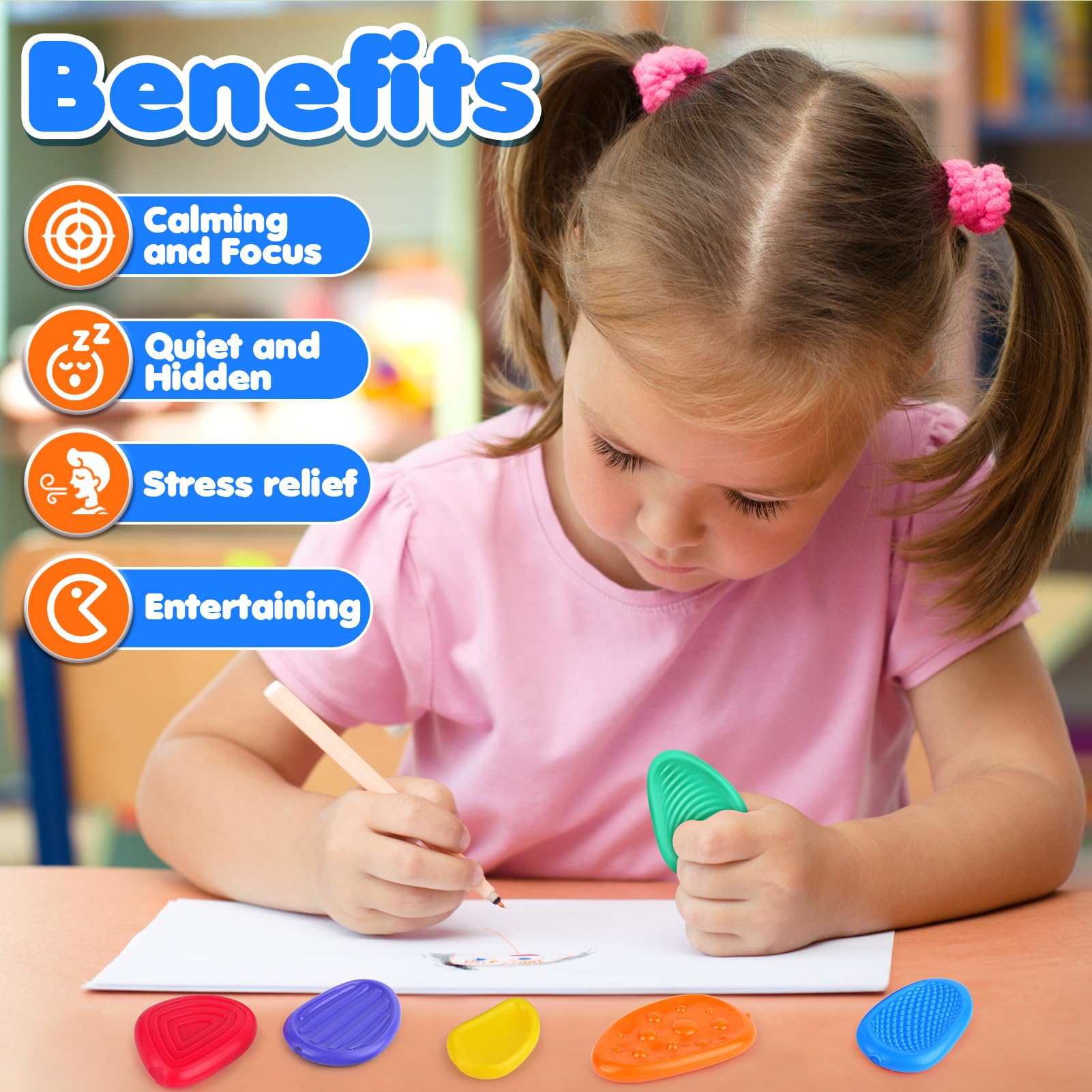

Fidget Toys Sensory Stone for Kids: 6 Pack Textured Soft Worry Stone for Autism Kids Calming - Fidget Stress Toys for Students Stress Relief - Small Prizes Fidget Toys
- Patented Design Fidgets Calming Toys for Kids: Repeatedly rubbing these textured fidget toys through fingers u
- Fun and Bright Sensory Worry Stone: Each fidget stone toys comes in vibrant colors and features a unique textu
- Silent Stress Toys for Stress: it's small, quiet and hidden, you can keep these mini sensory stones in your po
Small sensory tools, kept visible and normalised at home, send a message that your child's needs are real and worth accommodating. It is a tiny gesture that carries a larger meaning.
7. Practical Tools and Classroom Support That Make a Difference
The right tools do not fix anything, but they can reduce friction enough that your child has energy left over for actual learning. These are the things families most commonly tell me helped, after we have worked through the diagnosis and the school meetings.
At school
At home

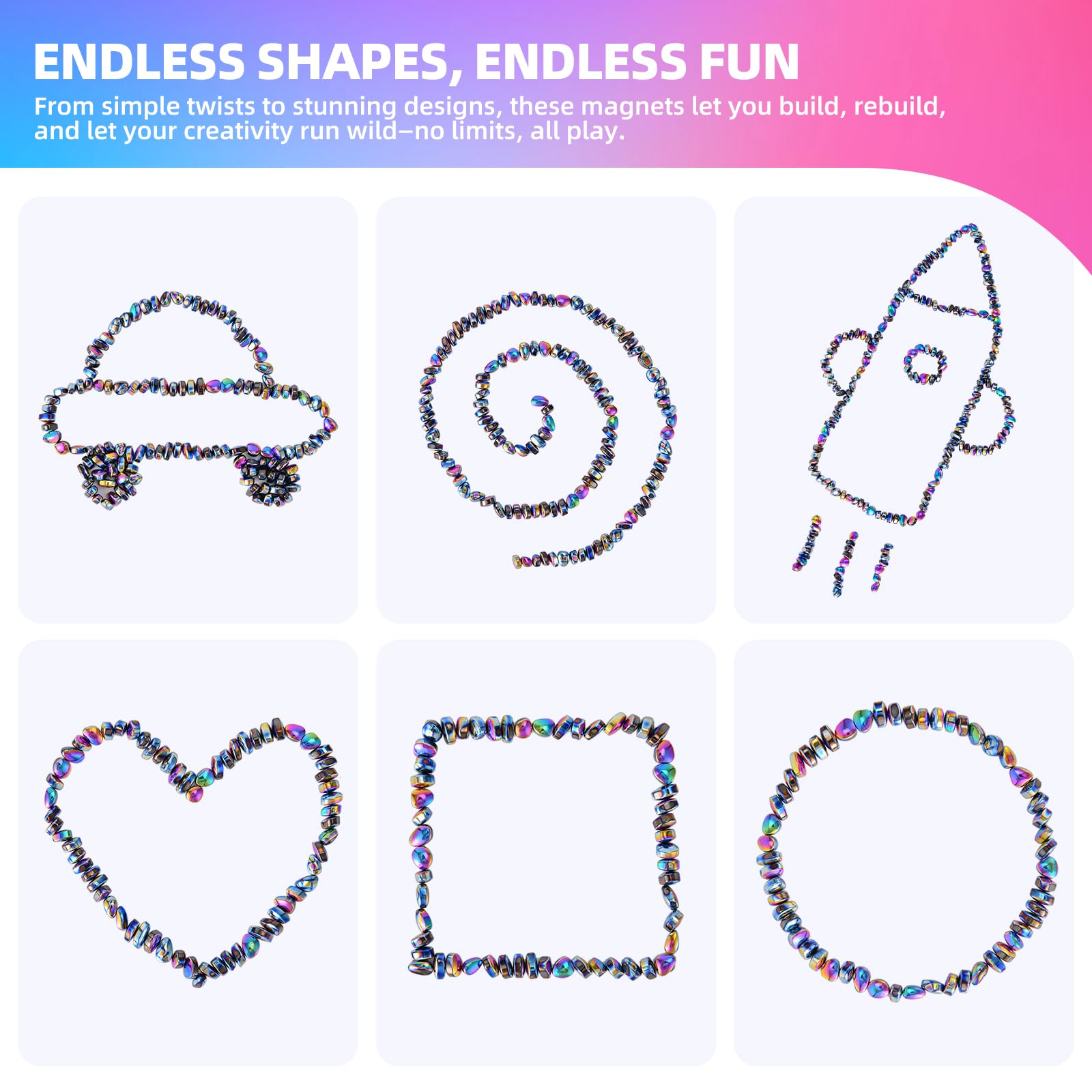
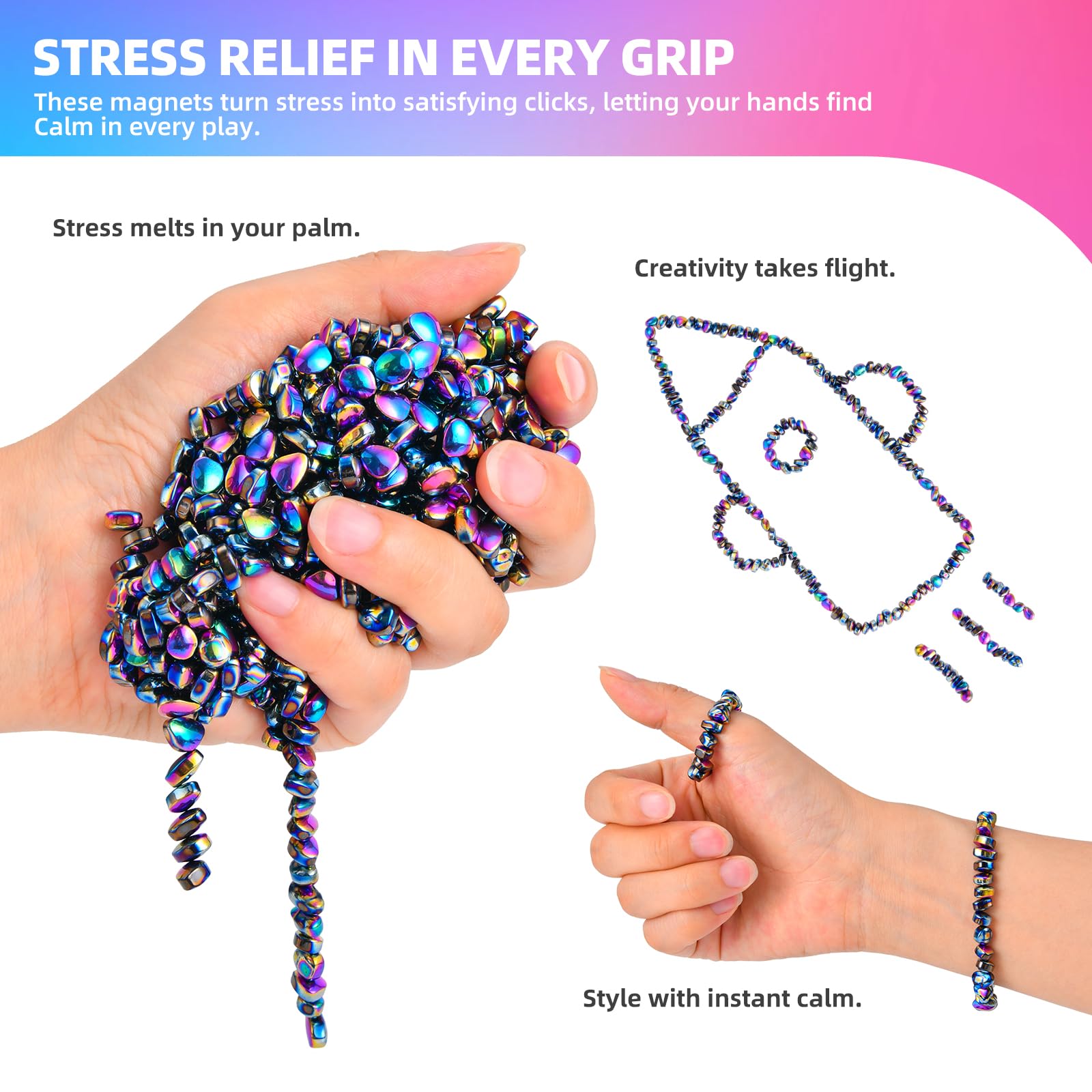
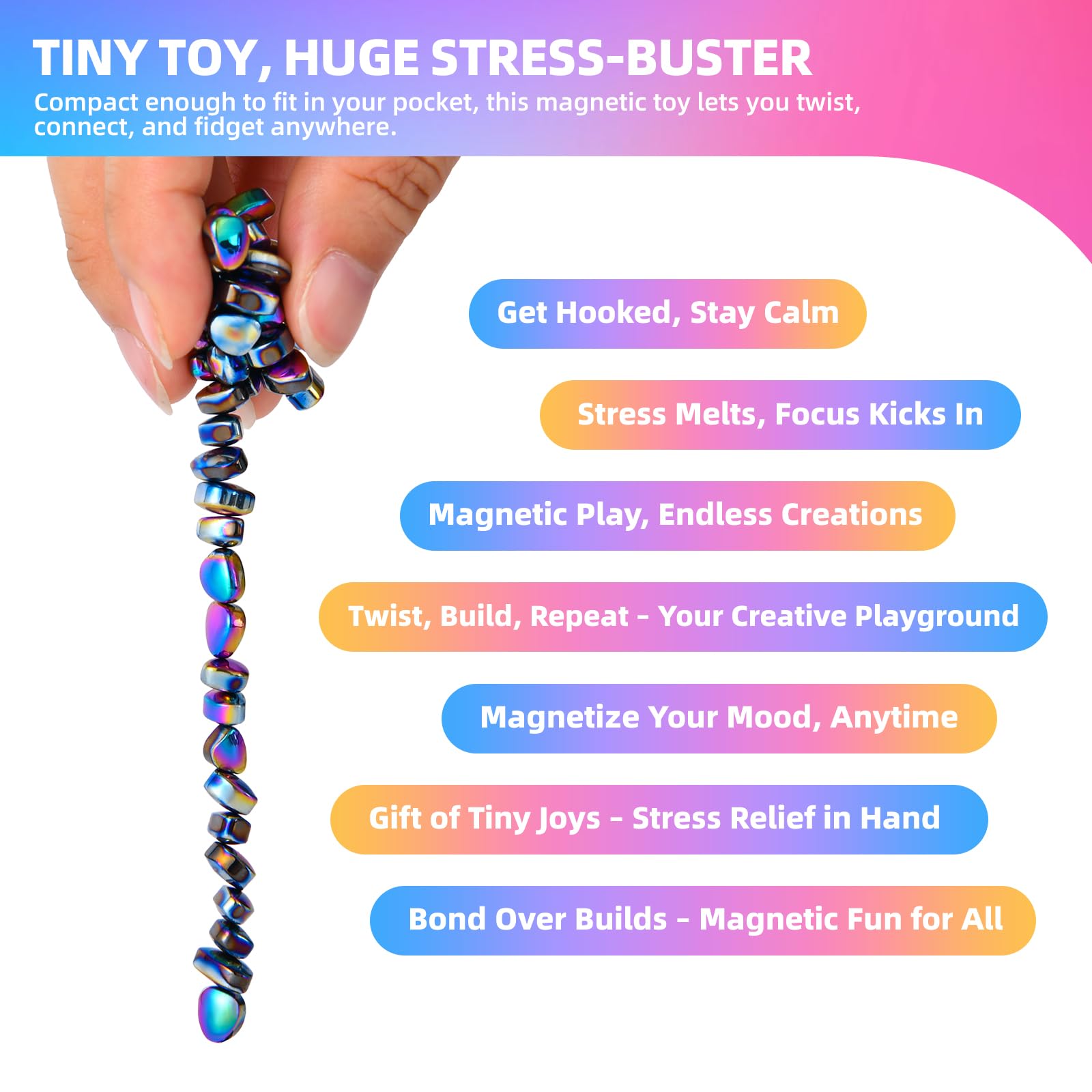
550pcs Fidget Toys for Adults, Stress Relief Sensory Toys for Autism ADHD Anxiety,Desk Fidgets Toys,Fidgets Toys Adults Gifts
- Fidget Toys for Adults: 550 ferrite stones for endless creative possibilities and stress-relieving fidget play
- GENTLE MAGNETIC FORCE: Weak magnetic field allows for easy manipulation while maintaining shape-forming abilit
- STRESS RELIEF: Ideal sensory tool for focus enhancement and anxiety reduction during work or study sessions
Sensory Tool Comparison for Neurodivergent Tweens
| Tool Type | Best For | Classroom Friendly | How It Helps | Recommended Product | Price Range |
|---|---|---|---|---|---|
| Pencil grip fidget | ADHD, anxiety during writing | Yes, very discreet | Occupies hands, reduces restlessness, improves writing posture | ELETIUO Pencil Fidget | ~$10 |
| Worry stone | Autism, general anxiety | Yes, pocket sized | Tactile grounding, quiet, replaces repetitive habits | KLT Sensory Stone 6 Pack | ~$7 |
| Silicone fidget pack | ADHD, sensory processing | Yes, silent | Variety of textures meets different sensory needs | Kyerivs Worry Stones | ~$8 |
| Sensory desk strips | Autism, hyperactivity | Yes, sticks to desk | Continuous tactile input during seated work | FlufiFiea Sensory Strips | ~$6 |
| Activity board | Anxiety, long journeys, waiting | Travel bag included | Screen free calm, encourages problem solving | Pushpeel Sensory Board | Not listed |
| Magnetic stone set | ADHD, stress relief, teens | Best for home/desk | Open ended fidget play, temperature feedback, creative | Aukit Ferrite Stone Set | ~$14 |
Expert Insights
If there is one thing I want you to take away from this, it is that your tween is not behind. They are on a different path, and that path has real advantages alongside genuine challenges. The job right now is not to make them neurotypical. It is to give them the tools, the language, and the belief that the way their brain works is something they can understand and work with, not something to be ashamed of or hidden. That starts with you understanding it first. Share this with a co-parent, a teacher, or a friend who is also navigating this. None of us do it well in isolation.
Sources & References
- Centers for Disease Control and Prevention (CDC). "Developmental Disabilities." 2023. https://www.cdc.gov/ncbddd/developmentaldisabilities/index.html
- Barkley, Russell A. "Taking Charge of ADHD: The Complete, Authoritative Guide for Parents." 4th ed. Guilford Press, 2020.
- Hull, Laura et al. "Putting on My Best Normal: Social Camouflaging in Adults with Autism Spectrum Conditions." Journal of Autism and Developmental Disorders, 2017. https://doi.org/10.1007/s10803-017-3166-5
- Lai, Meng-Chuan et al. "Camouflaging Autistic Traits in Women." Autism, 2021. https://doi.org/10.1177/13623613211012801
- Milton, Damian. "On the Ontological Status of Autism: The 'Double Empathy Problem'." Disability and Society, 2012. https://doi.org/10.1080/09687599.2012.710008
- Individuals with Disabilities Education Act (IDEA). US Department of Education. https://sites.ed.gov/idea/
- National Institute for Health and Care Excellence (NICE). "Attention Deficit Hyperactivity Disorder: Diagnosis and Management." NG87. 2019. https://www.nice.org.uk/guidance/ng87
- Attwood, Tony. "The Complete Guide to Asperger's Syndrome." Jessica Kingsley Publishers, 2006.
- Hallowell, Edward M. and Ratey, John J. "ADHD 2.0." Ballantine Books, 2021.
- American Academy of Pediatrics (AAP). "ADHD: Clinical Practice Guideline for the Diagnosis, Evaluation, and Treatment of ADHD in Children and Adolescents." Pediatrics, 2019. https://doi.org/10.1542/peds.2019-2528
Frequently Asked Questions
My child was assessed at age 6 and nothing was found. Should I try again now?
How do I talk to my tween about their diagnosis without making them feel labelled?
My child refuses to use their sensory tools at school because they are embarrassed. What do I do?
Is it too late to get support if my child is almost 12?
Can anxiety be a standalone issue or is it always linked to another diagnosis?
My tween's school says they are fine and does not support a diagnosis. What now?
Should I tell my child's friends or other parents about their diagnosis?
Was this helpful?
Thanks — your feedback helps us pick what to write next.