Teen Sleep Guide: How to Help Your Teenager Sleep Better
Most teenagers need 8 to 10 hours of sleep per night, but biology, screens, and school schedules conspire to keep them chronically short — and the consequences go well beyond tiredness.
In this article
You tell your teenager to go to bed at 10pm. They lie there wide awake until midnight. Then the alarm drags them out of a deep sleep at 6:30am and they spend the day in a fog. Sound familiar?
Here's the thing: that isn't just bad habits or too much phone time (though those matter too). A lot of what's going on is pure biology. According to the American Academy of Sleep Medicine, fewer than one in three high school students in the United States get the recommended 8 hours of sleep on a school night. That number is staggering, and the downstream effects on mood, learning, physical health, and safety are real and well documented.
In this guide you'll understand:
1. Why Teenagers Are Biologically Wired to Stay Up Late
The shift to late nights during the teen years is not a choice. It is a physiological change driven by puberty, and it is one of the most robustly documented phenomena in sleep science.
During adolescence, the timing of melatonin release (the hormone that signals "time to sleep") shifts by roughly one to three hours compared to childhood and adulthood. This is called a circadian phase delay, and it means your teenager's brain genuinely does not start producing melatonin until 10pm or later. Asking them to fall asleep at 9pm is, biologically speaking, a bit like asking you to fall asleep at 6pm.
The problem is that school start times have not kept pace with this biology. Most high schools begin between 7am and 8am, which means teenagers are routinely being woken during the biological equivalent of 4am to 5am on an adult schedule. The American Academy of Pediatrics has formally recommended that middle and high schools start no earlier than 8:30am for exactly this reason.
What a healthy teen circadian rhythm looks like
On a natural schedule, with no alarms or obligations, most adolescents would: - Fall asleep between 11pm and midnight - Wake naturally between 8am and 9am - Get approximately 9 hours of sleep
The real world makes this close to impossible on school nights, which is exactly why protecting weekend sleep (within reason) and building consistent evening routines is so important.
2. What Chronic Sleep Loss Actually Does to a Teenager
The stakes here are higher than most parents realise, and they go far beyond a grumpy morning.
Chronic sleep deprivation in teenagers is linked to a substantial list of health consequences, all of them backed by strong evidence from organisations including the CDC, the AAP, and the National Sleep Foundation.
Mental health and mood
Sleep and mental health are deeply intertwined in the teenage years. The prefrontal cortex (the part of the brain responsible for emotional regulation and decision making) is still under construction during adolescence, and it is particularly vulnerable to the effects of poor sleep. The CDC has linked insufficient sleep in teens to higher rates of depression, anxiety, and suicidal ideation. This is not a minor footnote: it is one of the clearest and most consistently replicated findings in adolescent health research.
Understanding why the teen brain works so differently helps put the sleep piece in context. An already developing brain running on 6 hours of sleep is at a significant disadvantage.
Academic performance
Sleep is when the brain consolidates memories and processes new information. A teenager who is running on less than 7 hours is not just tired in class; their brain is literally less able to encode and retrieve what they are learning. Research published in the journal Sleep found that students with irregular sleep schedules and later midpoints of sleep had lower GPAs, even when total sleep time was similar to peers with consistent schedules.
Physical health
- Chronic short sleep in adolescents is associated with higher rates of obesity - Immune function is significantly reduced after just a few nights of poor sleep - Growth hormone is primarily released during deep sleep, making adequate sleep especially important during puberty - The CDC cites drowsy driving as a major cause of teen road accidents
3. The Role of Screens and Light in Delaying Teen Sleep
Blue light from phones, tablets, and laptops suppresses melatonin production, and the effect is strong enough that even one hour of evening screen use can delay sleep onset by up to 30 minutes, according to research published in PNAS.
But here's what makes this especially tricky with teenagers: the content matters as much as the light. Social media, gaming, group chats, and video streaming are emotionally activating. Even if your teen is lying in a darkened room, their nervous system is running at high alert.
Practical evening screen limits that actually work
Rather than banning screens entirely (which tends to breed resentment and sneaking), try these approaches:
- Set a device charging station outside the bedroom. This is the single most effective structural change you can make. If the phone is not in the room, the temptation is gone. - Agree on a 30 to 60 minute screen-off window before bed. Frame it as winding down, not punishment. - Use night mode or blue light filters from 8pm onwards. This will not fix everything but it reduces the melatonin disruption. - Be consistent yourself. Teenagers are exquisitely attuned to hypocrisy. If you are scrolling in bed, the conversation becomes much harder.
Caffeine is the other big player here. A can of energy drink at 4pm contains 80 to 160mg of caffeine with a half life of about 5 hours, meaning half of it is still in your teen's system at 9pm. Many teens are consuming far more caffeine than their parents realise.
4. Building a Sleep Routine That a Teenager Will Actually Follow
Teenagers resist routines, especially parent-imposed ones. The key is framing this around performance and how they want to feel, not around rules.
Start with a conversation, not a mandate. Ask your teen how they feel on days when they have slept well versus days when they have not. Most teenagers, when asked directly, will admit that good sleep makes them feel sharper, more confident, and less anxious. That is your foothold.
The non-negotiable foundations
1. Consistent wake time, 7 days a week. This is more important than bedtime. The wake time anchors the entire circadian rhythm. Even if your teen went to bed late, holding the wake time prevents the rhythm from sliding further.
2. A wind-down period of at least 30 minutes. This means lower light, quieter activity, and no screens. Reading, stretching, listening to calm music, or just lying in bed without a device all count.
3. A cool, dark room. Core body temperature needs to drop 1 to 2 degrees for sleep to begin. A room that is too warm actively delays this. Around 18 to 19 degrees Celsius (65 to 67 Fahrenheit) is widely cited as optimal.
4. No clock-watching. Anxiety about not sleeping is a major cause of insomnia in teens. Turn clocks away from the bed.
5. Sleep Supplements for Teens: What the Evidence Actually Says
This is where I want to be especially careful with you, because the supplement market for teen sleep is enormous and the evidence is thinner than the labels suggest.
Melatonin
Melatonin is the most commonly used sleep supplement for teenagers, and it does have a role, but almost certainly not the way most people use it.
The evidence supports low dose melatonin (0.5mg to 1mg) taken 30 to 60 minutes before the desired sleep time for circadian issues, meaning helping to shift a delayed sleep phase earlier. It is not a sedative. Taking a 5mg or 10mg dose (like Natrol 10mg Melatonin Gummies, which are formulated for adults) is almost certainly more than a teenager needs and may be counterproductive. The AAP advises that melatonin should be used short term and with a doctor's guidance in adolescents.
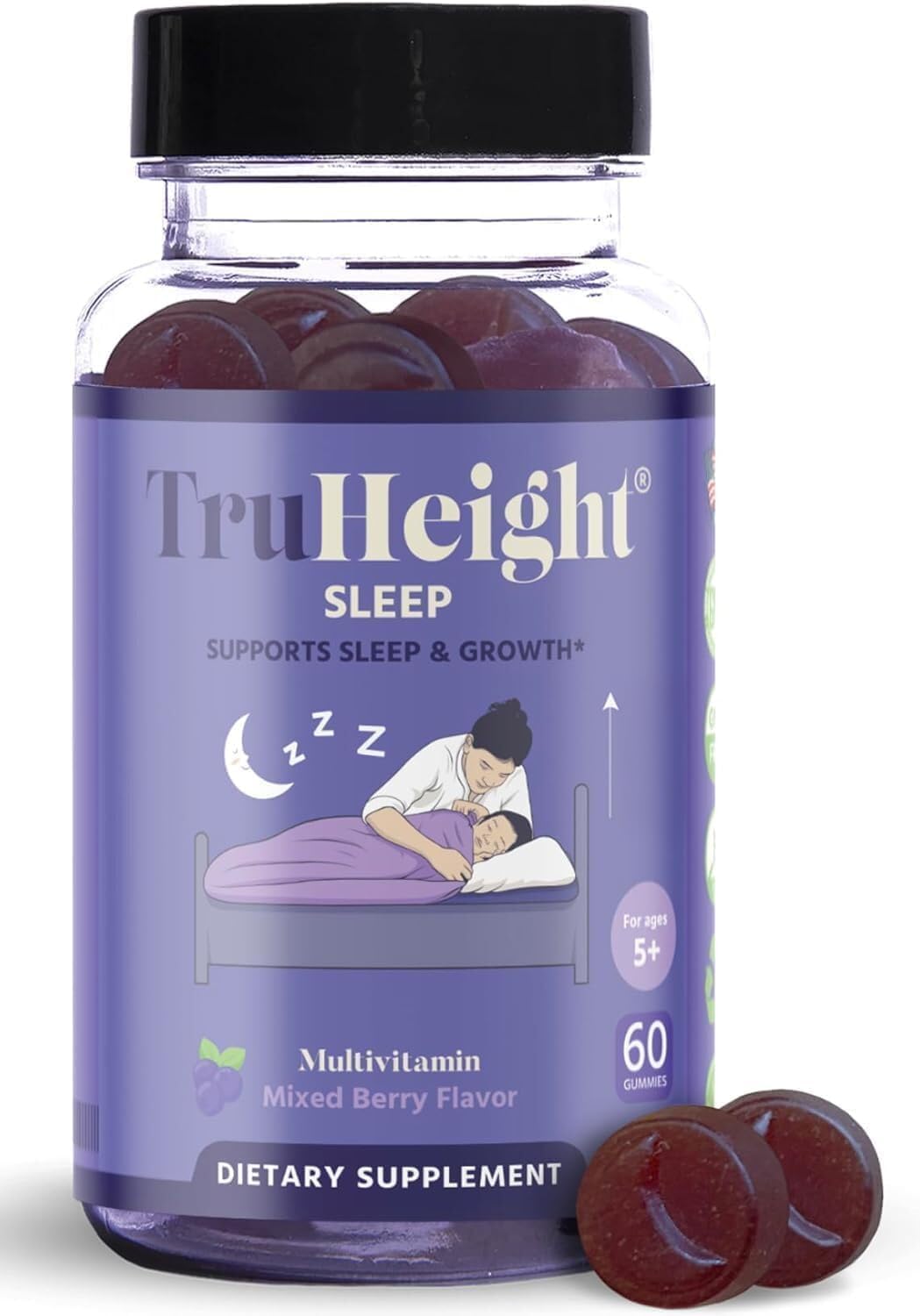

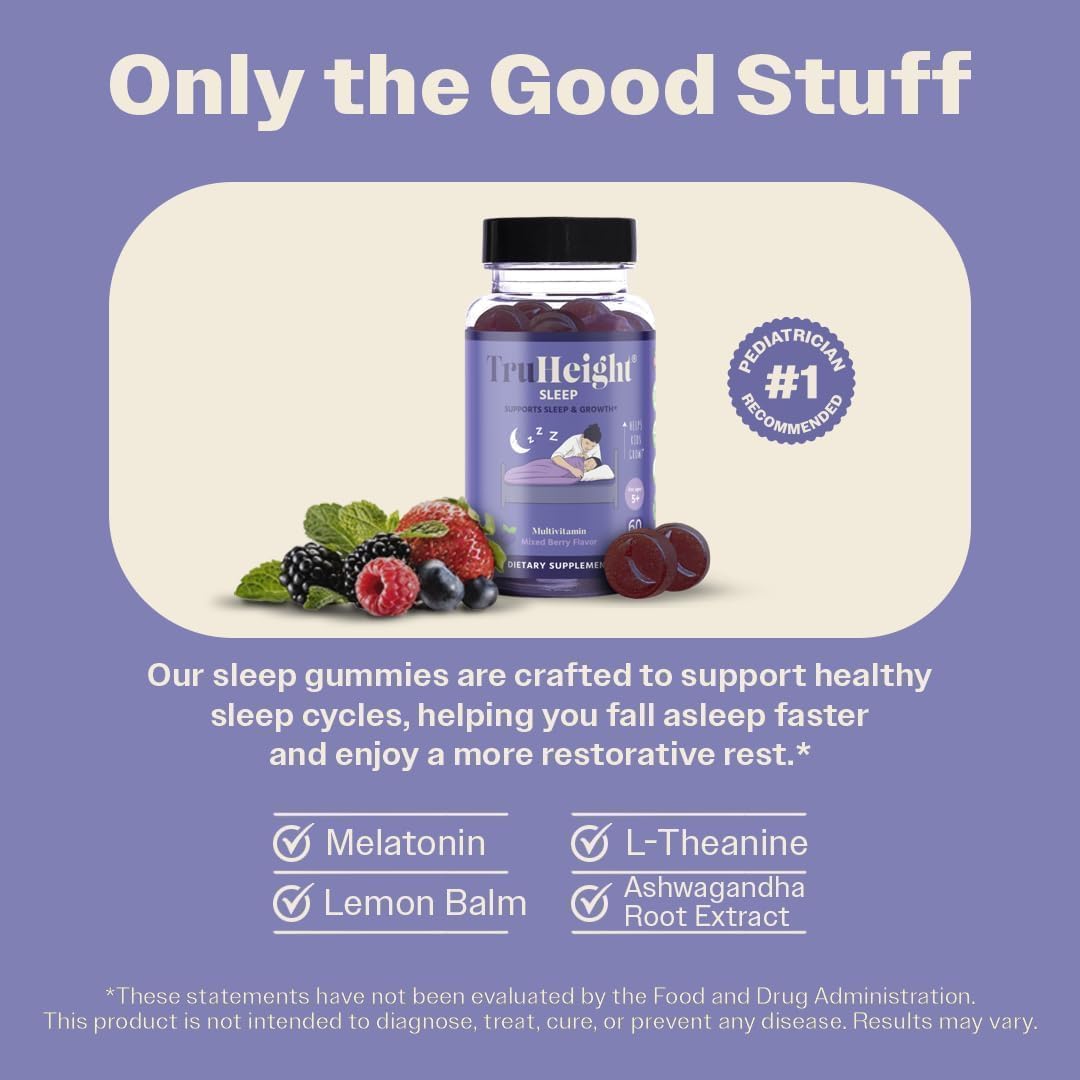


TruHeight Sleep Gummies - Kids & Teen Natural Sleep Aid for Tall & Growing Bodies - Pediatric Recommended Growth - Melatonin Gummy, Ashwagandha, L-Theanine, Lemon Balm - Mixed Berry, Taller Ages 4+
- FINALLY, A GOOD NIGHT’S SLEEP: A lack of good night’s sleep can stunt your growth and development. TruHeight's
- FOUR PEACEFUL INGREDIENTS: TruHeight's melatonin gummy contains a responsibly sourced collection of four activ
- FUNCTION AT YOUR BEST: Proper sleep allows your body to function better. Your muscles, tissue, and bones will
The TruHeight Sleep Gummies use a more measured 1mg of melatonin alongside L-theanine, ashwagandha, and lemon balm, which is more in line with what the paediatric literature supports for teens. That said, supplements should always be discussed with your child's doctor before starting.
Magnesium
Magnesium glycinate has a reasonable evidence base for supporting relaxation and sleep quality, and it is not a hormone, so there are fewer concerns about it disrupting the teen's own system. If your teenager tends to be anxious or tense at bedtime, a magnesium glycinate supplement taken in the evening is worth discussing with your GP.
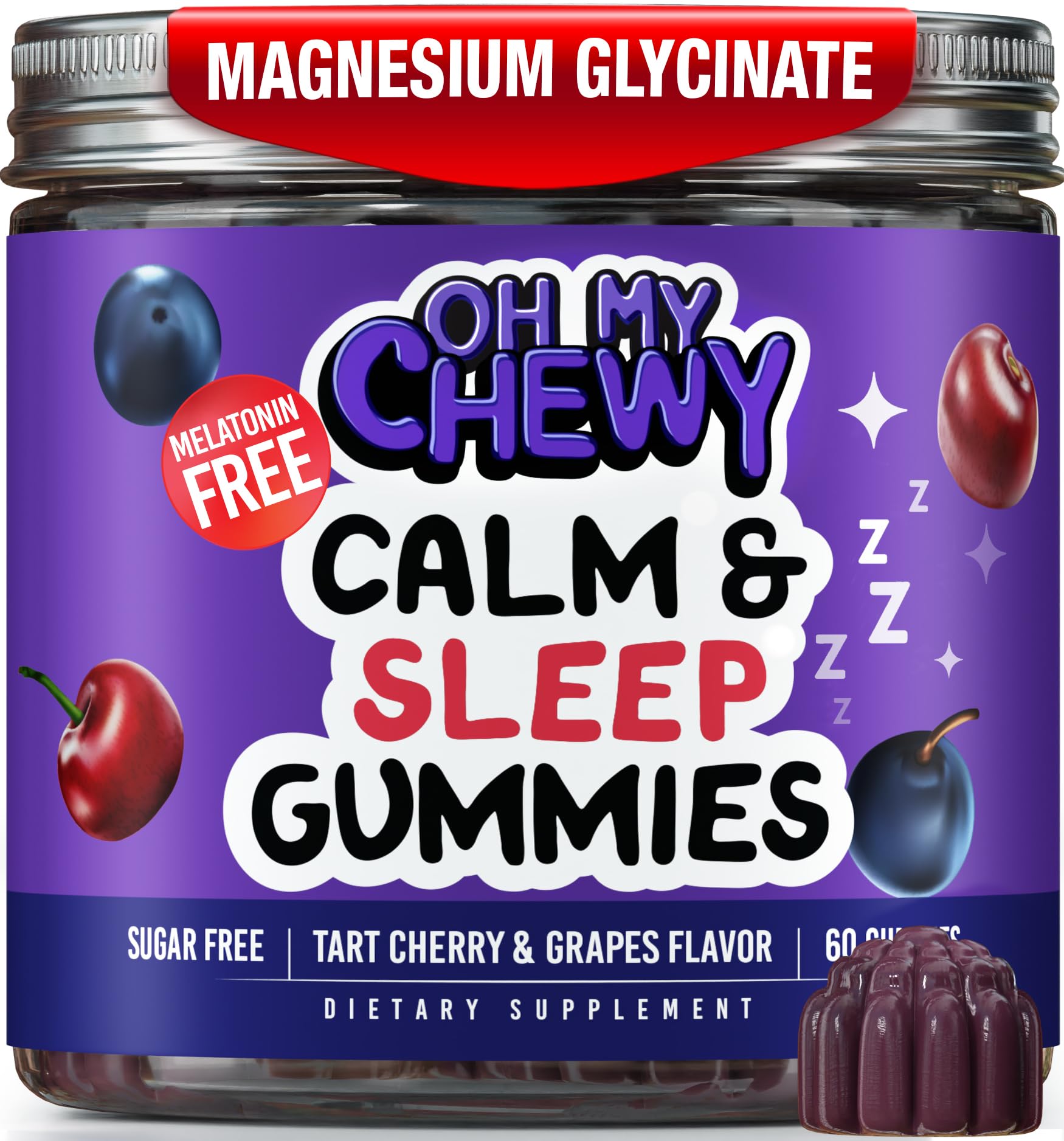
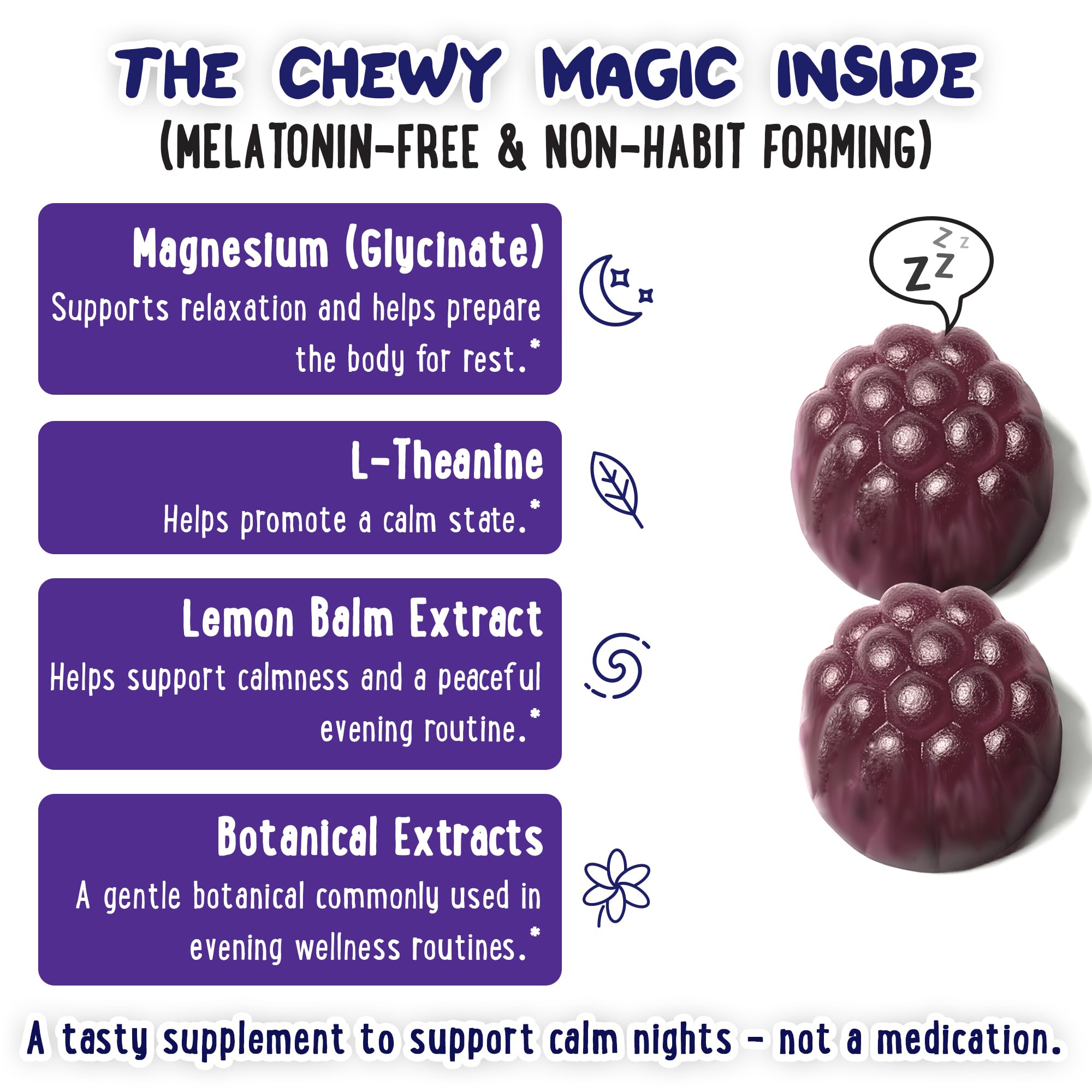
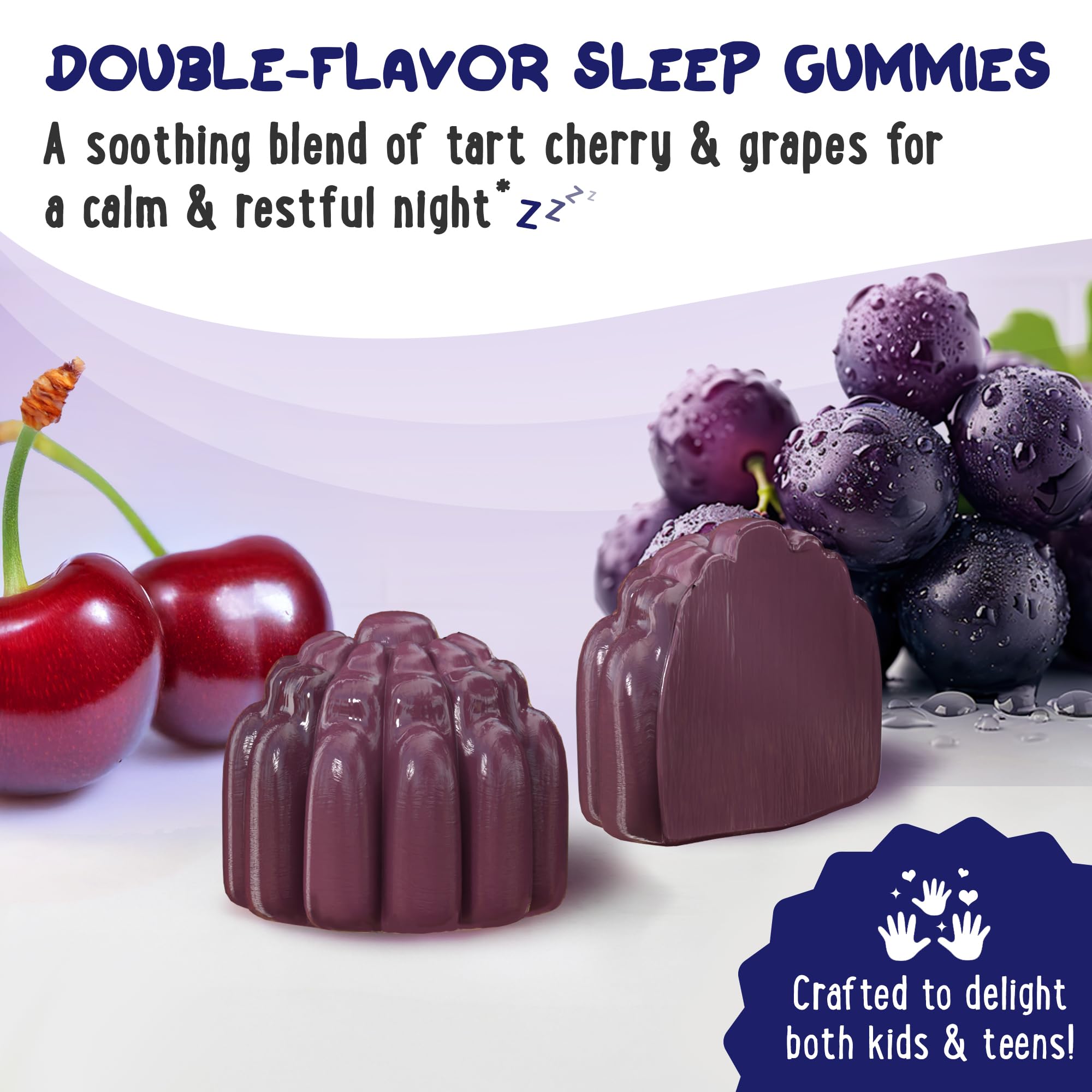
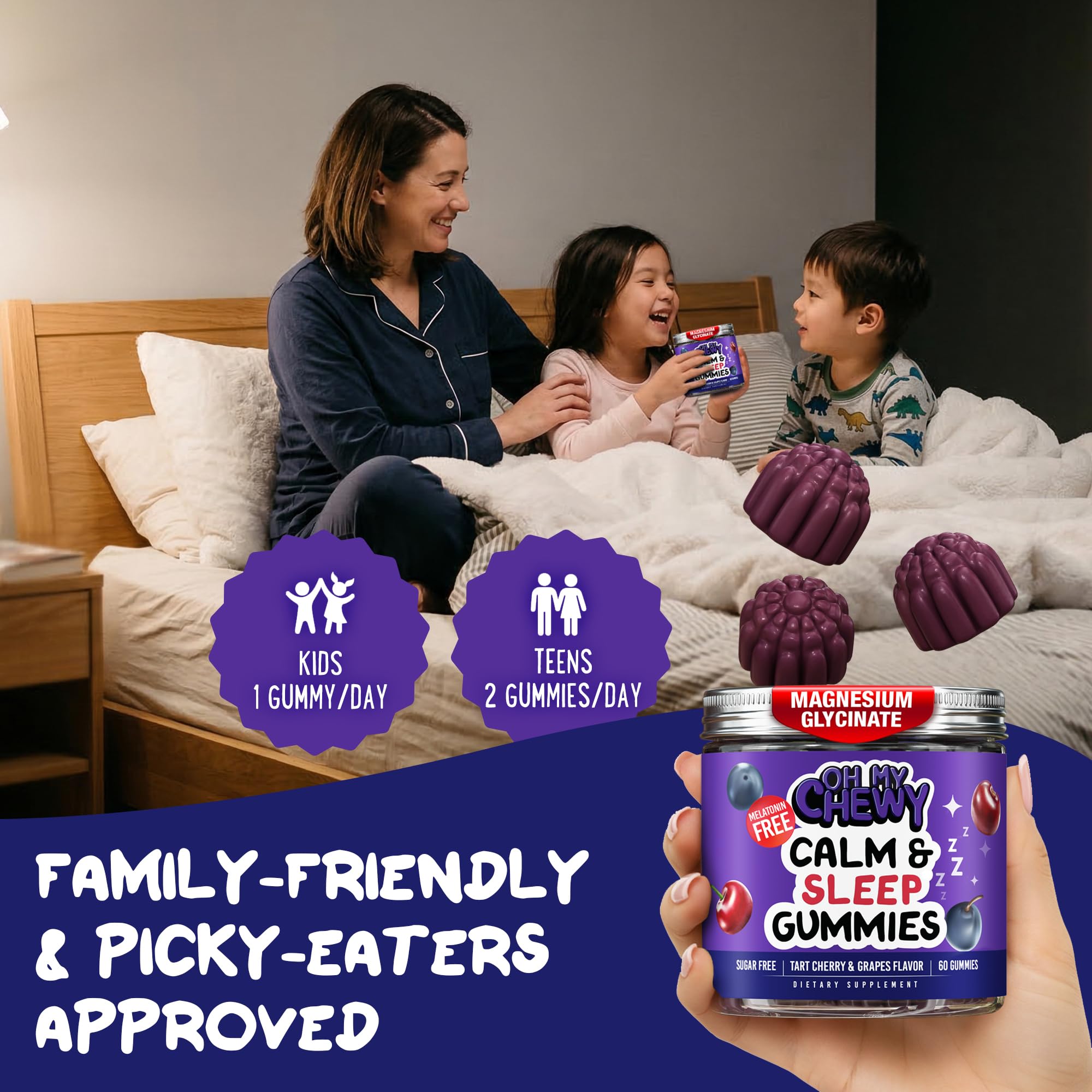
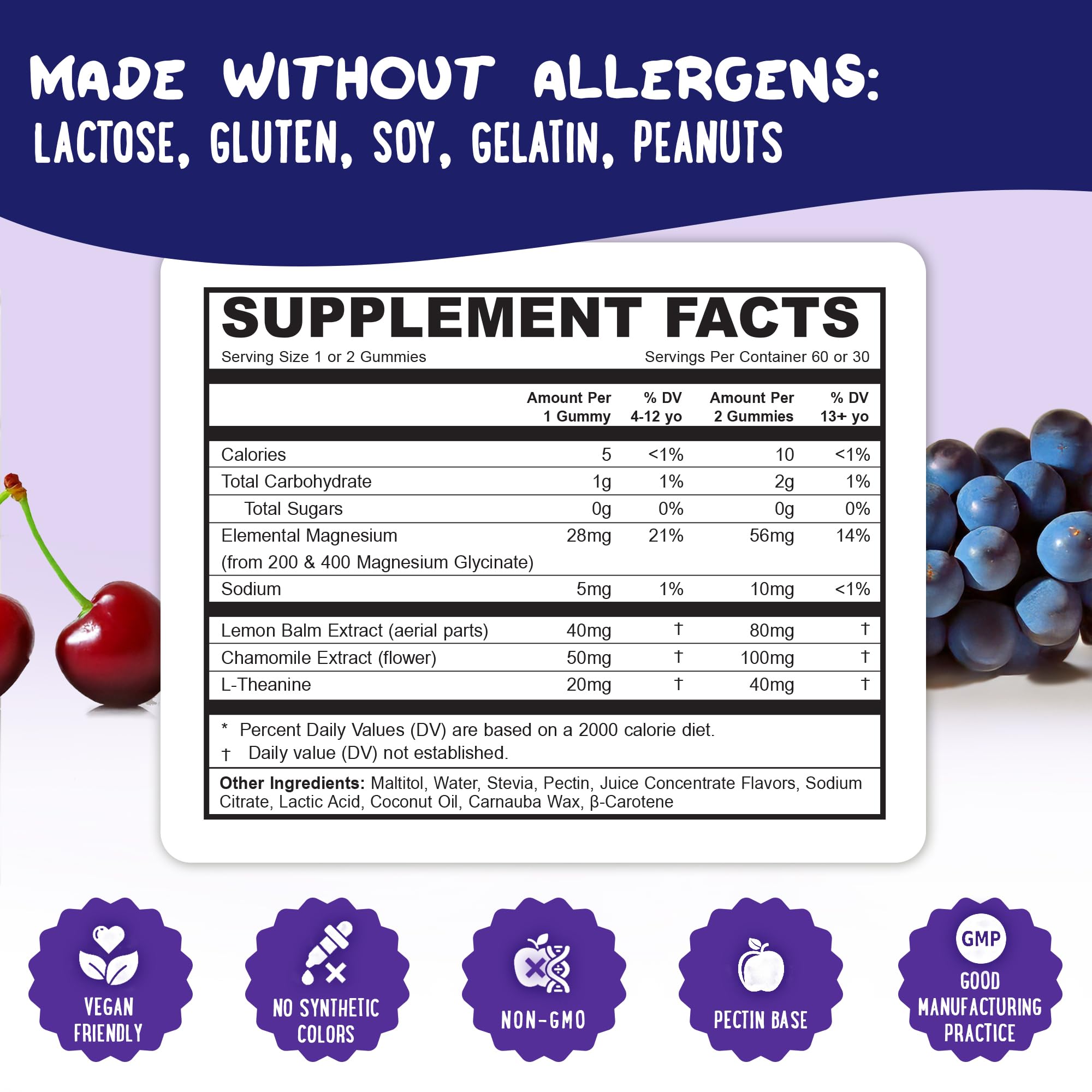
OH MY CHEWY Magnesium Glycinate Gummies for Kids & Teens - Sleep & Chillax Sugar-Free and Melatonin-Free Magnesium Supplement with Chamomile, L-Theanine and Lemon Balm - 60 Count
- GENTLE CALM FOR BUSY FAMILIES: Soothe evening wiggles with kids magnesium gummies in a tasty tart cherry & gra
- NO MELATONIN SLEEP SUPPORT: Tuck them in with magnesium gummies for kids that skip melatonin yet still feel dr
- GENTLE WIND-DOWN BEDTIME ROUTINE: Turn evenings into a peaceful ritual with tasty kids sleep gummies that deli
The OH MY CHEWY Magnesium Glycinate Gummies offer a melatonin free option that pairs magnesium with chamomile and L-theanine, which suits teenagers who do not need circadian help but are simply too wired to wind down.
What to watch for
6. When to Worry: Signs That Your Teen's Sleep Problem Needs Medical Attention
Most teen sleep issues are behavioural and circadian. Some are not.
Seek a GP or paediatrician review if you notice: - Snoring loudly or gasping during sleep (possible sleep apnoea, more common than parents expect in teens) - Excessive daytime sleepiness even after a full night of sleep - Paralysis or vivid hallucinations when falling asleep or waking (possible narcolepsy) - Severe insomnia that does not respond to behavioural changes over 4 to 6 weeks - Sleep problems accompanied by significant mood changes, weight changes, or withdrawal
Delayed Sleep Phase Disorder is a real clinical condition, more common in teenagers than in any other age group, where the circadian delay is so pronounced that the young person genuinely cannot fall asleep before 2am or 3am regardless of how tired they are. This is not laziness and is not fixed by stricter rules. It requires a proper assessment and a structured treatment programme, often involving carefully timed light therapy and low dose melatonin under medical supervision.
If you are also navigating academic stress alongside the sleep issues, it is worth reading about why teens struggle academically because sleep deprivation and academic difficulty are often a reinforcing cycle rather than a simple cause and effect.
| Sleep Support Option | Best For | Key Ingredients | Main Caution | Recommended Product | Price Range |
|---|---|---|---|---|---|
| Low dose melatonin gummy (1mg) | Circadian delay, trouble falling asleep | Melatonin 1mg, L-theanine, ashwagandha, lemon balm | Use short term; discuss with doctor | TruHeight Sleep Gummies | $30 |
| Magnesium glycinate gummy (melatonin free) | Anxiety, tension, wired-at-bedtime teens | Magnesium glycinate, chamomile, L-theanine | Check dosage for age and weight | OH MY CHEWY Magnesium Gummies | $16.95 |
| Melatonin + L-theanine + chamomile combo | General sleep support, mild insomnia | Melatonin, L-theanine, chamomile | Not for under-13s without guidance | OLLY Restful Sleep Gummies | $11.47 |
| Magnesium + calcium + D3 + L-theanine | Melatonin-free support, growth phase | Magnesium glycinate, calcium, D3, B6, L-theanine | Not a replacement for sleep hygiene | LILICARE Kids Sleep Gummies | $19.99 |
| Standard melatonin gummy 5mg | Adults; not recommended for teens | Melatonin 5mg | Too high a dose for most adolescents | Amazon Basics Melatonin 5mg | $11.23 |
| High dose melatonin gummy 10mg | Adults with severe sleep issues only | Melatonin 10mg | Not appropriate for teens | Natrol 10mg Melatonin Gummies | $10.98 |
Expert Insights
Teen sleep is genuinely hard to fix, partly because the biology is working against you and partly because teenagers resist being told what to do (which is also, by the way, completely normal for their stage of development). But the research here is unusually clear: sleep is not optional for a healthy, happy, academically engaged teenager. It is the foundation everything else sits on.
If you take one thing from this guide, let it be this: consistent wake times and phones out of the bedroom are free, evidence grounded, and more powerful than any supplement on the market. Start there. Build the rest around it.
If this guide helped, save it, share it with a co-parent, or pass it to your teen's school. Sometimes seeing the biology written out plainly is exactly what shifts the conversation.
Sources & References
- American Academy of Sleep Medicine. "Recommended Amount of Sleep for Pediatric Populations." Journal of Clinical Sleep Medicine, 2016. https://aasm.org
- Centers for Disease Control and Prevention. "Sleep in Middle and High School Students." 2023. https://www.cdc.gov/healthyschools/sleep.htm
- American Academy of Pediatrics. "School Start Times for Adolescents." Pediatrics, 2014 (reaffirmed 2022). https://publications.aap.org
- Carskadon MA. "Sleep in Adolescents: The Perfect Storm." Pediatric Clinics of North America, 2011.
- Chang AM, et al. "Evening use of light-emitting eReaders negatively affects sleep, circadian timing, and next-morning alertness." PNAS, 2015.
- Phillips AJK, et al. "Irregular sleep/wake patterns are associated with poorer academic performance and delayed circadian and sleep/wake timing." Scientific Reports, 2017.
- Owens JA. "Sleep Disorders in Children and Adolescents." Pediatrics in Review, 2009.
- Depner CM, et al. "Ad libitum weekend recovery sleep fails to prevent metabolic dysregulation during a repeating pattern of insufficient sleep and weekend recovery sleep." Current Biology, 2019.
- National Sleep Foundation. "Teen Sleep." https://www.thensf.org
Frequently Asked Questions
Why won't my teenager just go to sleep earlier?
How much sleep does a 13 to 17 year old actually need?
Is melatonin safe for teenagers?
Should I let my teenager sleep in on weekends?
My teenager says they are not tired at bedtime. What can I do?
Can a teenager catch up on sleep at the weekend?
When should I see a doctor about my teen's sleep?
Was this helpful?
Thanks — your feedback helps us pick what to write next.