Teen Schooling & Education: What Actually Works at 13–17
Teens learn best when structure, sleep, study skills, and emotional support all work together — no single fix covers all of it, but small, consistent changes in each area compound fast.
In this article
Here is a number that tends to stop parents mid-scroll: according to the American Psychological Association's Stress in America survey, teenagers consistently report school as their number one source of stress, above family problems, financial worries, and social conflict. Not occasionally. Year after year. And yet most of the advice parents receive about teen education focuses almost entirely on grades and university applications, skipping over the machinery underneath: how a 14 year old brain actually stores information, why motivation evaporates at 3pm, and what a parent can realistically do about any of it.
This guide is for you if you have a teen somewhere between 13 and 17 and you want to understand what is actually going on in that classroom, in that backpack, and in that head.
By the end, you will understand:
1. The Teen Brain Is Not a Small Adult Brain
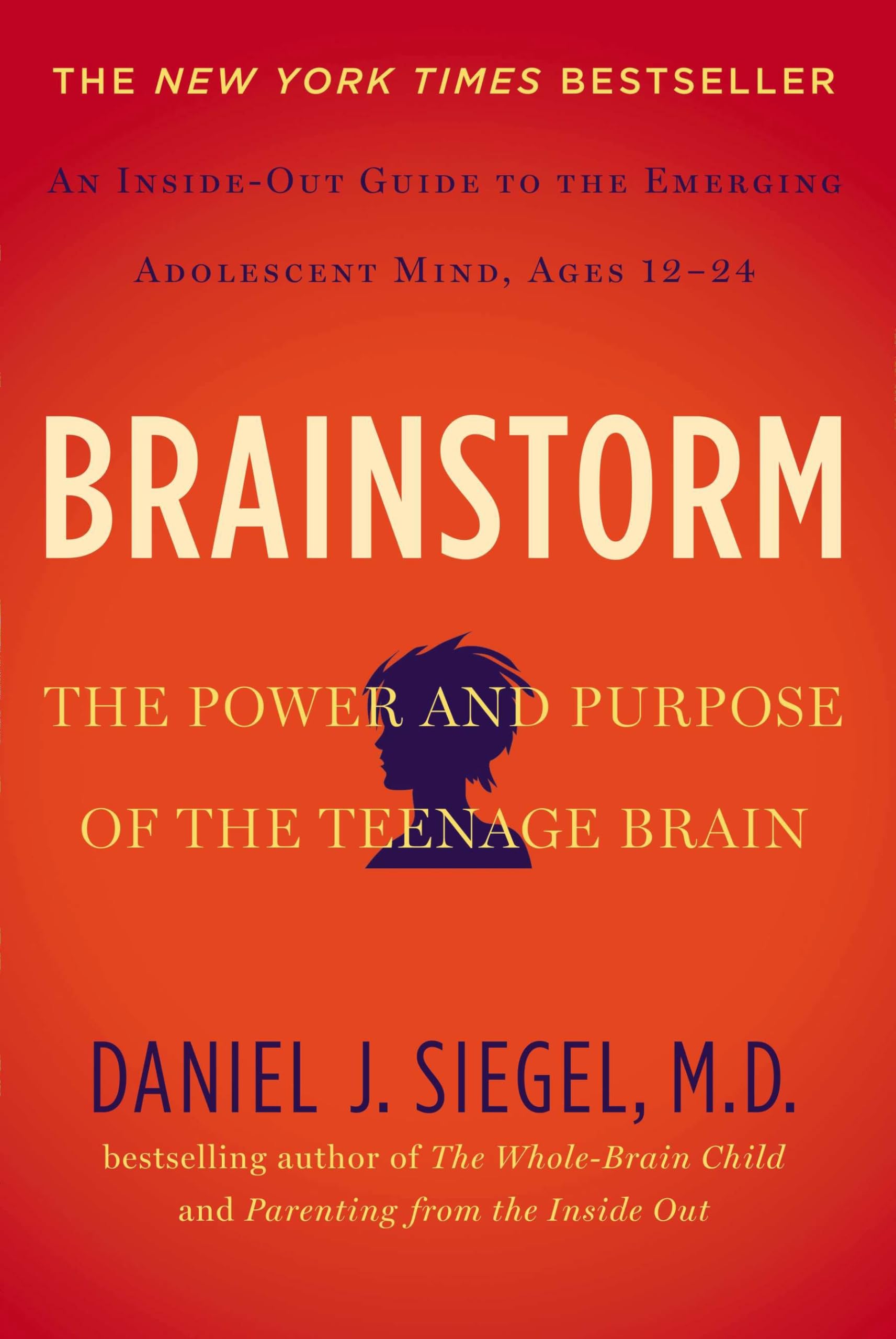
The first thing to understand is that your teenager's brain is genuinely different from yours, not broken, not lazy, just mid renovation. The prefrontal cortex, which handles planning, impulse control, and long term thinking, is not fully connected until the mid twenties. This is not a metaphor. It is structural.
What this means for school is concrete. A 15 year old asked to plan a revision schedule four weeks out is being asked to use brain circuitry that is still being built. The emotional centres (the limbic system) are firing at full volume, which is why a disappointing grade can feel catastrophic, and why social drama at lunch can make afternoon maths completely unreachable.
Understanding why risk taking is biological rather than deliberate defiance reframes a lot of classroom behaviour that looks like wilful laziness or bad attitude.
What parents can do right now


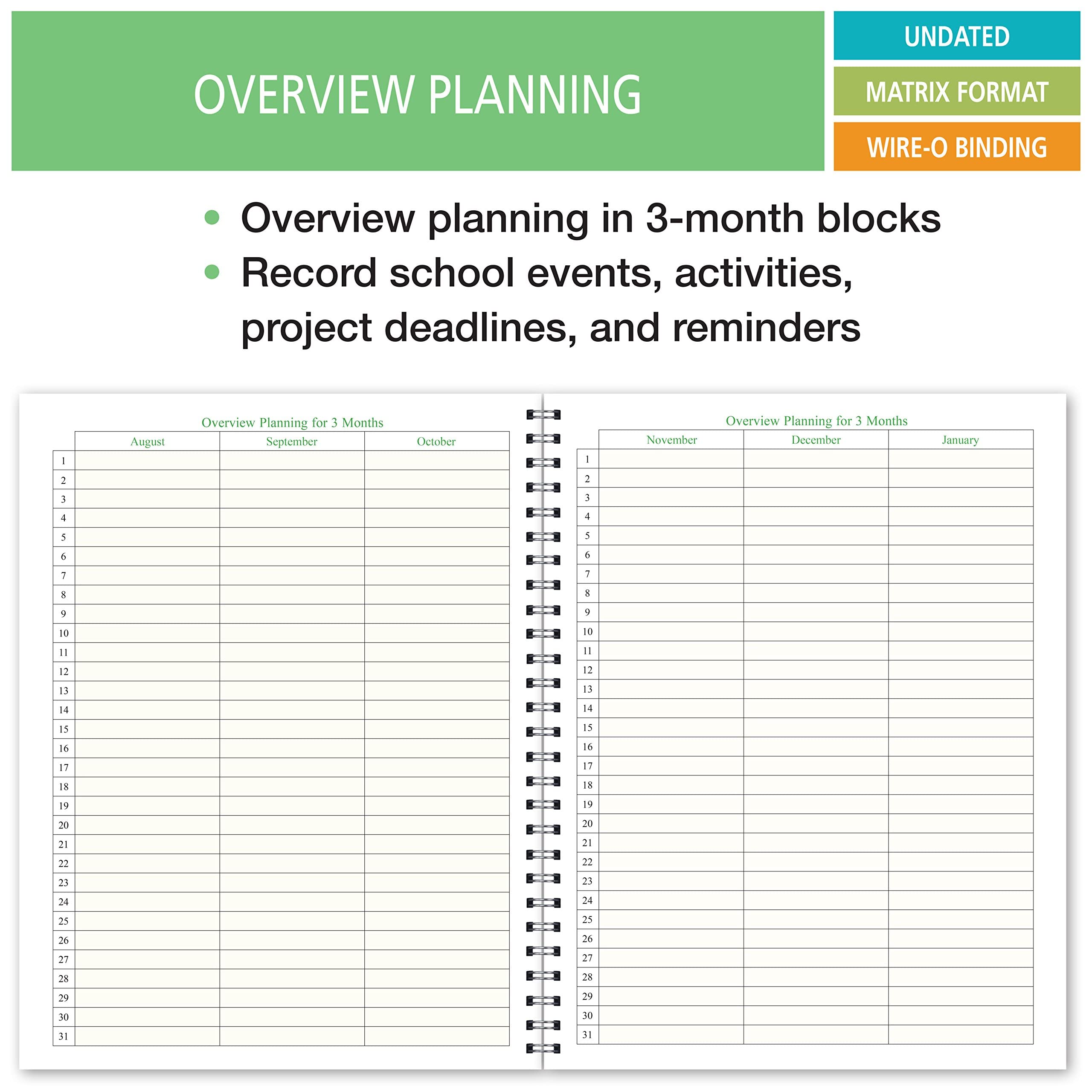
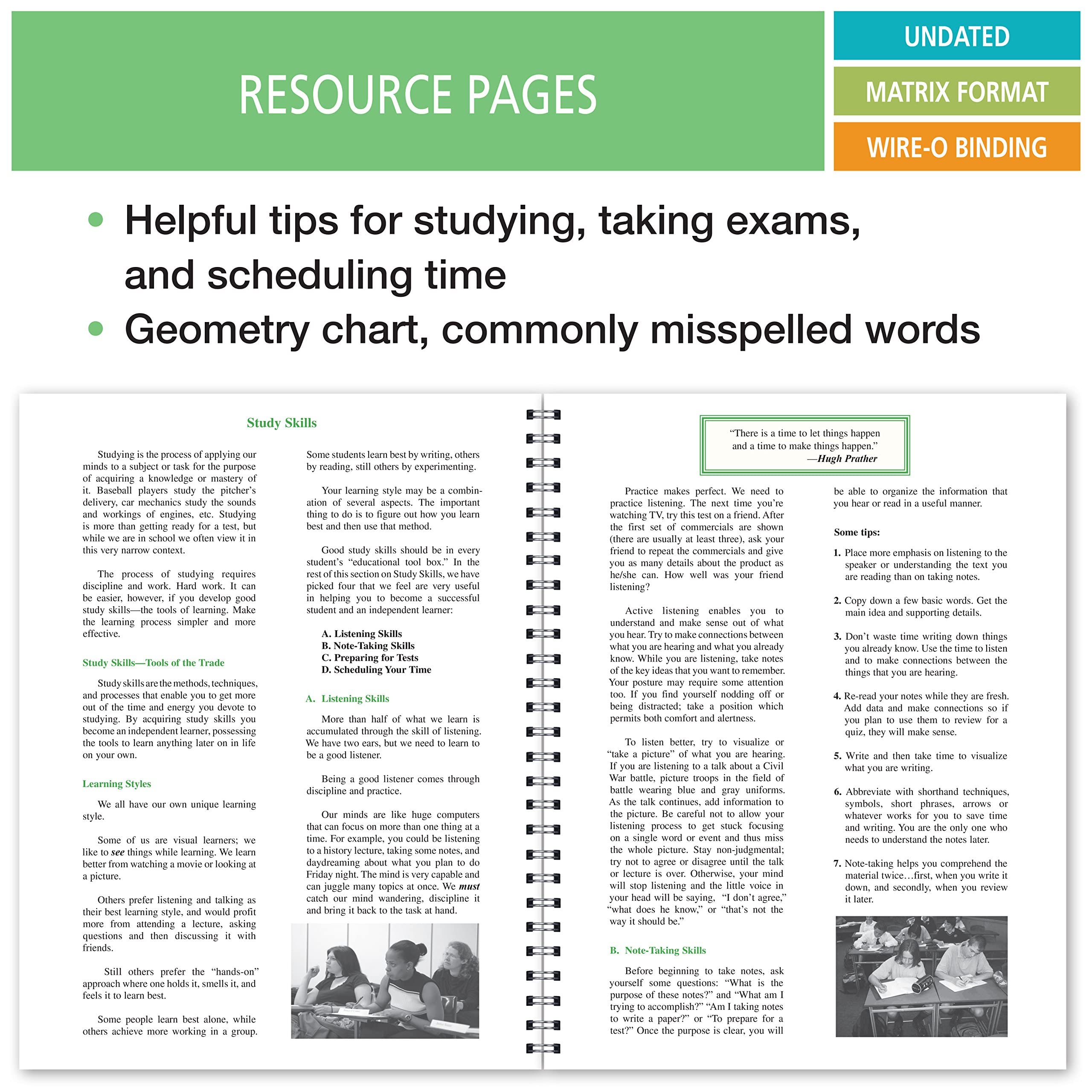
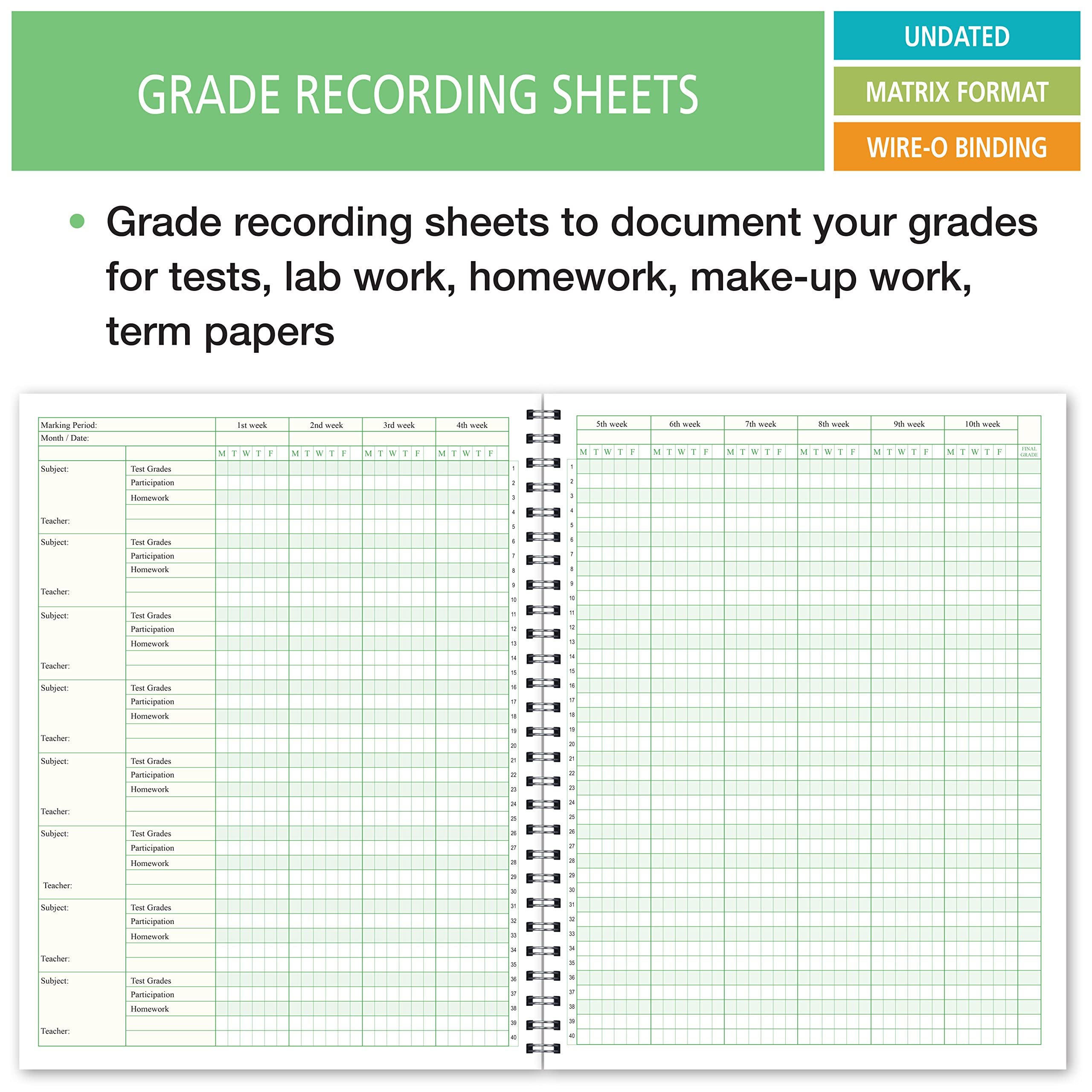
Elan Publishing Company Undated Student Organizer for Middle School (SO-8) - KL-5KF3-CI7Y
- 8 1/2 x 11 Student Organizer
- Daily planning pages with room for 8 subjects per day, plus a homework study schedule every day, even weekends
- Study skills - focusing on active listening, how to take good notes, preparing for tests, and scheduling time
2. Study Habits: What the Research Says Works
Most teens study the way they were never taught not to: re-reading notes, highlighting text, and hoping it sticks. These passive techniques feel productive but perform poorly in the research literature.
The learning strategies with the strongest evidence base are retrieval practice (testing yourself rather than re-reading), spaced repetition (spacing study sessions out over days rather than cramming), and interleaving (mixing up topics rather than blocking one subject for hours). These are not exotic techniques. They can be applied with a basic planner and a set of flashcards.
Making spaced practice practical
The key is externalising the schedule so your teen does not have to hold it in their head. A physical planner that maps out subjects across the week (rather than leaving every decision to the moment) removes the daily decision making load.
The Forvencer Academic Planner does exactly this, with monthly and weekly spreads that are spacious enough to block subjects by day rather than just list homework tasks. For teens who need more flexibility in how they structure time, the Tuun Fuplan undated planner includes habit trackers and grade logs alongside the calendar, which is useful for teens trying to build consistent study routines from scratch.
3. School Stress: How to Spot It Before It Becomes a Problem
Stress at school is normal. Chronic stress that disrupts sleep, appetite, friendships, or mood is not, and the line between the two can blur fast in the 13 to 17 age band.
The American Academy of Pediatrics (AAP) has flagged academic pressure as a contributing factor in rising adolescent anxiety rates, particularly in the 14 to 17 age range. Warning signs in teens look different from warning signs in younger children because teenagers often internalise rather than act out.
Red flags worth taking seriously
If several of these cluster together, a conversation with the school counsellor and your teen's GP is the right first step, not a reward chart.
4. Talking to Your Teen About School Without Triggering a Shutdown
"How was school?" "Fine." This exchange has happened in roughly every household with a teenager since schools were invented.
The reason it fails is partly neurological and partly relational. Teens are in a developmental phase where autonomy matters intensely. Questions that feel like surveillance trigger defensiveness even when they are well meant. The goal is not to extract information; it is to stay in contact.
Research from the Search Institute, which has studied adolescent development across millions of young people, consistently finds that teens with at least one trusted adult who shows genuine interest in their life perform better academically and are more resilient under stress. You do not have to be the cool parent. You just have to be present and reliably non-reactive.
Practical shifts that work:
For parents who want a deeper framework for navigating these conversations, the tough talk toolkit approach translates directly to school related discussions too.
5. Building Structure at Home That Actually Helps
Structure is not the same as pressure. One supports your teen; the other hollows them out. What teens need at home is predictability, not surveillance.
The practical scaffolding that makes the biggest difference is simple: a consistent homework time (not necessarily long, just consistent), a reasonably tidy workspace with adequate light, limited disruption during that window, and some form of external planning tool so the workload does not live entirely in their head.
Homework Planner for ADHD Students: Undated Assignment Tracker Notebook for Elementary, Middle & High School Boys and Girls
- Education & Teaching
- Schools & Teaching
- Parent Participation
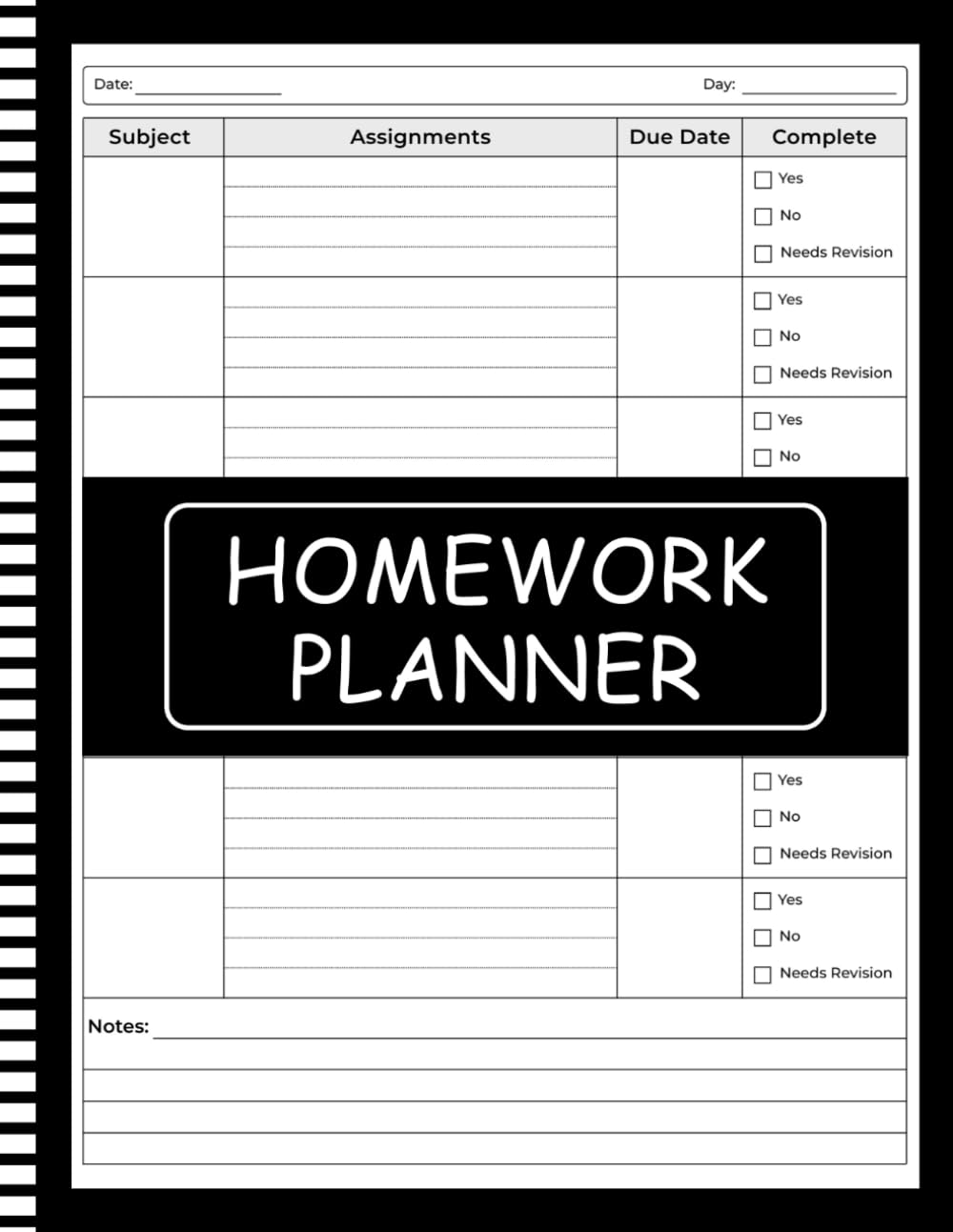
For teens with attention difficulties, an explicit planner designed around their specific challenges is worth the investment. The Homework Planner for ADHD Students breaks assignment tracking into small daily actions, which reduces the overwhelm of opening a bag full of worksheets and having no system.
For teens who like time blocking and want something more sophisticated, the BEZEND weekly planner has hourly timeslots from 7am to 8pm, monthly tabs, and 18 months of coverage, which is genuinely useful for teens juggling exams, extracurriculars, and part time work across two school years.
A note on screens
Screen time during homework is the single issue parents raise with me most often. The short version: passive background screens (music without lyrics is fine for many teens; TV playing in the background is not) harm concentration and memory consolidation. Active phone use (social media, messaging) during study is probably the biggest disruptor in most teens' study sessions.
A phone in another room outperforms a phone face down on the desk. The research on this is consistent and worth citing directly: a 2017 study by Ward et al. in the Journal of the Association for Consumer Research found that even the presence of a smartphone on a desk reduced available cognitive capacity, even when it was switched off.
6. When School Isn't Working: What to Do Next
Sometimes good habits, good structure, and good conversations are not enough. A teen may genuinely be struggling in a way that needs more than parent support.
Learning differences often surface in secondary school
Dyslexia, ADHD, dyscalculia, and processing difficulties sometimes go undetected through primary school when the workload is manageable, then become visible at 13 or 14 when the volume and abstraction of the curriculum increase. If your teen is working hard but results are not reflecting that effort, a learning assessment through an educational psychologist is worth requesting.
Questions worth asking the school
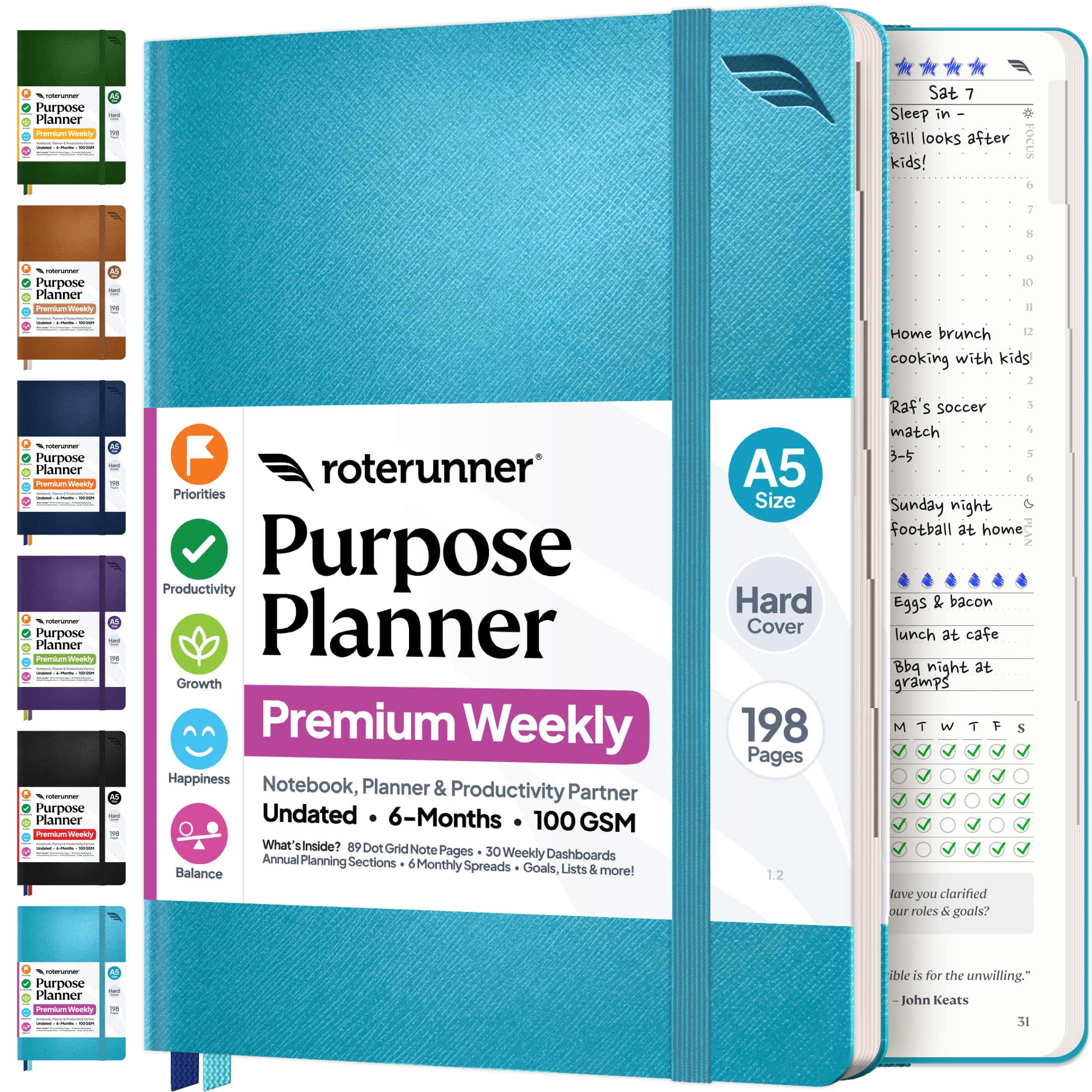
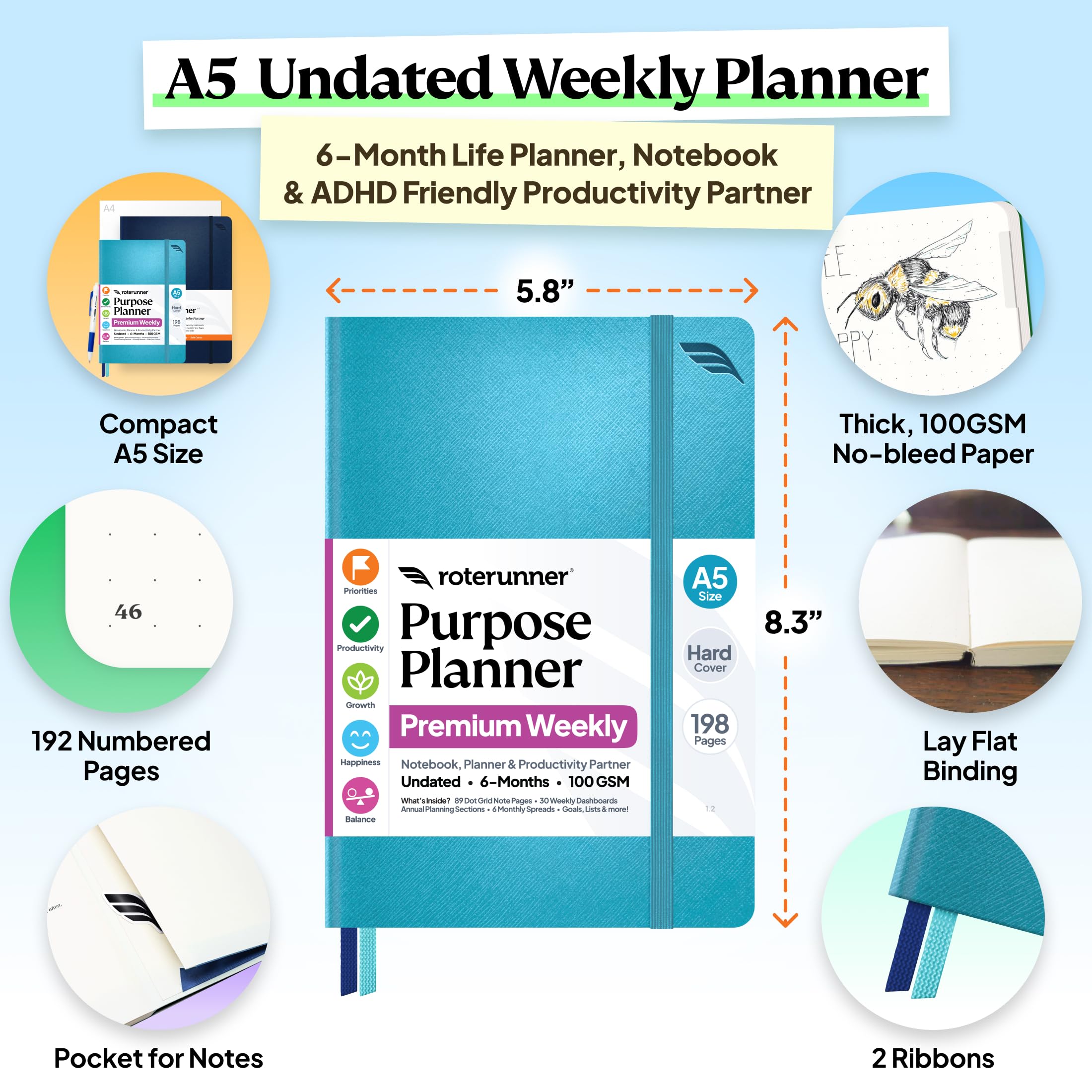
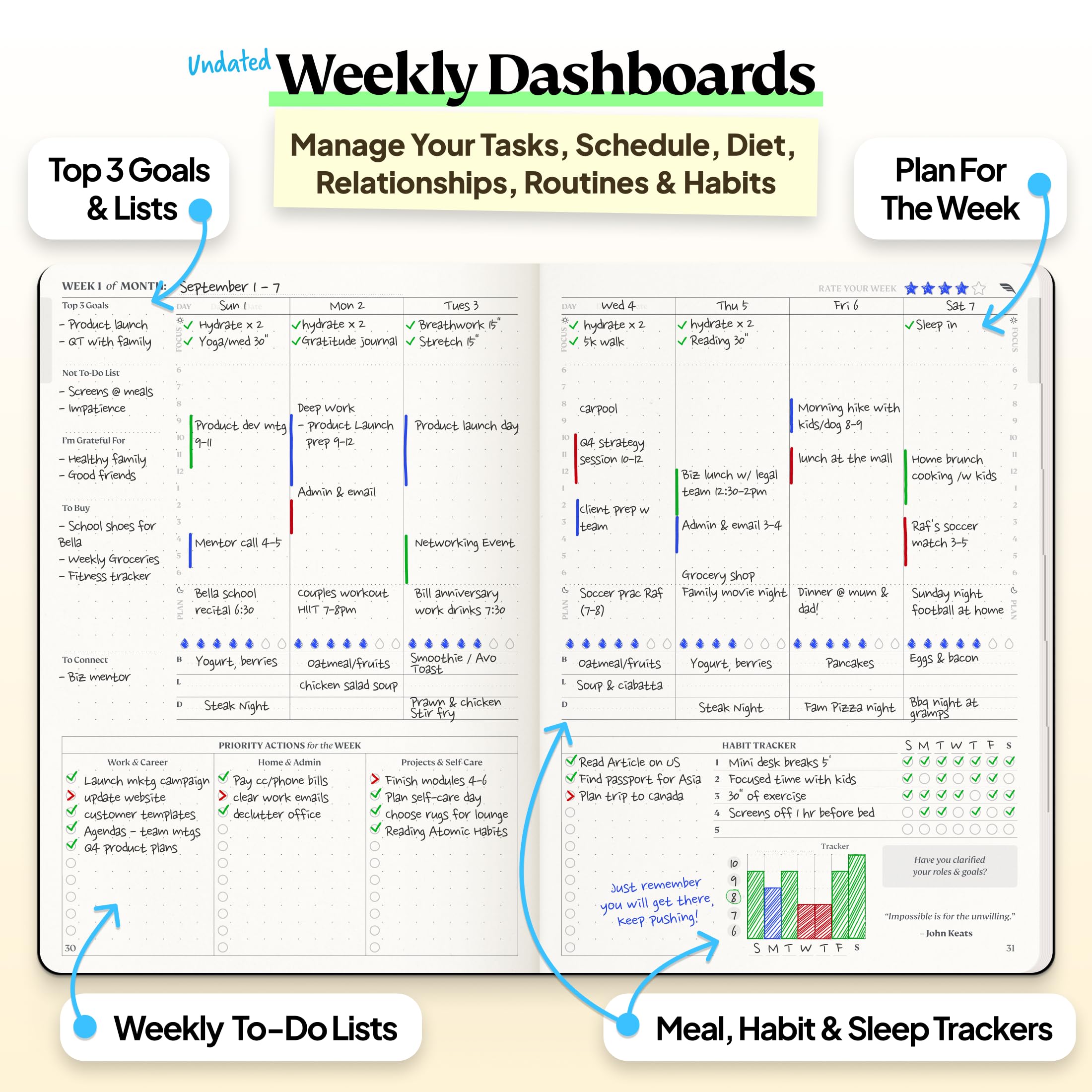
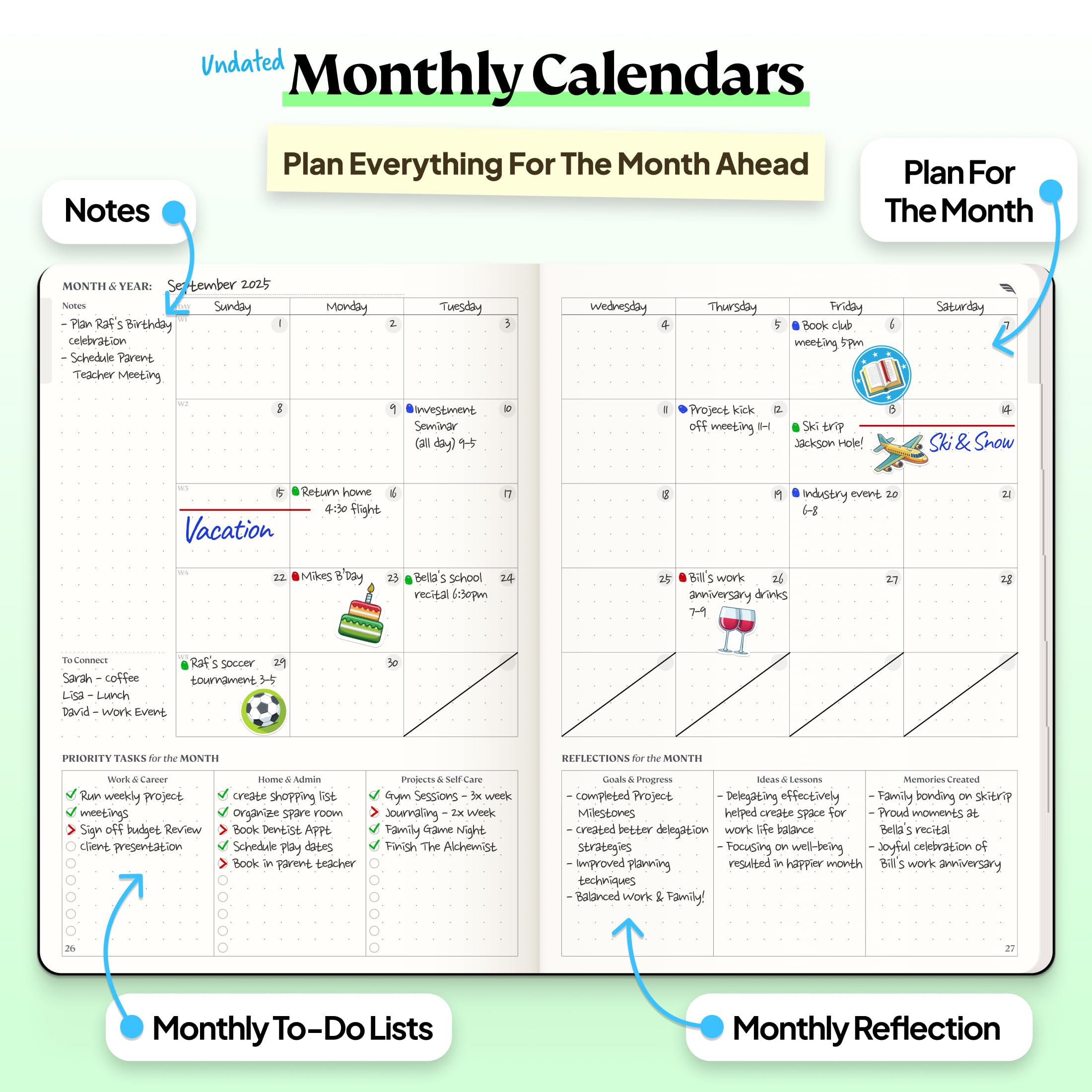
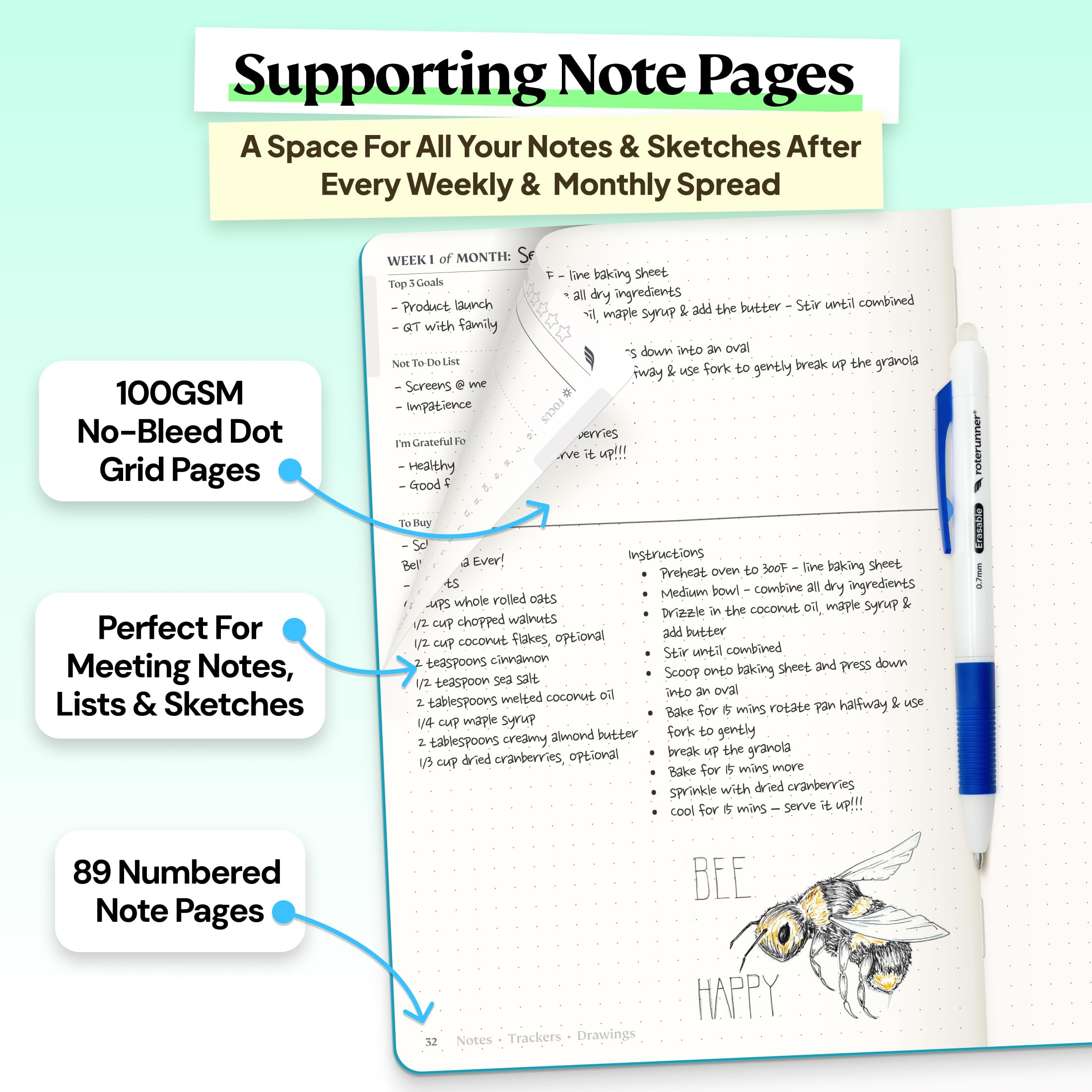
Roterunner Purpose Planner Notebook A5 5.8”x8.3” Undated 2026 Daily Weekly and Monthly Productivity Goal Setting Tool for Work Home ADHD Planner for Adults Self Care Journal (Teal Hardcover)
- Discover Balance & Boost Productivity: 6-Month Undated A5 Daily Planner, Manifestation Journal & Self Coaching
- Planner + Notebook All in 1: Annual Calendar, Notes Index, Monthly & Weekly to do list planner dashboards, 89
- Smash Your Goals & Prioritize Wellness: 5 Roles & Goals templates for purposeful goal setting. Reading, Bucket
The Roterunner Purpose Planner is worth mentioning here because it goes beyond basic scheduling, including self coaching templates, AM/PM routines, and habit tracking. For a teen who is rebuilding their relationship with school after a difficult period, the structure it provides can act like training wheels for executive function.
Planner Comparison: Which Student Organiser Fits Your Teen
| Planner Type | Best For | Key Features | Main Drawback | Recommended Product | Price Range |
|---|---|---|---|---|---|
| Dated hardcover | Teens who need a clear school year arc | Monthly + weekly spreads, tabs, durable cover | Starts July 2026 only | Forvencer Academic Planner | ~$14 |
| Undated flexible | Teens starting mid-year or taking a gap | Goal setting, grade logs, habit trackers | Fewer visual cues for deadlines | Tuun Fuplan student planner | ~$23 |
| Hourly time block | Busy teens with sports, work, or heavy exam load | Hourly slots 7am–8pm, 18 months, spiral bound | Bulkier to carry | BEZEND weekly planner | ~$30 |
| Productivity/wellness hybrid | Teens rebuilding motivation or recovering from burnout | Self coaching, wellness trackers, goal templates | Shorter 6-month span | Roterunner Purpose Planner | ~$25 |
| ADHD-specific organiser | Teens with attention or executive function challenges | Simple daily layout, assignment tracking | Minimal features for complex scheduling | Homework Planner for ADHD Students | Budget |
| Classic school organiser | Middle school students or minimalist teens | 8 subjects per day, study skills built in | Less visual appeal | Elan student organiser | ~$9 |
Expert Insights
Secondary school is a long stretch of years where a lot is happening at once: academic pressure, social identity, physical change, and the first real rehearsals for adult independence. Your teen does not need you to have all the answers. They need you to stay interested, stay calm, and stay close enough that they know where to come when things get hard.
The one thing I tell parents in clinic more than any other: your relationship is the long game. Grades matter less than your teen leaving this phase knowing that struggle is survivable and asking for help is a strength. Keep that in view when the homework rows happen.
If this helped, save it for the term ahead. And if you have a partner or a co parent navigating this alongside you, send it to them too.
Sources & References
- American Psychological Association. "Stress in America: Generation Z." 2018. apa.org/news/press/releases/stress/2018/stress-gen-z.pdf
- American Academy of Pediatrics. "Anxiety and Depression in Children." healthychildren.org. Updated 2023.
- Dunlosky, J., Rawson, K.A., Marsh, E.J., Nathan, M.J., & Willingham, D.T. "Improving Students' Learning With Effective Learning Techniques." Psychological Science in the Public Interest, 2013.
- Ward, A.F., Duke, K., Gneezy, A., & Bos, M.W. "Brain Drain: The Mere Presence of One's Own Smartphone Reduces Available Cognitive Capacity." Journal of the Association for Consumer Research, 2017.
- Blakemore, S.J. Inventing Ourselves: The Secret Life of the Teenage Brain. PublicAffairs, 2018.
- Steinberg, L. Age of Opportunity: Lessons From the New Science of Adolescence. Houghton Mifflin Harcourt, 2014.
- Shaywitz, S. Overcoming Dyslexia. Vintage Books, 2020 (revised edition).
- Search Institute. "Developmental Relationships Framework." search-institute.org. 2020.
- National Education Association. "Research Spotlight on Homework." nea.org.
Frequently Asked Questions
My teen says they've done their homework but their grades say otherwise. What's going on?
How much should a 15 year old be studying each night?
My teen refuses to use any planner. What can I do?
Should I get my teen tutored?
What's the difference between normal teenage disengagement and something more serious?
My teen insists on studying with music or a podcast on. Is that actually okay?
How do I support my teen through exam stress without adding to it?
Was this helpful?
Thanks — your feedback helps us pick what to write next.