The Teenage Brain: Why Everything Feels So Enormous
Teen behaviour and emotions between 13 and 17 are driven by a brain that is literally under construction — understanding the neuroscience helps you respond with strategy instead of frustration.

In this article
Your thirteen-year-old slammed the door so hard a picture fell off the wall. Your sixteen-year-old has barely spoken to you in three days. Sound familiar? You're not alone — and you're not doing it wrong. According to the World Health Organization, one in seven adolescents aged 10–19 experiences a mental health condition, yet most go undetected and untreated. That statistic isn't meant to scare you; it's meant to sharpen your attention. Most of what you'll witness in these years is normal developmental turbulence, but knowing where the line is — and how to stay close enough to your teen to see it — matters enormously.
In this guide you'll understand:
1. The Teenage Brain: Why Everything Feels So Enormous
The single most useful thing you can understand about your teenager is that their brain is a renovation site. The prefrontal cortex — responsible for impulse control, risk assessment, and long-term thinking — is the last region to mature, completing development somewhere in the early-to-mid twenties. In the meantime, the limbic system (the emotional, reward-driven part) is running at full volume.
This means your teen isn't choosing to be irrational. They are, quite literally, operating with a brain that processes emotional signals before logical ones. Anger arrives before perspective. Excitement overrides caution. Peer approval registers as a survival signal.
What This Looks Like Day-to-Day
- Intense emotional reactions to what seem like small triggers - Poor estimation of risk (especially in groups) - Hypersensitivity to rejection or embarrassment - Sleep schedule shifts — a genuine biological push toward later nights - Craving peer connection over family time
For a teen who wants to understand their own emotional world, Emotional Intelligence for Teens & Young Adults is a practical, jargon-free guide written directly for them — worth leaving on the kitchen counter rather than presenting as an assignment.
2. Normal vs. Concerning: Reading the Emotional Weather
Most teenage moodiness is developmentally appropriate. The challenge is knowing when it tips into something that needs professional eyes.
Signs That Are Developmentally Normal
Red Flags That Warrant a Conversation With Your GP or Paediatrician




The Emotional Lives of Teenagers: Raising Connected, Capable, and Compassionate Adolescents
- Health, Fitness & Dieting
- Psychology & Counseling
- Adolescent Psychology
Dr. Lisa Damour's The Emotional Lives of Teenagers is one of the most clinically grounded parent reads available — it maps exactly this territory between normal and concerning with warmth and precision.
3. The Science of Staying Connected When They Push You Away
Here's the paradox of adolescence: teens need you most at the exact moment they seem to want you least. Research consistently shows that parental connection is the strongest protective factor against depression, substance use, and risky behaviour — even when teens act like your presence is an inconvenience.
Practical Ways to Stay in the Room
- Side-by-side activities beat face-to-face conversations. Drive them somewhere. Watch a show they like. Cook together. Teens talk more when they're not being looked at directly. - Keep the welcome mat out. Be present and non-reactive when they do open up — even if the timing is terrible (11pm is peak teen disclosure hour). - Repair quickly after conflict. A simple "I handled that badly earlier, I'm sorry" models emotional intelligence better than any lecture. - Know their world. You don't have to love the music or the game — you just have to know it exists and ask one genuine question about it.
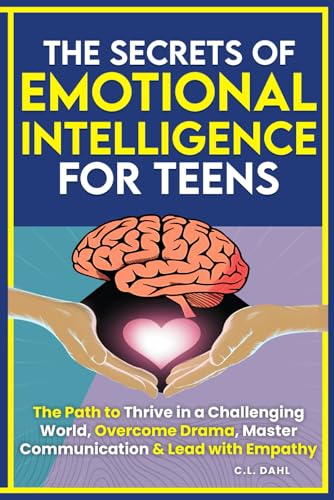
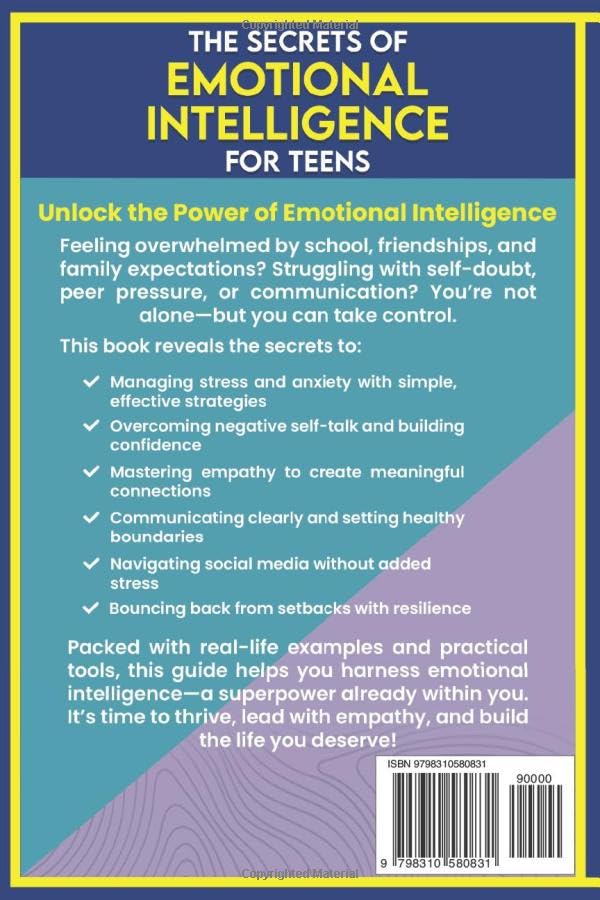
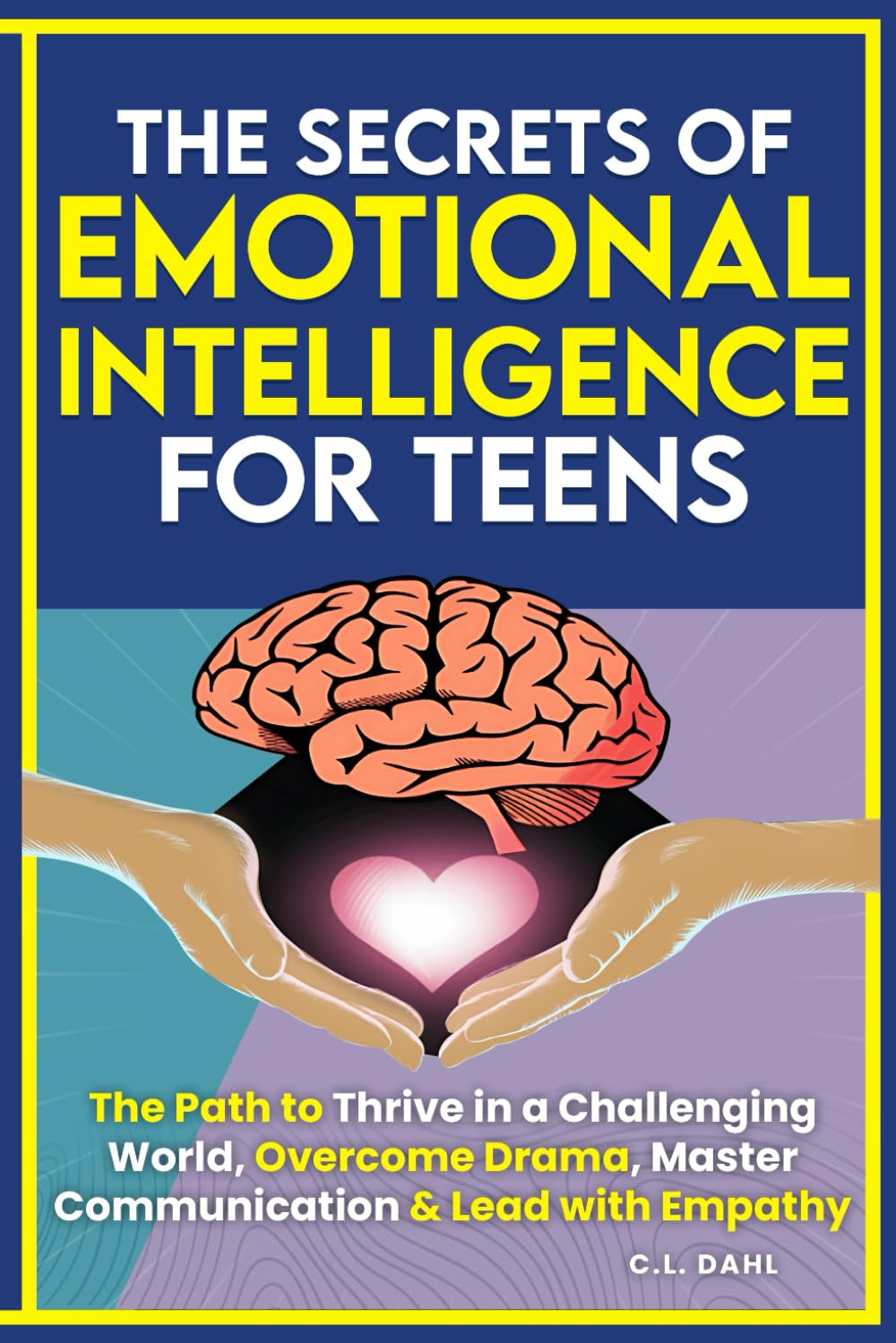
The Secrets of Emotional Intelligence For Teens: The Path to Thrive in a Challenging World, Overcome Drama, Master Communication, Manage Emotions & Lead with Empathy
- Teen & Young Adult
- Personal Health
- Depression & Mental Health
4. Managing Conflict and Big Emotions at Home
Conflict with teenagers is not optional — it's part of how they individuate. The goal isn't to eliminate arguments; it's to have them without damage.
The PACE Framework (Adapted from Attachment Research)
Psychologist Dan Hughes developed the PACE model — Playfulness, Acceptance, Curiosity, Empathy — originally for therapeutic settings, but it translates beautifully to everyday parenting:
- Playfulness: Keep lightness in the relationship even during hard seasons - Acceptance: Accept the person, not necessarily the behaviour - Curiosity: Ask "I wonder what's going on for you" rather than "Why did you do that" - Empathy: Name their emotion before addressing the problem
Setting Limits Without Losing the Relationship
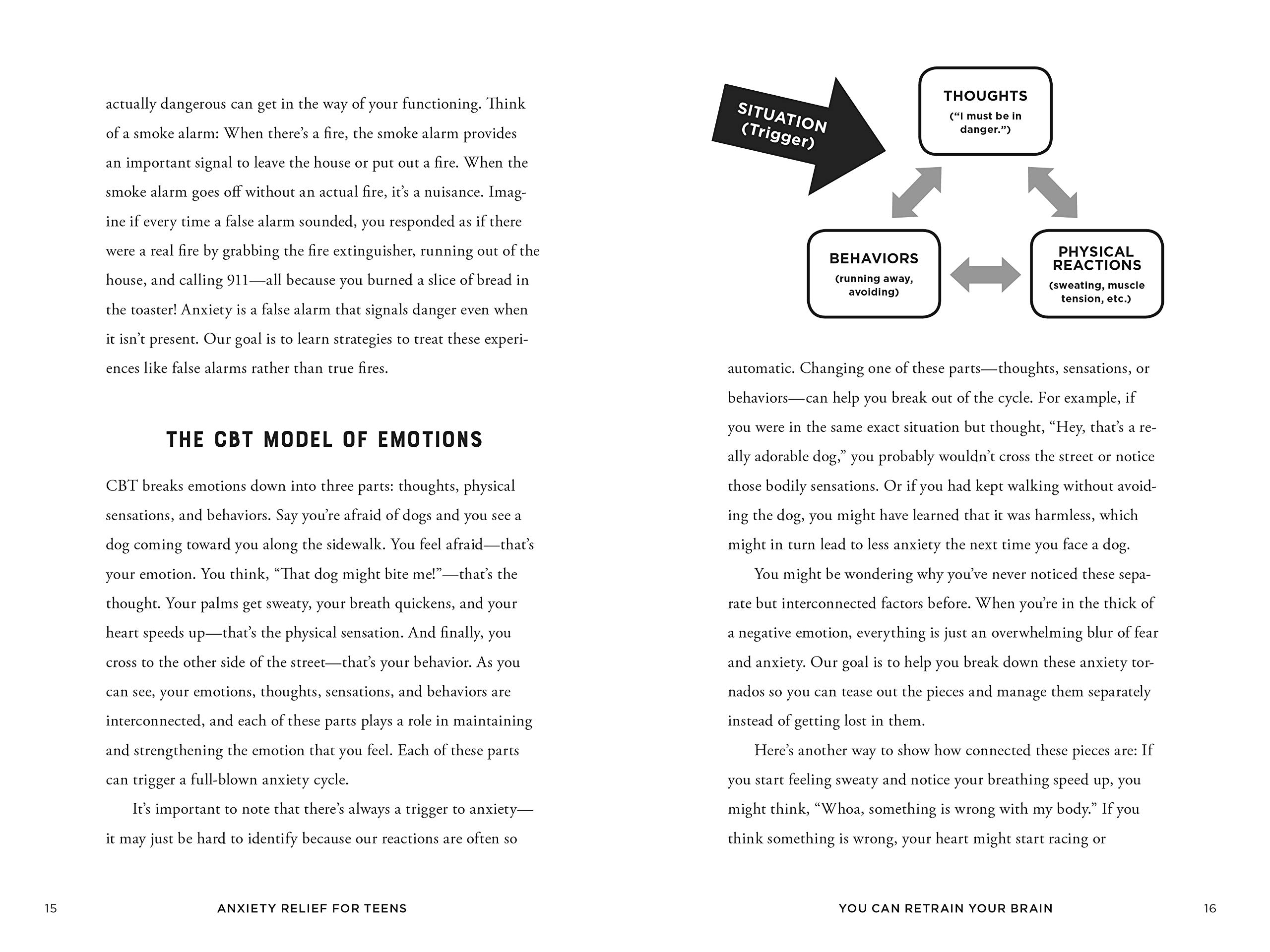
For teens who need structured tools to manage their own emotional reactions, The Teens' Workbook to Self Regulate offers CBT-based exercises they can work through independently — which matters, because teens are far more likely to engage with strategies they feel they chose.


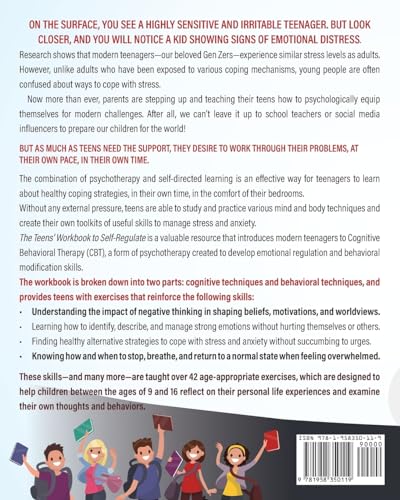


The Teens' Workbook to Self Regulate: Empowering Teenagers to Handle Emotions with Success through Coping Strategies and CBT Exercises (Successful Parenting)
- Teen & Young Adult
- Education & Reference
- Social Science
5. When Emotions Are Intense: Supporting Teens Who Feel Everything Deeply
Some teenagers experience emotions at a much higher amplitude than their peers. This isn't a character flaw — it often reflects a combination of temperament, neurodevelopmental factors, and life experience. These teens are frequently creative, empathetic, and perceptive. They're also exhausting to parent, and they're exhausting themselves.
Dialectical Behaviour Therapy (DBT) — developed by Dr. Marsha Linehan — was originally designed for adults with emotional dysregulation but has strong evidence for adolescents. Its core skills (distress tolerance, emotion regulation, mindfulness, interpersonal effectiveness) are teachable and genuinely useful.
DBT skills give adolescents a concrete toolkit for navigating overwhelming emotions — and give parents a shared language to use with their teen.
— Journal of Child and Adolescent Psychiatry (2019)
Signs Your Teen May Be an "Intense Feeler"
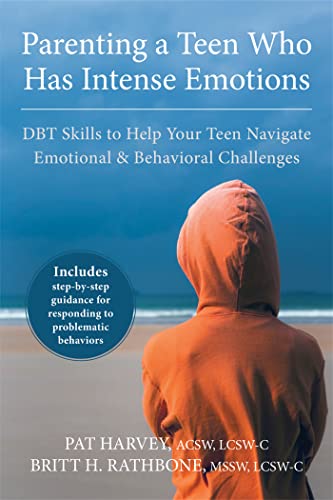

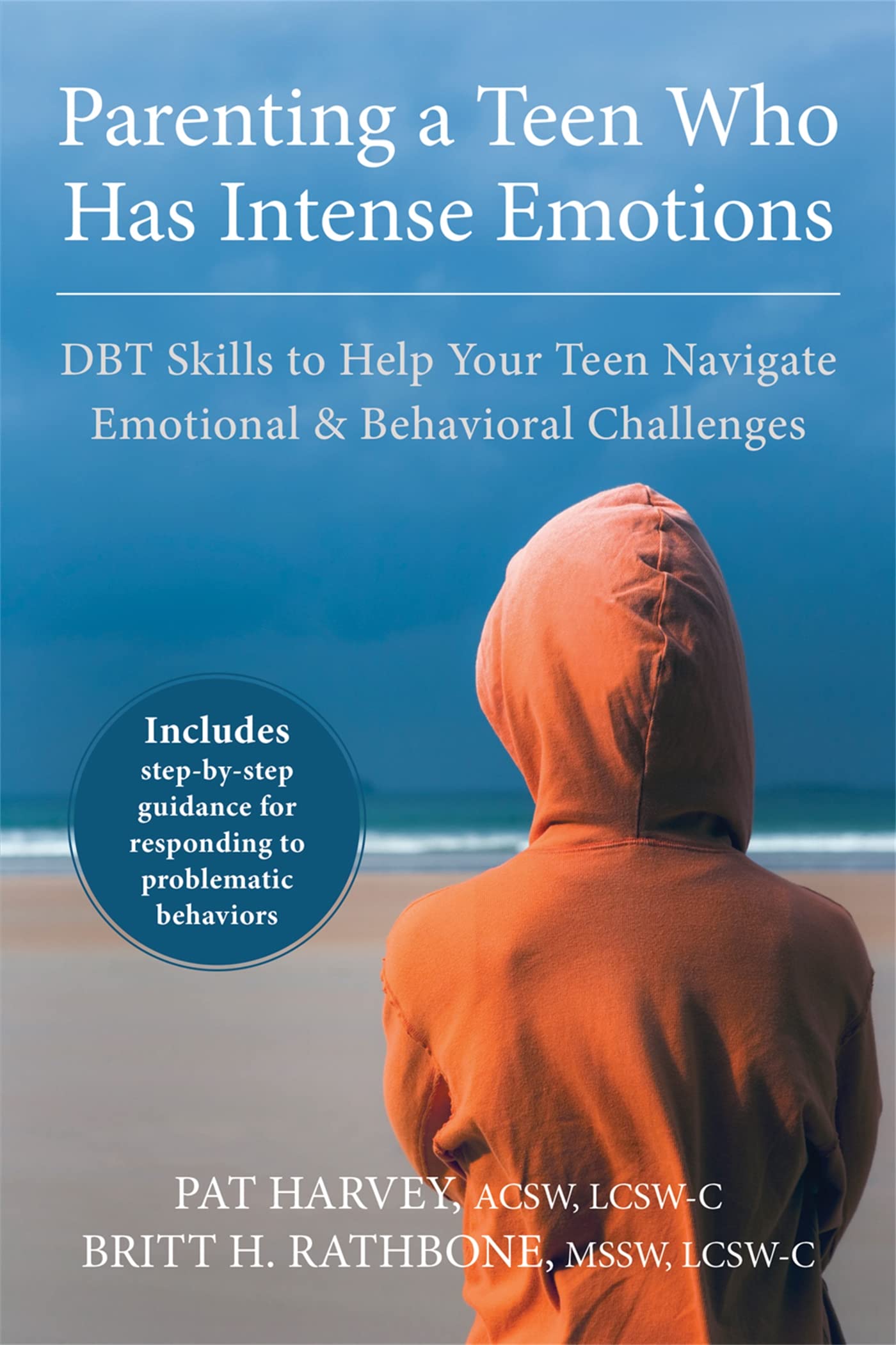
Parenting a Teen Who Has Intense Emotions: DBT Skills to Help Your Teen Navigate Emotional and Behavioral Challenges
- Health, Fitness & Dieting
- Mental Health
- Image Unavailable Image not available forColor:
Parenting a Teen Who Has Intense Emotions is the most practical parent-facing DBT resource I've seen at this price point — it gives you the skills alongside your teen, which is exactly how DBT is designed to work in families.
6. Screens, Social Media, and Emotional Wellbeing
No guide to teen behaviour in 2024 is complete without addressing the digital environment. The evidence is nuanced — screens are not uniformly harmful — but the pattern of use matters enormously.
The American Psychological Association's 2023 health advisory on social media noted that adolescents who spend more than three hours daily on social media face double the risk of poor mental health outcomes including depression and anxiety symptoms. That doesn't mean ban everything; it means pay attention to what your teen is doing online and how they feel after.
What the Research Actually Supports
7. Comparison Table: Approaches to Common Teen Emotional Challenges
| Challenge | Approach | Best For | Key Strength | Watch Out For | Recommended Resource |
|---|---|---|---|---|---|
| General emotional intensity | Emotion coaching (name-it-to-tame-it) | All teens | Builds self-awareness over time | Requires consistent parental calm | The Emotional Lives of Teenagers |
| Extreme emotional swings | DBT-based skills (distress tolerance, mindfulness) | Intense feelers, teens with anxiety/depression | Strong evidence base; teachable skills | Needs professional guidance for severe cases | Parenting a Teen Who Has Intense Emotions |
| Low emotional intelligence / poor communication | EQ-focused self-help for teens | Teens willing to engage independently | Teen-led, builds autonomy | Teen must be motivated to use it | Emotional Intelligence for Teens & Young Adults |
| Stress, school pressure, peer conflict | CBT-based exercises and coping strategies | Teens who like structure and workbooks | Practical, measurable progress | Less effective for complex trauma | The Teens' Workbook to Self Regulate |
| Navigating drama, social complexity | Communication and empathy skills | Socially anxious or conflict-prone teens | Builds real-world skills | Takes time to transfer to real situations | The Secrets of Emotional Intelligence For Teens |
8. Expert Insights on Teen Behaviour and Emotional Development
Frequently Asked Questions
Conclusion
Parenting a teenager is one of the most humbling, surprising, and quietly profound experiences there is. You will get it wrong — regularly. You will say the thing that closes the door, miss the moment, or lose your patience when they needed your calm. What matters is that you keep showing up, keep repairing, and keep learning. The research is clear: your presence, your consistency, and your willingness to stay curious about who your teenager is becoming are the most protective forces in their life — even when they roll their eyes at you.
The most important thing you can do today isn't finding the perfect strategy. It's staying in the relationship.
If this guide helped, save it for the hard days — and share it with another parent who's standing outside a slammed door wondering what just happened.
Sources & References
- World Health Organization. "Adolescent Mental Health." 2021. https://www.who.int/news-room/fact-sheets/detail/adolescent-mental-health
- American Academy of Pediatrics. "Mental Health Initiatives: Screening Recommendations for Adolescents." 2022. https://www.aap.org/mentalhealth
- American Psychological Association. "Health Advisory on Social Media Use in Adolescence." 2023. https://www.apa.org/topics/social-media-internet/health-advisory-adolescent-social-media-use
- Steinberg, Laurence. "Adolescent Development and Juvenile Justice." Annual Review of Clinical Psychology, 2009.
- Damour, Lisa. "The Emotional Lives of Teenagers." Ballantine Books, 2023.
- Siegel, Daniel J. "Brainstorm: The Power and Purpose of the Teenage Brain." TarcherPerigee, 2013.
- Royal College of Psychiatrists. "Mental Health of Children and Young People." 2021. https://www.rcpsych.ac.uk/mental-health/parents-and-young-people
- Linehan, Marsha M. "DBT Skills Training Manual." Guilford Press, 2nd edition, 2014.
- Hughes, Daniel A. "Building the Bonds of Attachment." Jason Aronson, 3rd edition, 2017.
- Journal of Child and Adolescent Psychiatry. "Dialectical Behaviour Therapy for Adolescents: A Systematic Review." 2019.
Frequently Asked Questions
Is my teenager's moodiness normal or a sign of depression?
My teen refuses to talk to me. What do I do?
How do I know if my teen needs therapy?
My teen is taking risks I'm scared about. How do I respond without pushing them away?
Should I read my teen's messages to keep them safe?
What's the best way to handle a teen who shuts down during conflict?
At what age should I be more worried about mental health?
Was this helpful?
Thanks — your feedback helps us pick what to write next.