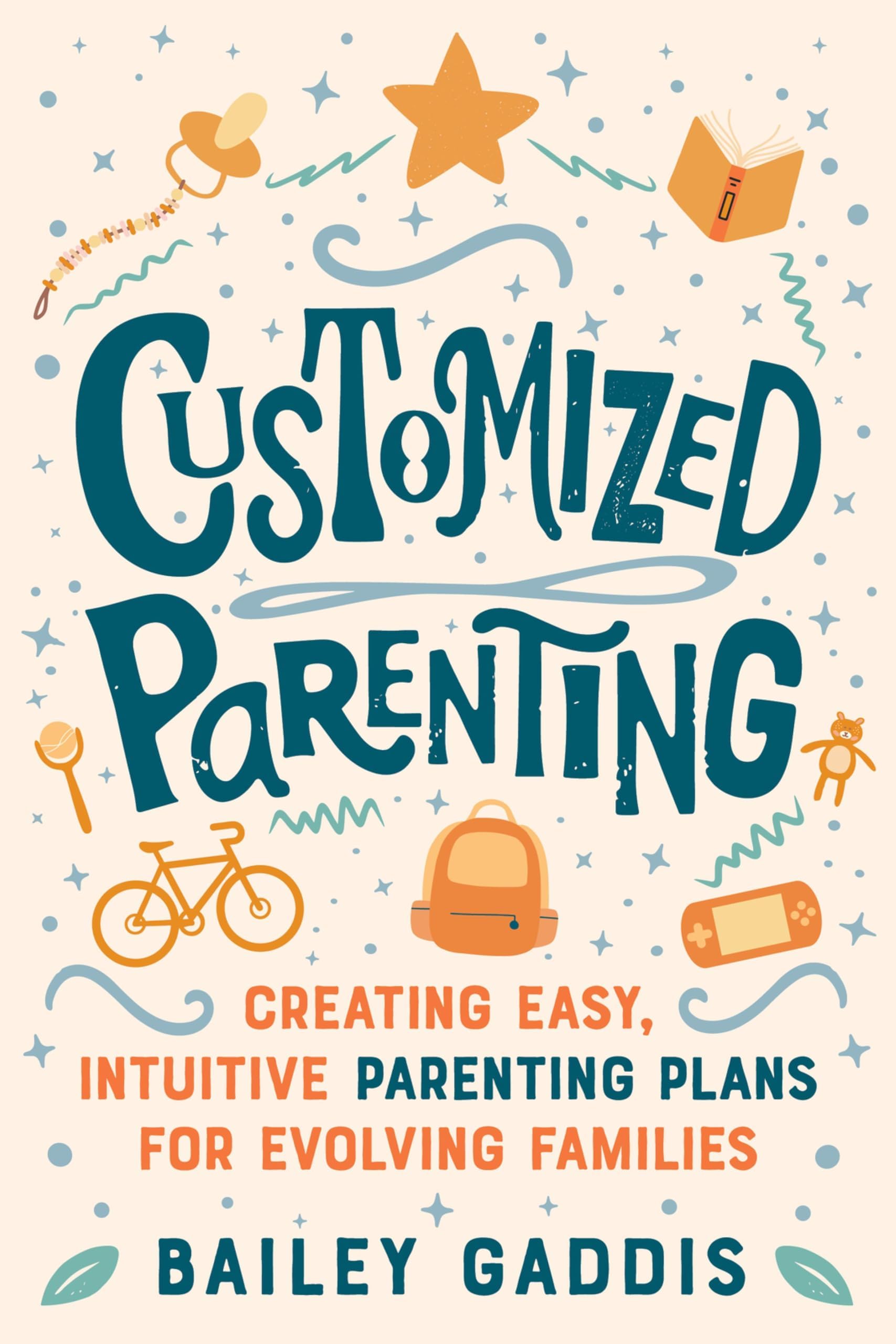
The Tough Talk Toolkit: Big Conversations Without Meltdowns
Difficult conversations with your child go better when you prepare emotionally, choose the right moment, match your language to their age, and lead with curiosity rather than a script.

In this article
Here is a number that stops most parents cold: according to the American Academy of Pediatrics, children whose parents communicate openly about difficult topics are significantly more likely to come to those parents first when something goes wrong at school, in a friendship, or online. Yet a 2023 survey by the CDC found that fewer than half of parents feel confident starting a sensitive conversation with their child. That gap, between wanting to be the person your child turns to and actually feeling equipped to do it, is exactly what this guide is for.
By the time you finish reading, you'll understand:
1. Why Avoiding the Big Talks Usually Backfires
Children don't stop thinking about a topic just because you didn't bring it up. What they do instead is fill the silence with guesswork, and children are not great guessers. A ten year old who hasn't had an honest conversation about death may quietly spend months worrying that every headache means cancer. A twelve year old who hasn't heard anything at home about relationships will construct their entire model from peers and social media.
Research published by Harvard's Center on the Developing Child makes the case clearly: consistent, responsive communication between a parent and child is one of the strongest buffers against anxiety and poor mental health outcomes in later life. This isn't about grand, formal "sits down for a talk" moments. It's about building a family culture where nothing is permanently off the table.
What "hard topics" actually covers
Parents in my clinic most often dread: - Death and grief (including pets) - Sex and puberty - Mental health and self harm - Racism, discrimination, and injustice - Divorce and family change - Money problems - Addiction (sometimes in the family) - Violence and news events
The specific topic matters less than your general approach. A parent who handles a question about a dead goldfish with honesty and warmth is already practising for the conversation about a grandparent, or a school shooting on the news.
2. Reading the Signs: When Your Child Needs to Talk
Sometimes children ask directly. Often they don't. Here are the signals that something is sitting with them:
None of these is a diagnosis. But any of them is a good reason to create a gentle opening rather than waiting for a knock on your bedroom door at eleven at night.
Understanding why children struggle to name their feelings goes a long way here. The part of the brain responsible for putting emotions into words, the prefrontal cortex, is quite literally not finished developing until the mid-twenties. When your eight year old can't explain why they're upset, that's usually biology, not defiance.
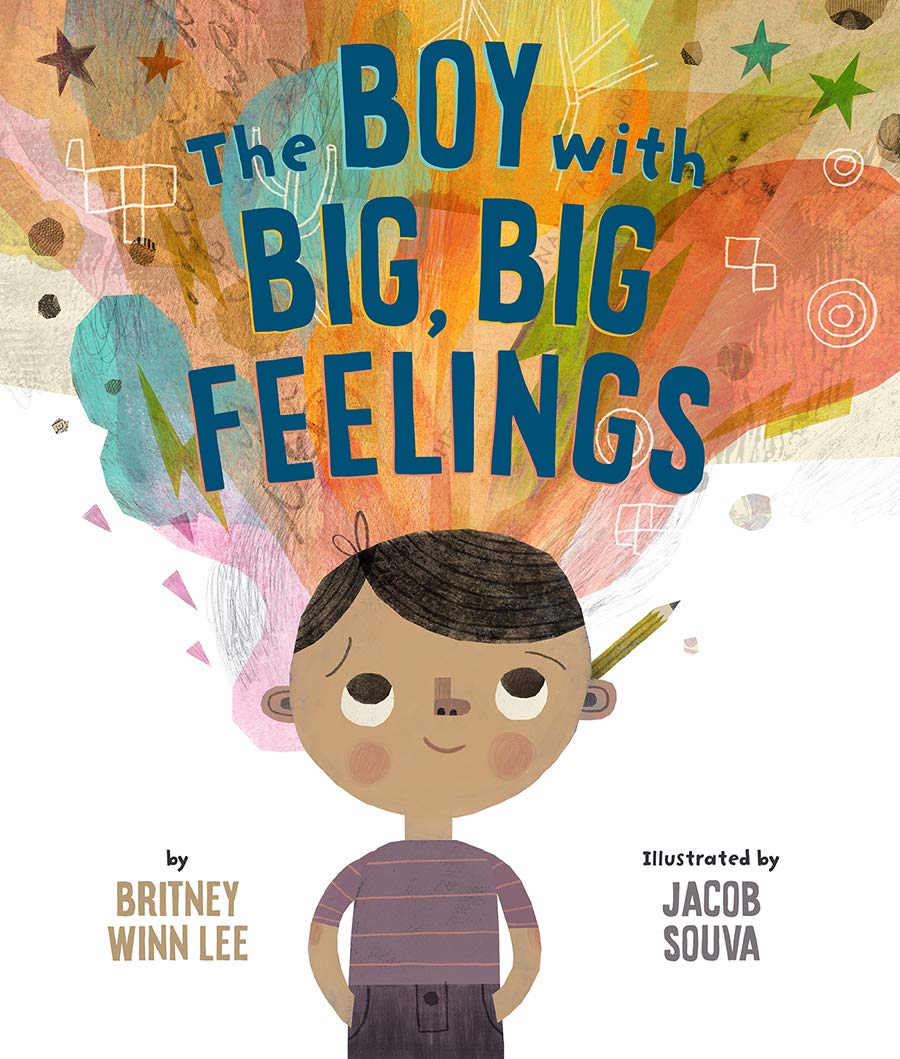


The Boy with Big, Big Feelings (The Big, Big Series, 1)
- Children's Books
- Growing Up & Facts of Life
- Friendship, Social Skills & School Life
3. Setting the Scene: Where and When You Talk
The single most underrated variable in a tough conversation is location. Sitting face to face across a kitchen table, with eye contact expected and nowhere to look, feels like an interrogation to most children (and plenty of adults). Side by side works far better.
Why "shoulder to shoulder" conversations work
Car journeys, walks, cooking together, doing a puzzle: these are all side by side activities. The reduced eye contact takes the pressure off. The activity gives both of you something to look at when the words get awkward. In my experience, parents report more honest conversations on a fifteen minute school run than in a formally arranged "we need to talk" sit down.
Timing matters too
Don't start a big conversation when either of you is hungry, tired, or already upset. Don't start it five minutes before the school bus. Don't start it during a film. A calm, unhurried window is the best preparation you can make.
4. Age by Age: What Your Child Can Actually Understand
Language that lands with a teenager will baffle a five year old. And language designed for a five year old will feel condescending to a twelve year old. Here's a quick map.
Ages 0 to 3: Tone is everything
Babies and toddlers don't parse your words, they read your body and your voice. What you're doing at this stage is building felt safety. When you name their emotions out loud ("You're frustrated, aren't you? That tower fell down") you are literally wiring the brain for emotional vocabulary. The conversations you have now are less about content and more about establishing that feelings are welcome here.
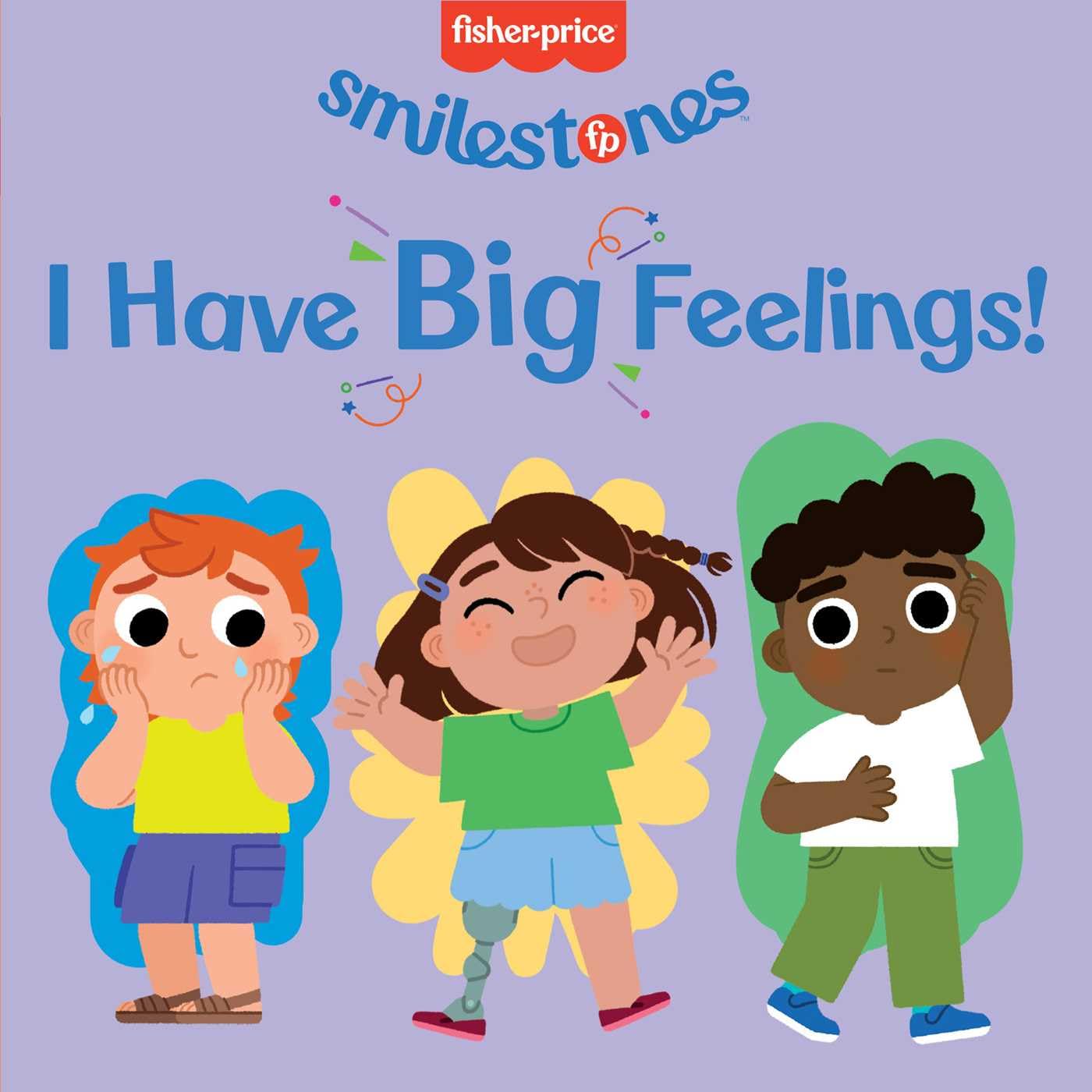
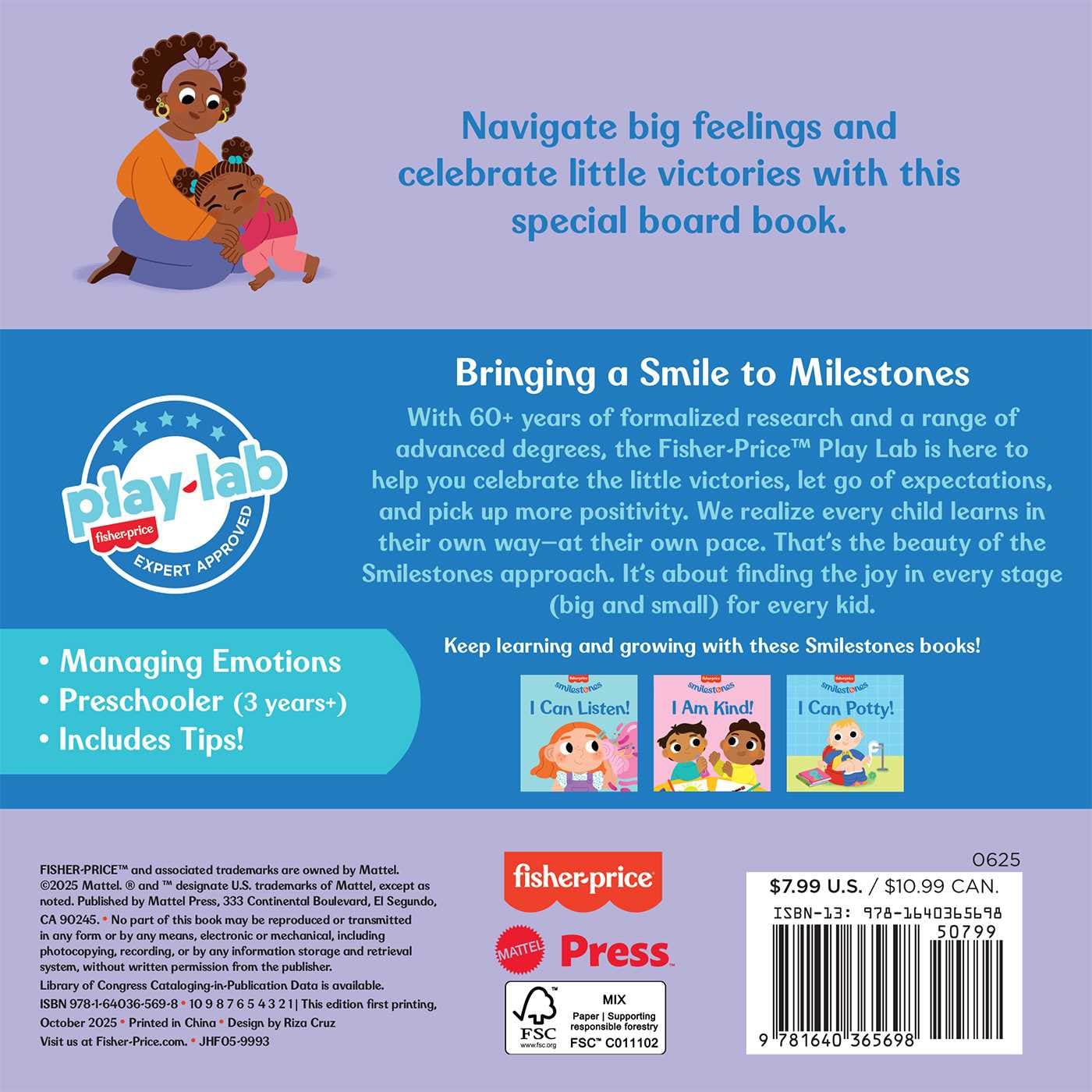
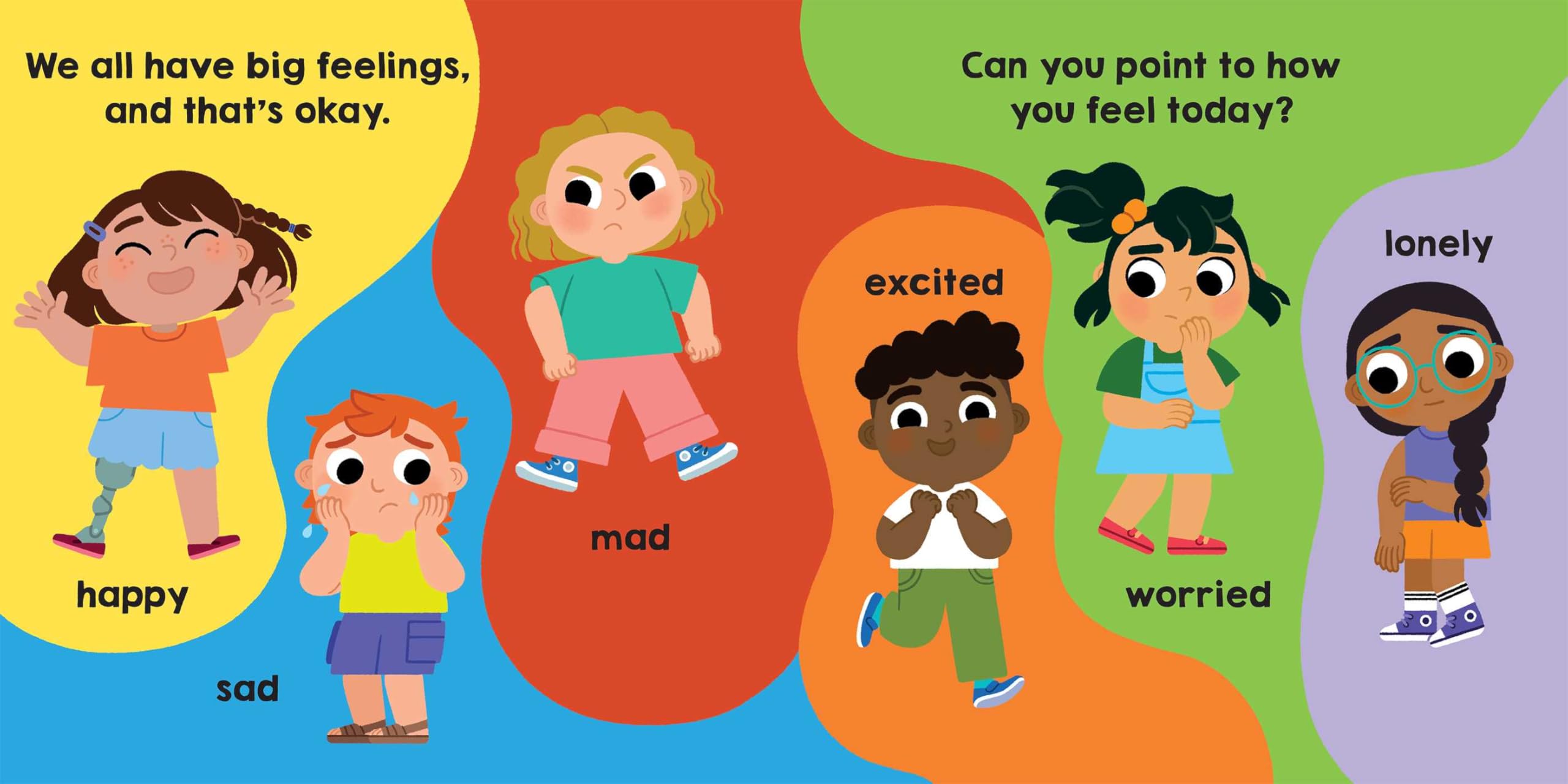
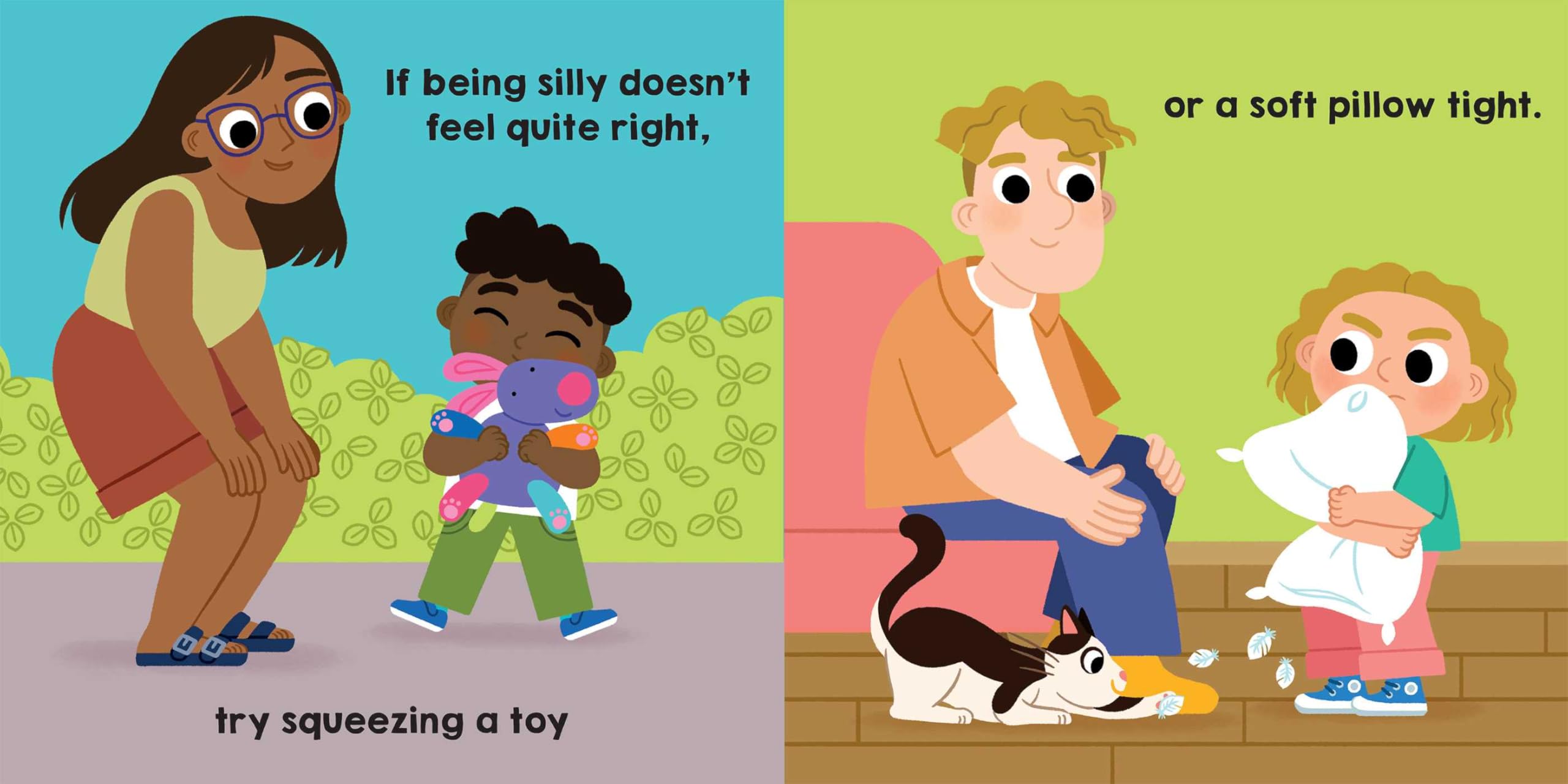
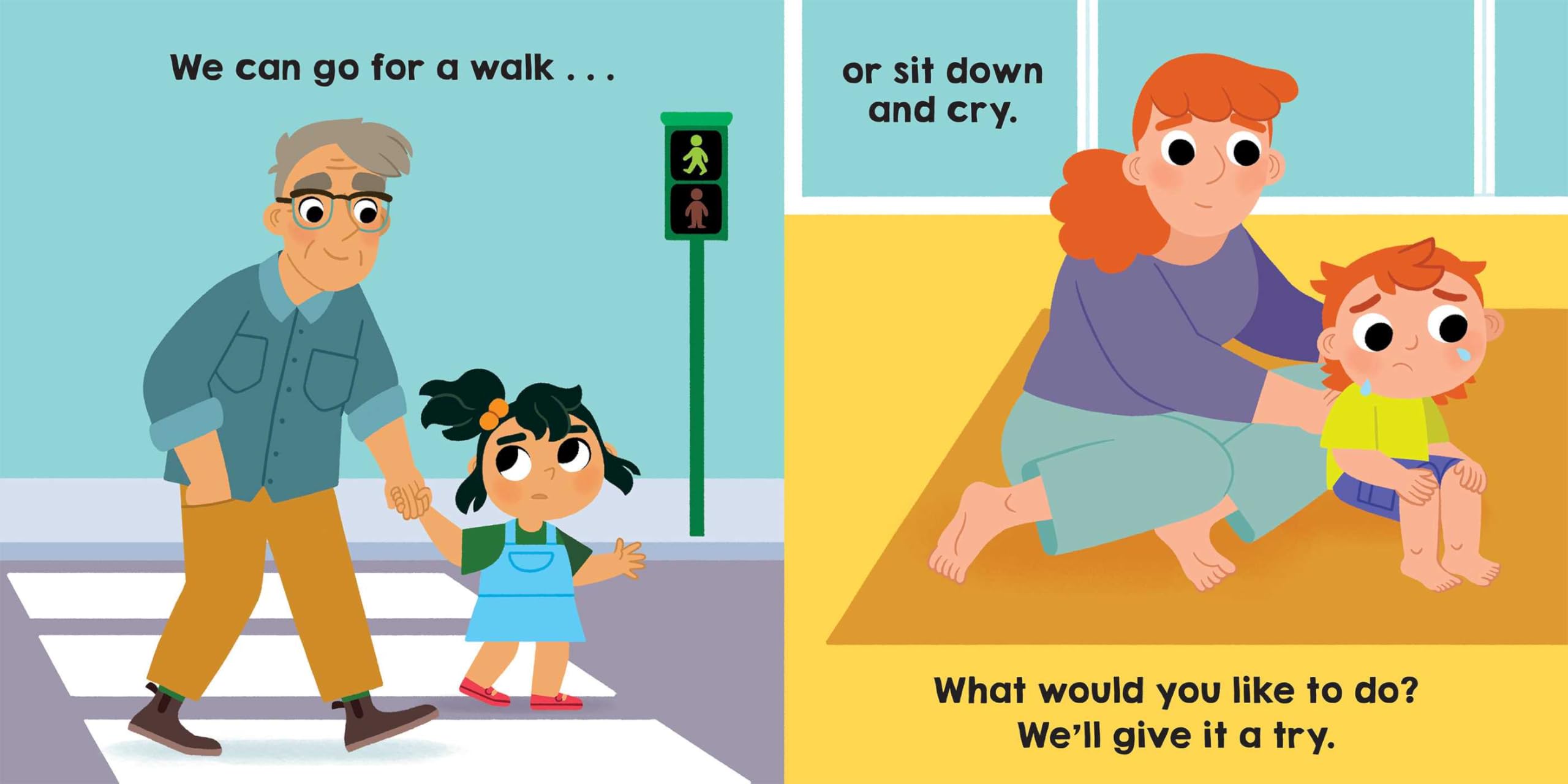
Fisher-Price: I Have Big Feelings! (Smilestones)
- Children's Books
- Growing Up & Facts of Life
- Friendship, Social Skills & School Life
Ages 4 to 7: Concrete and honest
At this age, children are literal thinkers. Euphemisms backfire badly. If you tell a five year old that Grandma "went to sleep", you may create real fear around bedtime. Use honest, simple words. "Grandma died. That means we won't see her anymore, and it's very sad." Then follow their questions rather than delivering a speech. They'll tell you exactly how much they need.
For feelings support at this age, Letters from Emotions and Harper Handles Big Feelings both work well as conversation starters you can read together before a difficult talk.
Ages 8 to 11: Context and fairness
This age group wants to understand the "why". They have a strong sense of fairness and are beginning to think abstractly. They can handle more nuance. "Sometimes adults make mistakes, and here's what happened in our family" will go down better than vague reassurance.


The Big Feelings Book for Children: Mindfulness Moments to Manage Anger, Excitement, Anxiety, and Sadness
- Children's Books
- Growing Up & Facts of Life
- Friendship, Social Skills & School Life
Ages 12 to 17: Collaboration, not lecture
Teenagers don't want to be told. They want to be consulted. The quickest way to shut down a teenager is to begin a conversation you've already decided the outcome of. Start with their perspective, stay genuinely curious, and share your own view as one view among others. You can read more about the neurological reasons for this in our piece on what's happening in the adolescent brain, which is eye opening even for parents of neurotypical teens.
5. The Listening Part (Most Parents Skip This)
Most parents prepare what they're going to say. Very few prepare to listen. Active listening is not nodding politely while you plan your next sentence. It involves:
The habit of active listening is one of the highest return parenting investments you can make, and it costs nothing except attention.
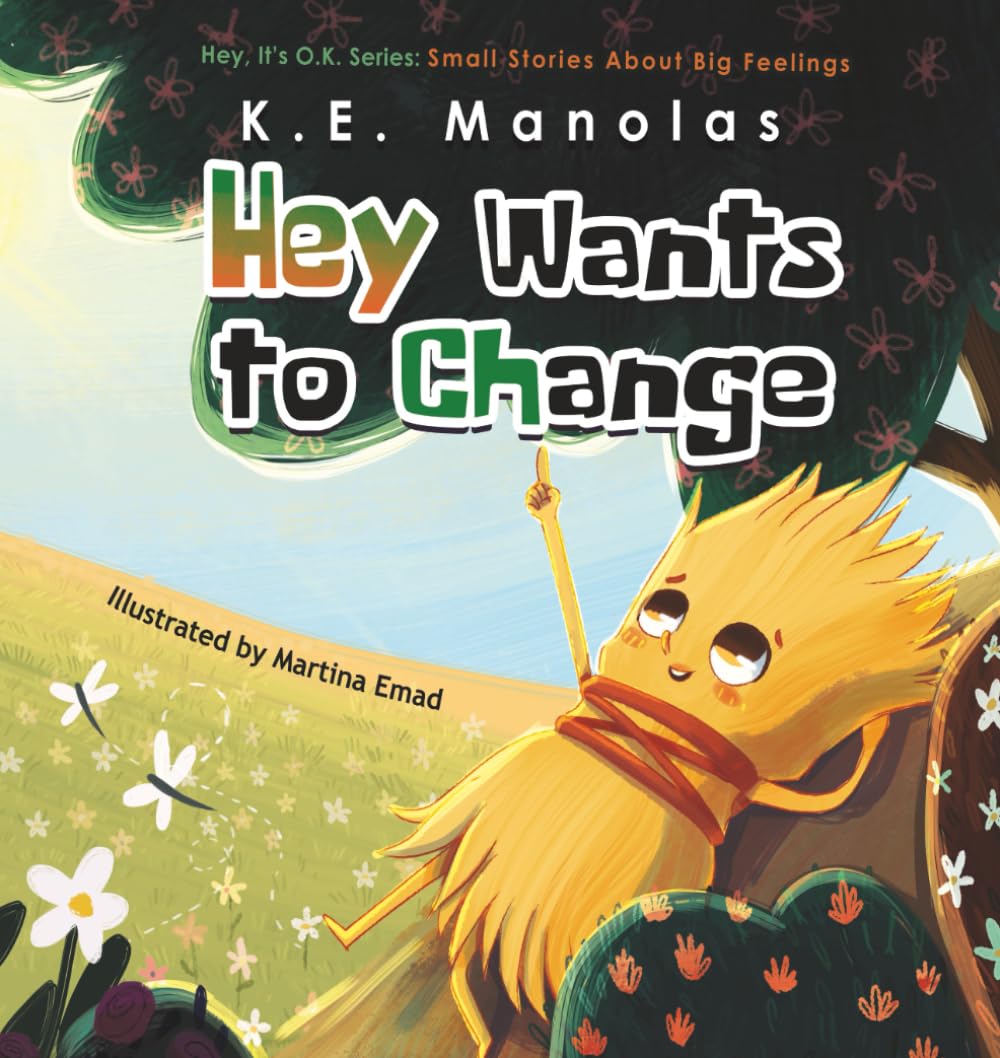
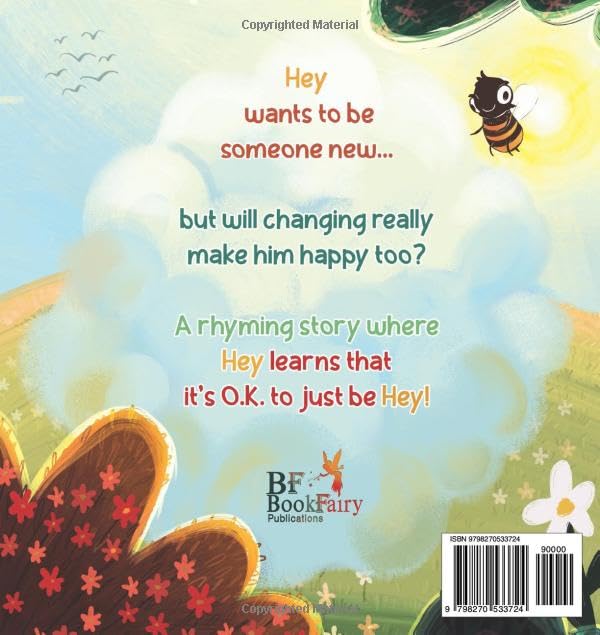
Hey Wants To Change: Small stories about big feelings (Hey It's O.K.)
- Children's Books
- Growing Up & Facts of Life
- Friendship, Social Skills & School Life
6. When It Goes Wrong: Recovering a Conversation That's Gone Off the Rails
Every parent has said the wrong thing. The conversation you meant to have gently somehow ends with a slammed door. Here is what actually helps.
Repair quickly and without drama
A short, honest repair is worth more than a long apology: "I came in too hot last night. I was worried and it came out as anger. I'm sorry. Can we try again?" Most children, even teenagers, respond to this. What they need to see is that rupture doesn't mean permanent damage.
Don't make it a win/lose situation
If a conversation has become a debate with a winner and a loser, the relationship loses regardless of who "wins" the point. Aim for understanding, not agreement. You can hold a firm boundary ("You're not going to that party") while still honouring your child's feelings about it ("I get that you're furious with me right now, and that's okay").
After the storm
Once a difficult conversation has ended, the follow up matters. Check in the next day: "I've been thinking about what we talked about. How are you feeling?" This tells your child the conversation wasn't a one off. It was an opening.
For broader context on what makes the parent and child relationship resilient enough to survive difficult moments, the piece on what a healthy parent child relationship looks like is worth bookmarking.
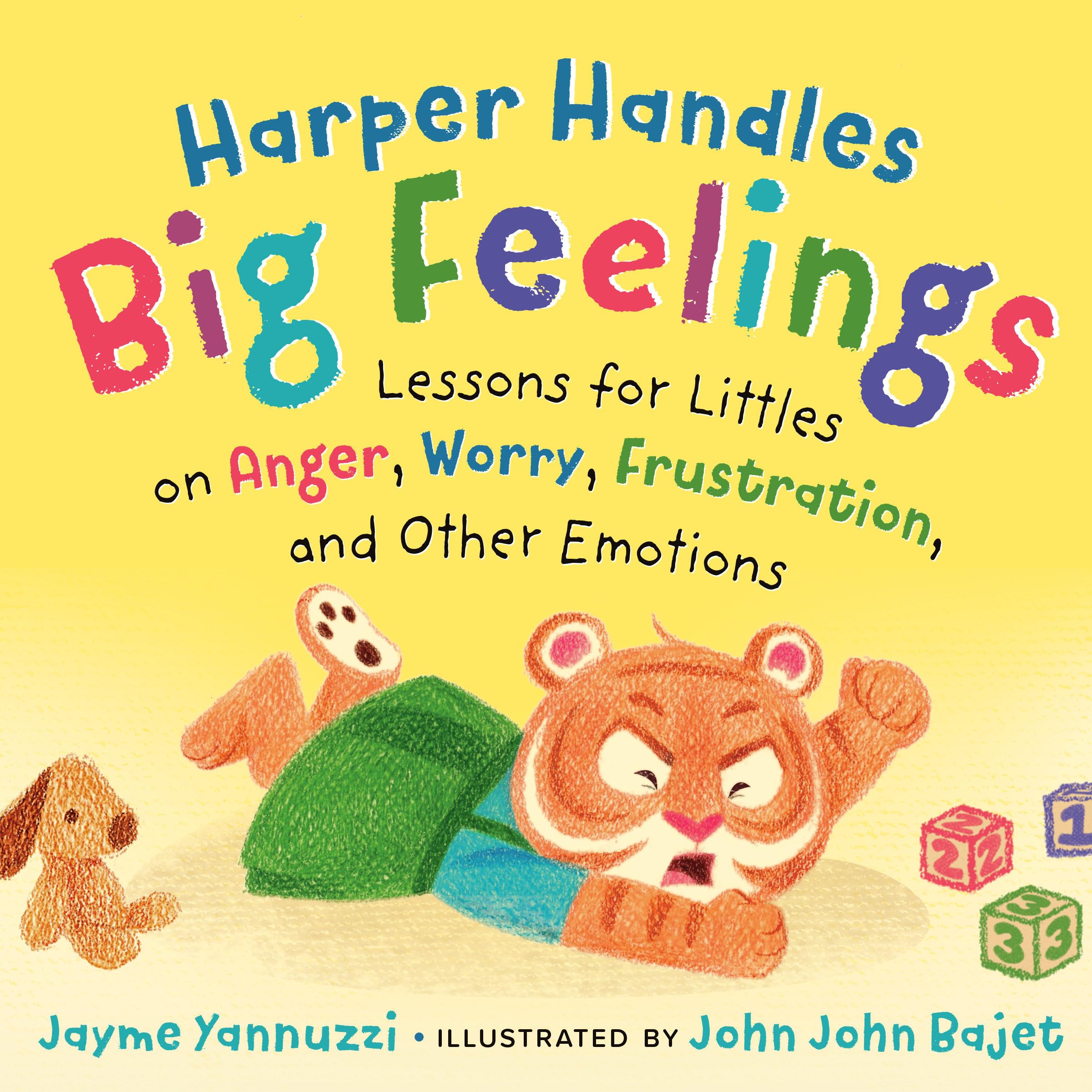

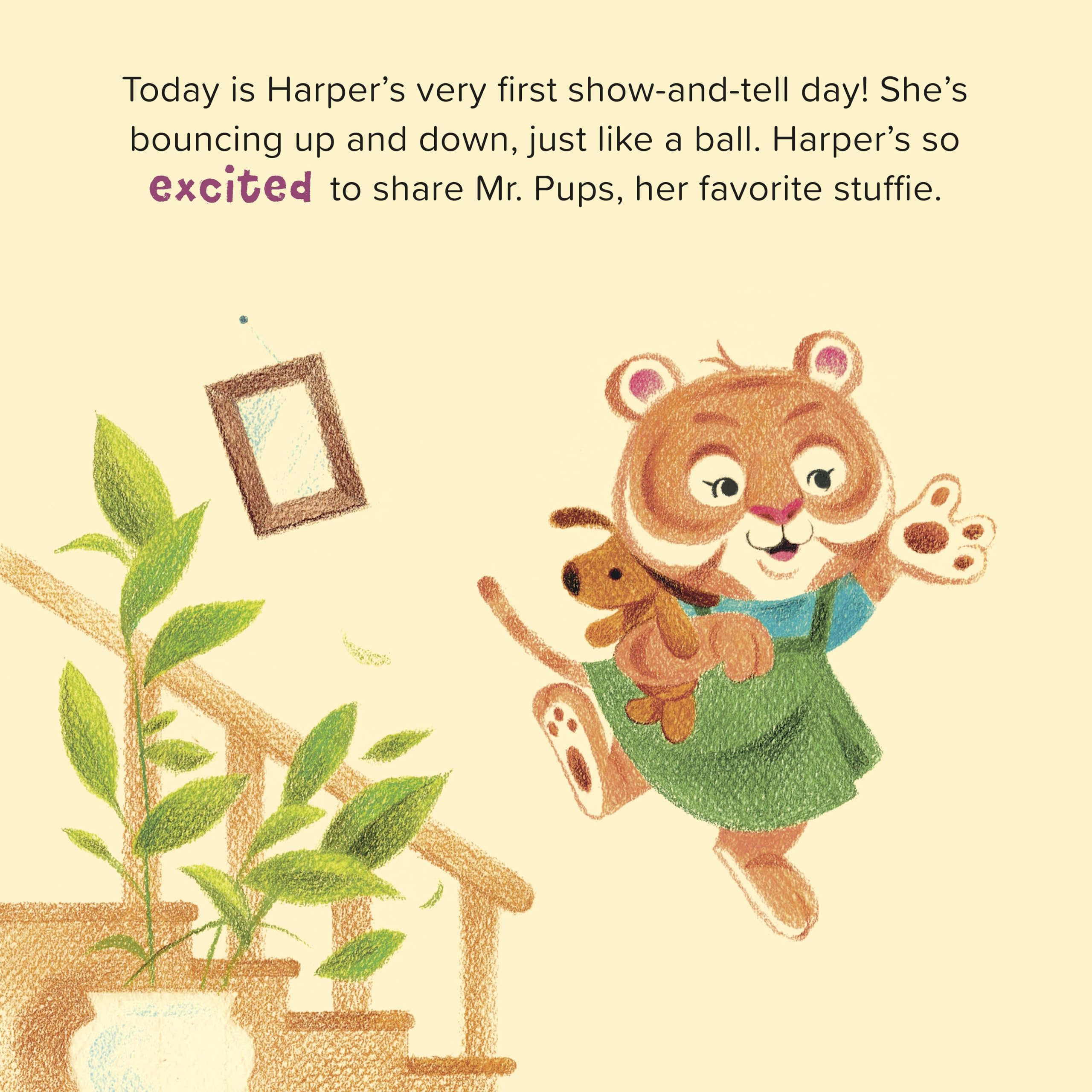
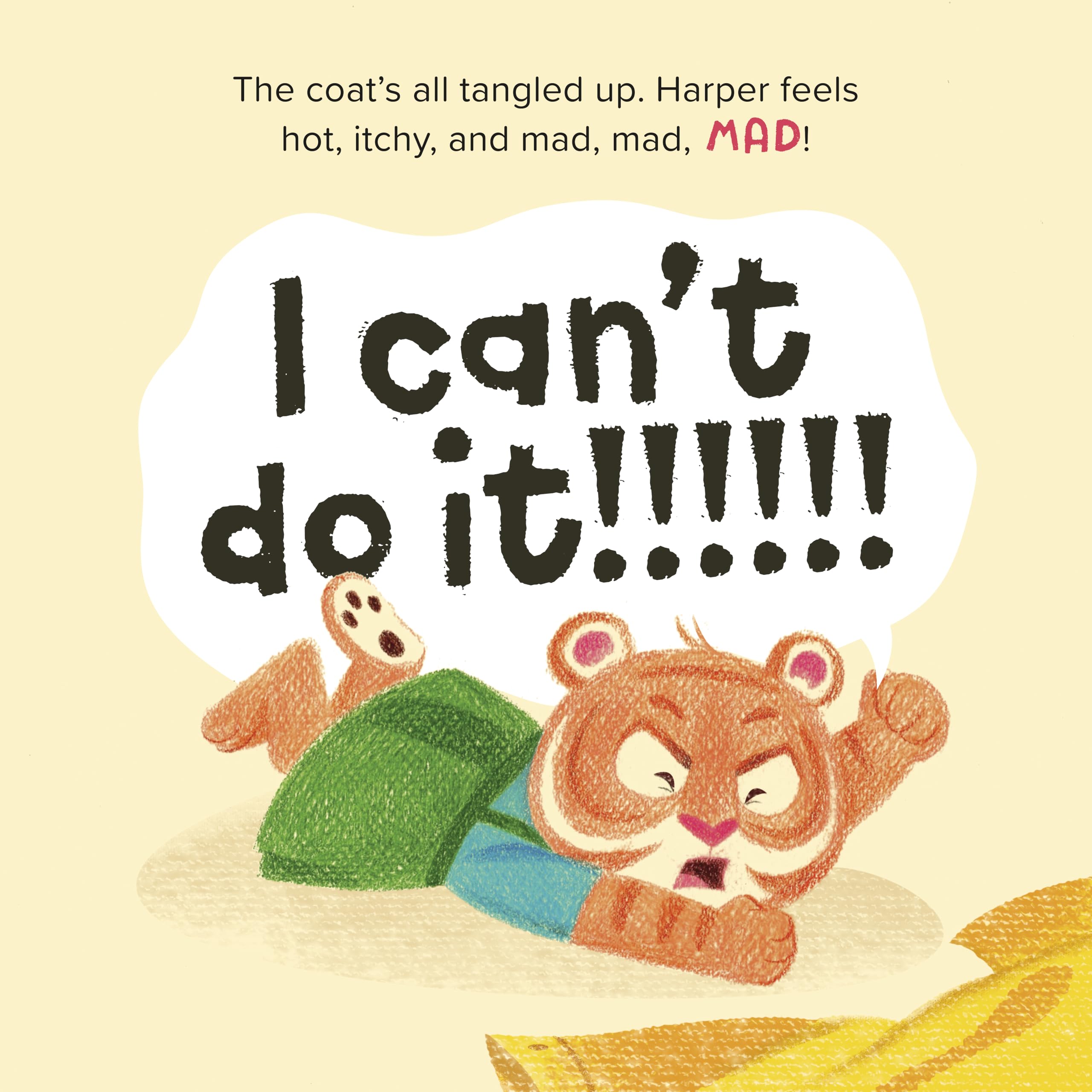
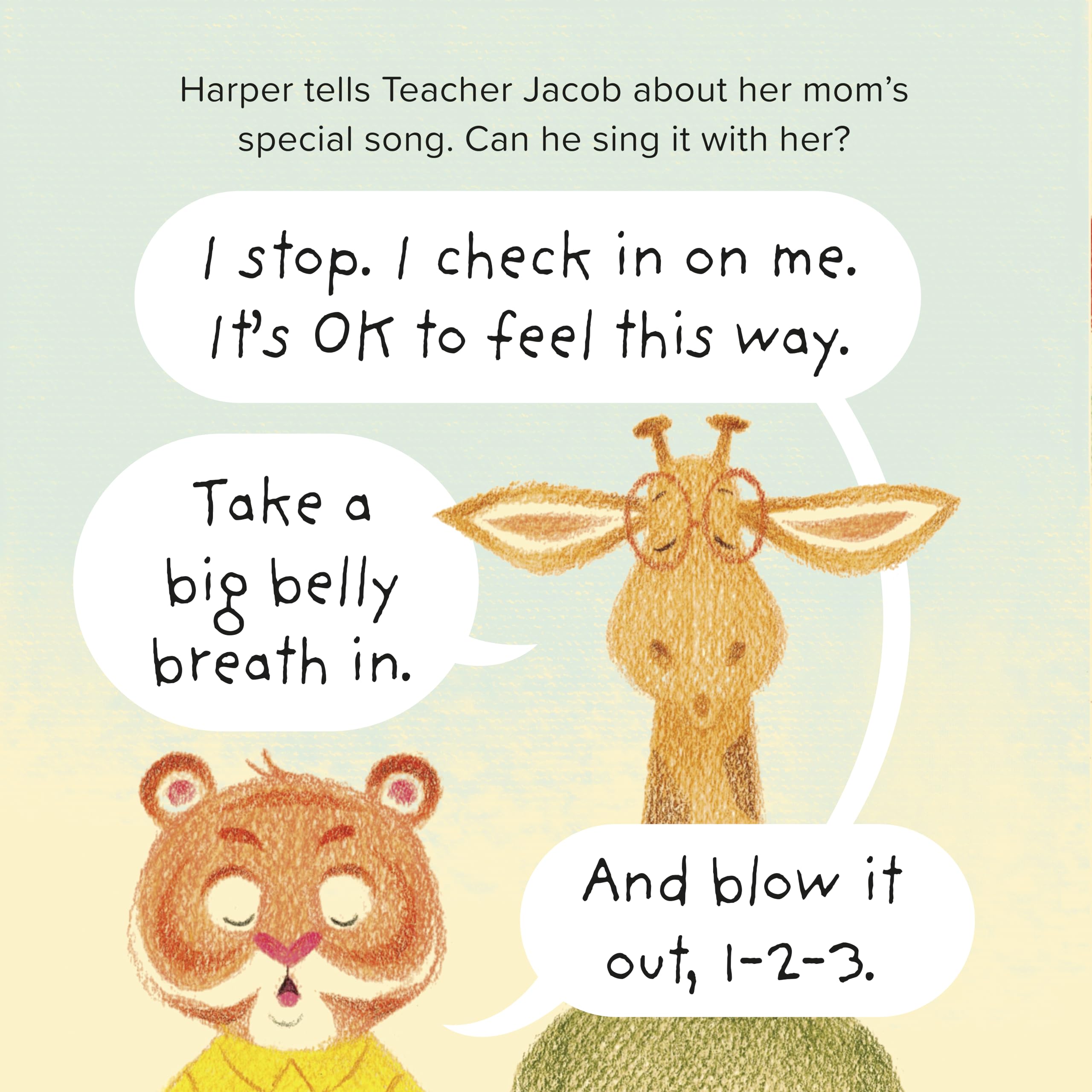
Harper Handles Big Feelings: Lessons for Littles on Anger, Worry, Frustration, and Other Emotions
- Children's Books
- Growing Up & Facts of Life
- Friendship, Social Skills & School Life
Age vs Topic: A Quick Reference for Parents
| Age Stage | Best Setting | Language Style | Biggest Pitfall | Recommended Resource |
|---|---|---|---|---|
| 0–3 (babies and toddlers) | Anywhere calm, held or side by side | Simple emotion naming, tone focused | Avoiding feelings words entirely | Fisher-Price Big Feelings |
| 4–7 (early childhood) | Bedtime or a walk | Concrete, literal, honest | Euphemisms that confuse or frighten | Letters from Emotions |
| 8–11 (middle childhood) | Side by side activity | Context and "why" focused | Talking down or oversimplifying | Big Feelings Book for Children |
| 12–14 (early teens) | Car ride or a walk | Collaborative, curious | Lecturing or having a hidden agenda | Hey Wants To Change |
| 15–17 (older teens) | Their space, their timing | Peer adjacent, honest | Starting with your conclusion | The Boy with Big Feelings |
Expert Insights
The ability to sit with your child through something uncomfortable, neither rushing to fix it nor avoiding it altogether, is one of the most quietly powerful things you can do as a parent. You don't need perfect words. You need presence, patience, and the willingness to come back when it gets hard. Your child doesn't need you to have all the answers. They need to know you won't disappear when the questions get big.
If this guide was useful, save it for the next time you're about to walk into a difficult conversation and feel your nerve going. And if you have a partner or co parent, share it. These conversations go better when both of you are using the same approach.
Sources & References
- American Academy of Pediatrics. "Family Communication." HealthyChildren.org. 2023. https://www.healthychildren.org
- Centers for Disease Control and Prevention. "Parent Communication and Adolescent Health." 2023. https://www.cdc.gov
- Harvard Center on the Developing Child. "Serve and Return Interaction Shapes Brain Circuitry." 2023. https://developingchild.harvard.edu
- Siegel, D.J. and Payne Bryson, T. "The Whole-Brain Child." Delacorte Press, 2011.
- Greene, R.W. "The Explosive Child." HarperCollins, 2014. Lives in the Balance: https://www.livesinthebalance.org
- National Institute of Child Health and Human Development. "Talking with Children About Difficult Topics." 2022. https://www.nichd.nih.gov
- Royal College of Paediatrics and Child Health. "Communicating with children and young people." 2021. https://www.rcpch.ac.uk
Frequently Asked Questions
My child shuts down and says "nothing" when I ask what's wrong. What can I do?
How do I talk to my child about something I find genuinely upsetting, like a family illness or a death?
My teenager refuses to talk to me at all. Is that normal?
What age should I start talking about puberty?
What do I do if my child asks a question I genuinely don't know how to answer?
Is it okay to share my own childhood experiences during these conversations?
How do I talk to a child who has been through trauma?
Was this helpful?
Thanks — your feedback helps us pick what to write next.