Toddler Sleep Regression: Why It Happens and How to Fix It
Toddler sleep regression is a temporary, developmentally normal disruption in sleep patterns, most common at 18 months and 2 years, caused by brain growth, new skills, and emotional leaps — and it responds well to consistent routines and calm parental responses.
In this article
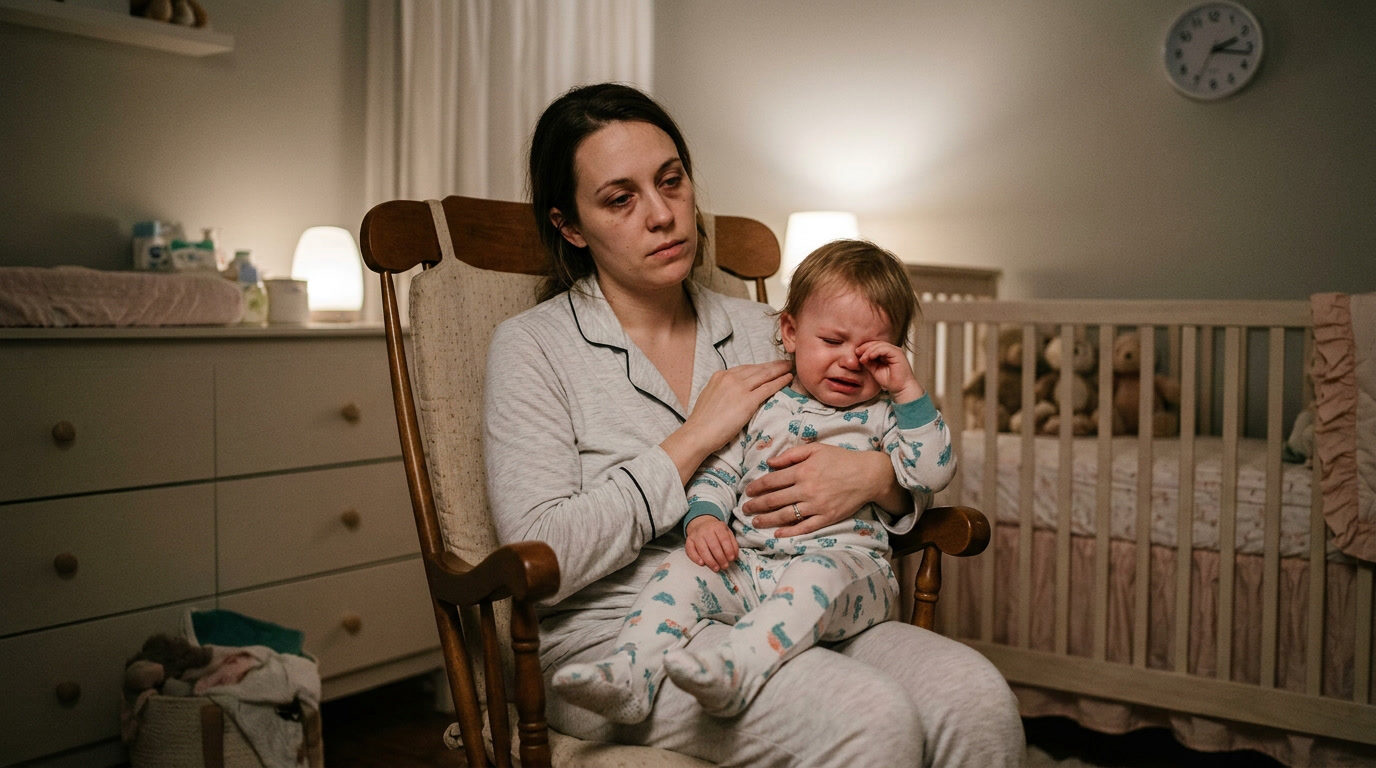
It is 2 a.m. and your toddler, who slept beautifully for three months straight, is standing in their crib screaming. You have not changed anything. And yet here you are. If this sounds familiar, you are in excellent company: according to the American Academy of Sleep Medicine, up to 30 percent of toddlers experience significant sleep disruptions at some point between ages 1 and 3. This is not a parenting failure. It is developmental biology doing its job, loudly, at the worst possible hour.
In this guide you will understand:
1. What Is Toddler Sleep Regression (and What It Is Not)
Sleep regression is a sudden, temporary return to fragmented sleep after a period of solid rest. It is not your toddler "forgetting" how to sleep, and it is not a sign that your previous approach was wrong. What it actually is: a sign that your child's brain is working overtime.
The neuroscience in plain language
During the toddler years, synaptic connections in the prefrontal cortex multiply at a rate that will never be matched again in life. This surge of neural activity is metabolically demanding and cognitively stimulating, which makes it harder for your toddler's brain to power down. As explained in how toddler brains learn, the very mechanisms that drive language, memory, and problem-solving during the day are the same ones disrupting sleep at night.
What regression looks like day to day
- Sudden night wakings after weeks of sleeping through - Resistance to the usual bedtime routine - Increased clinginess or separation anxiety at sleep time - Early morning waking (before 5:30 a.m.) - Shorter or refused naps
2. The Key Regression Ages: 18 Months and 2 Years
Two regressions dominate the toddler period, and knowing they are coming helps you respond rather than panic.
The 18-month regression
This one tends to blindside parents because it often arrives just as the 12-month disruption has faded. At 18 months, your toddler is experiencing a language explosion, rapid motor development, and a surge in separation anxiety driven by a maturing awareness of object permanence. They now know you exist when you leave the room, and they very much want you to come back.
The cognitive leaps behind toddler emotions during this period mean bedtime battles are not defiance; they are a toddler who genuinely feels distressed when you walk out the door.
The 2-year regression
At 2, the regression is often tangled with the developmental leap toward autonomy ("I do it myself") and the beginning of imaginative play, which brings vivid dreams. Molars also erupt around this time, adding physical discomfort to the mix. Nap transitions — the shift from two naps to one, or from one nap to none — frequently overlap with this regression, amplifying the disruption.

Healthy Sleep Habits, Happy Child, 5th Edition: A New Step-by-Step Guide for a Good Night's Sleep
- Health, Fitness & Dieting
- Diseases & Physical Ailments
- Sleep Disorders
3. Causes Beyond the Obvious: What Else Triggers a Regression
Developmental milestones are the headline cause, but several other factors commonly converge to make sleep worse.
Routine disruptions
Toddlers are creatures of predictability. A family holiday, starting nursery, a new sibling, or even rearranging the bedroom can unsettle the sense of safety that underpins good sleep. The disruption does not need to be dramatic; even a run of late bedtimes over a long weekend can reset your toddler's circadian cues in the wrong direction.
Illness and teething
A run of ear infections or a stretch of molar pain can fracture sleep so thoroughly that, even after the illness resolves, the wakings continue as a conditioned habit. This is sometimes called "post-illness sleep debt," and it responds well to consistent gentle re-setting rather than waiting it out passively.
Overtiredness (the sleep trap)
Counter-intuitively, keeping a toddler up later in hopes they will "sleep harder" usually backfires. Overtiredness triggers a cortisol spike that makes it harder, not easier, to fall and stay asleep. The American Academy of Pediatrics (AAP) recommends that toddlers aged 1 to 2 get 11 to 14 hours of sleep in 24 hours, including naps.
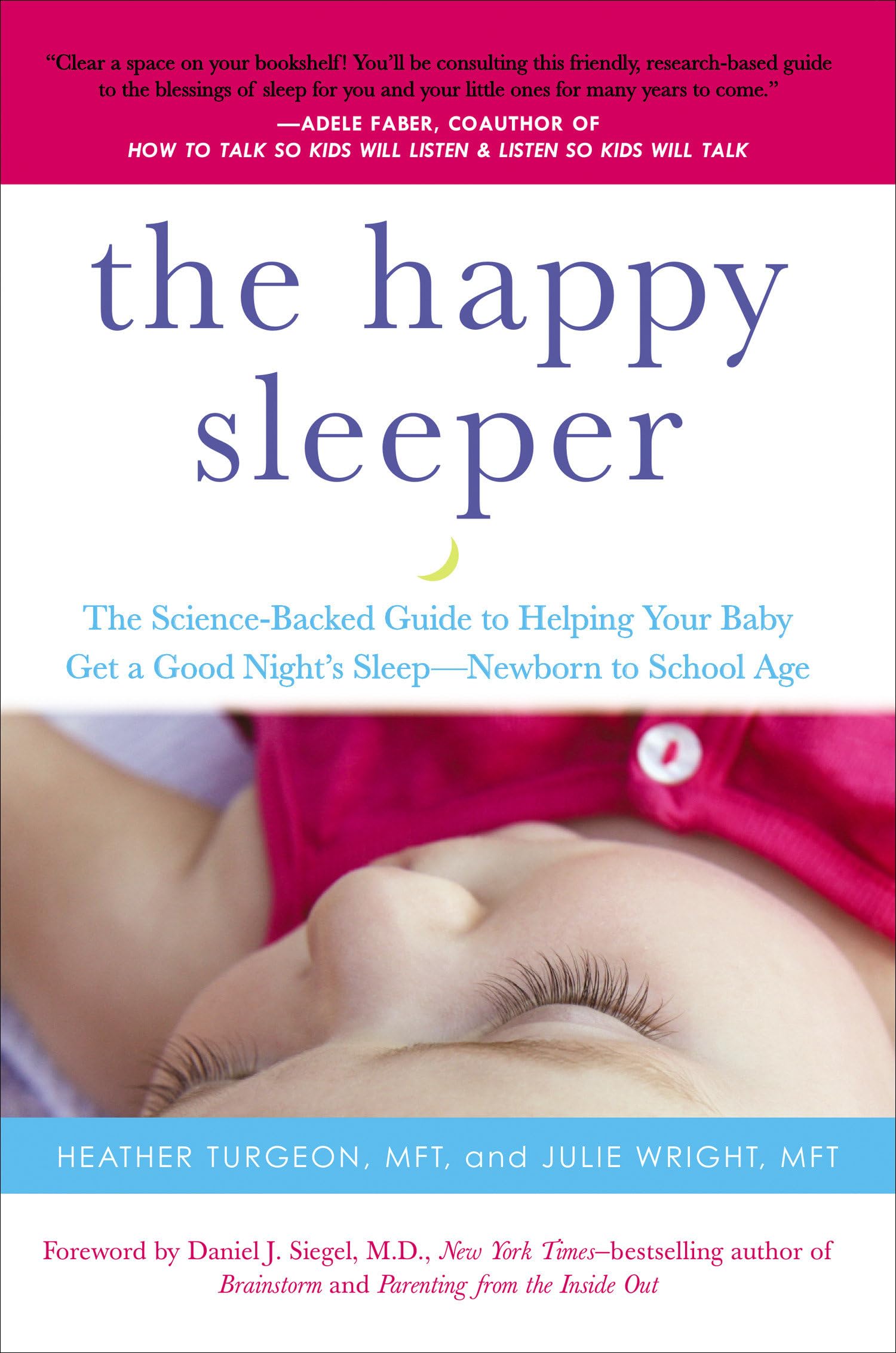
The Happy Sleeper: The Science-Backed Guide to Helping Your Baby Get a Good Night's Sleep-Newborn to School Age
- Health, Fitness & Dieting
- Diseases & Physical Ailments
- Sleep Disorders
4. Evidence-Based Strategies to Restore Sleep Faster
The research consistently points to the same core principle: predictability and a calm parental response are your most powerful tools.
Build an airtight bedtime routine
A 20 to 30 minute, same-order routine (bath, pyjamas, two books, one song, lights out) acts as a reliable biological cue that sleep is coming. A 2009 study published in the journal Sleep (Mindell et al.) found that a consistent bedtime routine significantly improved sleep onset latency and night wakings in toddlers across cultures.
Respond consistently, not immediately
During a regression, toddlers often call out or cry without being in distress. Waiting 2 to 3 minutes before responding gives your child the opportunity to resettle independently, a skill they genuinely need to practise. This is different from leaving a distressed child to cry indefinitely; it is simply allowing a brief window before you intervene.
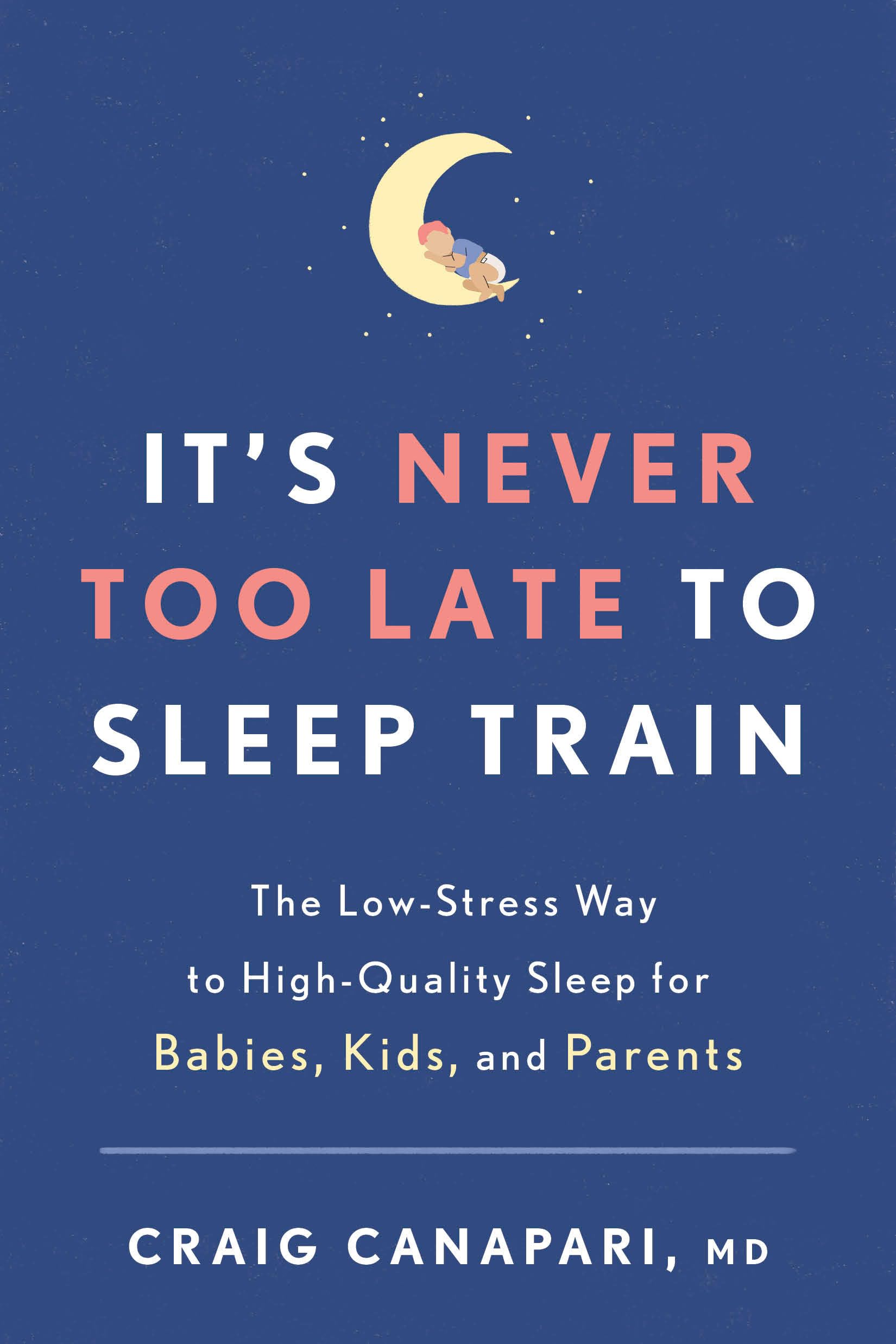
It's Never Too Late to Sleep Train: The Low-Stress Way to High-Quality Sleep for Babies, Kids, and Parents
- Health, Fitness & Dieting
- Diseases & Physical Ailments
- Sleep Disorders
Sleep training during a regression
If you are considering sleep training, a regression is actually a reasonable time to start, not a reason to wait. Ferber's classic guide and Precious Little Sleep both address how to adapt sleep-training frameworks when developmental disruptions are active.
5. What to Do During the Day to Protect Night Sleep
Night sleep is won or lost during the day. The choices you make about naps, activity, and light exposure from 7 a.m. onward directly shape how your toddler's circadian system performs after dark.
Protect the nap strategically
Between ages 1 and 2, most toddlers still need one nap of 1 to 2 hours, ideally ending by 3 p.m. Letting the nap run too late compresses "sleep pressure" (the biological drive for night sleep) and delays bedtime. The physical activity that builds healthy sleep pressure is well documented; active daily movement through running, climbing, and outdoor play is one of the most underused sleep tools available to parents.
Light and screens
Morning light exposure (even 10 minutes outside after breakfast) helps anchor your toddler's circadian rhythm. Screens in the 60 minutes before bed emit short-wavelength blue light that suppresses melatonin production; the AAP recommends avoiding screens for all children under 18 to 24 months except video calls, and limiting to one hour per day of high-quality programming for ages 2 to 5.

Twelve Hours' Sleep by Twelve Weeks Old: A Step-by-Step Plan for Baby Sleep Success
- Health, Fitness & Dieting
- Diseases & Physical Ailments
- Sleep Disorders
6. When to Worry: Red Flags vs. Normal Regression
Most toddler sleep disruptions are normal and time-limited. A small subset of cases signal something that warrants clinical attention.
Signs this is normal regression
Red flags to discuss with your paediatrician
- Loud snoring, gasping, or pauses in breathing during sleep (possible obstructive sleep apnoea) - Sleep disruption lasting more than 6 to 8 weeks with no improvement - Significant daytime behaviour changes: extreme hyperactivity, aggression, or regression in already-mastered skills - Night terrors that occur in the first third of the night and involve your child being unreachable (distinct from nightmares, which happen in the second half of the night and leave the child fully awake and aware)
Understanding patterns of sleep disruption over time can help you track whether what you are seeing is on the expected developmental timeline or outside it.

Solve Your Child's Sleep Problems: New, Revised, and Expanded Edition
- Health, Fitness & Dieting
- Diseases & Physical Ailments
- Sleep Disorders
Comparing Sleep Support Approaches for Toddler Regressions
| Approach | Best For | Key Benefit | Main Drawback | Recommended Resource | Price Range |
|---|---|---|---|---|---|
| Consistent bedtime routine only | Mild regressions, first-time disruptions | Low stress, evidence-backed, easy to start tonight | Slower results if habits are already entrenched | Healthy Sleep Habits, Happy Child | $5–6 |
| Graduated check-in (e.g. Ferber method) | Toddlers with sleep associations who can self-settle with support | Clear structure, parent stays involved | Requires consistency across all caregivers | Solve Your Child's Sleep Problems | $11–12 |
| Fading / chair method | Parents who find abrupt withdrawal distressing | Gentler parental presence reduction | Takes longer; easy to stall if parent lingers | The Happy Sleeper | $14–15 |
| Full sleep training programme | Persistent sleep problems beyond 6 weeks | Comprehensive, step-by-step structure | Requires commitment and parental consistency | It's Never Too Late to Sleep Train | $15–16 |
| Structured sleep plan book | Parents who want a week-by-week road map | Highly specific milestones and timelines | Originally designed for younger babies; adapt for toddlers | Twelve Hours' Sleep by Twelve Weeks Old | $7–8 |
| Whole-family audit (routines, light, activity) | Regressions with multiple contributing factors | Addresses root causes, not just symptoms | Requires more parental effort and observation | Precious Little Sleep | $12–13 |
Expert Insights
You made it through another 2 a.m. wake-up to read this, and that matters. Toddler sleep regressions feel endless in the moment, but the data is genuinely reassuring: this phase is time-limited, it means your child is growing well, and your calm consistency is the most powerful thing in the room. The families who come through regressions with the least damage are not the ones with a perfect plan; they are the ones who keep showing up the same way, night after night, even when it is hard.
Regressions are not the end of good sleep. They are a pause on the way to more of it.
If this helped, save it for 3 a.m. or share it with another parent who is in the thick of it right now.
Sources & References
- American Academy of Pediatrics. "Healthy Sleep Habits: How Many Hours Does Your Child Need?" 2022. https://www.healthychildren.org/English/healthy-living/sleep/Pages/healthy-sleep-habits-how-many-hours-does-your-child-need.aspx
- American Academy of Sleep Medicine. "Recommended Amount of Sleep for Pediatric Populations." Journal of Clinical Sleep Medicine, 2016. https://aasm.org/resources/pdf/pediatricsleepdurationconsensus.pdf
- Mindell, J.A., Meltzer, L.J., Carskadon, M.A., & Chervin, R.D. "Developmental aspects of sleep hygiene: findings from the 2004 National Sleep Foundation Sleep in America Poll." Sleep Medicine, 10(7), 771–779. 2009.
- Canapari, C. "It's Never Too Late to Sleep Train." Rodale Books, 2019.
- Weissbluth, M. "Healthy Sleep Habits, Happy Child." 5th Edition. Ballantine Books, 2015.
- Mindell, J.A., & Owens, J.A. "A Clinical Guide to Pediatric Sleep: Diagnosis and Management of Sleep Problems." Lippincott Williams & Wilkins, 2015.
- Lullaby Trust. "Safe Sleep Guidance." 2023. https://www.lullabytrust.org.uk/safer-sleep-advice/
- NHS. "Sleep and tiredness in toddlers and young children." 2023. https://www.nhs.uk/conditions/baby/caring-for-a-newborn/sleep-and-tired-toddlers/
Frequently Asked Questions
How long does a toddler sleep regression last?
Should I sleep train during a regression?
Is the 18-month sleep regression the worst one?
My toddler was sleep trained but has regressed. Do I have to start over?
Can teething cause a sleep regression?
What is the difference between a night terror and a nightmare during regression?
Does co-sleeping help or hinder a sleep regression?
Was this helpful?
Thanks — your feedback helps us pick what to write next.