
Why Children's Mental Health Starts Before They Can Speak
Children's mental health is shaped from the very first days of life, and parents who understand the warning signs at each stage — and build resilience intentionally — give their children the strongest possible foundation for lifelong wellbeing.

In this article
Think about the most positive, unshakeable person you know. Now imagine watching them quietly fall apart — and not knowing what to do. For millions of families, that scenario is not hypothetical. According to the World Health Organization, approximately 1 in 5 children and adolescents worldwide experiences a mental health condition, yet fewer than half receive any form of care. The gap between need and support is one of the most urgent issues in paediatric health today.
This guide is Part 1 of a two-part series built around a real journey of resilience — a story of a mother who faced extraordinary adversity and found her way through. But it is also a practical, evidence-based roadmap for every parent reading this, whatever age your child is right now.
By the end, you'll understand:
1. Why Children's Mental Health Starts Before They Can Speak
Mental health does not begin at school age — it begins in the womb and takes shape in the first 1,000 days of life. The American Academy of Pediatrics (AAP) recognises that early relational experiences, particularly the quality of attachment between a caregiver and infant, lay the neurological groundwork for emotional regulation, stress response, and social connection for decades to come.
The Newborn–12 Month Window
Your baby arrives already primed to read your emotional cues. When you respond consistently to their cries — picking them up, soothing them, making eye contact — you are literally wiring their brain for security. This is called secure attachment, and it is one of the most robust protective factors against later anxiety and depression that developmental science has ever identified.
Red flags in this stage are subtle but worth knowing:



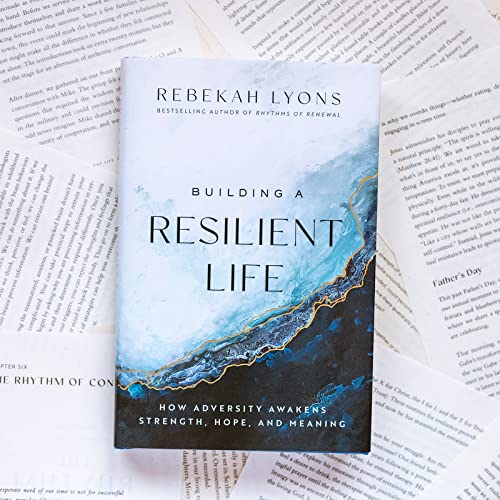
Building a Resilient Life: How Adversity Awakens Strength, Hope, and Meaning
- Religion & Spirituality
- Christian Books & Bibles
- Christian Living
2. Toddler and Preschool Years (Ages 1–5): Big Emotions in Small Bodies
Toddlers are not being difficult on purpose — they are experiencing emotions they have no language for yet. The prefrontal cortex, the brain region responsible for impulse control and emotional regulation, will not be fully developed until the mid-twenties. Your three-year-old is not defiant; they are neurologically overwhelmed.
What Healthy Emotional Development Looks Like
Between ages two and five, children are expected to:
When to Pay Closer Attention
Speak to your paediatrician if you notice:
The emotional and social development of young children is as critical to their long-term health as their physical development.
— American Academy of Pediatrics (2022)
3. Middle Childhood (Ages 6–11): The School Years and the Social World
School age is when mental health challenges become more visible — and more frequently missed, because children this age are often very good at masking. The CDC reports that 9.4% of children aged 3–17 have been diagnosed with anxiety, and 4.4% with depression, with rates rising sharply after age six.
Academic Pressure and Identity Formation
Between six and eleven, children are building their sense of competence — "Am I good at things? Do I belong?" Repeated experiences of failure without support, bullying, or chronic stress at home can crystallise into anxiety disorders, low self-esteem, or early depressive symptoms.
What to Watch For in School-Age Children
The story that inspired this series is a powerful reminder of how resilience forged in early life — through kindness, community, and determination — can become the very resource a person draws on when crisis strikes. If you're looking for reading that captures that journey with honesty and depth, What My Bones Know offers a searingly honest account of healing from complex childhood trauma.




What My Bones Know: A Memoir of Healing from Complex Trauma
- Parenting & Relationships
- Family Relationships
- Child Abuse
4. The Adolescent Years (Ages 12–17): When the Storm Peaks
Adolescence is the highest-risk window for the onset of mental health conditions. The WHO notes that 50% of all mental health disorders begin by age 14, and 75% by age 24. This is not because teenagers are fragile — it is because the adolescent brain is undergoing its second great reorganisation (the first being infancy), and that process carries real vulnerability.
What's Happening in the Teenage Brain
The limbic system (emotion, reward, risk) is running at full throttle. The prefrontal cortex (judgment, planning, consequence assessment) is still years from completion. The result is a teenager who feels everything intensely and has limited neurological tools to manage it — not a character flaw, a developmental reality.
Red Flags That Require Immediate Attention
Half of all mental health conditions are established by age 14, but most cases go undetected and untreated.
— World Health Organization (2021)
If your teenager is struggling, know that their resilience is not gone — it may simply need to be rediscovered. Books like Unbroken: A Story of Radical Resilience and It Could Always Be Worse can open conversations about what it means to survive hard seasons and come through changed but not broken.




Unbroken: A Story of Radical Resilience, Unapologetic Healing, and the Fierce Return to Self
- Health, Fitness & Dieting
- Diseases & Physical Ailments
- Breast Cancer
5. Building Resilience Across All Ages: The Practical Framework
Resilience is not something children either have or don't. According to the Harvard Center on the Developing Child, resilience is the product of supportive relationships, skill-building, and reduced sources of stress — all of which parents can directly influence.
The Four Pillars of Child Resilience
1. At Least One Stable, Committed Relationship A child who has even one adult who believes in them unconditionally is measurably more likely to recover from adversity. You do not have to be a perfect parent — you have to be a present one.
2. A Sense of Agency Children who believe their actions matter are more resilient. Give age-appropriate choices and responsibilities. Let them problem-solve before you step in.
3. Adaptive Skills Teach emotional vocabulary, coping strategies (breathing, movement, talking), and how to ask for help. These are learnable skills, not innate gifts.
4. Community and Belonging Clubs, sports teams, faith communities, extended family — any structure that tells a child "you matter here" builds resilience.
For parents who want a deeper dive into building these foundations, Building a Resilient Life offers a thoughtful, evidence-informed framework — and Building Resilience Through Perseverance is a compact, accessible read for parents who want the key ideas quickly.

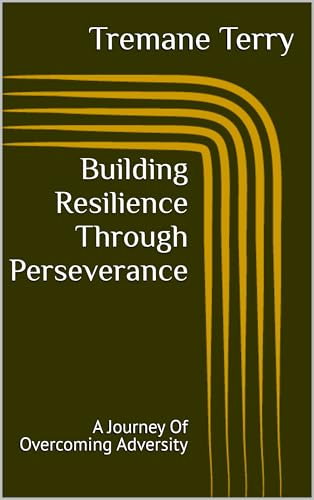

Building Resilience Through Perseverance: A Journey Of Overcoming Adversity
- Kindle Store
- Kindle eBooks
- Biographies & Memoirs
6. When a Parent's Mental Health Is the Story: Recognising the Ripple Effect
The story at the heart of this series is not just about a child — it is about a mother. And that matters enormously, because parental mental health and child mental health are inseparable. The CDC identifies parental depression as one of the strongest risk factors for child emotional and behavioural problems, across all ages.
The Hidden Cost of Parental Suffering
When a parent is struggling — with postnatal depression, trauma, chronic stress, or grief — their capacity for the warm, consistent responsiveness that children need is compromised. This is not a moral failing. It is a physiological reality. A depleted parent cannot pour from an empty vessel.
Signs that you, as a parent, may need support:
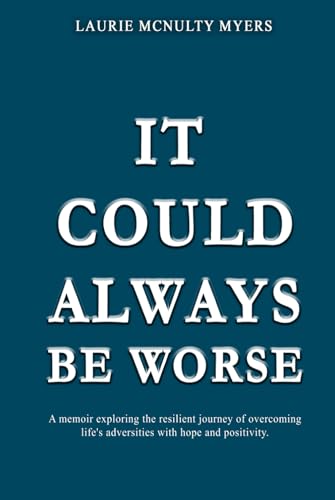

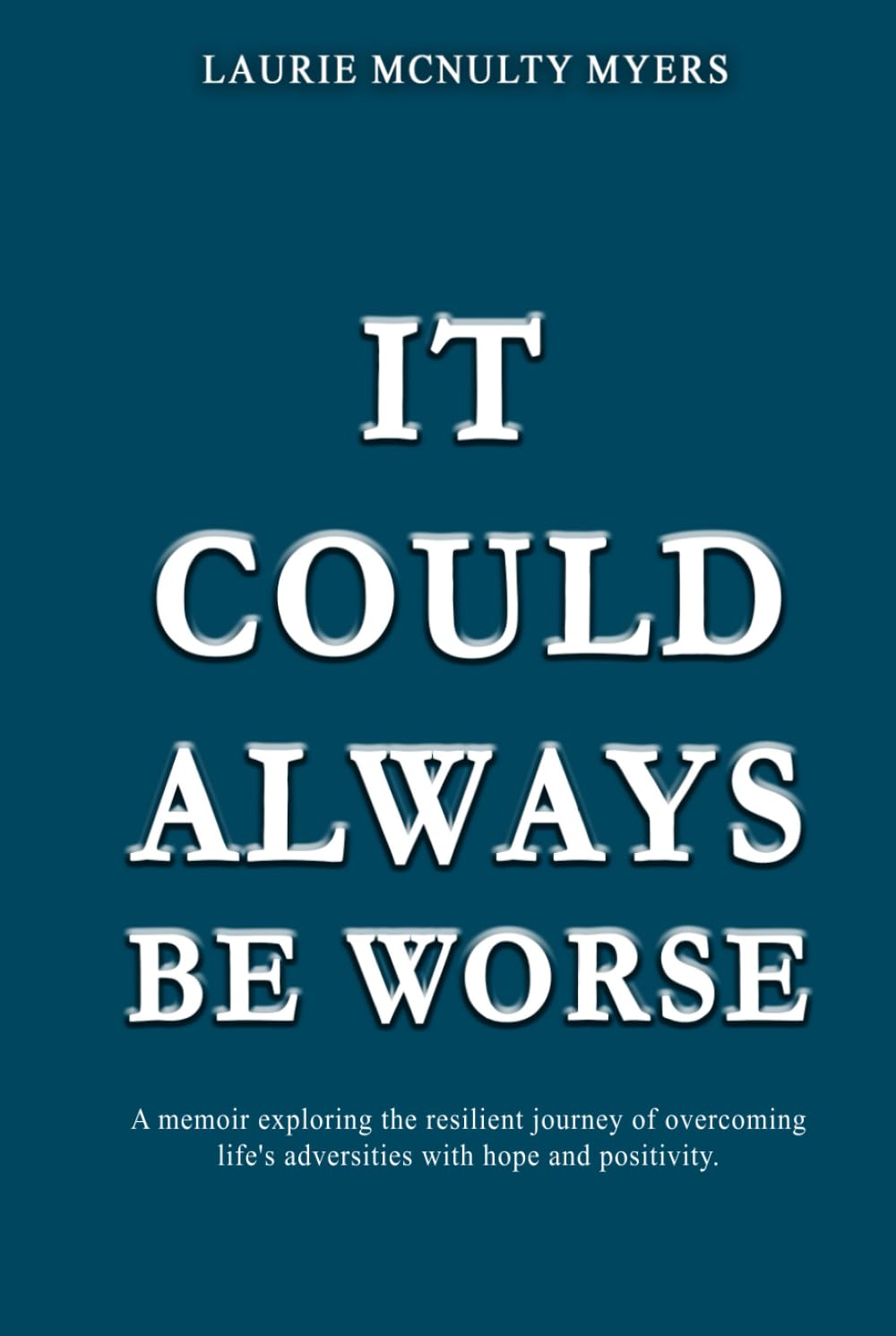
It Could Always Be Worse: A Memoir of The Resilient Journey of Overcoming Life’s Adversities With Hope and Positivity
- Biographies & Memoirs
- Image Unavailable Image not available forColor:
- Publisher : Ghostwriting Assistance
7. Comparison: Resilience-Building Approaches by Age Stage
| Age Stage | Core Emotional Need | Key Resilience Strategy | Warning Sign Not to Miss | Recommended Resource |
|---|---|---|---|---|
| Newborn–12 months | Secure attachment | Consistent, warm responsiveness to distress | Flat affect; no social smile by 3 months | Building a Resilient Life |
| Toddler (1–3 years) | Emotional co-regulation | Name emotions; stay calm during meltdowns | Tantrums >30 min, 5+ times daily | Building Resilience Through Perseverance |
| Preschool (3–5 years) | Autonomy and play | Child-led imaginative play daily | No pretend play or peer interest by age 3 | Building a Resilient Life |
| Middle childhood (6–11) | Competence and belonging | Praise effort, not outcome; normalise struggle | Persistent school refusal; irritability > 2 weeks | What My Bones Know |
| Early adolescence (12–14) | Identity and peer connection | Keep communication open; don't lecture | Giving away possessions; sudden calm after low period | Unbroken |
| Late adolescence (15–17) | Autonomy and future meaning | Involve in decisions; validate their worldview | Self-harm; complete social withdrawal | It Could Always Be Worse |
Expert Insights
Every parent reading this has, at some point, worried about their child in the quiet hours of the night. That worry is not weakness — it is love looking for a direction. The story of the mother at the heart of this series reminds us that even when the darkness is profound and the road is long, resilience is not extinguished. It waits. And with the right relationships, the right knowledge, and the courage to ask for help, it returns.
The most powerful thing you can say to a struggling child — or a struggling parent — is: "I see you. I'm not going anywhere."
Part 2 of this series will follow the rest of that story: the recovery, the lessons, and the practical tools that helped a family find their way back to the light. Save this article, share it with someone who needs it, and subscribe to tinymindsworld.com for the next instalment.
Sources & References
- World Health Organization. "Mental Health of Adolescents." 2021. https://www.who.int/news-room/fact-sheets/detail/adolescent-mental-health
- Centers for Disease Control and Prevention. "Data and Statistics on Children's Mental Health." 2023. https://www.cdc.gov/childrensmentalhealth/data.html
- American Academy of Pediatrics. "Promoting Children's Mental Health." 2022. https://www.aap.org/en/patient-care/mental-health/
- Harvard Center on the Developing Child. "Resilience." 2023. https://developingchild.harvard.edu/science/key-concepts/resilience/
- American Psychological Association. "Building Your Resilience." 2012. https://www.apa.org/topics/resilience
- World Health Organization. "Mental Disorders." 2022. https://www.who.int/news-room/fact-sheets/detail/mental-disorders
- Ginott, H. G. Between Parent and Child. Macmillan, 1965.
- Shonkoff, J. P., & Phillips, D. A. (Eds.). From Neurons to Neighborhoods: The Science of Early Childhood Development. National Academy Press, 2000.
Frequently Asked Questions
What age does children's mental health development begin?
How do I know if my child's behaviour is a phase or a mental health concern?
Can young children (under 5) really experience depression or anxiety?
What is the single most important thing I can do for my child's mental health?
How do I talk to my teenager about mental health without pushing them away?
My child has been through a traumatic experience. How do I help them recover?
When should I seek professional help for my child's mental health?
Was this helpful?
Thanks — your feedback helps us pick what to write next.


