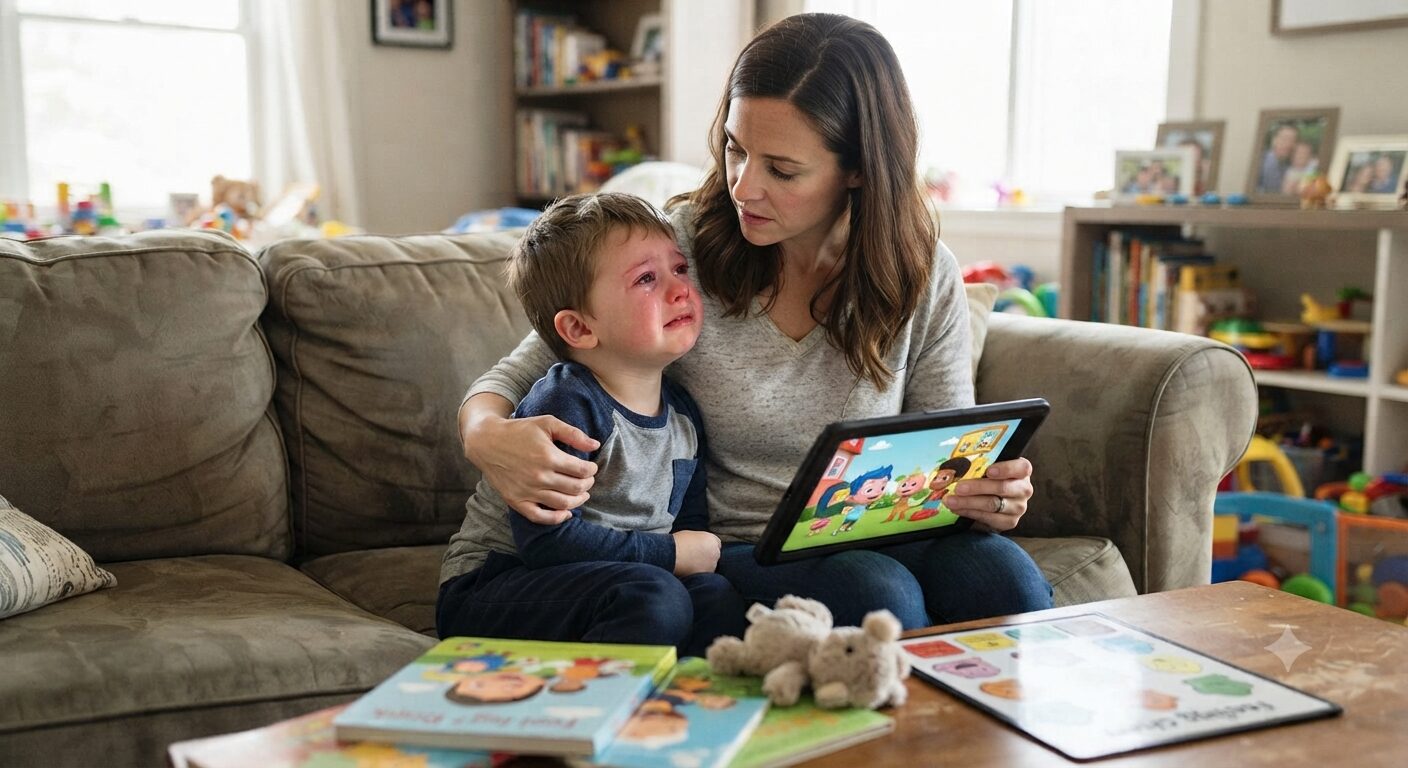
What Emotional Intelligence Actually Is (and Why It Is Not a Soft Skill)
Emotional intelligence — the ability to recognise, manage, and respond to emotions — predicts your child's long-term wellbeing, relationships, and career success more reliably than IQ alone.
In this article
Imagine two seven-year-olds sitting the same maths test. One freezes when she hits a hard question, spirals into panic, and hands in a half-finished paper. The other pauses, takes a breath, and works through what she can. Same IQ score on their last assessment. Very different outcomes. That gap — the ability to notice a feeling, name it, and keep going — is emotional intelligence in action.
Research published by the Collaborative for Academic, Social, and Emotional Learning (CASEL) shows that children who receive structured social-emotional learning (SEL) score 11 percentile points higher in academic achievement than peers who do not. That is not a small effect — and it has nothing to do with raw cognitive ability.
In this guide you will understand:
1. What Emotional Intelligence Actually Is (and Why It Is Not a Soft Skill)
Emotional intelligence is the capacity to accurately perceive emotions in yourself and others, use that information to guide thinking, understand how emotions shift over time, and manage them in ways that move you toward your goals.
Psychologist Daniel Goleman popularised the term in his 1995 book, drawing on earlier academic work by researchers Peter Salovey and John Mayer at Yale. Goleman's model organises EI into five domains: self-awareness, self-regulation, motivation, empathy, and social skills. These are not personality traits you are born with or without — they are learnable competencies, which is the single most important thing for parents to understand.
Why "soft skill" undersells it
The label "soft" implies optional. In practice, EI governs whether your child can: - Calm down after a disappointment and re-engage with a task - Repair a friendship after a falling-out - Resist impulsive decisions as a teenager - Collaborate with people they find difficult
2. The Evidence: What the Research Actually Says About EI vs. IQ
EI consistently predicts outcomes that IQ does not, across decades of longitudinal research.
The landmark HighScope Perry Preschool Study, which followed participants for over 40 years, found that children who received socially and emotionally enriched early education had higher employment rates, lower rates of arrest, and stronger relationships in adulthood — independent of their cognitive test scores. The researchers concluded that non-cognitive skills, including emotional regulation, were the primary driver of these outcomes.
In the last decade or so, science has discovered a tremendous amount about the role emotions play in our lives. Researchers have found that even more than IQ, your emotional awareness and abilities to handle feelings will determine your success and happiness in all walks of life.
— Daniel Goleman, *Emotional Intelligence* (1995)
A 2011 meta-analysis by Durlak and colleagues, published in Child Development, reviewed 213 SEL programmes involving over 270,000 students. It found:
These are population-level effects. For your individual child, the impact of consistent emotional coaching at home can be even larger.



Tiny Humans, Big Emotions: How to Navigate Tantrums, Meltdowns, and Defiance to Raise Emotionally Intelligent Children―An Essential Guide for Caregivers of Children from Infancy to Age Eight
- Relationships
- Conflict Management
- Image Unavailable Image not available forColor:
3. Age-by-Age Guide: Building EI From Birth to 12
EI development is not a single conversation — it is a long, layered process that looks completely different depending on your child's developmental stage.
Newborns to 12 months: The foundation of felt safety
Emotional intelligence begins with co-regulation, not self-regulation. Your baby cannot manage her own nervous system yet. When you respond consistently to her cries — picking her up, making eye contact, using a calm voice — you are literally wiring her brain's stress-response system to expect soothing. This is the biological foundation of all future emotional competence.
Toddlers (1–3 years): Big feelings, tiny vocabulary
Tantrums are not manipulation — they are a neurological inevitability. The prefrontal cortex (the brain's regulation centre) will not be fully developed until the mid-twenties. Your toddler is not choosing to melt down; his brain simply cannot yet override the emotional flood.
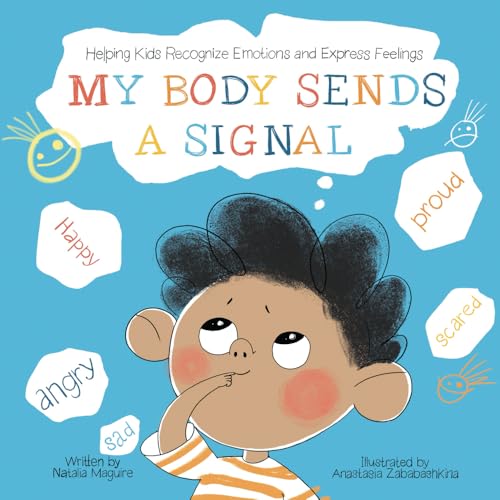

My Body Sends a Signal: Helping Kids Recognize Emotions and Express Feelings (Resilient Kids)
- Children's Books
- Growing Up & Facts of Life
- Friendship, Social Skills & School Life
Early childhood (4–7 years): Naming, stories, and play
Children this age are ready to begin understanding that other people have different feelings and perspectives — the roots of empathy. Story-time is one of the most powerful EI tools you have. Pausing to ask "How do you think she feels right now?" builds theory of mind in a low-stakes, enjoyable context.
Middle childhood (8–12 years): Complexity, peer pressure, and identity
By eight, children are navigating social hierarchies, experiencing academic pressure, and beginning to form a sense of identity. EI at this stage means learning to tolerate frustration, manage competitive feelings, and repair relationships after conflict.


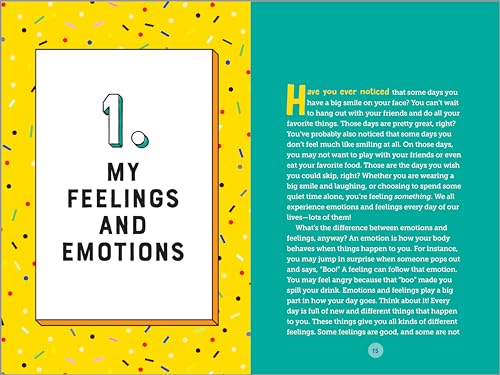
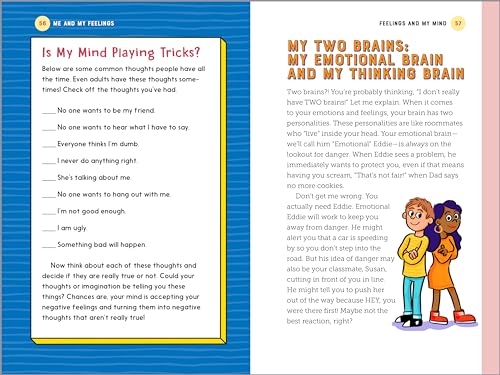
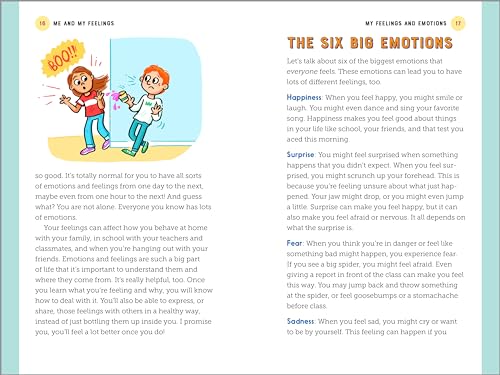
Me and My Feelings: A Kids' Guide to Understanding and Expressing Themselves
- Children's Books
- Growing Up & Facts of Life
- Friendship, Social Skills & School Life
4. How to Emotion-Coach: The Gottman Method in Plain Language
Emotion coaching is the most evidence-based parenting approach for building EI, developed by Dr. John Gottman at the University of Washington after studying hundreds of families over decades.
It has five steps:
1. Notice the emotion early, before it escalates 2. See it as an opportunity to connect, not a problem to eliminate 3. Listen and validate — don't minimise ("it's not a big deal") or fix immediately 4. Help name the feeling with specific words 5. Set limits on behaviour while accepting the emotion — "It's OK to be angry. It's not OK to hit."
The critical distinction Gottman draws is between emotion coaching and dismissing or disapproving parenting styles. Dismissing emotions ("stop crying, you're fine") does not make feelings disappear — it teaches children that emotions are shameful and should be hidden, which is the opposite of self-regulation.
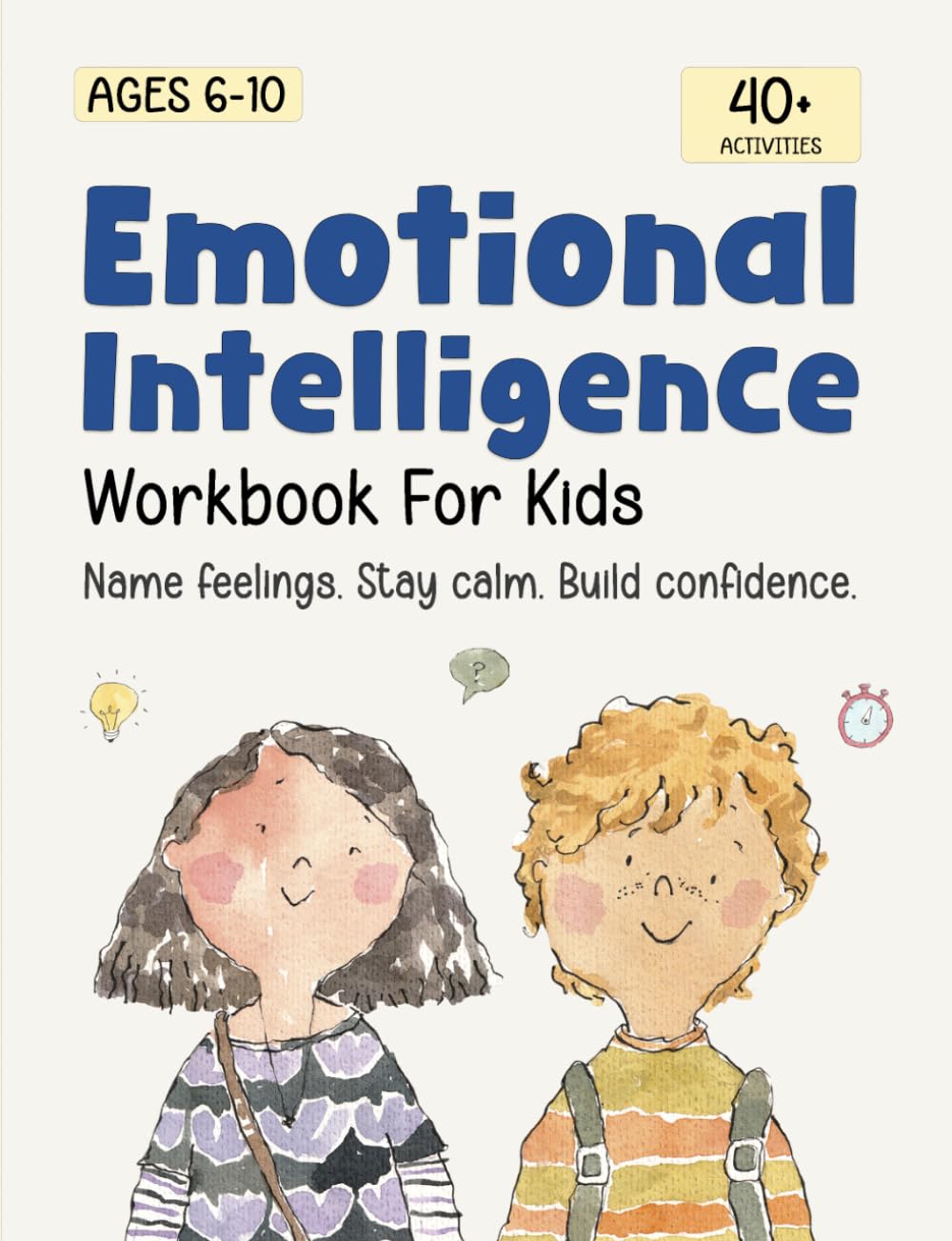
Emotional Intelligence for Kids Workbook: Understanding Feelings, Self-Regulation and Mindfulness
- Children's Books
- Growing Up & Facts of Life
- Friendship, Social Skills & School Life
5. EI and Academic Success: They Are Not in Competition
Many parents worry that focusing on emotional skills means less time for academic preparation. The evidence says the opposite.
Self-regulation — the ability to delay gratification, manage frustration, and stay focused — is one of the strongest predictors of school readiness and academic achievement. The famous Stanford "marshmallow test" research, later refined by Dr. Walter Mischel, found that four-year-olds who could delay eating a marshmallow for 15 minutes showed significantly better academic and social outcomes in adolescence. The underlying skill was not willpower — it was the ability to manage an emotional state (wanting the marshmallow right now) long enough to pursue a bigger goal.


The Big Feelings Book for Children: Mindfulness Moments to Manage Anger, Excitement, Anxiety, and Sadness
- Children's Books
- Growing Up & Facts of Life
- Friendship, Social Skills & School Life
6. Red Flags and When to Seek Support
Most emotional development follows a broad but predictable arc. Some signs, however, are worth discussing with your paediatrician or a child psychologist.
Signs that EI development may need extra support:
These patterns can signal anxiety disorders, ADHD, autism spectrum differences, or early mood disorders — all of which are highly treatable, especially when identified early.
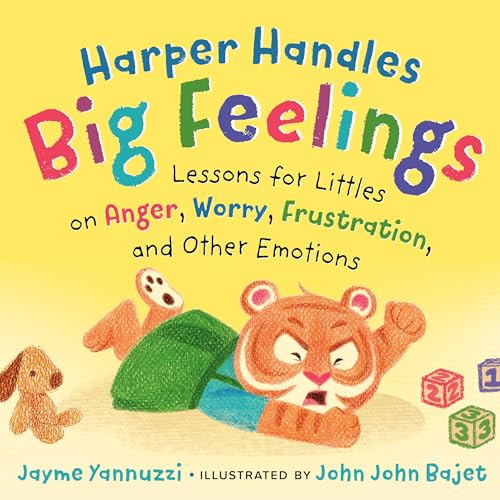
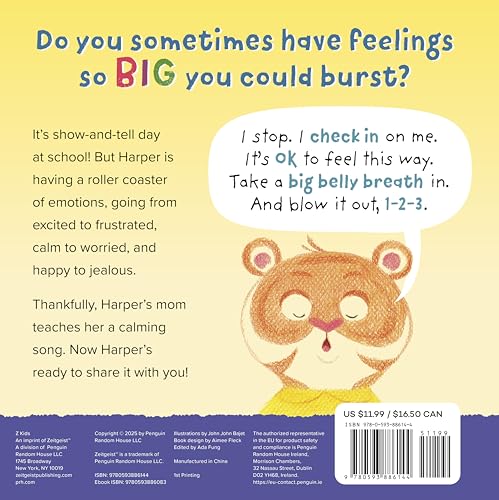
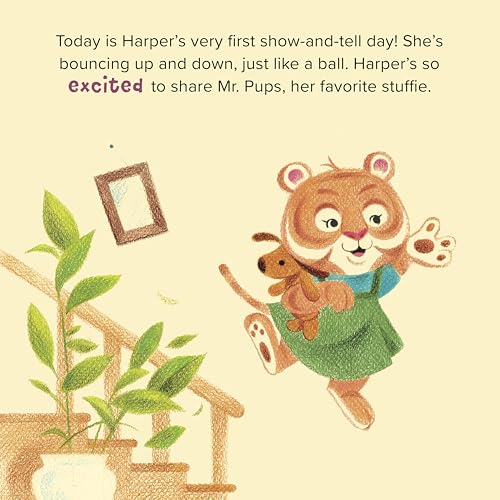
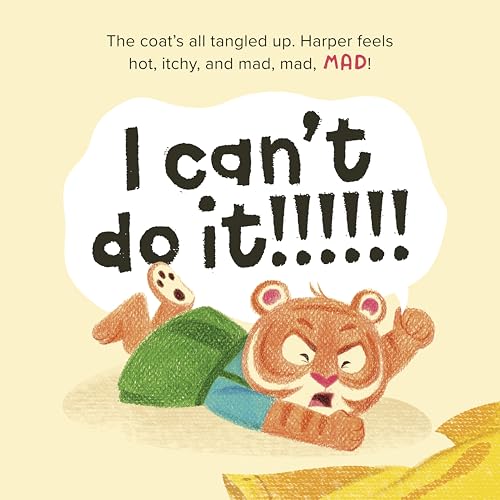
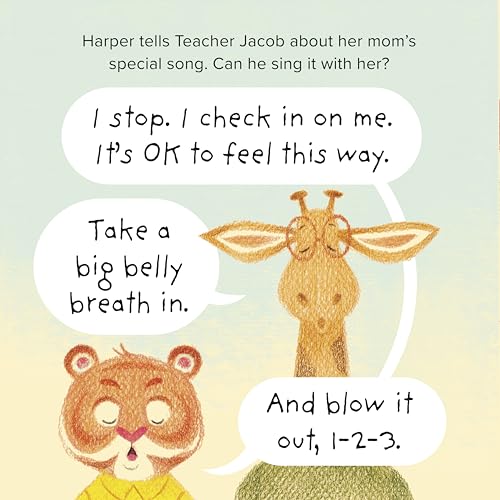
Harper Handles Big Feelings: Lessons for Littles on Anger, Worry, Frustration, and Other Emotions
- Children's Books
- Growing Up & Facts of Life
- Friendship, Social Skills & School Life
7. EI by Age Stage: Quick-Reference Comparison
| Age Stage | Core EI Task | Key Strategy | Watch For | Recommended Resource |
|---|---|---|---|---|
| 0–12 months | Felt safety & co-regulation | Consistent, warm responsiveness | Inconsolable distress; flat affect | Tiny Humans, Big Emotions |
| 1–3 years | Emotion identification | Name feelings during tantrums | Frequent breath-holding; extreme rigidity | My Body Sends a Signal |
| 4–7 years | Empathy & perspective-taking | Story-based discussion; role play | Persistent aggression; no peer interest | Harper Handles Big Feelings |
| 8–10 years | Frustration tolerance & repair | Validate first, problem-solve second | Social withdrawal; academic shutdown | Me and My Feelings |
| 10–12 years | Identity & emotional complexity | Model your own emotional process | Persistent mood changes; risk behaviour | The Big Feelings Book for Children |
| All ages | Emotional vocabulary | Feelings wall; daily check-ins | Inability to name any feelings | EI for Kids Workbook |
Expert Insights
Here is the quiet truth that 15 years of paediatric practice has taught me: the children who thrive as adults are rarely the ones who knew the most answers. They are the ones who could sit with discomfort long enough to find a solution, who could repair a relationship after a rupture, and who knew how to ask for help without shame. Those are emotional skills, built one conversation at a time — at the dinner table, in the car, at bedtime when the guard is down and the real feelings come out.
You are already doing more than you think. The fact that you are reading this means you are paying attention, and attention is where EI begins.
Save this article, share it with your co-parent or caregiver, and start with one thing today — a feelings wall on the fridge, a single "how did that feel?" after school, or picking up one of the books below. Small, consistent steps are exactly how emotional intelligence is built.
Sources & References
- CASEL (Collaborative for Academic, Social, and Emotional Learning). "What Is SEL?" 2023. casel.org/fundamentals-of-sel/
- Durlak, J.A., Weissberg, R.P., Dymnicki, A.B., Taylor, R.D., & Schellinger, K.B. "The Impact of Enhancing Students' Social and Emotional Learning: A Meta-Analysis of School-Based Universal Interventions." Child Development, 82(1), 405–432. 2011.
- Goleman, Daniel. Emotional Intelligence: Why It Can Matter More Than IQ. Bantam Books, 1995.
- Schweinhart, L.J., et al. "Lifetime Effects: The HighScope Perry Preschool Study Through Age 40." HighScope Press, 2005.
- Mischel, Walter. The Marshmallow Test: Mastering Self-Control. Little, Brown and Company, 2014.
- Gottman, John, and Joan DeClaire. Raising an Emotionally Intelligent Child. Simon & Schuster, 1997.
- Salovey, P., & Mayer, J.D. "Emotional Intelligence." Imagination, Cognition and Personality, 9(3), 185–211. 1990.
- American Academy of Pediatrics. "Media and Young Minds." Pediatrics, 138(5). 2016. publications.aap.org
Frequently Asked Questions
What is the difference between emotional intelligence and emotional regulation?
Can I teach EI if I didn't grow up in an emotionally expressive household?
At what age should I start worrying about my child's emotional development?
Does screen time affect emotional intelligence development?
My child seems emotionally intelligent with adults but struggles with peers. Is that normal?
Is there a link between EI and mental health in children?
How do I help a child who says "I don't know" when asked how they feel?
Was this helpful?
Thanks — your feedback helps us pick what to write next.