Why the Support-Independence Balance Is the Defining Parenting Challenge
Raising successful kids means calibrating your support to their developmental stage — stepping in enough to feel safe, stepping back enough to let competence grow.

In this article
Picture this: your seven-year-old is struggling to tie their shoelaces. Every fibre of your parenting instinct screams just do it for them — you're running late, they're frustrated, and it would take you four seconds. But that moment of productive struggle? It's actually where competence is built.
Research published by the American Psychological Association found that children of over-controlling parents report significantly higher rates of anxiety and lower levels of life satisfaction compared to peers raised with more autonomy-supportive parenting. The stakes are real — and so is the good news: you don't have to choose between being a warm, involved parent and raising a capable, confident child. You can be both.
In this guide you'll understand:
1. Why the Support-Independence Balance Is the Defining Parenting Challenge
The core tension of raising children is this: they need you completely at first, and progressively less as the years pass. Getting the timing wrong in either direction carries real costs.
"Helicopter parenting" — hovering, rescuing, and pre-empting every difficulty — has been studied extensively since psychologist Haim Ginott first described over-involved parenting in the 1960s. More recently, researchers at the University of Mary Washington found that college students with helicopter parents showed significantly higher levels of depression and lower feelings of autonomy than peers whose parents allowed age-appropriate independence. "Snowplow parenting," the newer variant where adults remove obstacles before children even encounter them, carries similar risks: children never develop the frustration tolerance or problem-solving muscles they'll need in adulthood.
On the other side, under-involved parenting leaves children without the secure base they need to take healthy risks. The goal is authoritative parenting — warm, responsive, and structured — which decades of research consistently links to better academic outcomes, stronger mental health, and more prosocial behaviour.
What over-parenting actually looks like day-to-day
2. Age-Banded Independence: What to Expect and Encourage at Each Stage
Independence isn't a single skill — it's a ladder, and each rung is age-specific. Pushing too fast creates anxiety; waiting too long creates dependency.
Newborns and infants (0–12 months)
At this stage, responsive caregiving is the foundation of independence. The American Academy of Pediatrics (AAP) is clear: you cannot "spoil" a newborn by responding to their cries. Consistent responsiveness builds secure attachment, which is the neurological bedrock from which all future independence grows. Let your baby lead feeding cues, allow supervised tummy time for self-directed movement, and resist the urge to intervene the moment they fuss during play.Toddlers (1–3 years)
Toddlerhood is the first major independence push. "Me do it!" is not defiance — it's healthy developmental drive. Offer binary choices ("red shirt or blue shirt?"), assign simple tasks like putting toys in a bin, and let natural consequences teach small lessons. Expect mess. Expect slowness. Both are the price of competence.Early childhood (4–6 years)
Children this age can dress themselves, pour a drink, and help prepare simple meals. They can also begin navigating minor social conflicts with coaching rather than intervention. This is the prime window for introducing a growth mindset — the idea that effort changes ability.
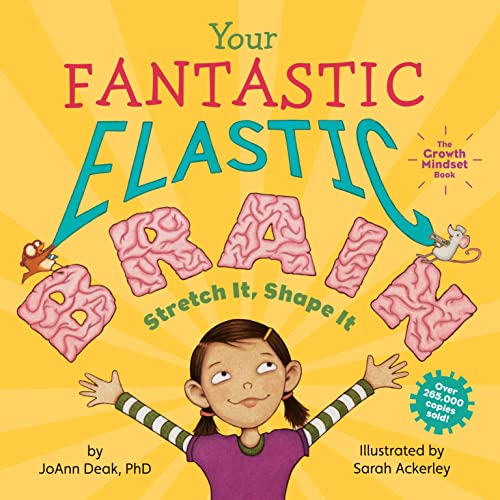
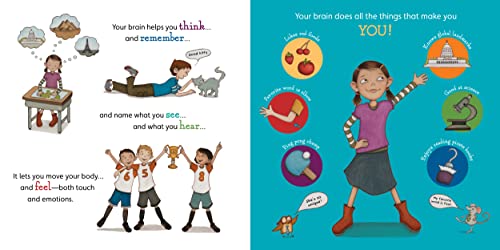
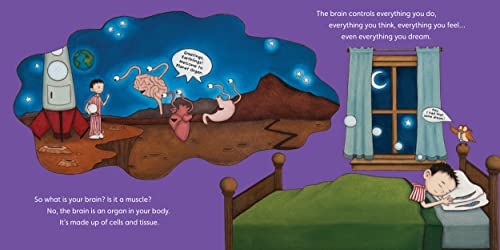
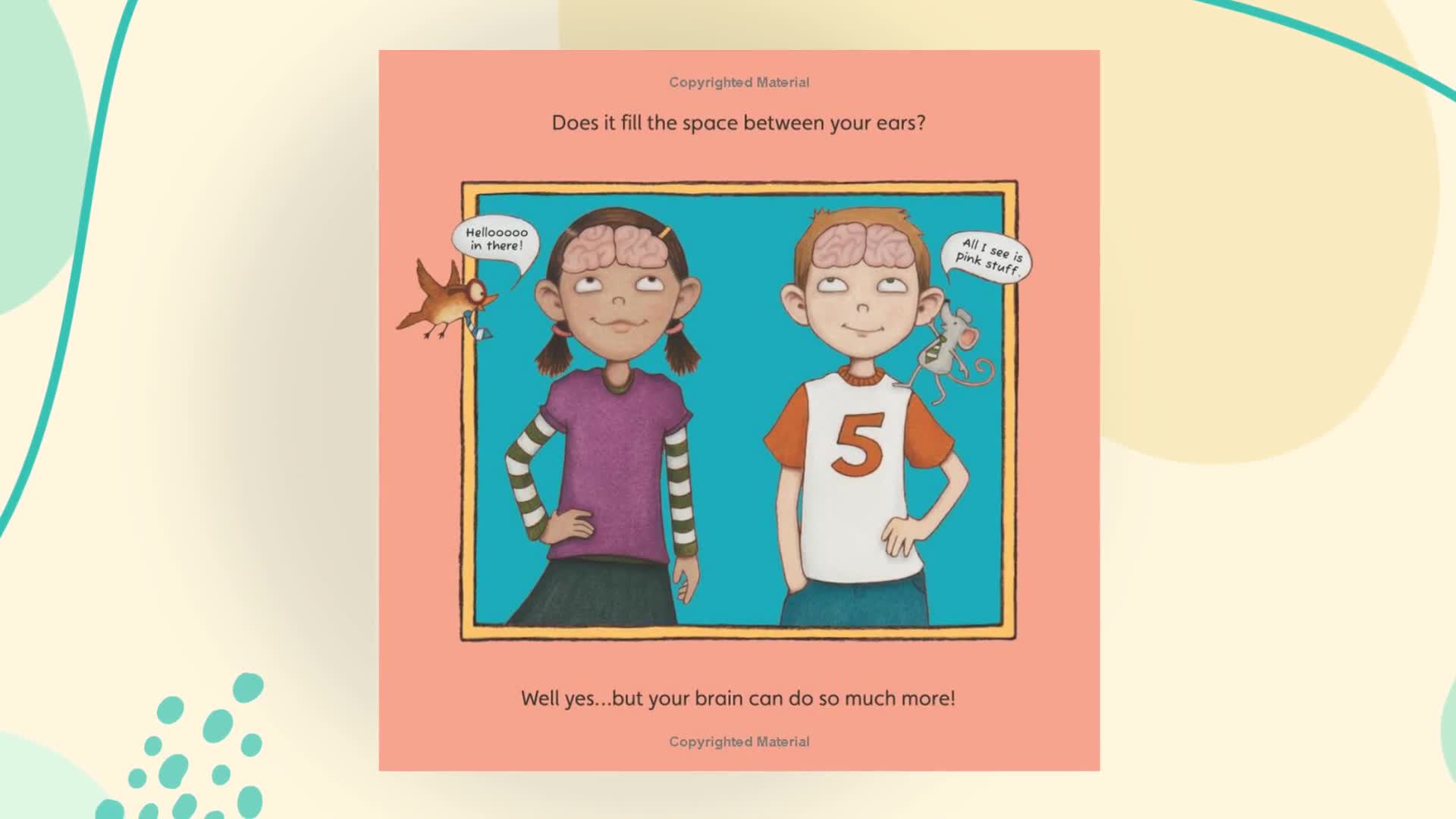
Your Fantastic Elastic Brain: A Growth Mindset Book for Kids to Stretch and Shape Their Brains
- Children's Books
- Growing Up & Facts of Life
- Family Life
Middle childhood (7–11 years)
School-age children are ready for genuine responsibility: managing a homework schedule, handling disagreements with friends, and contributing meaningfully to household chores. Resist the pull to check every piece of homework or email their teacher on their behalf. Instead, coach the process: "What do you think you should do first?"Tweens (11–12 years)
Tweens are rehearsing for adolescence. They need increasing privacy, the right to some decisions you disagree with (within safety limits), and the experience of recovering from their own mistakes. Your job shifts from manager to consultant.3. Building a Growth Mindset: The Research Behind Praising Effort
A growth mindset — the belief that abilities develop through dedication and hard work — is one of the most robustly studied concepts in developmental psychology, thanks largely to Stanford psychologist Dr. Carol Dweck's decades of research.
The practical implication for parents is straightforward: how you praise matters as much as that you praise. Praising intelligence ("You're so smart") inadvertently signals that ability is fixed — which makes children avoid challenges where they might look "not smart." Praising effort and strategy ("You kept trying different approaches — that's what made the difference") signals that persistence pays off.
Three ways to embed growth mindset at home
1. Reframe "I can't do this" → "I can't do this yet." The word "yet" is small but neurologically significant. 2. Share your own struggles. Tell your child about a skill you found hard before you got better at it. Normalise the learning curve. 3. Celebrate the process. When your child finishes a project, ask "What was the hardest part?" before "What did you get?"
Books are a surprisingly powerful vehicle for this message with younger children. The Magical Yet is a beautifully illustrated picture book that makes the growth mindset concept tangible for ages 3–7. For older readers, The Ultimate Growth Mindset Guide For Kids Made Simple walks children through the research in accessible language they can actually use.



4. Emotional Intelligence: The Skill Set Schools Don't Fully Teach
Academic success predicts a fraction of life outcomes. Emotional intelligence (EQ) — the ability to recognise, understand, and manage emotions in yourself and others — predicts the rest. Psychologist and author Daniel Goleman has argued that EQ may matter more than IQ for long-term success in relationships and work.
The good news: EQ is learnable, and parents are the primary teachers.
How to build EQ at home
Name emotions out loud. Young children can't regulate what they can't label. "You look frustrated — is that right?" builds emotional vocabulary before a child can articulate it themselves.
Model healthy conflict. Let your children see you disagree respectfully with a partner, then repair. Watching adults manage conflict without catastrophe is one of the most protective experiences a child can have.
Validate before you problem-solve. When your child is upset, resist the urge to fix immediately. "That sounds really hard" before "here's what you should do" teaches them their feelings are manageable, not shameful.
Teach perspective-taking. "How do you think Maya felt when that happened?" is a question worth asking regularly. Empathy is a habit, not a personality trait.
For girls in the 7–11 window, Fearless Growth Mindset Short Stories for Girls weaves EQ themes — kindness, resilience, self-esteem — into engaging narrative fiction, making it ideal for bedtime reading and natural conversation-starters.

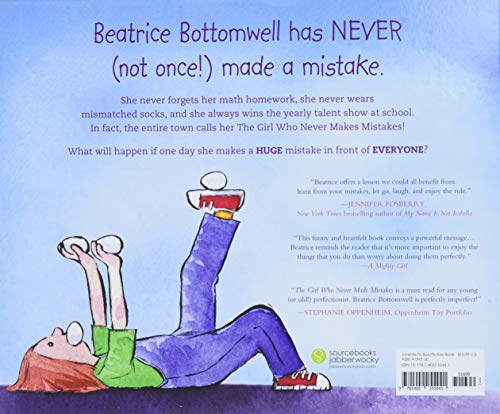

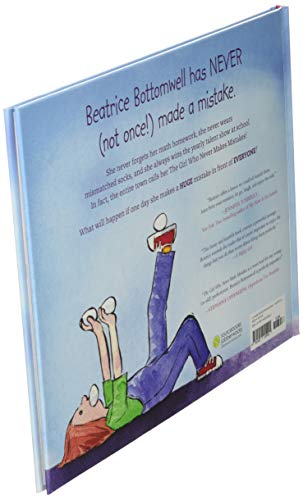
The Girl Who Never Made Mistakes: A Growth Mindset Book for Kids to Promote Self Esteem
- Children's Books
- Growing Up & Facts of Life
- Friendship, Social Skills & School Life
5. Setting Boundaries That Build (Not Break) Confidence
Clear, consistent boundaries are not the opposite of independence — they're the scaffolding that makes independence safe enough to try.
Research from the AAP consistently shows that children thrive with predictable structure. Rules that are explained (not just imposed), enforced consistently, and adjusted as children mature send a powerful message: we trust you to grow into more freedom.
The three qualities of effective boundaries
Reasonable: The rule should make sense to the child at their developmental level. "We don't hit because it hurts people" lands better than "because I said so."
Consistent: Boundaries that shift based on your mood teach children to test rather than trust. Aim for the same answer on a Tuesday morning as a Friday evening.
Expandable: Every year, revisit what your child has earned the right to decide for themselves. A 10-year-old who manages their homework reliably has earned a later bedtime on weekends. Make the connection explicit.
For children who struggle with the concept that mistakes don't define them, The Girl Who Never Made Mistakes is a classic picture book that gently dismantles perfectionism — a common side effect of over-controlled environments.
6. Resilience, Failure, and the Long Game
Resilience isn't something children are born with or without — it's built through repeated, supported experiences of struggling, failing, and recovering.
The parent's role in resilience-building is counter-intuitive: your job is not to prevent failure, but to be a calm, non-catastrophising presence when failure happens. Children take their emotional cues from you. If you treat a failed test as a crisis, they will too. If you treat it as data — "okay, what didn't work, what do we try next?" — they learn to do the same.
Practical resilience builders by age
- Ages 2–5: Let them struggle briefly with age-appropriate physical tasks (zippers, puzzles) before offering help. Stay nearby and calm. - Ages 6–9: Encourage joining a team or activity where they won't be the best. Losing gracefully is a learnable skill. - Ages 10–12: Support them through a meaningful disappointment (not making a team, a friendship falling out) without fixing it for them. Ask questions; don't provide answers.




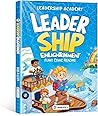
Growth Mindset - Life Skills for Kids: Inspiring Stories to Build Resilience, Self-Esteem, and Confidence (Motivational Stories for Amazing Kids)
- Children's Books
- Growing Up & Facts of Life
- Friendship, Social Skills & School Life
Growth Mindset - Life Skills for Kids pairs well with real-life resilience conversations — its stories model characters who face setbacks and adapt, giving children a narrative framework for their own experiences.
7. Growth Mindset Resources by Age and Stage: A Quick Comparison
| Age Stage | Core Challenge | Key Parenting Approach | Signs It's Working | Recommended Product |
|---|---|---|---|---|
| Toddler (1–3) | First independence push; "Me do it!" | Offer binary choices; allow mess and slowness | Child initiates tasks, tolerates brief frustration | Your Fantastic Elastic Brain |
| Early Childhood (4–6) | Learning that effort beats talent | Praise process; reframe "I can't" | Child says "I'll try again" after failure | The Magical Yet |
| Middle Childhood (7–9) | Peer comparison; fear of failure | Normalise mistakes; share your own | Child problem-solves before asking for help | The Girl Who Never Made Mistakes |
| Girls 7–11 | Self-esteem and social pressure | Build EQ alongside mindset | Child shows empathy; handles conflict verbally | Fearless Growth Mindset Short Stories for Girls |
| Ages 8–12 (general) | Linking mindset to real-world skills | Connect stories to lived experience | Child applies "yet" thinking independently | Growth Mindset - Life Skills for Kids |
| Tweens (10–12) | Autonomy vs. structure tension | Gradual release of control; family meetings | Child negotiates rather than rebels | The Ultimate Growth Mindset Guide For Kids Made Simple |
Expert Insights
Conclusion
Raising a successful child has never meant raising a perfect one. It means raising someone who can try, fail, feel the sting of that failure, and get back up — ideally with you somewhere nearby, cheering them on without doing the getting-up for them.
The research is consistent and, honestly, reassuring: you don't need to be a flawless parent. You need to be a present one who gradually, intentionally hands the wheel to your child. Every small moment of stepping back — letting them struggle with the shoelaces, sitting with the disappointment, asking "what do you think you should do?" — is a deposit into an account they'll draw on for the rest of their lives.
The most quotable truth in all of developmental psychology might be this: children don't need us to make their lives easier. They need us to believe they can handle the hard parts.
Save this article, share it with a co-parent, or bookmark it for the next time you're tempted to swoop in. You've got this — and so do they.
Sources & References
- American Psychological Association. "The Road to Resilience." APA Help Center. 2023. https://www.apa.org/topics/resilience
- American Academy of Pediatrics. "Media and Young Minds." Pediatrics. 2016. https://publications.aap.org/pediatrics/article/138/5/e20162591/60321
- American Academy of Pediatrics. "Caring for Your Baby and Young Child: Birth to Age 5." AAP, 2019.
- Dweck, Carol S. "Mindset: The New Psychology of Success." Random House, 2006.
- Lythcott-Haims, Julie. "How to Raise an Adult: Break Free of the Overparenting Trap and Prepare Your Kid for Success." Henry Holt, 2015.
- Schiffrin, H. H., et al. "Helping or Hovering? The Effects of Helicopter Parenting on College Students' Well-Being." Journal of Child and Family Studies, University of Mary Washington, 2014. https://doi.org/10.1007/s10826-013-9716-3
- Baumrind, Diana. "Child care practices anteceding three patterns of preschool behavior." Genetic Psychology Monographs, 1967.
- Goleman, Daniel. "Emotional Intelligence: Why It Can Matter More Than IQ." Bantam Books, 1995.
- Ainsworth, Mary D. S. "Patterns of Attachment." Lawrence Erlbaum Associates, 1978.
- Mogel, Wendy. "The Blessing of a Skinned Knee." Scribner, 2001.
Frequently Asked Questions
What is the difference between supportive parenting and over-parenting?
At what age should children start doing chores?
How do I praise my child without creating a fixed mindset?
Is it ever okay to step in and help my child?
How do I raise a resilient child without being dismissive of their feelings?
What does the research say about screen time and independence?
My child is a perfectionist and falls apart when they make mistakes. What can I do?
Was this helpful?
Thanks — your feedback helps us pick what to write next.