10 Defining Parenting Moments and How to Handle Each One
Every parent faces the same handful of high-stakes moments, from the first cry in the delivery room to the first time a teenager pushes back hard — and knowing what to expect (and what to do) makes each one less overwhelming.
In this article
About one in five parents reports feeling "completely unprepared" for the emotional intensity of a child's key developmental milestones, according to a 2022 survey by the Pew Research Center. That gap between expectation and reality is exactly where confidence erodes. This article walks you through ten moments that almost every parent encounters across the journey from newborn to teenager, with evidence-based guidance for each one.
By the end you will understand:
1. The First Cry: Welcoming a New Life
Your baby's first cry is a respiratory reflex, but it is also the moment your identity as a parent becomes real. Research published by the World Health Organization confirms that skin-to-skin contact within the first hour after birth (the "golden hour") stabilises an infant's heart rate, temperature, and blood glucose, and significantly increases breastfeeding success.
What to do in the room
If your birth plan allows it, request that routine weighing and measuring happen after the first hold, not before. Even a 15-minute skin-to-skin window matters. Partners can do this too if the birthing parent needs medical attention.
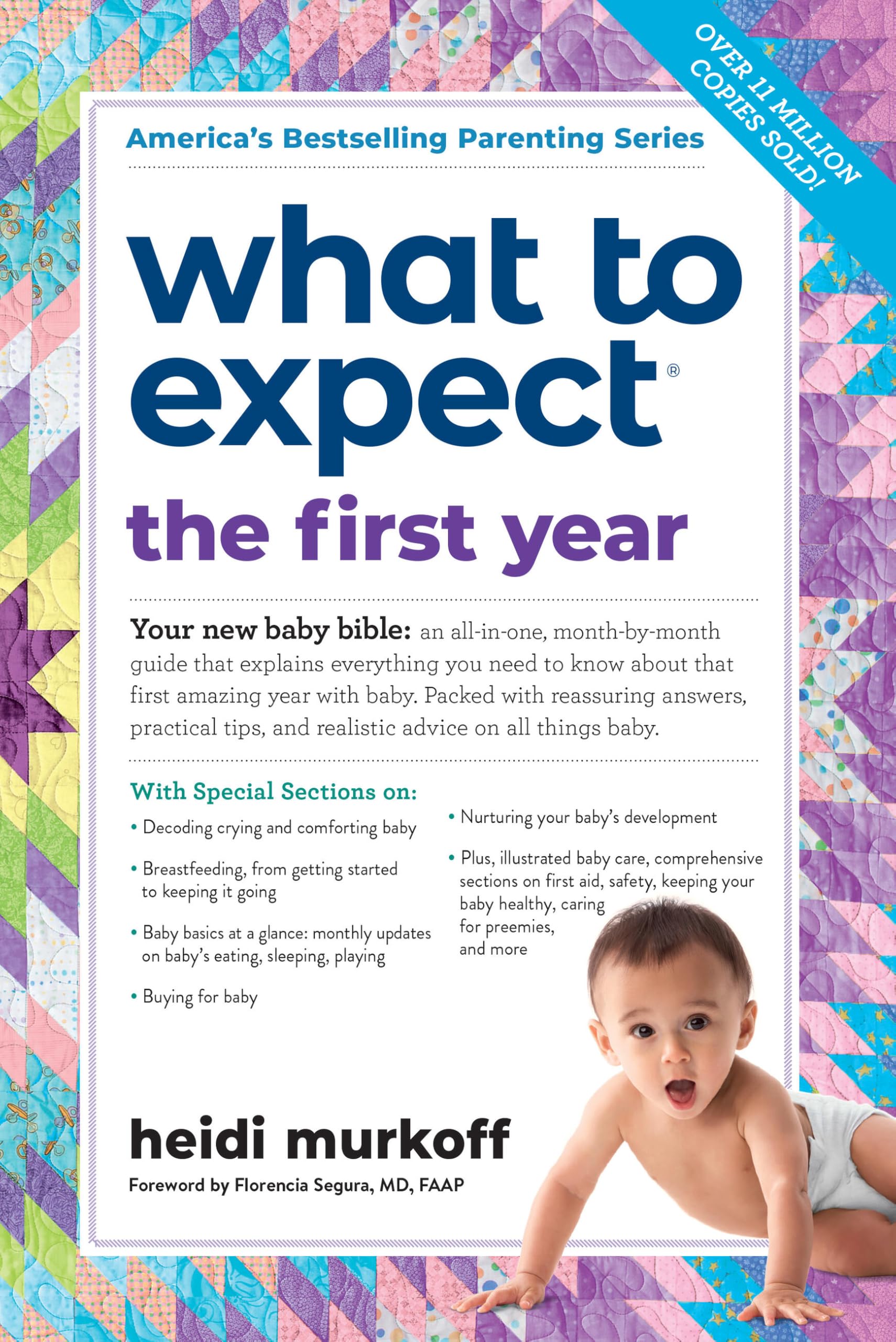
For thorough guidance through those first weeks, 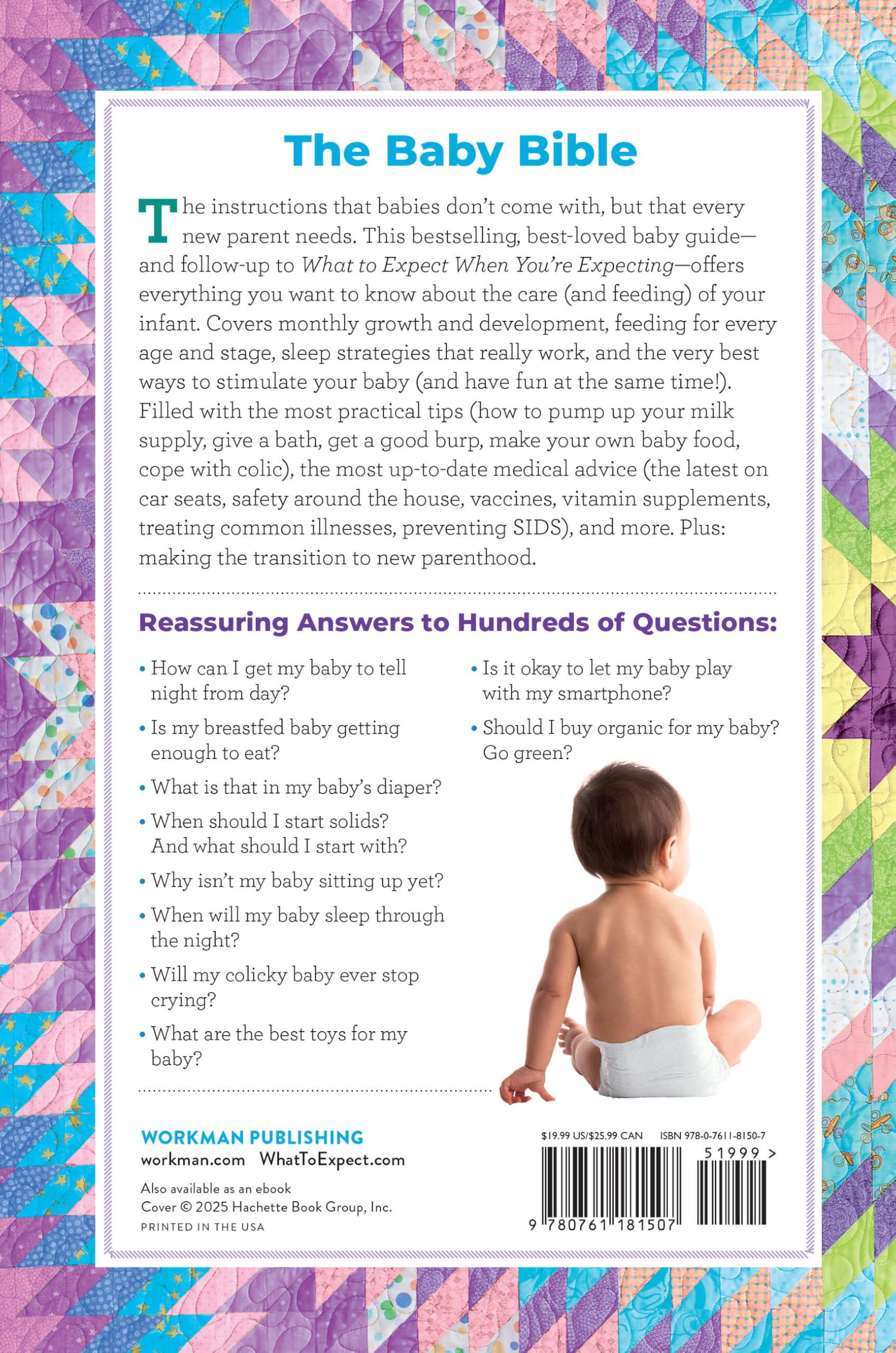


What to Expect the First Year: (Updated in 2025)
2. First Steps and the Great Baby-Proofing Rush
Walking typically emerges between 9 and 15 months, according to the AAP, but children as late as 18 months are still within the normal range. The moment your toddler takes those first lurching steps is physically thrilling and immediately terrifying, because mobility and curiosity arrive together.
A practical safety checklist
Understanding cognitive development at this stage helps you appreciate why your toddler cannot yet assess danger, no matter how many times you say "no."


The Simplest Baby Book in the World: The Illustrated, Grab-and-Do Guide for a Healthy, Happy Baby
- Medical Books
- Internal Medicine
- Pediatrics
3. First Words: Building Language From Day One
Most children say their first recognisable word somewhere between 10 and 14 months, but language comprehension begins in the womb. A child's vocabulary at age three is one of the strongest predictors of reading ability at age eight, according to research from the National Institutes of Health.
How to accelerate language safely
Avoid over-correcting mispronunciations. Simply model the correct form in your reply: if they say "baba" for bottle, you say "Yes, here's your bottle" and move on.
4. First Day of School: Separation Anxiety Is Real for Both of You
Starting nursery or primary school is a major social transition. Separation anxiety peaks between 10 and 18 months and again around age five to six, according to developmental psychologist research cited by NICE (National Institute for Health and Care Excellence). It is a sign of healthy attachment, not a problem to suppress.
How to ease the transition
Being truly present when your child shares their school day matters enormously. Active listening as a daily habit is one of the simplest, highest-return investments you can make in your relationship with your child.

Raising Good Humans: A Mindful Guide to Breaking the Cycle of Reactive Parenting and Raising Kind, Confident Kids
- Relationships
- Conflict Management
- Select 1 audiobook a month from our entire collection of titles.
5. Teaching Responsibility: Chores, Allowances, and Accountability
Children who do age-appropriate chores develop stronger executive function and a greater sense of belonging to the family unit. A landmark long-term study from the University of Minnesota found that the best predictor of young-adult success was whether they had been given chores starting in early childhood, not in adolescence.
Age-banded responsibility guide
Ages 2–3: Put toys in a bin, place dirty clothes in a hamper, wipe spills with a cloth Ages 4–6: Set and clear the table, feed a pet, help sort laundry Ages 7–10: Load the dishwasher, take out recycling, help prepare simple meals Ages 11–17: Manage their own laundry, cook one family meal per week, budget a small allowance
6. Navigating Big Emotions: Tantrums, Meltdowns, and Teenage Pushback
Emotional regulation is not a character trait — it is a learned skill, and it is learned primarily through co-regulation with a calm adult. The prefrontal cortex, which governs impulse control and emotional reasoning, does not fully mature until the mid-twenties (AAP).
Toddler tantrums (ages 1–4)
School-age big feelings (ages 5–12)
Teenage pushback (ages 13–17)
Conflict with adolescents is normal and biologically driven. The goal is connection through the conflict, not compliance at any cost.
What mindful parenting really means includes staying grounded during these moments, and it is a skill you can practise even if you missed it in your own upbringing.

The Whole-Brain Child: 12 Revolutionary Strategies to Nurture Your Child's Developing Mind
- Health, Fitness & Dieting
- Psychology & Counseling
- Child Psychology
7. Raising Resilient, Screen-Savvy Kids in a Digital World
Children aged 8–12 in the United States now average almost five hours of recreational screen time per day, according to a 2023 Common Sense Media report. The issue is rarely the screen itself; it is what the screen replaces (sleep, movement, face-to-face conversation) and whether limits are paired with the right environment.
Building healthy digital habits by age
Ages 0–18 months: The AAP recommends no screen time except video chatting with family Ages 2–5: One hour per day of high-quality programming (PBS Kids, BBC CBeebies); watch together and discuss Ages 6–12: Consistent limits on time and content; devices charged outside the bedroom overnight Ages 13–17: Co-created media agreements are more durable than imposed restrictions; include social media, gaming, and streaming separately
Understanding why screen-time limits often fail gives you the structural changes that actually make a difference beyond the rule itself.


Mayo Clinic Guide to Your Baby's First Years, 3rd Edition: Clear Answers and Expert Advice for Every Phase With Your Infant and Toddler (Mayo Clinic Parenting Guides)
- Parenting & Relationships
- Family Relationships
- Parent & Adult Child
8. The Comparison Table: 10 Milestones at a Glance
| Milestone | Typical Age | Key Action | Watch For | Recommended Resource |
|---|---|---|---|---|
| First cry / birth | 0 months | Skin-to-skin immediately | Signs of feeding difficulty in first 24 hrs | Moms on Call Baby Care |
| First steps | 9–15 months | Anchor furniture; crawl-level safety audit | No steps by 18 months — discuss with GP | Simplest Baby Book |
| First words | 10–14 months | Daily reading; narrate your day | No words by 12 months; no phrases by 24 months | What to Expect the First Year |
| First day of school | Age 4–5 | Goodbye ritual; classroom visit | Persistent distress beyond 4 weeks | Raising Good Humans |
| First lost tooth | Age 5–7 | Dental hygiene conversation | Permanent tooth erupting before baby tooth falls | Mayo Clinic Baby Guide |
| Teaching chores | Age 2+ | Age-appropriate task list | Child shows zero willingness — assess for anxiety | Raising Good Humans |
| Managing big emotions | All ages | Co-regulate; name feelings | Aggression that injures self or others | The Whole-Brain Child |
| Screen time | Age 2+ | Structural limits + co-viewing | Sleep disruption; school performance dip | Mayo Clinic Baby Guide |
| Puberty conversations | Age 8–10 | Start early; use correct anatomy | Child has no trusted adult to ask | The Whole-Brain Child |
| Teenage autonomy | Age 13–17 | Co-create agreements; listen first | Withdrawal, mood change lasting 2+ weeks | Raising Good Humans |
Expert Insights: What the Research Keeps Telling Us
Parenting is not a performance you nail or fail at any given moment. It is a relationship you build across thousands of ordinary days and ten or twelve extraordinary ones. The milestones in this article will arrive whether you feel ready or not — and most of the time, "ready enough" is precisely what your child needs you to be. Bookmark this page, share it with a co-parent or trusted friend, and come back to the section that is relevant right now. The fact that you are reading this at all says something good about the kind of parent you are trying to be.
Sources & References
- American Academy of Pediatrics. "AAP Updates Guidance on Children and Media Use." 2021. https://www.aap.org
- World Health Organization. "Newborn Health: Immediate Care." 2022. https://www.who.int
- Pew Research Center. "Parenting in America: Parental Preparedness." 2022. https://www.pewresearch.org
- Centers for Disease Control and Prevention. "Furniture Tip-Over Injuries in Children." 2022. https://www.cdc.gov
- Common Sense Media. "The Common Sense Census: Media Use by Tweens and Teens." 2023. https://www.commonsensemedia.org
- University of Minnesota. "Early Childhood Chores and Long-Term Outcomes." Marty Rossmann, 2002. University of Minnesota.
- NICE (National Institute for Health and Care Excellence). "Separation Anxiety in Children: Evidence Review." 2020. https://www.nice.org.uk
- Suskind, D., Suskind, B., & Lewinter-Suskind, L. "Thirty Million Words: Building a Child's Brain." 2015. Dutton.
- Siegel, D. J., & Bryson, T. P. "The Whole-Brain Child." 2011. Delacorte Press.
- Shonkoff, J. P. et al. "The Lifelong Effects of Early Childhood Adversity and Toxic Stress." AAP Pediatrics. 2012. https://www.aap.org
- Harvard Graduate School of Education. "Making Caring Common Project." Richard Weissbourd. 2014. https://mcc.gse.harvard.edu
- Brackett, M. "Permission to Feel." 2019. Celadon Books / Yale Center for Emotional Intelligence.
Frequently Asked Questions
At what age should I stop reading bedtime stories to my child?
My toddler isn't walking at 15 months — should I be worried?
How do I set screen time limits without constant battles?
When should I have "the talk" about puberty?
My child had a meltdown in public and I feel humiliated. Am I handling this wrong?
Is it normal for teenagers to push parents away?
How do I know if my child needs professional support rather than just time?
Was this helpful?
Thanks — your feedback helps us pick what to write next.