16 Relationship Tips for Married Couples and Parents (2026)
Strong marriages and healthy parent partnerships don't happen by accident; they're built through small, consistent habits practised even on the hardest days.
In this article
Here's a statistic that should stop you mid-scroll: according to the American Psychological Association, around 40 to 50 percent of first marriages in the United States end in divorce. For parents, the stakes feel even higher because a struggling partnership affects everyone in the house, including the small people watching you both.
The good news? Decades of relationship science have identified exactly what separates couples who thrive from those who quietly drift apart. This guide pulls that research into 16 practical habits any parent can start this week.
In this guide you'll find:
1. Communicate Honestly and Often
Good communication is the single strongest predictor of relationship satisfaction, and it starts with you actually saying the thing you're thinking rather than hoping your partner reads the room.
The Gottman Institute, which has studied over 3,000 couples since the 1970s, identifies what it calls the "Four Horsemen" of relationship breakdown: criticism, contempt, defensiveness, and stonewalling. The antidote to each one is direct, respectful dialogue, begun early before small frustrations calcify into resentment.
Make it practical
Start with a simple 10-minute check-in at the end of each day, no screens, no children (if possible). One partner speaks without interruption; then you swap. It sounds almost too simple, and that's the point.
Learning to truly listen before you respond is a skill most of us were never taught, and it changes the entire temperature of a conversation.
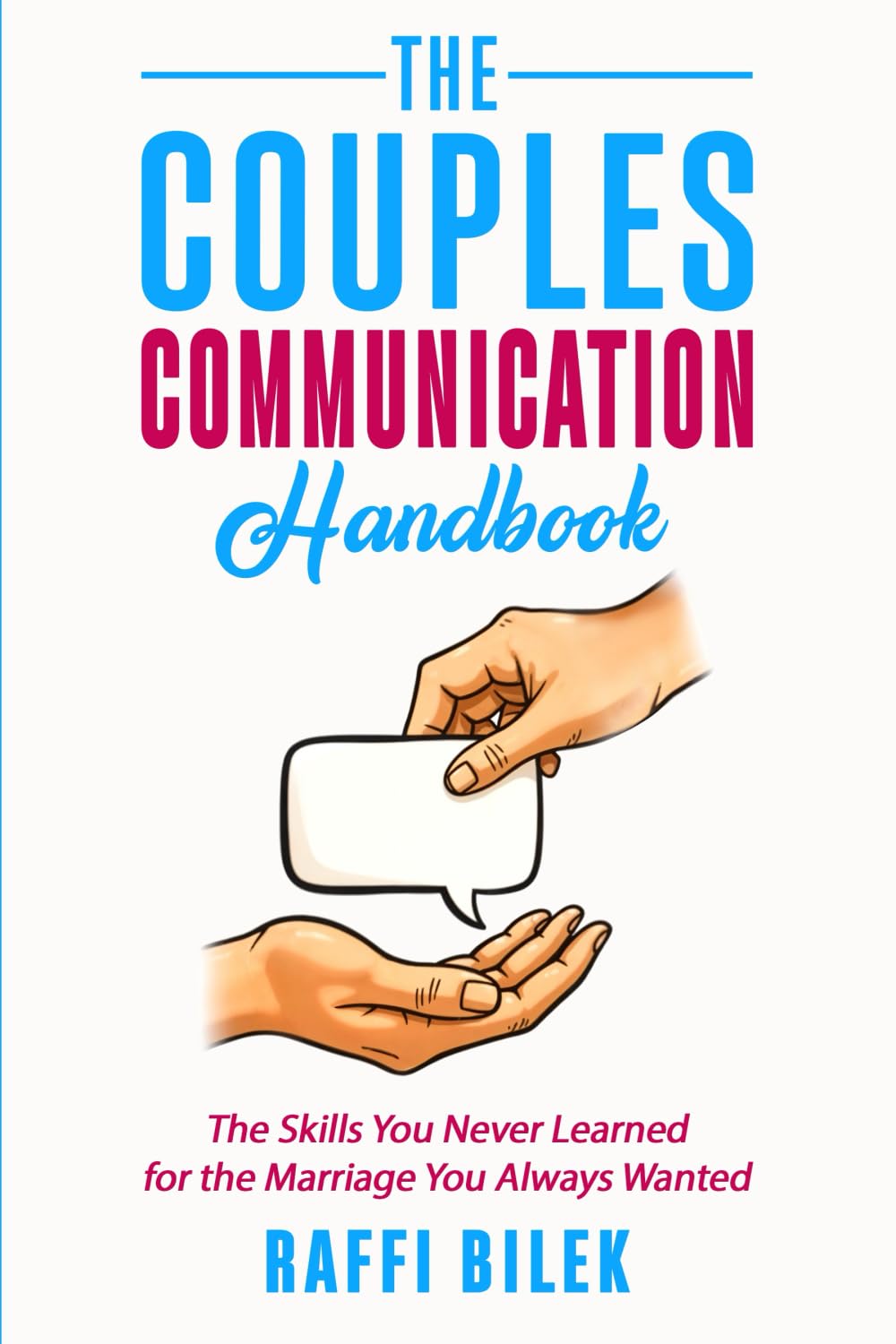
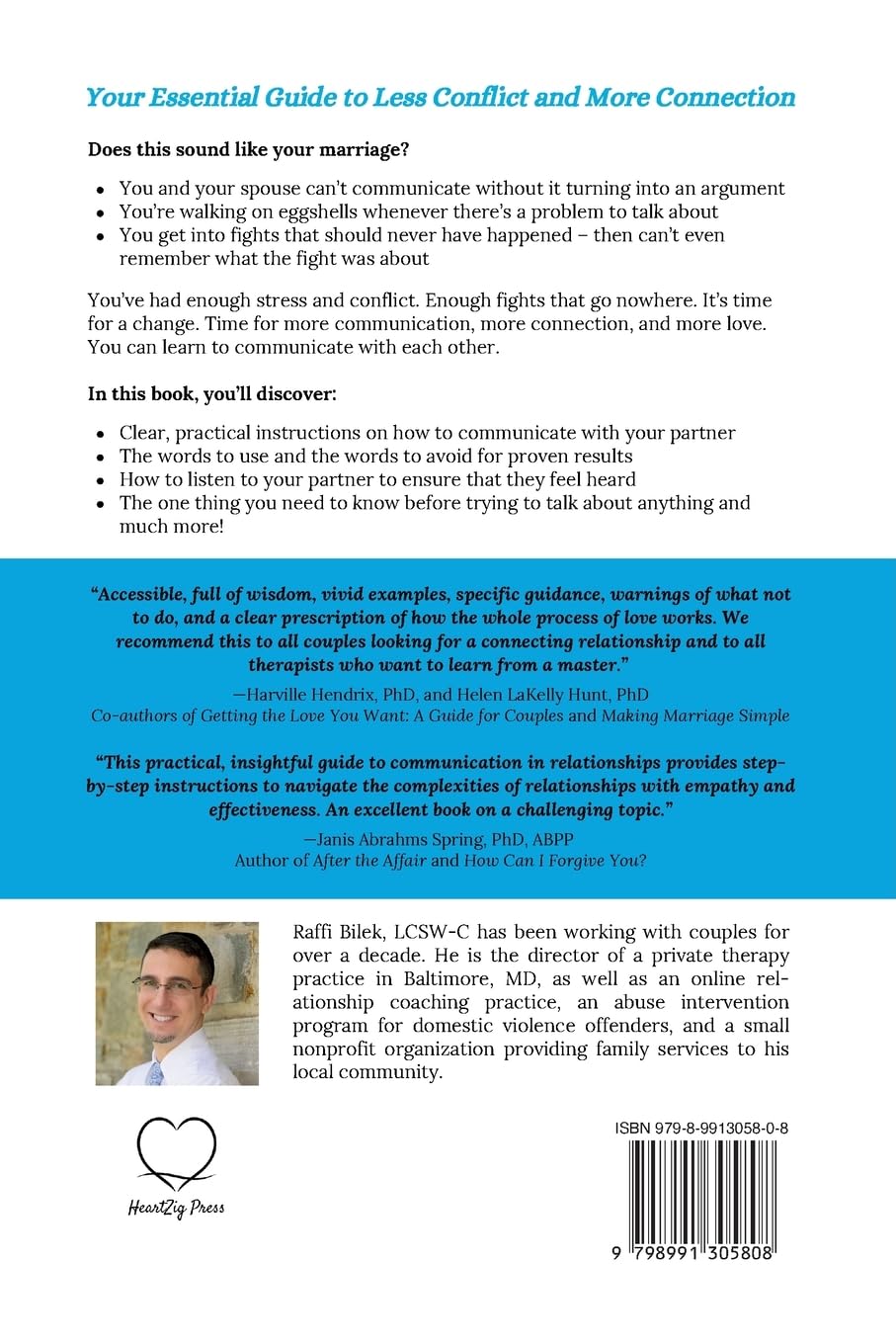
The Couples Communication Handbook: The Skills You Never Learned for the Marriage You Always Wanted
- Relationships
- Conflict Management
- Image Unavailable Image not available forColor:
2. Protect Quality Time Like It's a Medical Appointment
Between work, children, and the general noise of modern life, couple time gets cancelled first and that's a pattern that quietly erodes connection. Research published in the Journal of Marriage and Family found that dedicated couple time at least once a week was associated with significantly higher relationship quality and lower divorce risk.
This doesn't have to mean expensive date nights. Walking to the shops together without the kids, cooking side by side, or even sitting down with the same cup of tea and actually talking counts. The ingredient is presence, not expense.
What counts as quality time
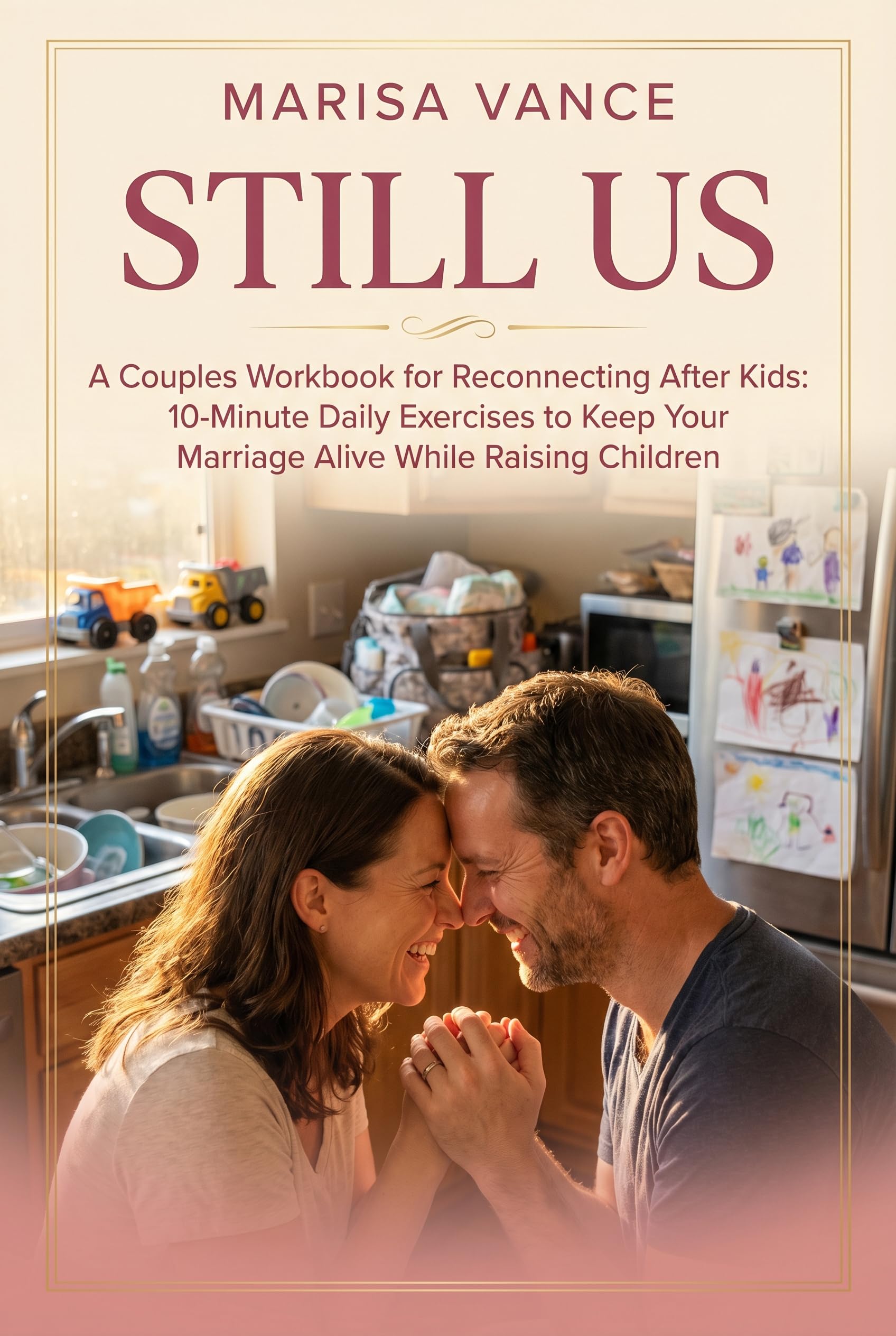
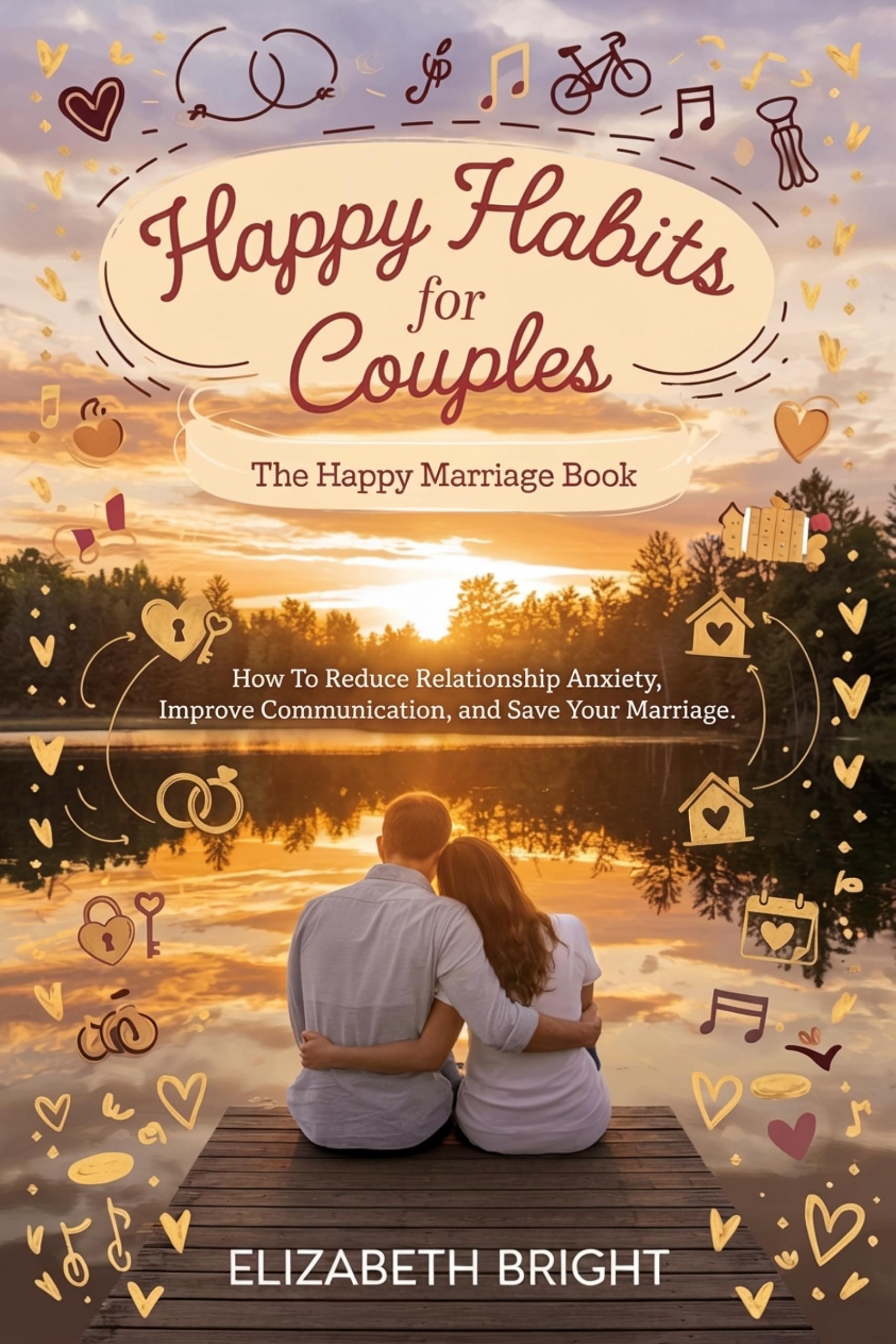
Happy Habits for Couples: The Happy Marriage Book: How to Reduce Relationship Anxiety, Improve Communication, and Save Your Marriage (Happy Habits Book Series 4)
- Kindle Store
- Kindle eBooks
- Religion & Spirituality
3. Share the Mental Load of Parenting
One partner quietly carrying the invisible weight of remembering, planning, and organising family life is one of the most common sources of resentment in parenting couples. The mental load (keeping track of school forms, medical appointments, birthday presents, what's running low in the fridge) is real labour, and when it falls consistently on one person, it breeds exhaustion and distance.
Research from the Council on Contemporary Families shows that perceived fairness in the division of household and parenting labour is a stronger predictor of relationship satisfaction than the actual hours each partner puts in. In other words, feeling seen matters as much as the work itself.
How to redistribute fairly

The Seven Principles for Making Marriage Work: A Practical Guide from the Country's Foremost Relationship Expert
- Relationships
- Conflict Management
- Image Unavailable Image not available forColor:
4. Build Emotional Intimacy, Not Just Physical
Physical intimacy understandably takes a hit across the parenting years, particularly in the newborn and toddler phases. The couples who weather this best are the ones who have built emotional closeness deep enough to sustain the relationship even when physical connection is temporarily low.
Emotional intimacy is what happens when you tell your partner something you'd be embarrassed to say to anyone else and they don't flinch. It's built in small moments: the genuine question about how the day really went, the memory you reference only you two would get, the vulnerability you chose to show instead of shrug off.
Becoming parents can trigger a kind of identity shift that neither partner expects. If you've noticed the performance pressure of modern parenthood creeping into your relationship, you're not imagining it, and naming it together is the first step.
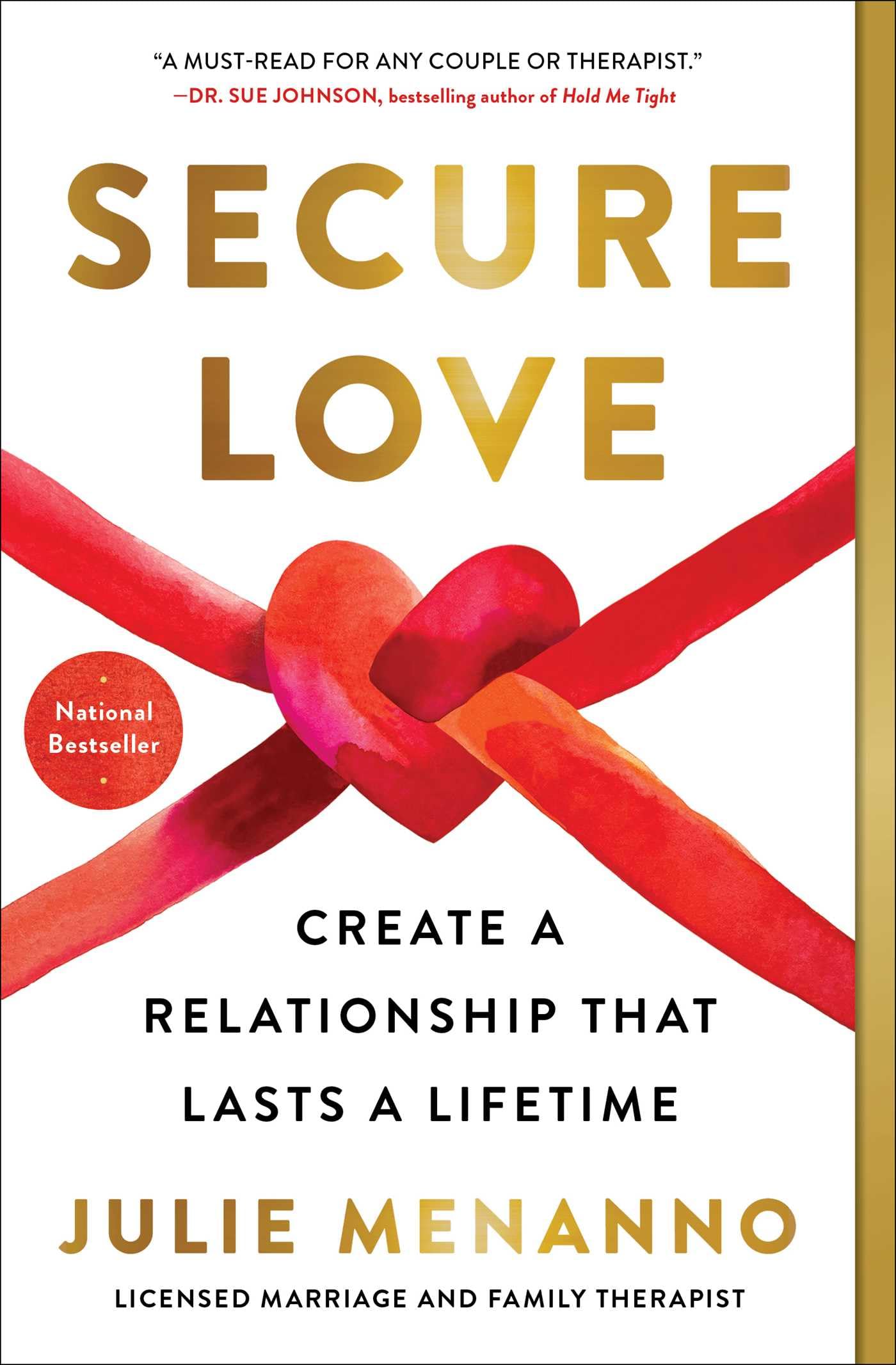
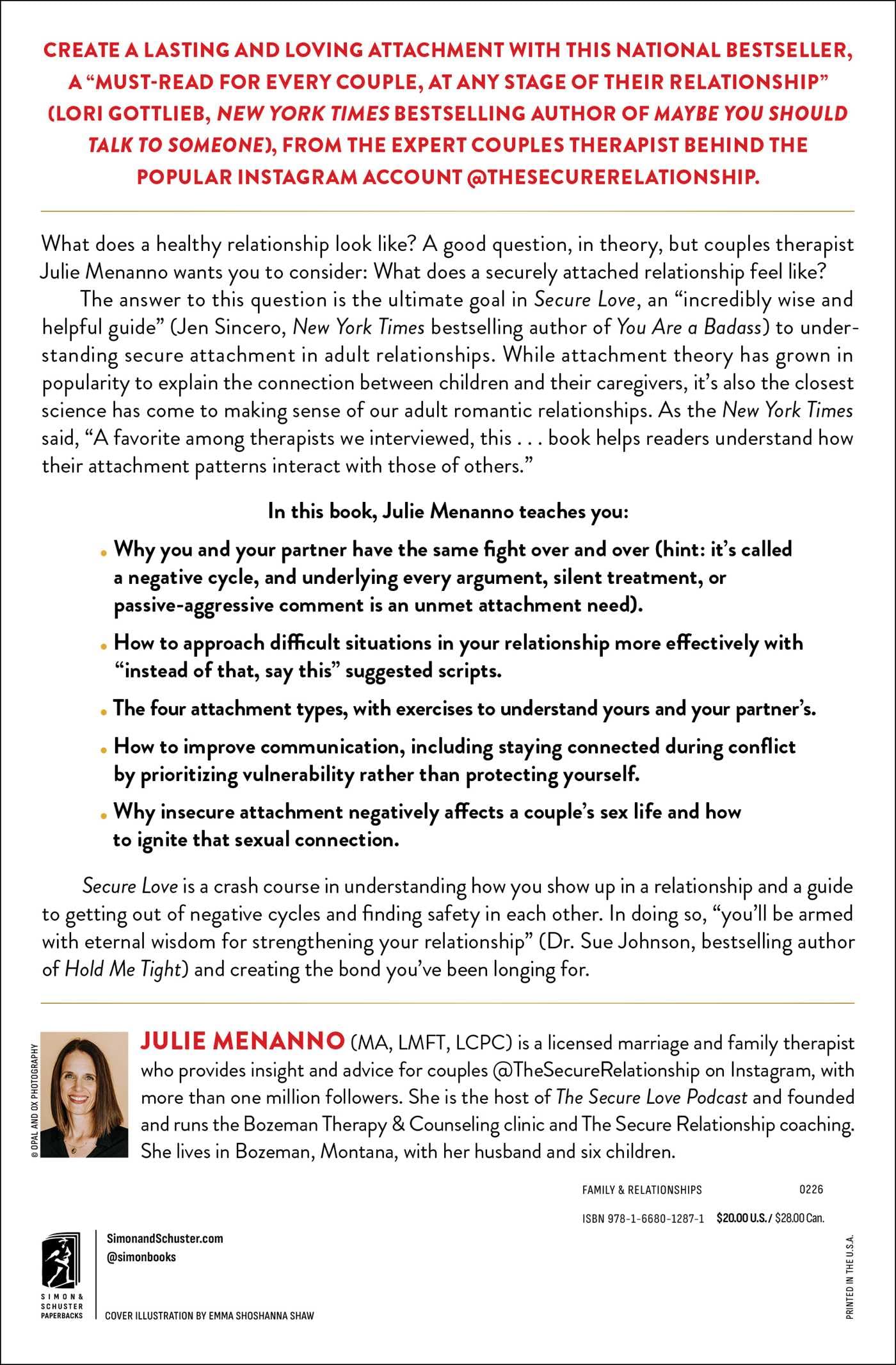
Secure Love: Create a Relationship That Lasts a Lifetime
- Relationships
- Codependency
- Image Unavailable Image not available forColor:
5. Navigate Conflict Without Causing Damage
Every couple argues. The question isn't whether you fight but whether you fight fair. Gottman's research suggests that 69 percent of couple conflicts are "perpetual problems" that never fully resolve because they're rooted in fundamental personality differences. The goal is not to win those arguments; it's to manage them with respect.
Rules that actually help in the heat of it

What Makes Love Last?: How to Build Trust and Avoid Betrayal
- Relationships
- Love & Romance
- Image Unavailable Image not available forColor:
6. Sustain Your Relationship Through Every Parenting Stage
The relationship pressures on a couple with a newborn look nothing like those facing parents of a 10 year old or a teenager. Age banding your expectations matters.
Newborn to 12 months
Sleep deprivation is a genuine physiological stressor that mimics symptoms of depression and anxiety. This is the stage where couples are statistically most likely to report a sharp drop in relationship satisfaction. Divide the night feeds explicitly, be radically patient with each other, and read up on navigating family life in those first months before the baby arrives if you can.
Toddler years (ages 1 to 3)
Your child's rapid development and unpredictable behaviour demands a huge amount of parental energy. Protect at least one brief daily moment of couple connection; it doesn't have to be long but it has to be consistent.
School age (ages 4 to 12)
Logistics expand: school runs, clubs, playdates, homework. This is where the mental load conversation in Tip 3 becomes critical. Couples who solve the logistics problem together have more cognitive and emotional bandwidth left for each other.
Teenagers (ages 13 to 17)
Parents of teens often report a surprising second dip in couple satisfaction. Parenting a teenager can resurface your own adolescence, amplify disagreements about discipline, and leave both partners feeling judged and unsupported. A united front, agreed in private, is worth more than any individual parenting decision.

Love & Respect: The Love She Most Desires; The Respect He Desperately Needs
- Relationships
- Love & Romance
- Image Unavailable Image not available forColor:
7. Practise Gratitude and Respect as Daily Habits
This sounds soft but the data behind it isn't. A 2015 study from the University of Georgia found that feeling appreciated by your partner was the single strongest predictor of relationship quality, more than communication frequency, more than sexual satisfaction. Gratitude works because it interrupts the negativity bias that builds up over years of familiarity.
Respect operates in the same territory. Expressing genuine appreciation ("that was a really thoughtful thing to do") and showing respect in front of the children ("your mum handled that really well") builds a positive cycle that's remarkably hard to break once it gets going.
Small daily habits that compound over time
| Relationship Challenge | When It Peaks | What Helps Most | Recommended Resource | Price Range |
|---|---|---|---|---|
| Communication breakdown | Any stage | Structured check-ins, active listening skills | Couples Communication Handbook | Under $15 |
| Loss of emotional closeness | Newborn and toddler years | EFT based conversations, vulnerability practice | Secure Love | Under $20 |
| Conflict escalation | School age, teen years | Gottman repair techniques, fair fighting rules | Seven Principles for Making Marriage Work | Under $10 |
| Lack of trust or betrayal | Any stage | Rebuilding transparency, structured support | What Makes Love Last | Under $12 |
| Disconnection and drift | All parenting stages | Scheduled quality time, shared novelty | Happy Habits for Couples | Under $10 |
| Feeling unappreciated | All parenting stages | Daily gratitude practice, verbal acknowledgement | Love and Respect | Under $15 |
The couples who come through the parenting years still genuinely liking each other share one thing: they kept choosing the relationship even on the days it felt like one more thing on the list. That choice doesn't have to be dramatic. It can be a cup of tea, a real question, a thank you said out loud, or a repair attempt after a fight that went too far.
The research points in one direction: small, consistent acts of connection done imperfectly and often beat grand gestures done rarely. Your relationship is worth the five minutes it takes to start today.
If this guide was useful, save it somewhere you'll find it again, because every stage of parenting brings a new relationship challenge and it helps to have a map.
Sources & References
- American Psychological Association. "Marriage and Divorce." APA.org. https://www.apa.org/topics/divorce-separation
- The Gottman Institute. "Research FAQs." Gottman.com. https://www.gottman.com/about/research/
- Wilcox, W.B. & Dew, J. "The Date Night Opportunity." National Marriage Project, University of Virginia. 2012.
- Council on Contemporary Families. "Fairness and Relationship Satisfaction." Contemporaryfamilies.org.
- Algoe, S.B., Gable, S.L., & Maisel, N.C. "It's the Little Things: Everyday Gratitude as a Booster Shot for Romantic Relationships." Personal Relationships. 2010.
- Johnson, S. "Hold Me Tight: Seven Conversations for a Lifetime of Love." Little, Brown Spark. 2008.
- Siegel, D.J. & Hartzell, M. "Parenting from the Inside Out." Tarcher/Penguin. 2003.
- Doss, B.D., Rhoades, G.K., Stanley, S.M., & Markman, H.J. "The Effect of the Transition to Parenthood on Relationship Quality." Journal of Personality and Social Psychology. 2009.
Frequently Asked Questions
How much time do couples realistically need together each week?
Is it normal for relationship satisfaction to drop after having a baby?
What's the difference between a relationship rough patch and something more serious?
How do we keep our relationship strong when we co-parent after separation?
When should we consider couples therapy?
How does having children affect intimacy long term?
Can gratitude really make a measurable difference in a relationship?
Was this helpful?
Thanks — your feedback helps us pick what to write next.