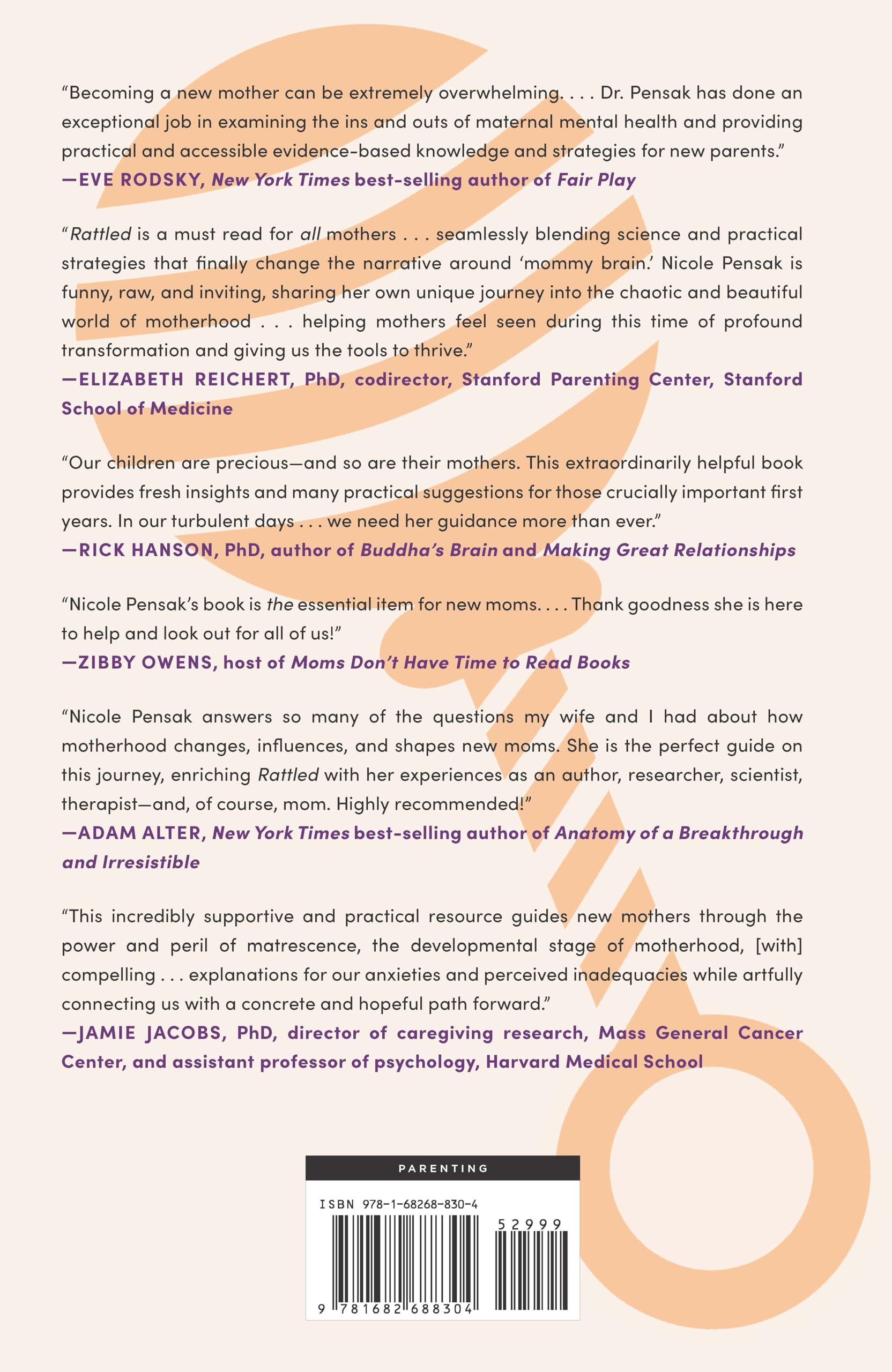
Family Life in the Final Trimester and First 3 Months
The last trimester through the first three months is one of the most intense transitions a family will ever face, but knowing what to expect, from relationship shifts to daily routines, makes it genuinely manageable.

In this article
Around 40 percent of first-time parents report feeling significantly underprepared for the impact a new baby has on daily family life, according to data from the UK's National Childbirth Trust. That gap between expectation and reality is rarely about the baby herself. It is about the invisible restructuring that happens around her: sleep schedules upended, partnerships renegotiated in real time, older children suddenly uncertain of their place, and two adults trying to run a household on fragments of rest.
This guide covers what actually changes in those last few weeks of pregnancy and the first three months postpartum, and what you can do today, not eventually, to navigate it well. After reading, you will understand:
1. Your Relationship Under Pressure: Protecting Your Partnership Now
Relationship satisfaction drops for most couples in the first year after a baby arrives, and research published in the Journal of Family Psychology found that two-thirds of couples experience a significant decline in relationship quality within three years of their first child's birth. The good news is that the decline is not inevitable, and it is most preventable when you start conversations before the birth, not after.
What actually causes conflict
The biggest drivers of post-baby relationship strain are not affection problems. They are logistical ones: unequal division of night waking, one partner feeling unseen in their role, and a loss of shared adult time. Naming these in advance takes away much of their power.
2. Preparing Siblings: Making Room Without Sidelining Anyone
A child under five has no abstract concept of "the new baby will not take your place." They need concrete reassurance delivered through routine and inclusion, not words alone. The Royal College of Paediatrics and Child Health advises introducing change gradually in the final trimester, so that the baby's arrival is one step in a process, not a sudden disruption.
Before the birth
After the birth
Give your older child a specific, repeated role: hand you a nappy, sing to the baby, press the button on the bouncer. Contribution builds connection. Aim for at least 10 minutes of one-on-one time with your older child daily, even if it is just reading together while the baby naps.
3. Newborn Care Day to Day: What the First Three Months Actually Look Like
Newborns do not follow schedules; they follow needs. The American Academy of Paediatrics (AAP) describes the newborn pattern as feeding 8 to 12 times per 24 hours, with sleep cycles of 45 to 90 minutes. Understanding that variation is normal, not a failure of your routine, removes enormous parental anxiety.
Feeding
Whether you breastfeed, formula-feed, or combine both, the principles are the same: feed on demand in the early weeks, watch for hunger cues (rooting, hand-to-mouth, fussiness) rather than the clock, and track wet and dirty nappies as the best early sign that intake is adequate.
Hygiene and grooming
Newborn skin is sensitive and newborn nails grow surprisingly fast. Scratching is one of the most common minor injuries in the first weeks. Having the right tools close to hand means you can act when the baby is calm rather than scrambling.
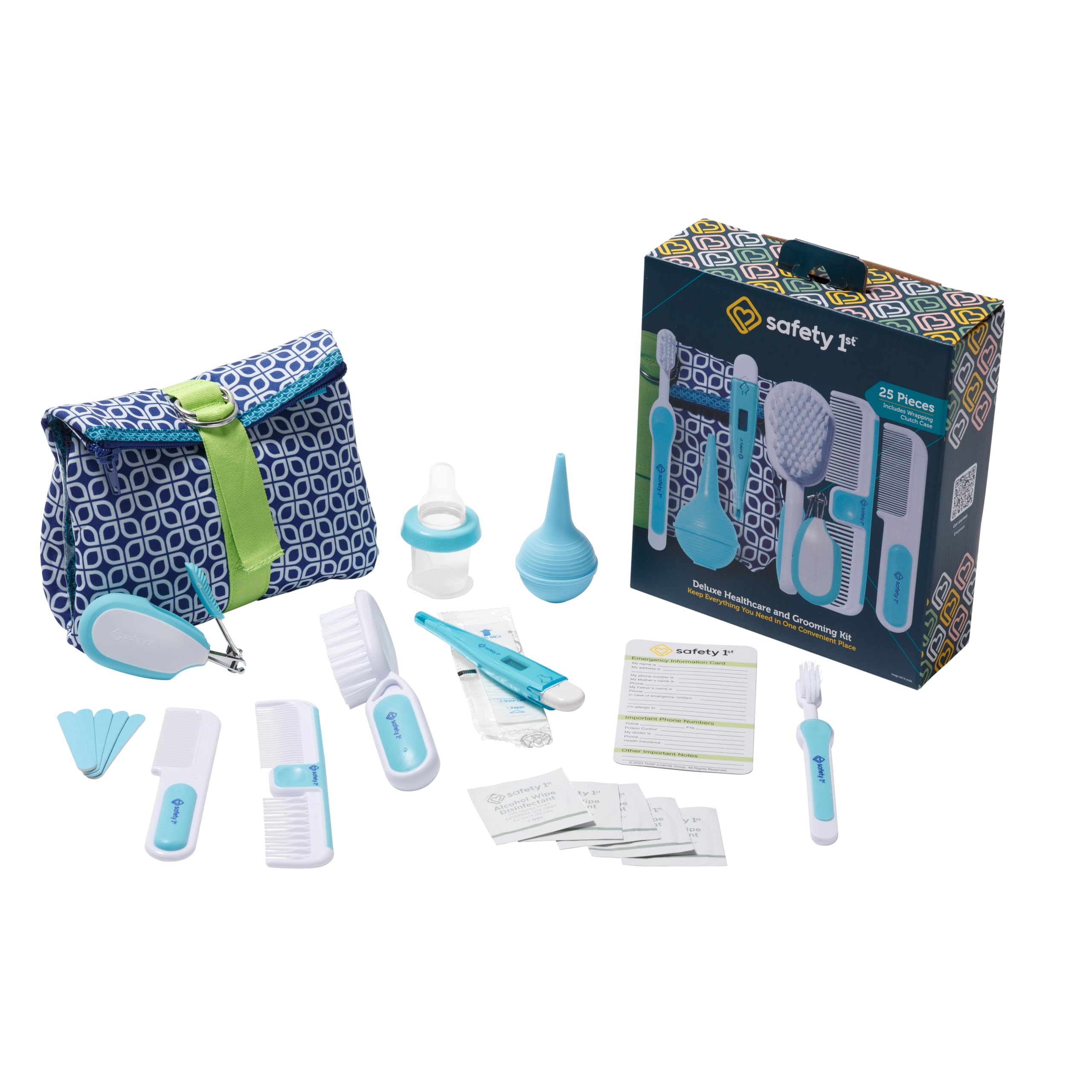
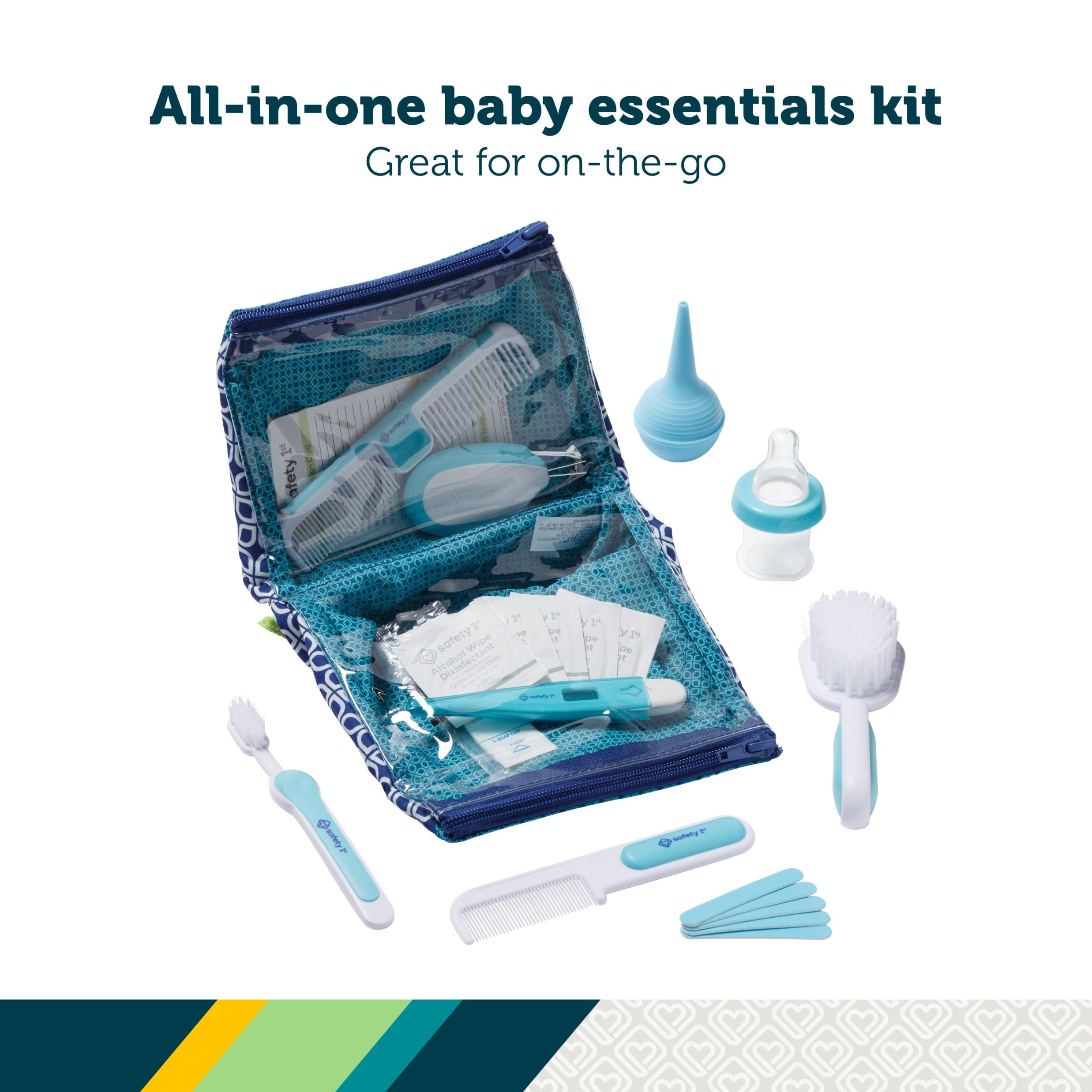
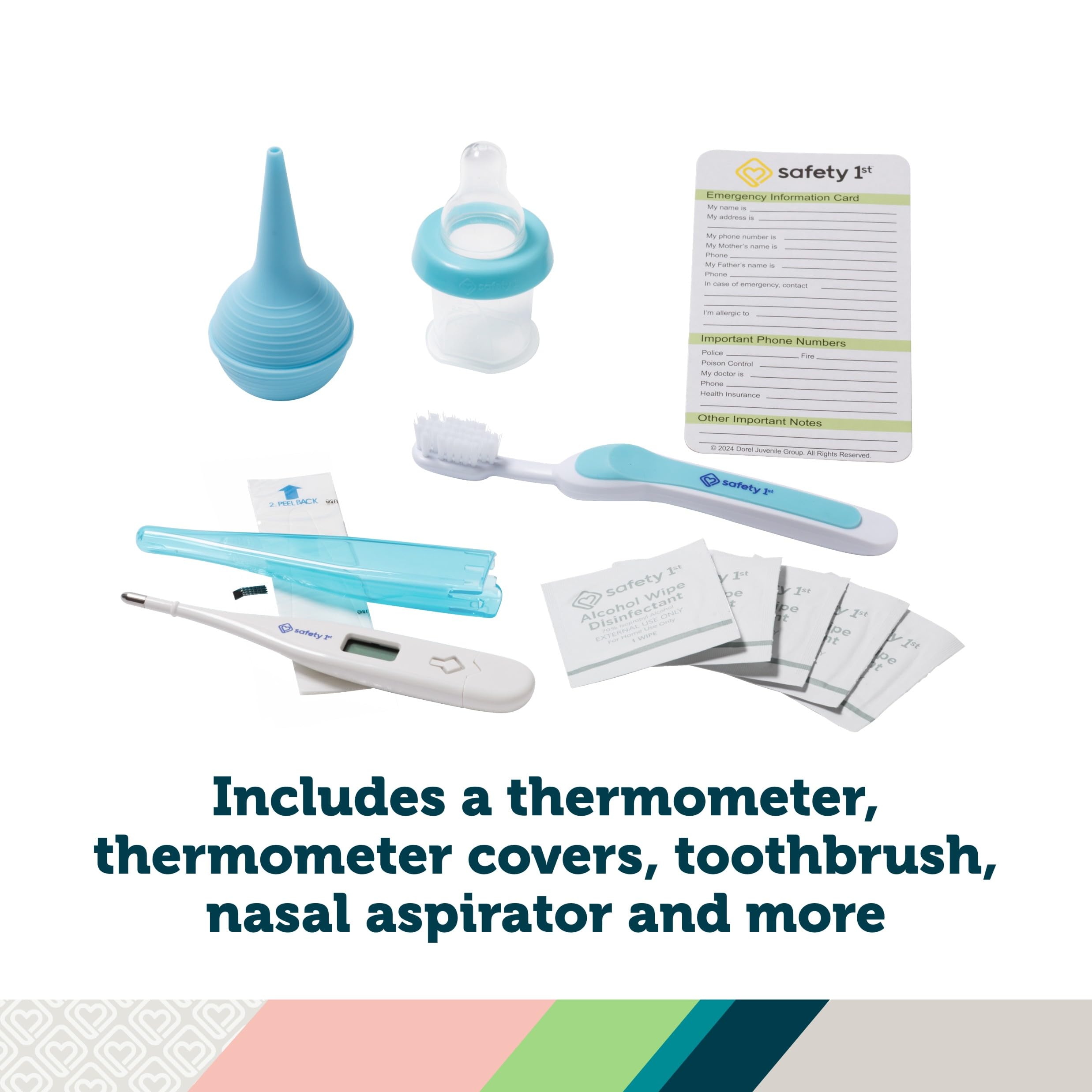


Safety 1st Deluxe Baby Healthcare and Grooming Kit, Arctic Blue, Newborn Baby Essentials, One Size, 25 Pieces
- BABY GROOMING KIT: This baby care kit provides essential grooming tools for newborns and infants, including a
- EASY ORGANIZATION WITH SAFETY 1ST: This deluxe baby grooming kit comes in a wrapping clutch case with two easy
- BABY ESSENTIALS: Our baby grooming kit newborn features an easy-grip brush will softly remove tangles, and the
A 25-piece kit like this one covers everything from a soft-bristle brush for cradle cap to a nasal aspirator for the inevitable blocked nose. Keeping it in one place rather than scattered across drawers saves time on no sleep.
For tummy troubles, which are nearly universal in the first weeks as the gut microbiome establishes itself, the Mommy's Bliss newborn kit pairs gripe water with gas relief drops and vitamin D, covering the three most common supplement and comfort needs in one box.
4. Sleep: Setting Up Your Home for the Long Game
The AAP's safe sleep guidelines are clear and non-negotiable: place babies on their back, on a firm flat surface, in their own sleep space, free of loose bedding, pillows, bumpers, and positioners. Every night. The AAP states that following these guidelines reduces the risk of Sudden Infant Death Syndrome (SIDS) by more than 50 percent.
Your sleep as a family
Parental sleep deprivation is not just uncomfortable; it is a clinical safety issue. The CDC identifies fatigued driving as equivalent in impairment to drunk driving. This makes sleep protection for caregivers a family health matter.
Understanding what your baby actually needs in these early weeks connects closely to what newborns require in the fourth trimester, where proximity, warmth, and responsive feeding do more for development than any schedule.
5. Your Own Recovery: Physical and Emotional Wellbeing Is Not Optional
Physical recovery from birth, whether vaginal or caesarean, takes longer than most parents are told to expect. The NICE (National Institute for Health and Care Excellence) guidelines note that perineal healing takes six to eight weeks for most vaginal births, and abdominal healing from a caesarean takes eight to twelve weeks. Returning to full activity before that window closes increases complication risk.
Emotionally, up to 80 percent of new mothers experience "baby blues" in the first two weeks, characterised by tearfulness and mood swings as hormone levels re-regulate. This is distinct from postnatal depression, which affects around 1 in 10 mothers and 1 in 25 fathers and requires professional support.
For a detailed look at where the baby blues end and postnatal depression begins, the guide on recognising postnatal depression is worth bookmarking before the birth, not after symptoms appear.
6. Visitors, Extended Family, and Setting Household Boundaries
Extended family involvement is strongly correlated with lower parental stress and better infant outcomes, according to research from the University of Michigan's Center for Human Growth and Development. The challenge is not the involvement itself but the unmanaged expectations on both sides.
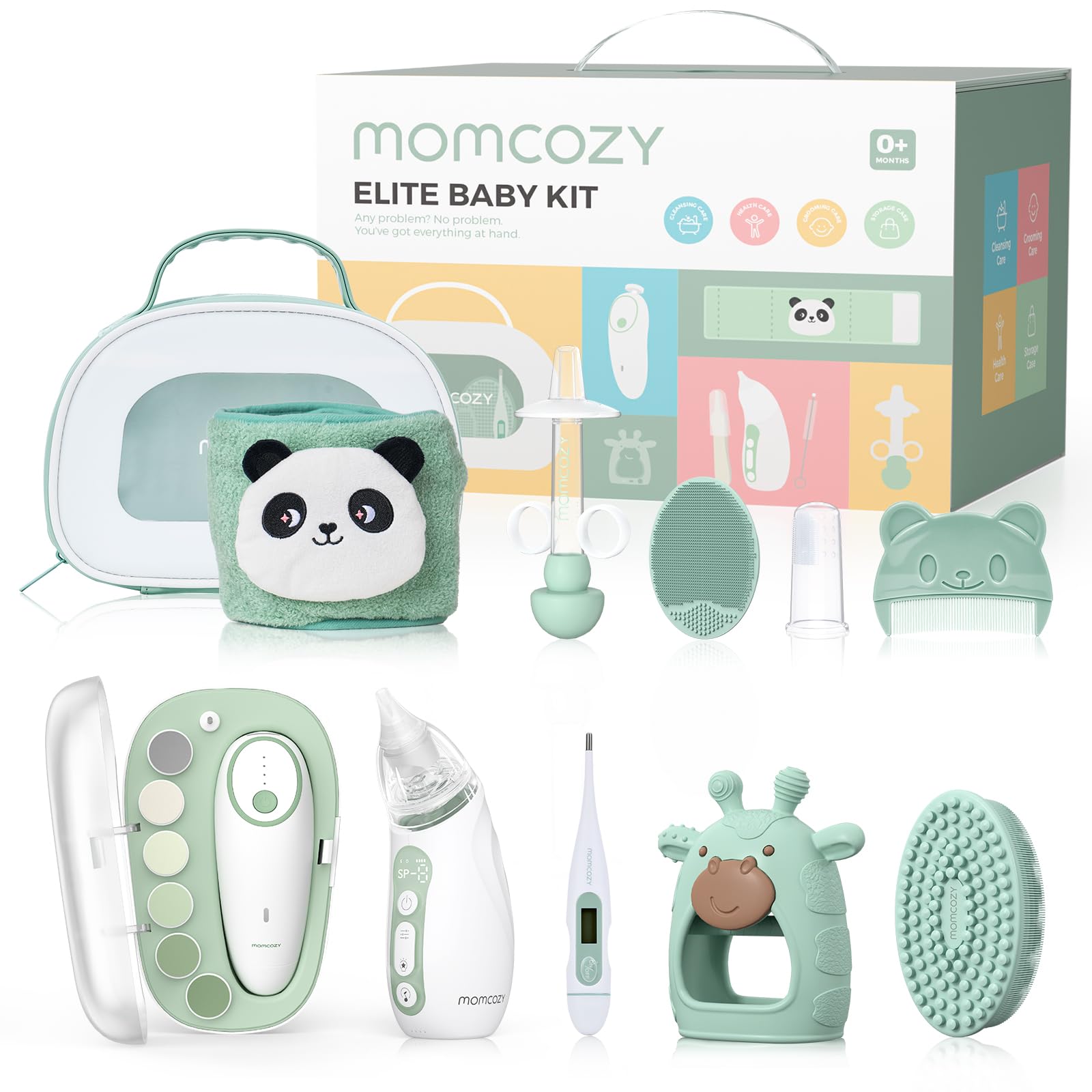

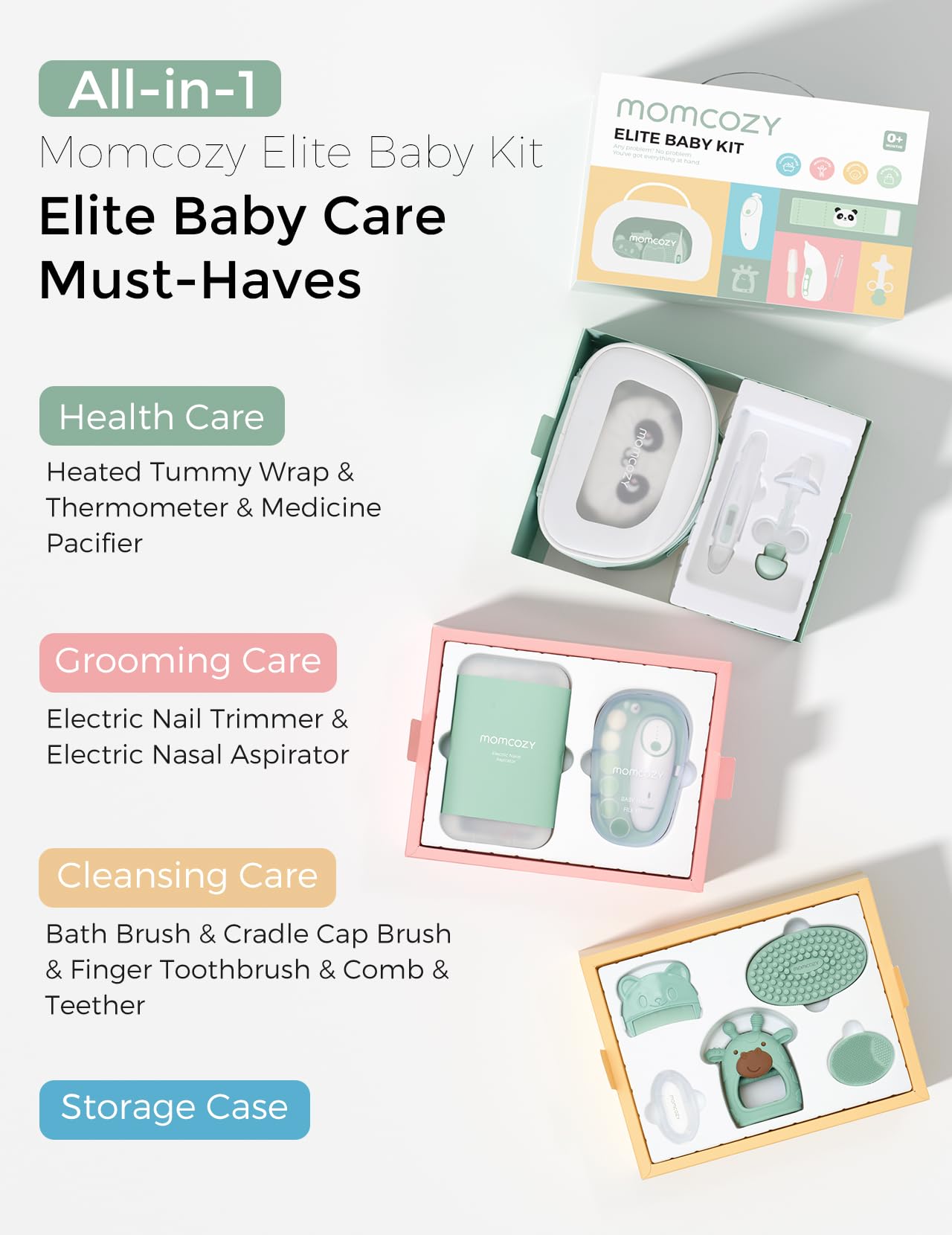

Momcozy Elite Baby Kit, Superior Baby Shower & Registry Essential Kit for Grooming & Health & Cleansing Care, Electric Nail File & Nasal Aspirator,Tummy Wrap,Thermometer,Bath Brush,Teether,Storage Bag
- The All-in-1 Momcozy Baby Elite Kit - Superior Baby Shower & Registry Gift. The Elite Baby Kit covers 3 main b
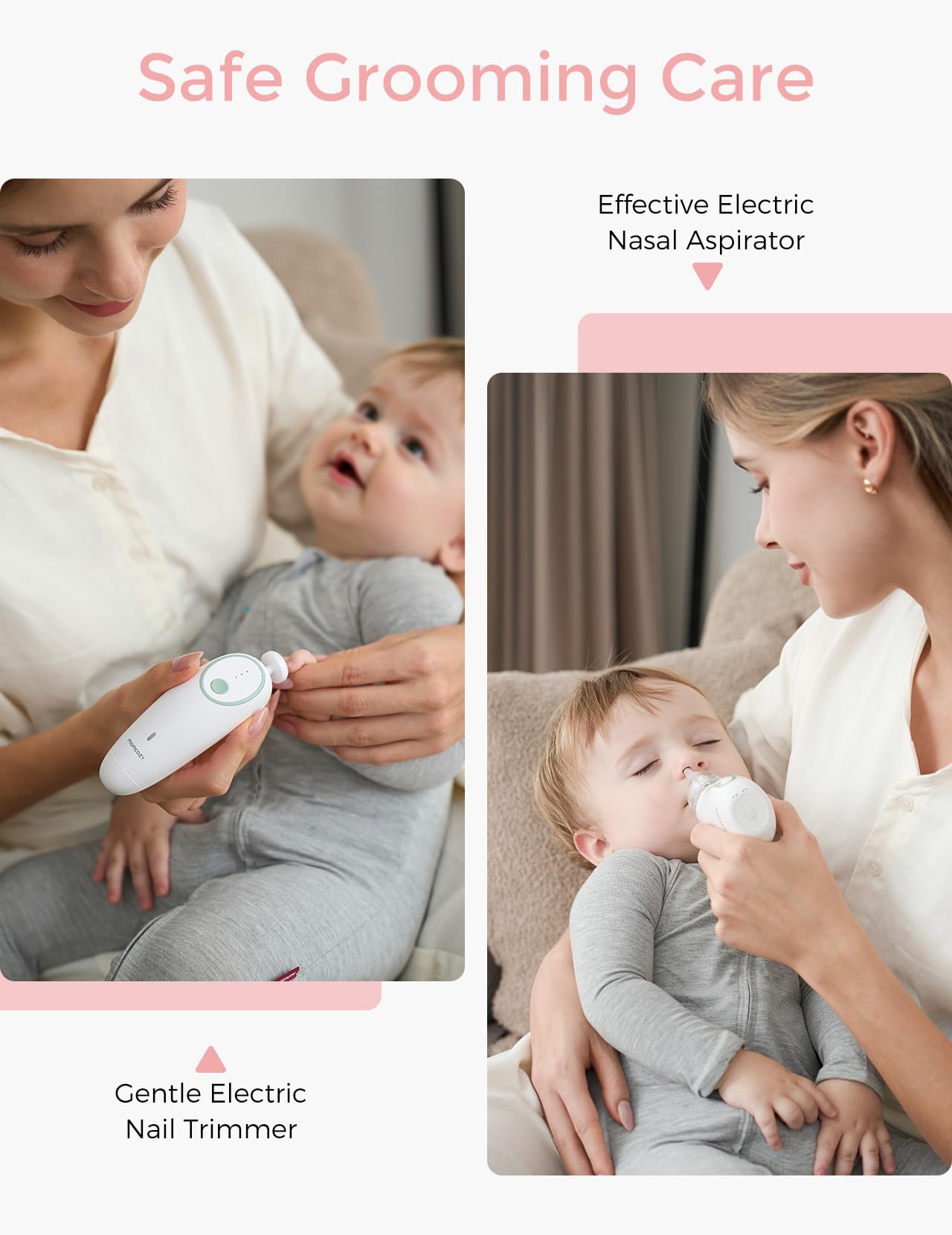
- Gentle Electric Nail Trimmer - Momcozy Elite Baby Kit comes with an electric nail trimmer, features a gentle 3
- Efficient Baby Nasal Aspirator- Made of BPA-free soft material, the nasal aspirator has 3 levels of suction po
A well-organised baby care kit means visitors can help practically (the tummy wrap and thermometer in the Momcozy Elite Kit are both easier to use with a demonstration) without the chaos of hunting through drawers for the right item.
A boundary framework that actually works
7. Building Your Daily Rhythm: Structure Without Rigidity
A rhythm is not the same as a schedule. Schedules are clock-driven; rhythms are sequence-driven, and they work far better for newborns and exhausted parents alike. The sequence "feed, awake time, sleep" (sometimes called EASY: Eat, Activity, Sleep, You) gives the day a predictable shape without requiring the baby to eat at 7:04 a.m. exactly.


Dr. Brown's Baby Care Essentials Kit, Nail Scissors with Case, Nasal Aspirator, Cradle Cap Brush and Comb, BPA-Free
- BABY NAIL SCISSORS WITH CASE. The safe, rounded blades of Dr. Brown's Safe Squeeze Nail Scissors take the worr
- SAFE SQUEEZE DESIGN. Scissor handle features ridged finger grippers and round shape that's easy to control so
- RELIEVE NASAL CONGESTION. Dr. Brown's Nasal Aspirator is easy to use and helps clear blockages in baby's nose
Keeping a care kit like this one in every room where you regularly change or settle the baby means the rhythm is not broken by hunting for a nasal aspirator or nail scissors, which sounds minor but matters enormously on four hours of sleep.
Practical daily anchors
For parents working from home through this period, designing a workspace that signals work mode becomes unexpectedly important when parental leave ends and you need the house to hold multiple functions at once.
Newborn Care Kit Comparison
| Kit Type | Best For | Key Items Included | Price Range | Recommended Product |
|---|---|---|---|---|
| Wellness + comfort kit | Tummy troubles, congestion, vitamin D | Gripe water, gas drops, saline spray, vitamin D | $22–25 | Mommy's Bliss Newborn Kit |
| Comprehensive grooming kit (budget) | Daily hygiene, nail care, nasal clearing | Nail scissors, aspirator, comb, brush | $10–16 | WXA Baby Grooming Kit |
| Comprehensive grooming kit (mid) | Household with older siblings, gifting | 25 pieces, clutch case, toothbrush, aspirator | $16 | Safety 1st Deluxe Kit |
| Paediatric-brand basics | Parents who want trusted clinical brand | Nail scissors, aspirator, cradle cap brush | $13 | Dr. Brown's Care Kit |
| Premium all-in-one | Parents who want electric tools + health monitoring | Electric nail file, aspirator, thermometer, tummy wrap | $90 | Momcozy Elite Baby Kit |
| Symptom-relief starter kit | First-time parents, baby shower gifts | Saline spray, diaper rash cream, gas drops, gripe water | $25 | Little Remedies Essentials Kit |
Expert Insights
The first three months are exhausting, beautiful, disorienting, and genuinely temporary in their intensity. Every family who has been through it has a story about the chaos, and nearly all of them also have a story about the unexpected grace: the 3 a.m. quiet, the first real smile, the way a small person changes what you thought mattered. You do not need to do this perfectly. You need to do it with enough support, enough honesty with the people around you, and enough practical preparation that the hardest moments do not catch you completely empty-handed.
The most durable thing you can build in these weeks is not a perfect routine. It is a family culture where people ask for help, share the load honestly, and show up for each other. That foundation carries you well past the newborn stage.
Save this guide, share it with your co-parent, and revisit it at week two when the initial adrenaline fades and the real adjustment begins.
Sources & References
- American Academy of Pediatrics. "Safe Sleep: Recommendations." 2022. https://www.aap.org/en/patient-care/safe-sleep/
- American Academy of Pediatrics. "Caring for Your Newborn." 2023. https://www.healthychildren.org
- Gottman, J. M., & Gottman, J. S. "And Baby Makes Three." 2007. Crown Publishers.
- National Childbirth Trust. "New Parent Survey: Preparation and Reality." 2018. https://www.nct.org.uk
- NICE (National Institute for Health and Care Excellence). "Postnatal Care." NG194. 2021. https://www.nice.org.uk/guidance/ng194
- Royal College of Paediatrics and Child Health. "Preparing Siblings for a New Baby." 2020. https://www.rcpch.ac.uk
- Centers for Disease Control and Prevention. "Drowsy Driving: Asleep at the Wheel." 2022. https://www.cdc.gov/sleep/features/drowsy-driving.html
- Doss, B. D. et al. "The Effect of the Transition to Parenthood on Relationship Quality." Journal of Personality and Social Psychology. 2009.
- Moon, R. Y., & AAP Task Force on Sudden Infant Death Syndrome. "SIDS and Other Sleep-Related Infant Deaths: Updated 2022 Recommendations." Pediatrics. 2022.
- University of Michigan Center for Human Growth and Development. "Grandparent Involvement and Parental Wellbeing." 2017.
Frequently Asked Questions
How do I manage visitors when I am exhausted and do not want to seem rude?
When should I be worried about my own mood after birth?
How do I handle an older child who suddenly starts acting younger after the new baby arrives?
Is it safe to use gripe water and gas drops together?
When can we start a bedtime routine?
How do I know if my baby's nasal congestion needs a doctor?
What is the best way to split night feeds fairly between two parents?
Was this helpful?
Thanks — your feedback helps us pick what to write next.